
The Story
Plant Bio
Oenothera filiformis, the longflower beeblossom, is a short-lived herbaceous perennial grown as a biennial, forming a basal rosette the first year and sending up airy wand-like stems 2 to 4 feet tall the second. Leaves are slender and borne singly along the stems, and white four-petaled flowers open in the evening along branching spikes with reddish-brown anthers, fading pinkish with age.
Unlike the dwarf Oenothera lindheimeri hybrids sold in pots, this is the tall wild biennial type still sold as Gaura longiflora, with a deep taproot that transplants best young and stems that reach 6 feet in rich soil. It is self-incompatible and depends on bees for pollination, then self-sows freely if spent spikes are left standing.
Uses & Benefits:
Essentials
At a Glance
Plant Type
Perennial
Height
48"
Width
36"
Light
Full Sun, Partial Sun
Zones
4, 5, 6, 7, 8
Water
Low
Humidity
Average
Lifespan
Biennial to short-lived perennial
Native To
Central U.S.
Toxicity
Unknown
Bloom period
Summer – Fall
In flower about 6 months of the year
Planting
How to Grow
- Sow seed in place or set young rosettes in full sun in well-drained, even poor or calcareous soil.
- Water to establish the first season, then reduce to minimal supplemental water.
- Leave the rosette through winter to produce flowering stems the second year.
- Deadhead or cut back spent spikes to limit self-seed, or leave a few to renew the patch.
Pro Tip
Leave first-year rosettes undisturbed to overwinter, then deadhead spent spikes promptly unless you want abundant self-sown seedlings.
Keep It Thriving
Care Guide
Do
- Plant in full sun with sharp drainage
- Allow second-year stems to flower before removing
- Save seed from a few spikes to renew short-lived plants
Don't
- Do not move established plants with deep taproots
- Do not fertilize heavily or overwater once established
- Do not expect flowers in the first year from seed
Seasonal Care Calendar
| Task | Jan | Feb | Mar | Apr | May | Jun | Jul | Aug | Sep | Oct | Nov | Dec |
|---|---|---|---|---|---|---|---|---|---|---|---|---|
| Deadhead | ||||||||||||
| Mulch | ||||||||||||
| Plant | ||||||||||||
| Propagate | ||||||||||||
| Spring Cleanup |
Watch Out For
Pests & Diseases
Common Pests
Common Diseases
In the Garden
Landscape Uses & Companions
Landscape Uses
Multiply
Propagation Methods
Good to Know
Common Questions
Longflower Beeblossom questions
What zones can Longflower Beeblossom grow in?
Longflower Beeblossom is hardy in USDA Zones 4–8: in that range it survives winter in the ground. Warmer than Zone 8, winter isn't the problem: it prefers colder winters, and summer heat can shorten its life.
When does Longflower Beeblossom bloom?
Longflower Beeblossom typically blooms from summer to fall. Exact timing shifts a week or two with your zone — Sow's bloom calendar maps it to your garden.
Does Longflower Beeblossom need full sun?
Longflower Beeblossom does best in full sun to part shade. In hot climates, afternoon shade keeps blooms fresher longer.
Is Longflower Beeblossom drought tolerant?
Yes — once established (usually after the first full season), Longflower Beeblossom handles dry spells with minimal watering. Water deeply its first year to build the root system that makes that possible.
More Oenothera to compare
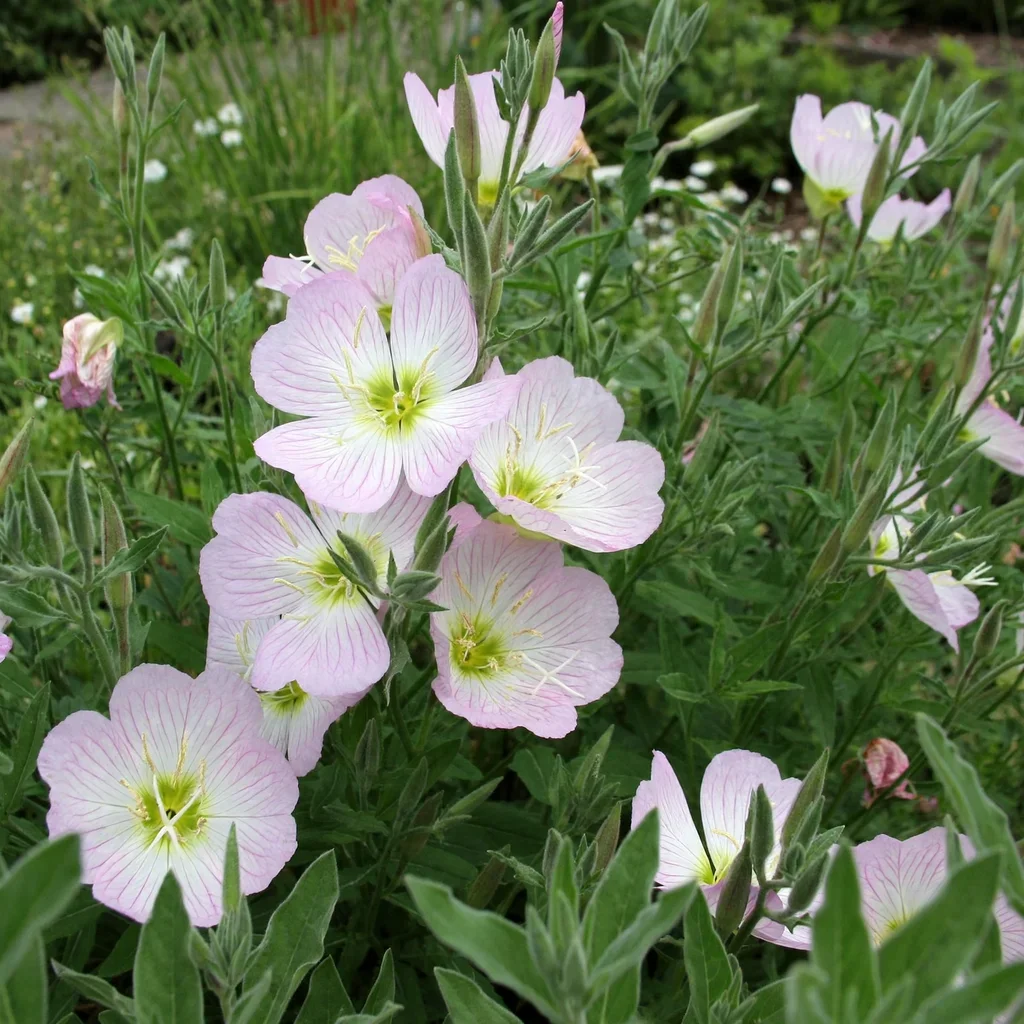
Pink Evening Primrose
Oenothera speciosa
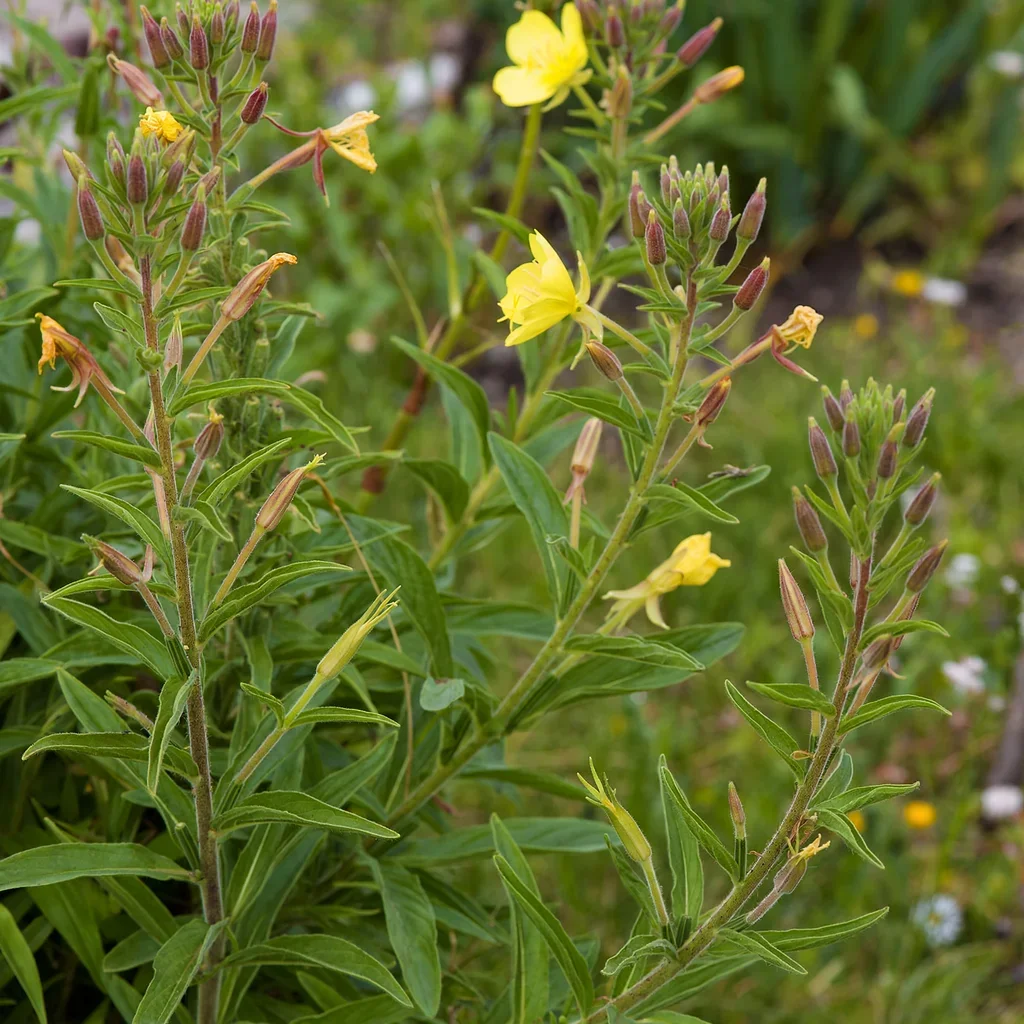
Evening Primrose
Oenothera biennis
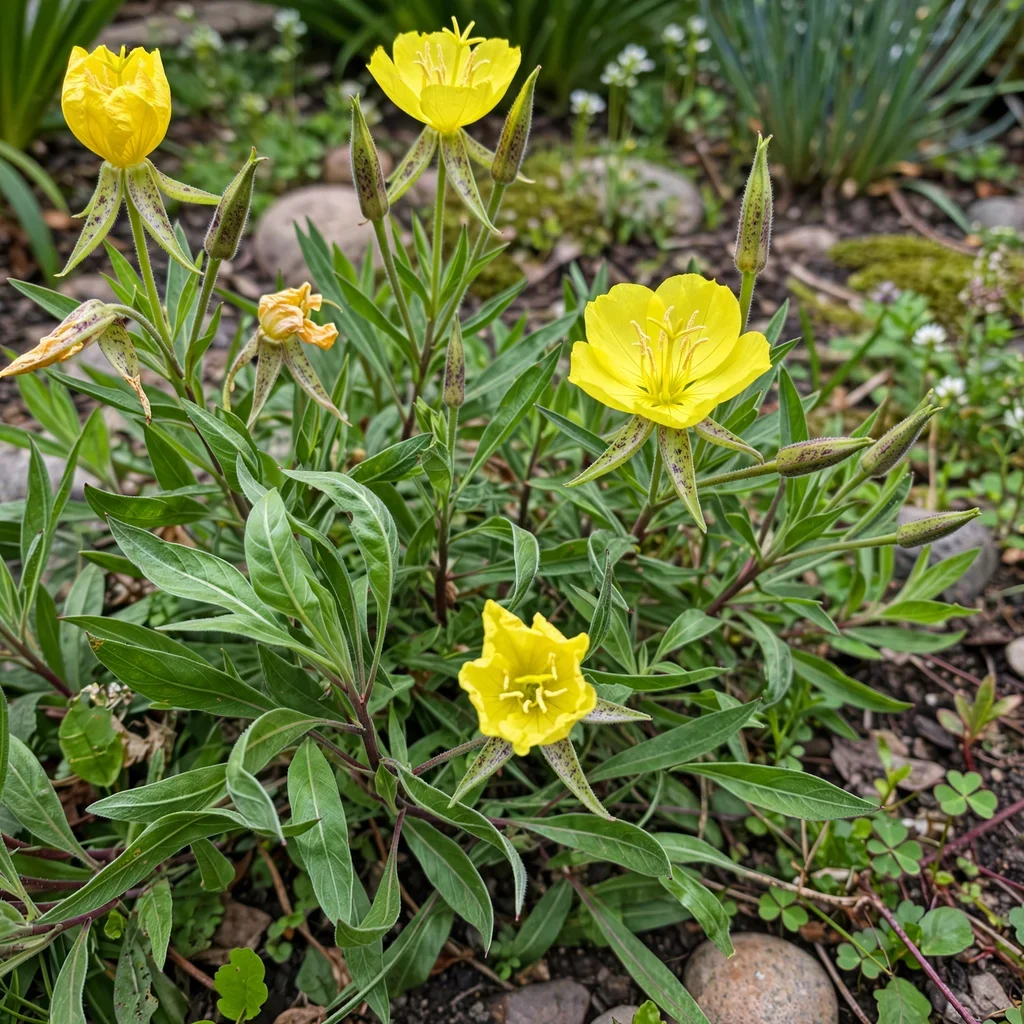
Missouri Evening Primrose Giant Evening Primrose
Oenothera macrocarpa
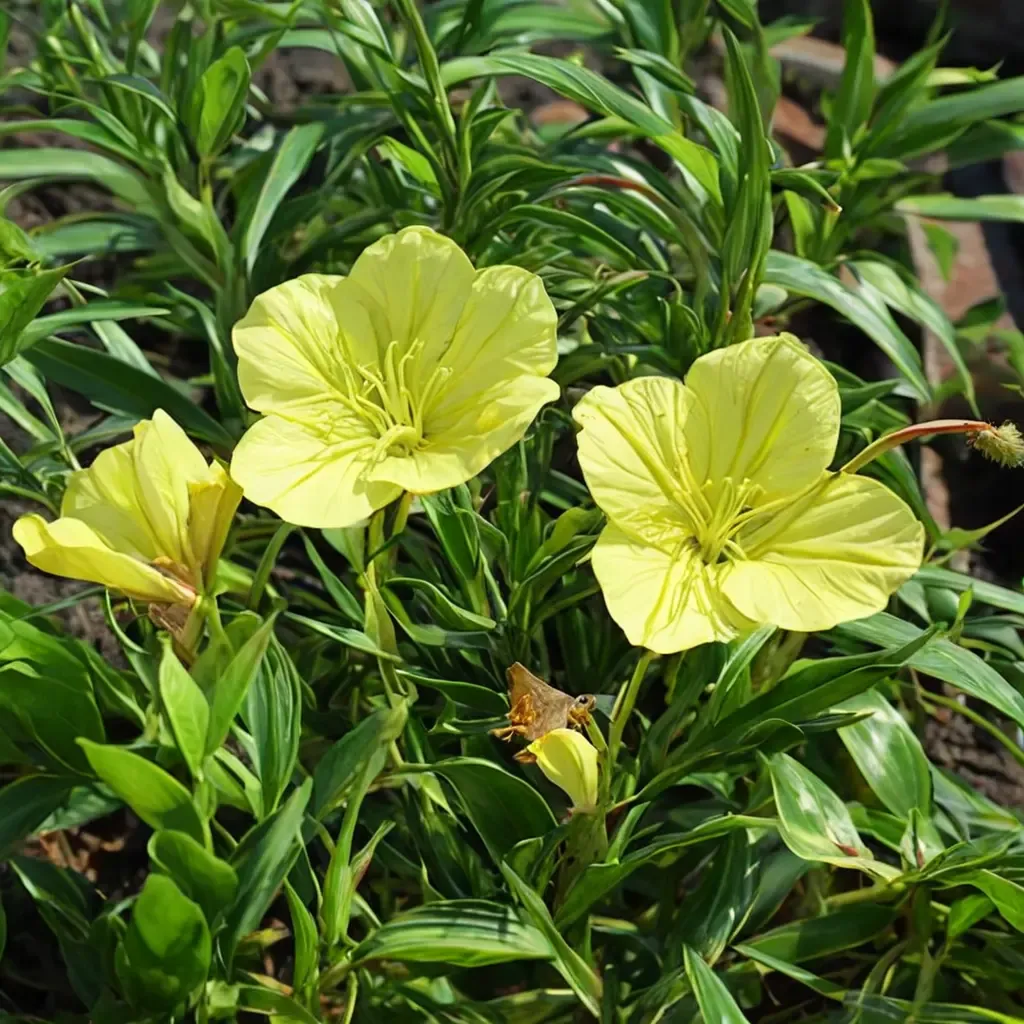
Ozark Sundrop
Oenothera missouriensis 'Ozark Sundrop'
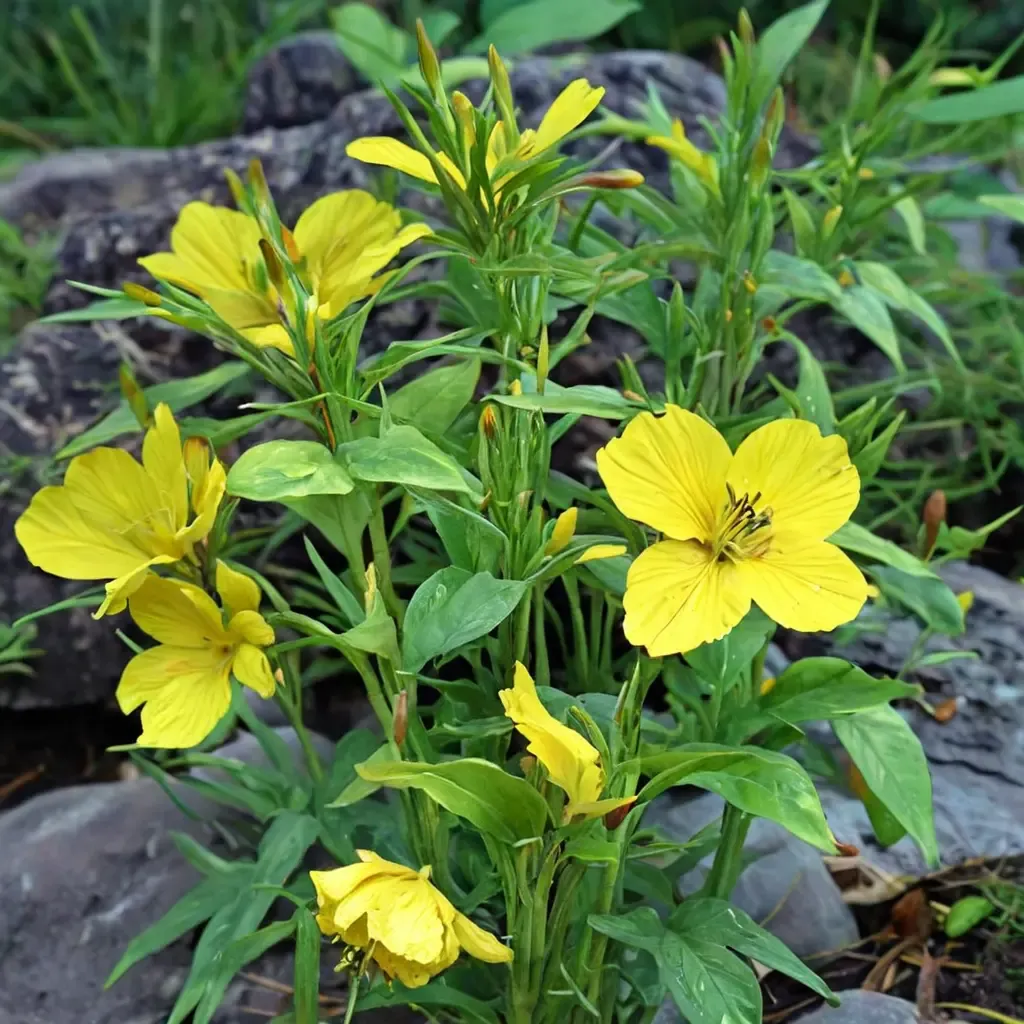
Native Yellow Sundrops
Oenothera fruticosa 'Native Yellow Bellflower'
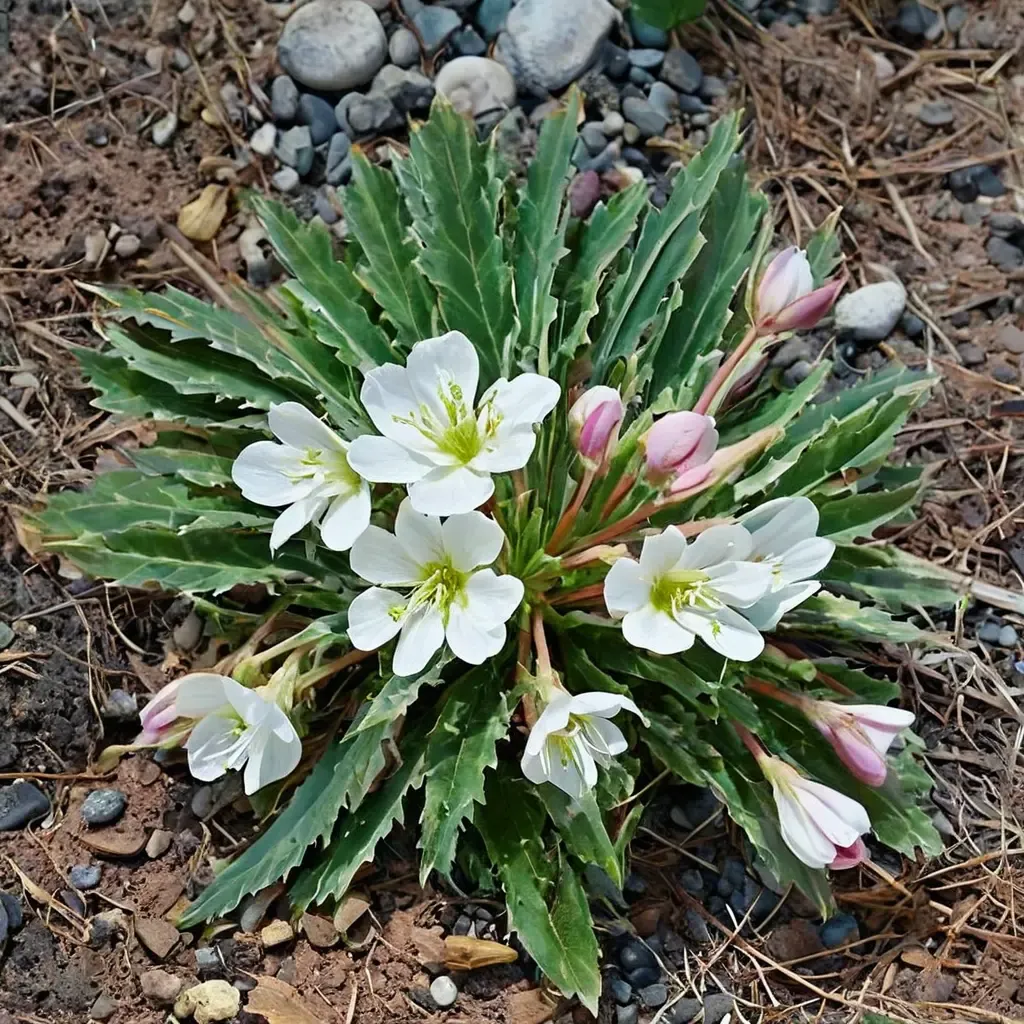
Tufted Evening Primrose
Oenothera caespitosa
Keep exploring
Explore the genus
Hardy in your zone?
Grow Longflower Beeblossom with confidence
See it in a design of your actual yard, get zone-matched care reminders, and track it season by season in your garden journal.