The Story
Plant Bio
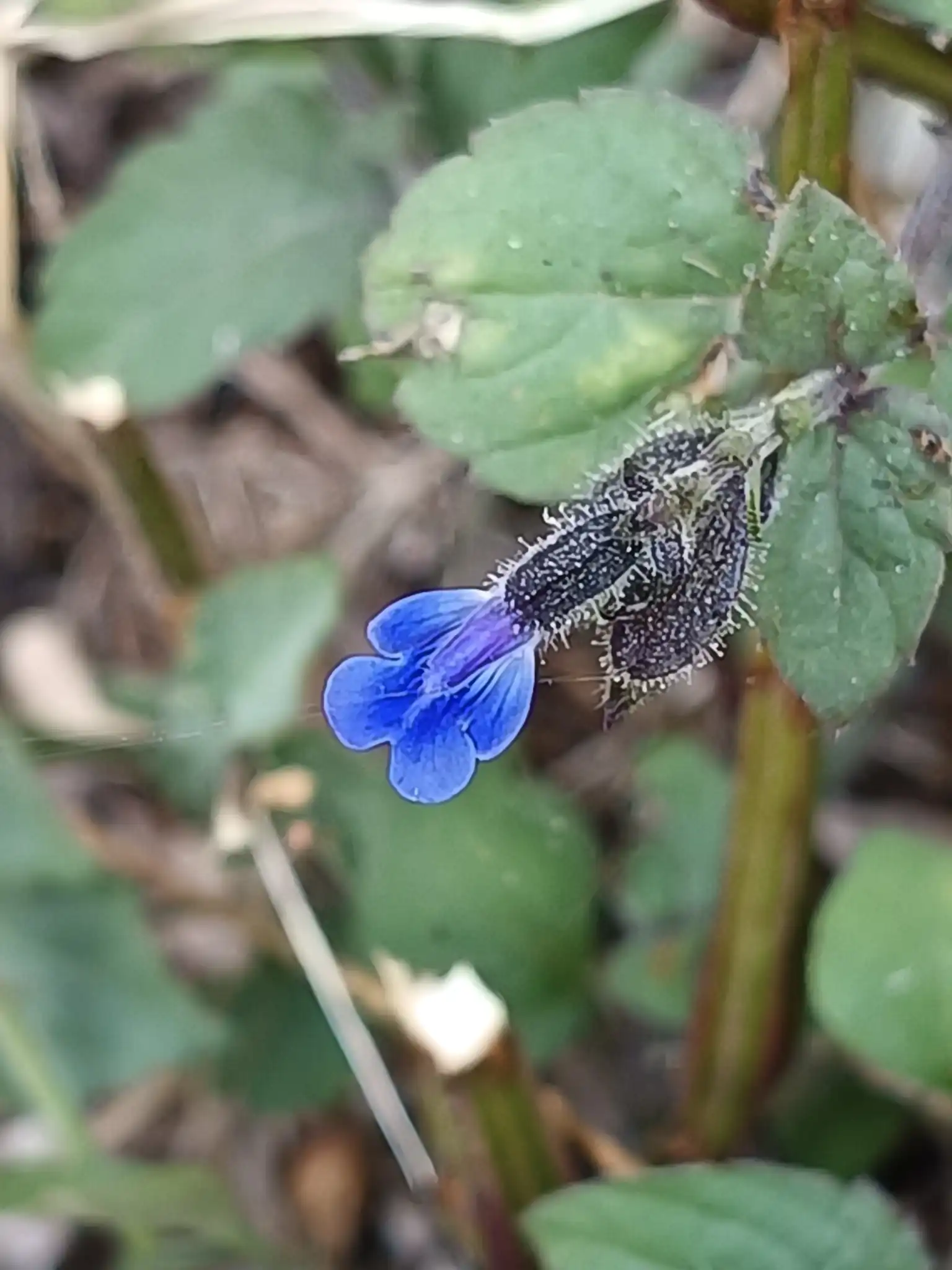
Salvia misella is an annual or biennial herb in the mint family with erect to ascending, quadrangular, hairy stems that branch freely and root where lower nodes touch soil. It forms a low spreading mat 6 to 12 inches high with soft green aromatic leaves and trumpet-shaped sky-blue flowers with a white throat borne in open spikes.
The flowers are 5 to 7.5 mm trumpets in 4 to 8 inch racemes of 8 to 12 whorls of two to three, fragrant and sky-blue fading to white at the base. It is sold as Salvia riparia, its synonym, and is separated from Salvia occidentalis by its longer 7 mm calyx and by lower stems that root to form a creeping groundcover.
Uses & Benefits:
Essentials
At a Glance
Plant Type
Annual
Height
12"
Width
60"
Light
Full Sun, Partial Sun, Shade
Zones
9
Water
Low
Humidity
Unknown
Lifespan
Annual or biennial
Native To
South Florida to tropical America
Toxicity
Not toxic
Bloom period
Mid spring – Mid fall
In flower about 7 months of the year
Planting
How to Grow
- Plant in spring after frost in full sun to shade in well-drained average to dry soil.
- Space 48 inches apart to allow stems to branch and knit into a mat.
- Water to establish, then water sparingly and avoid constant irrigation.
- Deadhead spent spikes to prolong bloom from mid-spring to mid-fall.
Pro Tip
Hold back water once established; steady irrigation pushes lower stems to root and turns it from a short-lived groundcover into a garden spreader.
Keep It Thriving
Care Guide
Do
- Plant in well-drained soil in sun to shade.
- Allow room to spread into a low mat.
- Leave flowers for hummingbirds, native bees and butterflies.
Don't
- Do not overwater or plant in soggy ground.
- Do not expect it to persist as a long-lived perennial.
- Do not plant where self-layering stems can move into irrigated beds.
Seasonal Care Calendar
| Task | Jan | Feb | Mar | Apr | May | Jun | Jul | Aug | Sep | Oct | Nov | Dec |
|---|---|---|---|---|---|---|---|---|---|---|---|---|
| Deadhead | ||||||||||||
| Pest Check | ||||||||||||
| Pinch | ||||||||||||
| Plant |
Watch Out For
Pests & Diseases
Common Pests
In the Garden
Landscape Uses & Companions
Landscape Uses
Multiply
Propagation Methods
Good to Know
Common Questions
River Sage questions
What zones can River Sage grow in?
River Sage is an annual: it grows, flowers and sets seed in one season, so winter cold doesn't limit where it grows. Gardeners in any zone can grow it by planting at the right time, usually after the last spring frost.
When does River Sage bloom?
River Sage typically blooms from mid-spring to mid-fall. Exact timing shifts a week or two with your zone — Sow's bloom calendar maps it to your garden.
Does River Sage need full sun?
River Sage does best in full sun to part shade. In hot climates, afternoon shade keeps blooms fresher longer.
Is River Sage drought tolerant?
Yes — once established (usually after the first full season), River Sage handles dry spells with minimal watering. Water deeply its first year to build the root system that makes that possible.
More Salvia to compare
May Night Sage
Salvia nemorosa 'May Night'
Celestial Blue Sage Wood Sage
Salvia nemorosa 'Celestial Blue'
Marcus Woodland Sage
Salvia nemorosa 'Marcus'
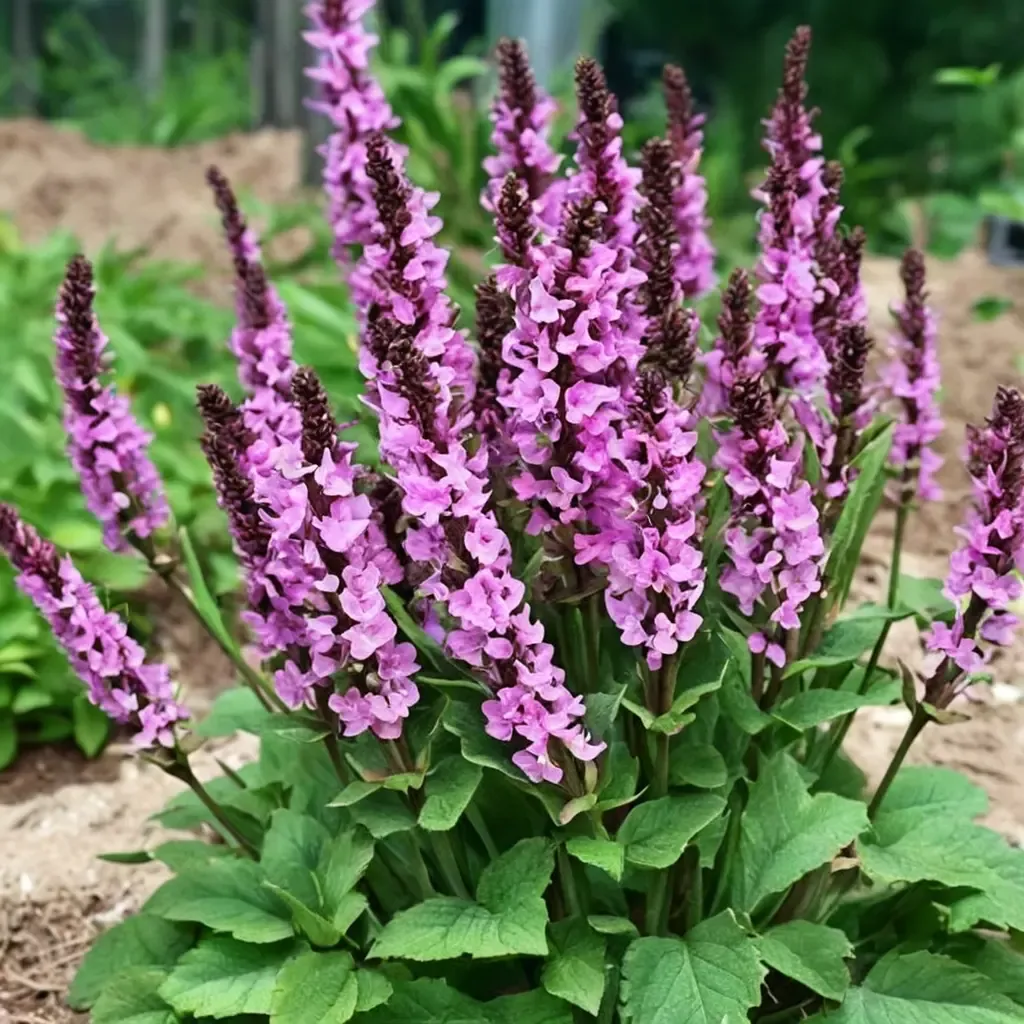
Rose Marvel Sage
Salvia nemorosa 'Rose Marvel'
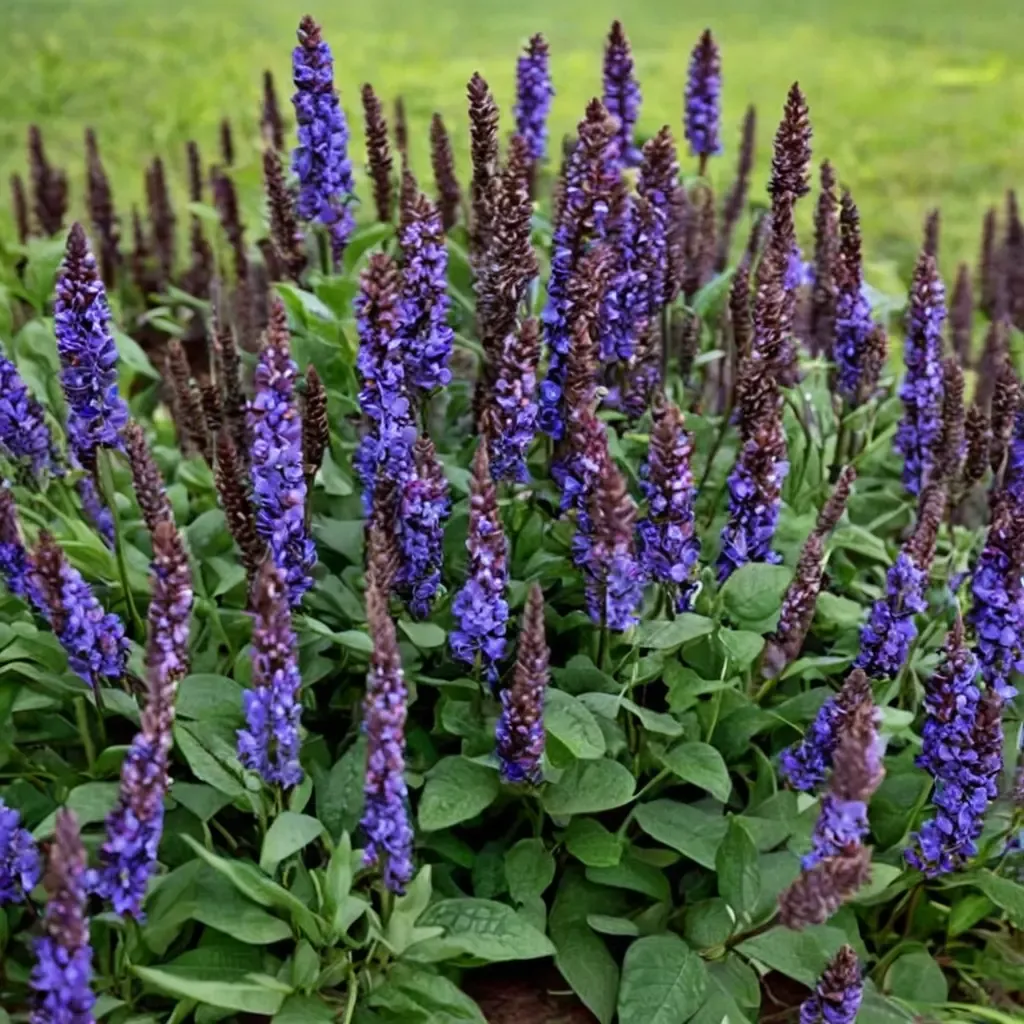
Bumbleblue Sage
Salvia nemorosa 'Bumbleblue'
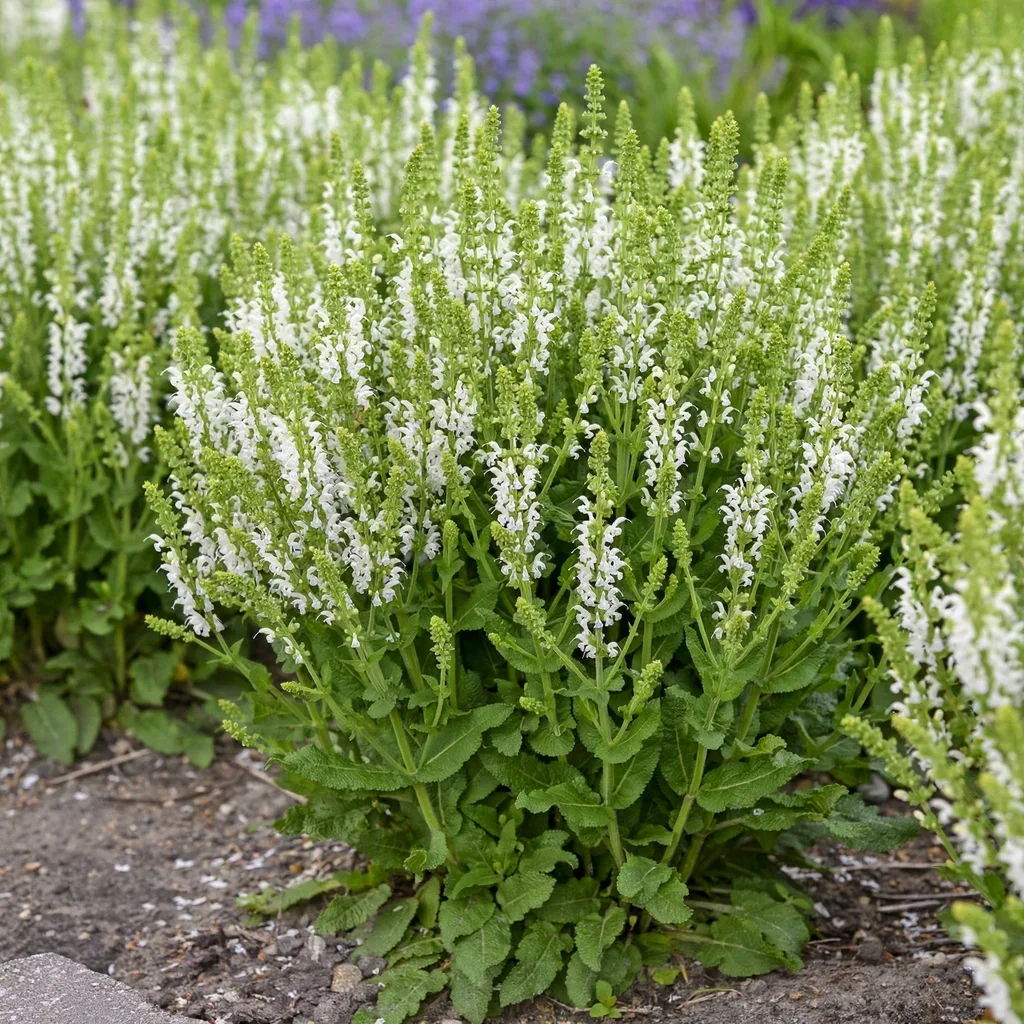
White Profusion Salvia
Salvia x hybrida 'White Profusion'
Keep exploring
Explore the genus
Hardy in your zone?
Grow River Sage with confidence
See it in a design of your actual yard, get zone-matched care reminders, and track it season by season in your garden journal.