
The Story
Plant Bio
Cotoneaster × suecicus is a dense, low-growing evergreen hybrid shrub that functions effectively as a spreading ground cover. The arching, decumbent stems root where they touch the soil, forming a thick mat of small, glossy dark green leaves.
'Coral Beauty' is distinguished by its compact, neatly rounded habit, reaching up to three feet in height with a spread of six feet. In spring, it produces small creamy-white flowers along the stems, followed by a heavy crop of vibrant orange-red berries that persist through winter.
Uses & Benefits:
Essentials
At a Glance
Plant Type
Shrub
Height
36"
Width
72"
Light
Full Sun, Partial Sun
Zones
5, 6, 7, 8
Water
Low to moderate
Humidity
Moderate
Lifespan
15-20 years
Native To
Asia (parents) / Cultivated origin in Europe
Toxicity
Mildly toxic if ingested
Bloom period
Spring
In flower about 3 months of the year
Marketplace
Where to Buy
Shipping costs Year-round shipping Free shipping
Planting
How to Grow
- Select a planting site in full sun to partial shade with well-draining soil.
- Dig a hole twice as wide as the root ball and of equal depth.
- Gently loosen the outer roots of the container-grown plant or prepare the bare-root specimen.
- Place the plant in the hole, backfill with native soil, and water thoroughly to settle.
- Apply a light layer of mulch around the base to conserve moisture while the root system establishes.
Pro Tip
Never prune hard into old, leafless woody stems, as they fail to bud back reliably; instead, perform light shaping immediately after flowering in late spring.
Keep It Thriving
Care Guide
Do
- Water regularly during the first growing season to establish a deep root system.
- Prune lightly immediately after flowering to control spread and maintain shape.
- Ensure the planting site has excellent drainage to prevent root rot.
Don't
- Do not overwater or plant in low-lying areas prone to standing water.
- Avoid heavy applications of nitrogen fertilizer, which produces soft, disease-prone growth.
- Never cut back severely into old, leafless wood.
Seasonal Care Calendar
| Task | Jan | Feb | Mar | Apr | May | Jun | Jul | Aug | Sep | Oct | Nov | Dec |
|---|---|---|---|---|---|---|---|---|---|---|---|---|
| Fertilize | ||||||||||||
| Pest Check | ||||||||||||
| Propagate | ||||||||||||
| Prune |
Watch Out For
Pests & Diseases
Common Pests
Common Diseases
In the Garden
Landscape Uses & Companions
Landscape Uses
Companion Plants
Multiply
Propagation Methods
Good to Know
Common Questions
Coral Beauty Cotoneaster questions
What zones can Coral Beauty Cotoneaster grow in?
Coral Beauty Cotoneaster is hardy in USDA Zones 5–8. Inside that range it survives winter in the ground; outside it, grow it as an annual or a container plant you protect.
Is Coral Beauty Cotoneaster deer resistant?
Not reliably. Deer may browse Coral Beauty Cotoneaster, especially tender spring growth — plan on repellents or fencing where pressure is high.
When does Coral Beauty Cotoneaster bloom?
Coral Beauty Cotoneaster typically blooms in spring through spring. Exact timing shifts a week or two with your zone — Sow's bloom calendar maps it to your garden.
Does Coral Beauty Cotoneaster need full sun?
Coral Beauty Cotoneaster does best in full sun to part shade. In hot climates, afternoon shade keeps blooms fresher longer.
Is Coral Beauty Cotoneaster drought tolerant?
Yes — once established (usually after the first full season), Coral Beauty Cotoneaster handles dry spells with minimal watering. Water deeply its first year to build the root system that makes that possible.
More Cotoneaster to compare
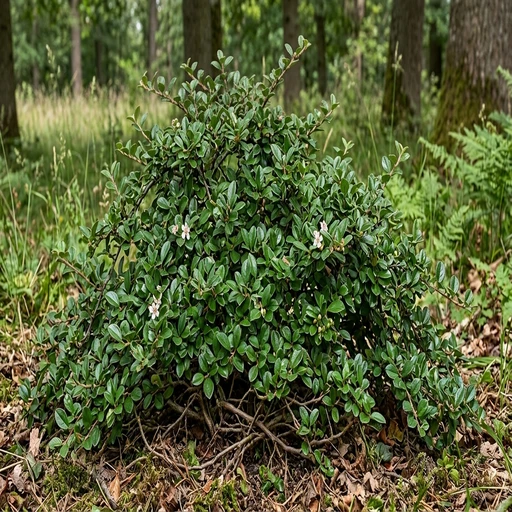
Streibs Findling Cotoneaster
Cotoneaster dammeri 'Streibs Findling'
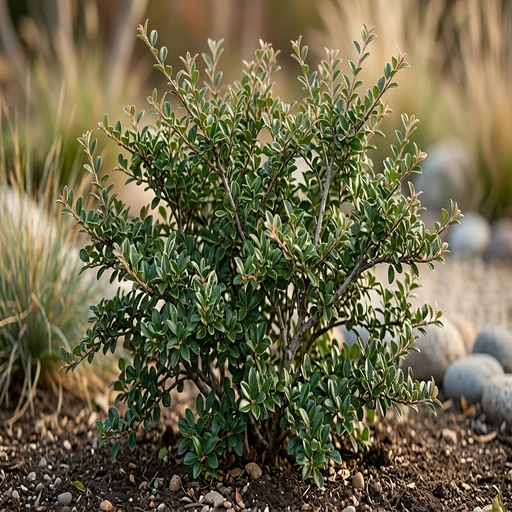
Autumn Inferno Cotoneaster
Cotoneaster salicifolius 'Autumn Inferno'
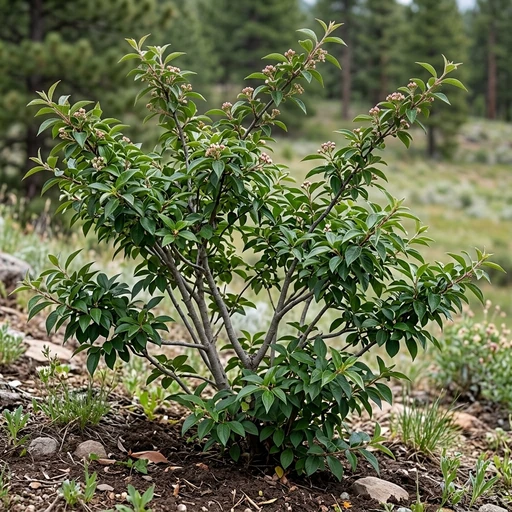
Peking Cotoneaster
Cotoneaster acutifolius
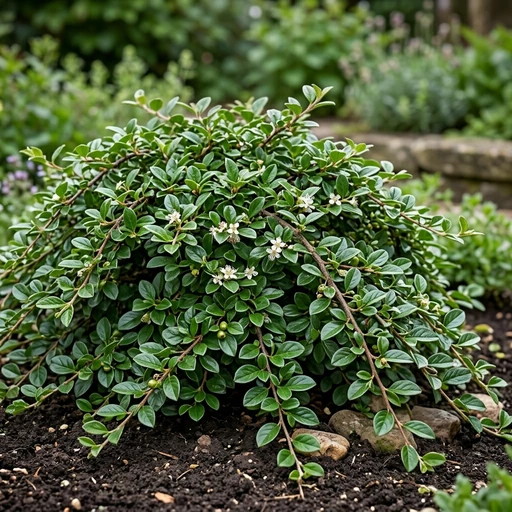
Lowfast Bearberry Cotoneaster
Cotoneaster dammeri 'Lowfast'
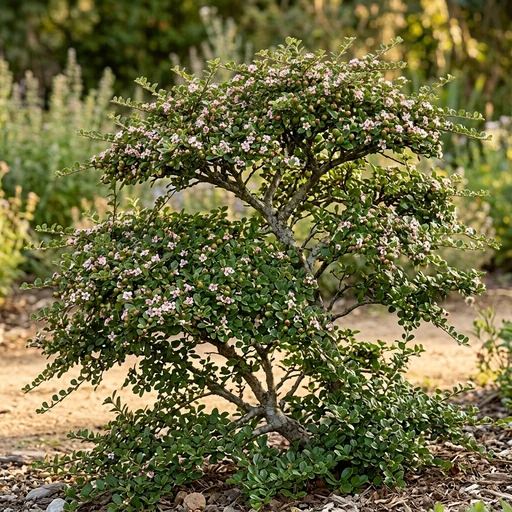
Rockspray Cotoneaster
Cotoneaster horizontalis
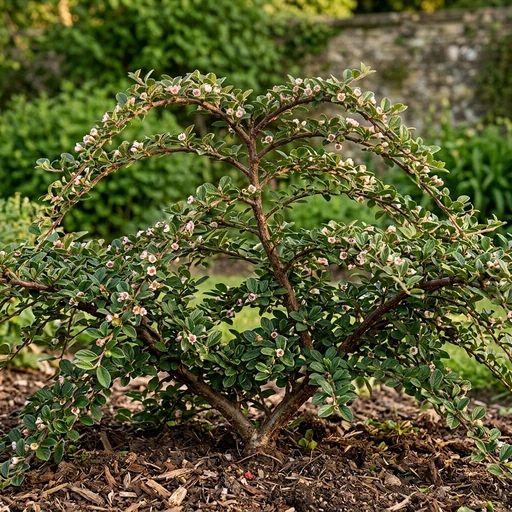
Hessei Rockspray Cotoneaster
Cotoneaster horizontalis 'Hessei'
Keep exploring
Explore the genus
Hardy in your zone?
Grow Coral Beauty Cotoneaster with confidence
See it in a design of your actual yard, get zone-matched care reminders, and track it season by season in your garden journal.