The Story
Plant Bio
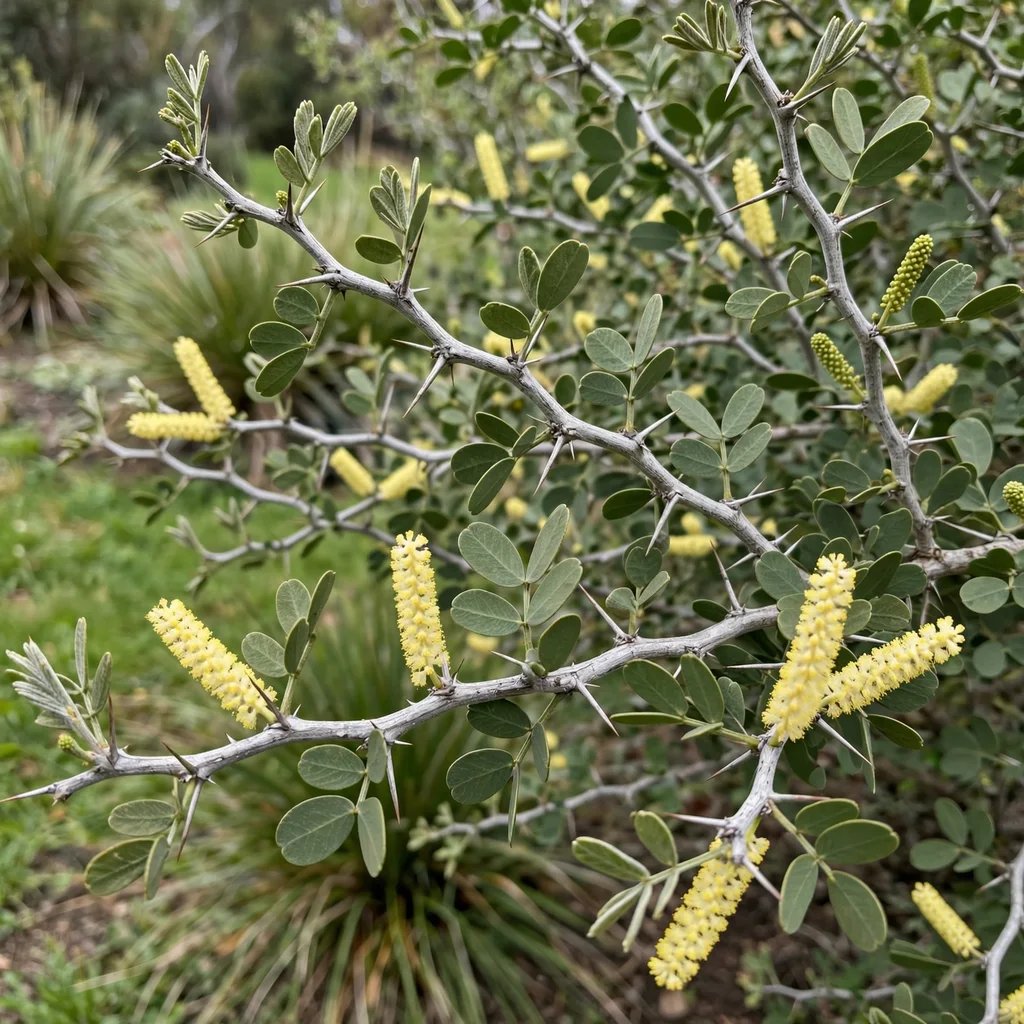
Vachellia rigidula, still sold as Acacia rigidula, is a thicket-forming multi-stemmed shrub or small tree of the Texas-Mexico thornscrub with rigid zigzag branches, whitish-gray bark and stiff paired straight spines to two inches. The foliage is dense, dark-green and small-bipinnate, carried on thorny wood that leafs out around bloom time.
It flowers before the leaves fully expand, holding bunches of fragrant pale-yellow to clear-yellow cylindrical spikes on the thorny branches from spring into early summer. It builds an impenetrable spiny thicket to twelve feet tall and nearly as wide, and it is not an Australian wattle.
Uses & Benefits:
Essentials
At a Glance
Plant Type
Shrub
Height
144"
Width
144"
Light
Full Sun, Partial Sun
Zones
8, 9, 10
Water
Low
Humidity
Low
Lifespan
Long-lived
Native To
Texas to central Mexico
Toxicity
Toxic if ingested
Bloom period
Spring – Summer
In flower about 6 months of the year
Planting
How to Grow
- Plant in spring in full sun to part shade in sandy, loam, clay loam or caliche-limestone soil with sharp drainage.
- Dig the hole no deeper than the root ball, backfill with native soil, water in once and mulch thinly away from the stems.
- Water sparingly through the first summer, then taper off; established plants need no supplemental water except in prolonged drought.
- Prune only to remove crossing wood or to shape the barrier after flowering; wear heavy gloves and eye protection.
Pro Tip
Plant it in lean, well-drained limestone or sandy soil and leave it dry once established; summer water pushes soft growth at the expense of form and bloom.
Keep It Thriving
Care Guide
Do
- Give full sun with some afternoon shade and reflected heat tolerance in hot sites.
- Keep soil lean, calcareous and fast-draining.
- Leave seed pods for granivorous birds, quail and turkey if wildlife cover is the goal.
Don't
- Do not plant in wet ground or heavy irrigated beds where roots stay saturated.
- Do not shear into soft shapes or fertilize heavily; it favors poor dry soils.
- Do not place beside walks, play areas or pet runs where two-inch spines cause injury.
Seasonal Care Calendar
| Task | Jan | Feb | Mar | Apr | May | Jun | Jul | Aug | Sep | Oct | Nov | Dec |
|---|---|---|---|---|---|---|---|---|---|---|---|---|
| Mulch | ||||||||||||
| Plant | ||||||||||||
| Propagate | ||||||||||||
| Prune |
Watch Out For
Pests & Diseases
Common Pests
Common Diseases
In the Garden
Landscape Uses & Companions
Landscape Uses
Multiply
Propagation Methods
Good to Know
Common Questions
Blackbrush Acacia questions
What zones can Blackbrush Acacia grow in?
Blackbrush Acacia is hardy in USDA Zones 8–10: in that range it survives winter in the ground. Colder than Zone 8, grow it in a container you can move to shelter for the winter.
Is Blackbrush Acacia deer resistant?
Not reliably. Deer may browse Blackbrush Acacia, especially tender spring growth — plan on repellents or fencing where pressure is high.
When does Blackbrush Acacia bloom?
Blackbrush Acacia typically blooms from spring to summer. Exact timing shifts a week or two with your zone — Sow's bloom calendar maps it to your garden.
Does Blackbrush Acacia need full sun?
Blackbrush Acacia does best in full sun to part shade. In hot climates, afternoon shade keeps blooms fresher longer.
Is Blackbrush Acacia drought tolerant?
Yes — once established (usually after the first full season), Blackbrush Acacia handles dry spells with minimal watering. Water deeply its first year to build the root system that makes that possible.
More Acacia to compare
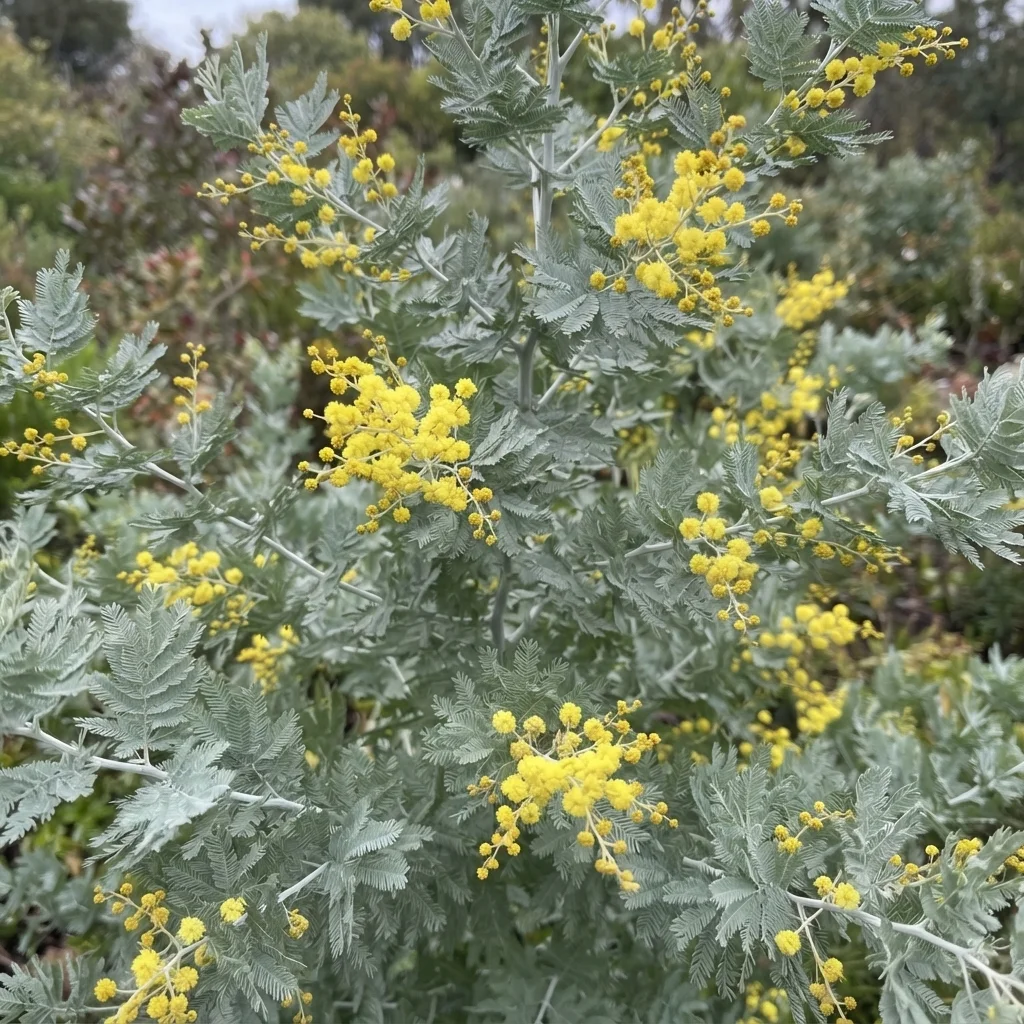
Silver wattle
Acacia dealbata
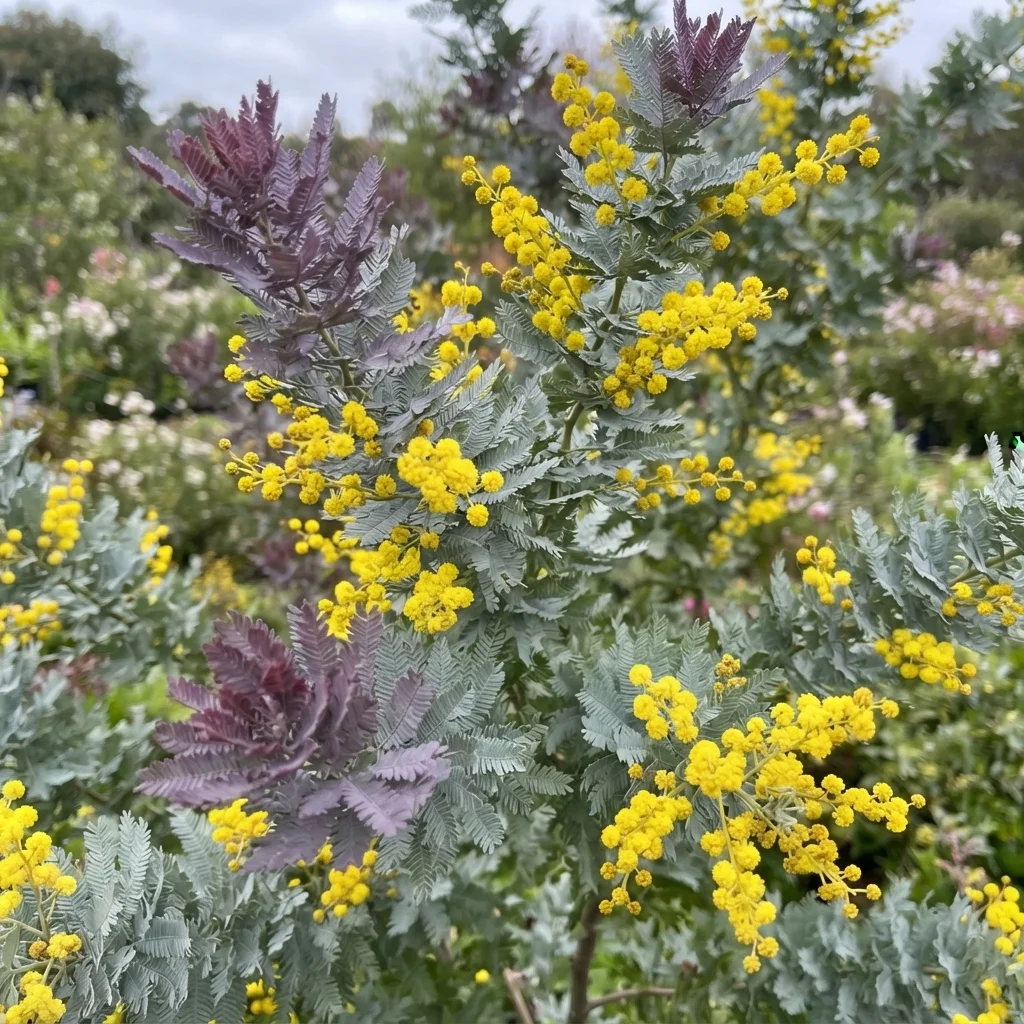
Cootamundra Wattle 'Purpurea'
Acacia baileyana 'Purpurea'
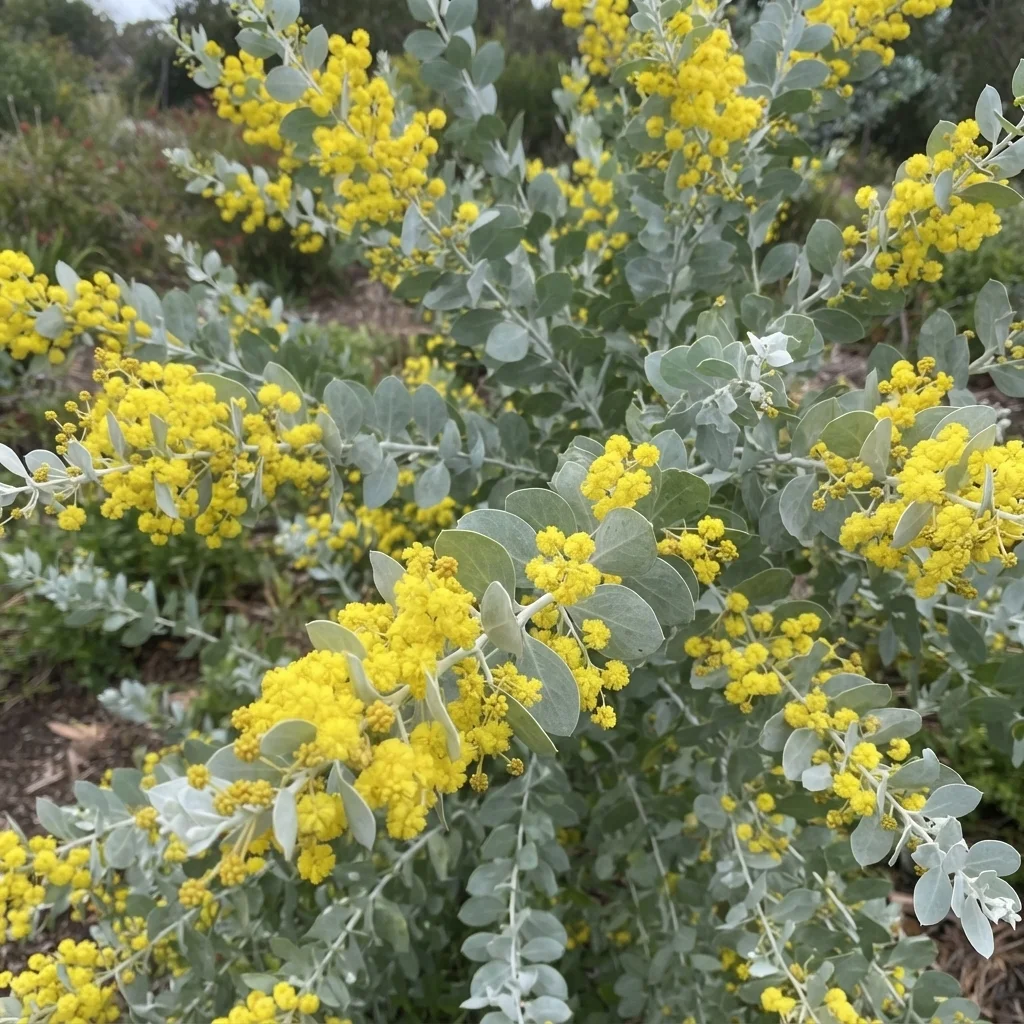
Pearl Acacia
Acacia podalyriifolia
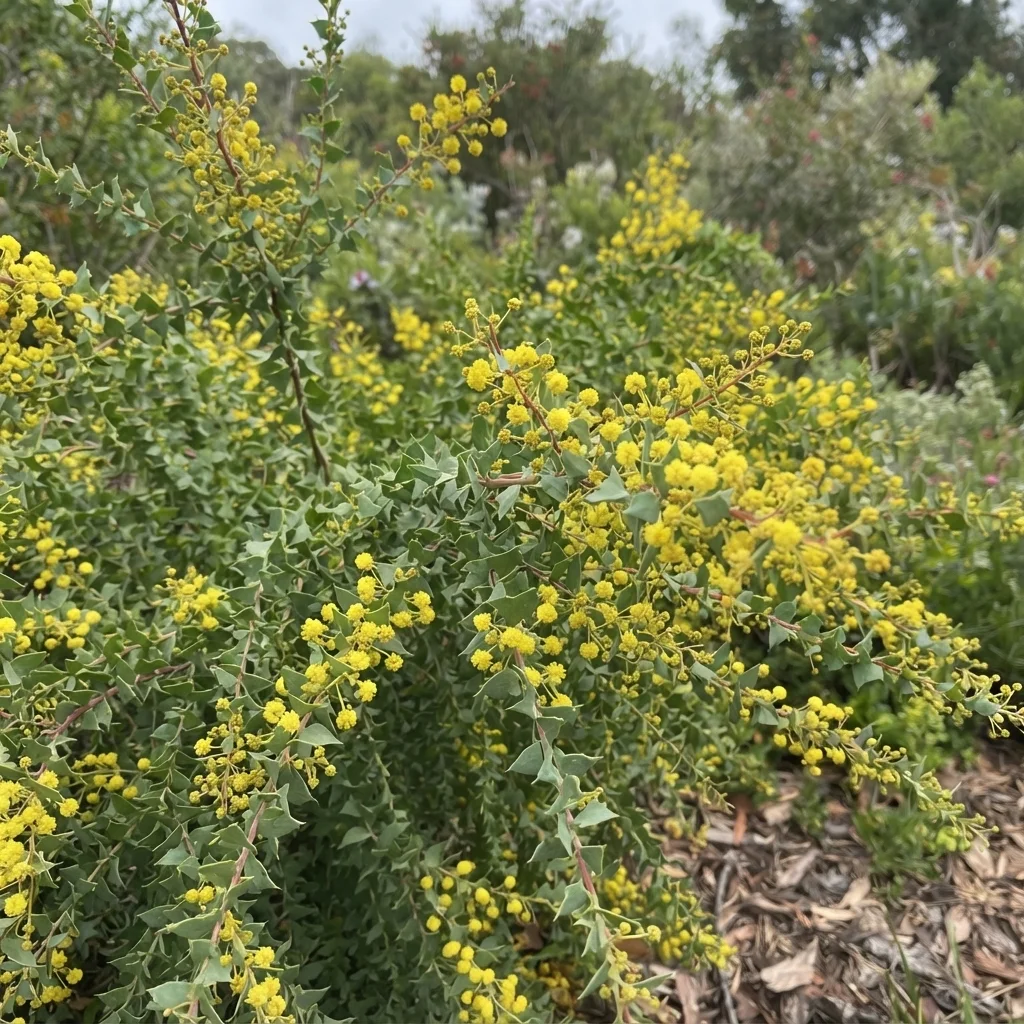
Ovens Wattle
Acacia pravissima
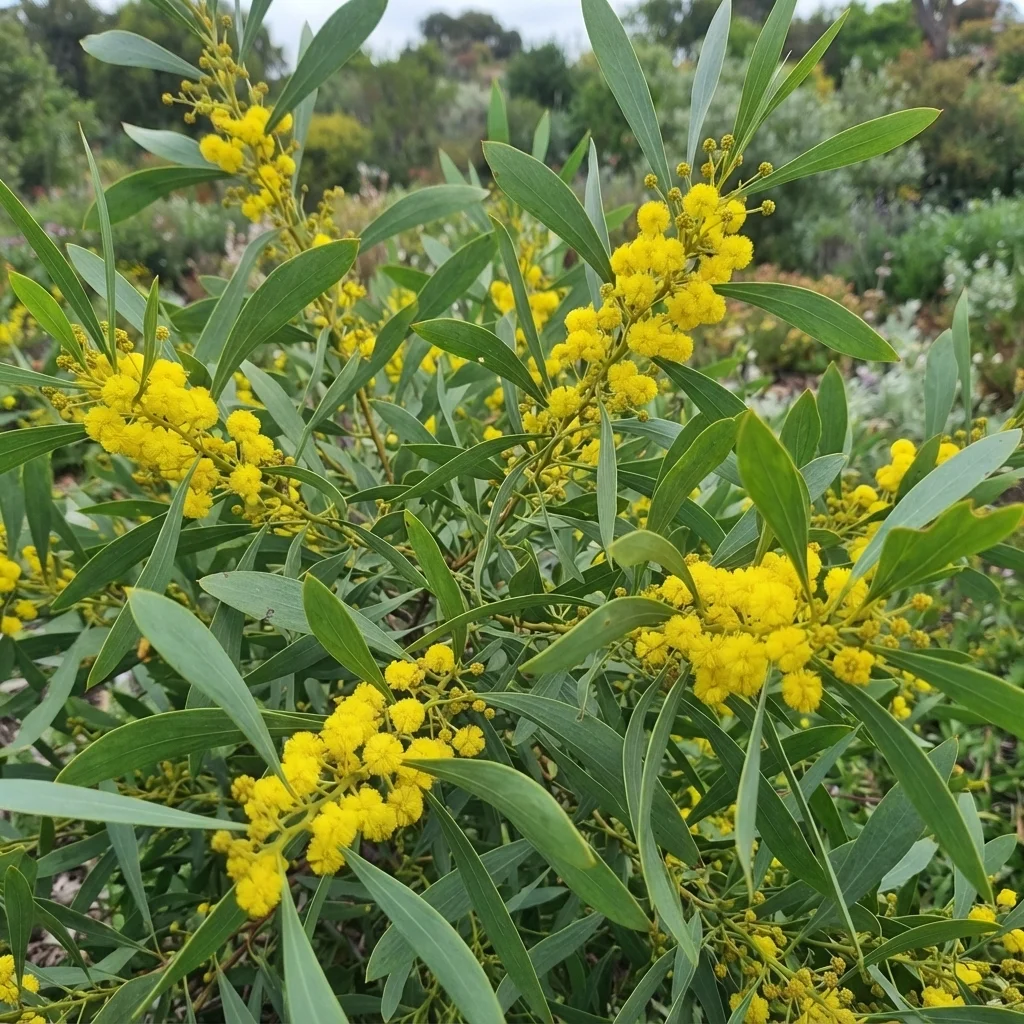
Golden Wreath Wattle
Acacia saligna
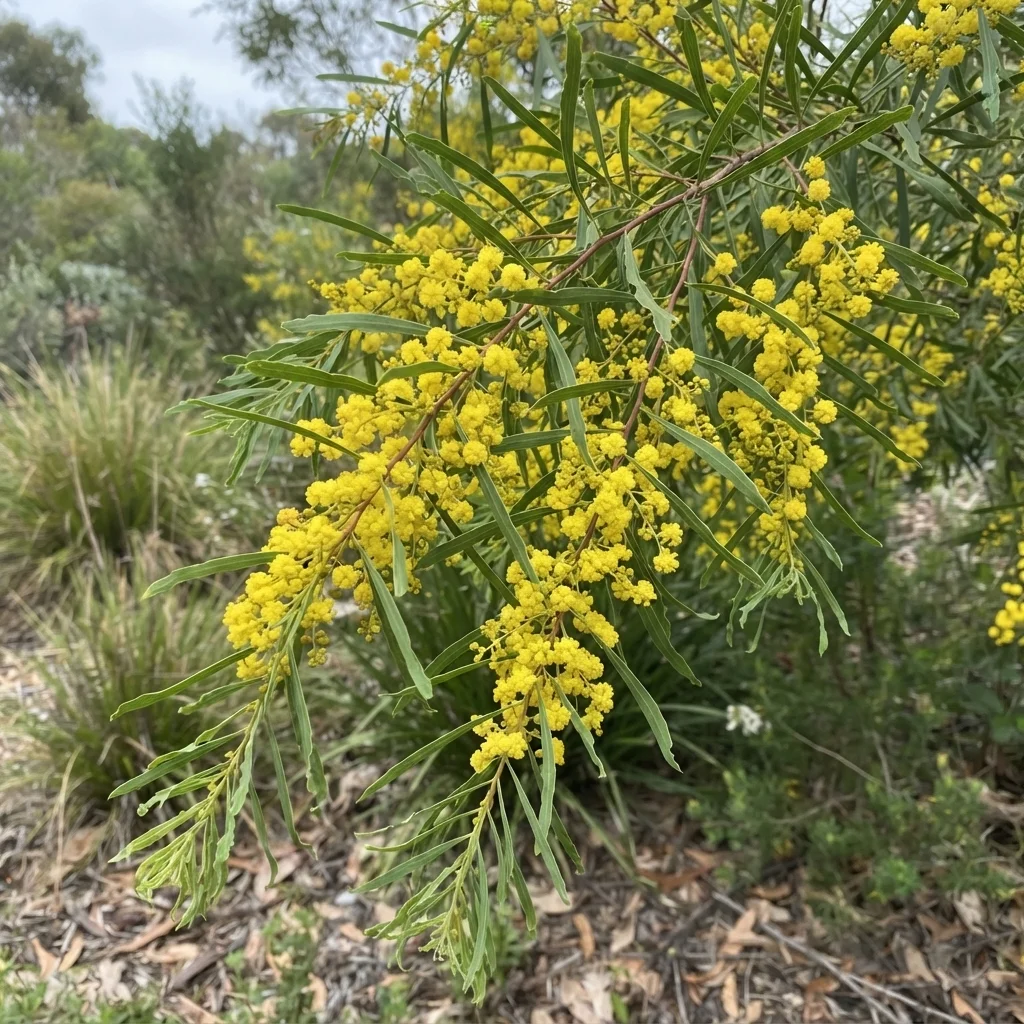
Fringed Wattle
Acacia fimbriata
Keep exploring
Explore the genus
Hardy in your zone?
Grow Blackbrush Acacia with confidence
See it in a design of your actual yard, get zone-matched care reminders, and track it season by season in your garden journal.