
The Story
Plant Bio
x Heucherella is a clump-forming herbaceous perennial from the cross of Heuchera and Tiarella, forming a compact basal mound of rounded maple-like lobed leaves. Wiry flower stems rise well above the foliage in late spring and carry airy panicles of tiny star-shaped bells that bees, butterflies and hummingbirds work.
x Heucherella alba is the white-flowered form, with green toothed leaves marbled silver along the veins and dense panicles of small white bells. The foliage mound stays low at five to eight inches and holds semi-evergreen through mild winters while the flower stalks reach twelve to eighteen inches.
Uses & Benefits:
Essentials
At a Glance
Plant Type
Perennial
Height
16"
Width
12"
Light
Full Sun, Partial Sun
Zones
4, 5, 6, 7, 8, 9
Water
Medium
Humidity
Average
Lifespan
Perennial
Native To
Garden hybrid; parents native to North America
Toxicity
Non-toxic to cats and dogs
Bloom period
Late spring – Summer
In flower about 4 months of the year
Planting
How to Grow
- Plant in spring in part shade with morning sun, setting the crown just above the soil line in humus-rich, moist but well-drained soil.
- Water to keep soil evenly moist, increasing frequency in full sun and during dry spells to prevent leaf scorch.
- Remove faded flower stems at the base to tidy the mound and encourage further bloom.
- Mulch lightly after the ground freezes to prevent frost heaving, and divide clumps every three to four years in spring.
Pro Tip
Set the crown just proud of humus-rich soil in morning sun and afternoon shade, then deadhead and leave it alone; wet crowns rot while dry sun scorches the leaves.
Keep It Thriving
Care Guide
Do
- Plant with the crown slightly proud of the soil in humus-rich, well-drained ground
- Keep soil evenly moist, especially in sun or wind
- Remove faded flower stems and mulch after the ground freezes
Don't
- Do not bury the crown or leave it in waterlogged soil
- Do not let plants dry out in sun or they will scorch and decline
- Do not divide every year; wait three to four years in spring
Seasonal Care Calendar
| Task | Jan | Feb | Mar | Apr | May | Jun | Jul | Aug | Sep | Oct | Nov | Dec |
|---|---|---|---|---|---|---|---|---|---|---|---|---|
| Deadhead | ||||||||||||
| Divide | ||||||||||||
| Mulch | ||||||||||||
| Pest Check | ||||||||||||
| Plant |
Watch Out For
Pests & Diseases
Common Pests
Common Diseases
In the Garden
Landscape Uses & Companions
Landscape Uses
Multiply
Propagation Methods
Good to Know
Common Questions
Foamy Bells questions
What zones can Foamy Bells grow in?
Foamy Bells is hardy in USDA Zones 4–9: in that range it survives winter in the ground. Warmer than Zone 9, winter isn't the problem: it prefers colder winters, and summer heat can shorten its life.
Is Foamy Bells deer resistant?
Yes — Foamy Bells is rated deer-resistant. Deer typically pass it over, though extreme hunger can override any plant's defenses.
When does Foamy Bells bloom?
Foamy Bells typically blooms from late spring to late summer. Exact timing shifts a week or two with your zone — Sow's bloom calendar maps it to your garden.
Does Foamy Bells need full sun?
Foamy Bells does best in full sun to part shade. In hot climates, afternoon shade keeps blooms fresher longer.
More Heucherella to compare
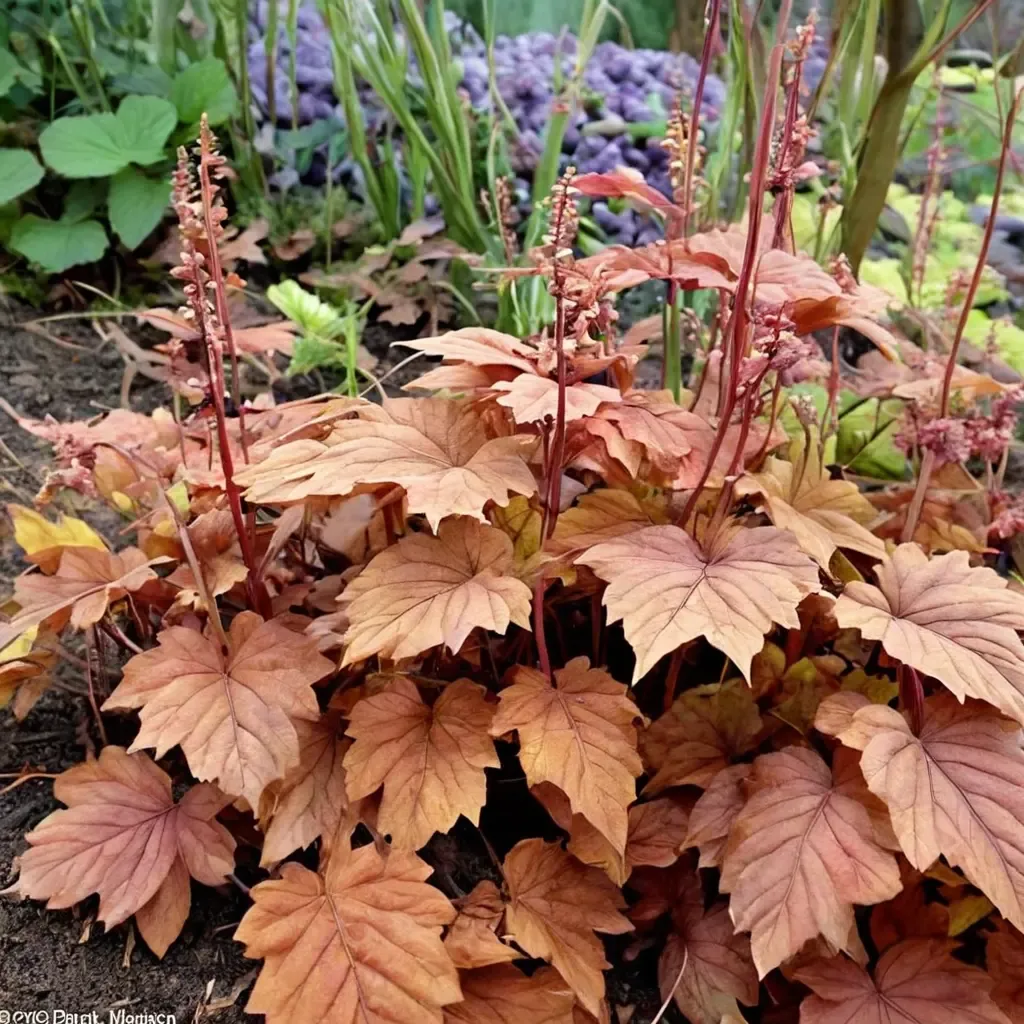
Sweet Tea Foamy Bells
Heucherella x hybrida 'Sweet Tea'
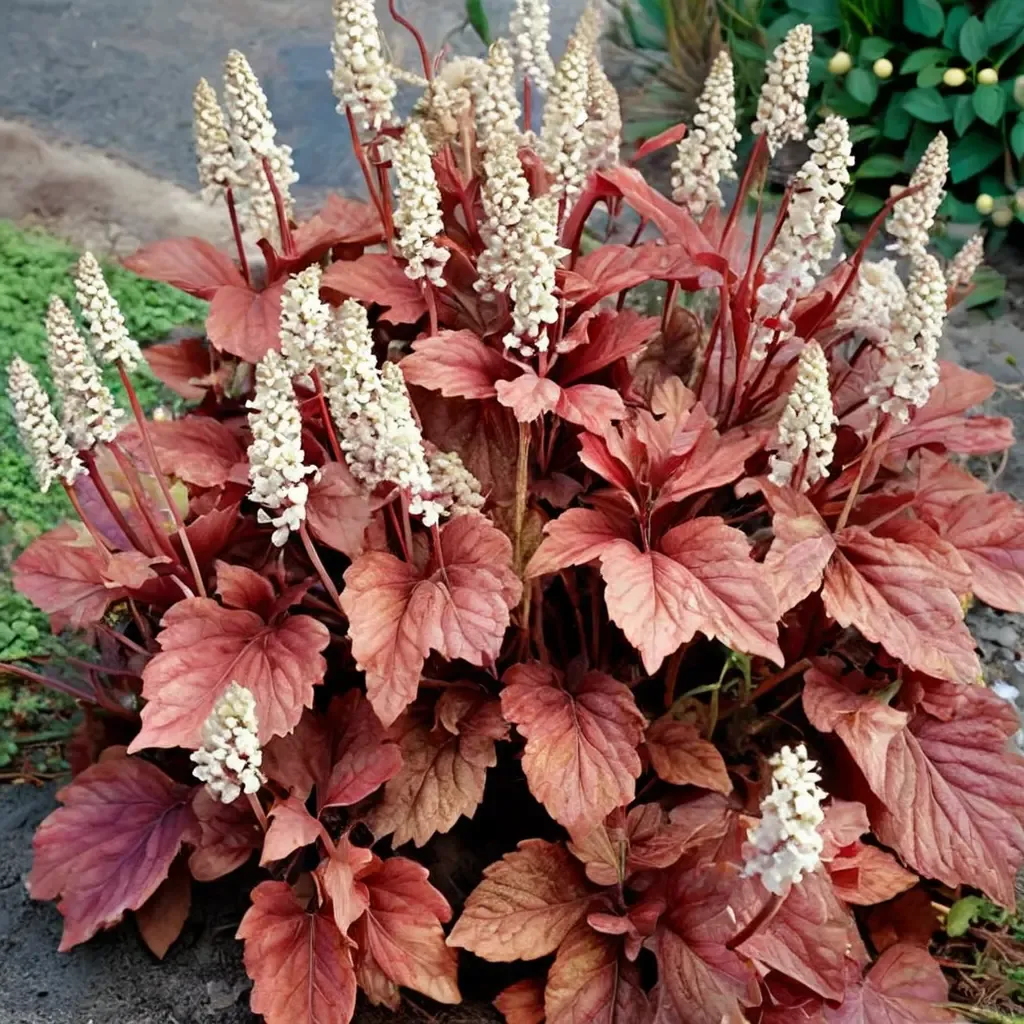
Peach Tea Foamy Bells
Heucherella x hybrida 'Peach Tea'
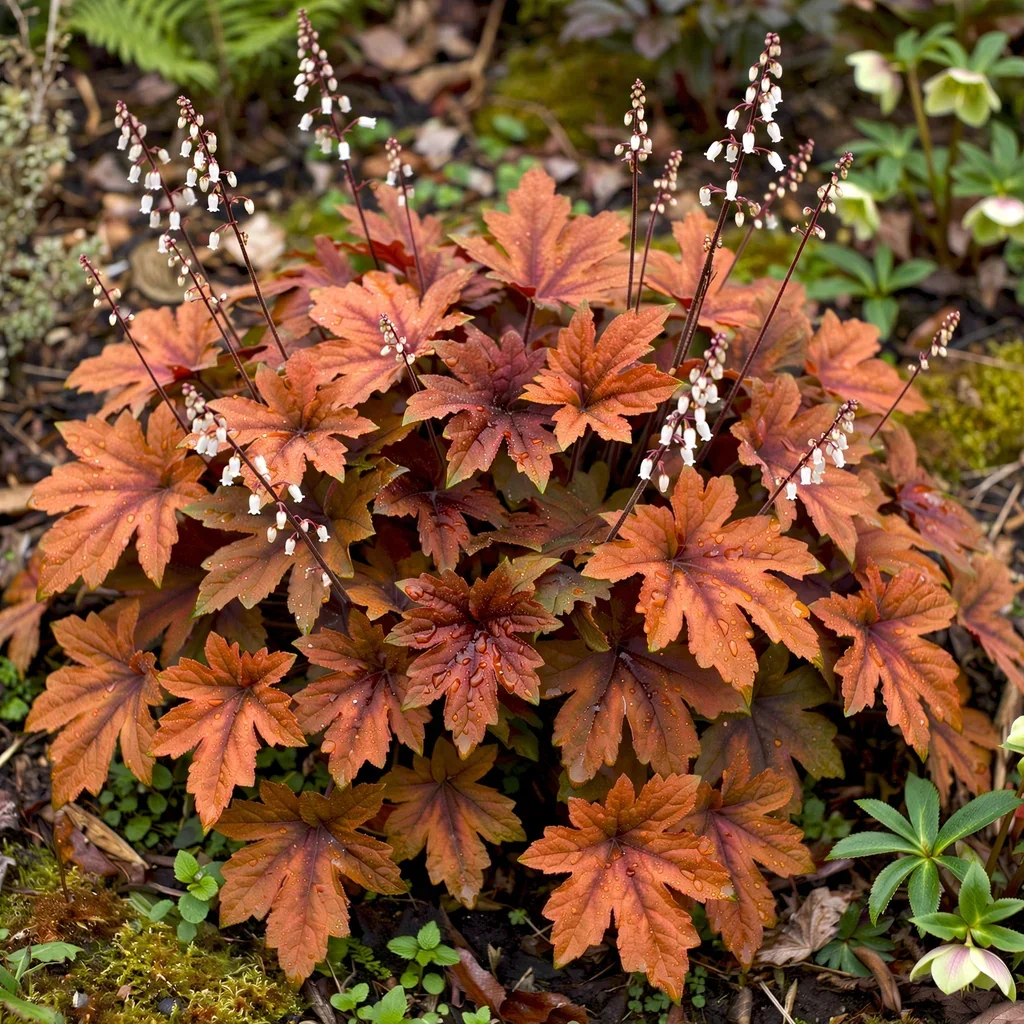
Pumpkin Spice Foamy Bells
Heucherella x hybrida 'Pumpkin Spice'
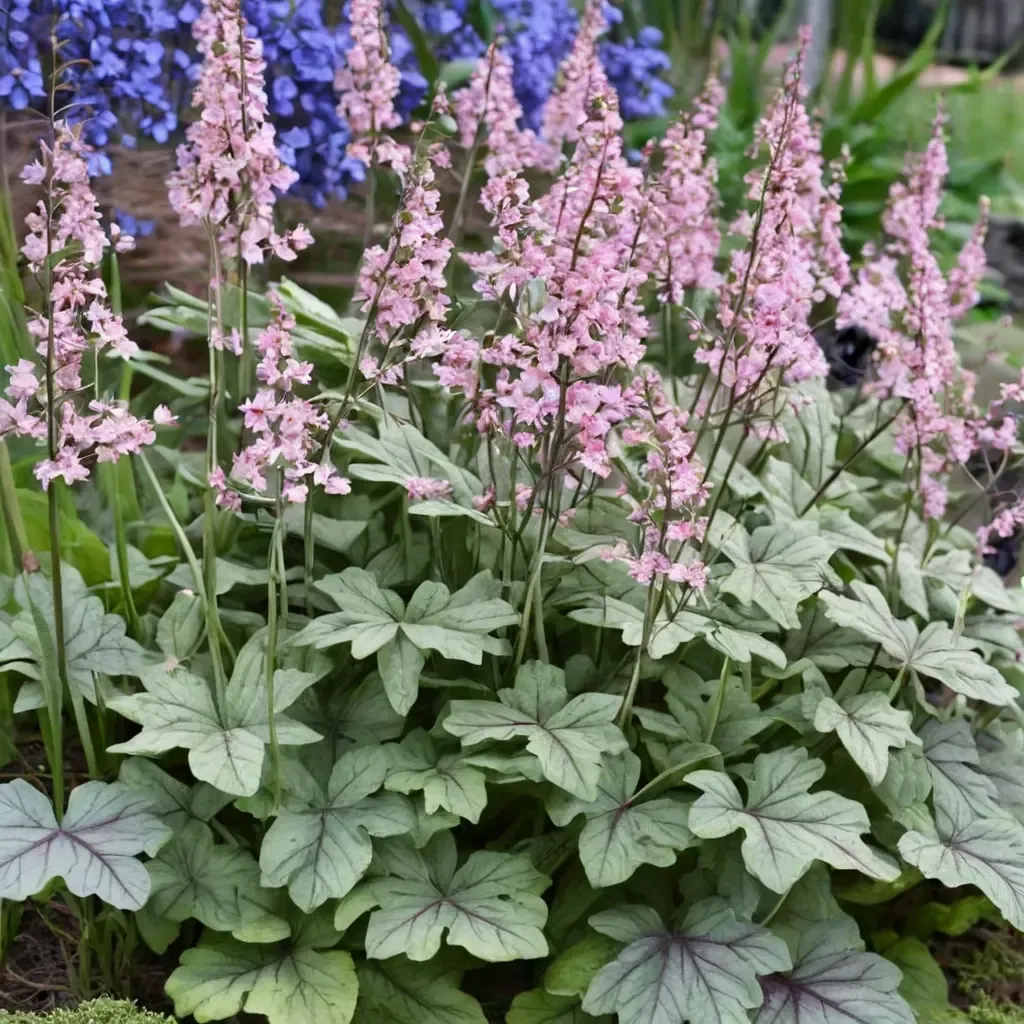
Pink Fizz Foamy Bells
Heucherella x hybrida 'Pink Fizz'
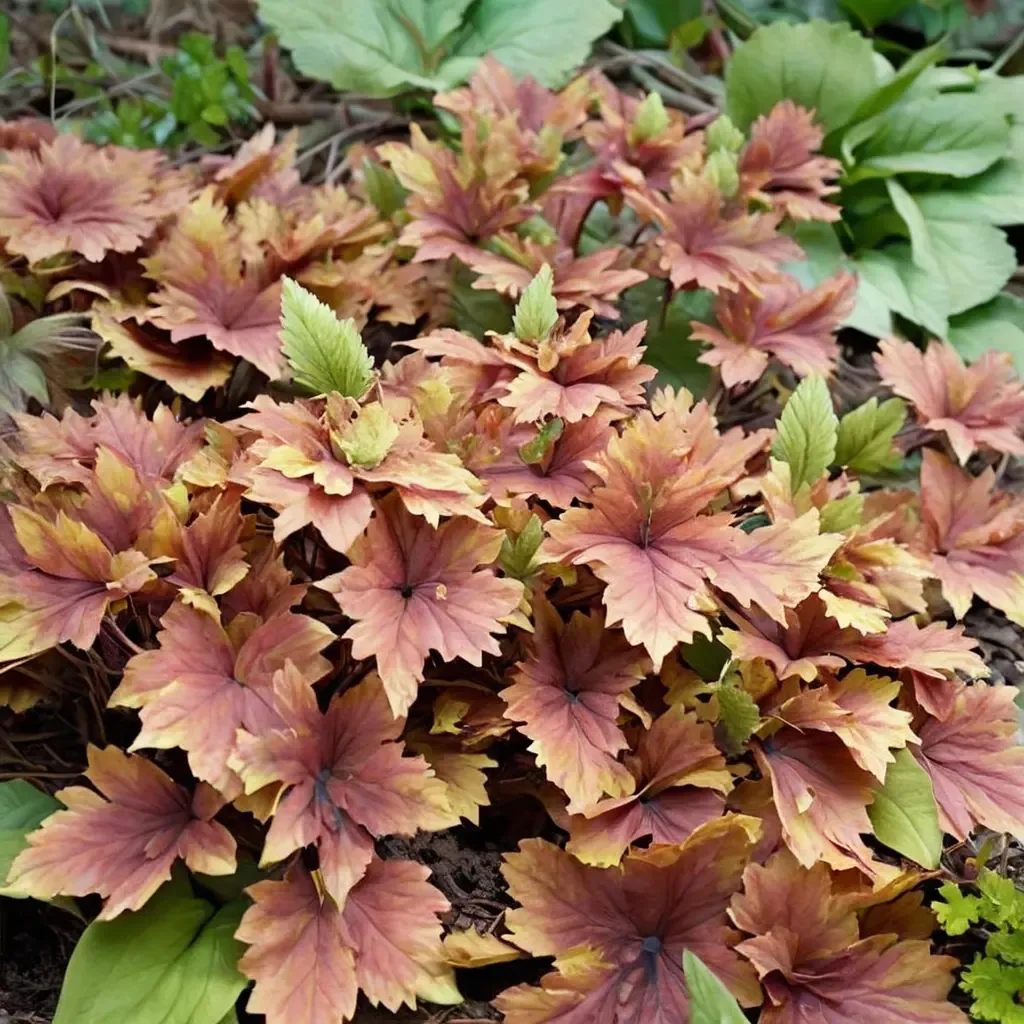
Copper King Foamy Bells
Heucherella x hybrida 'Copper King'
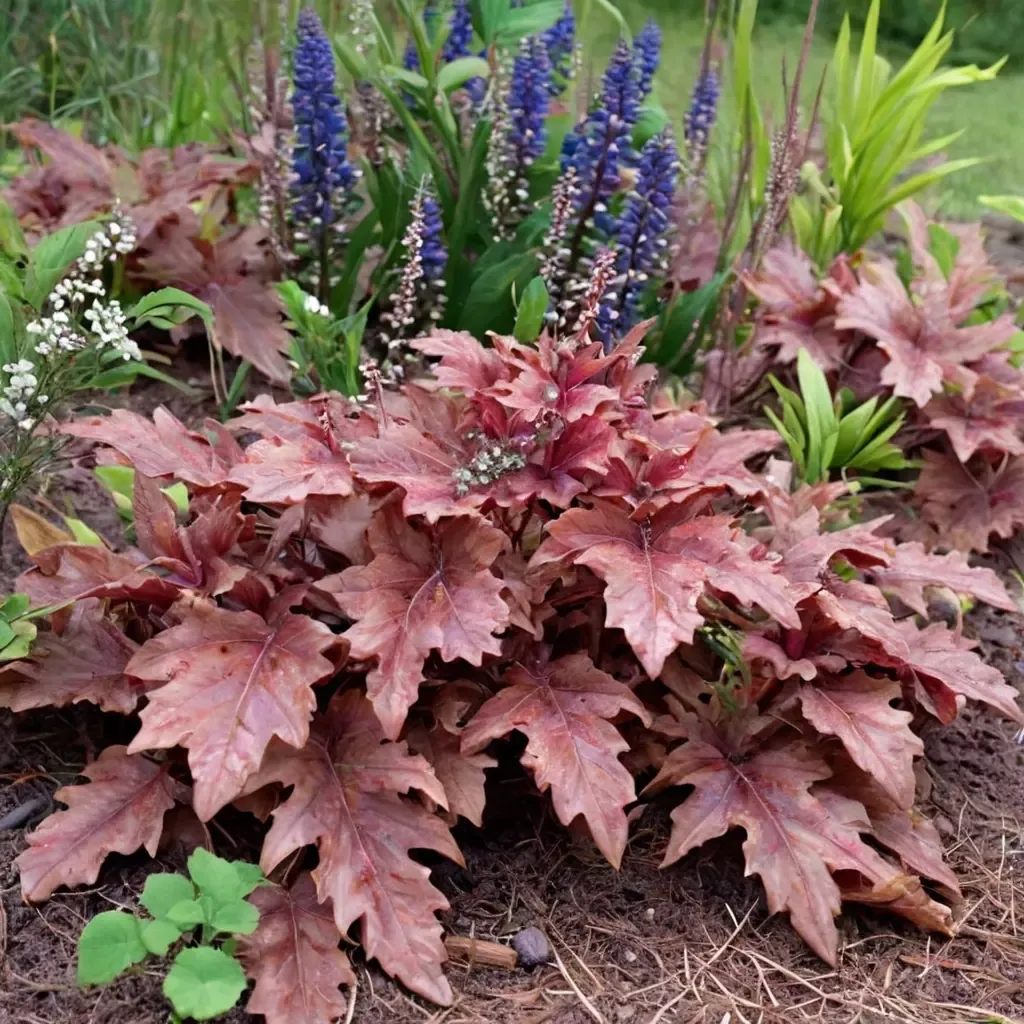
Red Rover Foamy Bells
Heucherella x hybrida 'Red Rover'
Keep exploring
Explore the genus
Grow Foamy Bells with confidence
See it in a design of your actual yard, get zone-matched care reminders, and track it season by season in your garden journal.