The Story
Plant Bio
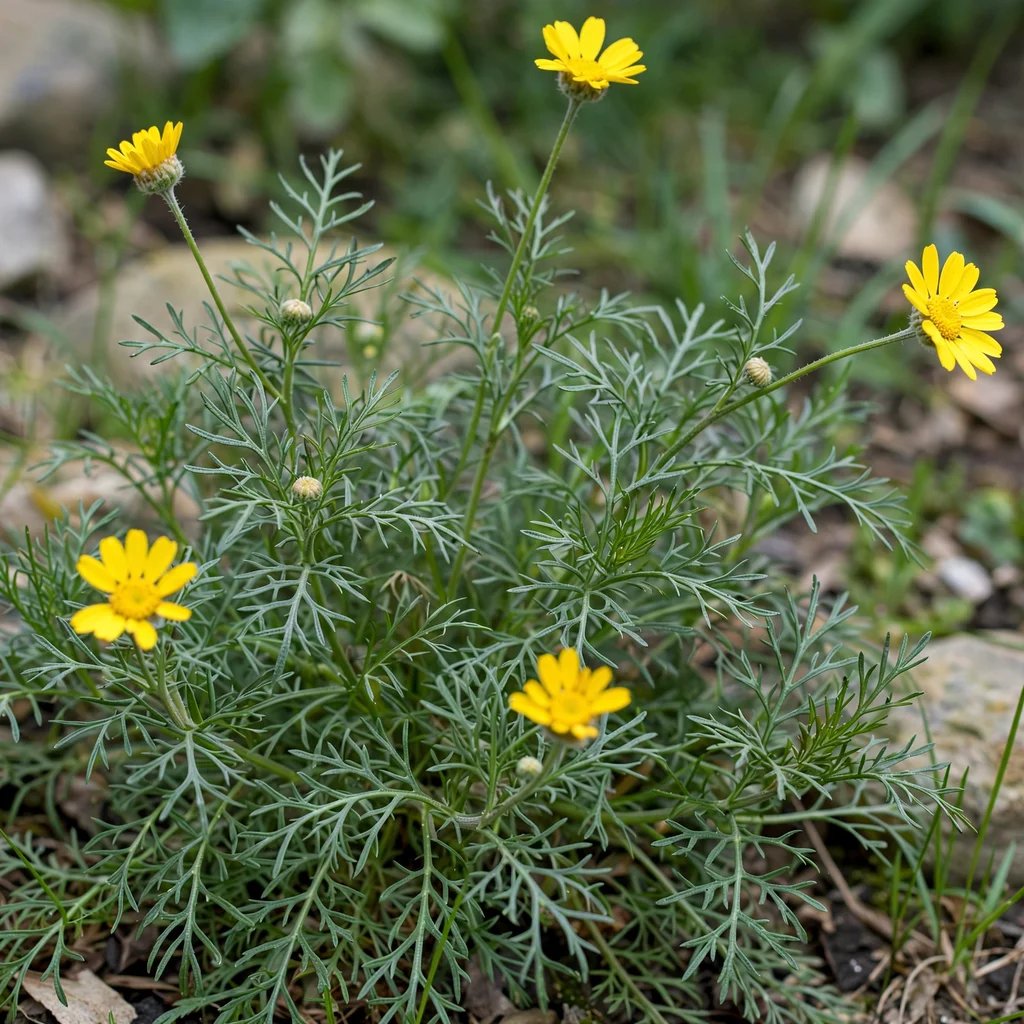
Anthemis marschalliana, accepted as Archanthemis marschalliana, is a semi-evergreen perennial from dry slopes in Turkey and the Caucasus. It forms a low tufted mat of finely cut silver foliage that holds year-round and sends up solitary yellow daisy heads on thin stems.
It stays four to ten inches tall in bloom and spreads fifteen to twenty-four inches wide, keeping a dense filigreed silver-blue mat even out of flower. The half-inch chrome-yellow heads open singly above the foliage from late spring into summer over a woolly-bracted involucre.
Uses & Benefits:
Essentials
At a Glance
Plant Type
Perennial
Height
10"
Width
20"
Light
Full Sun, Partial Sun
Zones
4, 5, 6, 7, 8, 9, 10
Water
Low
Humidity
Unknown
Lifespan
Perennial
Native To
Turkey and the Caucasus
Toxicity
Unknown
Bloom period
Late spring – Summer
In flower about 4 months of the year
Planting
How to Grow
- Plant in full sun with 6 to 8 hours of direct sun in sharply drained sandy, gritty or lean loam.
- Set the crown slightly high so water sheds away, then water in once.
- Allow soil to dry between waterings; once established water low.
- Give excellent air flow and do not mulch heavily over the crown.
- Site where winter drainage is sharp to keep the silver mat dry.
Pro Tip
Plant high in gritty, sharply drained soil in full sun and let it dry between waterings; winter wet rots the crown faster than cold ever will.
Keep It Thriving
Care Guide
Do
- Give full sun and highly permeable soil
- Let soil dry between waterings
- Keep the crown high and dry in winter
Don't
- Do not plant in waterlogged soil
- Do not keep wet or water overhead daily
- Do not over-fertilize or over-maintain
Seasonal Care Calendar
| Task | Jan | Feb | Mar | Apr | May | Jun | Jul | Aug | Sep | Oct | Nov | Dec |
|---|---|---|---|---|---|---|---|---|---|---|---|---|
| Deadhead | ||||||||||||
| Pest Check | ||||||||||||
| Plant | ||||||||||||
| Winter Prep |
Watch Out For
Pests & Diseases
Common Pests
Common Diseases
In the Garden
Landscape Uses & Companions
Landscape Uses
Companion Plants
Multiply
Propagation Methods
Good to Know
Common Questions
Filigree Daisy questions
What zones can Filigree Daisy grow in?
Filigree Daisy is hardy in USDA Zones 4–10: in that range it survives winter in the ground.
Is Filigree Daisy deer resistant?
Yes — Filigree Daisy is rated deer-resistant. Deer typically pass it over, though extreme hunger can override any plant's defenses.
When does Filigree Daisy bloom?
Filigree Daisy typically blooms from late spring to late summer. Exact timing shifts a week or two with your zone — Sow's bloom calendar maps it to your garden.
Does Filigree Daisy need full sun?
Filigree Daisy does best in full sun to part shade. In hot climates, afternoon shade keeps blooms fresher longer.
Is Filigree Daisy drought tolerant?
Yes — once established (usually after the first full season), Filigree Daisy handles dry spells with minimal watering. Water deeply its first year to build the root system that makes that possible.
More Anthemis to compare
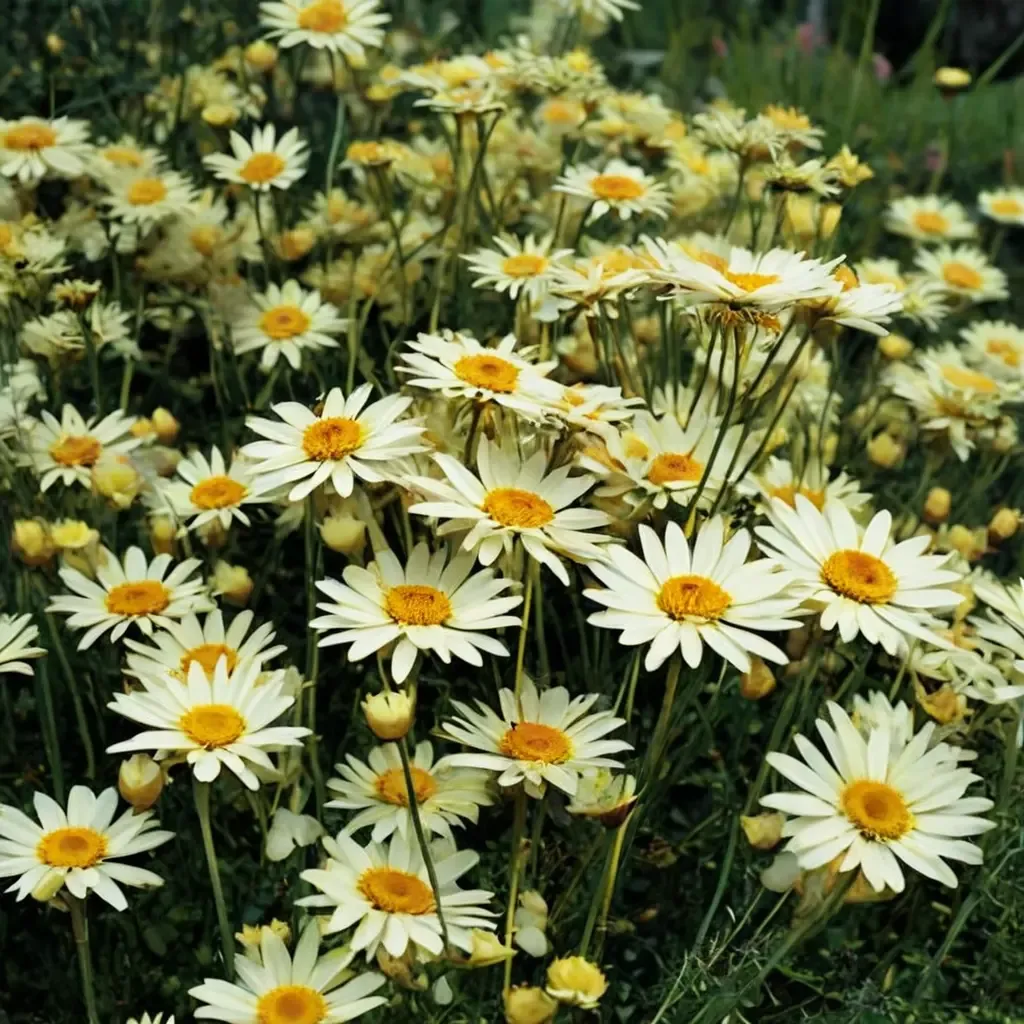
E.C Buxton Dyer's Chamomile
Anthemis tinctoria 'E.C Buxton'
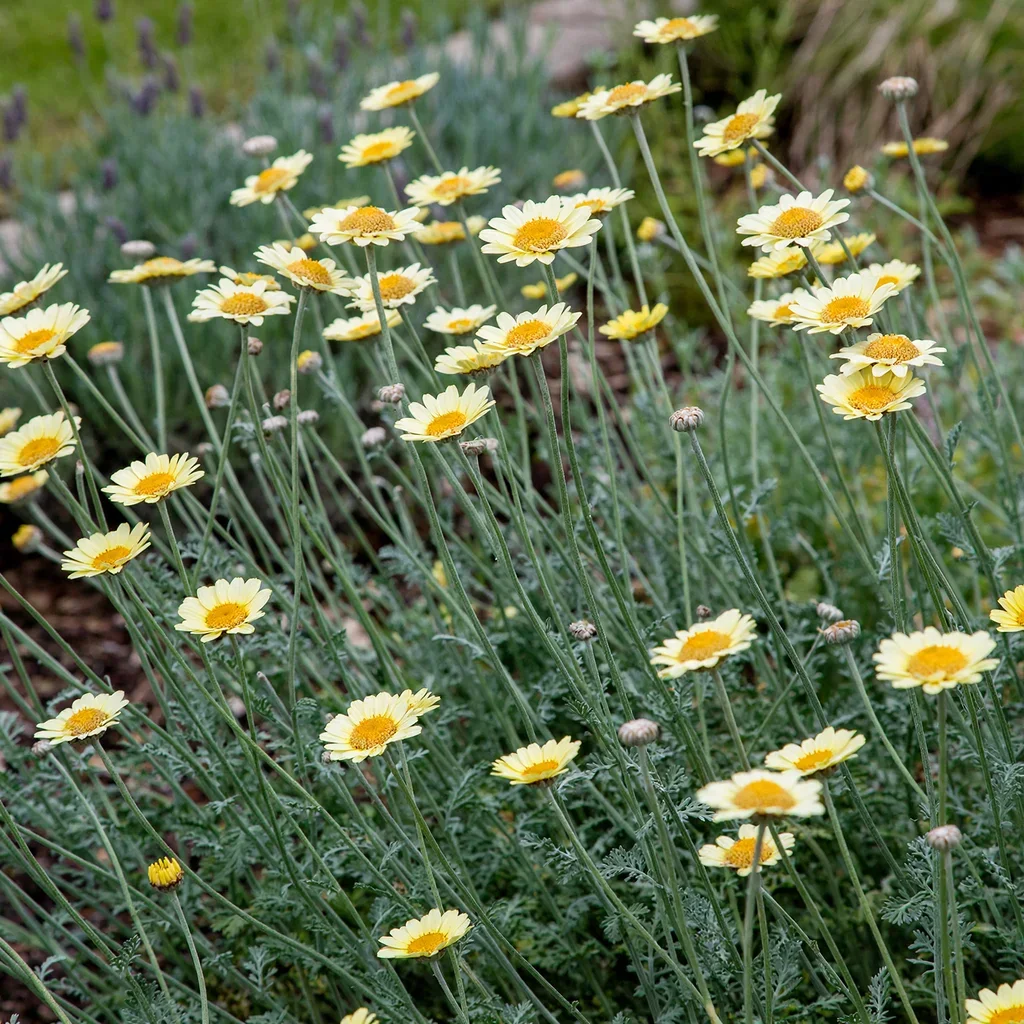
Dyer's Chamomile 'Sauce Hollandaise'
Anthemis tinctoria 'Sauce Hollandaise'
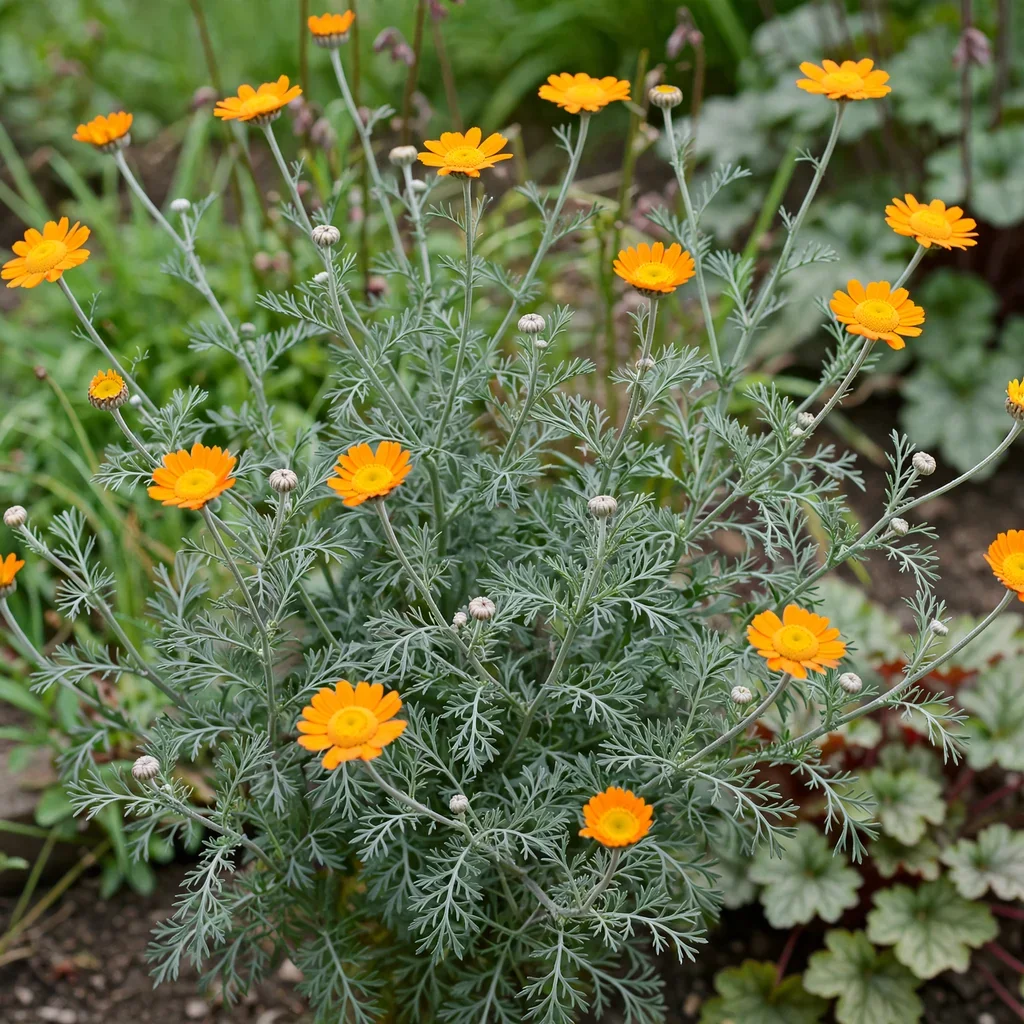
St. John's Chamomile
Anthemis sancti-johannis
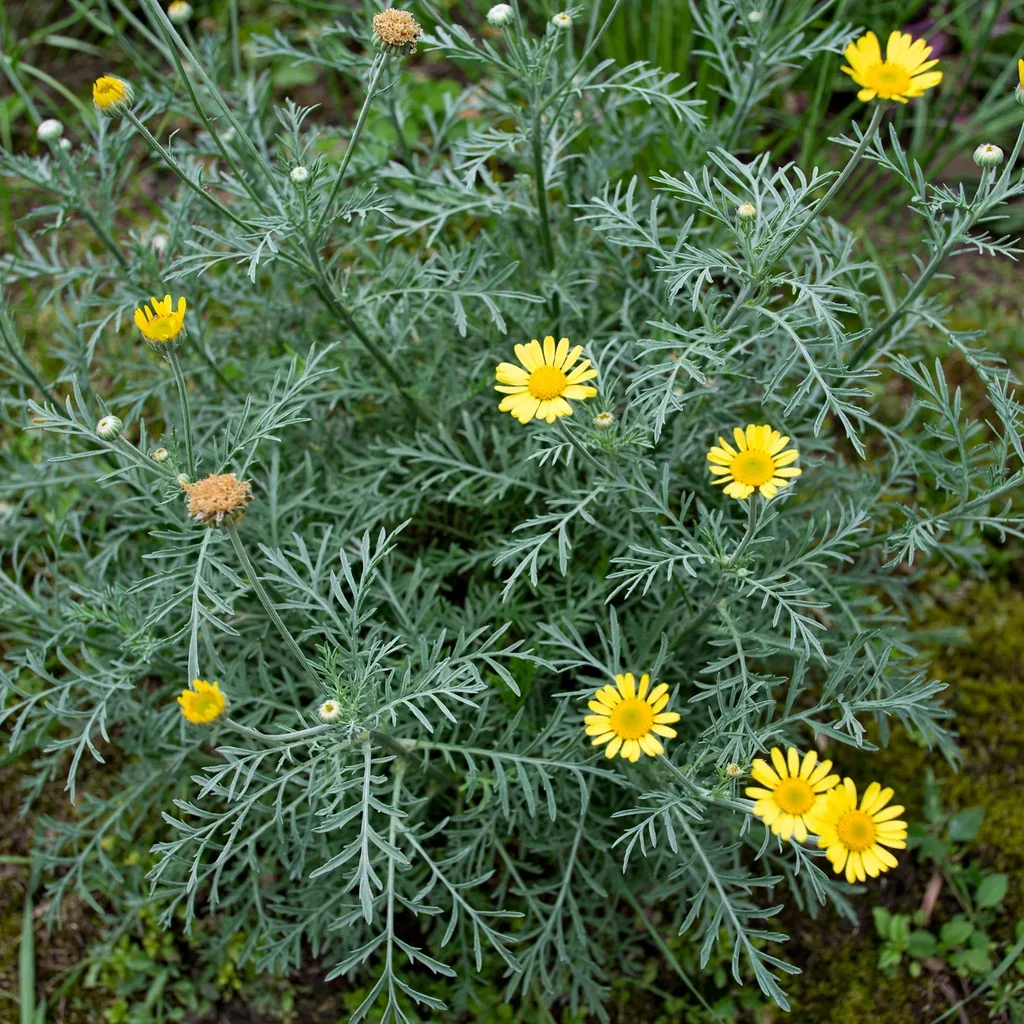
Kelway's Golden Marguerite
Anthemis tinctoria 'Kelwayii'
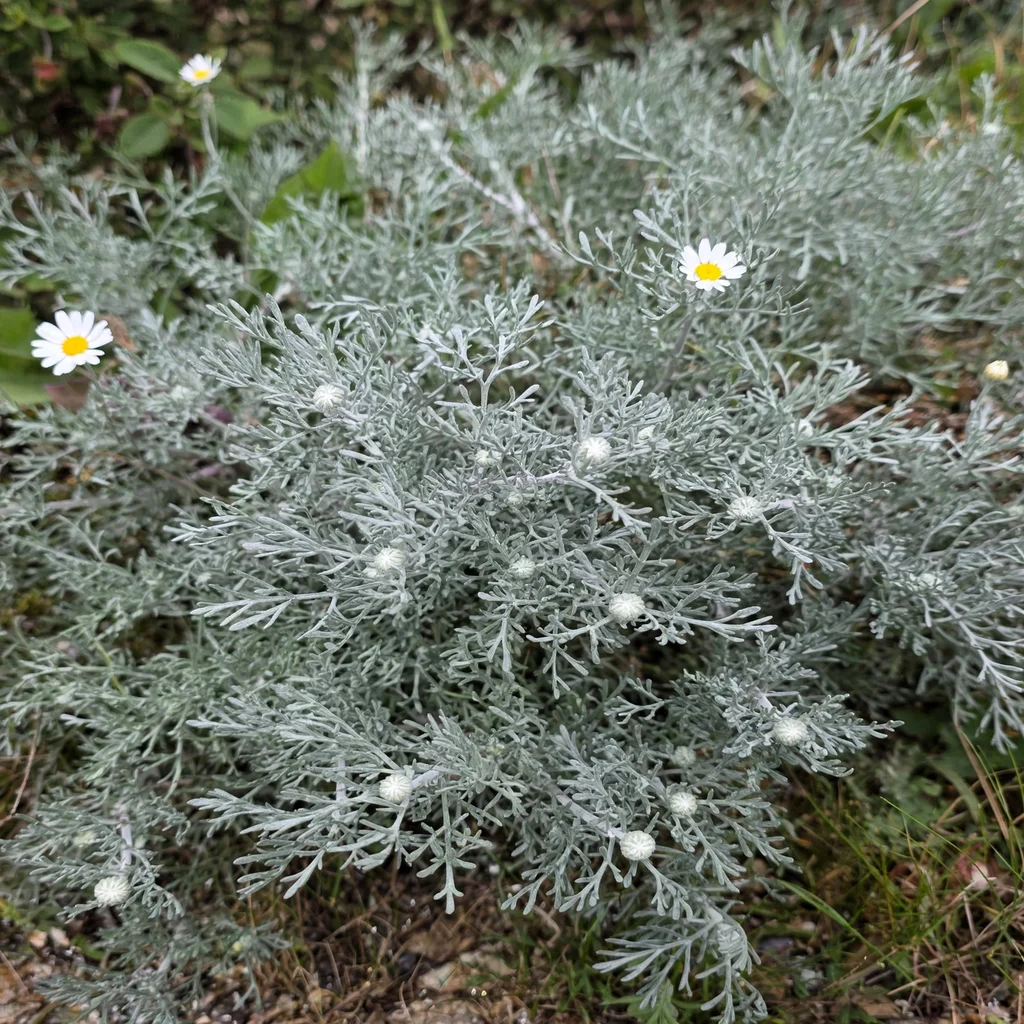
Cretan Chamomile
Anthemis cretica
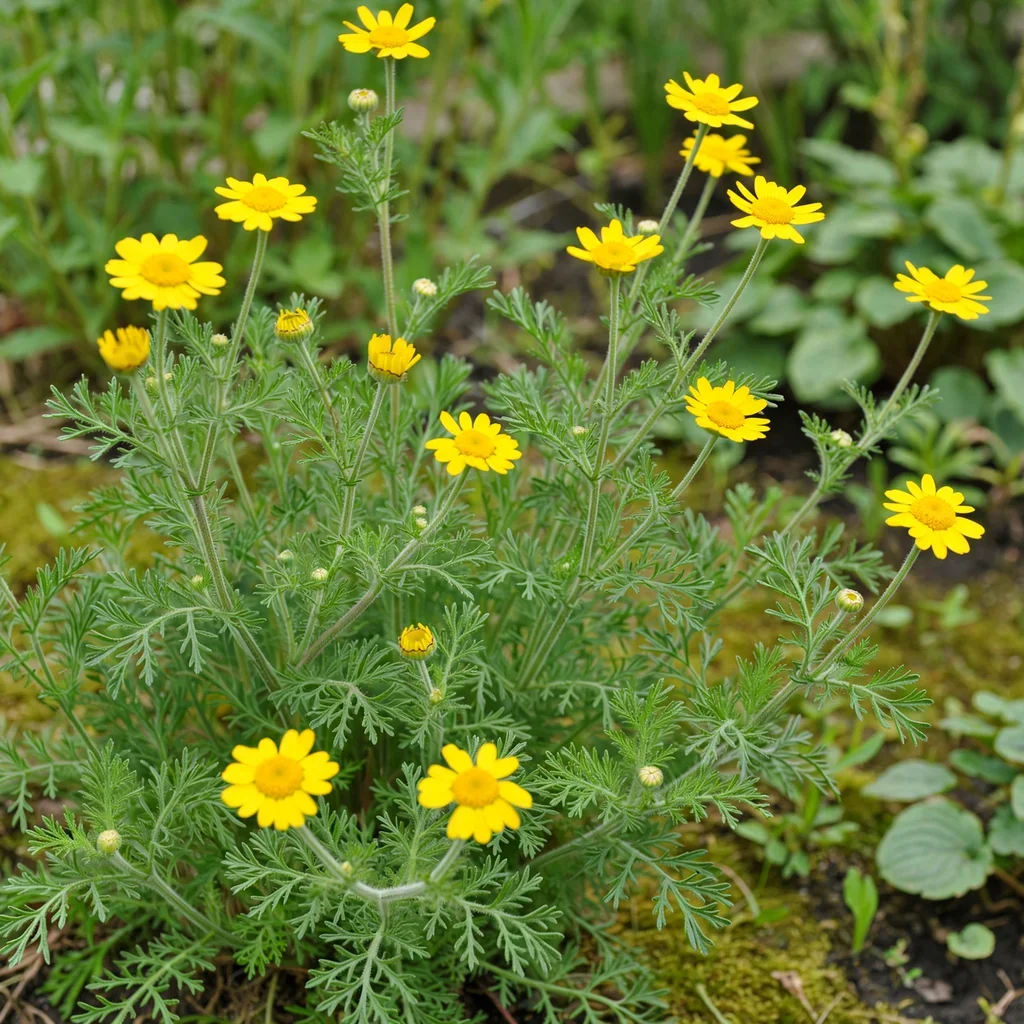
Dyer's Chamomile
Anthemis tinctoria
Keep exploring
Explore the genus
Grow Filigree Daisy with confidence
See it in a design of your actual yard, get zone-matched care reminders, and track it season by season in your garden journal.