The Story
Plant Bio
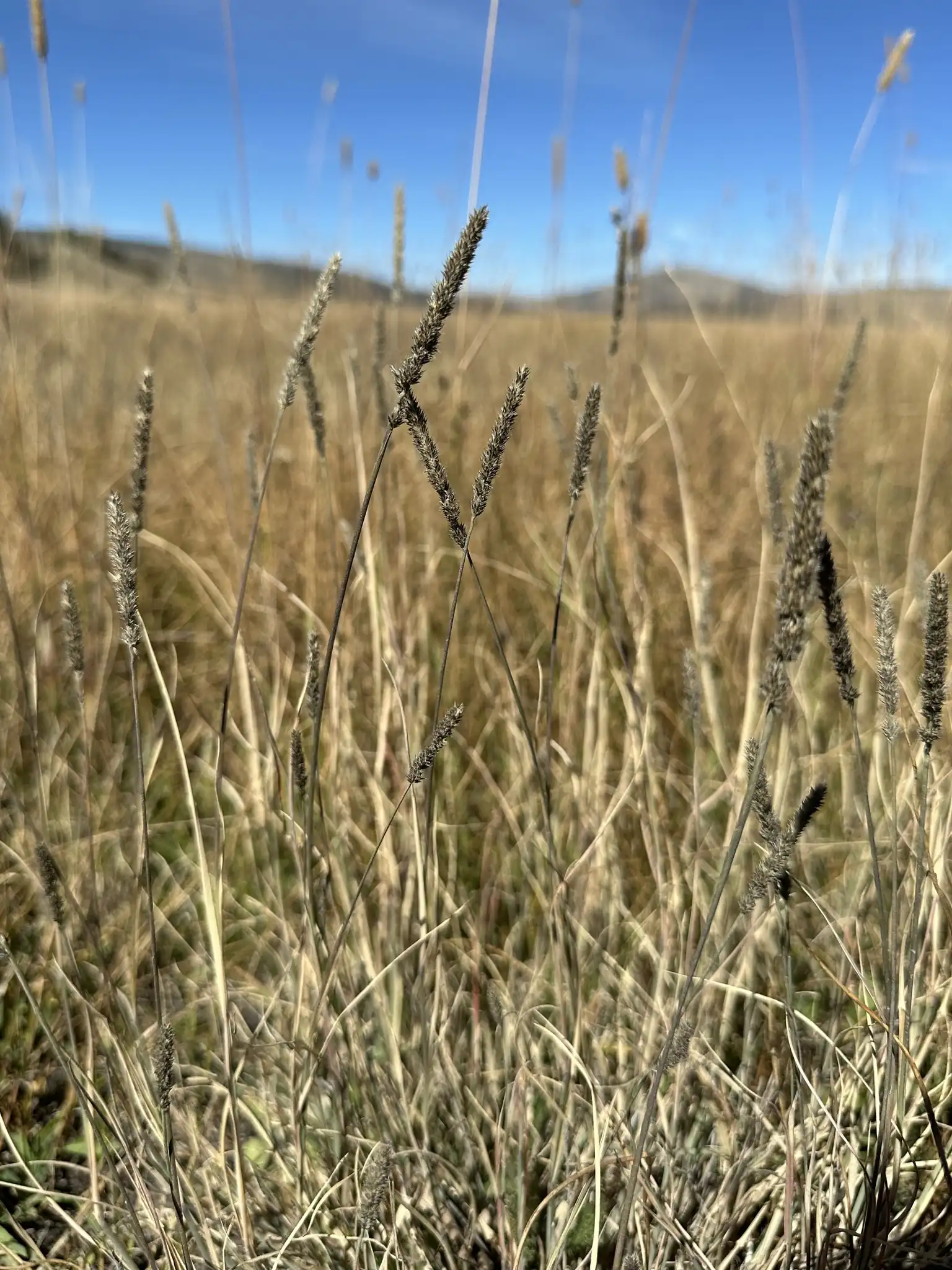
Muhlenbergia wrightii, spike muhly, is a warm-season perennial bunchgrass forming tight clumps from a hard crown, with erect wiry stems 8 to 24 inches tall. The foliage is narrow and light green, and summer stems carry tight narrow spike-like panicles of tiny yellow to light-green spikelets.
It differs from showier muhlys in its narrow interrupted spike-like seed head rather than an open airy cloud, and in its tolerance for thin gravel and calcareous soils. It is slow to establish from seed but persists once crowned, holding dry slopes and rangeland without irrigation.
Uses & Benefits:
Essentials
At a Glance
Plant Type
Grass
Height
24"
Width
24"
Light
Full Sun
Zones
5, 6, 7, 8, 9
Water
Low
Humidity
Unknown
Lifespan
Perennial
Native To
Southwestern USA to northern Mexico
Toxicity
Non-toxic
Bloom period
Summer – Fall
In flower about 6 months of the year
Planting
How to Grow
- Plant in full sun in lean, gravelly or sandy loam with sharp drainage; space 12 to 18 inches apart for clumps to fill.
- Water in once, then water sparingly until rooted; established clumps need only low to medium water.
- Leave foliage through winter for crown protection, then cut old stems to 2 to 3 inches in early spring.
- Top-dress with gravel mulch rather than rich organic mulch to keep the crown dry.
- Do not fertilize to push growth; excess nitrogen weakens wiry stems.
Pro Tip
Give it full sun and sharp drainage and leave it alone; forcing it with water and fertilizer weakens the crown and shortens its life.
Keep It Thriving
Care Guide
Do
- Plant in full sun with open air flow
- Use lean, fast-draining gravelly soil
- Cut back old growth in early spring
Don't
- Do not overwater or plant in soggy clay
- Do not fertilize heavily to force fast fill
- Do not expect first-year coverage
Seasonal Care Calendar
| Task | Jan | Feb | Mar | Apr | May | Jun | Jul | Aug | Sep | Oct | Nov | Dec |
|---|---|---|---|---|---|---|---|---|---|---|---|---|
| Pest Check | ||||||||||||
| Plant | ||||||||||||
| Propagate | ||||||||||||
| Spring Cleanup |
Watch Out For
Pests & Diseases
Common Pests
In the Garden
Landscape Uses & Companions
Landscape Uses
Multiply
Propagation Methods
Good to Know
Common Questions
Spike Muhly questions
What zones can Spike Muhly grow in?
Spike Muhly is hardy in USDA Zones 5–9: in that range it survives winter in the ground. Colder than Zone 5, grow it in a container you can move to shelter for the winter, or as an annual. Warmer than Zone 9, winter isn't the problem: it prefers colder winters, and summer heat can shorten its life.
Is Spike Muhly deer resistant?
Yes — Spike Muhly is rated deer-resistant. Deer typically pass it over, though extreme hunger can override any plant's defenses.
When does Spike Muhly bloom?
Spike Muhly typically blooms from summer to fall. Exact timing shifts a week or two with your zone — Sow's bloom calendar maps it to your garden.
Does Spike Muhly need full sun?
Spike Muhly does best in full sun (6+ hours).
Is Spike Muhly drought tolerant?
Yes — once established (usually after the first full season), Spike Muhly handles dry spells with minimal watering. Water deeply its first year to build the root system that makes that possible.
More Muhlenbergia to compare
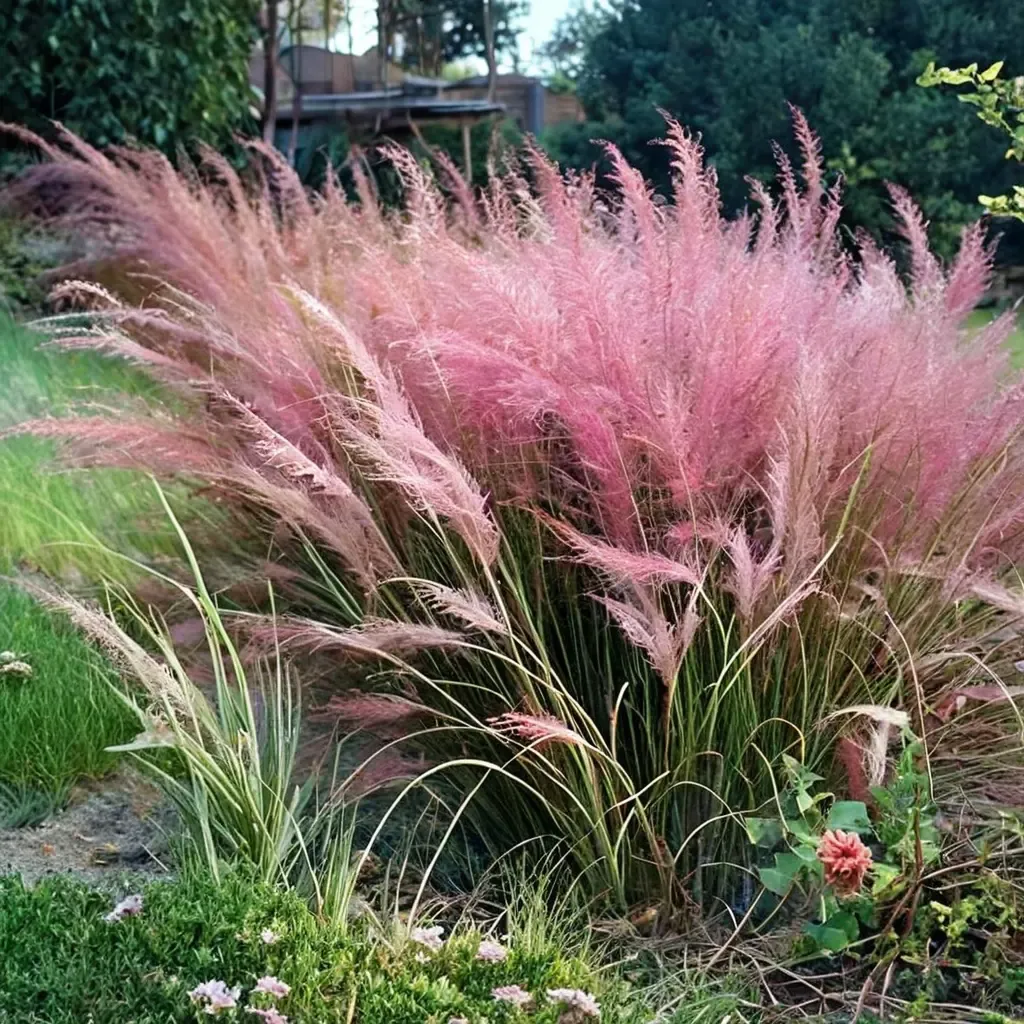
Pink Muhly Grass
Muhlenbergia capillaris
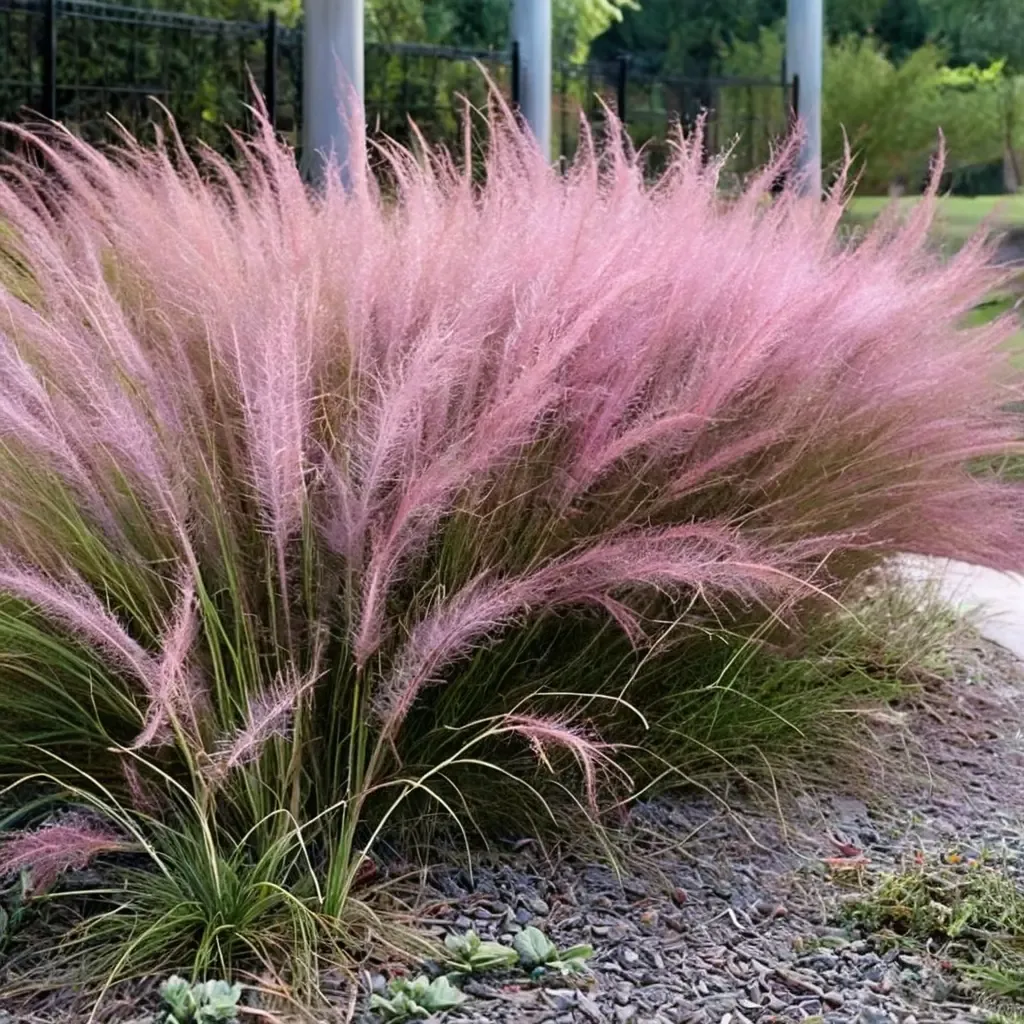
Pink Cloud Muhly Grass
Muhlenbergia capillaris 'Pink Cloud'
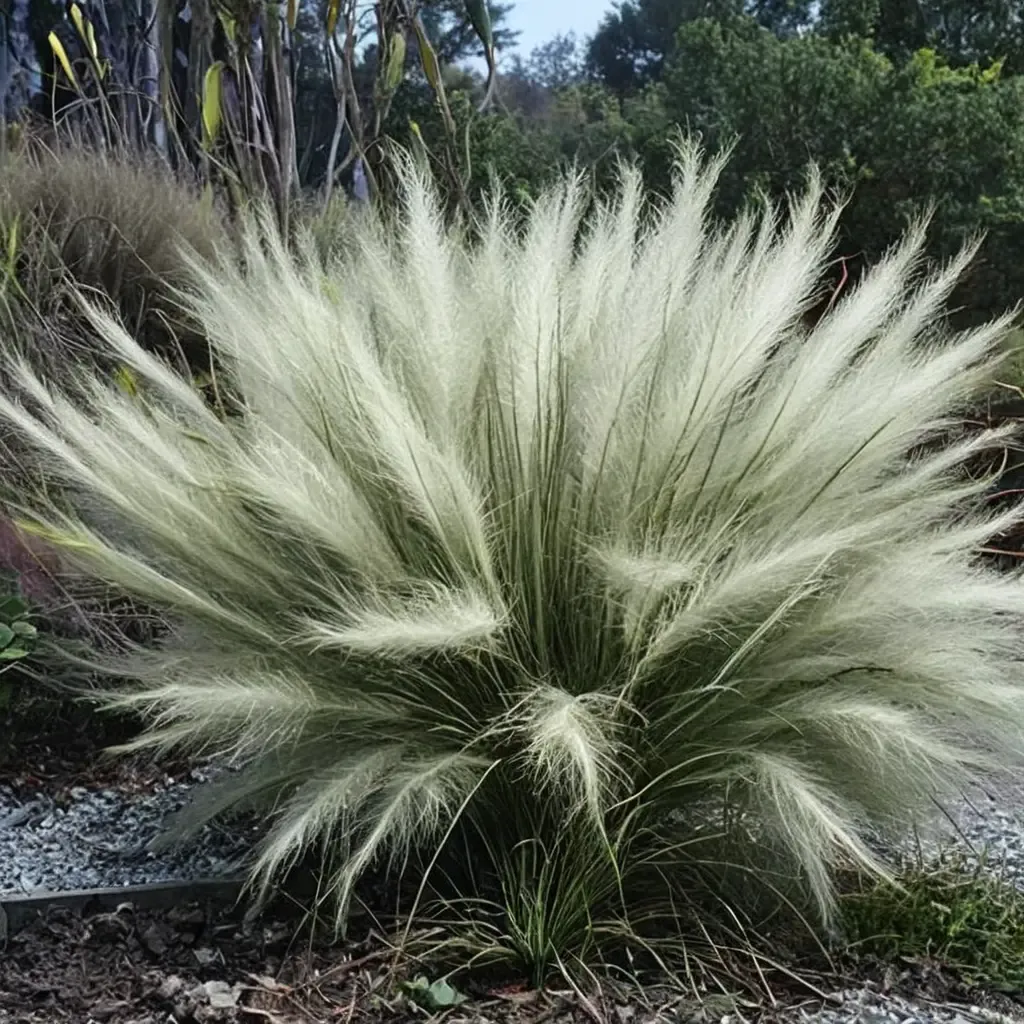
White Cloud Muhly
Muhlenbergia sericea 'White Cloud'
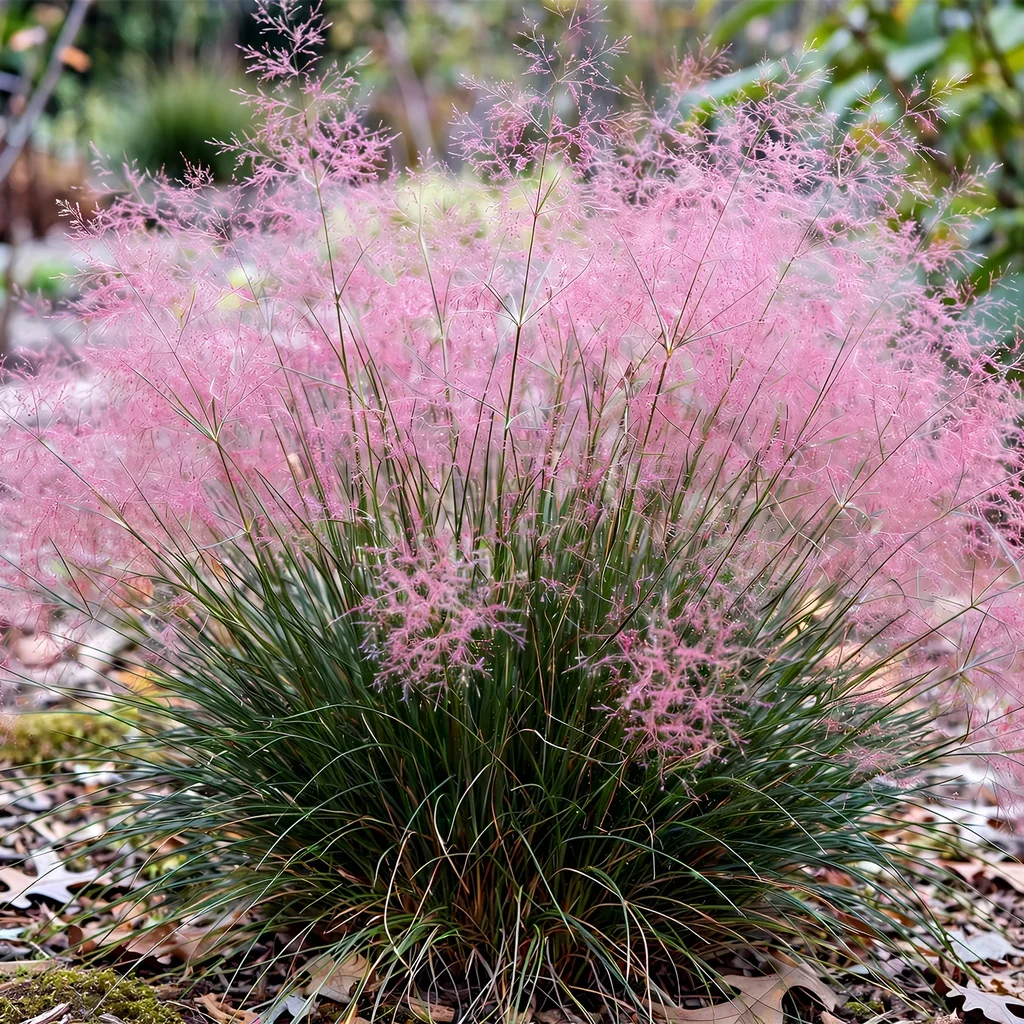
Pink Hairgrass
Muhlenbergia capillaris 'Pink Hairgrass'
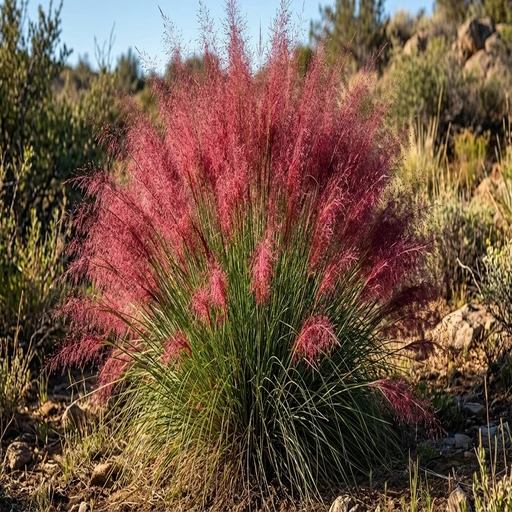
Undaunted Ruby Muhly Grass
Muhlenbergia reverchonii 'Undaunted Ruby'
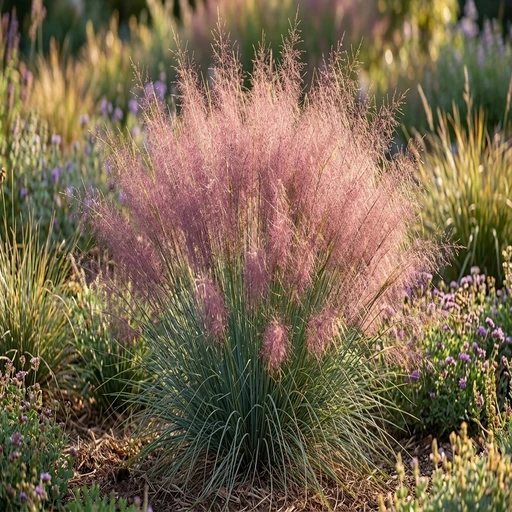
Ruby Muhly Grass
Muhlenbergia reverchonii
Keep exploring
Explore the genus
Hardy in your zone?
Grow Spike Muhly with confidence
See it in a design of your actual yard, get zone-matched care reminders, and track it season by season in your garden journal.