The Story
Plant Bio
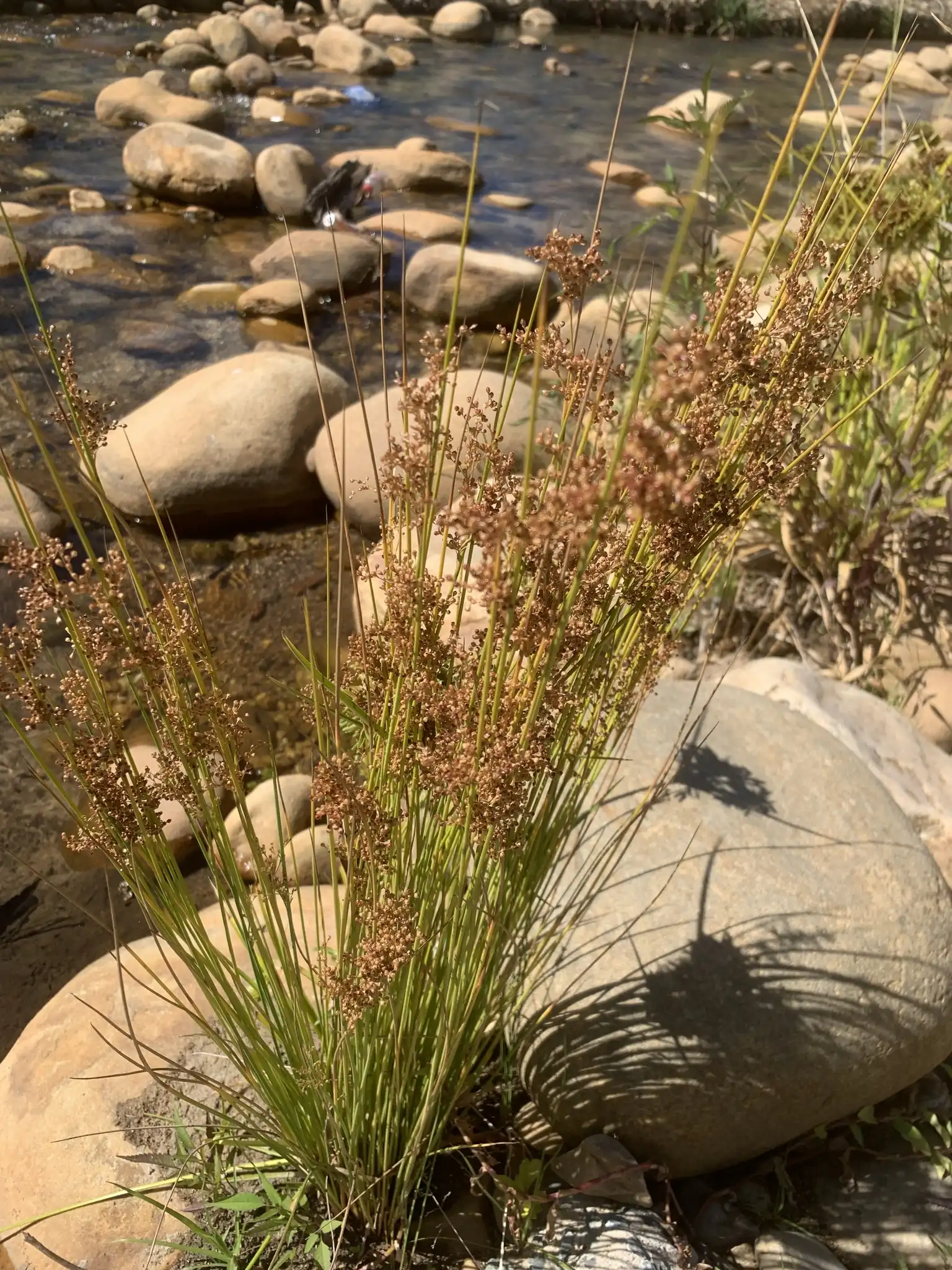
Juncus usitatus is a densely tufted, rhizomatous perennial rush characterized by upright, stiffly arching cylindrical stems with reddish-brown basal sheaths. Small straw-colored to golden-brown flowers emerge in diffuse panicles along the upper sides of the green culms during spring and summer.
Distinguished by its smooth, slender terete stems and broad adaptability to waterlogged conditions, this species forms neat tussocks that tolerate fluctuating water margins. Unlike true grasses, its foliage consists of leafless photosynthesizing culms that maintain architectural structure throughout the year.
Uses & Benefits:
Essentials
At a Glance
Plant Type
Grass
Height
47"
Width
39"
Light
Full Sun, Partial Sun
Zones
8, 9, 10
Water
High
Humidity
High
Lifespan
Perennial
Native To
Oceania (Australia, New Zealand)
Toxicity
Non-toxic
Bloom period
Spring – Summer
In flower about 6 months of the year
Planting
How to Grow
- Select a planting site in full sun or partial shade with consistently wet or boggy soil.
- Dig a hole as deep as the root plug and twice as wide.
- Place the plant so the crown sits level with the soil or in standing water up to 4 inches deep.
- Keep the soil continuously moist or submerged until new roots establish.
Pro Tip
Cut old foliage back hard to crown level every two to three years to clear weathered culms, but avoid frequent light shearing.
Keep It Thriving
Care Guide
Do
- Keep soil continuously moist or submerged in shallow water.
- Plant in full sun for the dense growth habit and brightest stem color.
Don't
- Do not allow the root zone to dry out completely during extended hot weather.
- Do not trim into tight hedge shapes or perform frequent light topiary cuts.
Seasonal Care Calendar
| Task | Jan | Feb | Mar | Apr | May | Jun | Jul | Aug | Sep | Oct | Nov | Dec |
|---|---|---|---|---|---|---|---|---|---|---|---|---|
| Divide | ||||||||||||
| Pest Check | ||||||||||||
| Propagate | ||||||||||||
| Prune |
Watch Out For
Pests & Diseases
Common Pests
Common Diseases
In the Garden
Landscape Uses & Companions
Landscape Uses
Companion Plants
Multiply
Propagation Methods
Good to Know
Common Questions
Common Rush questions
What zones can Common Rush grow in?
Common Rush is hardy in USDA Zones 8–10: in that range it survives winter in the ground. Colder than Zone 8, grow it in a container you can move to shelter for the winter, or as an annual.
When does Common Rush bloom?
Common Rush typically blooms from spring to summer. Exact timing shifts a week or two with your zone — Sow's bloom calendar maps it to your garden.
Does Common Rush need full sun?
Common Rush does best in full sun to part shade. In hot climates, afternoon shade keeps blooms fresher longer.
More Juncus to compare
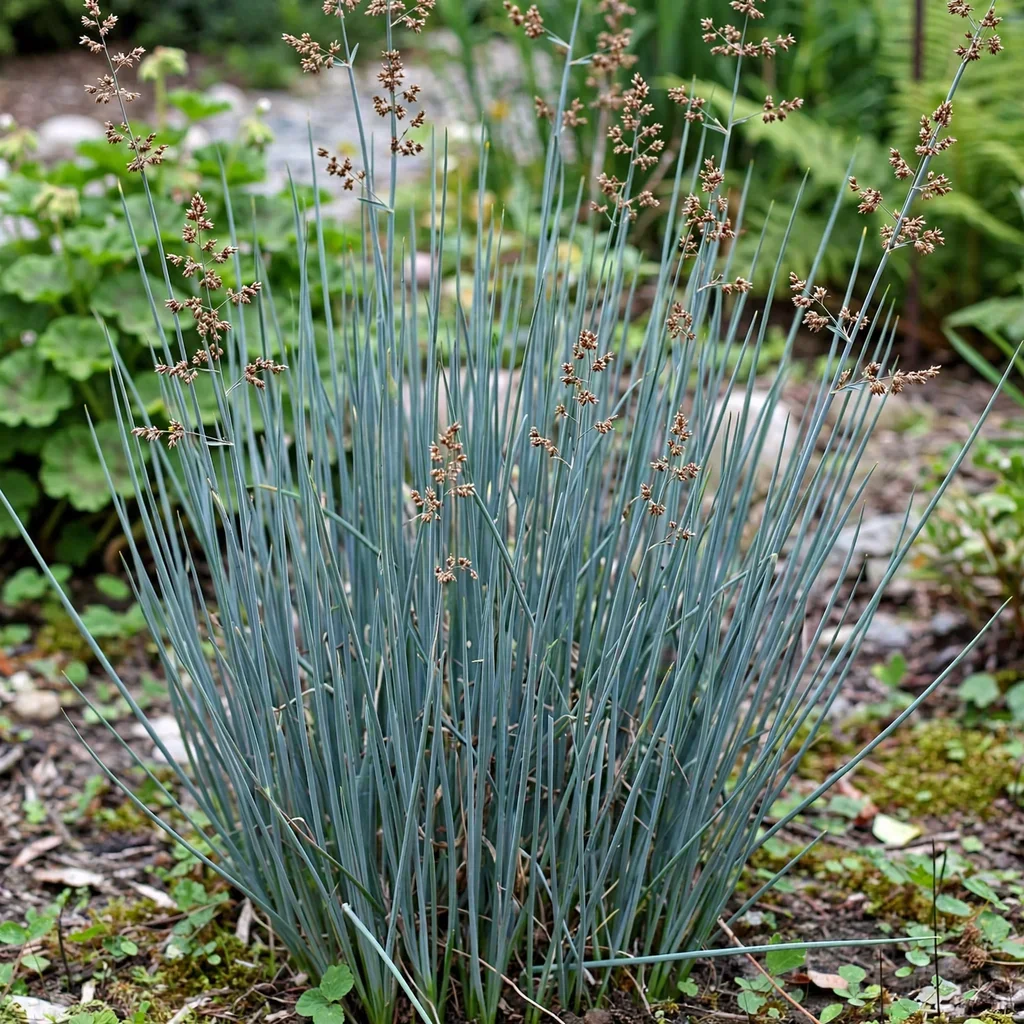
Blue Arrows Soft Rush
Juncus effusus 'Blue Arrows'
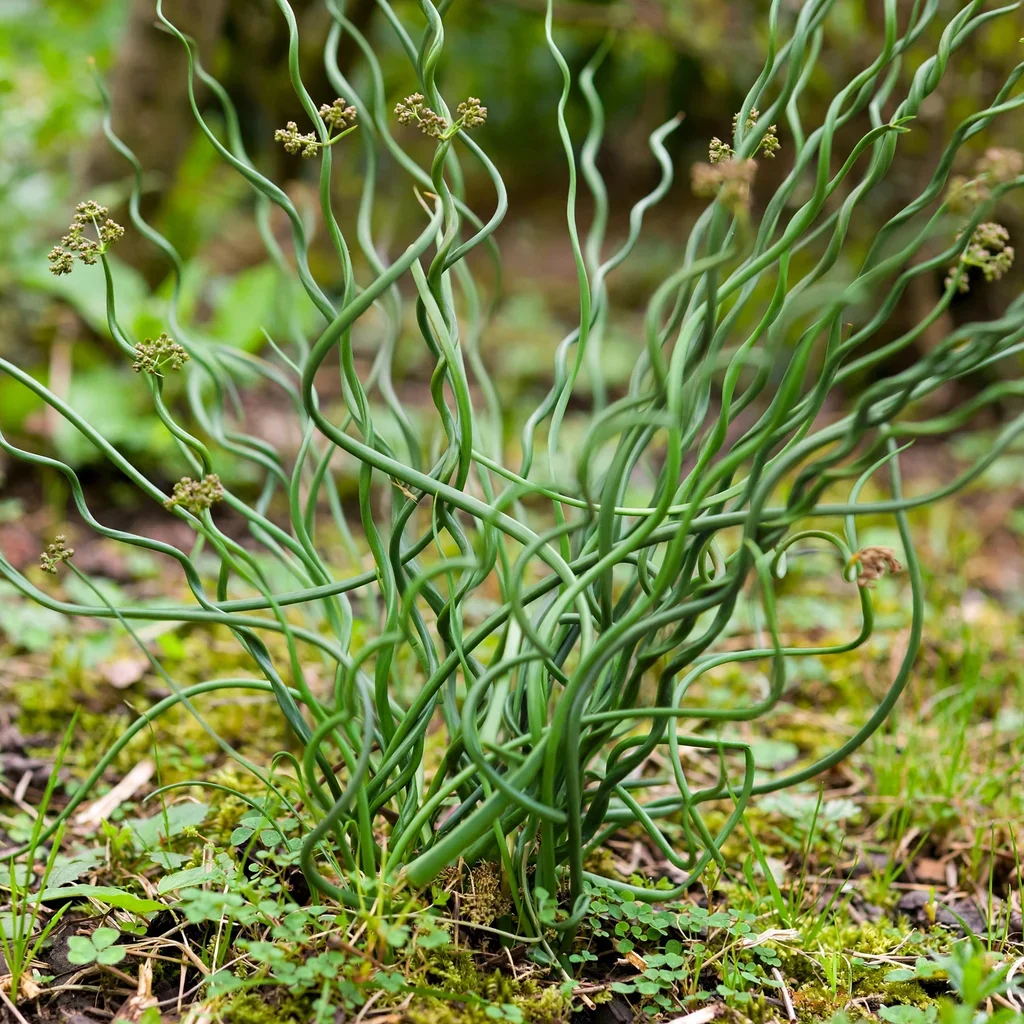
Spiralis Corkscrew Rush
Juncus compactus 'Spiralis'
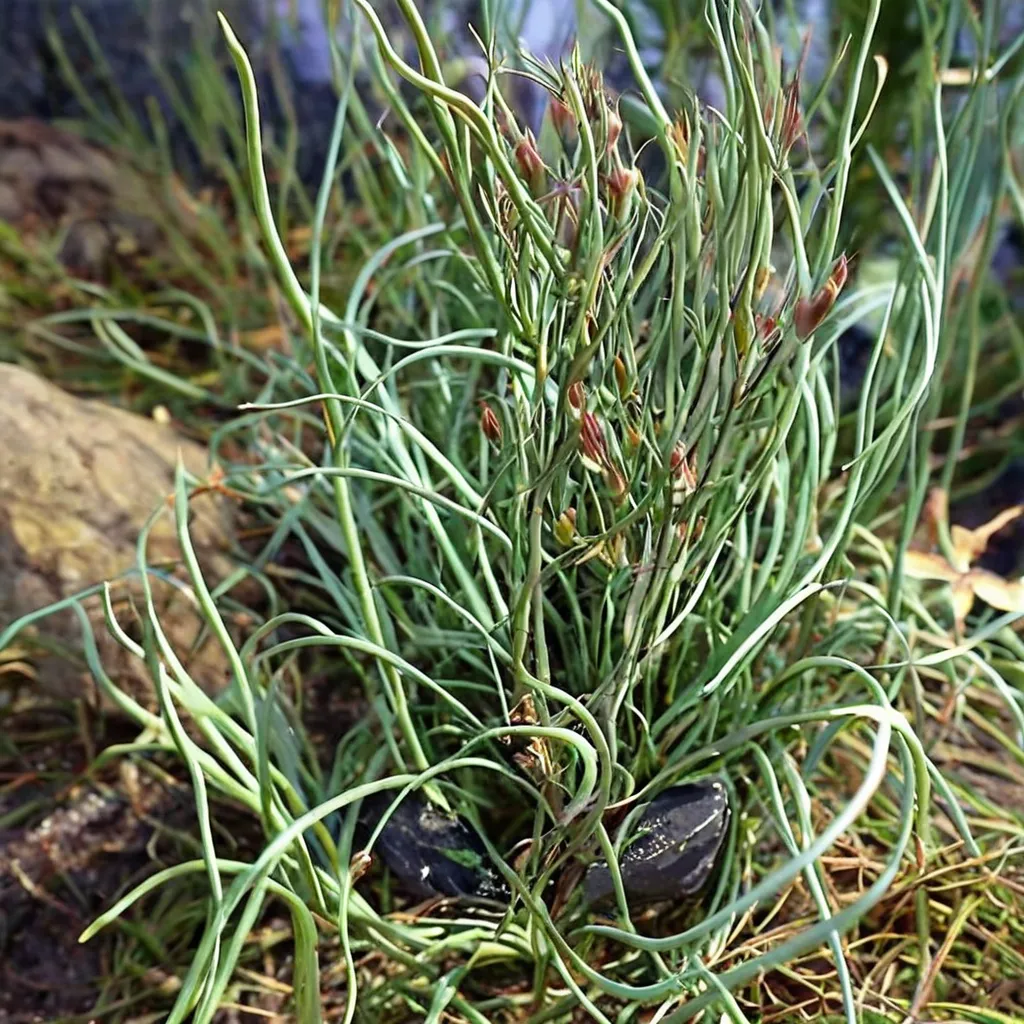
Blue Arrows Rush
Juncus inflexus 'Afro'
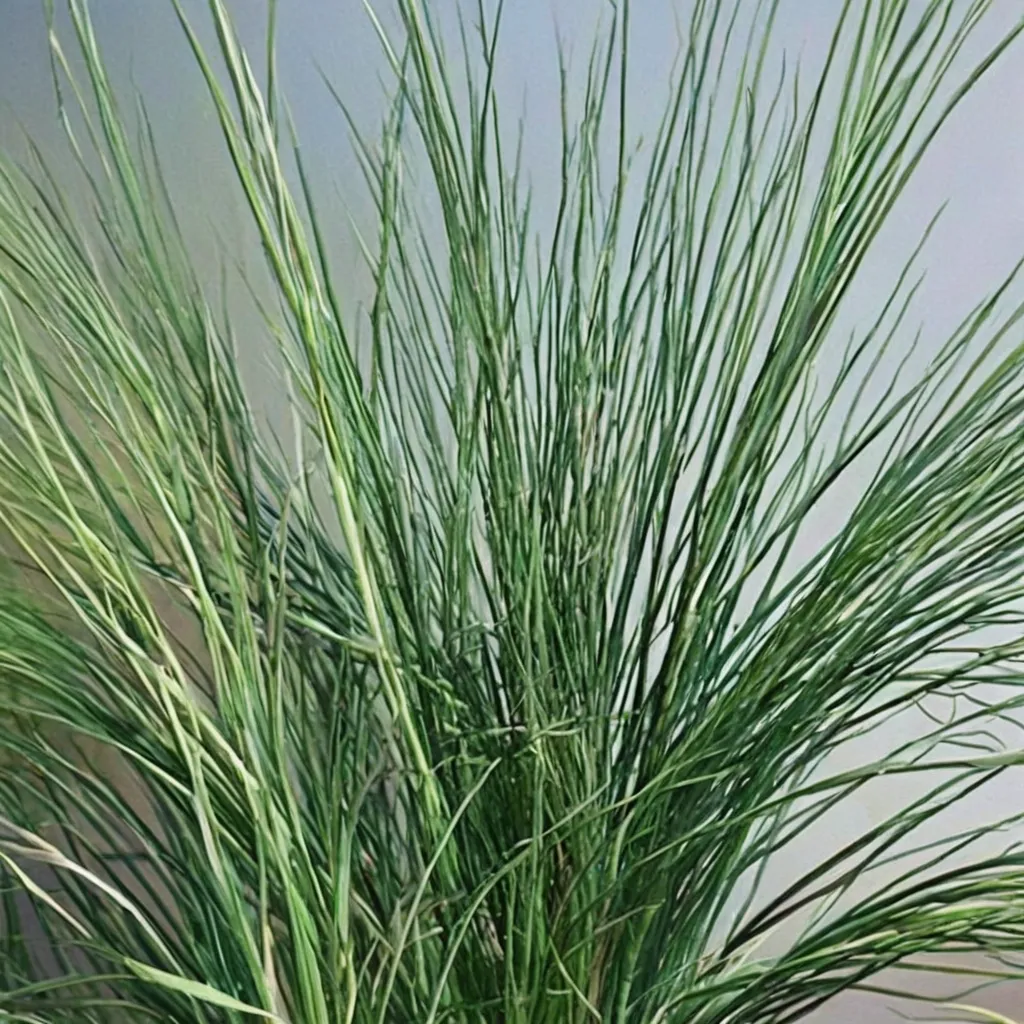
Blue Rush
Juncus inflexus 'Lovesick Blues'
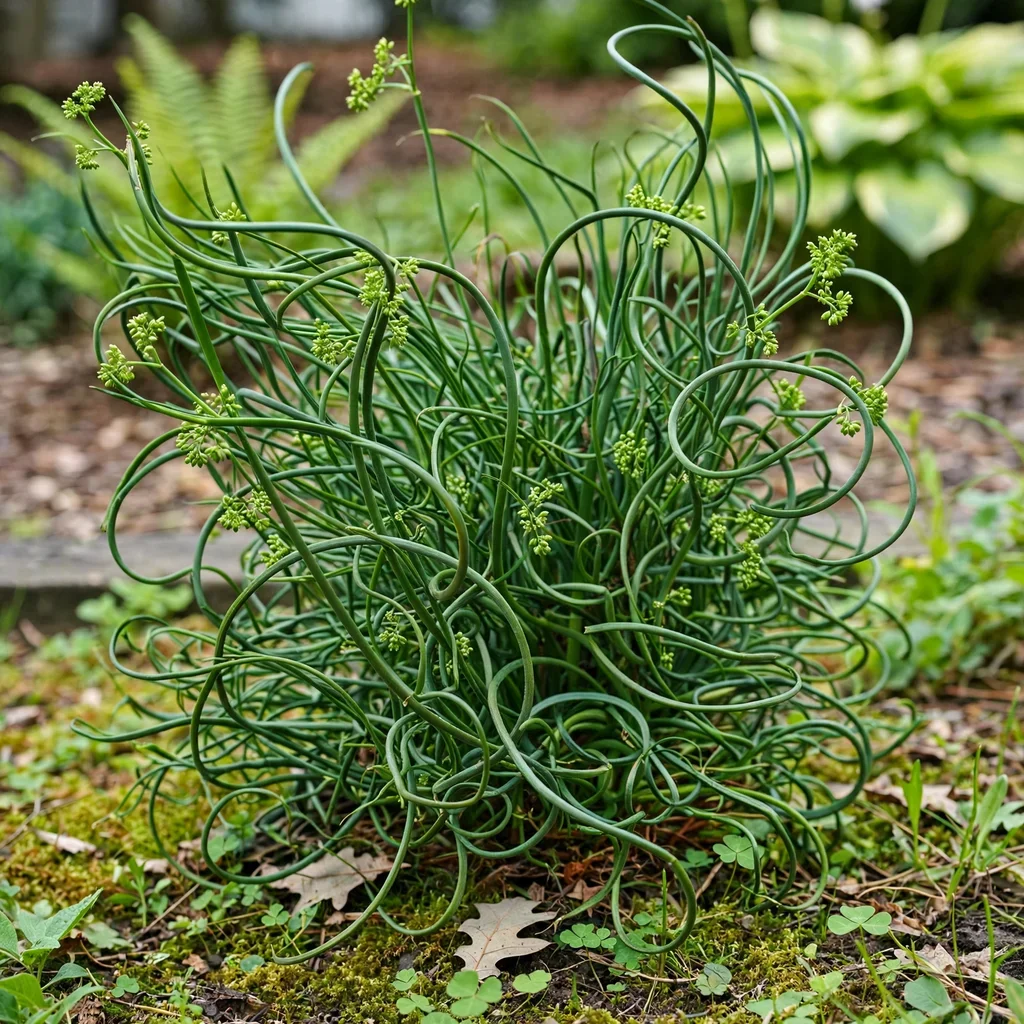
Big Twister Soft Rush
Juncus effusus 'Big Twister'
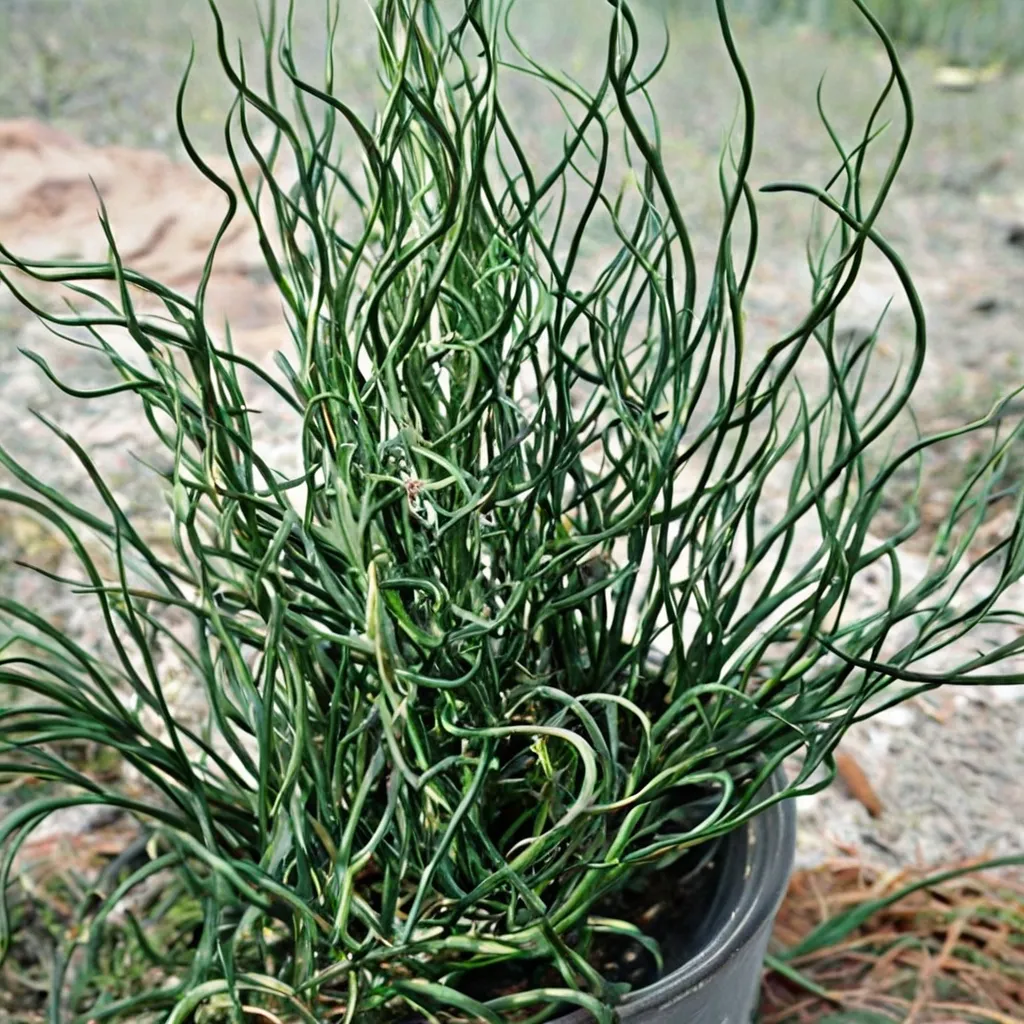
Curly Wurly Corkscrew Rush
Juncus effusus 'Curly Wurly'
Keep exploring
Explore the genus
Hardy in your zone?
Grow Common Rush with confidence
See it in a design of your actual yard, get zone-matched care reminders, and track it season by season in your garden journal.