The Story
Plant Bio
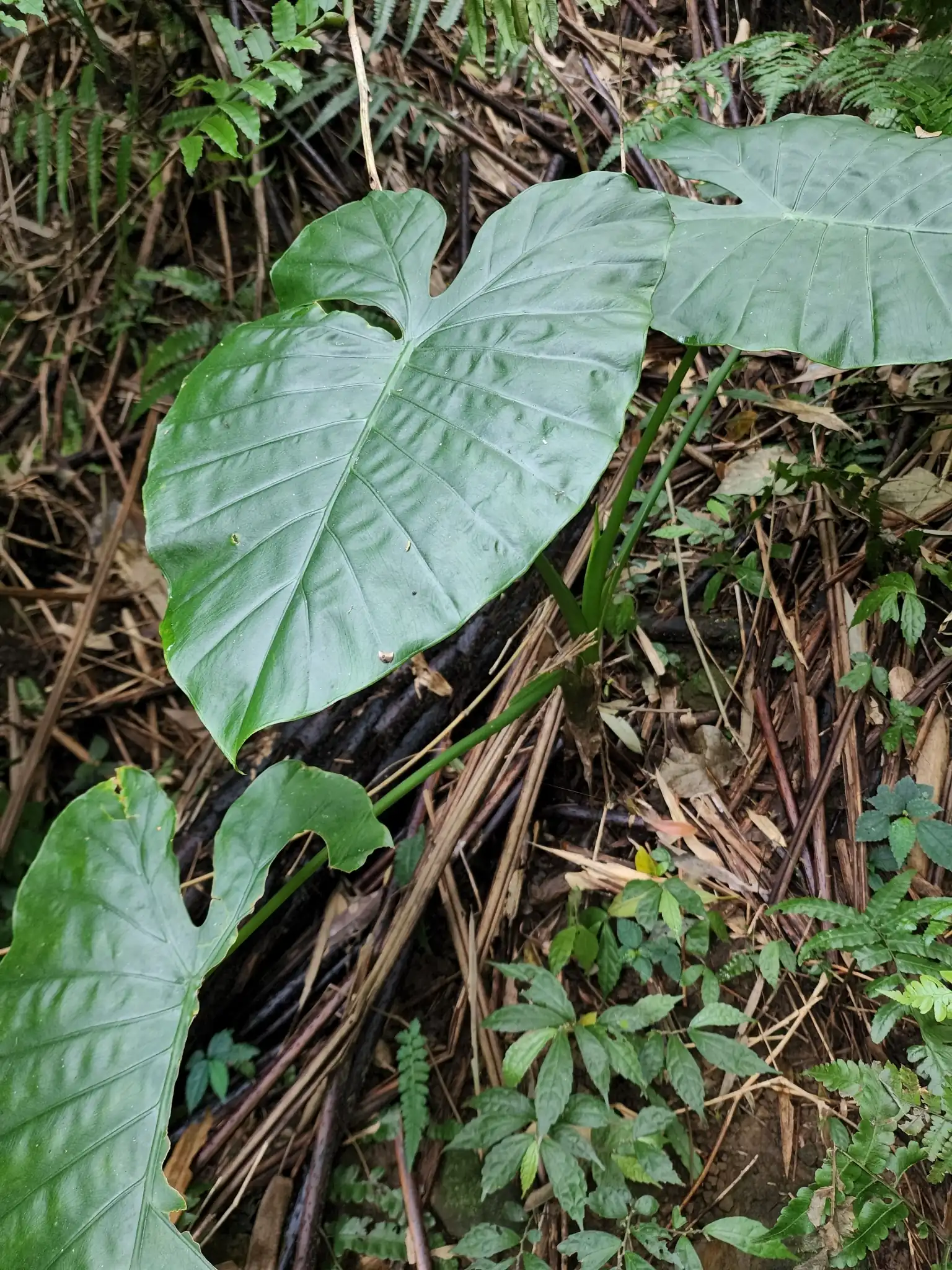
Alocasia odora, commonly known as Giant Taro or Night-scented Lily, is a large perennial tropical plant with broad, arrow-shaped leaves and prominent veins, producing fragrant white flowers that emit a pleasant scent at night.
This species is distinguished by its impressive size, aromatic flowers that attract pollinators, and its adaptability to warm, humid environments, making it a striking addition to tropical and subtropical gardens.
Uses & Benefits:
Essentials
At a Glance
Plant Type
Perennial
Height
72"
Width
48"
Light
Partial Sun, Shade
Zones
9, 10
Water
Consistently moist
Humidity
High
Lifespan
Perennial
Native To
Southeast Asia
Toxicity
Toxic to humans and pets
Bloom period
Early summer – Mid-summer
In flower about 2 months of the year
Planting
How to Grow
- Tuck rhizomes into well-draining soil in spring.
- Mist leaves regularly to maintain humidity.
- Keep soil consistently moist but not waterlogged.
- Place in partial shade for optimal growth.
- Apply balanced fertilizer monthly during growing season.
- Mulch around base to retain moisture.
Pro Tip
Ensure high humidity and consistent moisture for best foliage display.
Keep It Thriving
Care Guide
Do
- Water regularly to keep soil moist 💧
- Feed with a balanced fertilizer monthly
- Place in partial shade to protect from intense sun
Don't
- Avoid letting soil dry out completely ❌
- Don't expose to direct harsh sunlight
- Refrain from overwatering to prevent rot
Seasonal Care Calendar
| Task | Jan | Feb | Mar | Apr | May | Jun | Jul | Aug | Sep | Oct | Nov | Dec |
|---|---|---|---|---|---|---|---|---|---|---|---|---|
| Fertilize | ||||||||||||
| Lift Store | ||||||||||||
| Pest Check | ||||||||||||
| Plant |
Watch Out For
Pests & Diseases
Common Pests
Common Diseases
In the Garden
Landscape Uses & Companions
Landscape Uses
Companion Plants
Multiply
Propagation Methods
Good to Know
Common Questions
Giant Upright Elephant Ear questions
What zones can Giant Upright Elephant Ear grow in?
Giant Upright Elephant Ear is hardy in USDA Zones 9–10. Inside that range it survives winter in the ground; outside it, grow it as an annual or a container plant you protect.
Is Giant Upright Elephant Ear deer resistant?
Not reliably. Deer may browse Giant Upright Elephant Ear, especially tender spring growth — plan on repellents or fencing where pressure is high.
When does Giant Upright Elephant Ear bloom?
Giant Upright Elephant Ear typically blooms in early summer through mid-summer. Exact timing shifts a week or two with your zone — Sow's bloom calendar maps it to your garden.
Does Giant Upright Elephant Ear need full sun?
Giant Upright Elephant Ear does best in part shade.
More Alocasia to compare
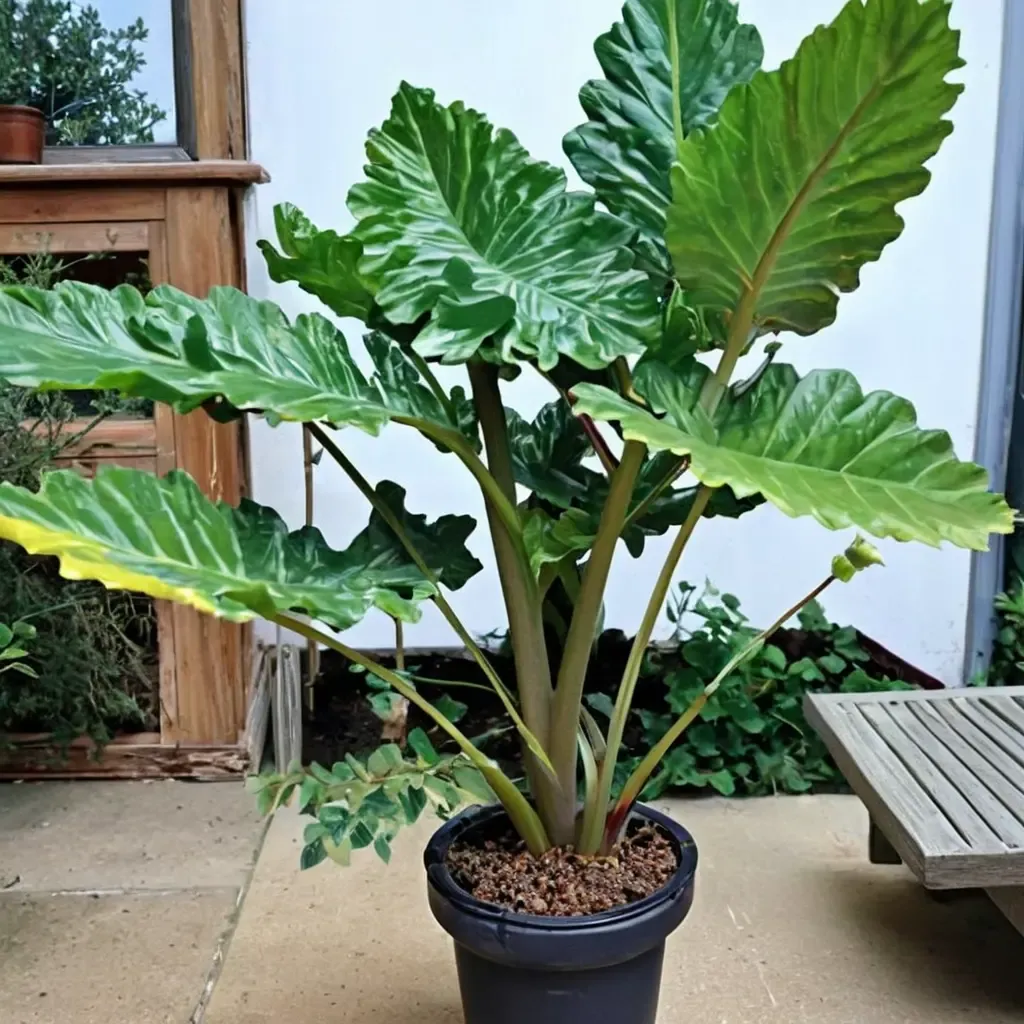
Portodora Elephant Ear
Alocasia portodora
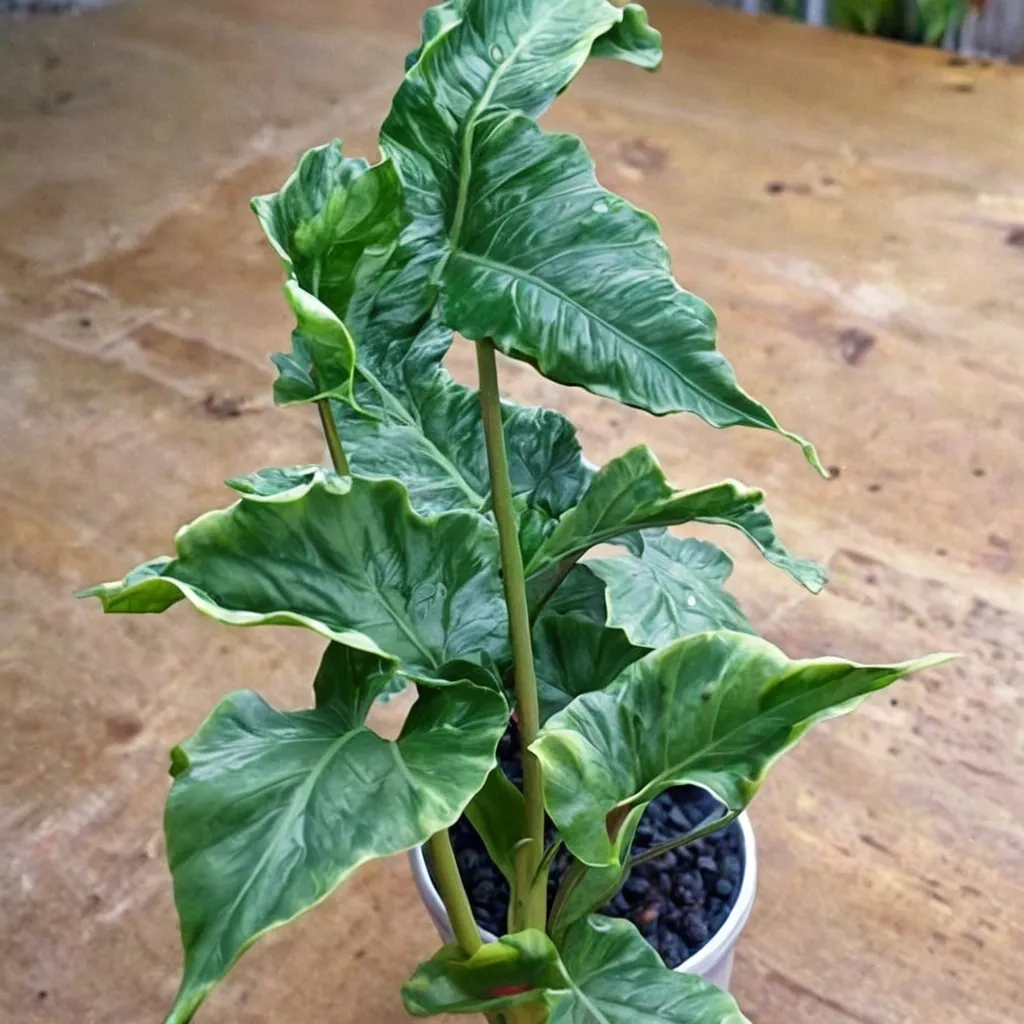
Giant Elephant Ear
Alocasia macrorrhizos 'Shock Treatment'
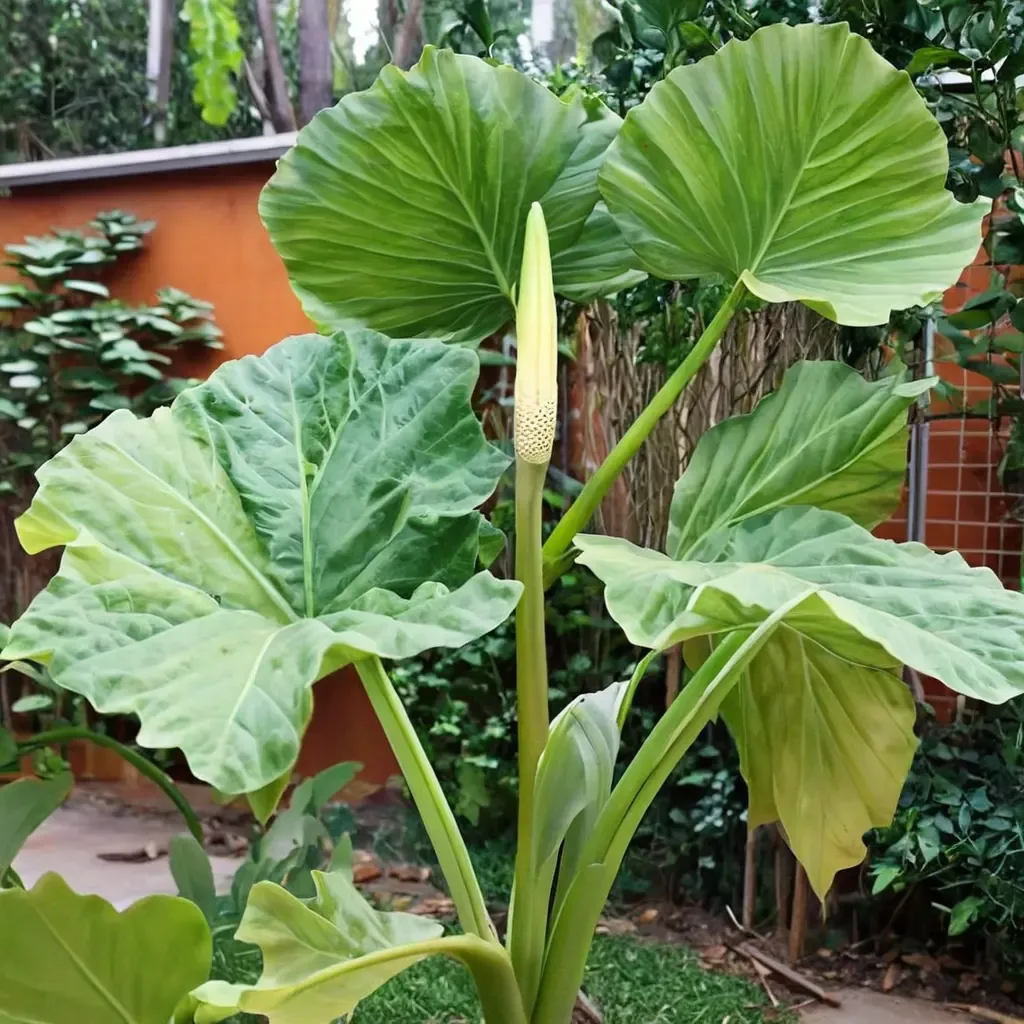
Giant Taro
Alocasia macrorrhizos
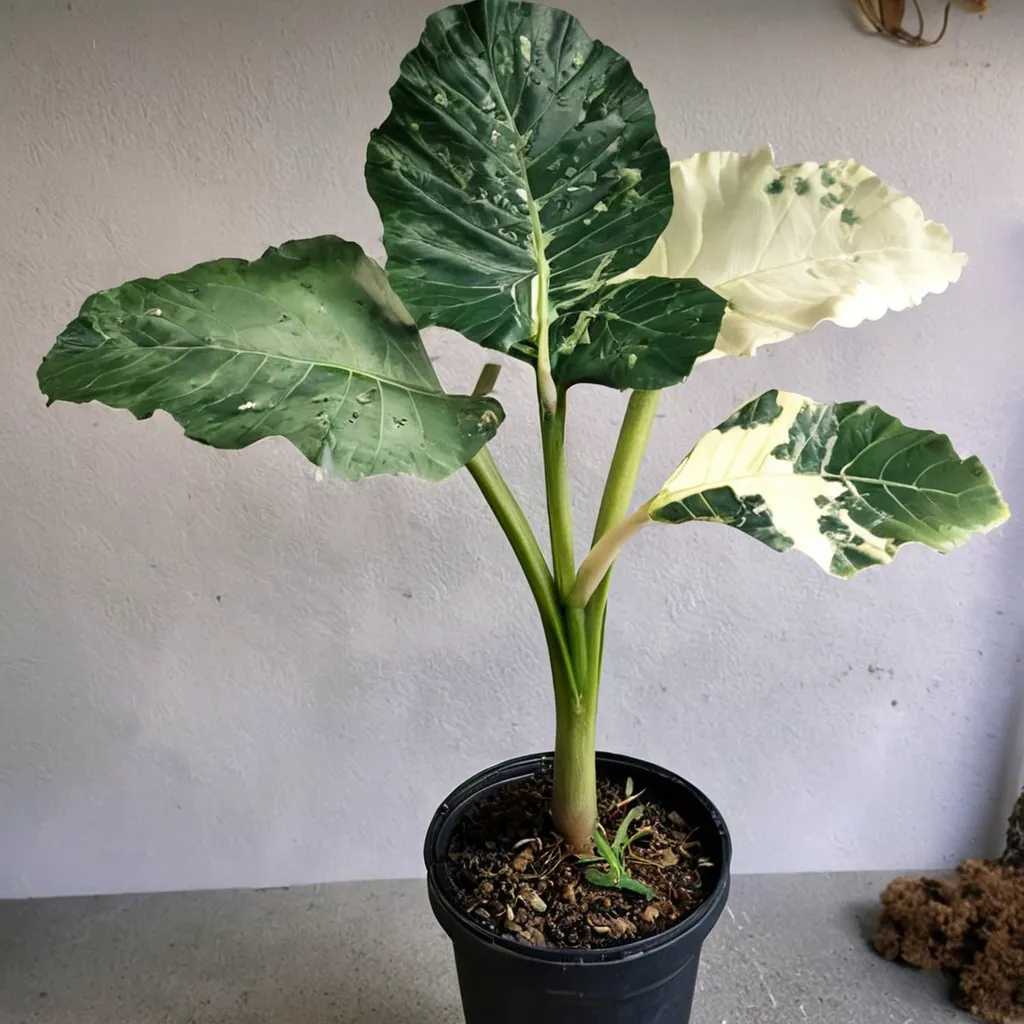
Variegated Elephant Ear
Alocasia macrorrhizos 'Variegata'
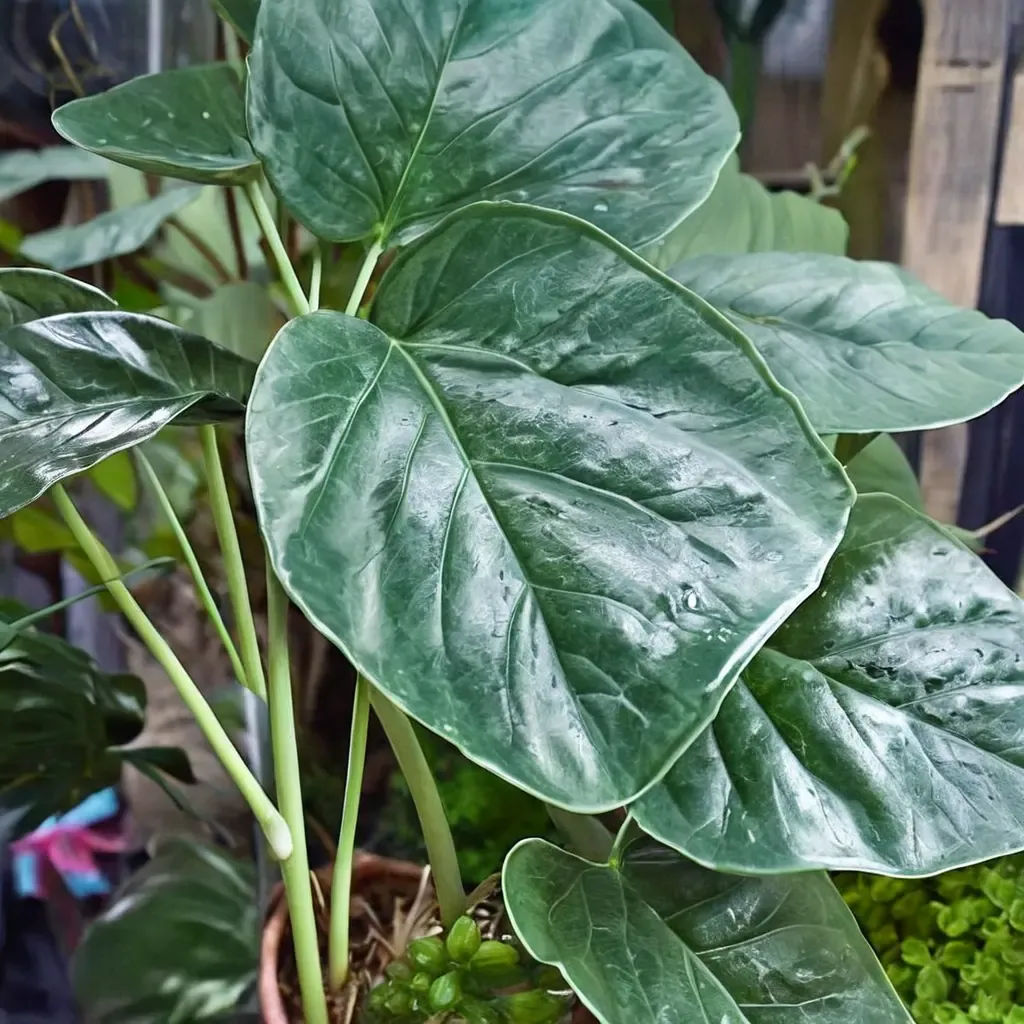
Hardy Elephant Ear
Alocasia wentii
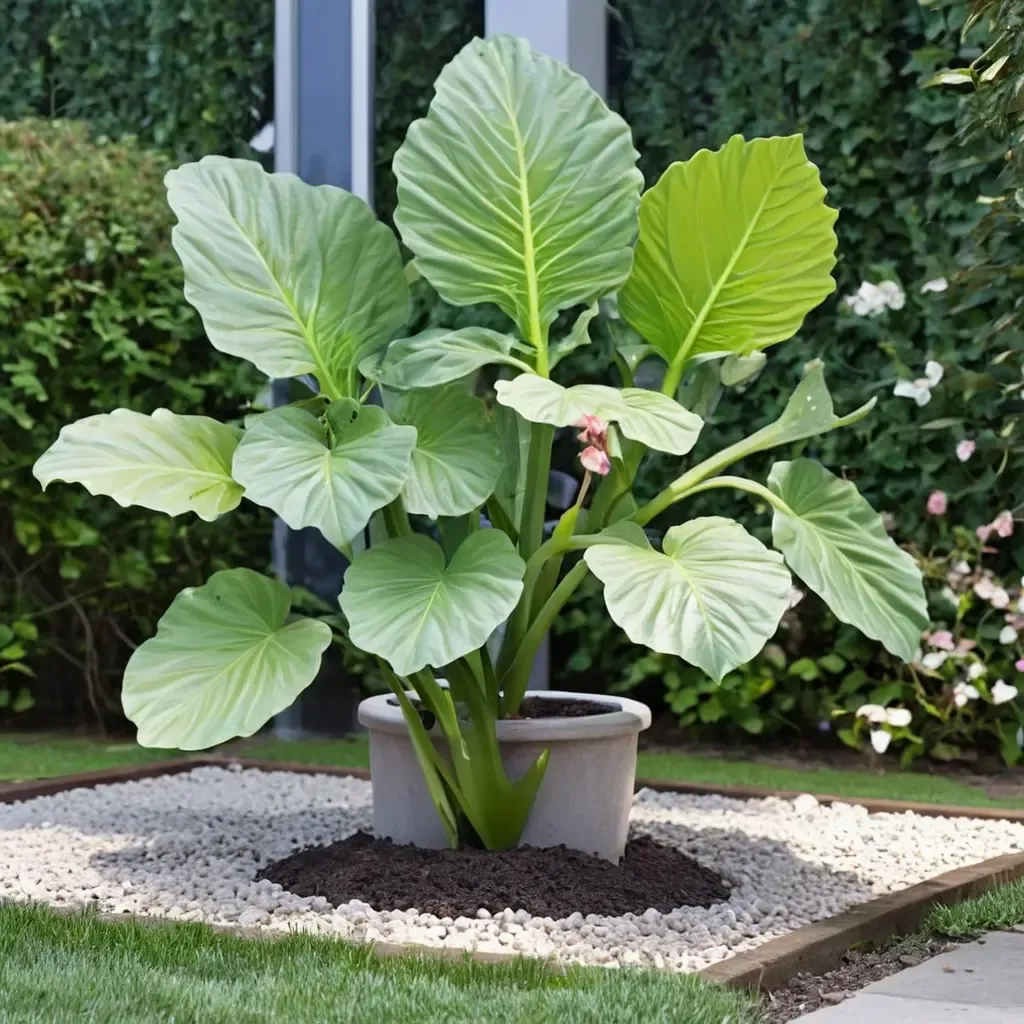
African Mask Plant Elephant Ear
Alocasia indica 'Odora'
Keep exploring
Explore the genus
Hardy in your zone?
Grow Giant Upright Elephant Ear with confidence
See it in a design of your actual yard, get zone-matched care reminders, and track it season by season in your garden journal.