
The Story
Plant Bio
Salvia sinaloensis, the Sinaloa sage, is a low spreading herbaceous perennial from the foothills of the Sierra Madre Occidental in Sinaloa, Mexico, rooting along its branches to form a dense groundcover clump. It carries small dark green to blue-green leaves on red stems and short racemes of tubular deep blue flowers from late spring through fall.
Unlike upright border salvias it stays about a foot tall and spreads wider than high by surface runners and underground stolons, dying to the crown in winter in Zone 8 before reshooting in spring. Sun-grown foliage flushes purple-bronze to near-black and holds that color best in full sun, setting off the short spikes of royal-blue flowers held just above the leaves.
Uses & Benefits:
Essentials
At a Glance
Plant Type
Perennial
Height
12"
Width
18"
Light
Full Sun, Partial Sun
Zones
8, 9, 10
Water
Average to low once established
Humidity
Low to moderate; needs airflow
Lifespan
Herbaceous perennial
Native To
Sinaloa, Mexico
Toxicity
Non-toxic; large ingestion may upset stomach
Bloom period
Late spring – Autumn
In flower about 7 months of the year
Planting
How to Grow
- Plant after last frost in full sun to light shade in sharply drained fertile to gritty soil.
- Space 18 inches apart with the crown level with the soil surface, then water in.
- Water regularly the first season, then cut back to deep occasional watering once established.
- Deadhead spent spikes through summer to extend bloom and cut the whole clump to 4 inches in early spring.
- Top-dress lightly with gravel in Zone 8 for winter drainage and keep wet mulch off the crown.
Pro Tip
Leave the winter crown in place because it looks dead but resprouts in spring, and give it sharp winter drainage rather than extra wrapping because cold wet soil kills it.
Keep It Thriving
Care Guide
Do
- Give full to mostly sunny exposure with afternoon shade in hot climates
- Grow in well-drained soil and let the top inch dry between waterings once established
- Clean and cut back the dormant clump once a year in early spring
Don't
- Do not prune after early September because late regrowth is frost-tender
- Do not overwater or leave it in heavy cold winter soil
- Do not dig the crown in winter when tops disappear; it is dormant, not dead
Seasonal Care Calendar
| Task | Jan | Feb | Mar | Apr | May | Jun | Jul | Aug | Sep | Oct | Nov | Dec |
|---|---|---|---|---|---|---|---|---|---|---|---|---|
| Deadhead | ||||||||||||
| Mulch | ||||||||||||
| Pest Check | ||||||||||||
| Plant | ||||||||||||
| Spring Cleanup |
Watch Out For
Pests & Diseases
Common Pests
Common Diseases
In the Garden
Landscape Uses & Companions
Landscape Uses
Multiply
Propagation Methods
Good to Know
Common Questions
Sinaloa Sage questions
What zones can Sinaloa Sage grow in?
Sinaloa Sage is hardy in USDA Zones 8–10: in that range it survives winter in the ground. Colder than Zone 8, grow it in a container you can move to shelter for the winter, or as an annual.
Is Sinaloa Sage deer resistant?
Yes — Sinaloa Sage is rated deer-resistant. Deer typically pass it over, though extreme hunger can override any plant's defenses.
When does Sinaloa Sage bloom?
Sinaloa Sage typically blooms from late spring to late fall. Exact timing shifts a week or two with your zone — Sow's bloom calendar maps it to your garden.
Does Sinaloa Sage need full sun?
Sinaloa Sage does best in full sun to part shade. In hot climates, afternoon shade keeps blooms fresher longer.
Is Sinaloa Sage drought tolerant?
Yes — once established (usually after the first full season), Sinaloa Sage handles dry spells with minimal watering. Water deeply its first year to build the root system that makes that possible.
More Salvia to compare
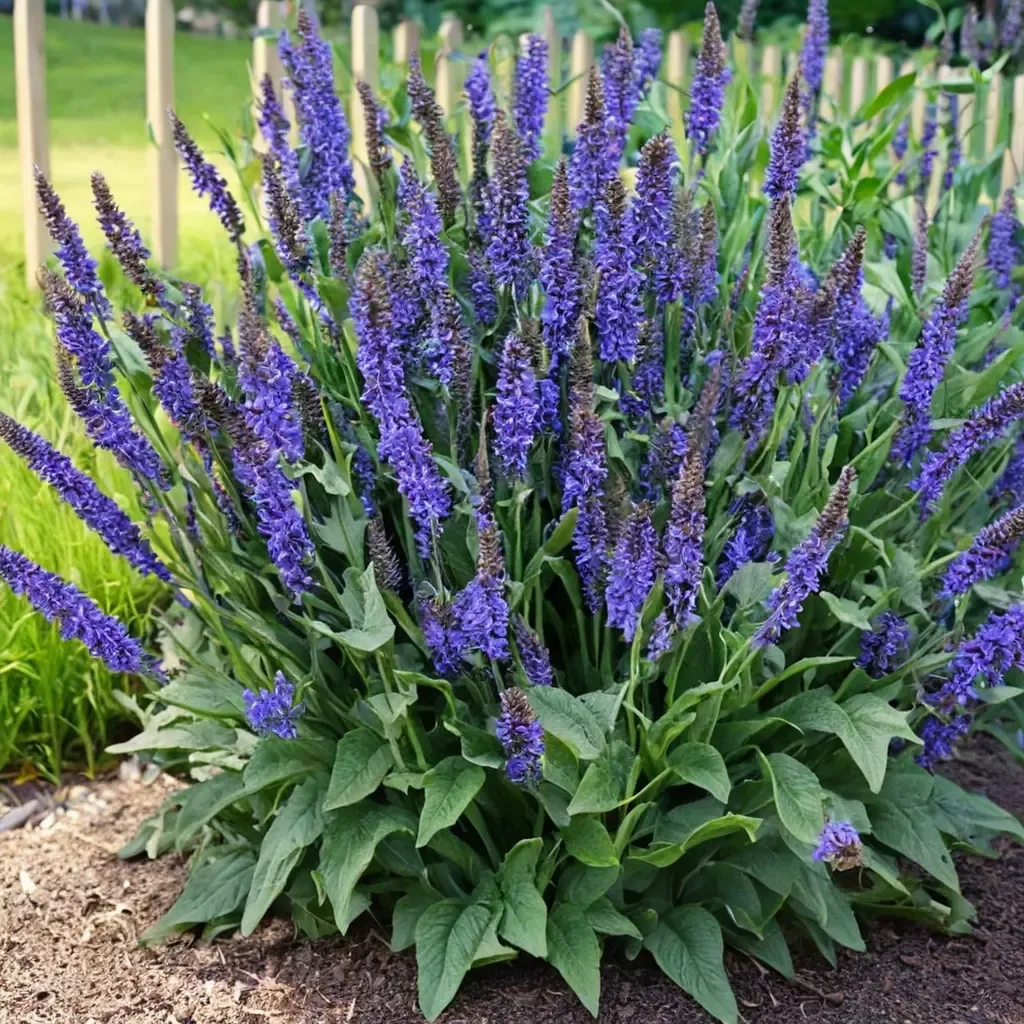
May Night Sage
Salvia nemorosa 'May Night'
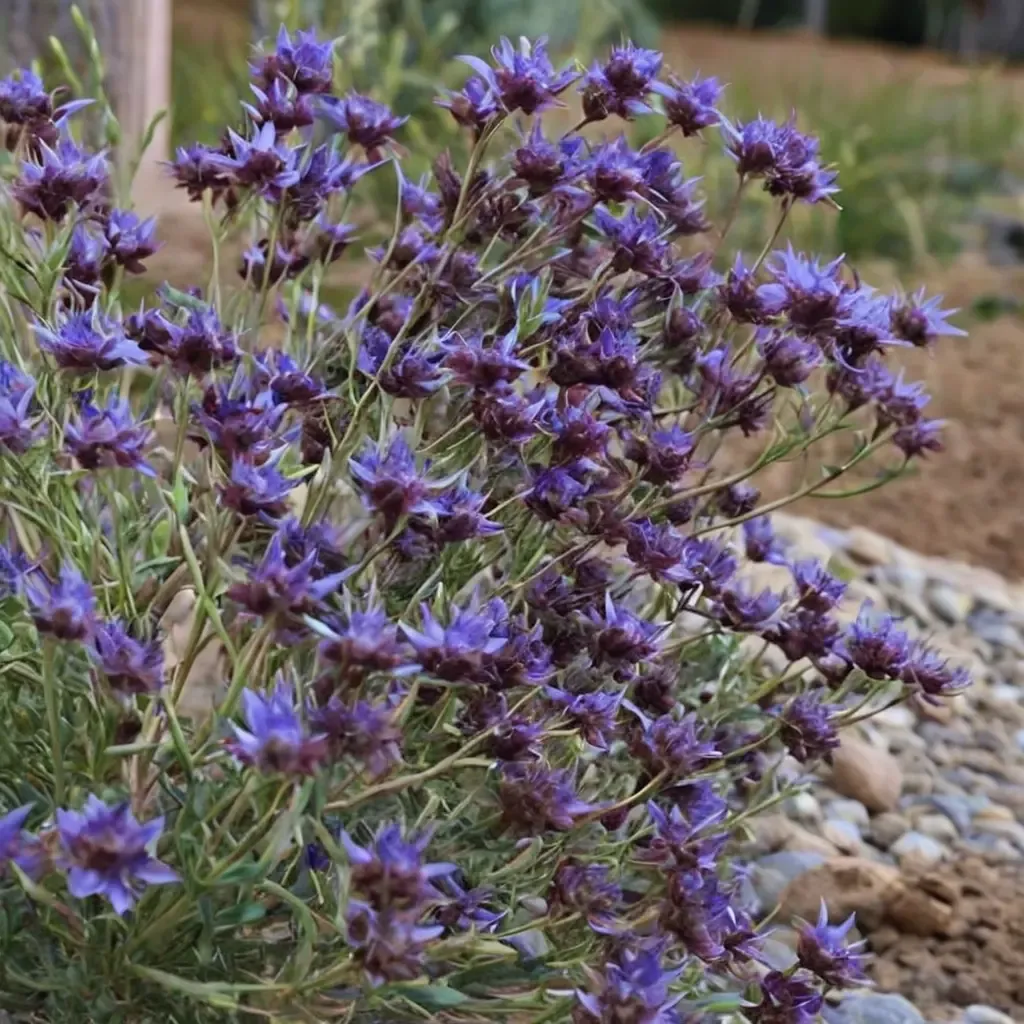
Celestial Blue Sage Wood Sage
Salvia nemorosa 'Celestial Blue'
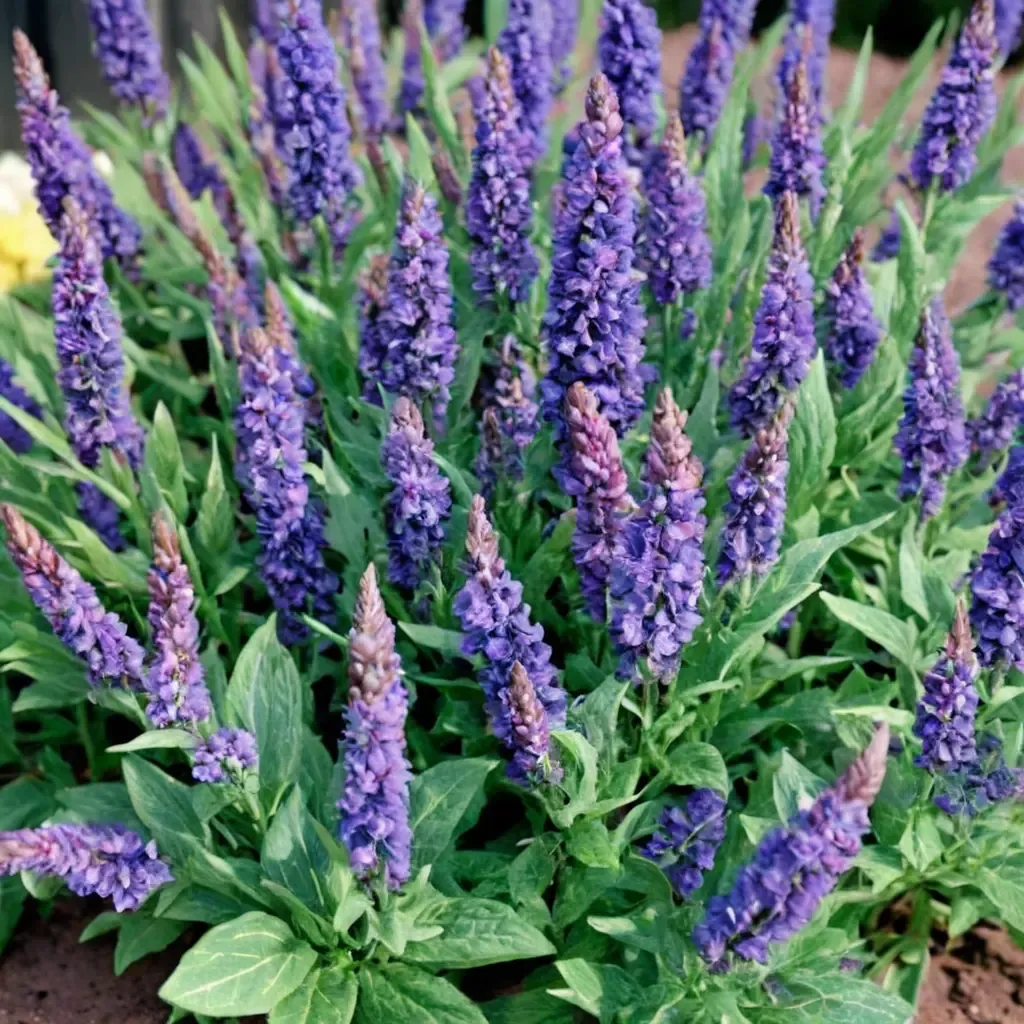
Marcus Woodland Sage
Salvia nemorosa 'Marcus'
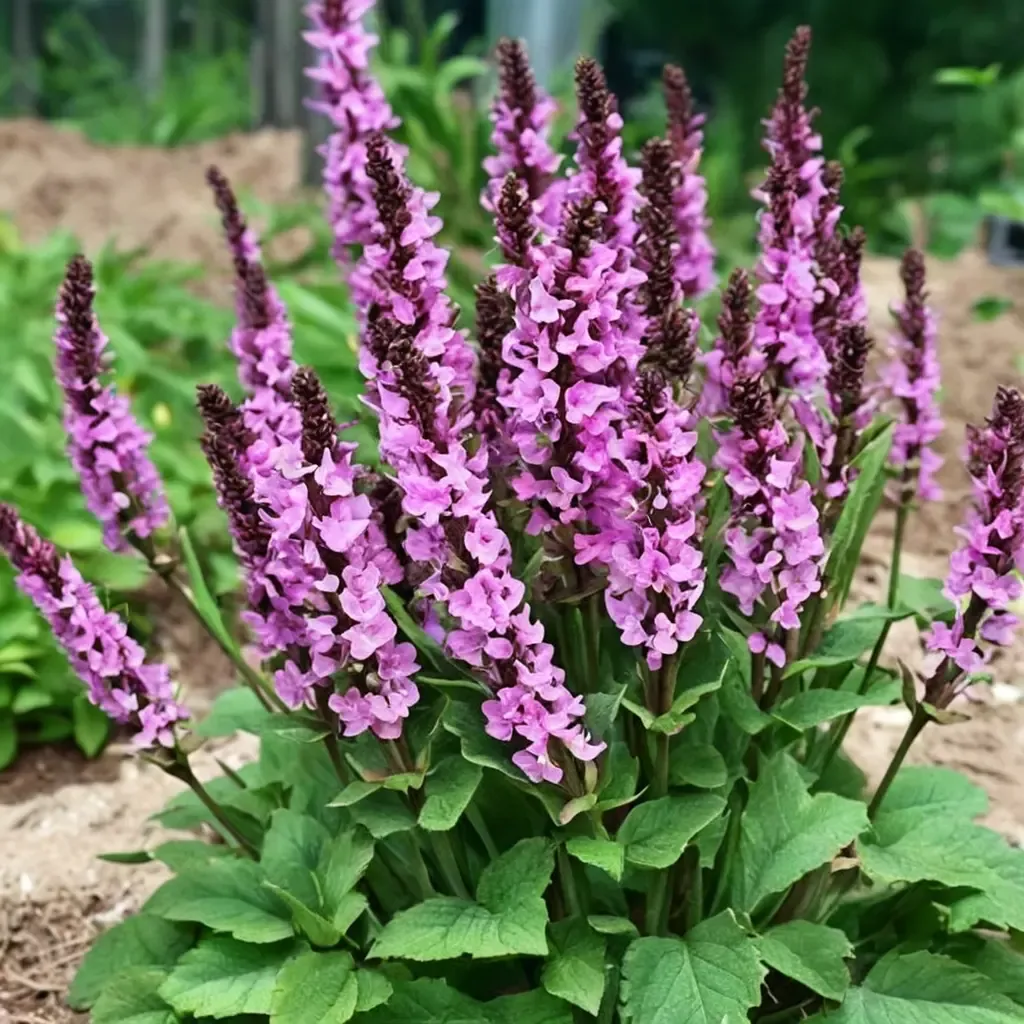
Rose Marvel Sage
Salvia nemorosa 'Rose Marvel'
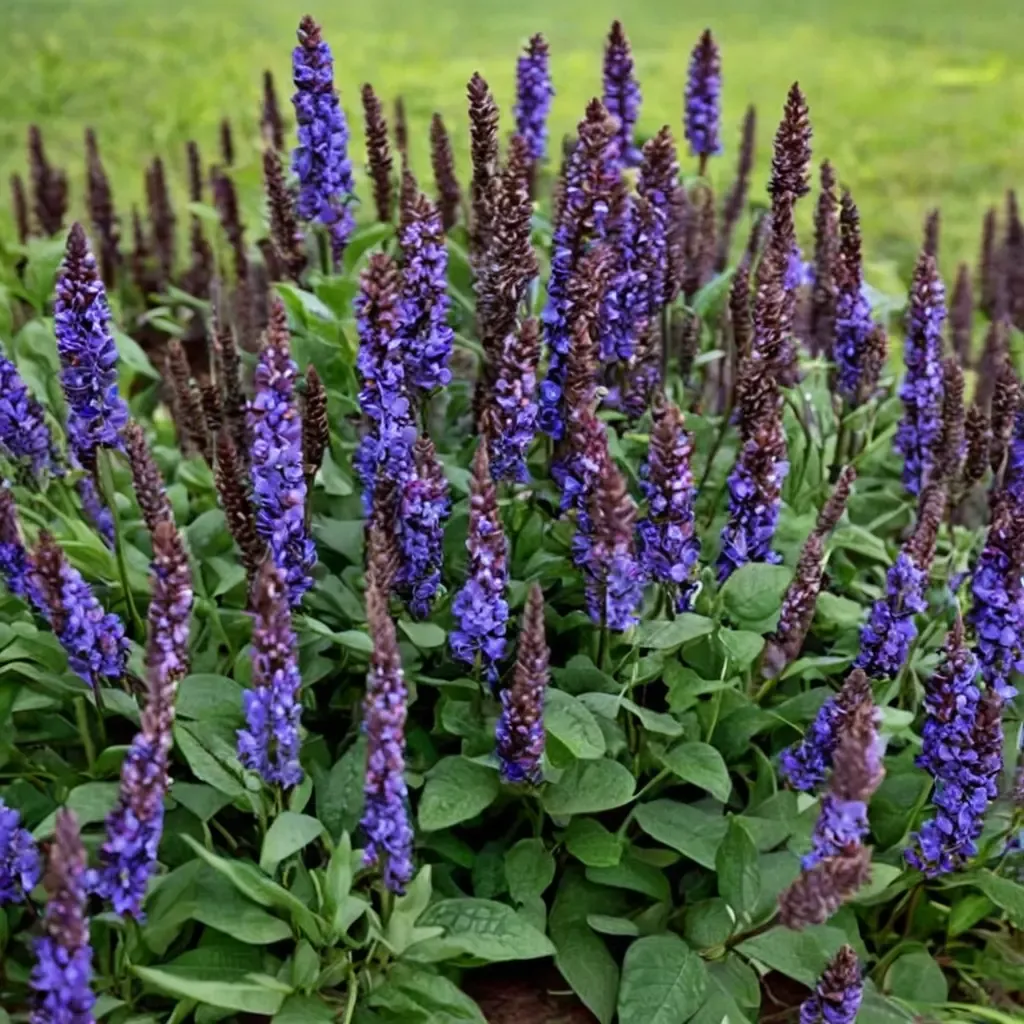
Bumbleblue Sage
Salvia nemorosa 'Bumbleblue'
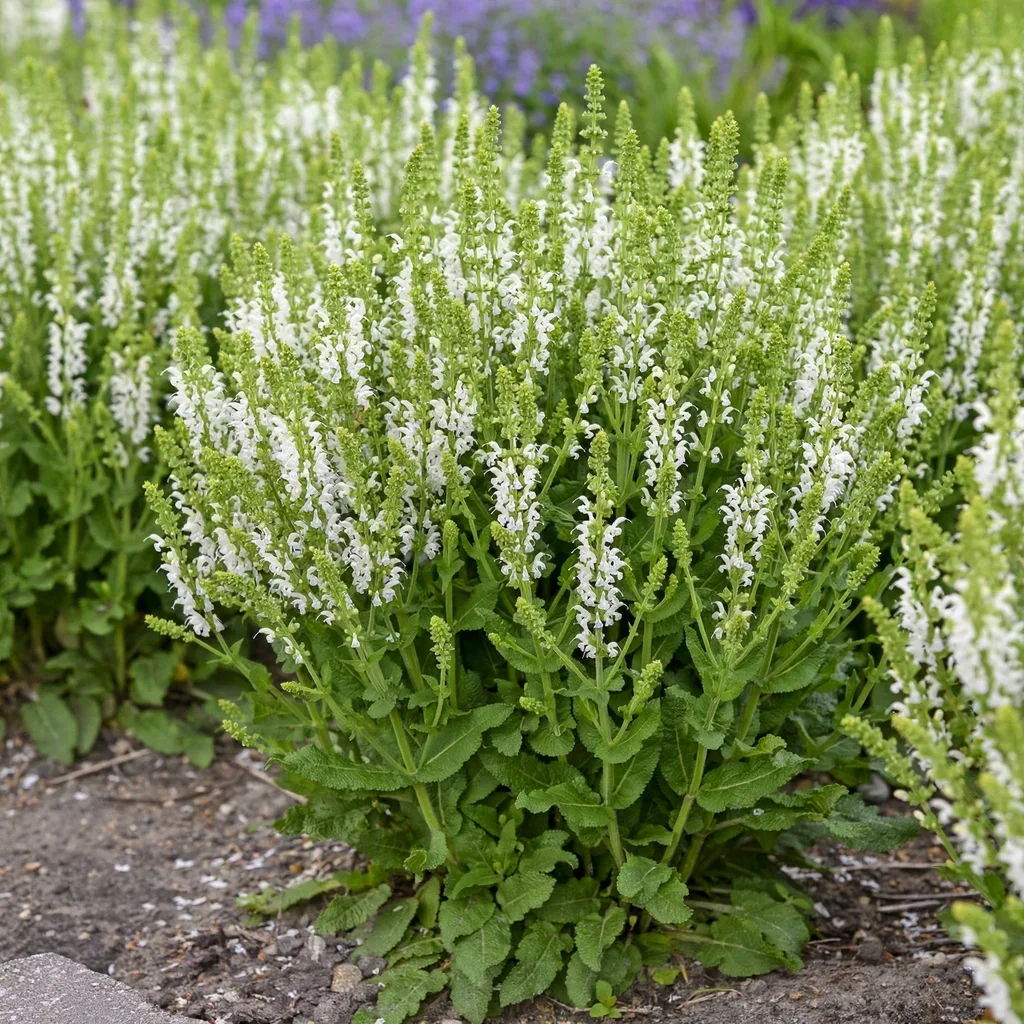
White Profusion Salvia
Salvia x hybrida 'White Profusion'
Keep exploring
Explore the genus
Hardy in your zone?
Grow Sinaloa Sage with confidence
See it in a design of your actual yard, get zone-matched care reminders, and track it season by season in your garden journal.