The Story
Plant Bio
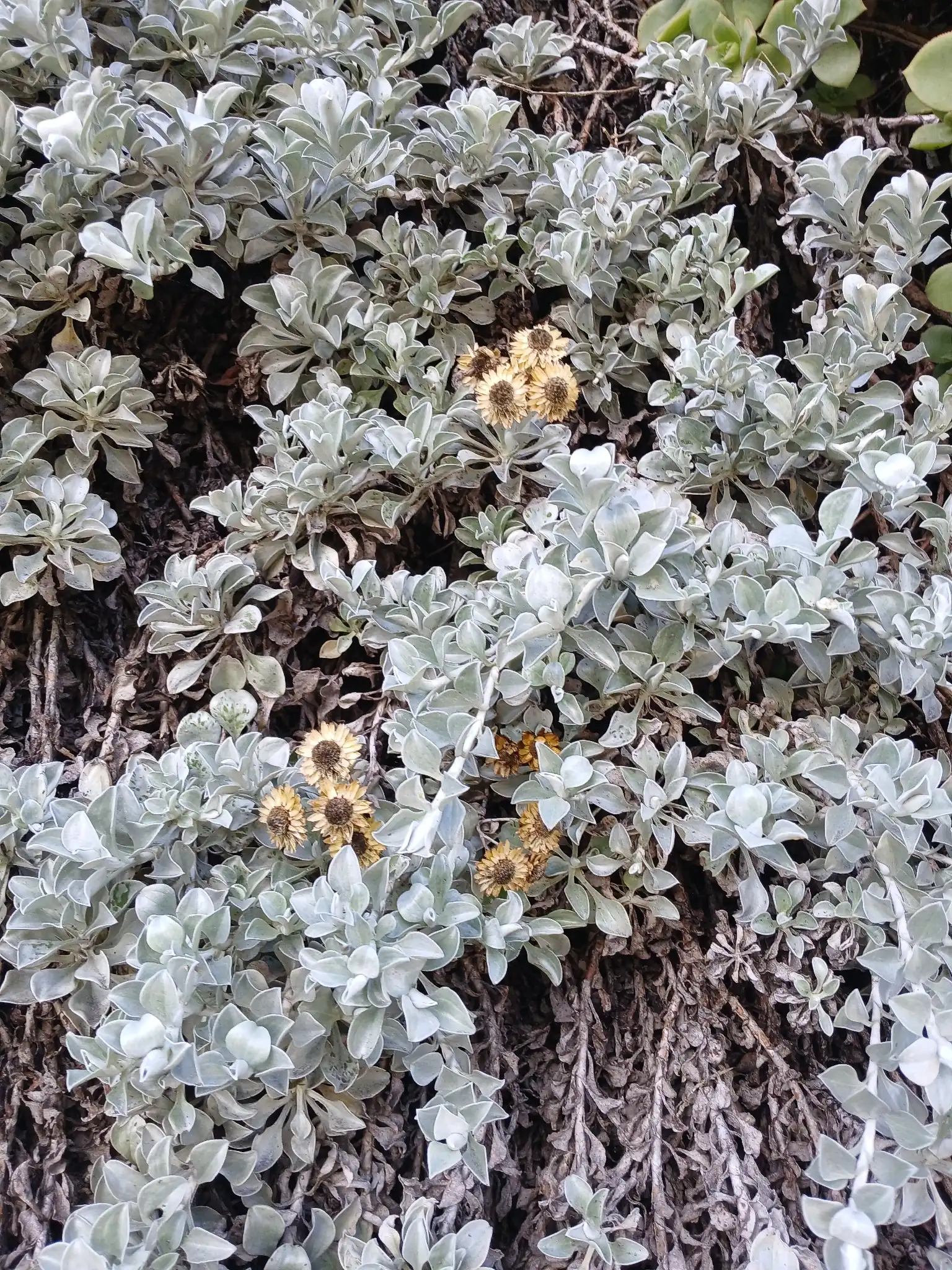
Helichrysum argyrophyllum is a low mat-forming evergreen groundcover from the Eastern Cape, rooting where its trailing stems touch bare ground among rocks. It carries small woolly grey leaves and holds clusters of daisy-like capitula with papery yellow bracts around a darker yellow centre.
It forms a dense silver mat about four inches high and three feet wide, spilling over rocks and walls rather than mounding upward. The golden everlasting heads open in clusters through summer into fall and hold color on the plant for about two months, cutting well for drying.
Uses & Benefits:
Essentials
At a Glance
Plant Type
Groundcover
Height
4"
Width
36"
Light
Full Sun, Partial Sun
Zones
8, 9, 10
Water
Low
Humidity
Low
Lifespan
4-6 years
Native To
Eastern Cape, South Africa
Toxicity
Unknown
Bloom period
Summer – Fall
In flower about 6 months of the year
Planting
How to Grow
- Plant in full sun in poor, sandy, sharply drained soil on a slope, rockery or wall edge where water never pools.
- Set the crown level with the soil and water in once, then water sparingly until rooted; established mats need little supplemental water.
- Leave soil lean; top-dress lightly with compost if needed and avoid high-fertilizer feeds that drive lanky woody growth.
- Trim lightly after the fall flush to reshape and remove spent heads; do not cut back into old leafless wood.
- Replace plants after 4 to 6 years when centers turn woody, rooting new tip cuttings or layers to carry on.
Pro Tip
Give it sun and sharp drainage and leave it lean; rich soil, fertilizer and extra water push lanky woody growth and rot faster than neglect ever will.
Keep It Thriving
Care Guide
Do
- Plant in full sun with excellent drainage and air flow.
- Water deeply but infrequently once established.
- Trim lightly after flowering to keep the mat dense.
Don't
- Do not plant in clay or low wet soil.
- Do not overwater or overfeed; wet richness causes rot and lanky growth.
- Do not shear hard each year into old leafless wood.
Seasonal Care Calendar
| Task | Jan | Feb | Mar | Apr | May | Jun | Jul | Aug | Sep | Oct | Nov | Dec |
|---|---|---|---|---|---|---|---|---|---|---|---|---|
| Fertilize | ||||||||||||
| Pest Check | ||||||||||||
| Plant | ||||||||||||
| Propagate | ||||||||||||
| Prune |
Watch Out For
Pests & Diseases
Common Pests
Common Diseases
In the Garden
Landscape Uses & Companions
Landscape Uses
Multiply
Propagation Methods
Good to Know
Common Questions
Golden Guinea Everlasting questions
What zones can Golden Guinea Everlasting grow in?
Golden Guinea Everlasting is hardy in USDA Zones 8–10: in that range it survives winter in the ground. Colder than Zone 8, grow it in a container you can move to shelter for the winter, or as an annual.
Is Golden Guinea Everlasting deer resistant?
Yes — Golden Guinea Everlasting is rated deer-resistant. Deer typically pass it over, though extreme hunger can override any plant's defenses.
When does Golden Guinea Everlasting bloom?
Golden Guinea Everlasting typically blooms from summer to fall. Exact timing shifts a week or two with your zone — Sow's bloom calendar maps it to your garden.
Does Golden Guinea Everlasting need full sun?
Golden Guinea Everlasting does best in full sun to part shade. In hot climates, afternoon shade keeps blooms fresher longer.
Is Golden Guinea Everlasting drought tolerant?
Yes — once established (usually after the first full season), Golden Guinea Everlasting handles dry spells with minimal watering. Water deeply its first year to build the root system that makes that possible.
More Helichrysum to compare
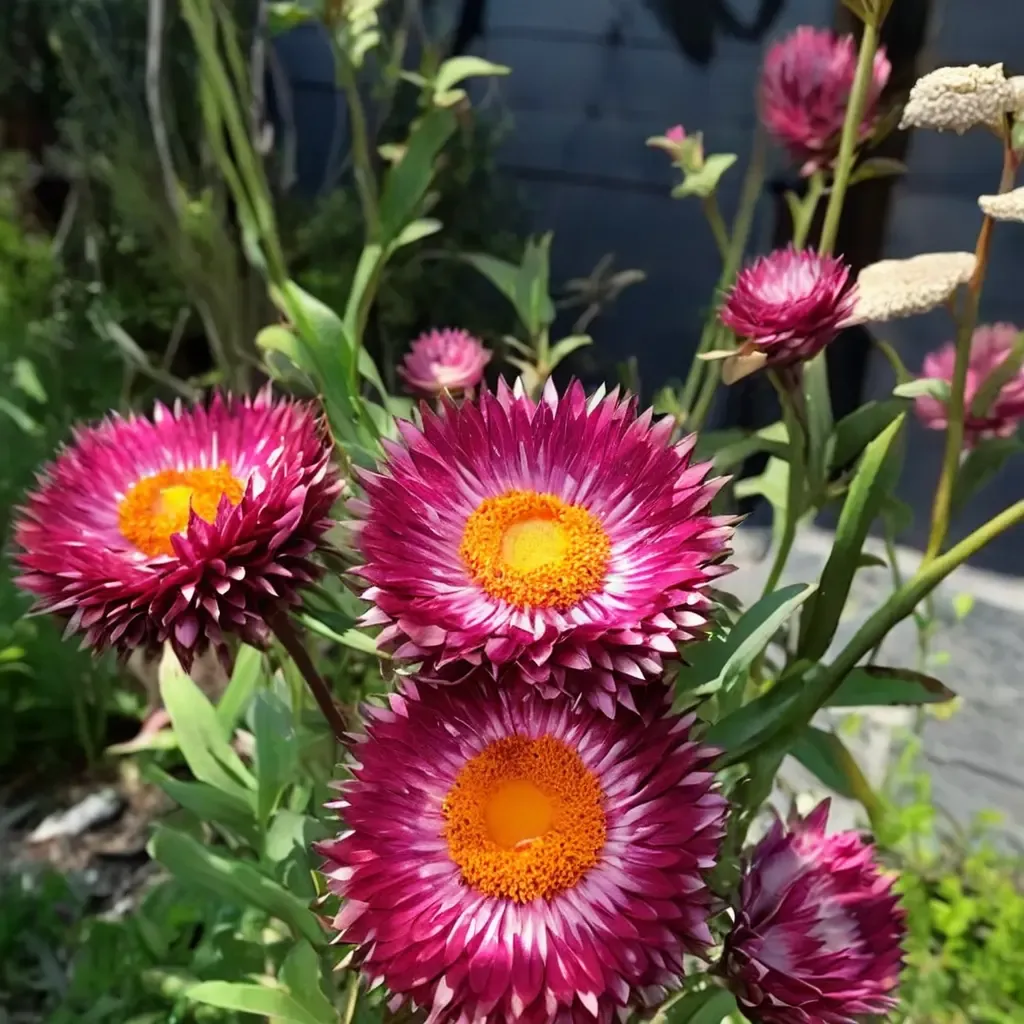
Rose Helichrysum Strawflower
Helichrysum bracteatum 'Monster Rose'
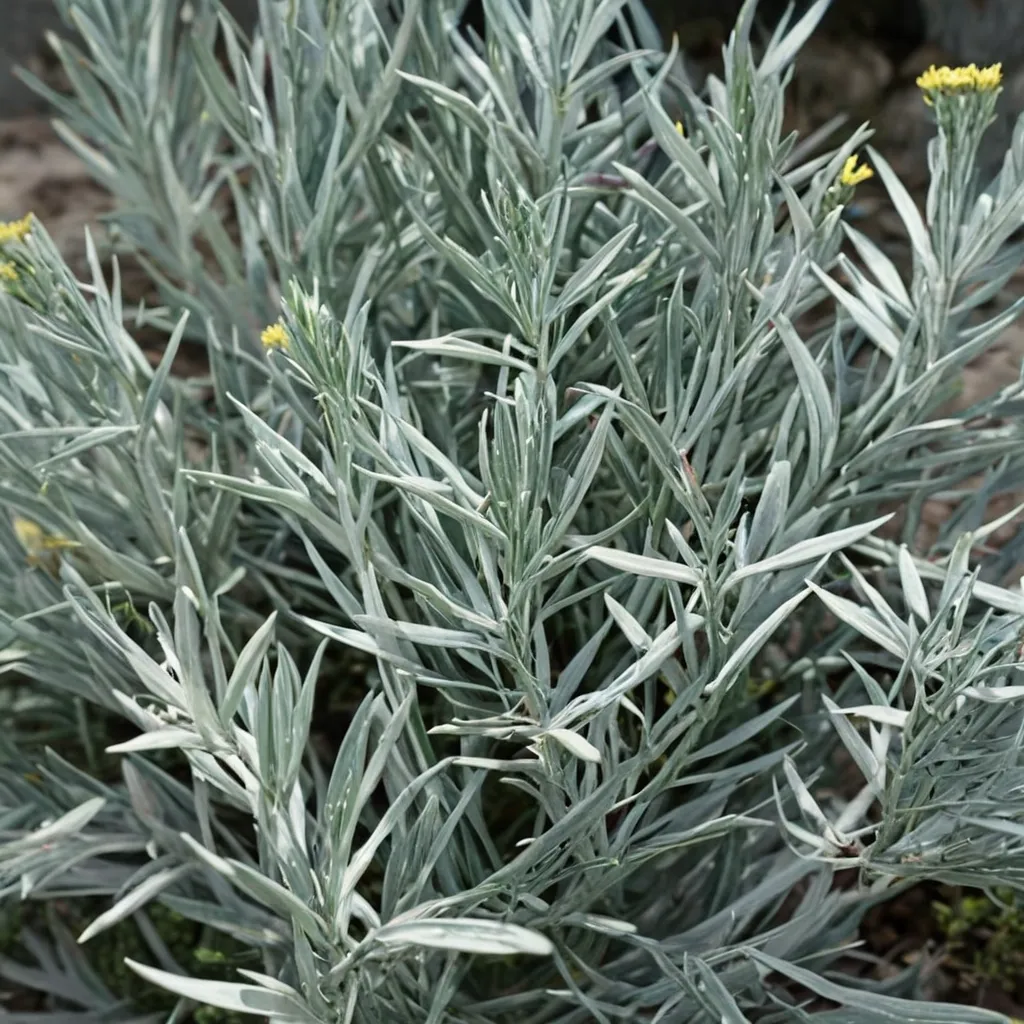
Licorice Plant
Helichrysum thianschanicum 'Icicles'
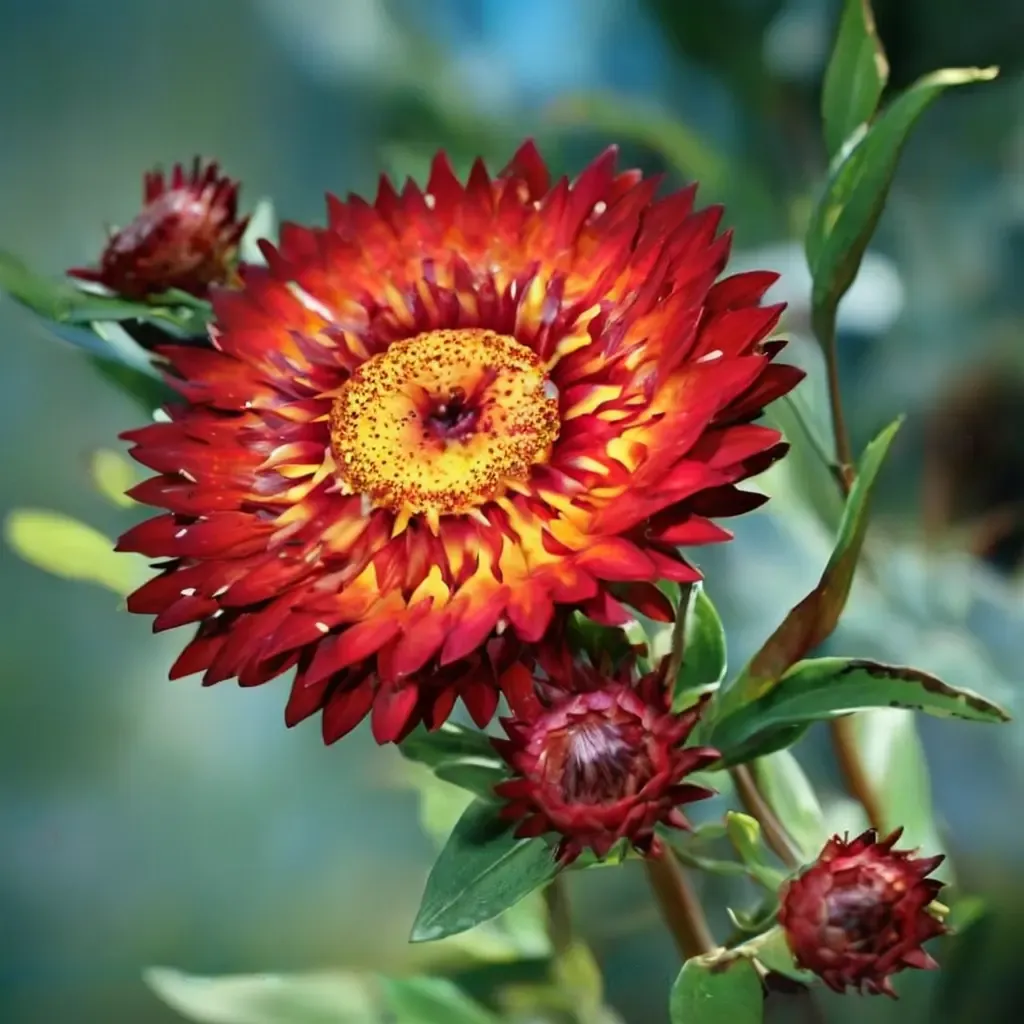
Monster Fireball Red Strawflower
Helichrysum bracteatum 'Monster Fireball Red'
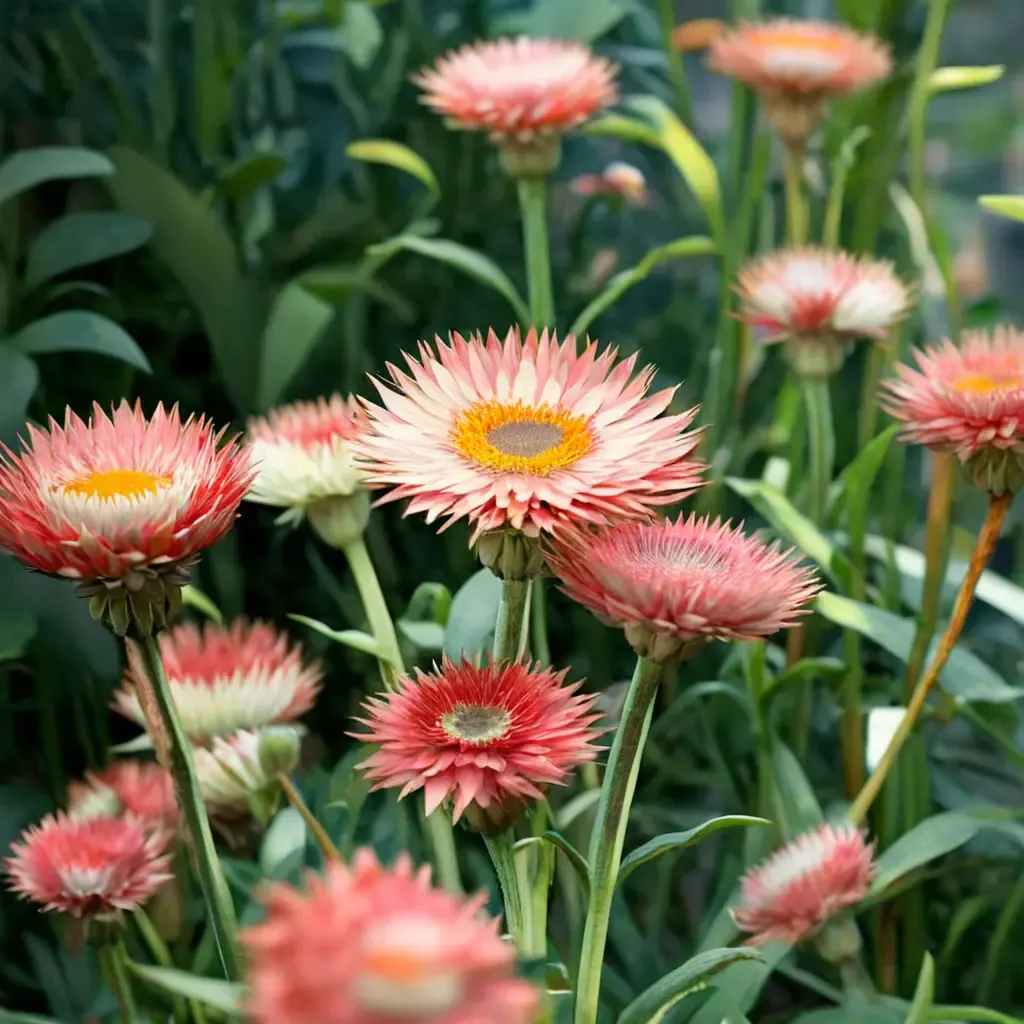
Salmon Rose Strawflower
Helichrysum bracteatum 'Salmon Rose'
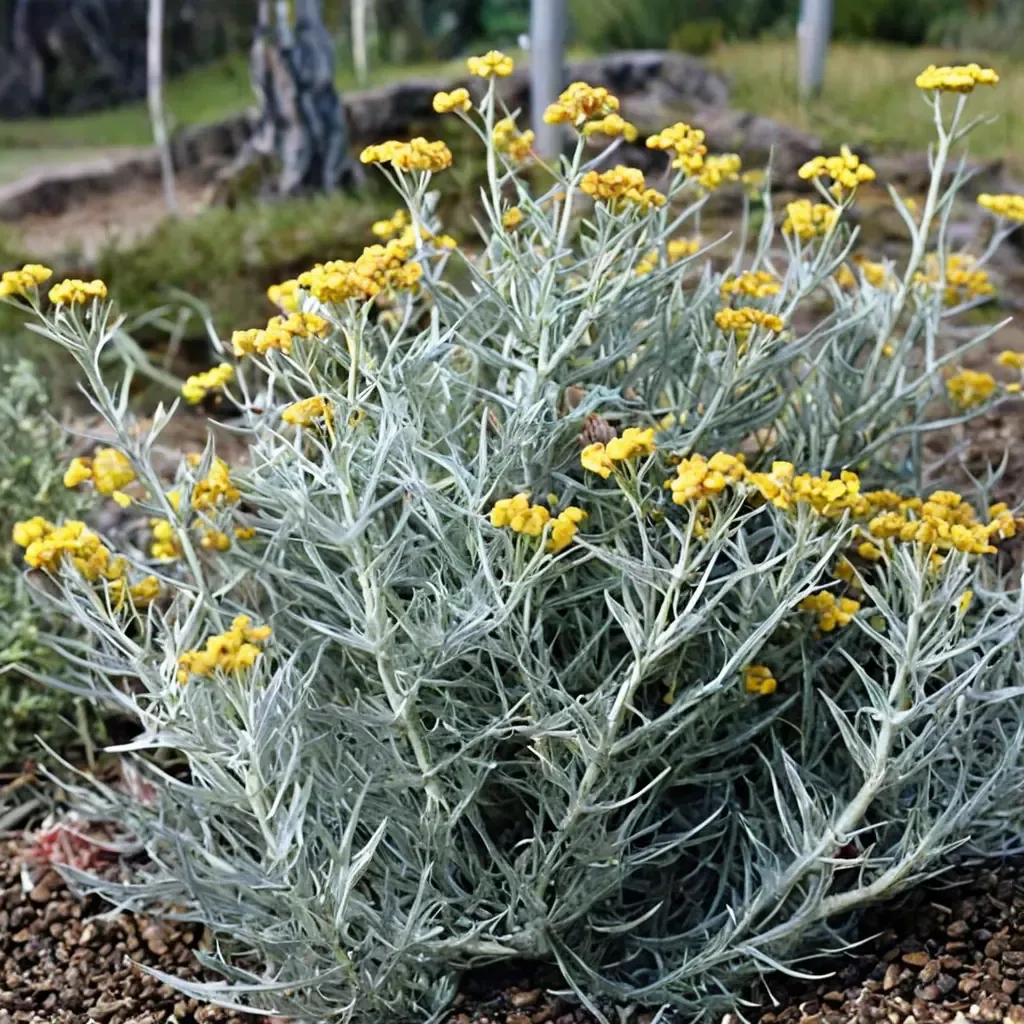
Curry Plant
Helichrysum italicum
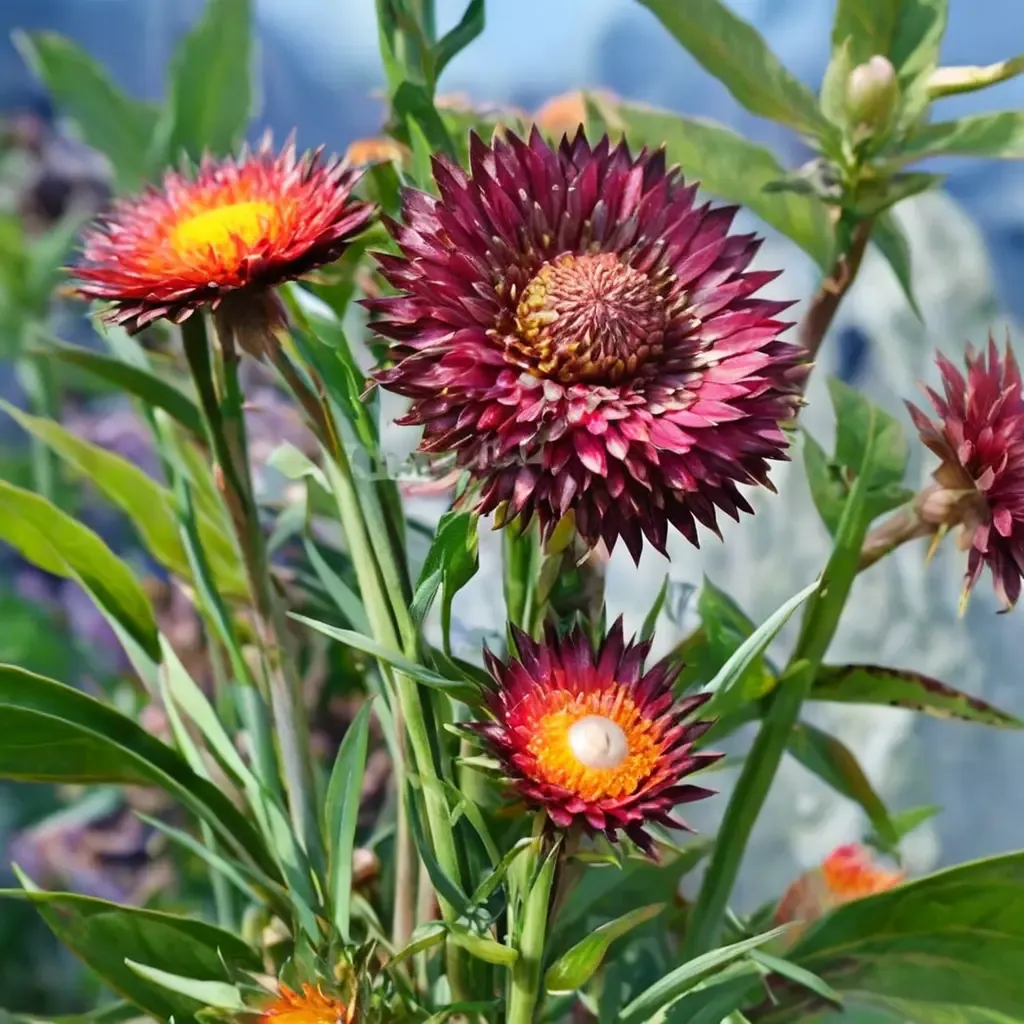
Dragon Fire Strawflower
Helichrysum bracteatum 'Dragon Fire'
Keep exploring
Explore the genus
Hardy in your zone?
Grow Golden Guinea Everlasting with confidence
See it in a design of your actual yard, get zone-matched care reminders, and track it season by season in your garden journal.