The Story
Plant Bio
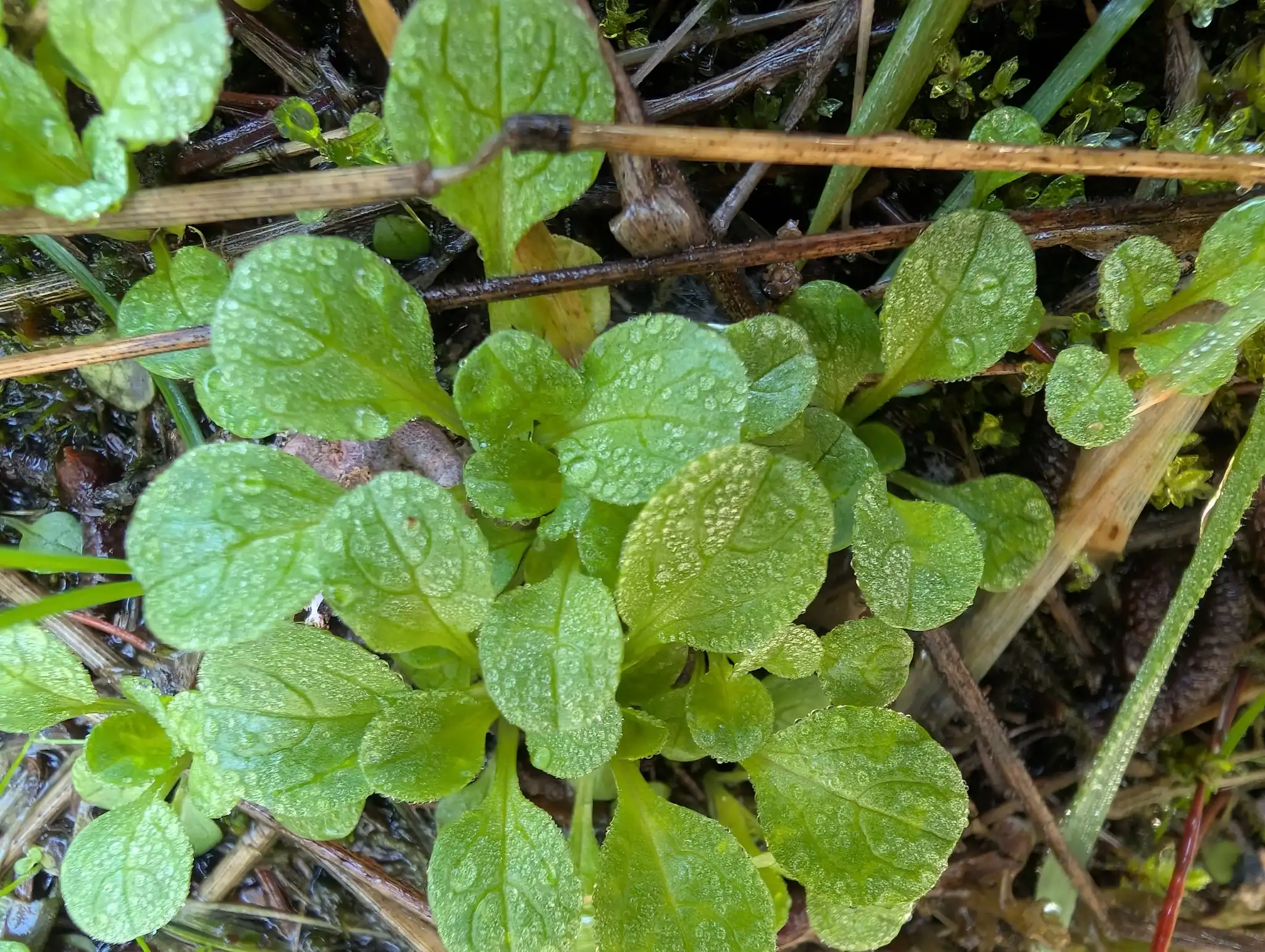
Plectritis congesta, commonly known as sea blush, is an erect annual herb native to open balds, coastal bluffs, and spring-moist prairies of western North America. It produces smooth, paired opposite leaves on slender stems that reach up to two feet in height before setting seed and drying back completely by midsummer.
This species is distinguished by its dense, head-like clusters of bright to pale pink tubular flowers featuring a distinct short spur at the base. The early spring bloom offers crucial nectar for native solitary bees, butterflies, and hummingbirds before the plant enters summer dormancy.
Uses & Benefits:
Essentials
At a Glance
Plant Type
Annual
Height
24"
Width
12"
Light
Full Sun, Partial Sun
Zones
6, 7, 8, 9
Water
Low
Humidity
Moderate
Lifespan
Annual
Native To
Western North America
Toxicity
Non-toxic
Bloom period
Spring – Late spring
In flower about 3 months of the year
Planting
How to Grow
- Select a planting site in full sun to light shade featuring lean, sharply draining soil.
- Scatter seeds directly over bare ground in fall, pressing them lightly into the surface without burying them.
- Allow autumn rains to naturally hydrate the seed bed and initiate winter seedling growth.
- Withhold supplemental summer irrigation once foliage turns brown to preserve seed viability and prevent fungal rot.
- Gently shake spent, dry seed heads over the bed in midsummer to re-establish the planting for next spring.
Pro Tip
Sow seeds directly onto bare soil without covering them, as light is strictly required to trigger autumn germination.
Keep It Thriving
Care Guide
Do
- Do sow seeds directly on top of the soil surface where daylight can reach them.
- Do ensure sharp drainage during wet winter and spring growing periods.
- Do allow spent flower stalks to dry fully on the plant to facilitate self-seeding.
Don't
- Don't cover seeds with soil or thick mulch layers, which prevents light-driven germination.
- Don't apply nitrogen fertilizers, as excess nutrients cause weak stem growth and flopping.
- Don't water the soil bed during summer dormancy, which causes root and seed rot.
Seasonal Care Calendar
| Task | Jan | Feb | Mar | Apr | May | Jun | Jul | Aug | Sep | Oct | Nov | Dec |
|---|---|---|---|---|---|---|---|---|---|---|---|---|
| Deadhead | ||||||||||||
| Plant | ||||||||||||
| Spring Cleanup | ||||||||||||
| Winter Prep |
Watch Out For
Pests & Diseases
Common Pests
Common Diseases
In the Garden
Landscape Uses & Companions
Landscape Uses
Multiply
Propagation Methods
Good to Know
Common Questions
Sea Blush questions
What zones can Sea Blush grow in?
Sea Blush is an annual: it grows, flowers and sets seed in one season, so winter cold doesn't limit where it grows. Gardeners in any zone can grow it by planting at the right time, usually after the last spring frost.
Is Sea Blush deer resistant?
Not reliably. Deer may browse Sea Blush, especially tender spring growth — plan on repellents or fencing where pressure is high.
When does Sea Blush bloom?
Sea Blush typically blooms in spring. Exact timing shifts a week or two with your zone — Sow's bloom calendar maps it to your garden.
Does Sea Blush need full sun?
Sea Blush does best in full sun to part shade. In hot climates, afternoon shade keeps blooms fresher longer.
Is Sea Blush drought tolerant?
Yes — once established (usually after the first full season), Sea Blush handles dry spells with minimal watering. Water deeply its first year to build the root system that makes that possible.
Keep exploring
Explore the genus
Hardy in your zone?
Grow Sea Blush with confidence
See it in a design of your actual yard, get zone-matched care reminders, and track it season by season in your garden journal.