The Story
Plant Bio
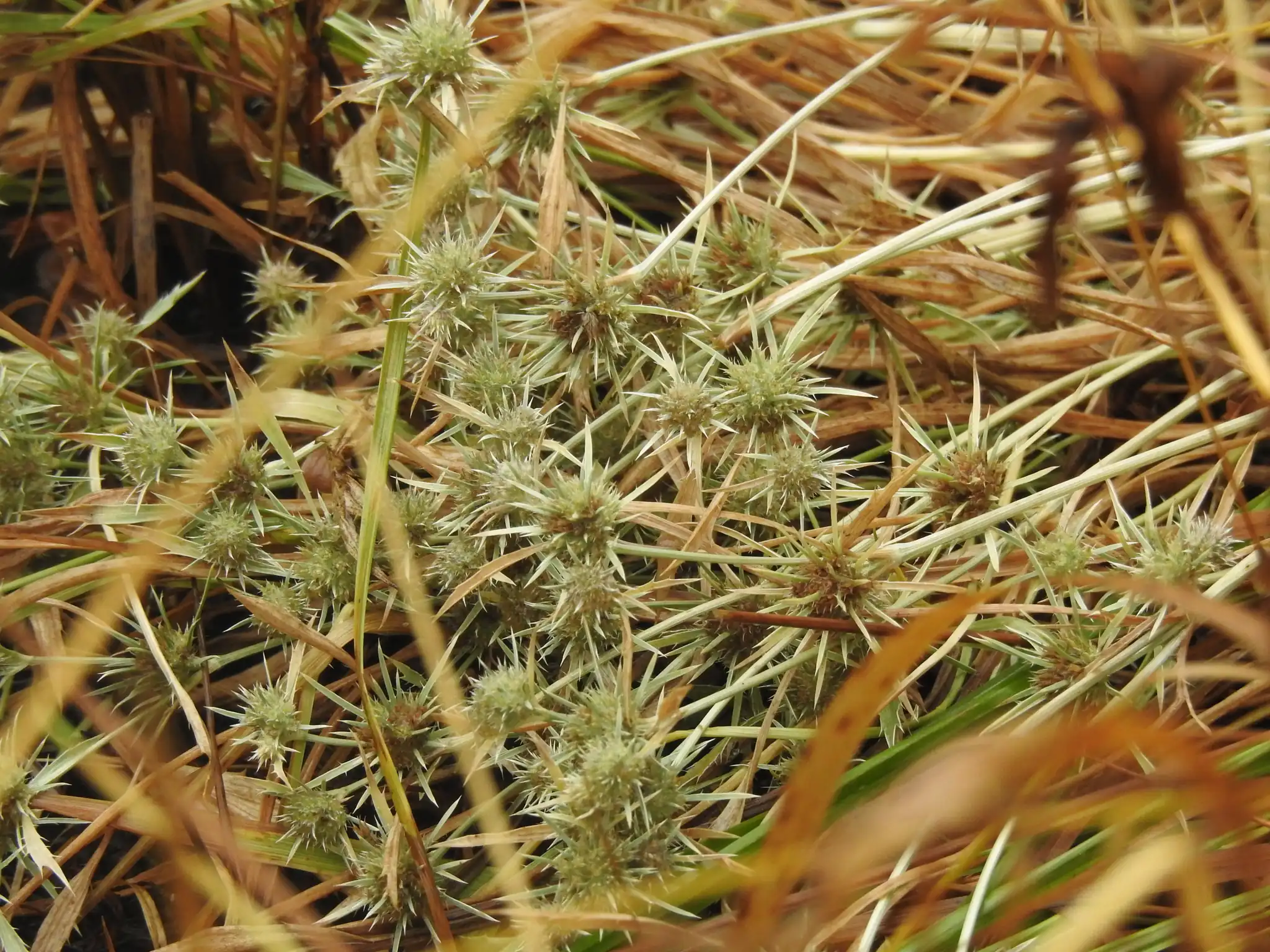
Eryngium petiolatum, commonly known as rushleaf eryngo, is a fibrous-rooted perennial native to wet prairies and seasonal vernal pools in the Pacific Northwest. It forms low-growing rosettes with hollow basal leaf petioles and sends up sprawling stems bearing dense, thistle-like heads of white to pale purple flowers in summer.
Unlike arid-land sea hollies, this species is an obligate wetland plant adapted to heavy clay soils that stay saturated through spring before drying out in late summer. Its basal leaves feature distinct tubular, hollow petioles that allow air transport in waterlogged environments.
Uses & Benefits:
Essentials
At a Glance
Plant Type
Perennial
Height
20"
Width
24"
Light
Full Sun, Partial Sun
Zones
6, 7, 8, 9
Water
High (spring saturation)
Humidity
Moderate to High
Lifespan
Perennial
Native To
Pacific Northwest (United States)
Toxicity
Non-toxic
Bloom period
Early summer – Late summer
In flower about 3 months of the year
Planting
How to Grow
- Select a site in full sun or light shade with heavy, moisture-retentive soil or a low swale position.
- Plant in spring while soils are naturally wet, setting the crown level with the surrounding soil surface.
- Maintain high soil moisture throughout spring and early summer while active growth occurs.
- Allow the soil to dry naturally in late summer as plants transition into summer dormancy.
Pro Tip
Do not plant this species in dry, sharp-draining rock gardens; it requires heavy, moisture-retentive soils with spring saturation to establish successfully.
Keep It Thriving
Care Guide
Do
- Provide saturated or muddy soil conditions during early spring growth.
- Cut back spent flowering stems in late winter before new rosettes emerge.
- Protect young foliage from heavy slug damage during wet spring weather.
Don't
- Do not apply heavy chemical fertilizers, as native soil fertility is sufficient.
- Do not plant in fast-draining sandy or gravelly beds.
- Do not keep crowns submerged in stagnant, unventilated container water during hot weather.
Seasonal Care Calendar
| Task | Jan | Feb | Mar | Apr | May | Jun | Jul | Aug | Sep | Oct | Nov | Dec |
|---|---|---|---|---|---|---|---|---|---|---|---|---|
| Pest Check | ||||||||||||
| Plant | ||||||||||||
| Propagate | ||||||||||||
| Spring Cleanup |
Watch Out For
Pests & Diseases
Common Pests
Common Diseases
In the Garden
Landscape Uses & Companions
Landscape Uses
Multiply
Propagation Methods
Good to Know
Common Questions
Rushleaf Eryngo questions
What zones can Rushleaf Eryngo grow in?
Rushleaf Eryngo is hardy in USDA Zones 6–9: in that range it survives winter in the ground. Colder than Zone 6, grow it in a container you can move to shelter for the winter, or as an annual. Warmer than Zone 9, winter isn't the problem: it prefers colder winters, and summer heat can shorten its life.
When does Rushleaf Eryngo bloom?
Rushleaf Eryngo typically blooms in summer. Exact timing shifts a week or two with your zone — Sow's bloom calendar maps it to your garden.
Does Rushleaf Eryngo need full sun?
Rushleaf Eryngo does best in full sun to part shade. In hot climates, afternoon shade keeps blooms fresher longer.
More Eryngium to compare
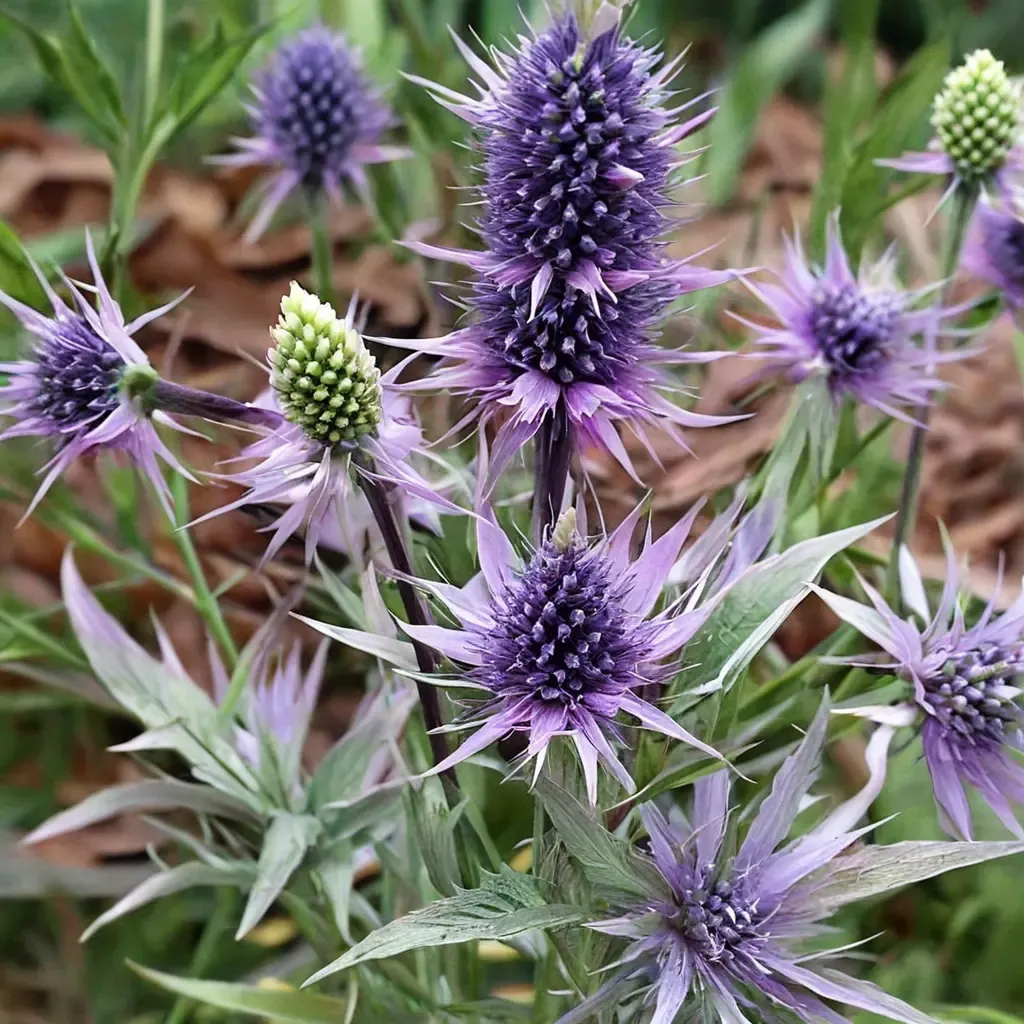
Sea Holly
Eryngium heterophyllum
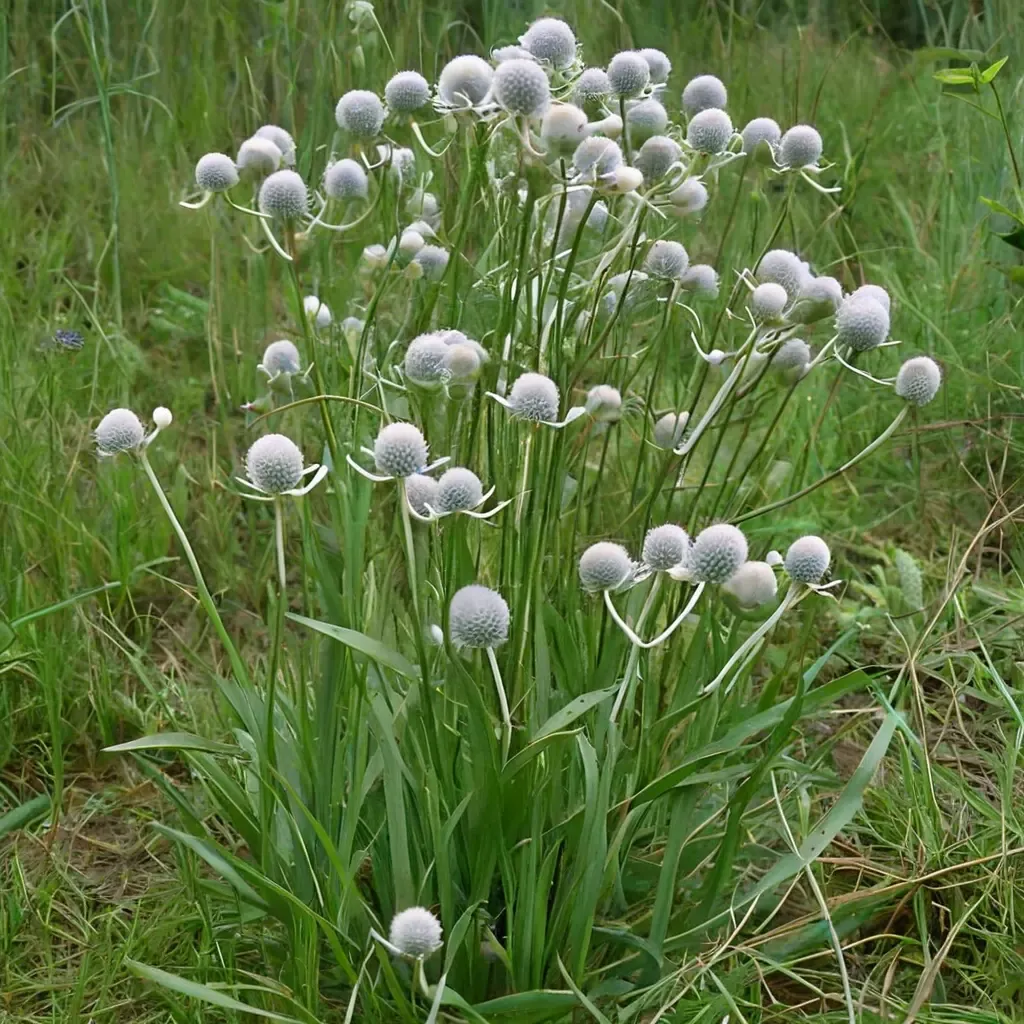
Rattlesnake master
Eryngium yuccifolium
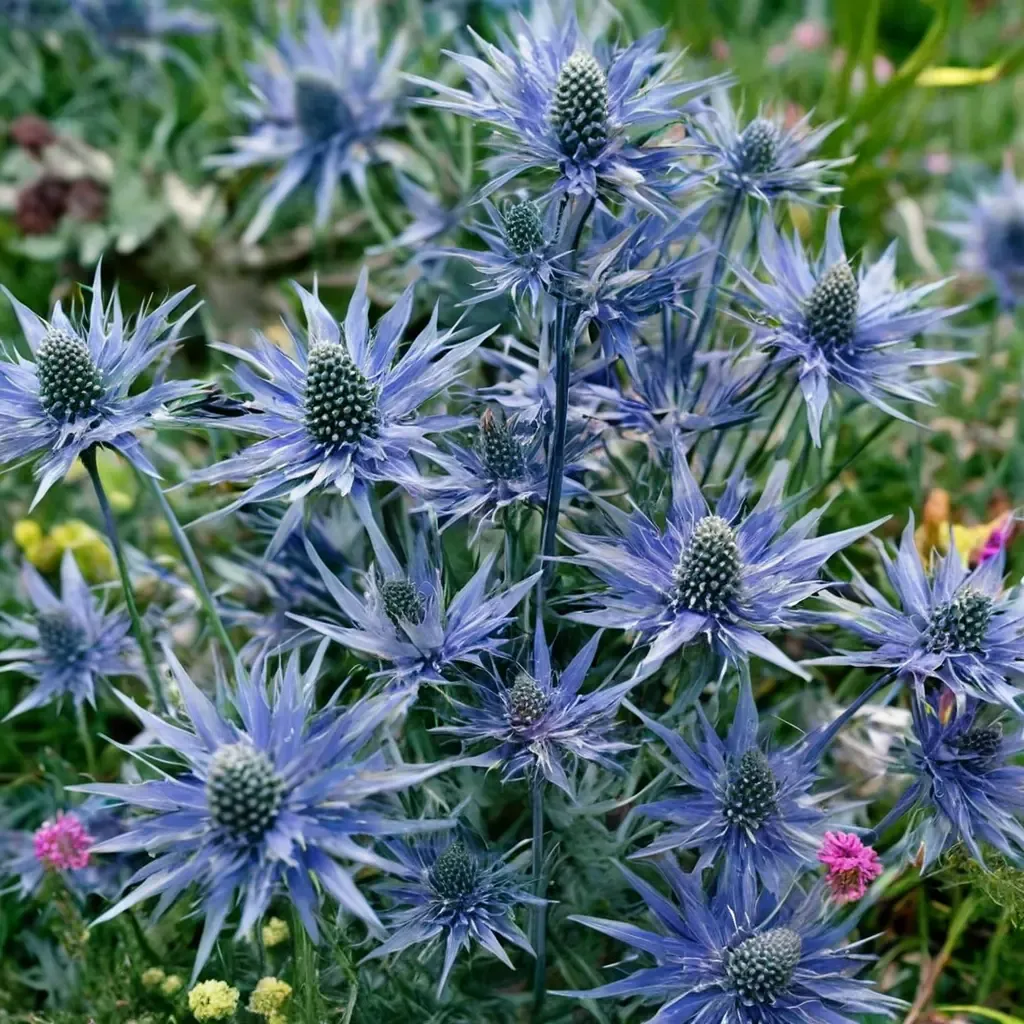
Big Blue Sea Holly
Eryngium x hybrida 'Big Blue'
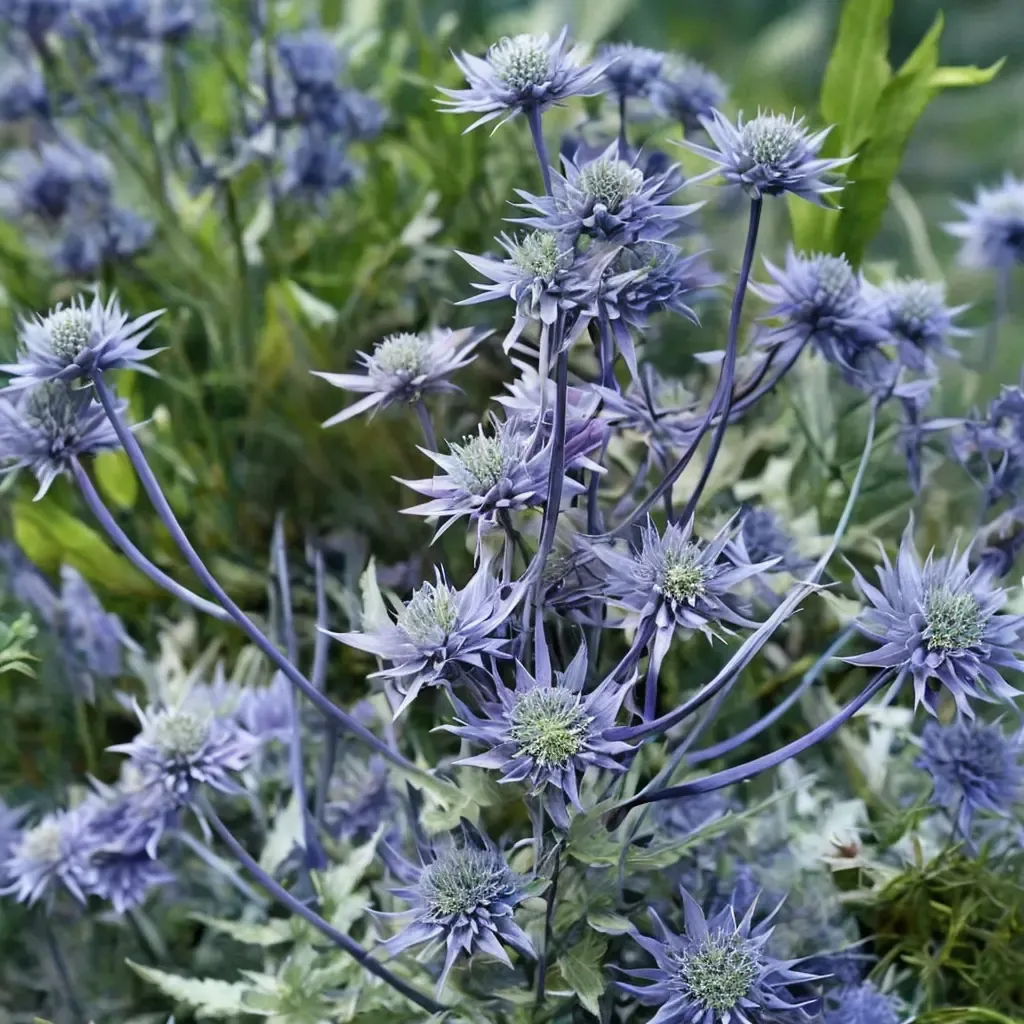
Blue Glitter Sea Holly
Eryngium planum 'Blue Glitter'
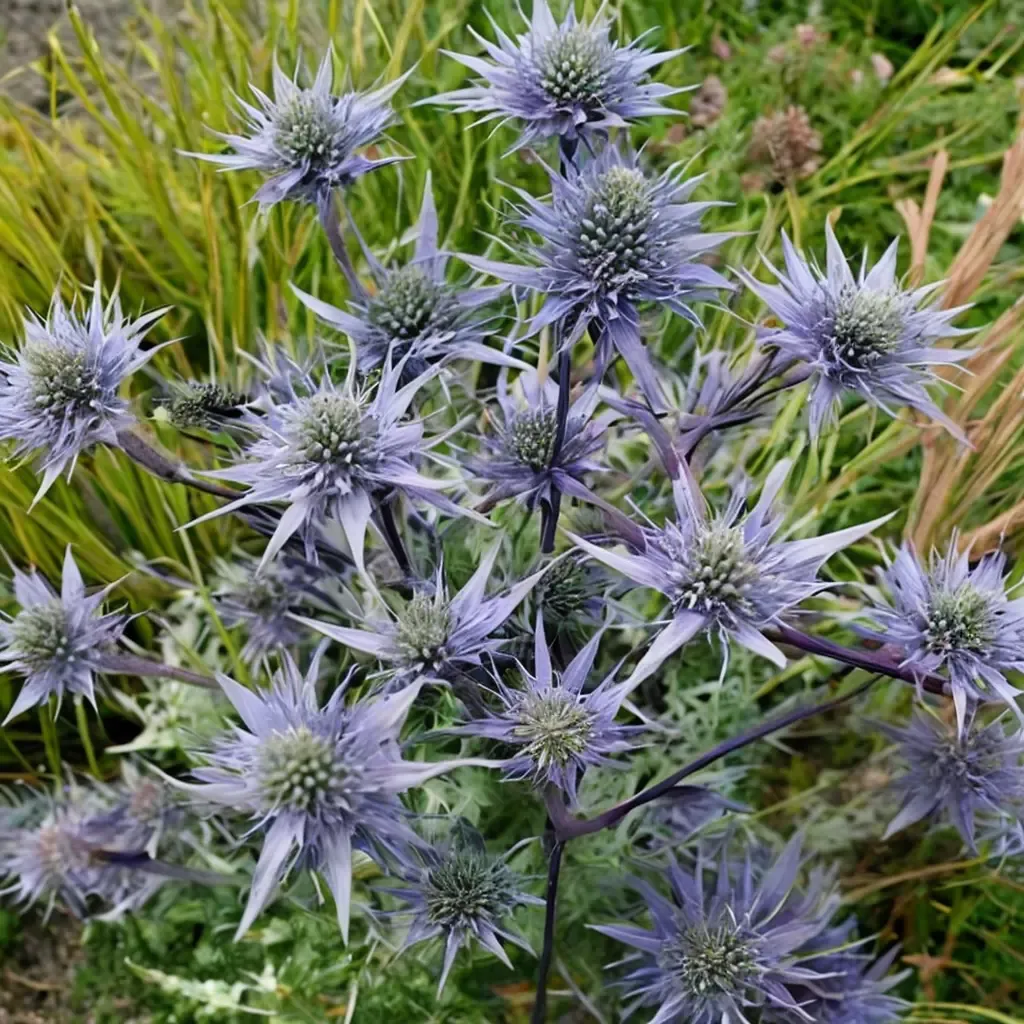
Picos Blue Sea Holly
Eryngium bourgatii 'Picos Blue'
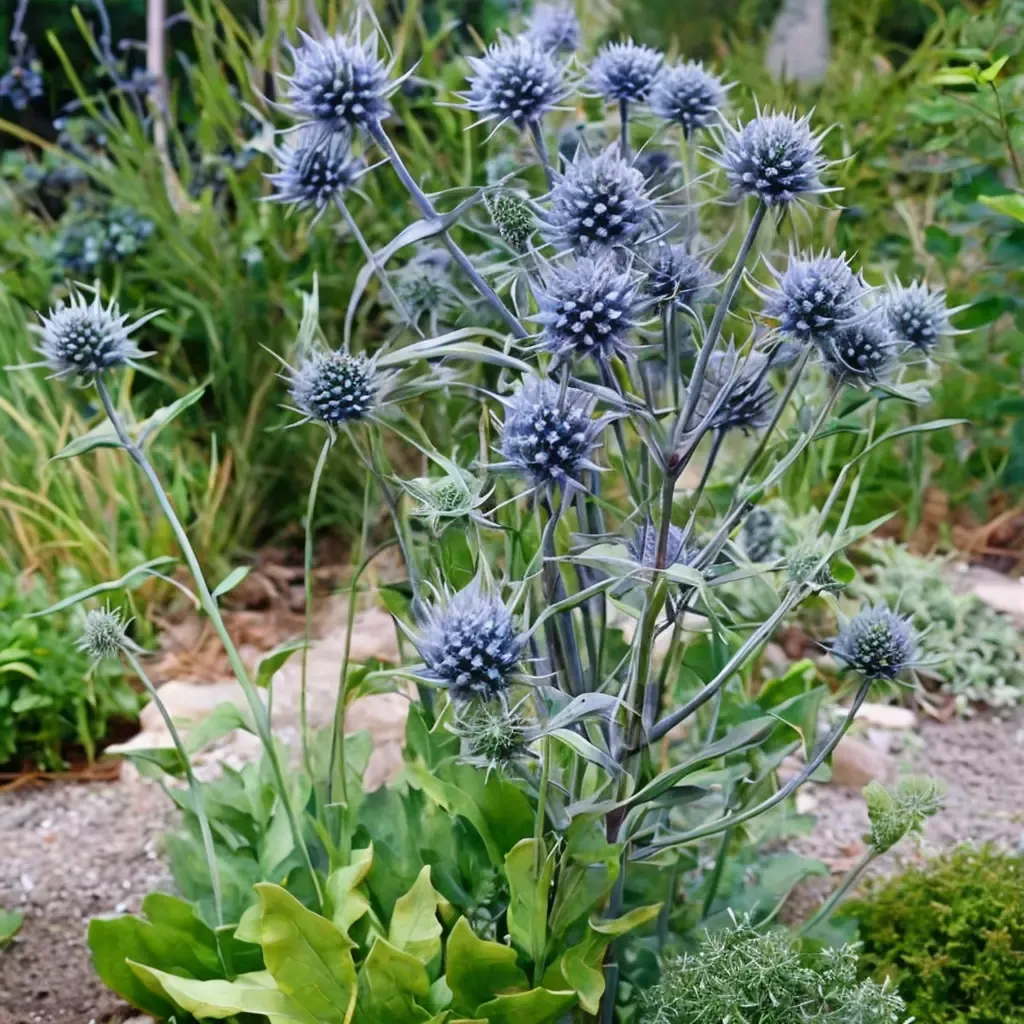
Flat Sea Holly
Eryngium planum
Keep exploring
Explore the genus
Hardy in your zone?
Grow Rushleaf Eryngo with confidence
See it in a design of your actual yard, get zone-matched care reminders, and track it season by season in your garden journal.