
The Story
Plant Bio
Dasylirion longissimum is a slow-growing evergreen sotol from northeastern Mexico, forming a symmetrical fountain of narrow grass-like leaves atop a trunk that emerges only after decades. Mature garden plants reach four to six feet tall and wide, with separate male and female plants sending up a tall single flower spike to nine feet when old enough to bloom.
Unlike most sotols, the leaves are completely toothless with smooth margins, stiff olive-green to glaucous-green blades radiating in a perfect rosette. Nursery stock sold under this name is often mixed with Dasylirion quadrangulatum; true longissimum blooms later in summer to fall on a spindle-shaped spike widest at the middle.
Uses & Benefits:
Essentials
At a Glance
Plant Type
Cactus Succulent
Height
72"
Width
72"
Light
Full Sun, Partial Sun
Zones
8, 9, 10
Water
Low
Humidity
Unknown
Lifespan
Long-lived
Native To
Mexico
Toxicity
Non-toxic
Bloom period
Late spring – Fall
In flower about 7 months of the year
Planting
How to Grow
- Plant in spring after frost in loose, gritty, sharply draining soil with the crown above grade.
- Water deeply at planting and regularly the first season, then taper to occasional deep soakings.
- Give full sun to light shade, with shelter from harsh afternoon sun in extreme heat.
- Remove dead lower leaves only as needed to reveal the trunk and keep back from paths.
- Protect young plants if temperatures approach 15F.
Pro Tip
Plant high in gritty, stony soil and water only to establish; once rooted, excess water rots the crown faster than drought ever harms it.
Keep It Thriving
Care Guide
Do
- Plant in loose stony soil that drains fast after rain
- Water to establish, then water occasionally and let dry between
- Clear dead lower foliage to show the trunk and improve airflow
Don't
- Do not plant in soggy clay, lawns, or low spots that hold water
- Do not overwater or cut the crown back hard
- Do not site where rigid leaf tips jut into narrow walkways at eye level
Seasonal Care Calendar
| Task | Jan | Feb | Mar | Apr | May | Jun | Jul | Aug | Sep | Oct | Nov | Dec |
|---|---|---|---|---|---|---|---|---|---|---|---|---|
| Pest Check | ||||||||||||
| Plant | ||||||||||||
| Spring Cleanup | ||||||||||||
| Winter Prep |
Watch Out For
Pests & Diseases
Common Pests
Common Diseases
In the Garden
Landscape Uses & Companions
Landscape Uses
Multiply
Propagation Methods
Good to Know
Common Questions
Mexican Grass Tree questions
What zones can Mexican Grass Tree grow in?
Mexican Grass Tree is hardy in USDA Zones 8–10: in that range it survives winter in the ground. Colder than Zone 8, grow it in a container you can move to shelter for the winter, or as an annual.
Is Mexican Grass Tree deer resistant?
Yes — Mexican Grass Tree is rated deer-resistant. Deer typically pass it over, though extreme hunger can override any plant's defenses.
When does Mexican Grass Tree bloom?
Mexican Grass Tree typically blooms from late spring to late fall. Exact timing shifts a week or two with your zone — Sow's bloom calendar maps it to your garden.
Does Mexican Grass Tree need full sun?
Mexican Grass Tree does best in full sun to part shade. In hot climates, afternoon shade keeps blooms fresher longer.
Is Mexican Grass Tree drought tolerant?
Yes — once established (usually after the first full season), Mexican Grass Tree handles dry spells with minimal watering. Water deeply its first year to build the root system that makes that possible.
More Dasylirion to compare
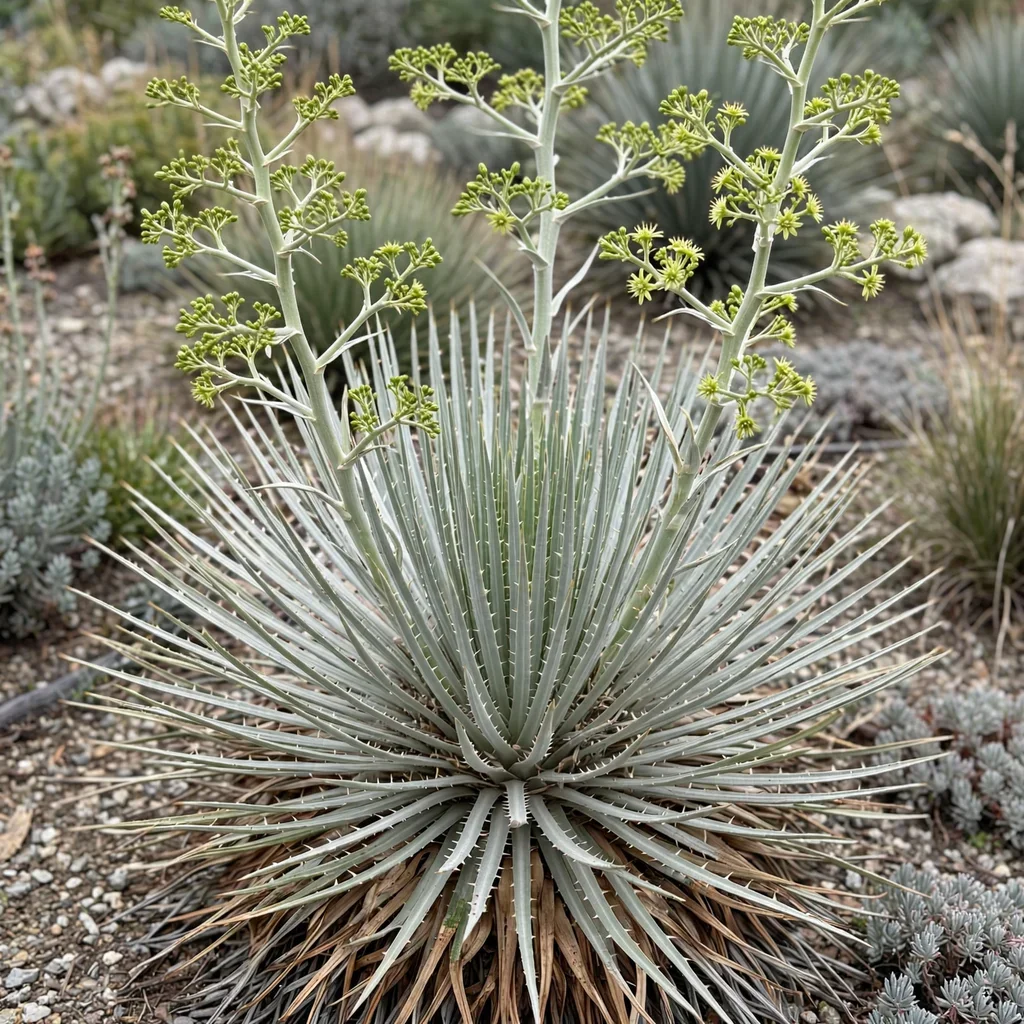
Miquihuana Sotol
Dasylirion miquihuanense 'YD04-53'
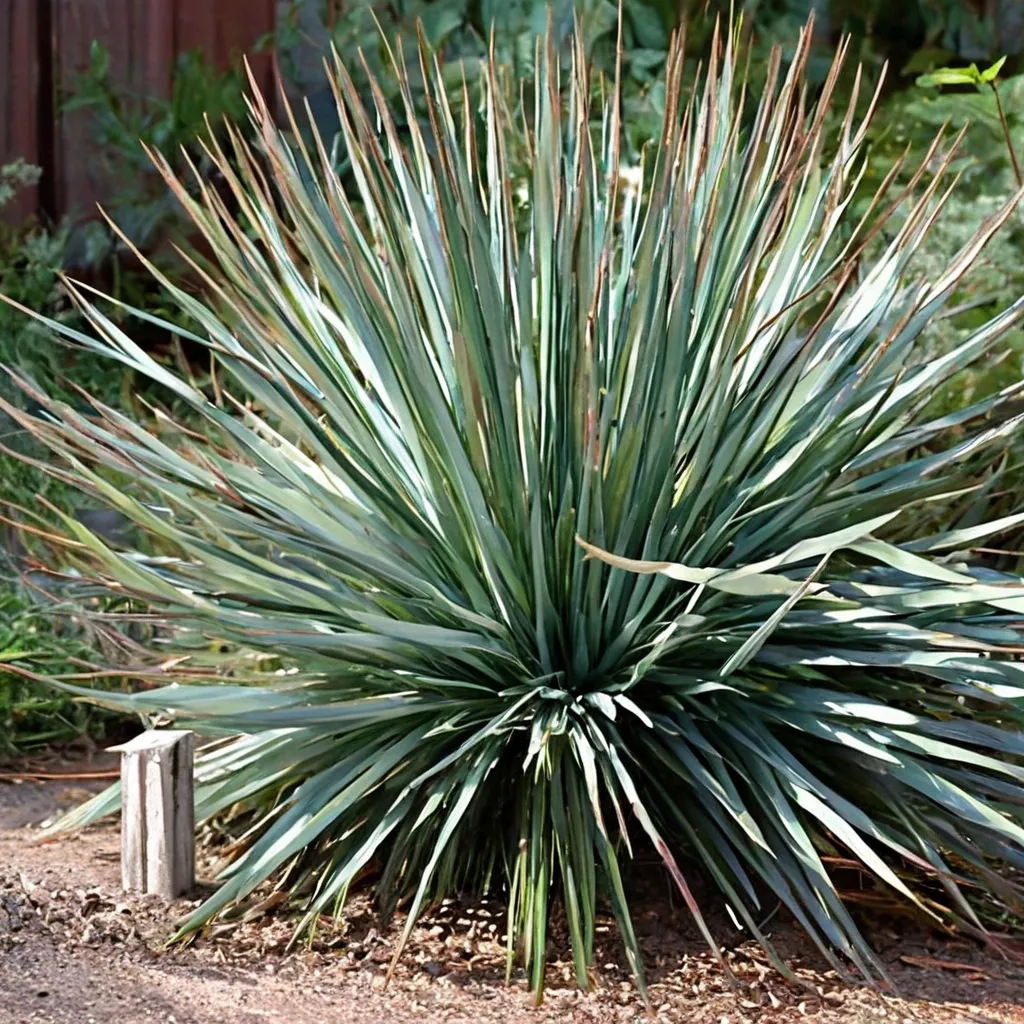
Desert Spoon
Dasylirion wheeleri
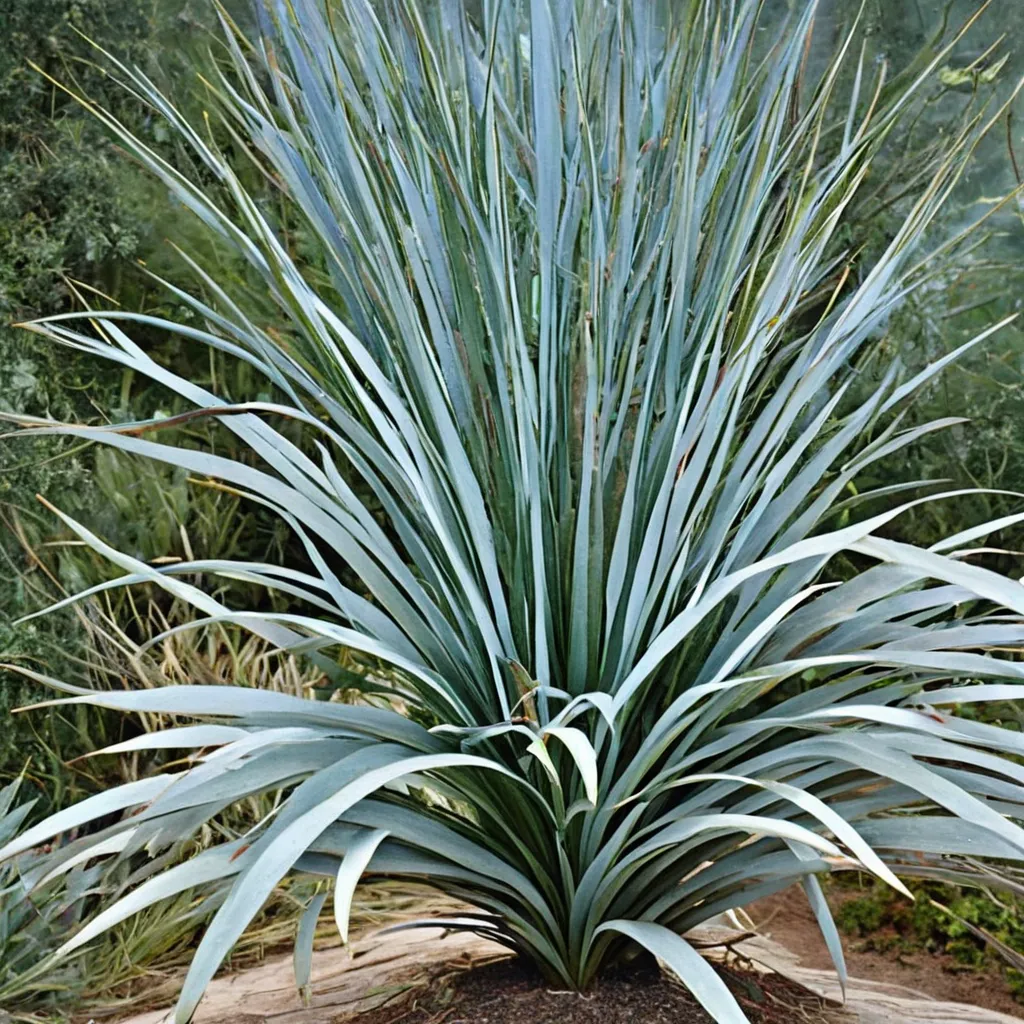
Blue Sotol
Dasylirion berlandieri
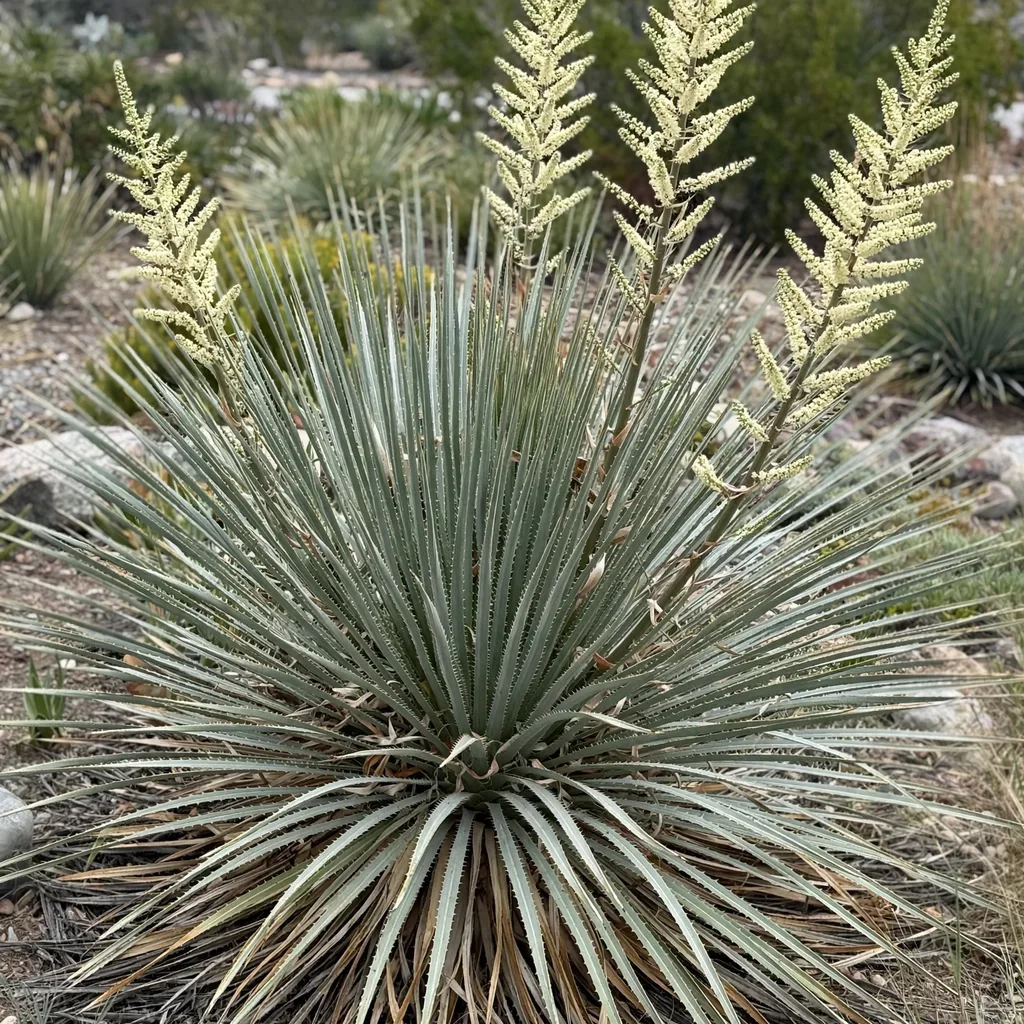
Green Sotol
Dasylirion leiophyllum
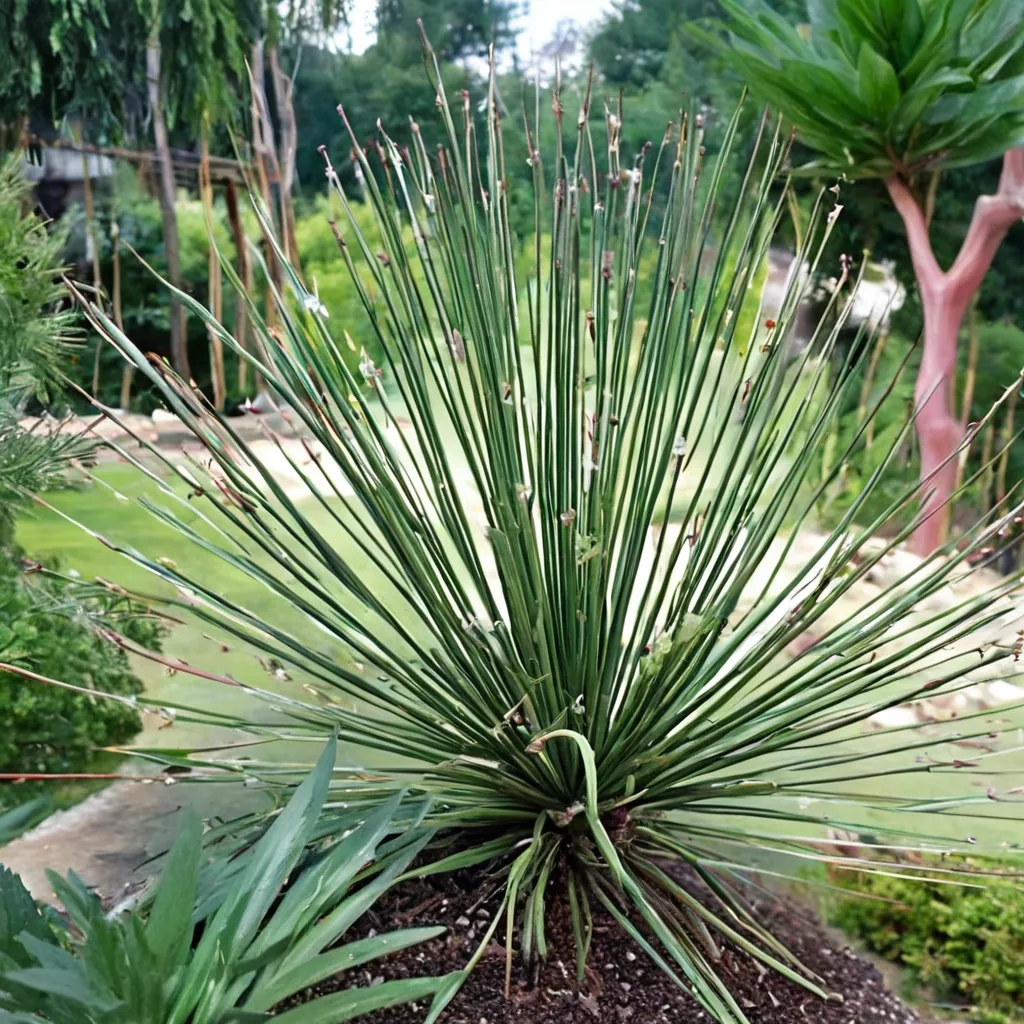
Green Desert Spoon
Dasylirion acrotrichum
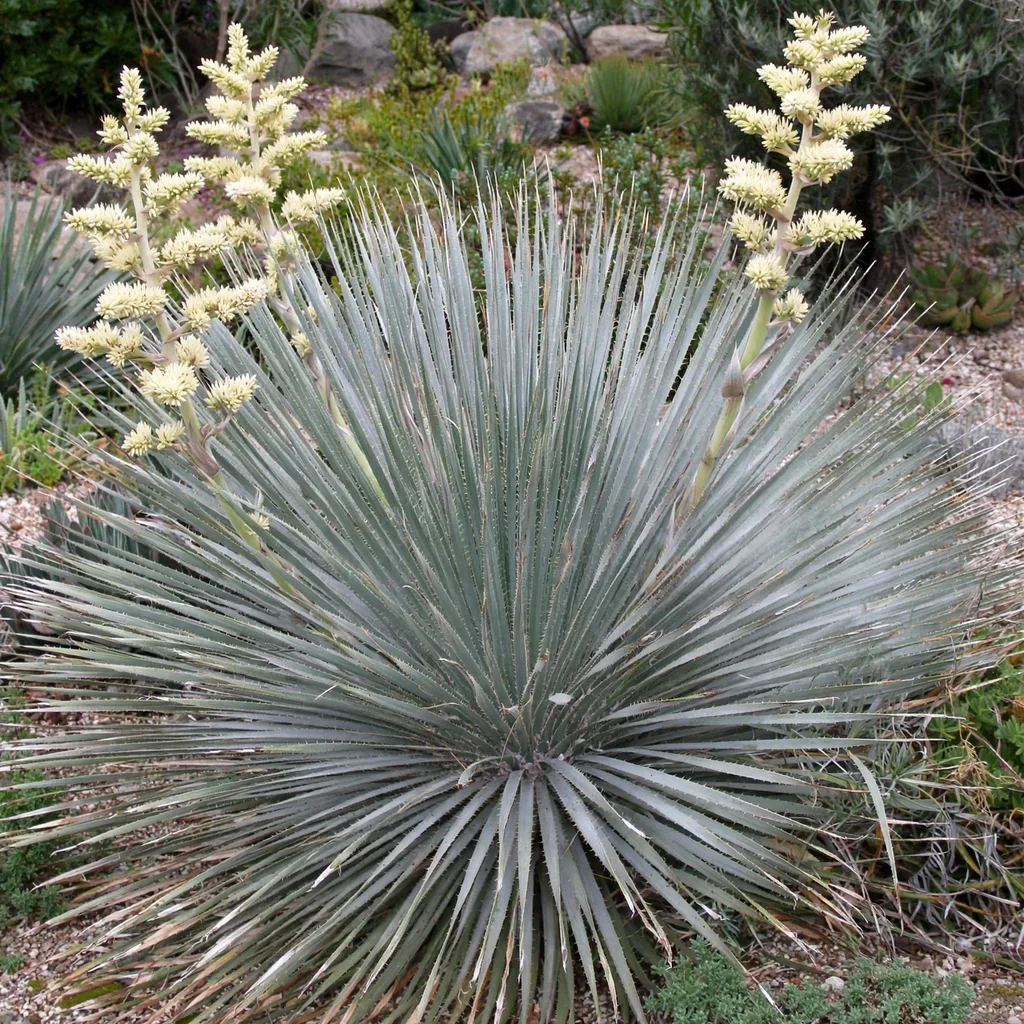
Durango Sotol
Dasylirion durangense
Keep exploring
Explore the genus
Hardy in your zone?
Grow Mexican Grass Tree with confidence
See it in a design of your actual yard, get zone-matched care reminders, and track it season by season in your garden journal.