The Story
Plant Bio
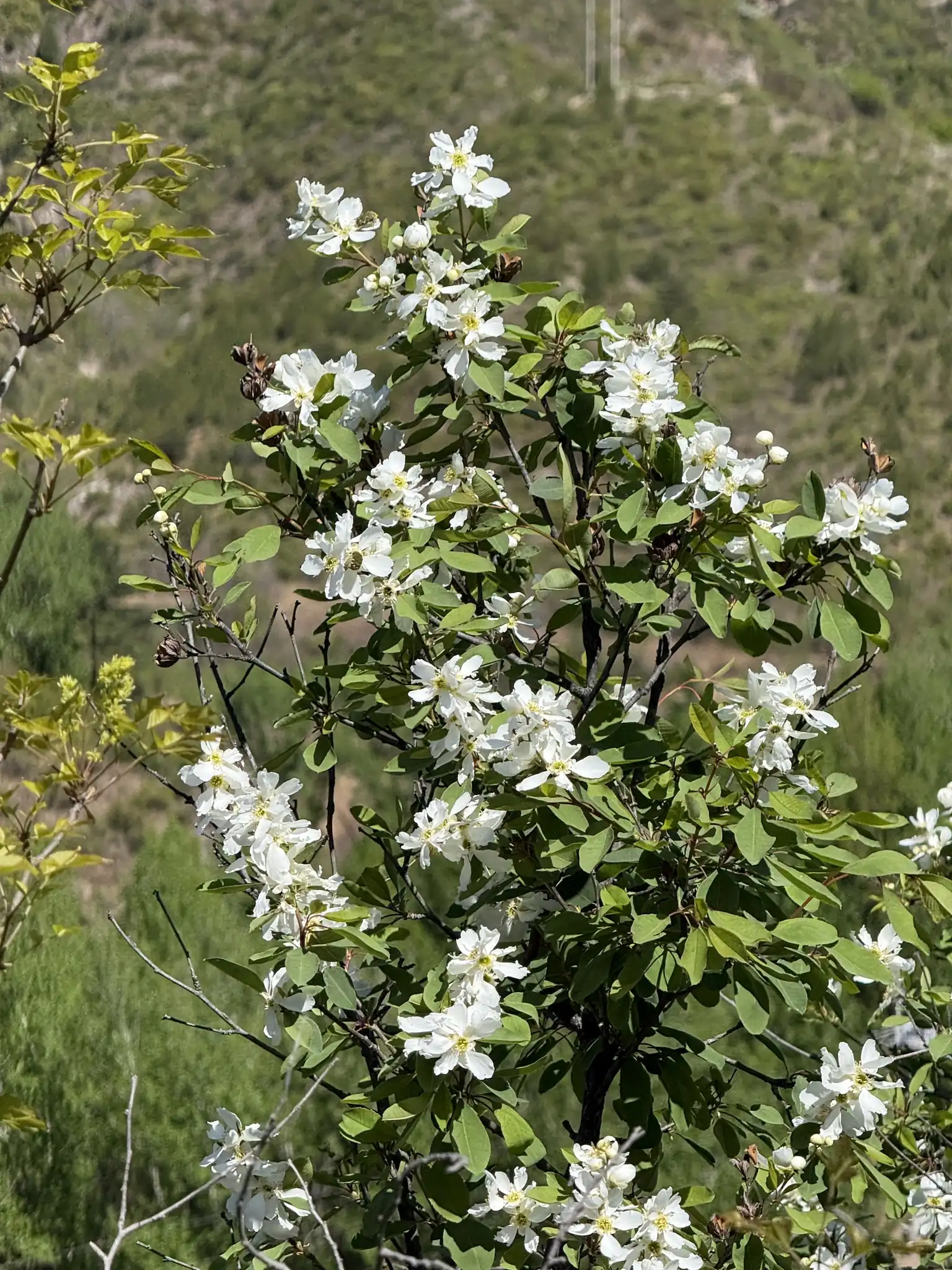
Exochorda racemosa is a loose, upright deciduous shrub reaching about 10 feet high and as broad, with slender arching branches that turn floppy with age. Pale-green elliptic leaves line the stems, and in spring pearl-like buds open to 5-petalled white saucer flowers carried in terminal racemes on the previous year's wood.
Unlike many spring shrubs it blooms entirely on old wood, so winter or early-spring pruning removes the flower display. It is taprooted and resents moving once established, but established plants are heat and drought tolerant and carry few pests when given full sun and sharp drainage.
Uses & Benefits:
Essentials
At a Glance
Plant Type
Shrub
Height
120"
Width
144"
Light
Full Sun, Partial Sun
Zones
4, 5, 6, 7, 8
Water
Average, drought tolerant once established
Humidity
Unknown
Lifespan
Long-lived deciduous shrub
Native To
Central Asia to SE China
Toxicity
Unknown
Bloom period
Spring
In flower about 3 months of the year
Planting
How to Grow
- Choose a permanent spot in full sun with rich, well-drained soil, allowing 10 to 12 feet for its arching spread.
- Plant at the same depth as in the container and water deeply to settle the taproot; do not bury the crown.
- Water regularly through the first season, then taper off; established plants tolerate heat and drought.
- Prune immediately after flowering, removing spent racemes and any dead, diseased or crossing branches.
- Mulch to conserve moisture but keep mulch back from the stems to keep the crown dry.
Pro Tip
Prune immediately after flowering; cutting in winter or spring removes buds already set on old wood.
Keep It Thriving
Care Guide
Do
- Plant where it can stay to avoid disturbing the taproot.
- Give full sun for heaviest bloom.
- Ensure sharp drainage to prevent root rot.
Don't
- Do not prune in winter or early spring or you will cut off flower buds.
- Do not move established plants.
- Do not plant in soggy soil.
Seasonal Care Calendar
| Task | Jan | Feb | Mar | Apr | May | Jun | Jul | Aug | Sep | Oct | Nov | Dec |
|---|---|---|---|---|---|---|---|---|---|---|---|---|
| Mulch | ||||||||||||
| Pest Check | ||||||||||||
| Plant | ||||||||||||
| Prune |
Watch Out For
Pests & Diseases
Common Pests
Common Diseases
In the Garden
Landscape Uses & Companions
Landscape Uses
Multiply
Propagation Methods
Good to Know
Common Questions
Common Pearlbush questions
What zones can Common Pearlbush grow in?
Common Pearlbush is hardy in USDA Zones 4–8: in that range it survives winter in the ground. Warmer than Zone 8, winter isn't the problem: it prefers colder winters, and summer heat can shorten its life.
When does Common Pearlbush bloom?
Common Pearlbush typically blooms in spring. Exact timing shifts a week or two with your zone — Sow's bloom calendar maps it to your garden.
Does Common Pearlbush need full sun?
Common Pearlbush does best in full sun to part shade. In hot climates, afternoon shade keeps blooms fresher longer.
Is Common Pearlbush drought tolerant?
Yes — once established (usually after the first full season), Common Pearlbush handles dry spells with minimal watering. Water deeply its first year to build the root system that makes that possible.
Keep exploring
Explore the genus
Hardy in your zone?
Grow Common Pearlbush with confidence
See it in a design of your actual yard, get zone-matched care reminders, and track it season by season in your garden journal.