

The Story
Plant Bio
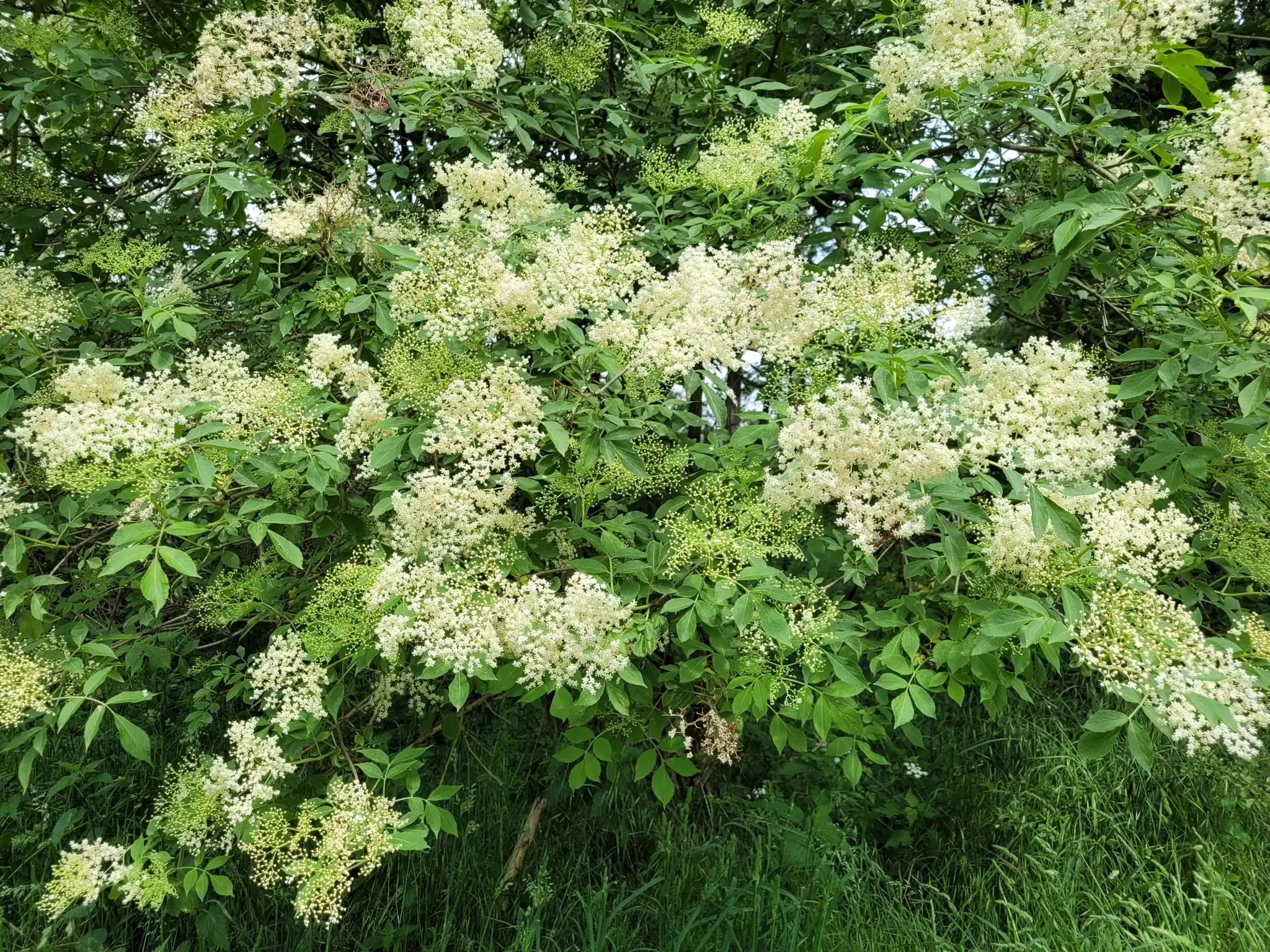
Sambucus nigra, elder, is a fast-growing multi-stemmed deciduous shrub or small tree reaching 10 to 20 ft tall and 8 to 20 ft wide. Pinnately compound dark green leaves to 10 in long carry three to nine serrated leaflets and smell unpleasant when crushed. Flat cream-white flower heads open in summer above the foliage.
Both flowers and fruit are used in the kitchen, the blossom for cordials and wines and the glossy black berries for jam and syrup, though the berries need cooking. The soft pithy stems are easily hollowed, and growth is rapid enough that a hard cut to the base in late winter is a normal way to keep it in bounds.
Uses & Benefits:
Essentials
At a Glance
Plant Type
Shrub
Height
180"
Width
168"
Light
Full Sun, Partial Sun
Zones
4, 5, 6, 7, 8
Water
Medium to high; prefers consistently moist soil
Humidity
Adaptable; tolerates humid summers
Lifespan
Moderate; 20 to 30 years with stem renewal
Native To
Native across much of North America; also Europe
Toxicity
Raw berries, leaves, bark and stems are toxic; cooked fruit is edible
Marketplace
Where to Buy
Shipping costs Year-round shipping Free shipping
Planting
How to Grow
- Choose full sun to partial shade with room for a broad shrub.
- Plant into moist, fertile soil; it tolerates clay well.
- Set the root ball level with grade and firm in thoroughly.
- Water regularly through the first summer while it establishes.
- Cut a third of the oldest stems to the base each late winter.
- Plant a second seedling nearby to improve fruit set.
Pro Tip
Fruiting is far heavier with a second, genetically different plant nearby, so a single elder often flowers well but crops poorly.
Keep It Thriving
Care Guide
Do
- Give it moist, fertile ground and full sun for best cropping ☀️
- Renew a third of the old stems each late winter 🪓
- Grow two plants for reliable berry set 🫐
- Cook elderberries before eating them 🍯
Don't
- Do not eat the raw berries, leaves, bark or stems ❌
- Do not let it dry out in its first two summers ❌
- Do not plant it where a tidy compact shrub is wanted ❌
Seasonal Care Calendar
| Task | Jan | Feb | Mar | Apr | May | Jun | Jul | Aug | Sep | Oct | Nov | Dec |
|---|---|---|---|---|---|---|---|---|---|---|---|---|
| Harvest | ||||||||||||
| Renewal Pruning |
Watch Out For
Pests & Diseases
Common Pests
Common Diseases
In the Garden
Landscape Uses & Companions
Landscape Uses
Multiply
Propagation Methods
Good to Know
Common Questions
Elderberry questions
What zones can Elderberry grow in?
Elderberry is hardy in USDA Zones 4–8. Inside that range it survives winter in the ground; outside it, grow it as an annual or a container plant you protect.
Is Elderberry deer resistant?
Yes — Elderberry is rated deer-resistant. Deer typically pass it over, though extreme hunger can override any plant's defenses.
When does Elderberry bloom?
Elderberry typically blooms in summer, cream-white flat heads through early summer. Exact timing shifts a week or two with your zone — Sow's bloom calendar maps it to your garden.
Does Elderberry need full sun?
Elderberry does best in full sun to part shade. In hot climates, afternoon shade keeps blooms fresher longer.
More Sambucus to compare
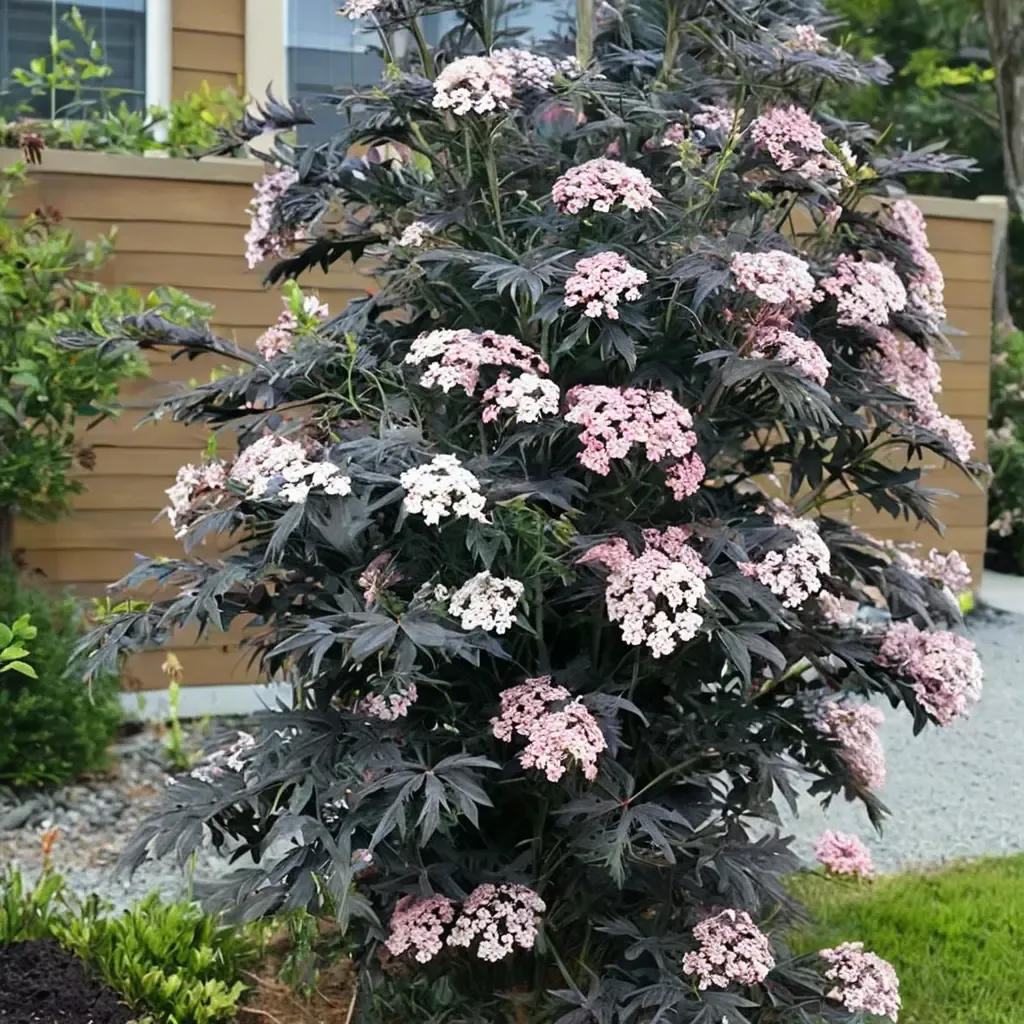
Black Lace Elderberry
Sambucus nigra 'Black Lace'
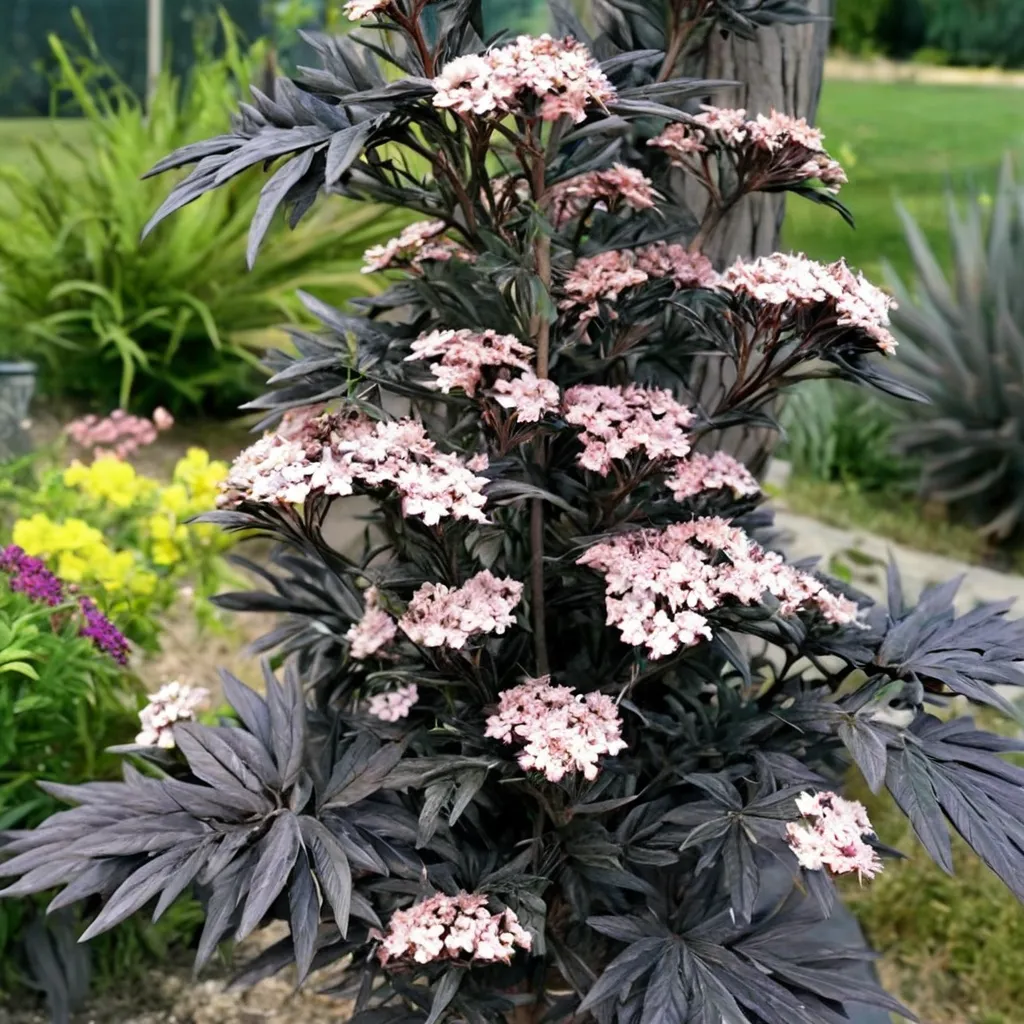
Laced Up Elderberry
Sambucus nigra 'Laced Up'
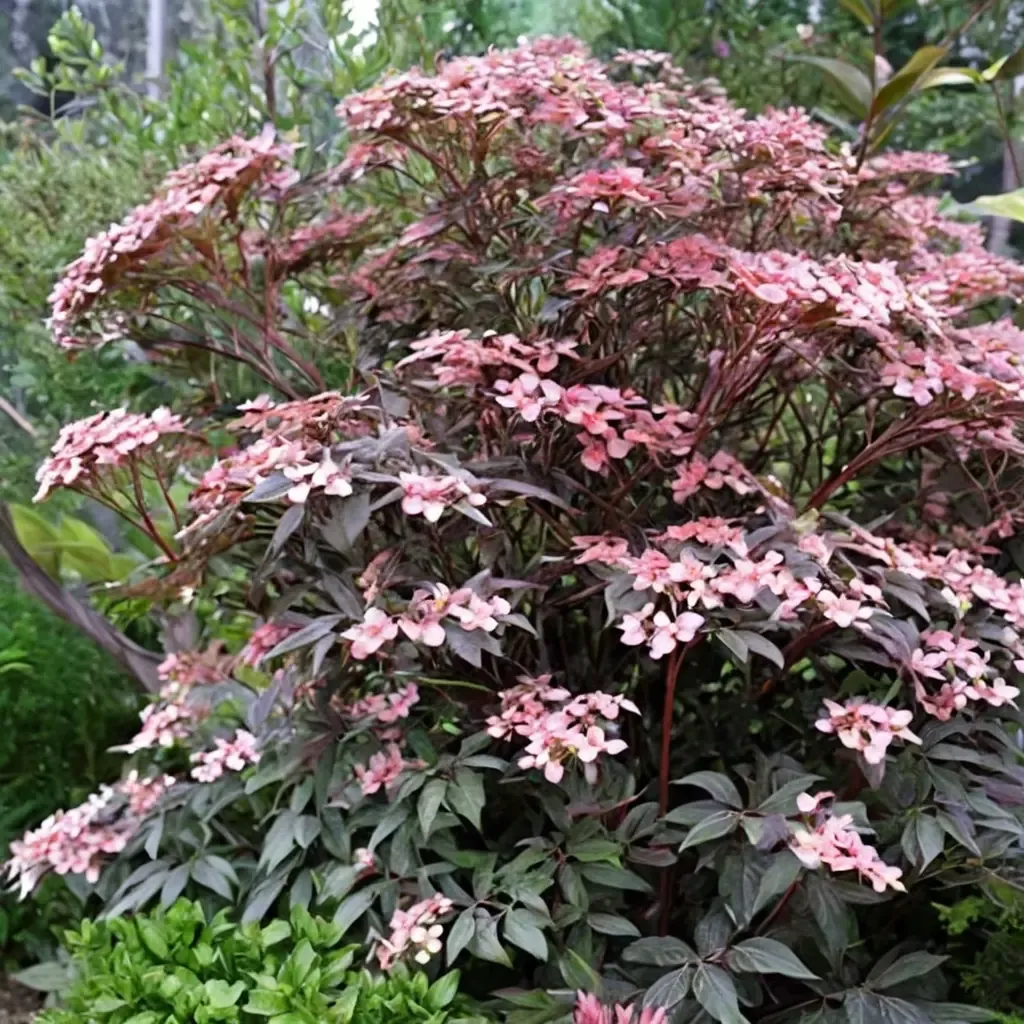
Thundercloud Elderberry
Sambucus nigra 'Thundercloud'
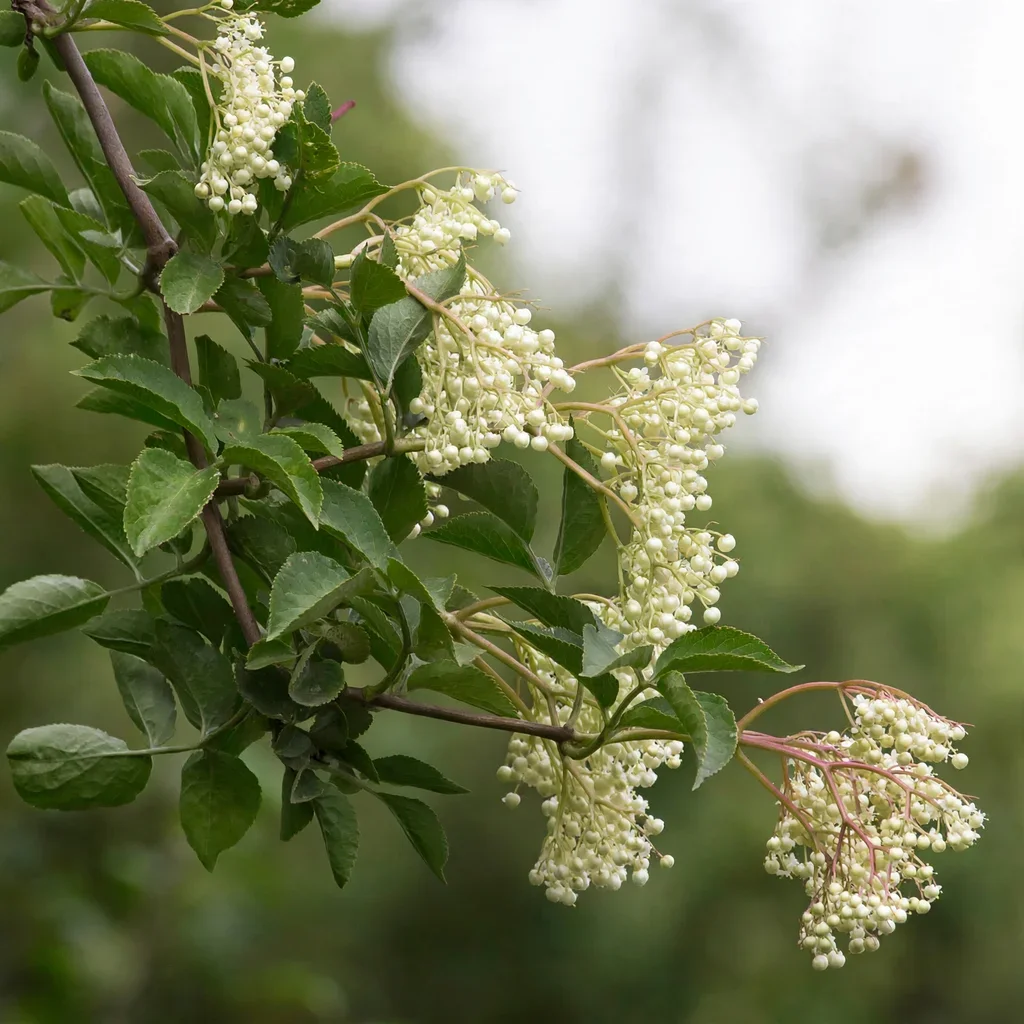
Korsor Black Elderberry
Sambucus nigra 'Korsor'
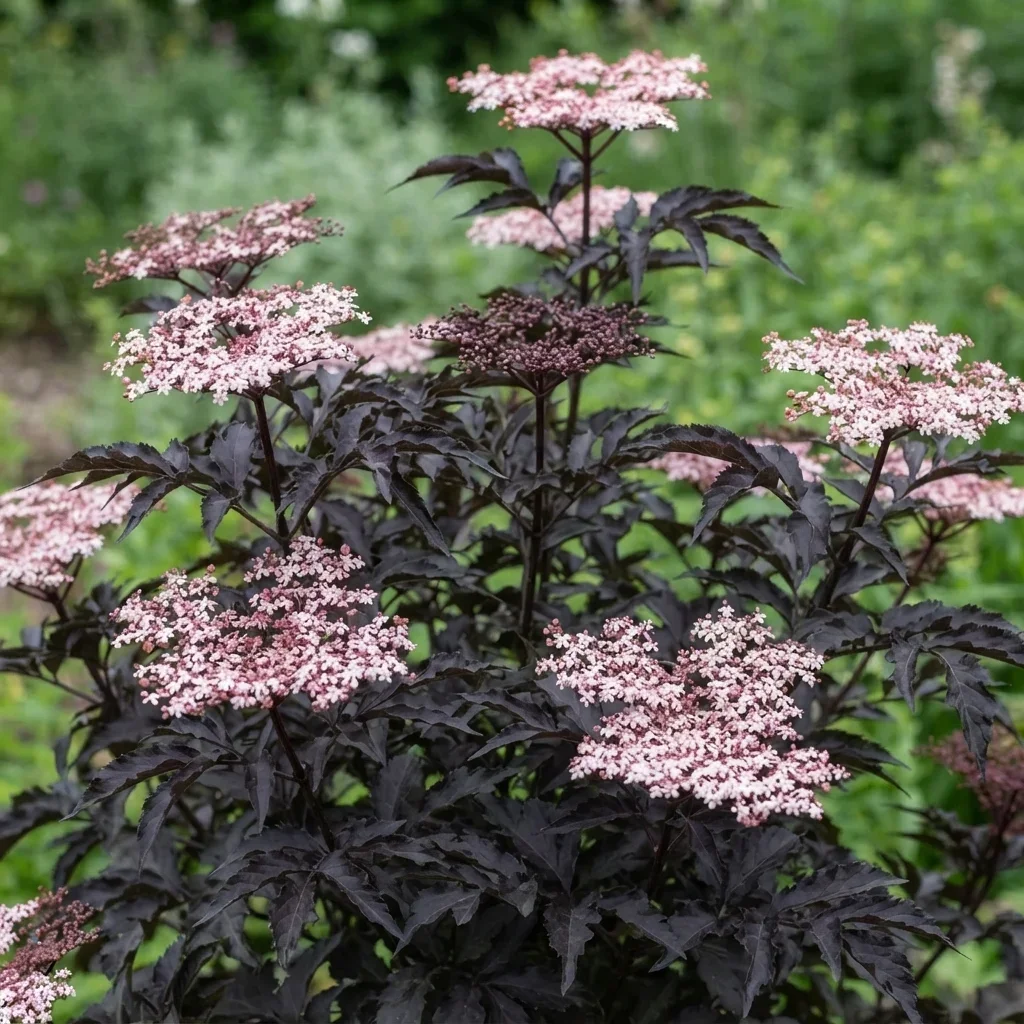
Black Tower Elderberry
Sambucus nigra 'Black Tower'
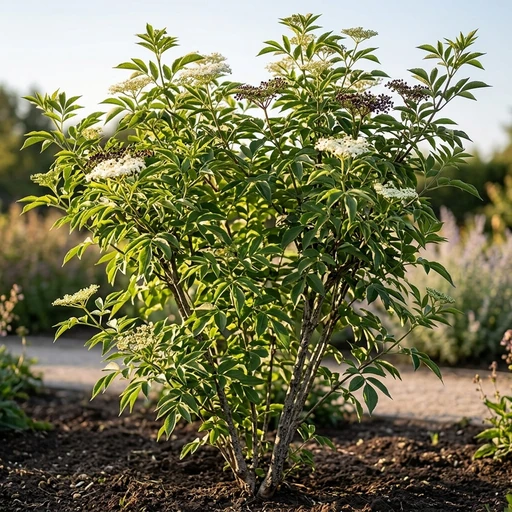
American Elderberry
Sambucus canadensis
Keep exploring
Explore the genus
Hardy in your zone?
Grow Elderberry with confidence
See it in a design of your actual yard, get zone-matched care reminders, and track it season by season in your garden journal.