
The Story
Plant Bio
Festuca gautieri, still sold as Festuca scoparia, is an evergreen perennial grass that forms a dense cushion of finely textured tufts. In cultivation it reaches about 6 inches high and 8 inches wide, with stiff narrow leaves that persist through winter.
It is distinguished by vivid bright green needle-like foliage that emerges bright in new growth and holds best color in full sun on poor dry soil. The summer flowers are small brown panicles on short culms to 4 inches and are not showy; the mound itself is the ornamental feature.
Uses & Benefits:
Essentials
At a Glance
Plant Type
Grass
Height
6"
Width
8"
Light
Full Sun, Partial Sun
Zones
4, 5, 6, 7, 8
Water
Low
Humidity
Low; dislikes heat and humidity
Lifespan
Perennial
Native To
SW France and NE Spain
Toxicity
Non-toxic
Bloom period
Summer
In flower about 3 months of the year
Planting
How to Grow
- Plant in spring in lean, sandy or stony soil with sharp drainage in full sun.
- Set the crown level with the soil surface and water in once, then water sparingly.
- Top-dress with gravel rather than organic mulch to keep the crown dry.
- Leave foliage intact through winter; comb out dead leaves in early spring.
Pro Tip
Grow it lean and dry in stony soil and never shear the mound to the crown; divide every two to three years to renew color instead.
Keep It Thriving
Care Guide
Do
- Grow in poor dry stony soil with sharp drainage.
- Give full sun for tight bright-green color.
- Divide congested mounds every 2-3 years.
Don't
- Do not plant in rich wet soil or where water stands.
- Do not shear annually into the old leafless crown.
- Do not overfertilize or overwater.
Seasonal Care Calendar
| Task | Jan | Feb | Mar | Apr | May | Jun | Jul | Aug | Sep | Oct | Nov | Dec |
|---|---|---|---|---|---|---|---|---|---|---|---|---|
| Deadhead | ||||||||||||
| Divide | ||||||||||||
| Pest Check | ||||||||||||
| Plant | ||||||||||||
| Spring Cleanup |
Watch Out For
Pests & Diseases
Common Pests
Common Diseases
In the Garden
Landscape Uses & Companions
Landscape Uses
Companion Plants
Multiply
Propagation Methods
Good to Know
Common Questions
Bearskin Fescue questions
What zones can Bearskin Fescue grow in?
Bearskin Fescue is hardy in USDA Zones 4–8: in that range it survives winter in the ground. Warmer than Zone 8, winter isn't the problem: it prefers colder winters, and summer heat can shorten its life.
When does Bearskin Fescue bloom?
Bearskin Fescue typically blooms in summer. Exact timing shifts a week or two with your zone — Sow's bloom calendar maps it to your garden.
Does Bearskin Fescue need full sun?
Bearskin Fescue does best in full sun to part shade. In hot climates, afternoon shade keeps blooms fresher longer.
Is Bearskin Fescue drought tolerant?
Yes — once established (usually after the first full season), Bearskin Fescue handles dry spells with minimal watering. Water deeply its first year to build the root system that makes that possible.
More Festuca to compare
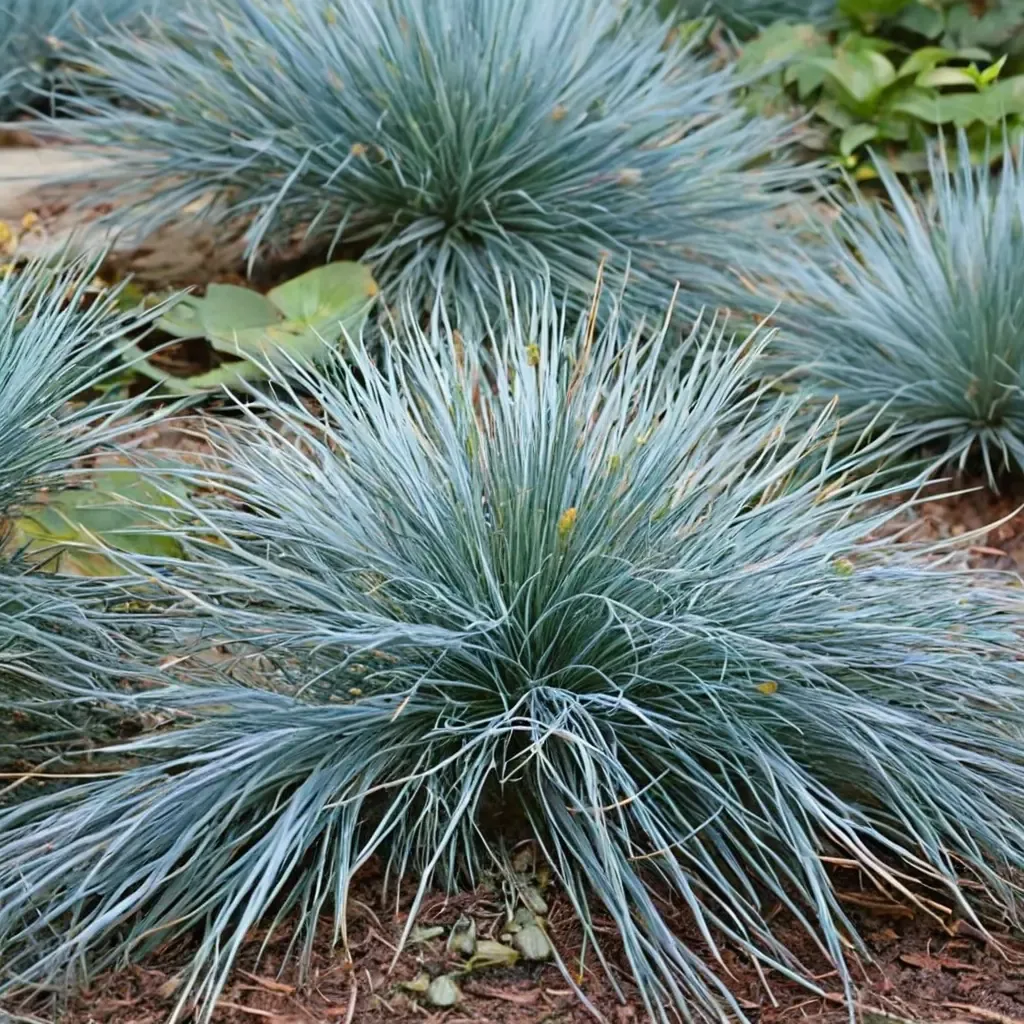
Elijah Blue Fescue
Festuca glauca 'Elijah Blue'
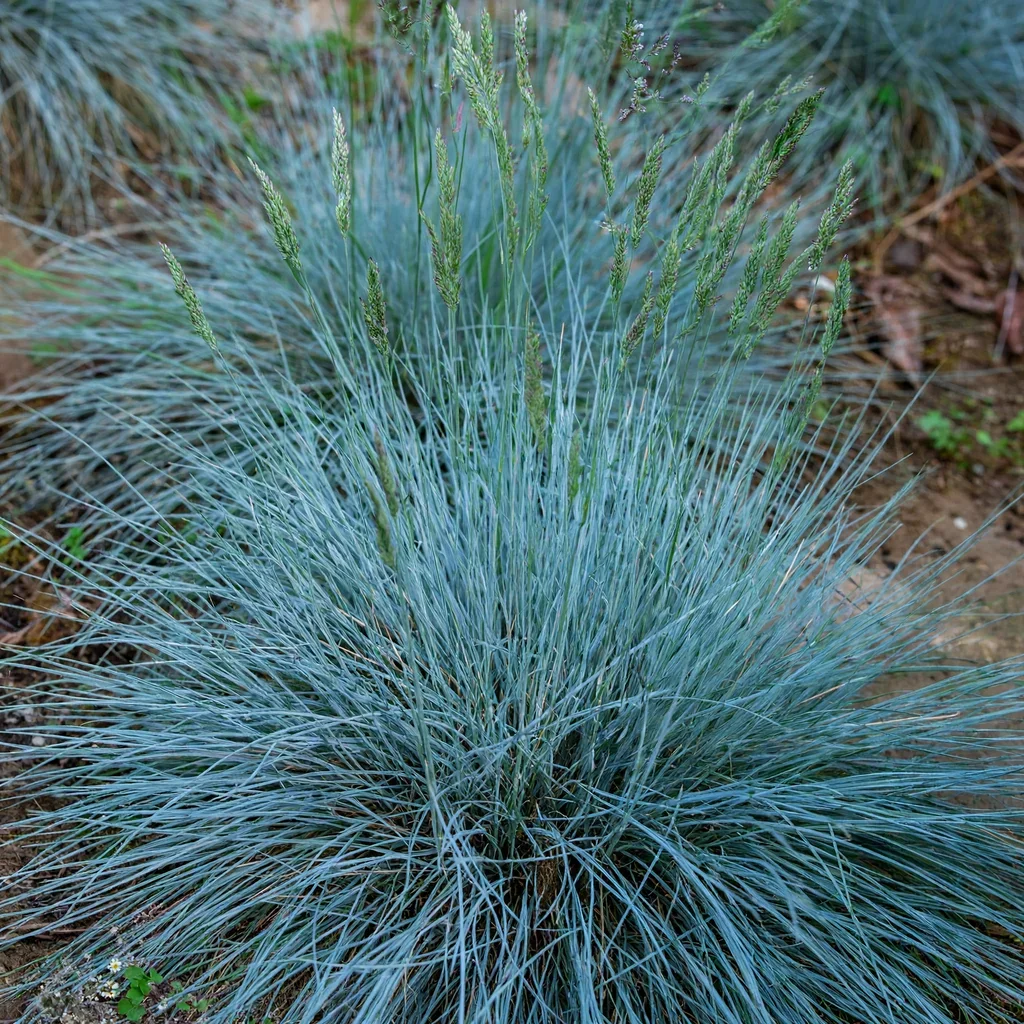
Blue Fescue
Festuca glauca
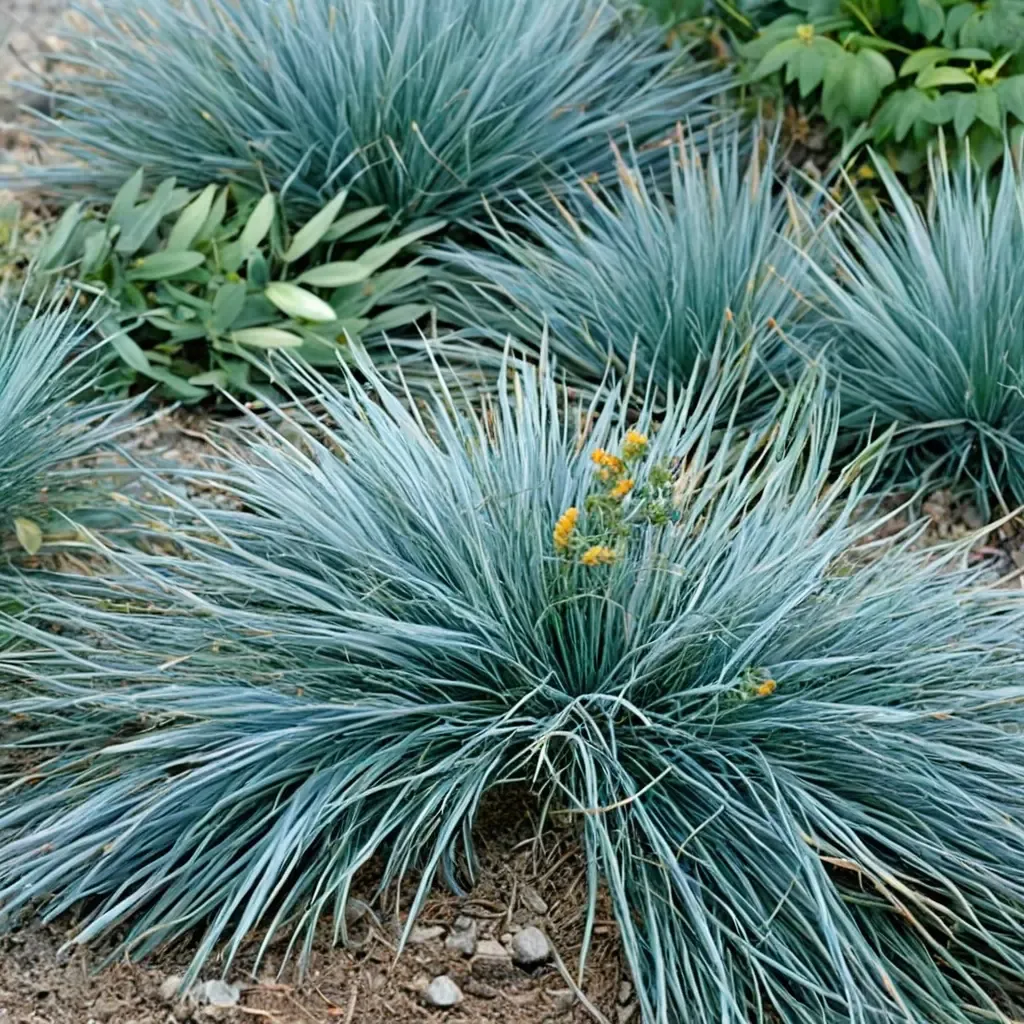
Blue Fox Fescue
Festuca glauca 'Blaufuchs'
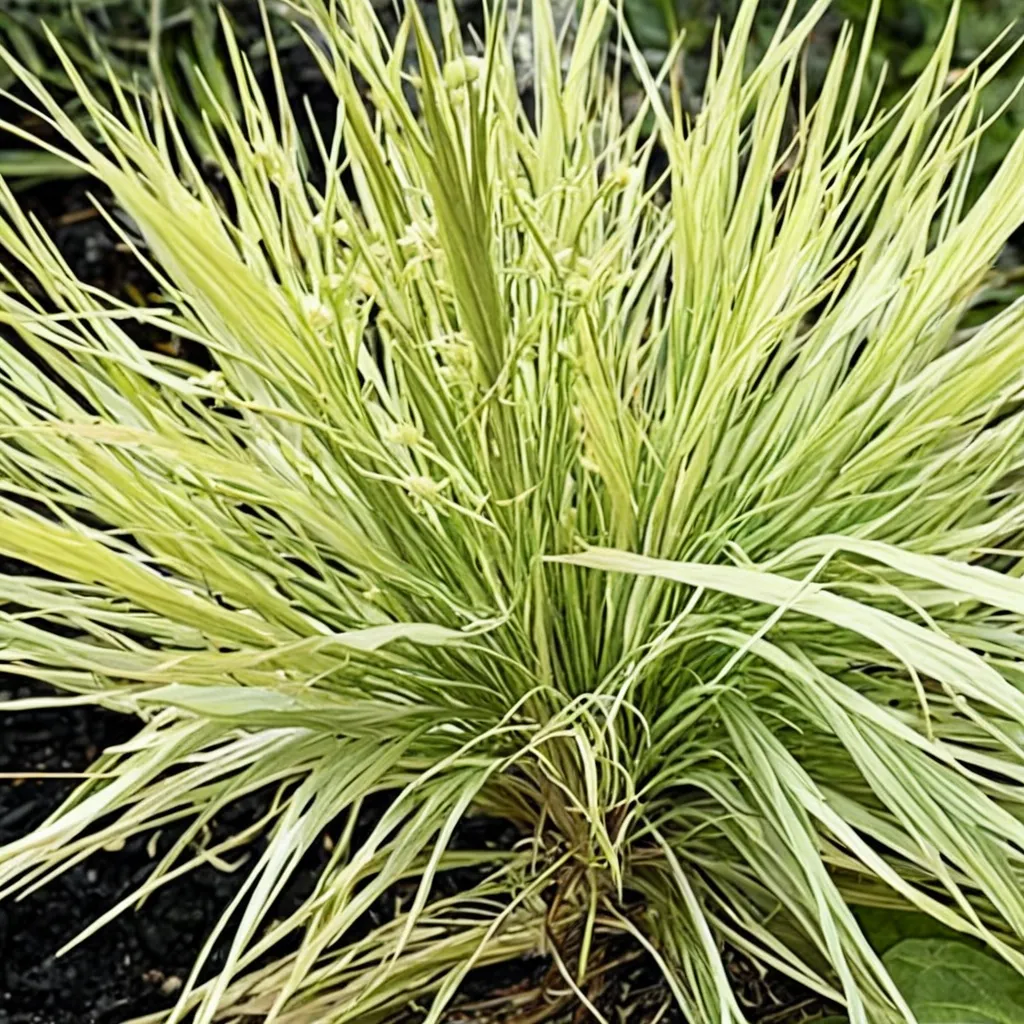
Golden Toupee Fescue
Festuca glauca 'Golden Toupee'
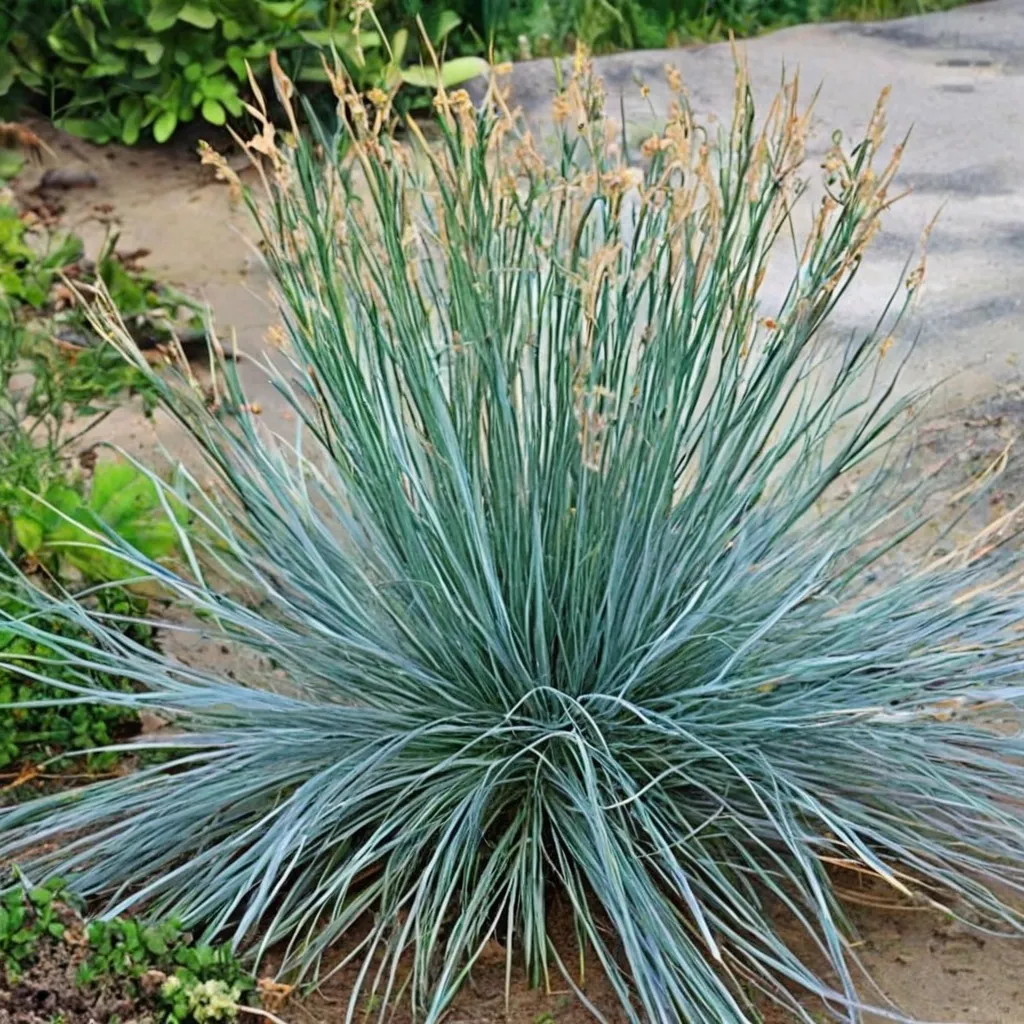
Festuca Mix
Festuca x hybrida 'Mix'
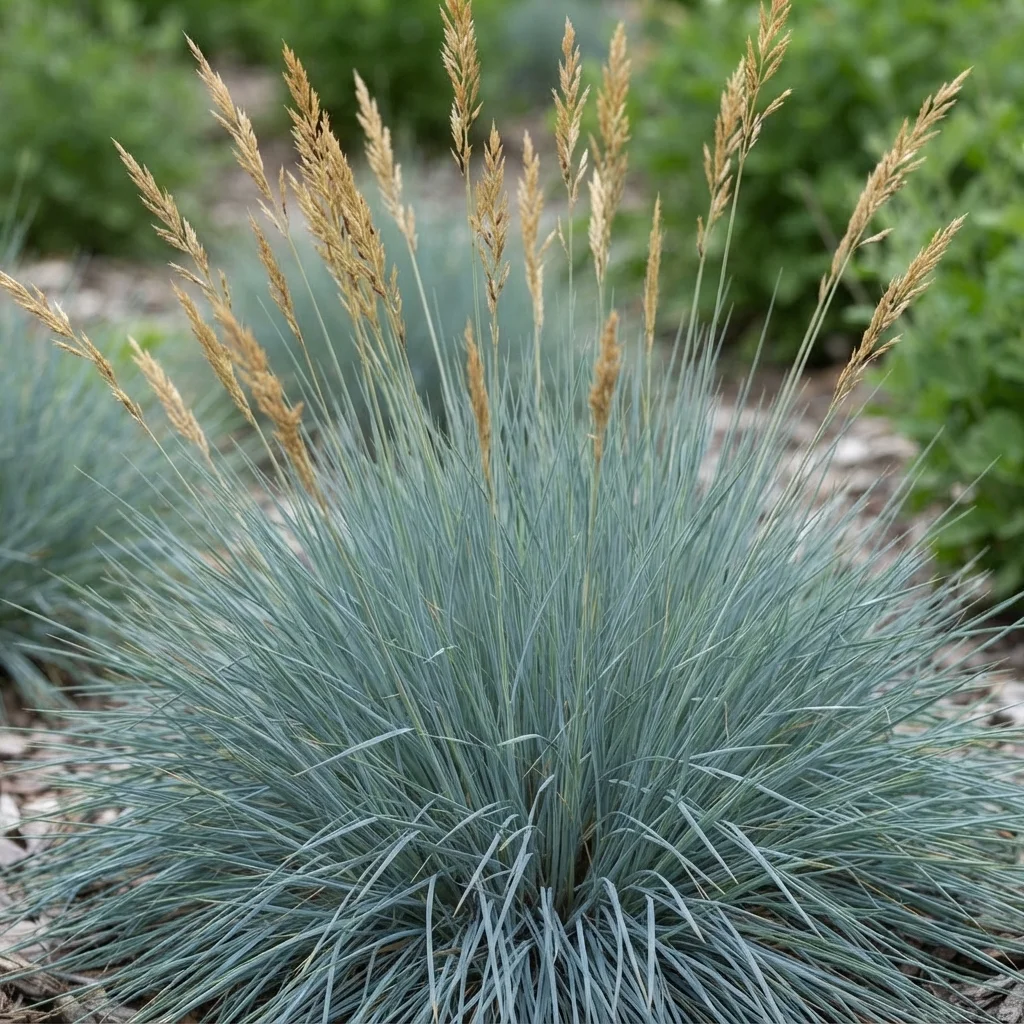
Cool as Ice Blue Fescue
Festuca glauca 'Cool as Ice'
Keep exploring
Explore the genus
Hardy in your zone?
Grow Bearskin Fescue with confidence
See it in a design of your actual yard, get zone-matched care reminders, and track it season by season in your garden journal.