The Story
Plant Bio
Ipomoea are rapid twining vines that climb by coiling green stems around any upright support and open one-day trumpet flowers. Leaves are alternate and variable across the genus, and plants grow fastest in warm, moist, fertile soil in full sun.
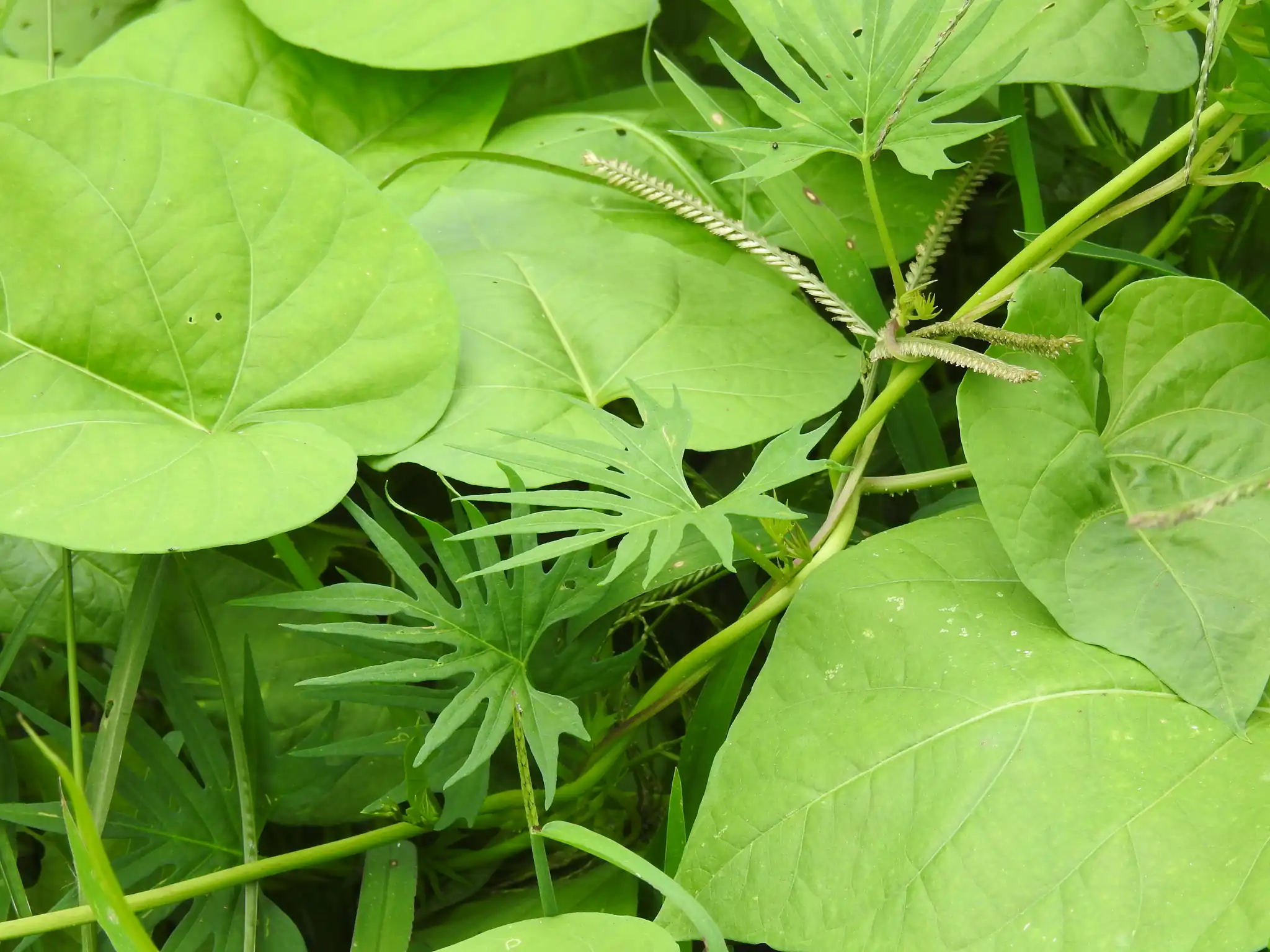
Ipomoea x multifida is a garden hybrid of Ipomoea coccinea crossed with Ipomoea quamoclit, raised in the United States in 1908 and grown as a frost-tender annual to 10 to 15 feet in a season. It carries deeply cut mid-green leaves with three to seven pairs of narrow lobes and scarlet trumpets about 1 to 2 inches long with a white to yellow throat, borne singly or in loose clusters of two to five.
Uses & Benefits:
Essentials
At a Glance
Plant Type
Vine
Height
180"
Width
12"
Light
Full Sun, Partial Sun
Zones
4, 5, 6, 7, 8, 9, 10
Water
Medium
Humidity
Average
Lifespan
Annual
Native To
Garden origin, USA (1908)
Toxicity
Toxic seeds
Bloom period
Summer – Fall
In flower about 6 months of the year
Planting
How to Grow
- Provide full sun and a trellis, arbor, or strings at planting; vines reach 10 to 15 feet and climb only by twining.
- Work compost into moist, fertile, well-drained loam, clay, or sand with pH 6.0 to 8.0.
- Nick seed coats and soak for several hours, then sow indoors 4 to 6 weeks before last frost or direct-sow after frost risk has passed and soil is warm.
- Keep soil evenly moist but never waterlogged; good drainage prevents drowning and leaf edema.
- Deadhead spent flowers or pull volunteer seedlings in warm climates to limit self-sowing around plantings.
Pro Tip
Nick each hard seed coat with a file and soak the seed for several hours before sowing; unnicked seed imbibes slowly and emerges unevenly or not at all.
Keep It Thriving
Care Guide
Do
- Plant in full sun for heaviest bloom
- Install a sturdy trellis or arbor at planting time
- Keep soil evenly moist with good drainage
Don't
- Do not sow outdoors before frost risk has passed
- Do not expect vines to overwinter; frost kills them
- Do not allow heavy self-seeding if volunteers become a nuisance
Seasonal Care Calendar
| Task | Jan | Feb | Mar | Apr | May | Jun | Jul | Aug | Sep | Oct | Nov | Dec |
|---|---|---|---|---|---|---|---|---|---|---|---|---|
| Deadhead | ||||||||||||
| Pest Check | ||||||||||||
| Plant | ||||||||||||
| Propagate | ||||||||||||
| Stake |
Watch Out For
Pests & Diseases
Common Pests
Common Diseases
In the Garden
Landscape Uses & Companions
Landscape Uses
Multiply
Propagation Methods
Good to Know
Common Questions
Cardinal Climber questions
What zones can Cardinal Climber grow in?
Cardinal Climber is an annual: it grows, flowers and sets seed in one season, so winter cold doesn't limit where it grows. Gardeners in any zone can grow it by planting at the right time, usually after the last spring frost.
When does Cardinal Climber bloom?
Cardinal Climber typically blooms from summer to fall. Exact timing shifts a week or two with your zone — Sow's bloom calendar maps it to your garden.
Does Cardinal Climber need full sun?
Cardinal Climber does best in full sun to part shade. In hot climates, afternoon shade keeps blooms fresher longer.
More Ipomoea to compare
Sweet Potato
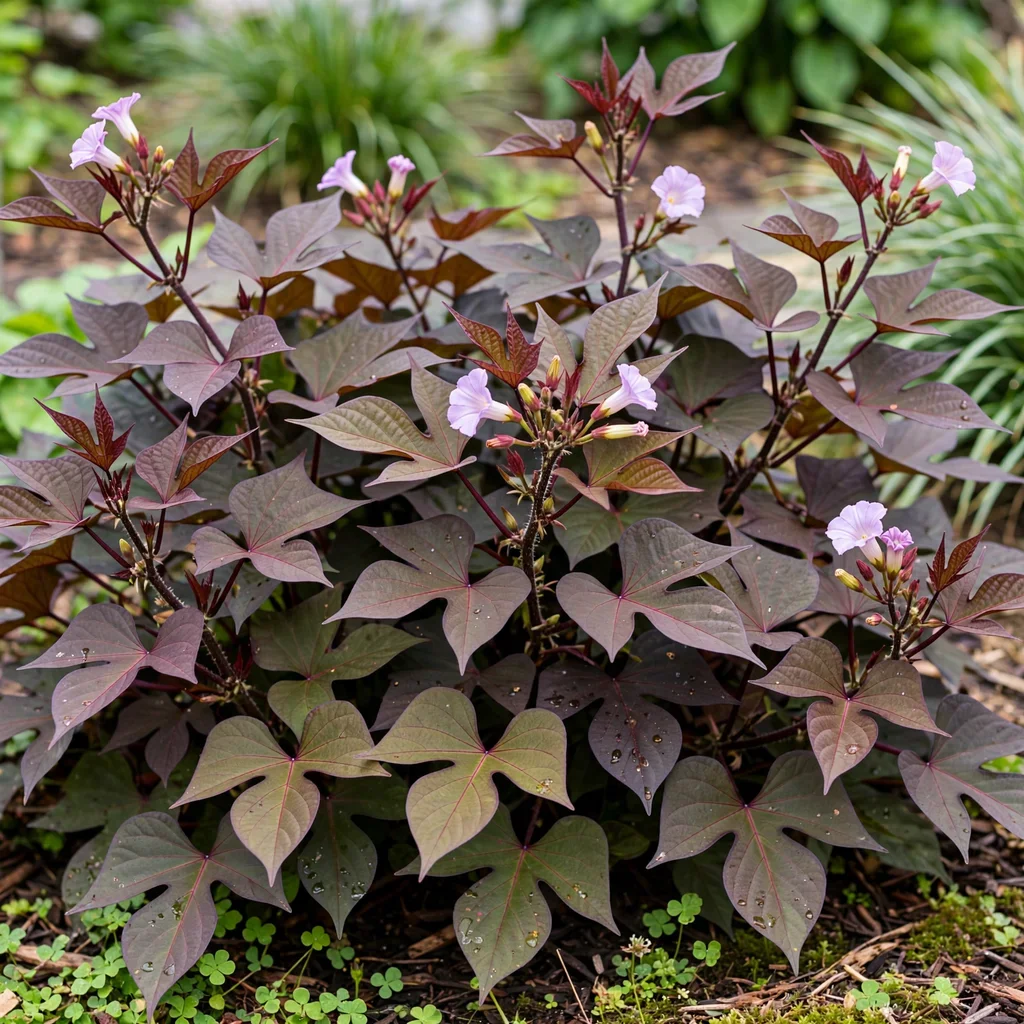
Ipomoea batatas 'Sweet Georgia Bronze'
Margarita Sweet Potato Vine
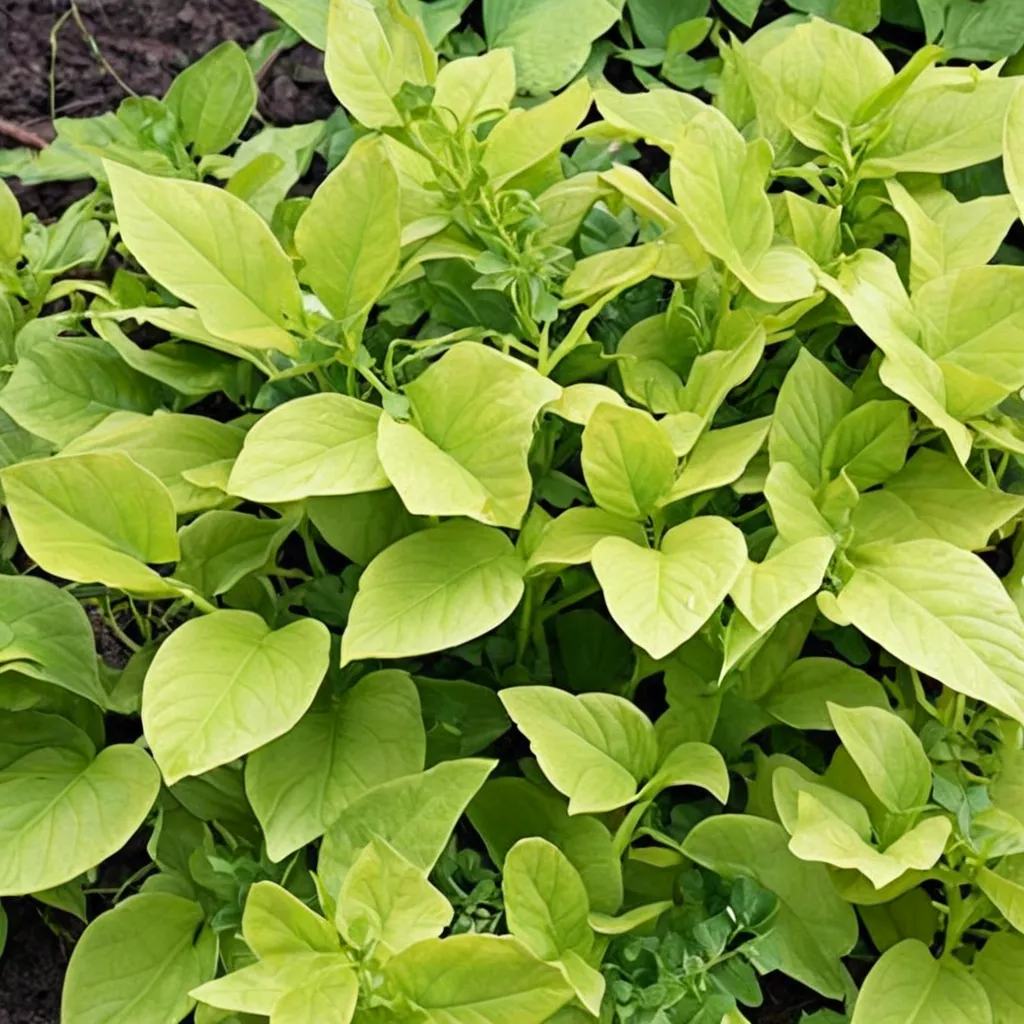
Ipomoea batatas 'Margarita'
Sweet Caroline Upside Black Coffee Sweet Potato Vine
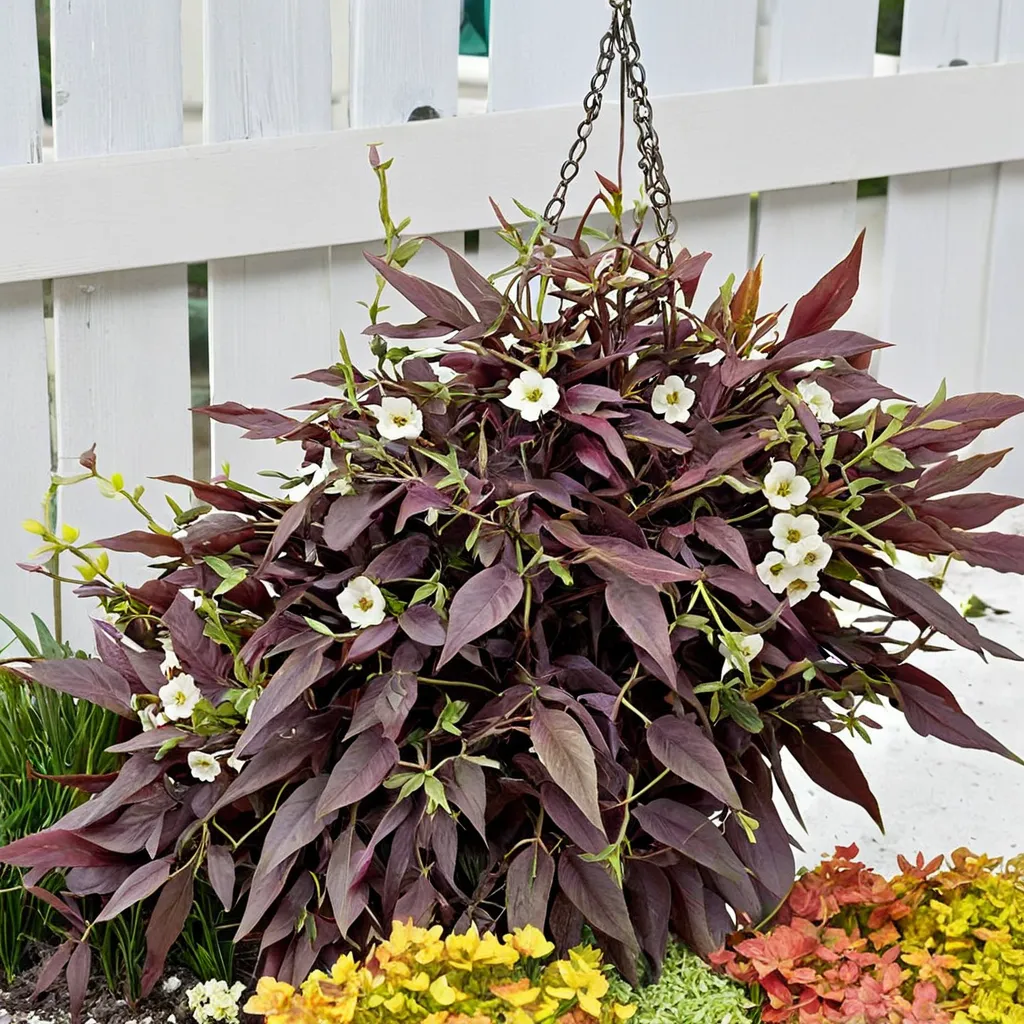
Ipomoea batatas 'Sweet Caroline Upside Black Coffee'
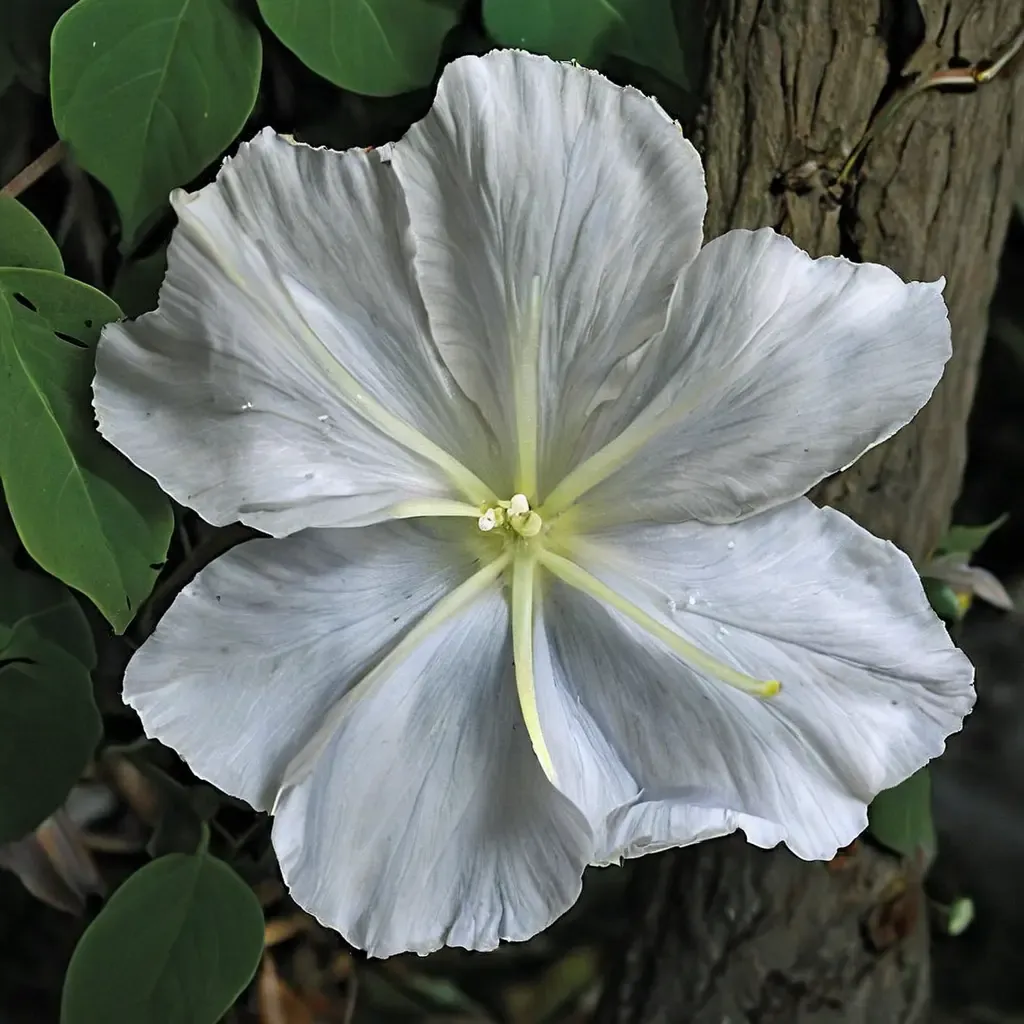
Moonflower
Ipomoea alba
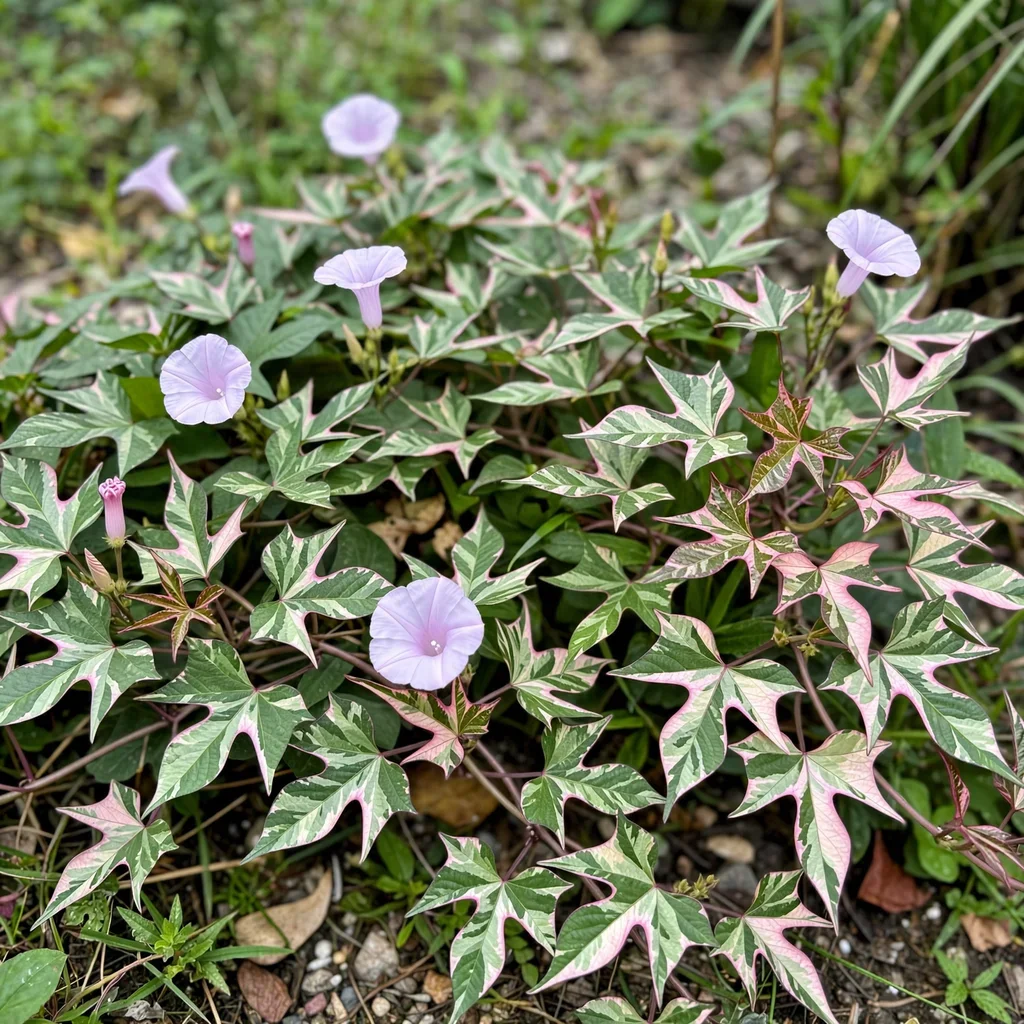
Tricolor Sweet Potato Vine
Ipomoea batatas 'Tricolor'
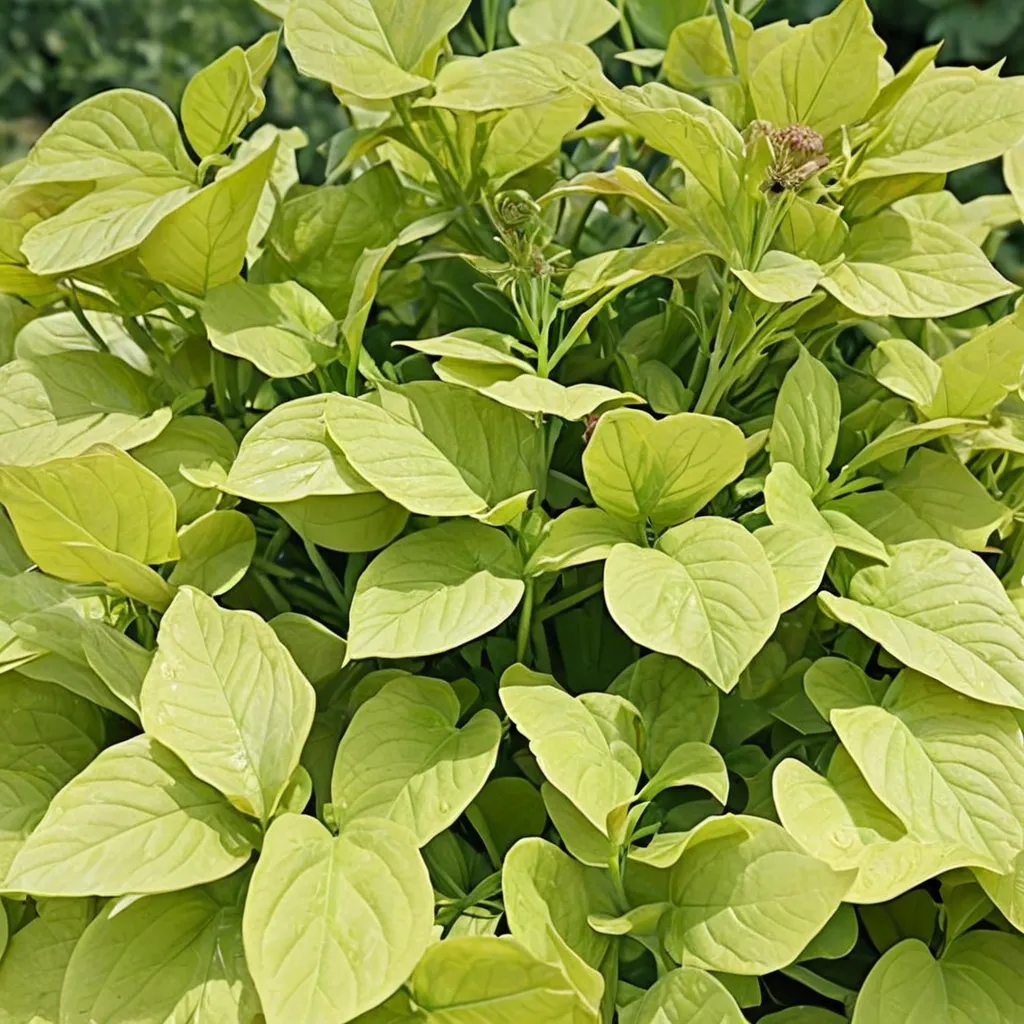
Sweet Potato Vine 'Sweet Caroline Sweetheart Lime'
Ipomoea batatas 'Sweet Caroline Sweetheart Lime'
Keep exploring
Explore the genus
Grow Cardinal Climber with confidence
See it in a design of your actual yard, get zone-matched care reminders, and track it season by season in your garden journal.