The Story
Plant Bio
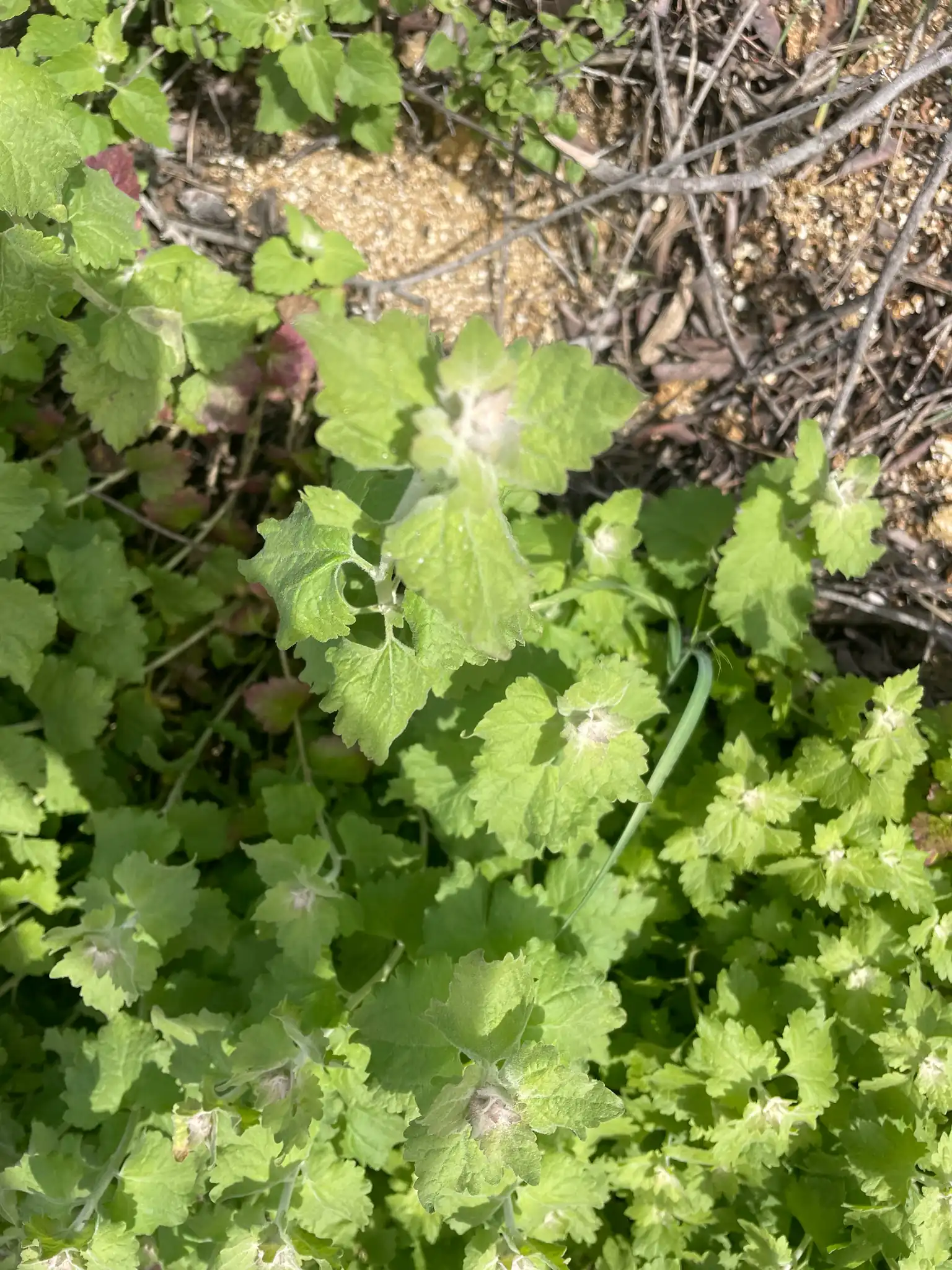
Brickellia californica is a multi-stemmed, winter-deciduous subshrub growing two to six feet tall with a rounded, mounding habit. Its small grey-green or silver-green triangular leaves feature toothed margins and emit a strong aromatic scent when crushed.
Unlike conventional daisies, the small terminal clusters consist strictly of disc florets with no ray petals, blooming in subtle shades of cream, pale yellow, and greenish-white. The summer and fall flowers provide an exceptional nectar source for hummingbirds, butterflies, and native bees.
Uses & Benefits:
Essentials
At a Glance
Plant Type
Shrub
Height
71"
Width
79"
Light
Full Sun, Partial Sun
Zones
5, 6, 7, 8, 9, 10
Water
Low
Humidity
Low
Lifespan
Perennial
Native To
Western United States and Northern Mexico
Toxicity
Non-toxic
Bloom period
Summer – Fall
In flower about 6 months of the year
Planting
How to Grow
- Choose a full sun or partially shaded location with fast-draining, mineral soil.
- Set the plant into unamended soil, ensuring the root collar remains flush with the soil surface.
- Water deeply at planting to settle roots, then reduce watering as the plant establishes.
- Prune back hard in late winter or early spring before new growth begins.
Pro Tip
Prune back stems heavily in late winter before new spring shoots emerge to maintain a compact form and avoid cutting into old, leafless woody stems.
Keep It Thriving
Care Guide
Do
- Provide fast-draining, gritty soil to prevent root rot.
- Prune stems hard in late winter to refresh growth.
- Allow the root zone to dry out completely between waterings once established.
Don't
- Do not amend the planting hole with rich organic compost or fertilizers.
- Do not overwater or allow soil to remain waterlogged.
- Do not cut deep into old, leafless wood lacking visible buds.
Seasonal Care Calendar
| Task | Jan | Feb | Mar | Apr | May | Jun | Jul | Aug | Sep | Oct | Nov | Dec |
|---|---|---|---|---|---|---|---|---|---|---|---|---|
| Deadhead | ||||||||||||
| Pest Check | ||||||||||||
| Propagate | ||||||||||||
| Prune |
Watch Out For
Pests & Diseases
Common Pests
Common Diseases
In the Garden
Landscape Uses & Companions
Landscape Uses
Multiply
Propagation Methods
Good to Know
Common Questions
California Brickellbush questions
What zones can California Brickellbush grow in?
California Brickellbush is hardy in USDA Zones 5–10: in that range it survives winter in the ground. Colder than Zone 5, grow it in a container you can move to shelter for the winter.
Is California Brickellbush deer resistant?
Yes — California Brickellbush is rated deer-resistant. Deer typically pass it over, though extreme hunger can override any plant's defenses.
When does California Brickellbush bloom?
California Brickellbush typically blooms from summer to fall. Exact timing shifts a week or two with your zone — Sow's bloom calendar maps it to your garden.
Does California Brickellbush need full sun?
California Brickellbush does best in full sun to part shade. In hot climates, afternoon shade keeps blooms fresher longer.
Is California Brickellbush drought tolerant?
Yes — once established (usually after the first full season), California Brickellbush handles dry spells with minimal watering. Water deeply its first year to build the root system that makes that possible.
Keep exploring
Explore the genus
Grow California Brickellbush with confidence
See it in a design of your actual yard, get zone-matched care reminders, and track it season by season in your garden journal.