The Story
Plant Bio
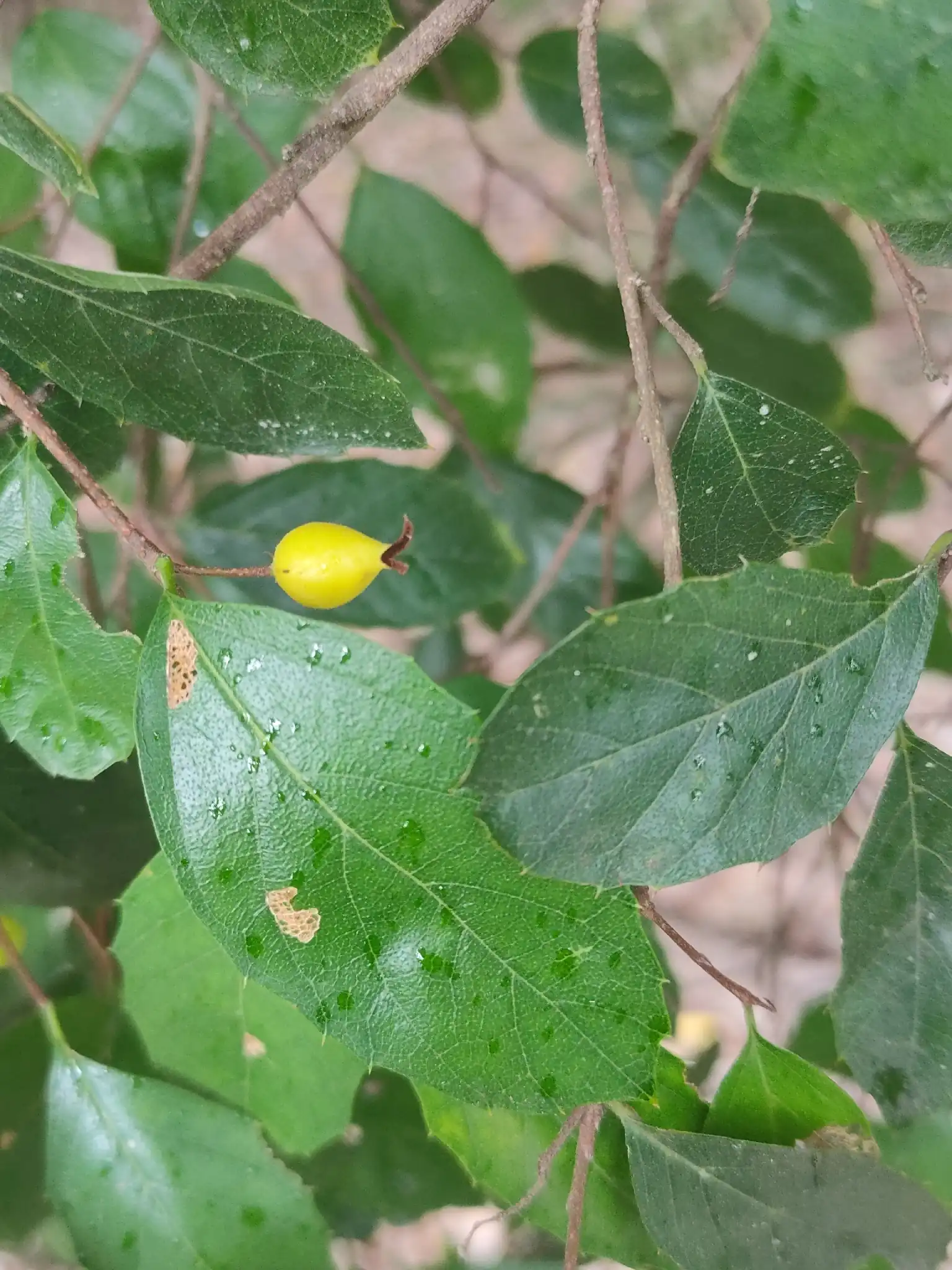
Aphananthe philippinensis is an evergreen rainforest tree that reaches 60 to 100 feet in height with a dense, narrow canopy and an irregular fluted trunk. The dark green leaves have an intensely rough, sandpapery texture, transitioning from prickly toothed juvenile foliage to smoother adult leaves as the tree matures.
Distinguished by its stiff, scabrous leaves and buttressed base, this species naturally inhabits dry rainforest margins and riverbanks across Australasia. In spring, small cream-green flowers give way to tiny fleshy fruits that attract fruit-eating birds.
Uses & Benefits:
Essentials
At a Glance
Plant Type
Tree
Height
984"
Width
472"
Light
Full Sun, Partial Sun
Zones
9, 10
Water
Moderate
Humidity
High
Lifespan
Perennial
Native To
Australia, Asia, Oceania
Toxicity
Non-toxic
Bloom period
Spring
In flower about 3 months of the year
Planting
How to Grow
- Select a planting site in full sun or partial shade with fertile, well-draining soil.
- Dig a planting hole twice as wide as the root ball and flush with the surrounding soil level.
- Backfill with native soil, press firmly to eliminate air pockets, and water thoroughly.
- Apply a 3-inch layer of organic mulch around the base, keeping it clear of the trunk.
Pro Tip
Avoid heavy pruning into old leafless wood; shape young trees early to encourage a strong central trunk.
Keep It Thriving
Care Guide
Do
- Water regularly during initial establishment in hot summer weather.
- Mulch around the root zone to conserve soil moisture and suppress weeds.
Don't
- Do not prune heavily into thick, mature branches without green leafy growth.
- Do not expose young saplings to severe, prolonged sub-zero temperatures.
Seasonal Care Calendar
| Task | Jan | Feb | Mar | Apr | May | Jun | Jul | Aug | Sep | Oct | Nov | Dec |
|---|---|---|---|---|---|---|---|---|---|---|---|---|
| Fertilize | ||||||||||||
| Mulch | ||||||||||||
| Pest Check | ||||||||||||
| Prune |
Watch Out For
Pests & Diseases
Common Pests
Common Diseases
In the Garden
Landscape Uses & Companions
Landscape Uses
Multiply
Propagation Methods
Good to Know
Common Questions
Native Elm questions
What zones can Native Elm grow in?
Native Elm is hardy in USDA Zones 9–10: in that range it survives winter in the ground. Colder than Zone 9, winters are too cold for it to survive outdoors.
When does Native Elm bloom?
Native Elm typically blooms in spring. Exact timing shifts a week or two with your zone — Sow's bloom calendar maps it to your garden.
Does Native Elm need full sun?
Native Elm does best in full sun to part shade. In hot climates, afternoon shade keeps blooms fresher longer.
Is Native Elm drought tolerant?
Yes — once established (usually after the first full season), Native Elm handles dry spells with minimal watering. Water deeply its first year to build the root system that makes that possible.
Keep exploring
Explore the genus
Hardy in your zone?
Grow Native Elm with confidence
See it in a design of your actual yard, get zone-matched care reminders, and track it season by season in your garden journal.