
The Story
Plant Bio
Salvia daghestanica is a low mat-forming perennial from the Caucasus Mountains, forming a tight basal rosette of oblong toothed leaves. The foliage is densely covered in silver-white hairs on both surfaces, and upright short spikes rise from the mound in late spring carrying whorled tubular flowers.
Unlike taller sages it stays under a foot in leaf and spreads wider than tall, making a silver edging or rock garden mat for lean gravelly soil. Flowers are pale lilac to lavender-blue tubes to half an inch long, with the selection Platinum chosen for larger pure-blue flowers on a compact mound.
Uses & Benefits:
Essentials
At a Glance
Plant Type
Perennial
Height
10"
Width
12"
Light
Full Sun, Partial Sun
Zones
5, 6, 7, 8
Water
Low
Humidity
Unknown
Lifespan
Perennial
Native To
Caucasus Mountains, Dagestan
Toxicity
Unknown - no significant issues reported
Bloom period
Late spring – Early summer
In flower about 2 months of the year
Planting
How to Grow
- Plant in full sun with 6 to 8 hours direct light in light sandy or gravelly loam that drains fast.
- Set the crown level with the soil surface and space 12 inches apart for groundcover closure.
- Water to establish, then water sparingly; keep soil dry-medium and never soggy in winter.
- Clear debris from the crown in fall and comb out damaged leaves in spring.
Pro Tip
Give it lean gravelly soil in full sun and keep winter soil dry; it survives minus 20 degrees Fahrenheit but rots if the crown sits wet.
Keep It Thriving
Care Guide
Do
- Plant in full sun with sharp drainage
- Allow soil to dry between waterings
- Space for airflow to limit mildew
Don't
- Do not plant in rich wet soil
- Do not overwater in winter
- Do not mulch heavily over the crown
Seasonal Care Calendar
| Task | Jan | Feb | Mar | Apr | May | Jun | Jul | Aug | Sep | Oct | Nov | Dec |
|---|---|---|---|---|---|---|---|---|---|---|---|---|
| Deadhead | ||||||||||||
| Pest Check | ||||||||||||
| Plant | ||||||||||||
| Spring Cleanup | ||||||||||||
| Winter Prep |
Watch Out For
Pests & Diseases
Common Pests
Common Diseases
In the Garden
Landscape Uses & Companions
Landscape Uses
Multiply
Propagation Methods
Good to Know
Common Questions
Caucasus Sage questions
What zones can Caucasus Sage grow in?
Caucasus Sage is hardy in USDA Zones 5–8: in that range it survives winter in the ground. Colder than Zone 5, grow it in a container you can move to shelter for the winter, or as an annual. Warmer than Zone 8, winter isn't the problem: it prefers colder winters, and summer heat can shorten its life.
Is Caucasus Sage deer resistant?
Yes — Caucasus Sage is rated deer-resistant. Deer typically pass it over, though extreme hunger can override any plant's defenses.
When does Caucasus Sage bloom?
Caucasus Sage typically blooms from late spring to early summer. Exact timing shifts a week or two with your zone — Sow's bloom calendar maps it to your garden.
Does Caucasus Sage need full sun?
Caucasus Sage does best in full sun to part shade. In hot climates, afternoon shade keeps blooms fresher longer.
Is Caucasus Sage drought tolerant?
Yes — once established (usually after the first full season), Caucasus Sage handles dry spells with minimal watering. Water deeply its first year to build the root system that makes that possible.
More Salvia to compare
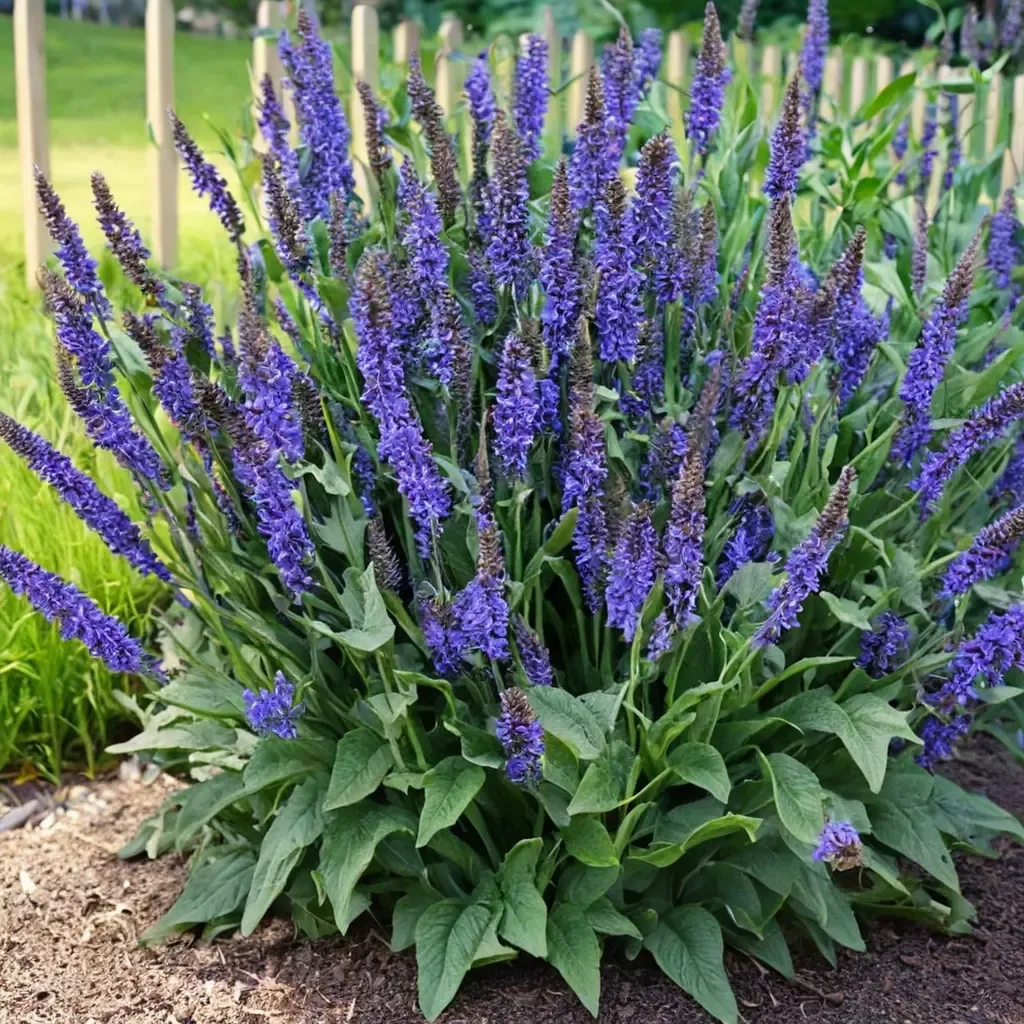
May Night Sage
Salvia nemorosa 'May Night'
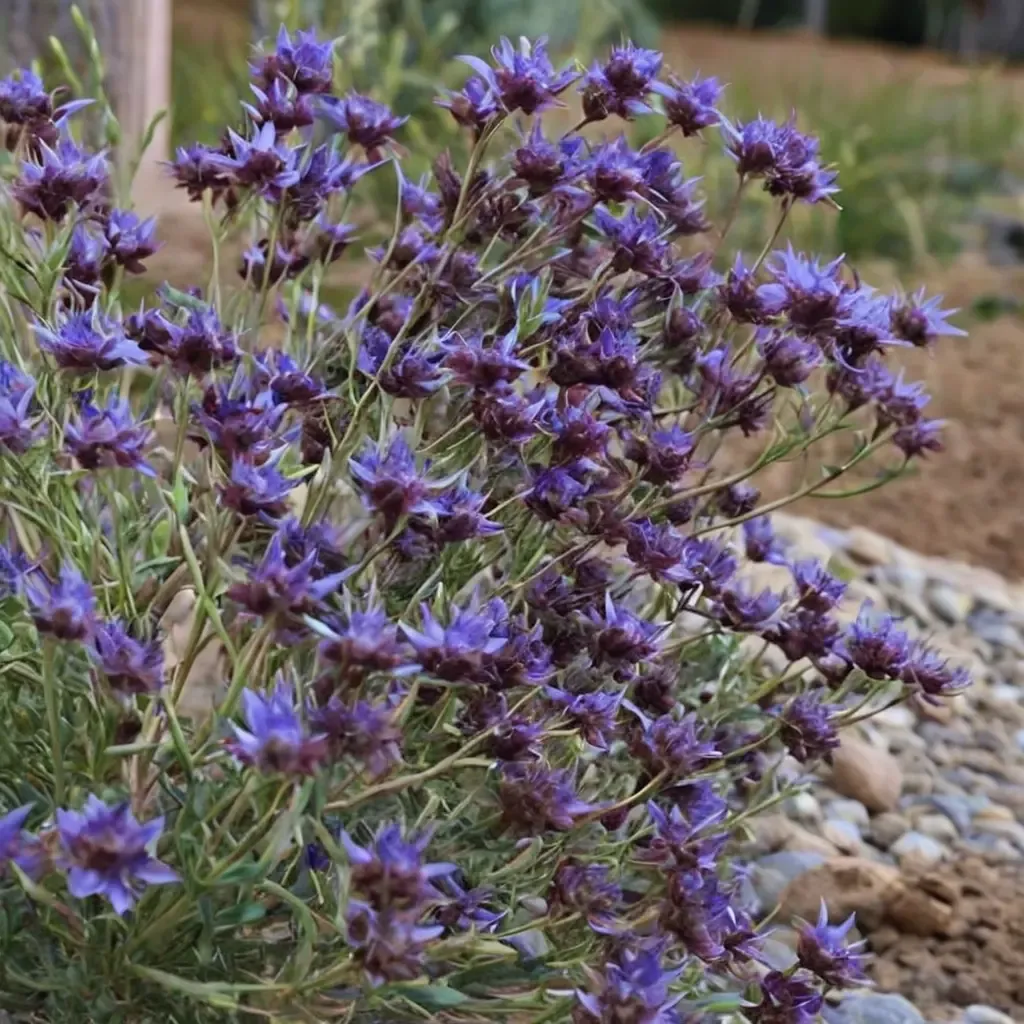
Celestial Blue Sage Wood Sage
Salvia nemorosa 'Celestial Blue'
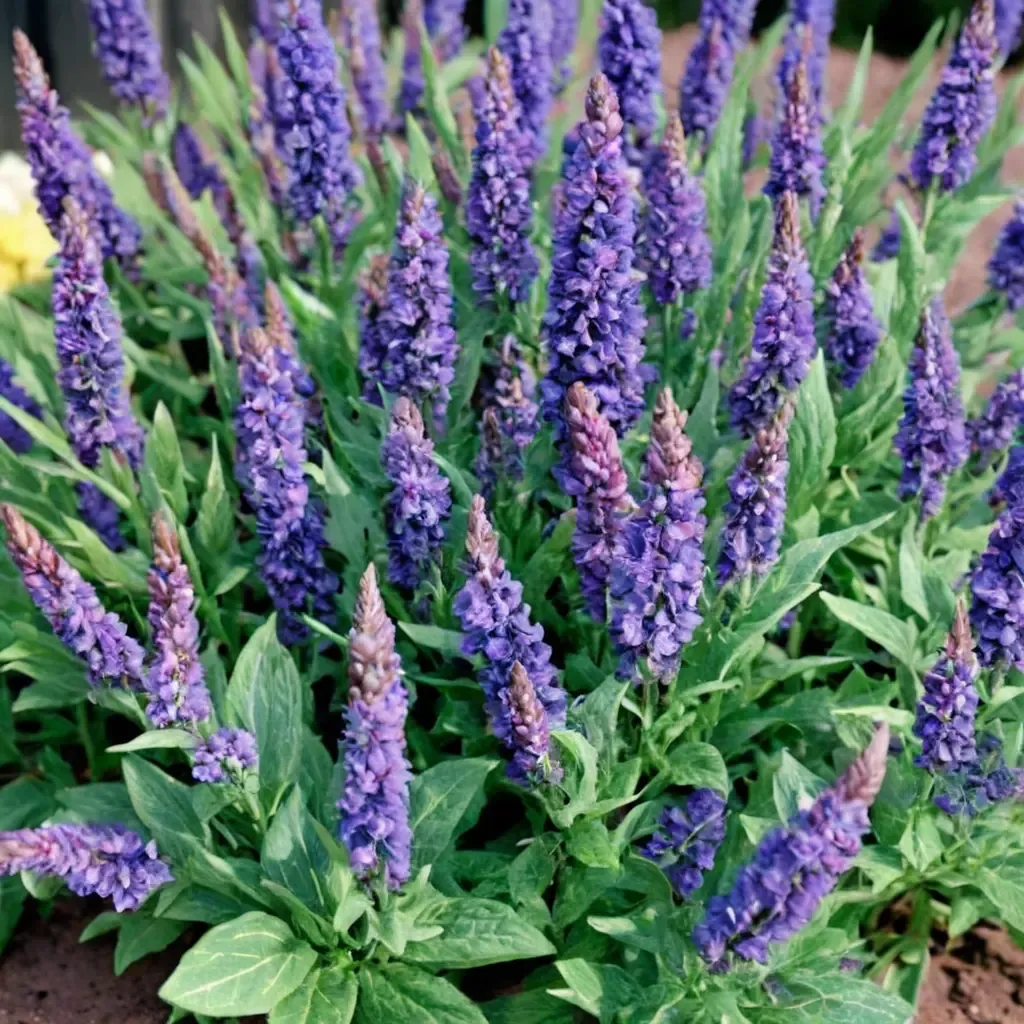
Marcus Woodland Sage
Salvia nemorosa 'Marcus'
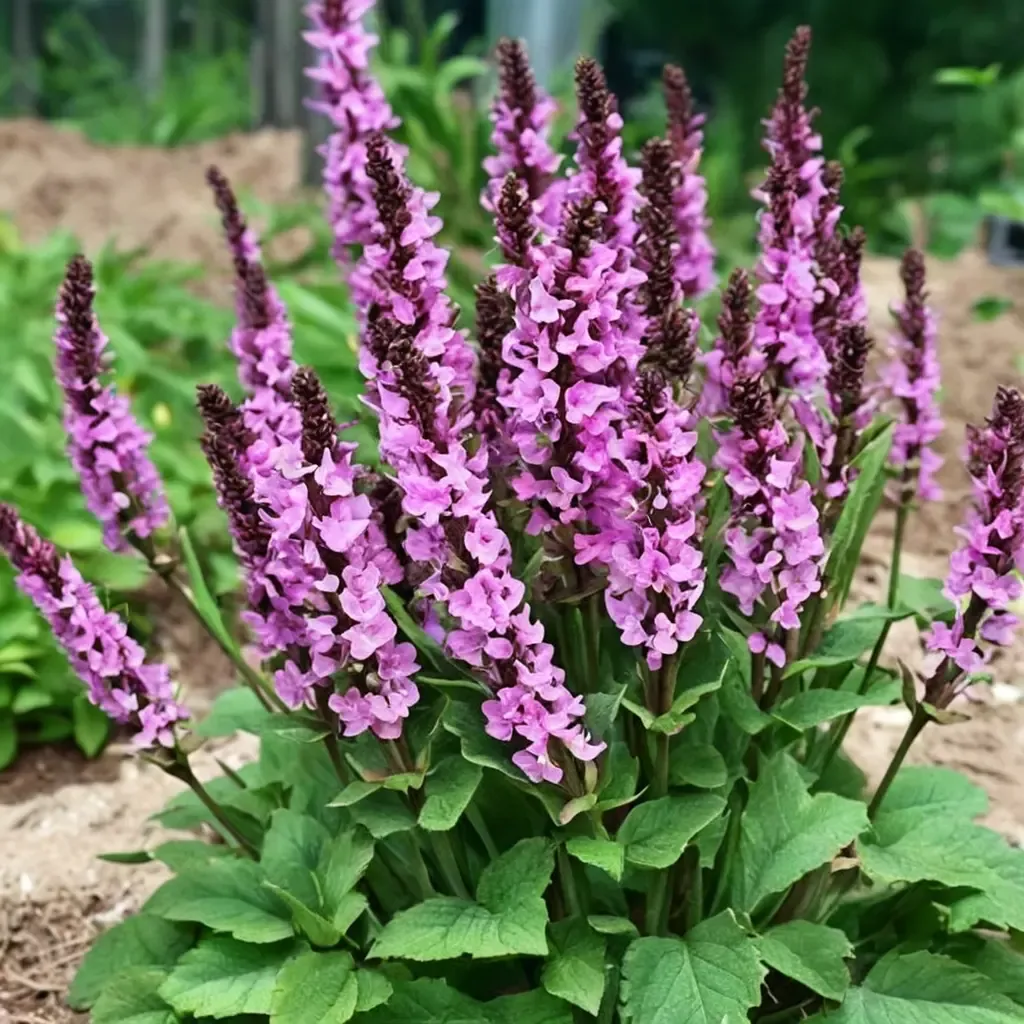
Rose Marvel Sage
Salvia nemorosa 'Rose Marvel'
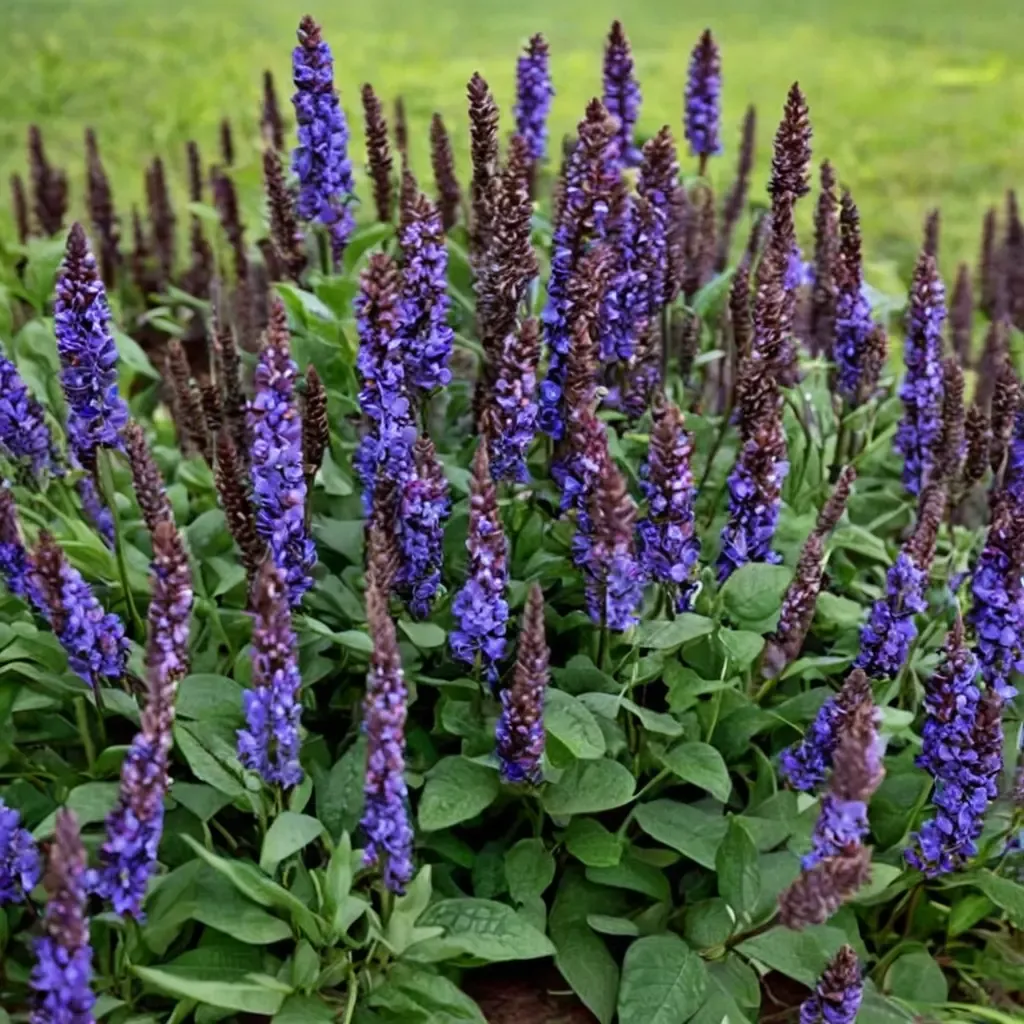
Bumbleblue Sage
Salvia nemorosa 'Bumbleblue'
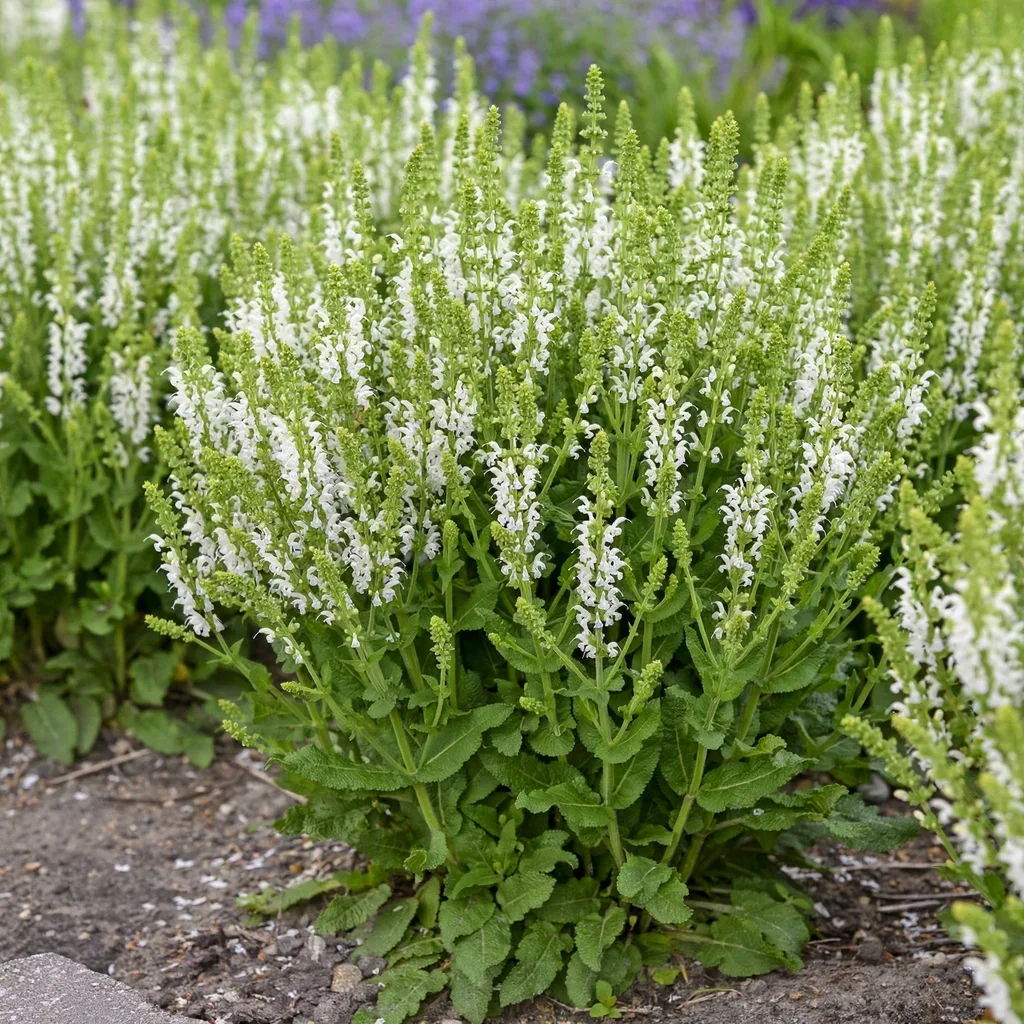
White Profusion Salvia
Salvia x hybrida 'White Profusion'
Keep exploring
Explore the genus
Hardy in your zone?
Grow Caucasus Sage with confidence
See it in a design of your actual yard, get zone-matched care reminders, and track it season by season in your garden journal.