The Story
Plant Bio
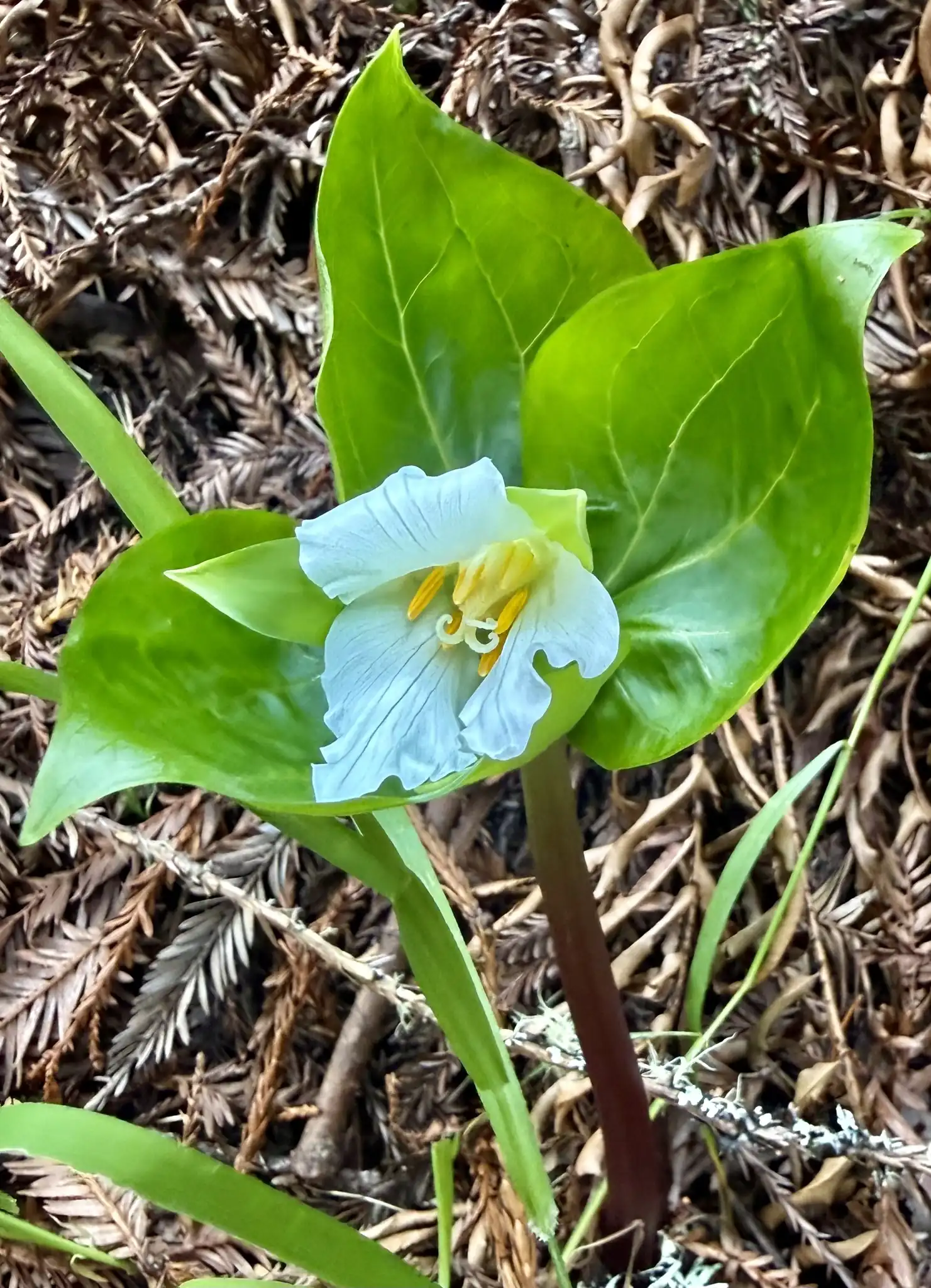
Trillium ovatum is a spring-flowering herbaceous perennial native to moist woodland understories across western North America. It features a single unbranched stem topped by a whorl of three broad leaf-like bracts and a solitary three-petaled flower.
The flowers open pure white and gradually shift to soft pink and deep rose-purple as they age following pollination. Ants disperse the seeds, attracted to the energy-rich elaiosomes attached to their outer coats.
Uses & Benefits:
Essentials
At a Glance
Plant Type
Perennial
Height
18"
Width
12"
Light
Partial Sun, Shade
Zones
5, 6, 7, 8
Water
Consistently moist
Humidity
Moderate
Lifespan
Perennial
Native To
Western North America
Toxicity
Low toxicity if ingested
Bloom period
Early spring – Mid spring
In flower about 2 months of the year
Planting
How to Grow
- Select a sheltered planting location with partial to full shade and humus-rich forest soil.
- Incorporate leaf mold or organic compost to ensure a moist, moisture-retentive substrate with sharp drainage.
- Plant rhizomes horizontally two to three inches deep, placing them with the terminal growth bud pointing upward.
- Mulch lightly with shredded leaves to preserve root moisture and moderate soil temperature through winter.
Pro Tip
Allow yellowing foliage to collapse naturally in mid-summer rather than cutting it back; early foliage removal deprives the underground rhizome of stored reserves required for the next season.
Keep It Thriving
Care Guide
Do
- Keep soil consistently moist throughout the spring growing period.
- Top-dress annually with leaf mold or well-rotted leaf compost in autumn.
- Protect emerging shoots from deer and mollusk browsing in early spring.
Don't
- Do not cut back green or yellowing stems before the plant enters full summer dormancy.
- Do not allow soil to dry out completely or sit in stagnant, waterlogged water.
- Do not apply heavy synthetic chemical fertilizers around delicate rhizomes.
Seasonal Care Calendar
| Task | Jan | Feb | Mar | Apr | May | Jun | Jul | Aug | Sep | Oct | Nov | Dec |
|---|---|---|---|---|---|---|---|---|---|---|---|---|
| Mulch | ||||||||||||
| Pest Check | ||||||||||||
| Propagate | ||||||||||||
| Spring Cleanup |
Watch Out For
Pests & Diseases
Common Pests
Common Diseases
In the Garden
Landscape Uses & Companions
Landscape Uses
Companion Plants
Multiply
Propagation Methods
Good to Know
Common Questions
Pacific Trillium questions
What zones can Pacific Trillium grow in?
Pacific Trillium is hardy in USDA Zones 5–8: in that range it survives winter in the ground. Colder than Zone 5, grow it in a container you can move to shelter for the winter, or as an annual. Warmer than Zone 8, winter isn't the problem: it prefers colder winters, and summer heat can shorten its life.
Is Pacific Trillium deer resistant?
Not reliably. Deer may browse Pacific Trillium, especially tender spring growth — plan on repellents or fencing where pressure is high.
When does Pacific Trillium bloom?
Pacific Trillium typically blooms in early to mid-spring. Exact timing shifts a week or two with your zone — Sow's bloom calendar maps it to your garden.
Does Pacific Trillium need full sun?
Pacific Trillium does best in part shade.
More Trillium to compare
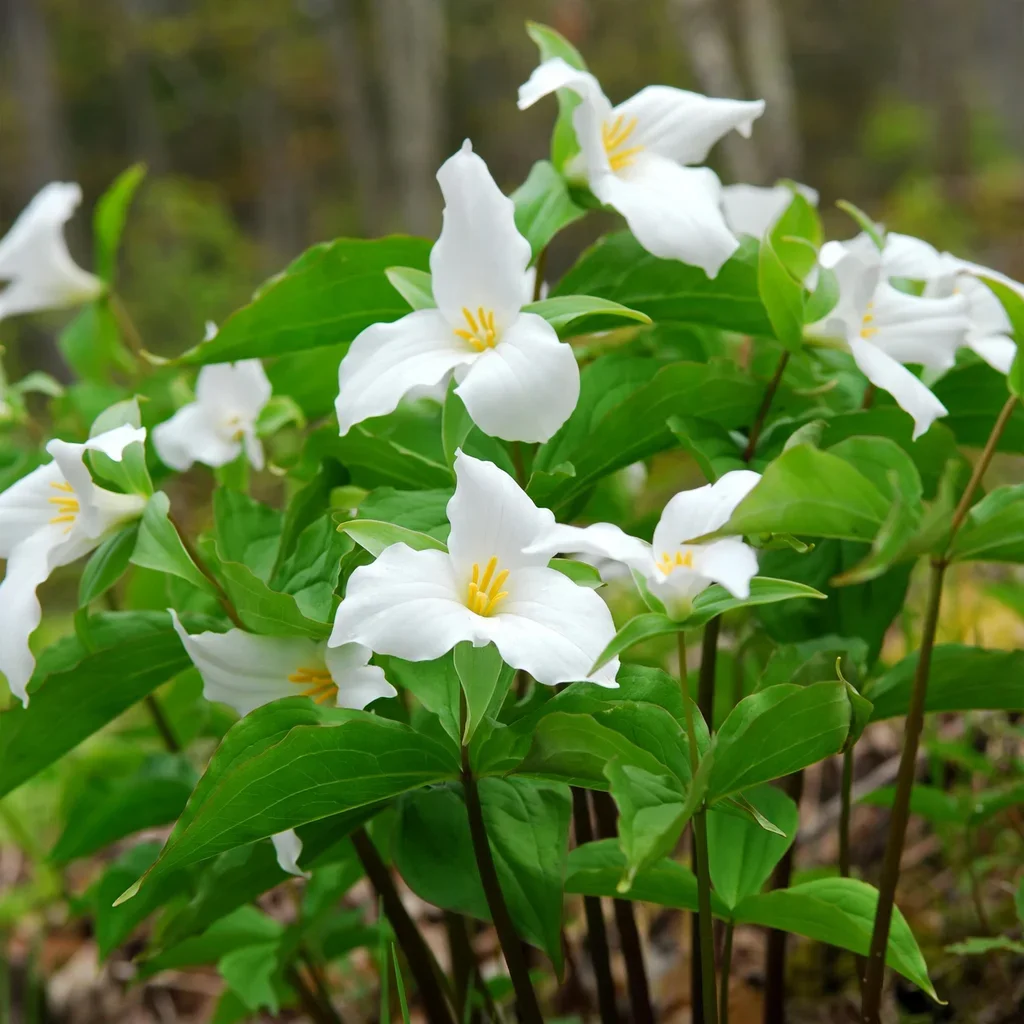
Great White Trillium
Trillium grandiflorum
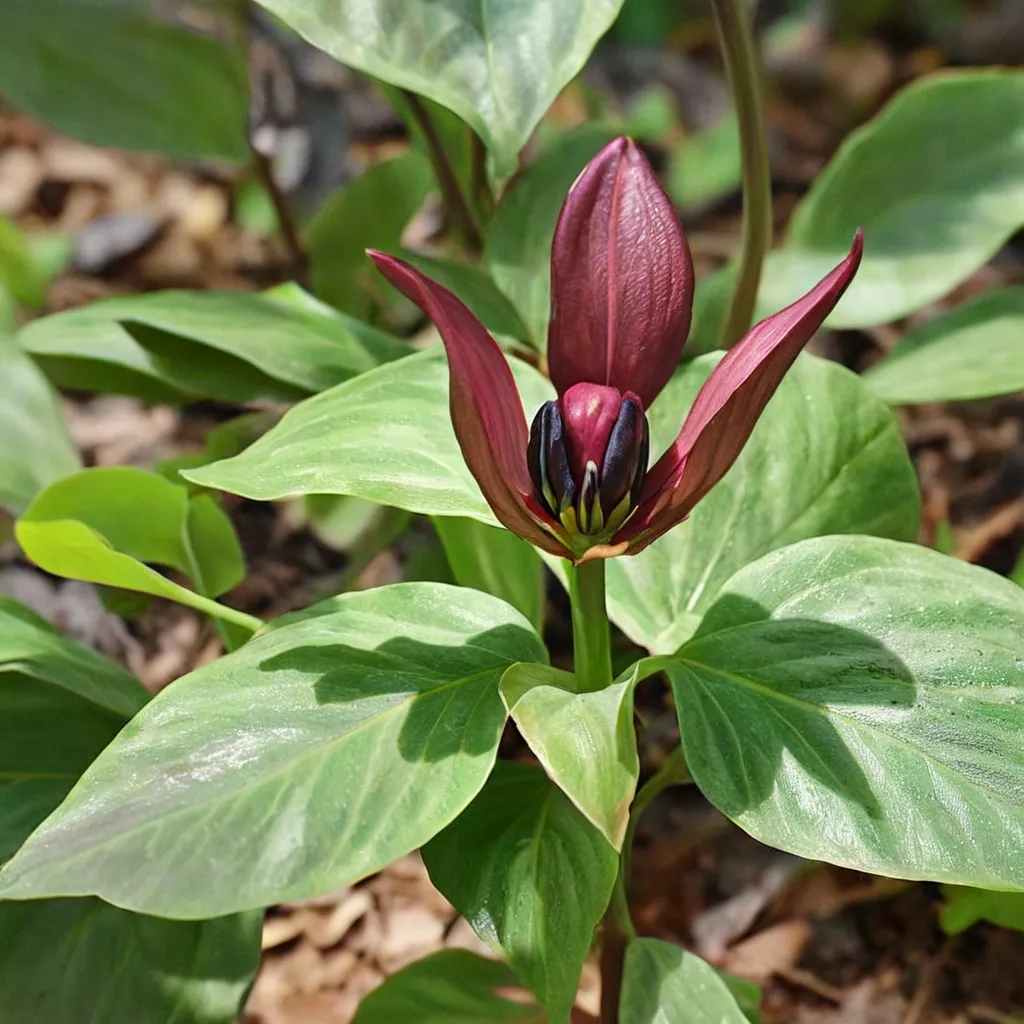
Missouri form Large-flowered Trillium
Trillium recurvatum 'Missouri form'
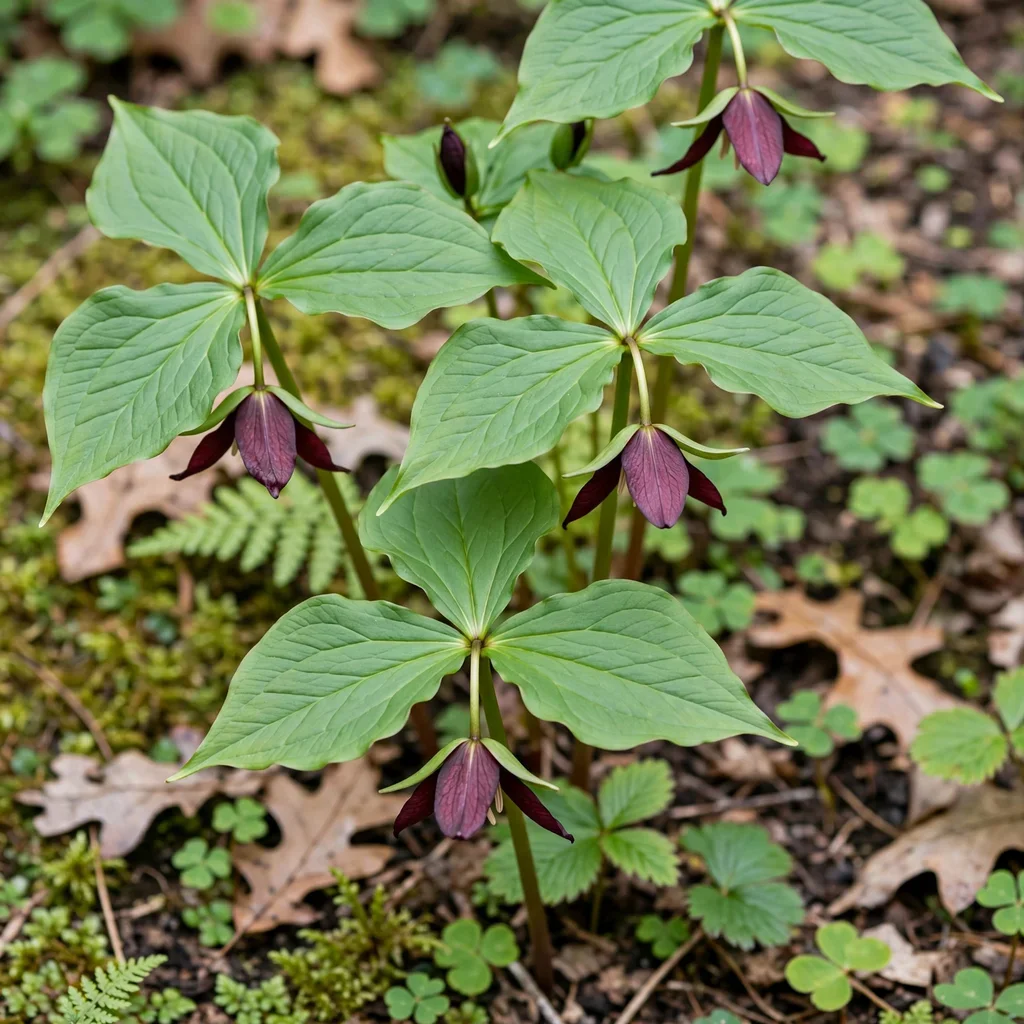
Vasey's Trillium
Trillium vaseyi
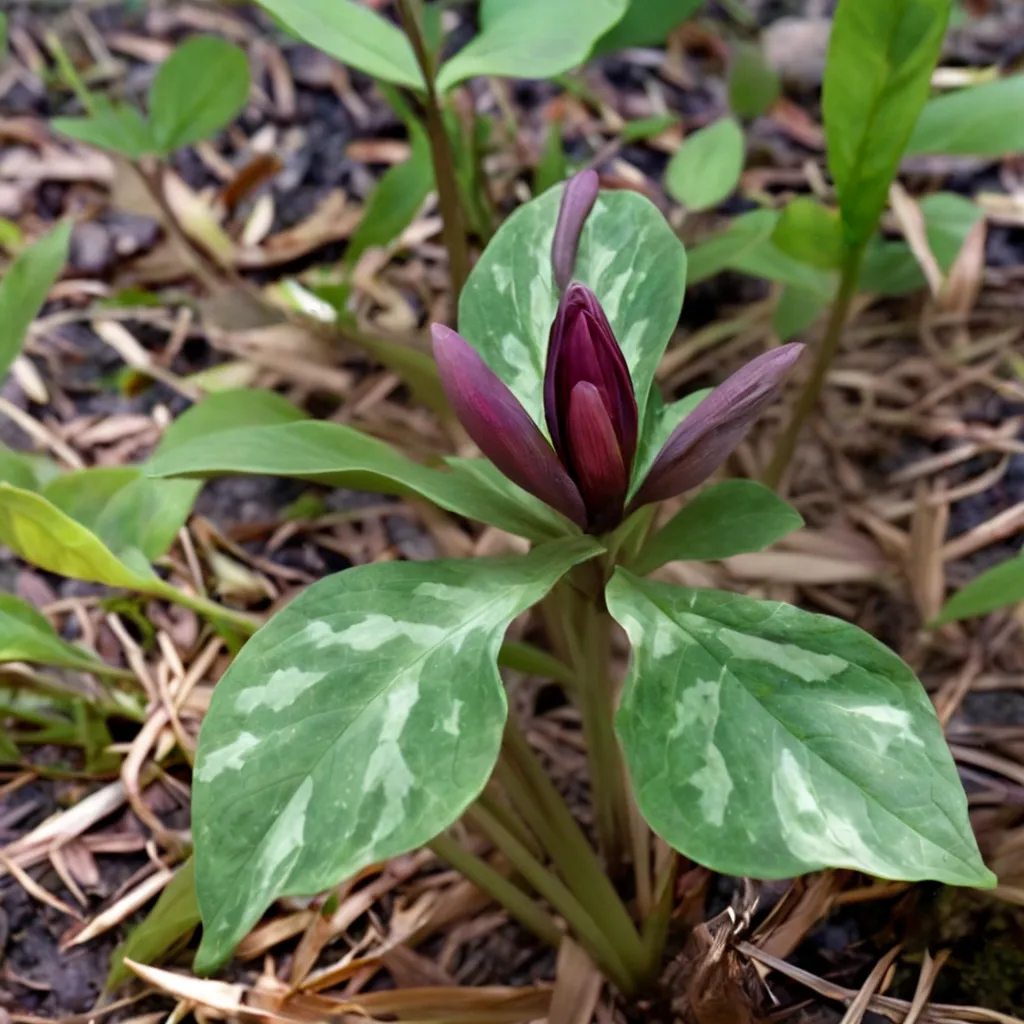
Toadshade
Trillium cuneatum
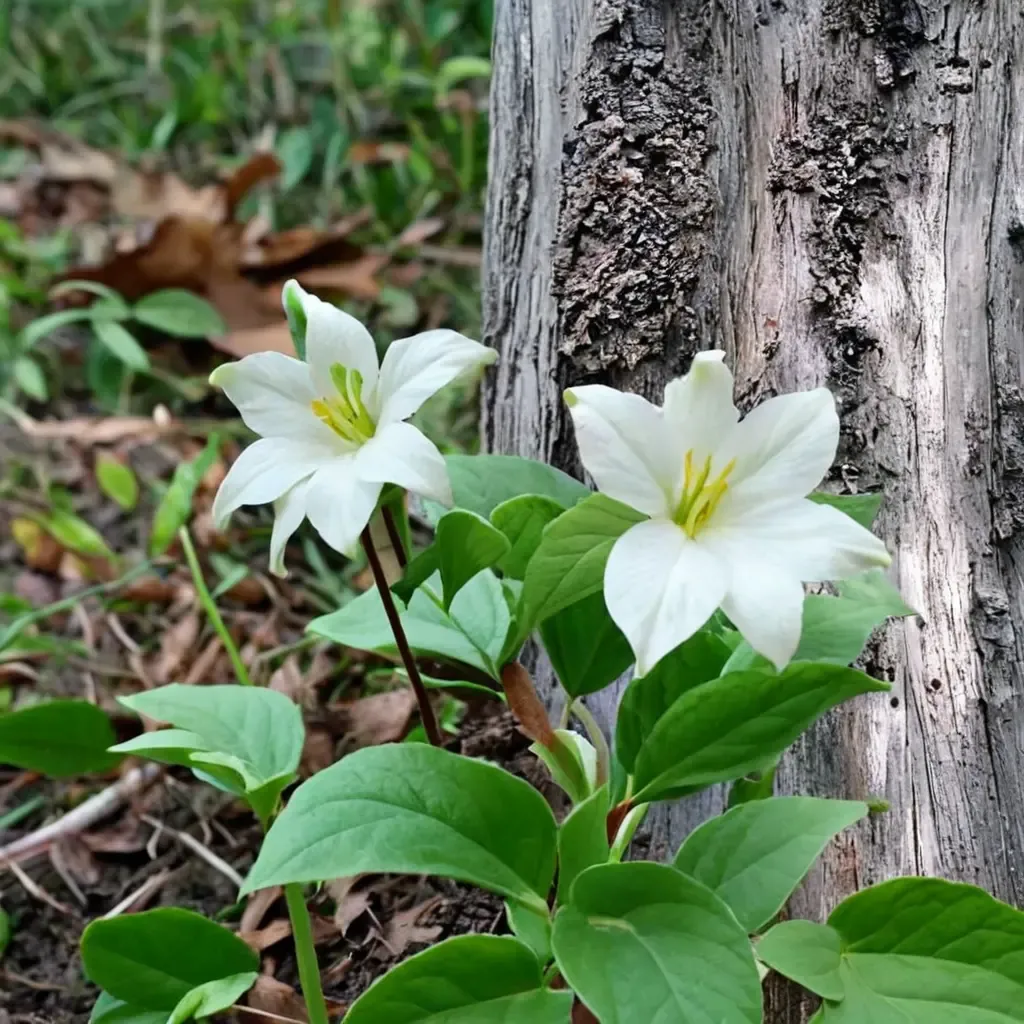
Large-flowered Trillium
Trillium grandiflorum 'Mix'
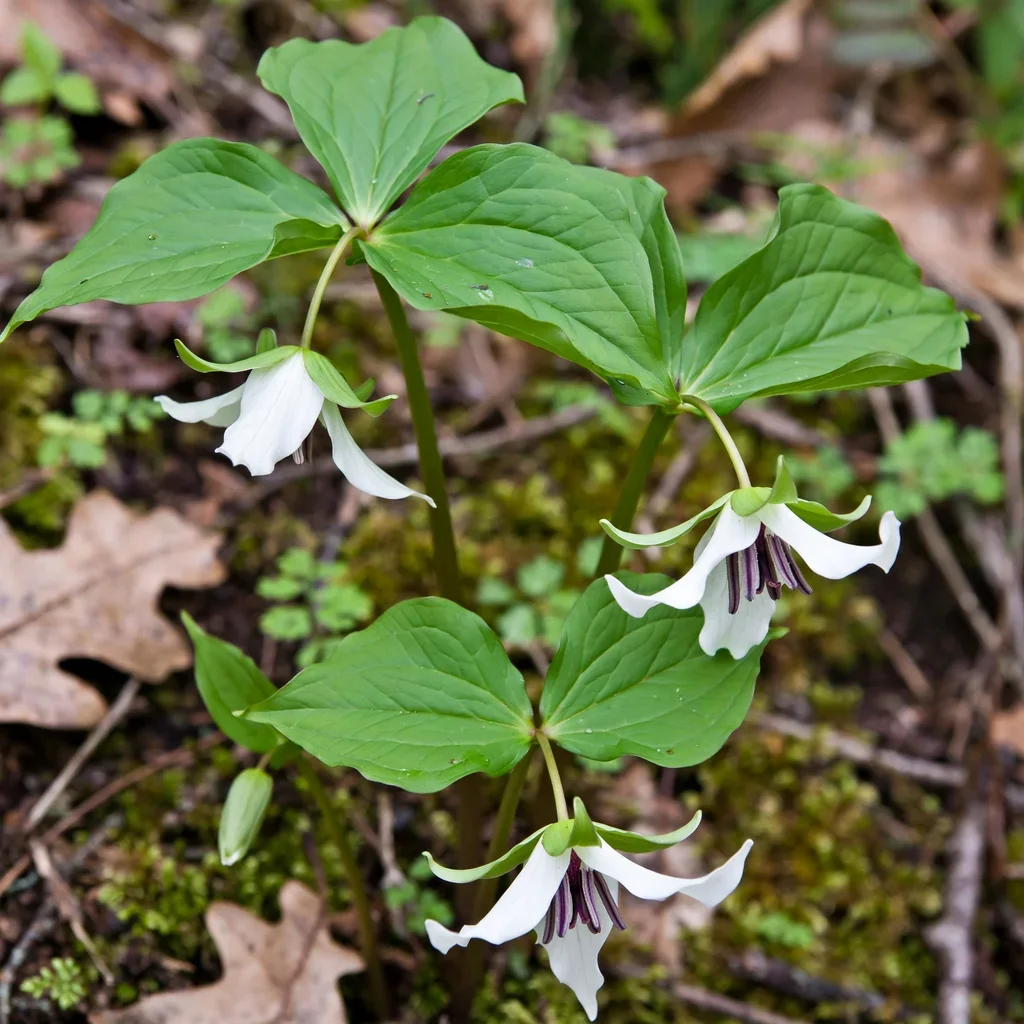
Rugel's Trillium
Trillium rugelii
Keep exploring
Explore the genus
Hardy in your zone?
Grow Pacific Trillium with confidence
See it in a design of your actual yard, get zone-matched care reminders, and track it season by season in your garden journal.