
Species
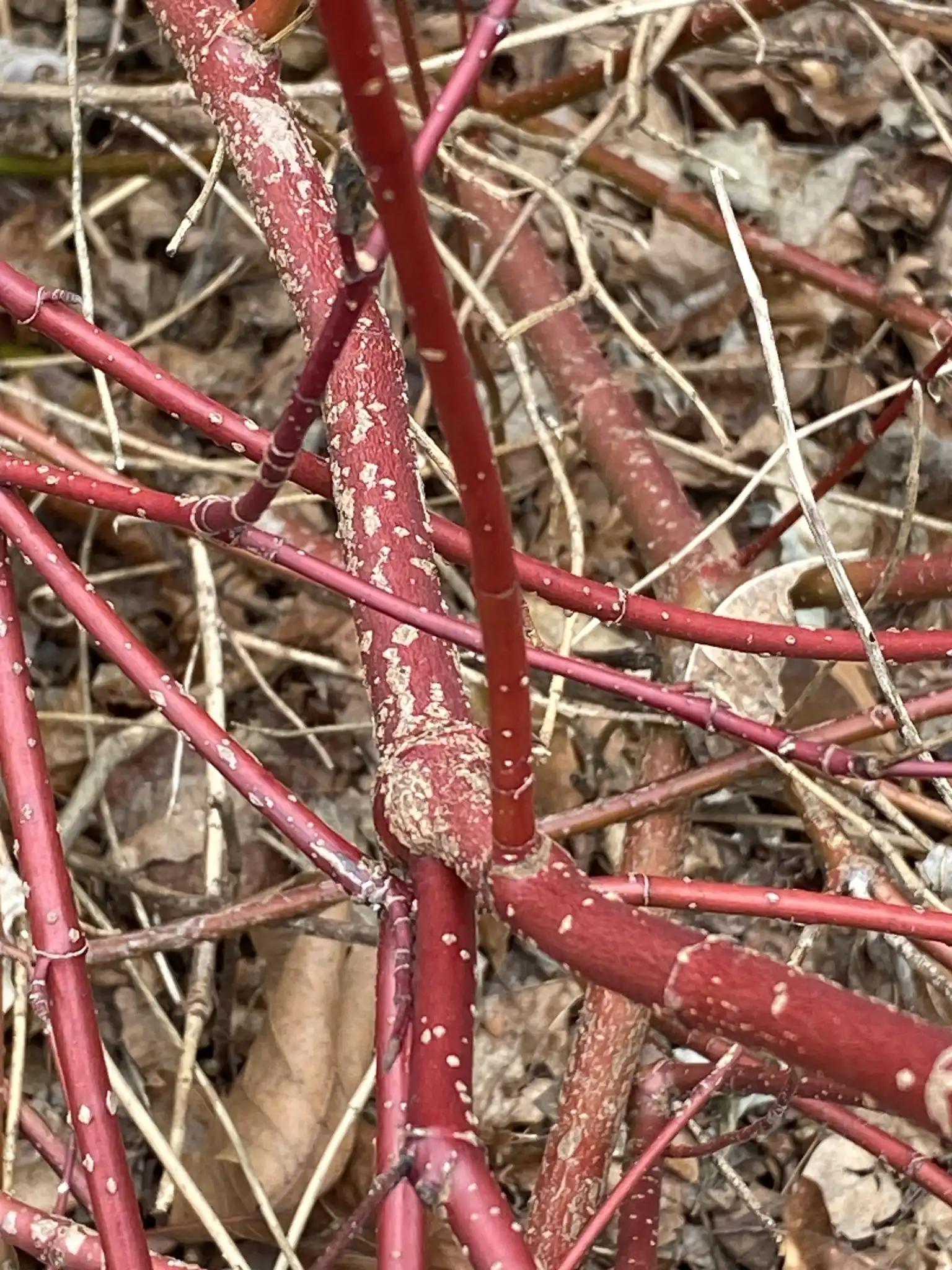 Cornus sericeaRedosier Dogwood
15 other cultivars
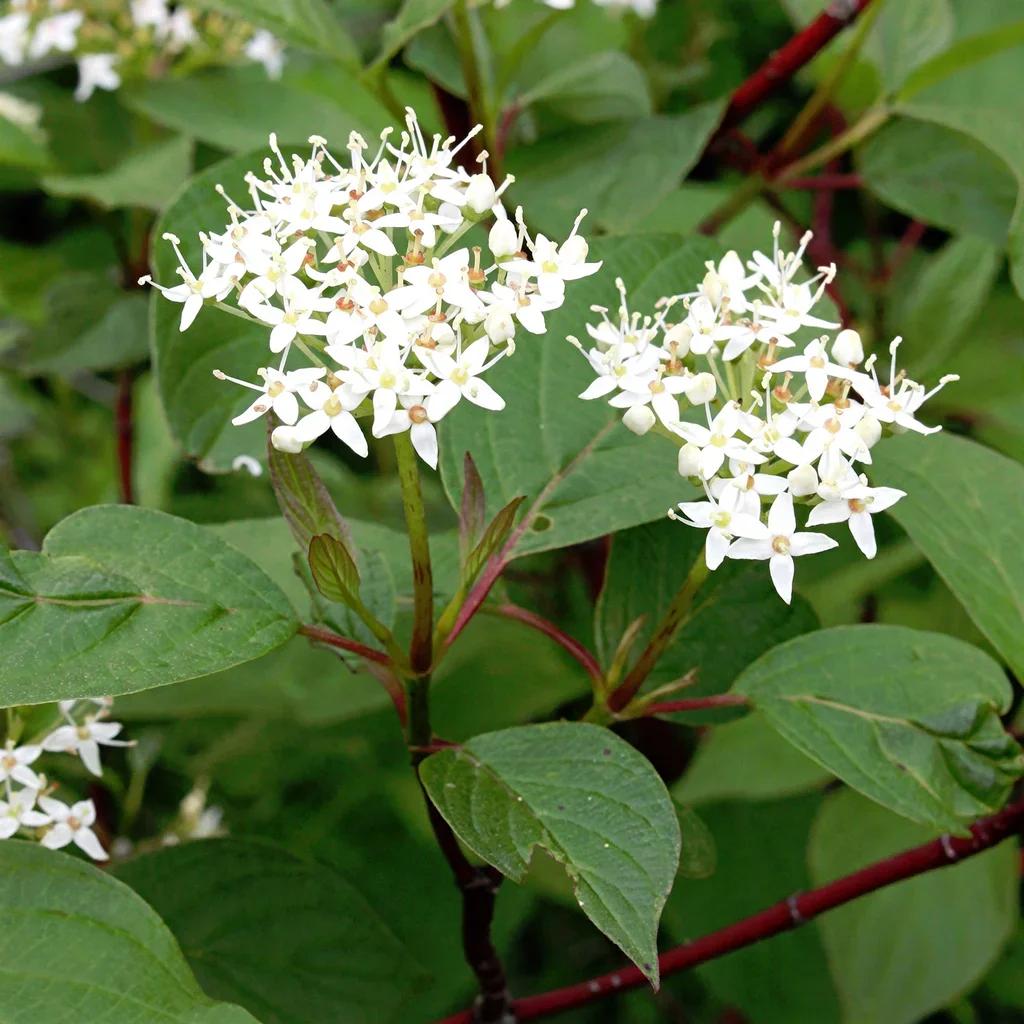 ‘Red Twig’Red Twig Dogwood
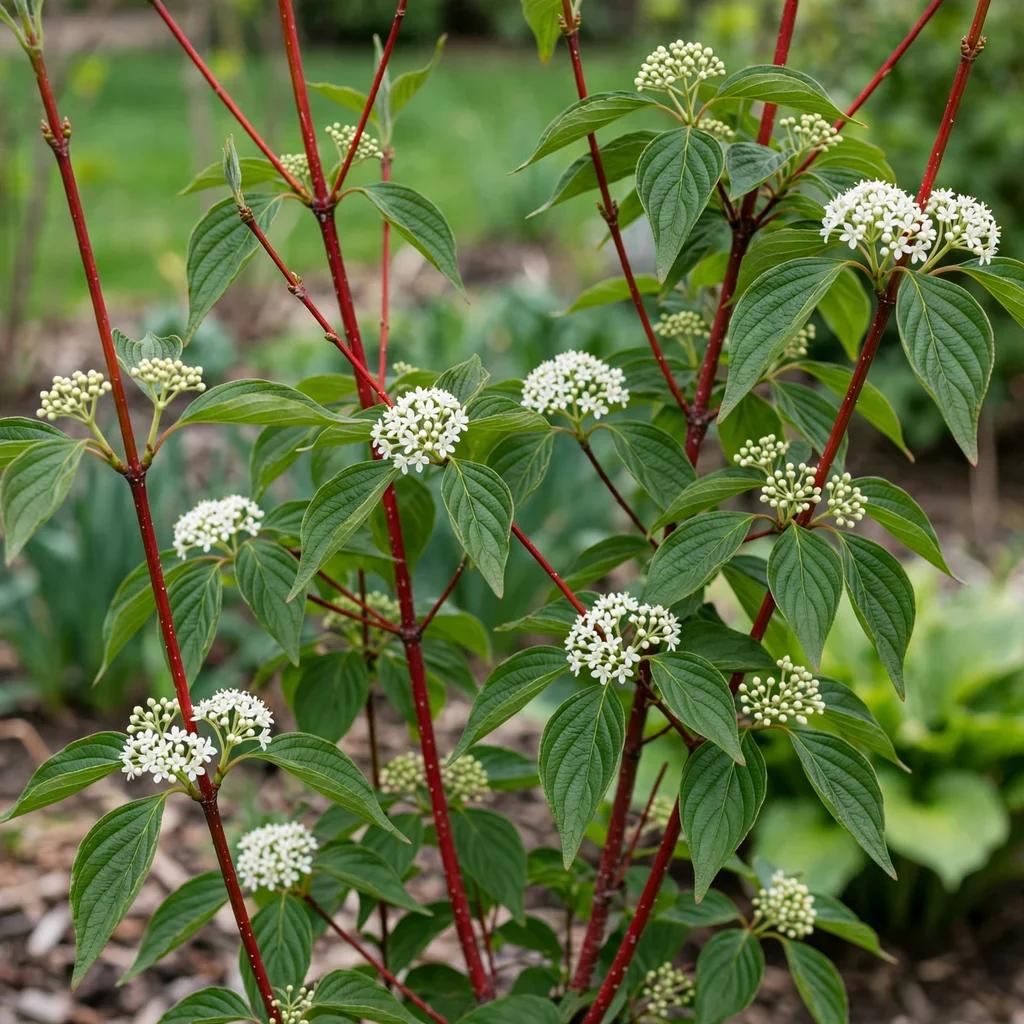 ‘Arctic Fire’Arctic Fire Red Osier Dogwood
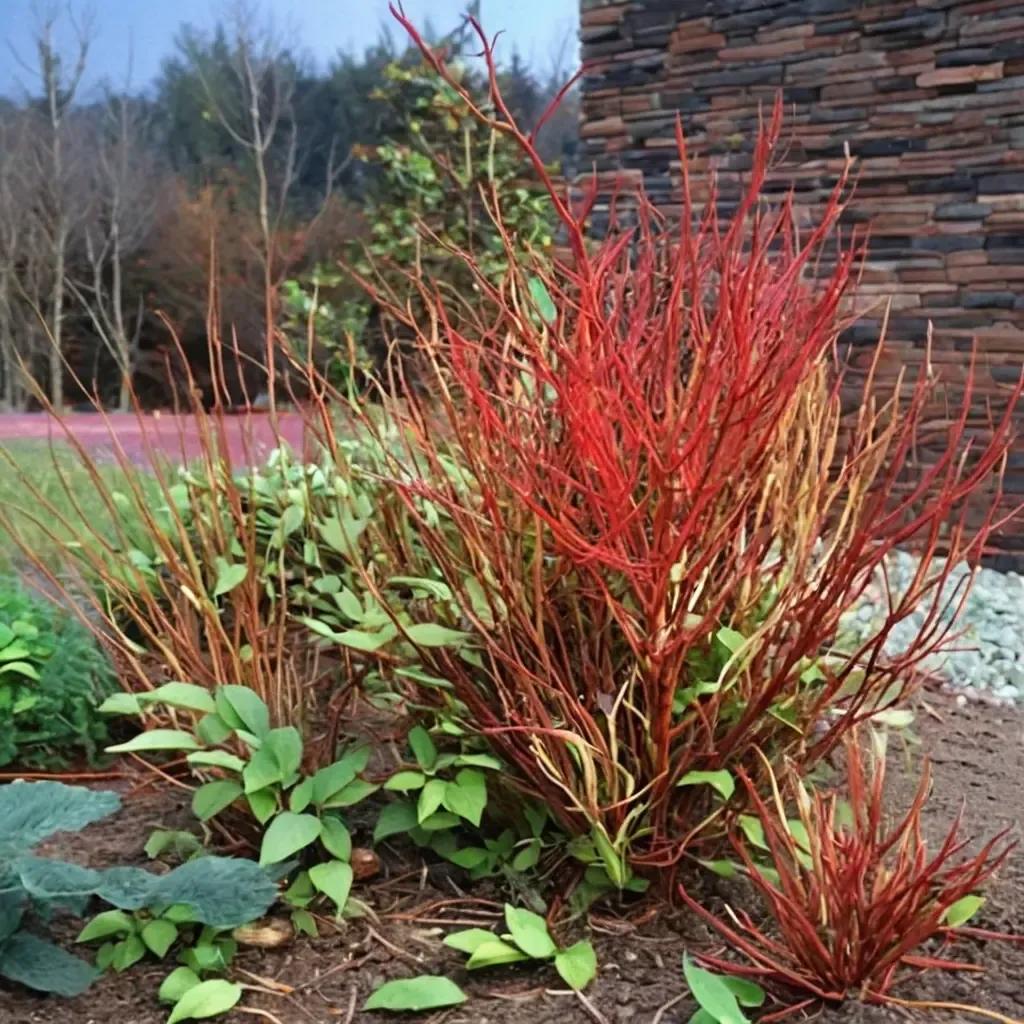 ‘Cardinal’Cardinal Red Osier Dogwood
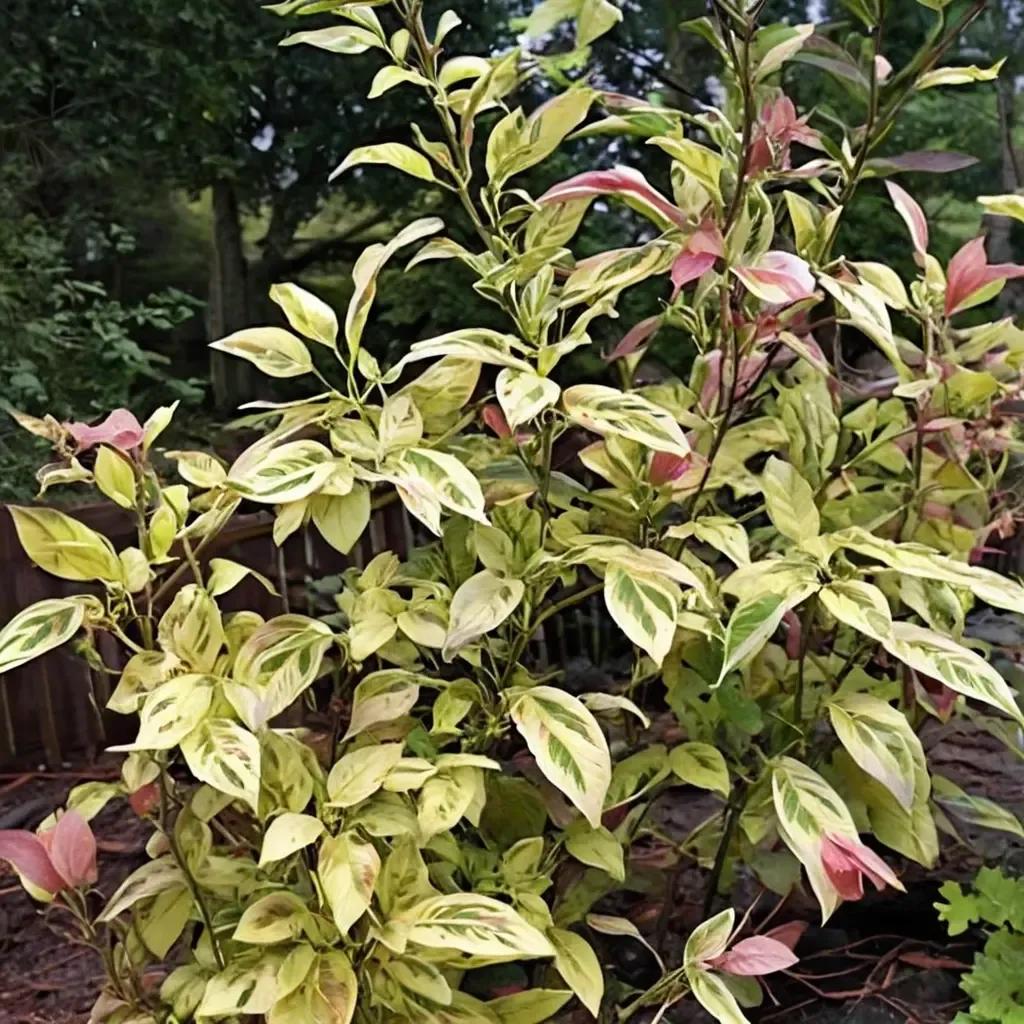 ‘Golden Dogwood’Golden Dogwood
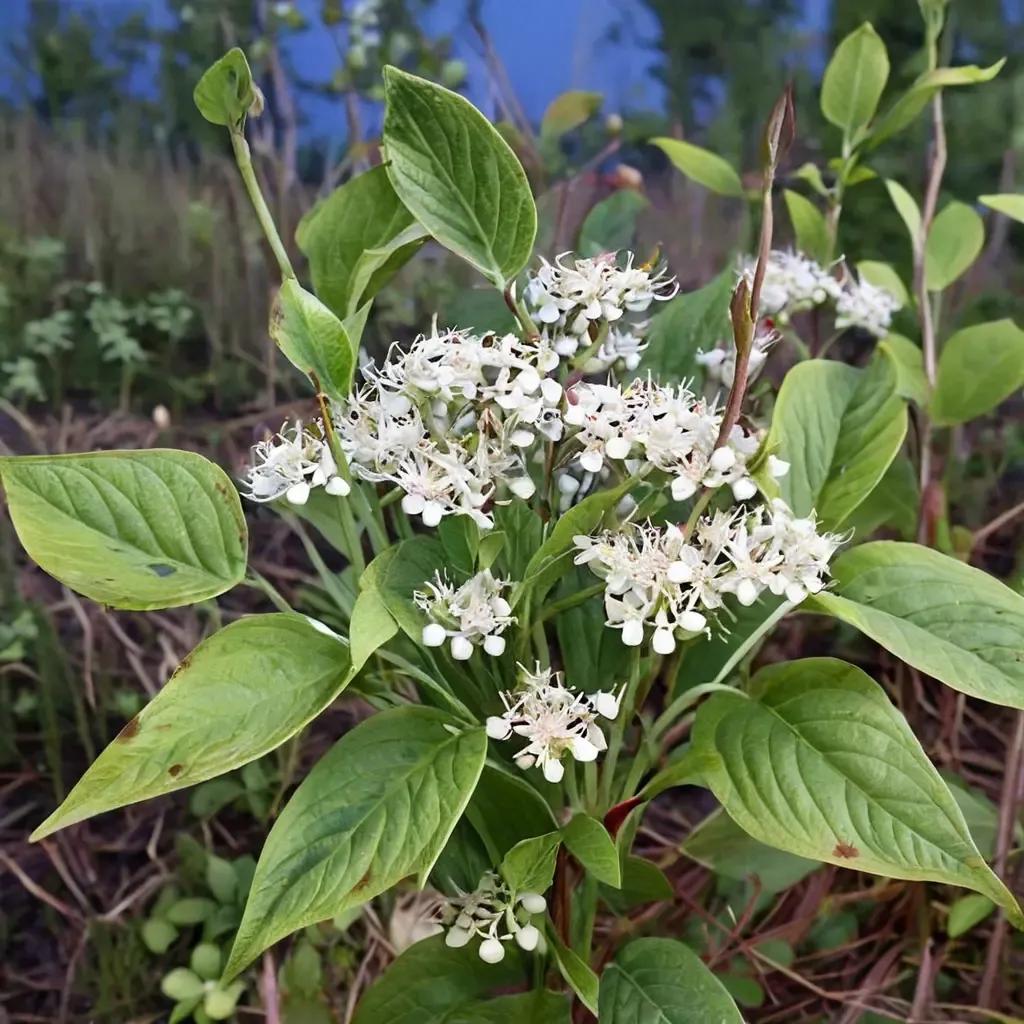 ‘For the Birds’For the Birds Red Osier Dogwood
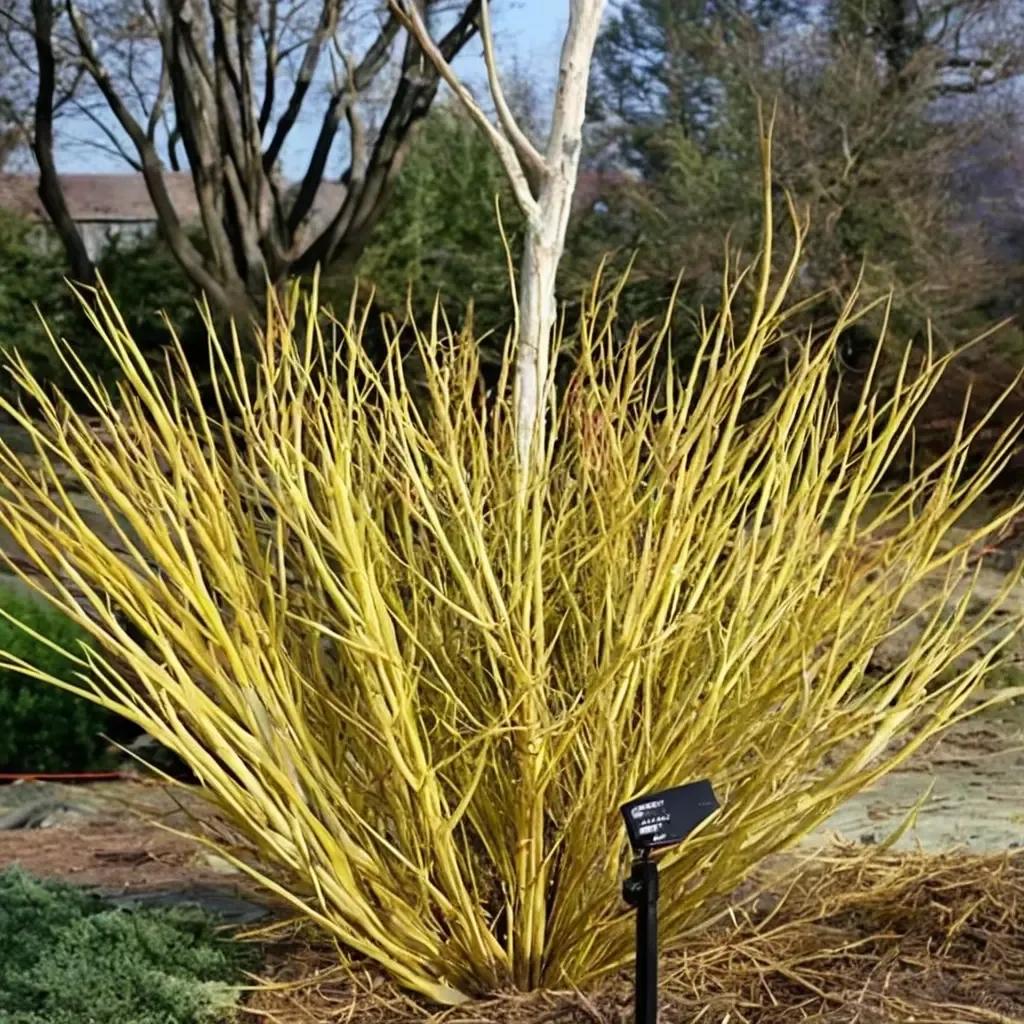 ‘Budd's Yellow Twig’Budd's Yellow Twig Dogwood
 ‘Bud’Bud's Yellow Twig Dogwood
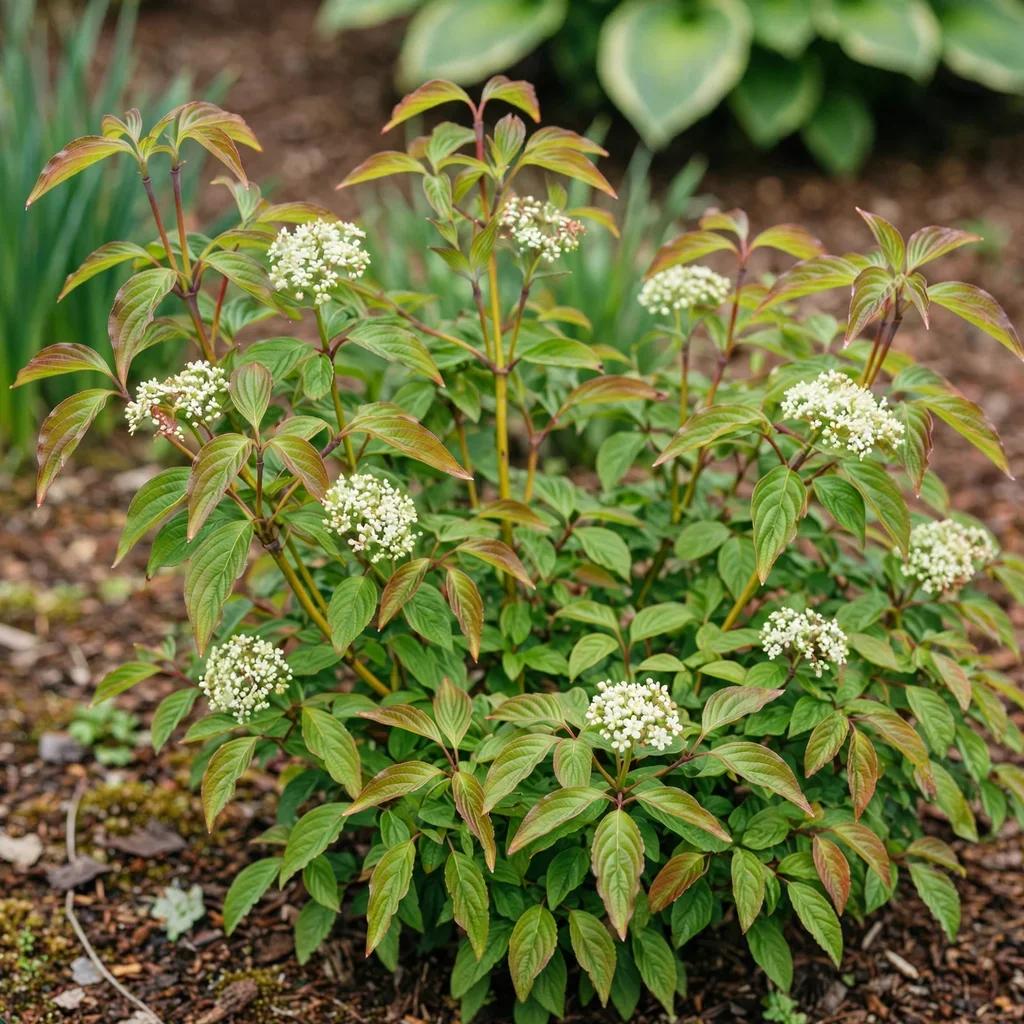 ‘Kelseyi’Kelsey Dogwood
 ‘Farrow’Arctic Fire Red Twig Dogwood
 ‘Isanti’Isanti Red-Osier Dogwood
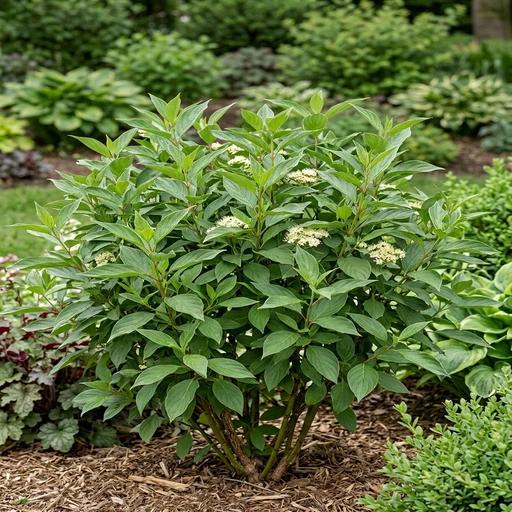 ‘Firedance’Firedance Dogwood
 ‘Bergeson Compact’Bergeson Compact Dogwood
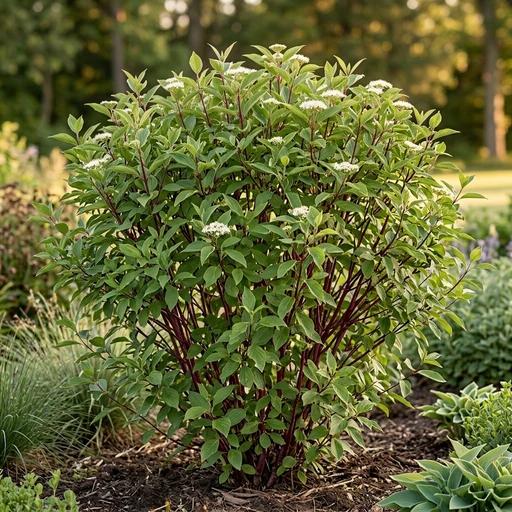 ‘Allemans Dwarf’Alleman's Dwarf Redosier Dogwood
 ‘Flaviramea’Yellow Twig Dogwood
 ‘Arctic Fire Yellow’Arctic Fire Yellow Dogwood
The Story
Plant Bio
Cornus sericea is a multi-stemmed deciduous shrub native to moist thickets, riverbanks, and wetland edges across North America. It produces dense, flat-topped clusters of small white flowers in late spring followed by white fruits that feed songbirds into winter.
'Baileyi' is distinguished by its tidy, clump-forming habit that refrains from aggressive underground suckering spread. Its foliage turns deep purple-red in fall, and young winter stems display brilliant bright crimson bark that dulls on older wood.
Uses & Benefits:
Essentials
At a Glance
Plant Type
Shrub
Height
96"
Width
96"
Light
Full Sun, Partial Sun
Zones
4, 5, 6, 7, 8
Water
Medium to High
Humidity
High
Lifespan
Perennial
Native To
North America
Toxicity
Non-toxic
Bloom period
Late spring – Summer
In flower about 4 months of the year
Planting
How to Grow
- Select a planting site in full sun or partial shade with moist, fertile soil.
- Set the plant at the same soil depth as its nursery container and water thoroughly.
- Apply a 2- to 3-inch layer of organic mulch around the root zone to hold soil moisture.
- Prune out older, thick stems near soil level in late winter to force new red stems.
Pro Tip
Cut back one-third of the oldest stems to the ground each late winter; vibrant red bark forms only on young stem growth.
Keep It Thriving
Care Guide
Do
- Keep soil consistently moist, especially during hot summer periods.
- Prune older wood back in late winter to maintain vivid winter stem color.
- Mulch the root zone to retain moisture and regulate soil temperature.
Don't
- Do not allow soil around newly planted shrubs to dry out completely.
- Avoid leaving thick stems unpruned for multiple years as stem color turns gray-brown.
- Do not overhead water late in the day to minimize foliage fungal infections.
Seasonal Care Calendar
| Task | Jan | Feb | Mar | Apr | May | Jun | Jul | Aug | Sep | Oct | Nov | Dec |
|---|---|---|---|---|---|---|---|---|---|---|---|---|
| Mulch | ||||||||||||
| Pest Check | ||||||||||||
| Prune | ||||||||||||
| Spring Cleanup |
Watch Out For
Pests & Diseases
Common Pests
Common Diseases
In the Garden
Landscape Uses & Companions
Landscape Uses
Companion Plants
Multiply
Propagation Methods
Good to Know
Common Questions
Redosier Dogwood questions
What zones can Redosier Dogwood grow in?
Redosier Dogwood is hardy in USDA Zones 4–8. Inside that range it survives winter in the ground; outside it, grow it as an annual or a container plant you protect.
Is Redosier Dogwood deer resistant?
Not reliably. Deer may browse Redosier Dogwood, especially tender spring growth — plan on repellents or fencing where pressure is high.
When does Redosier Dogwood bloom?
Redosier Dogwood typically blooms in late spring through summer. Exact timing shifts a week or two with your zone — Sow's bloom calendar maps it to your garden.
Does Redosier Dogwood need full sun?
Redosier Dogwood does best in full sun to part shade. In hot climates, afternoon shade keeps blooms fresher longer.
More Cornus to compare
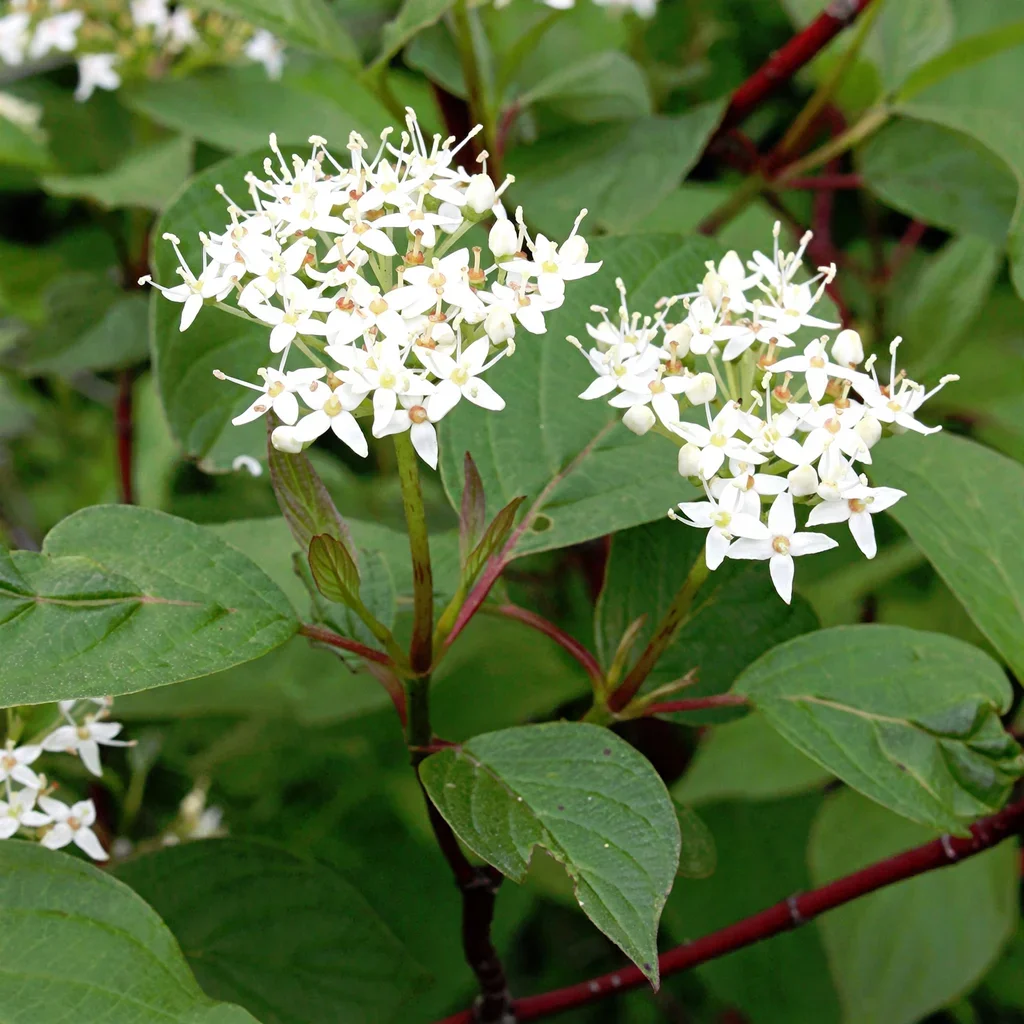
Red Twig Dogwood
Cornus sericea 'Red Twig'
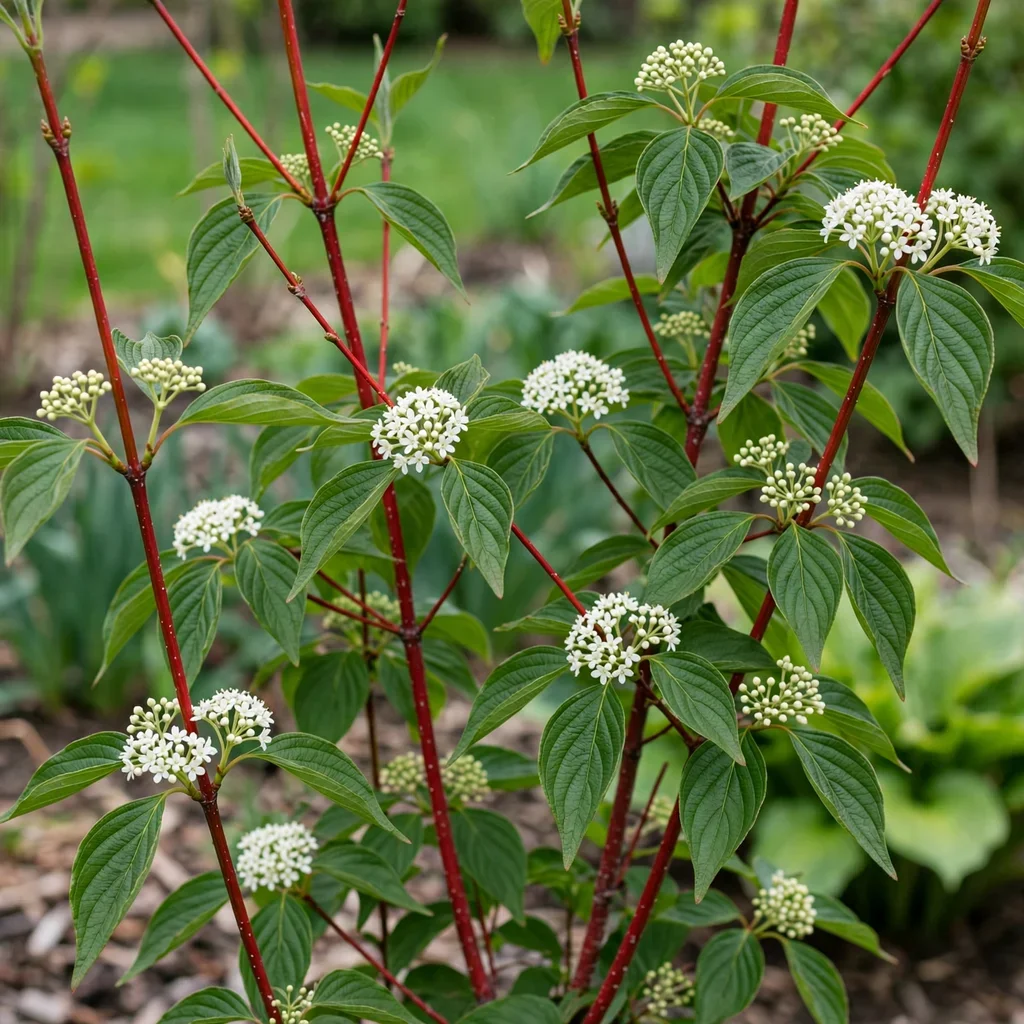
Arctic Fire Red Osier Dogwood
Cornus sericea 'Arctic Fire'
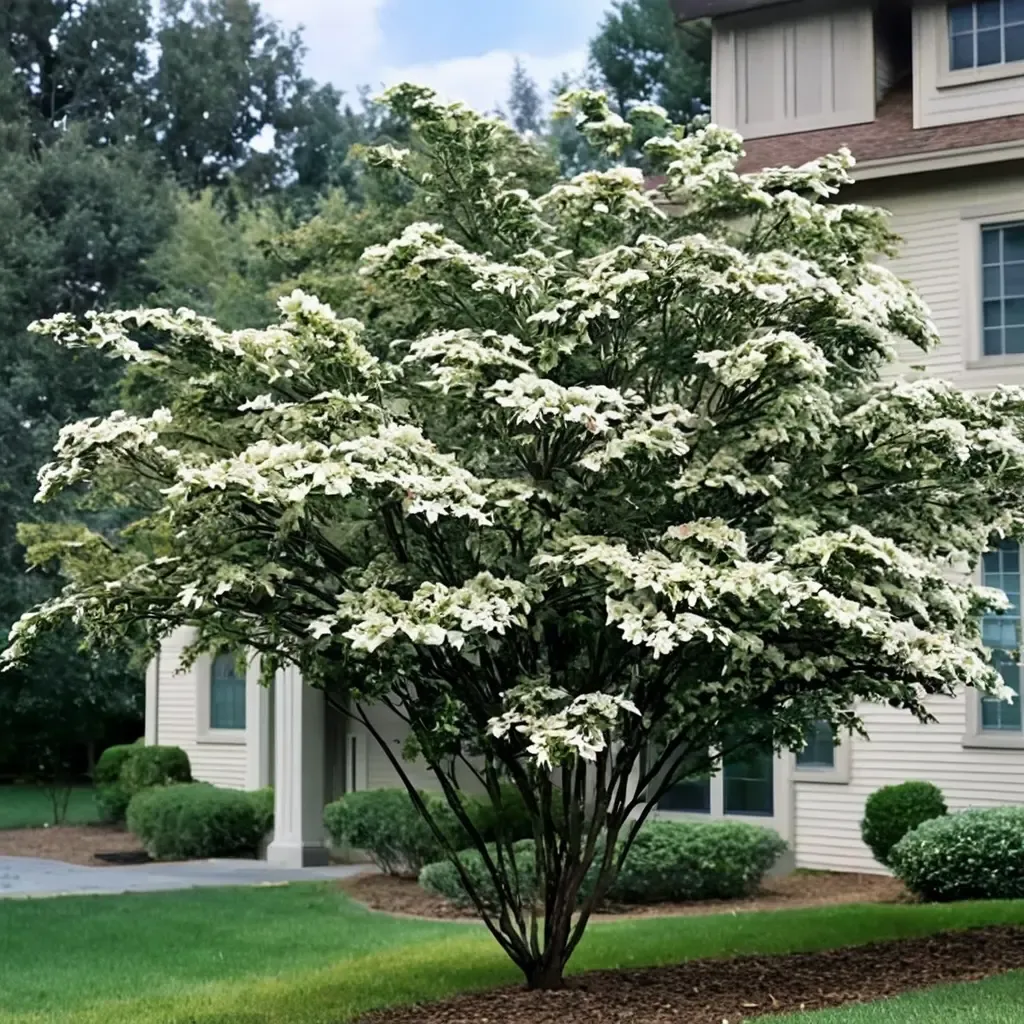
Kousa Dogwood
Cornus kousa
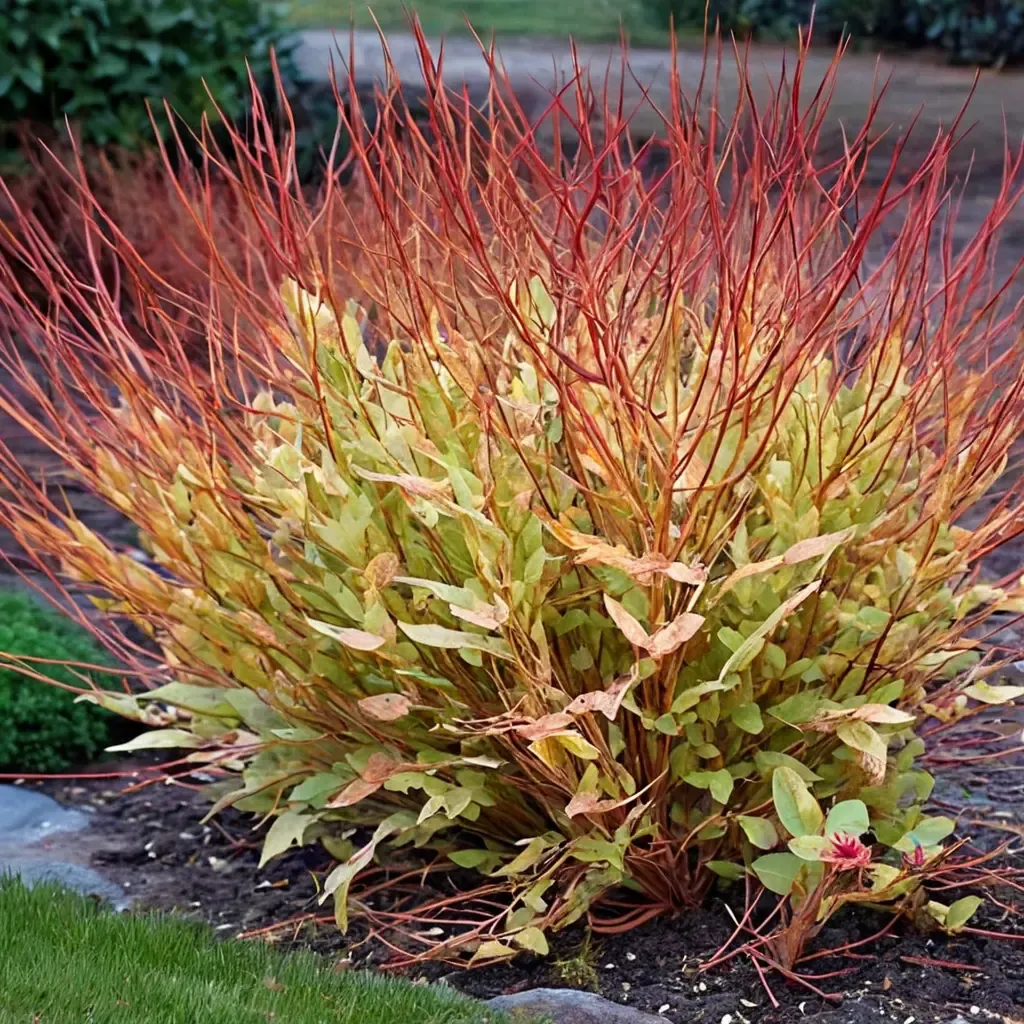
Midwinter Fire Dogwood
Cornus sanguinea 'Midwinter Fire'
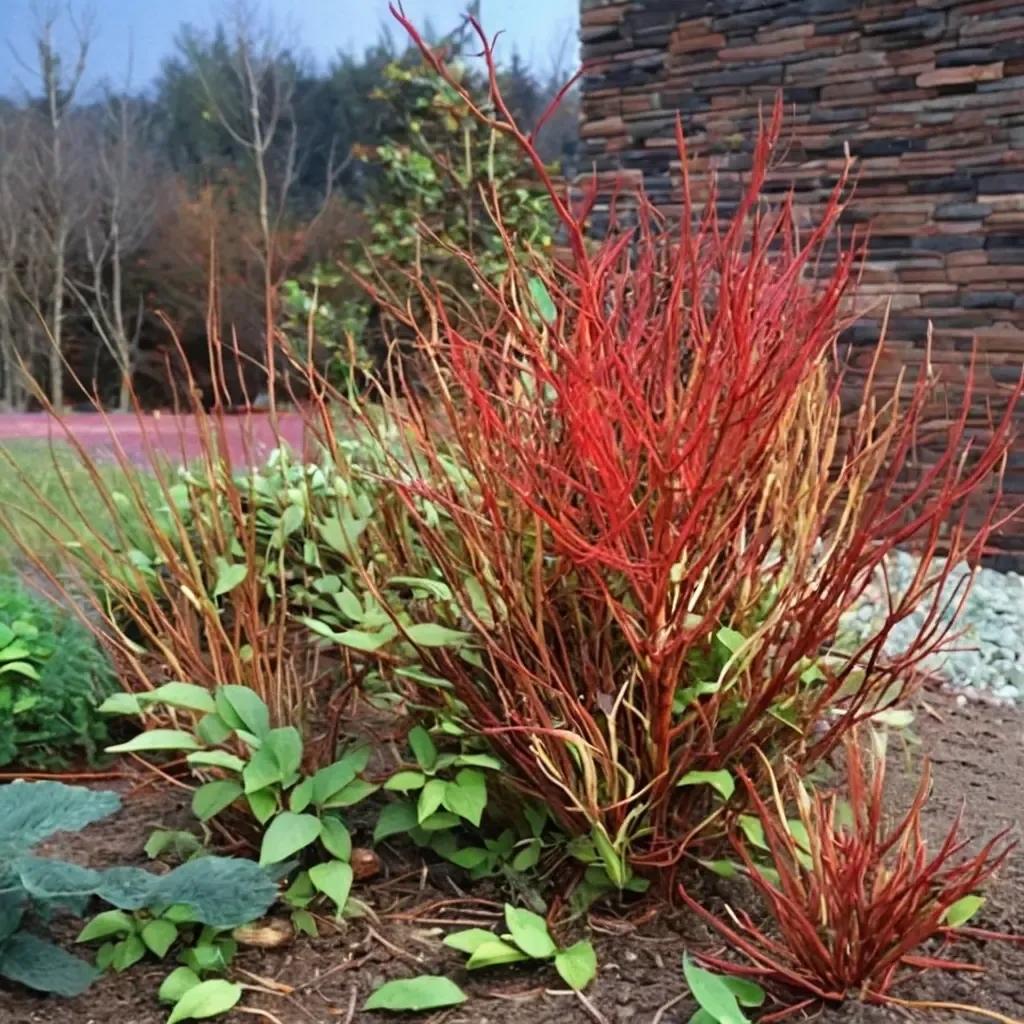
Cardinal Red Osier Dogwood
Cornus sericea 'Cardinal'
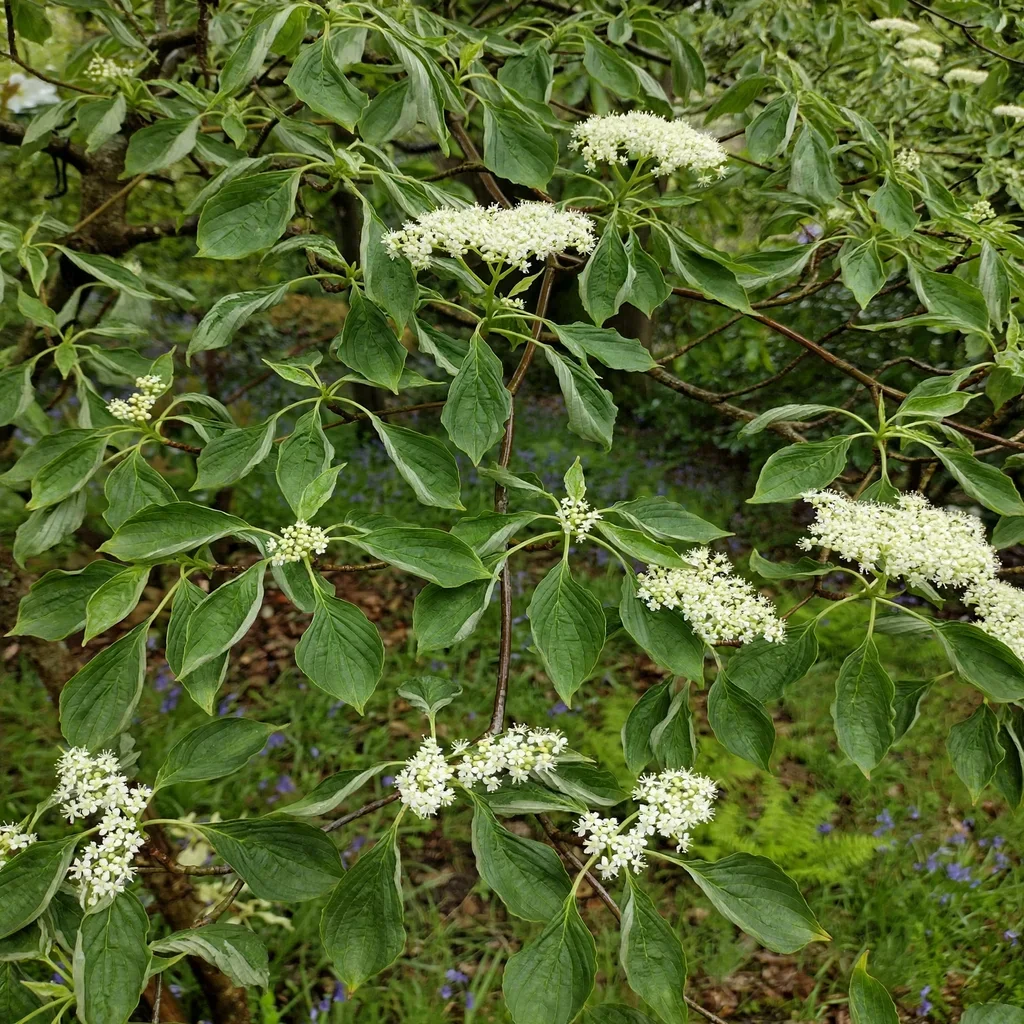
Giant Dogwood
Cornus controversa
Keep exploring
Explore the genus
Hardy in your zone?
Grow Redosier Dogwood with confidence
See it in a design of your actual yard, get zone-matched care reminders, and track it season by season in your garden journal.