
Species
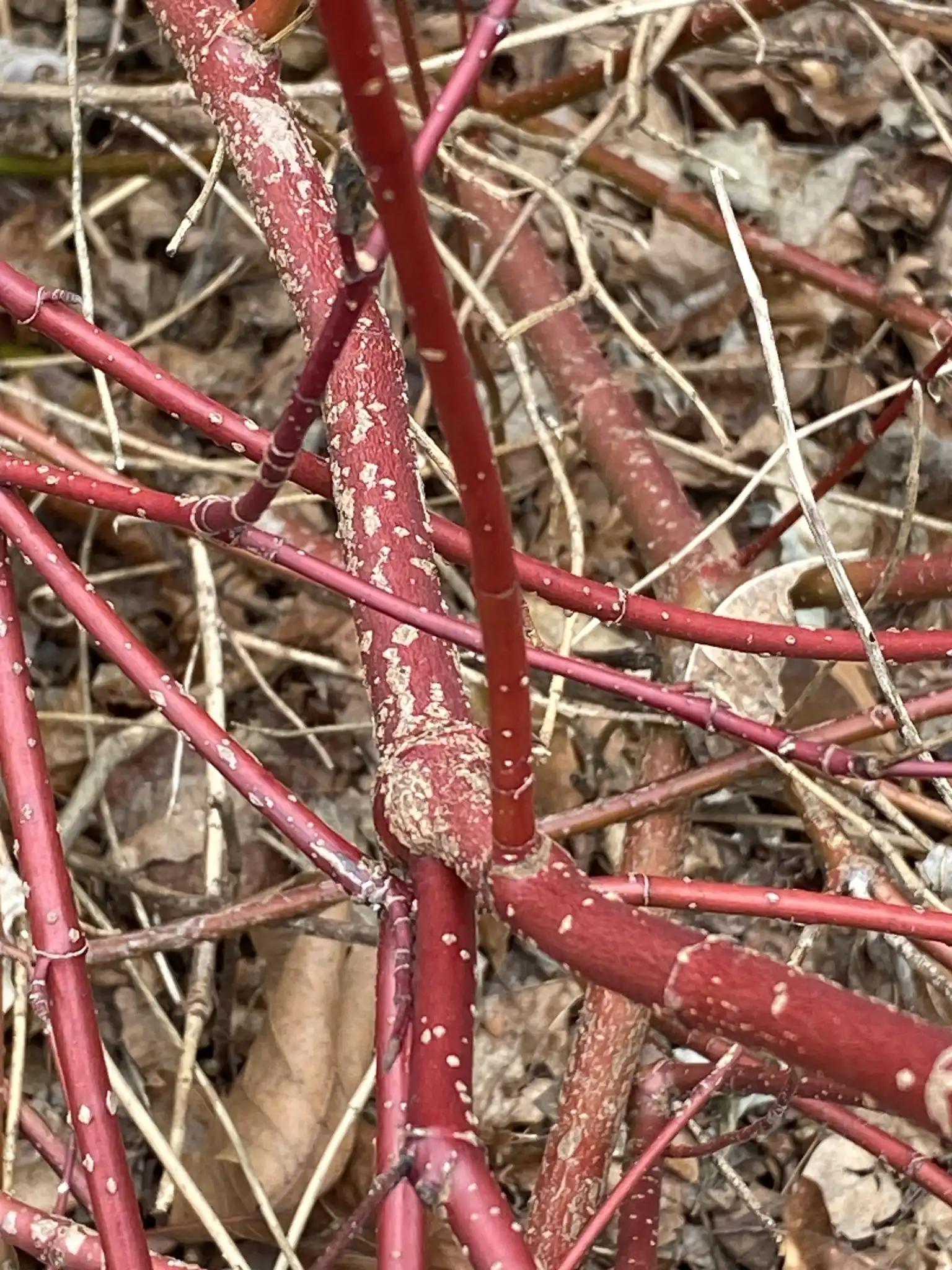 Cornus sericeaRedosier Dogwood
15 other cultivars
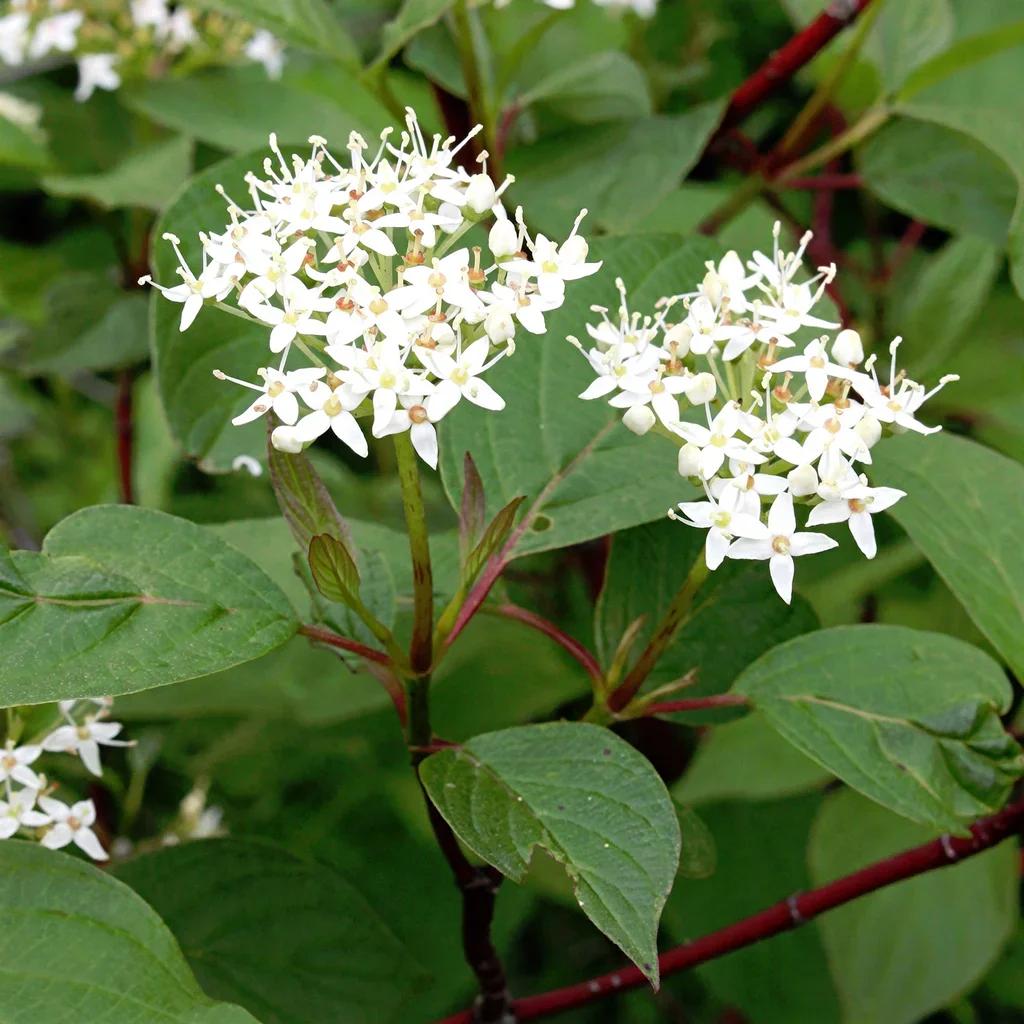 ‘Red Twig’Red Twig Dogwood
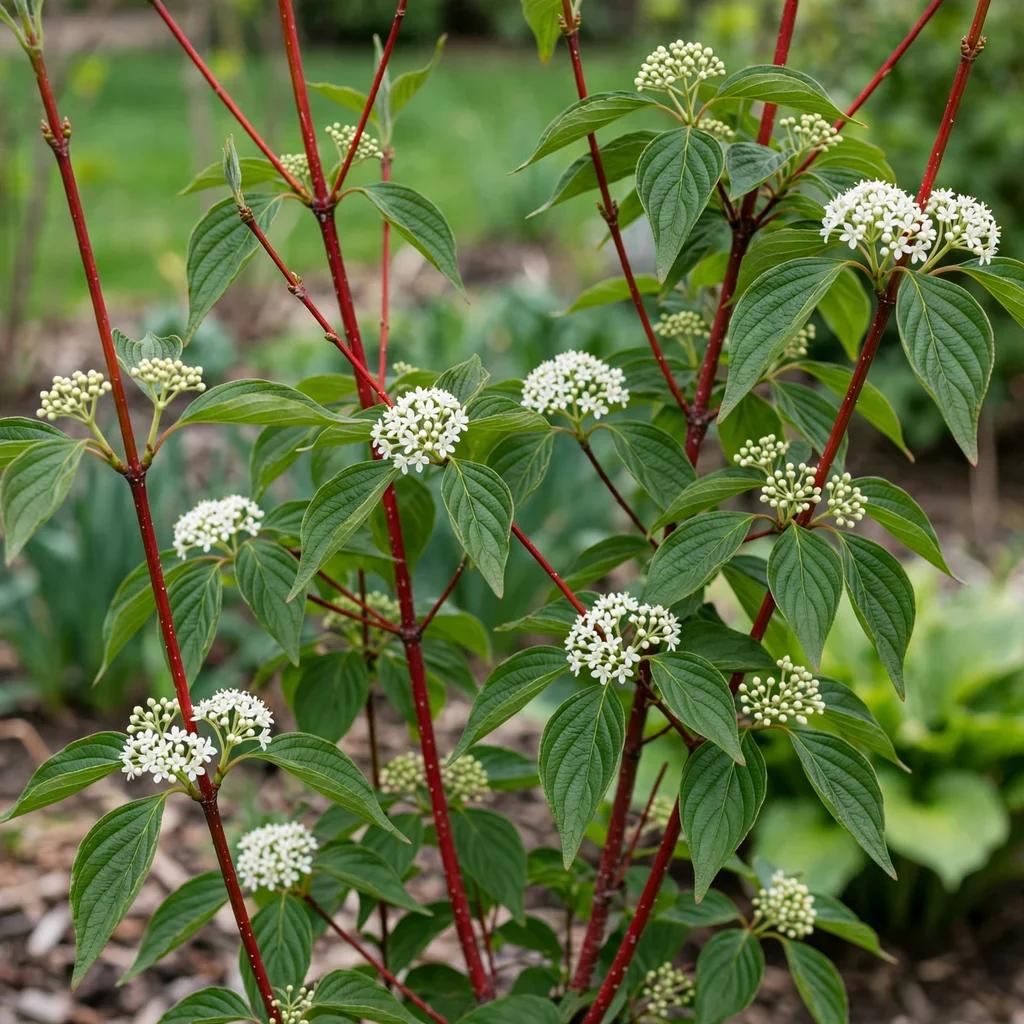 ‘Arctic Fire’Arctic Fire Red Osier Dogwood
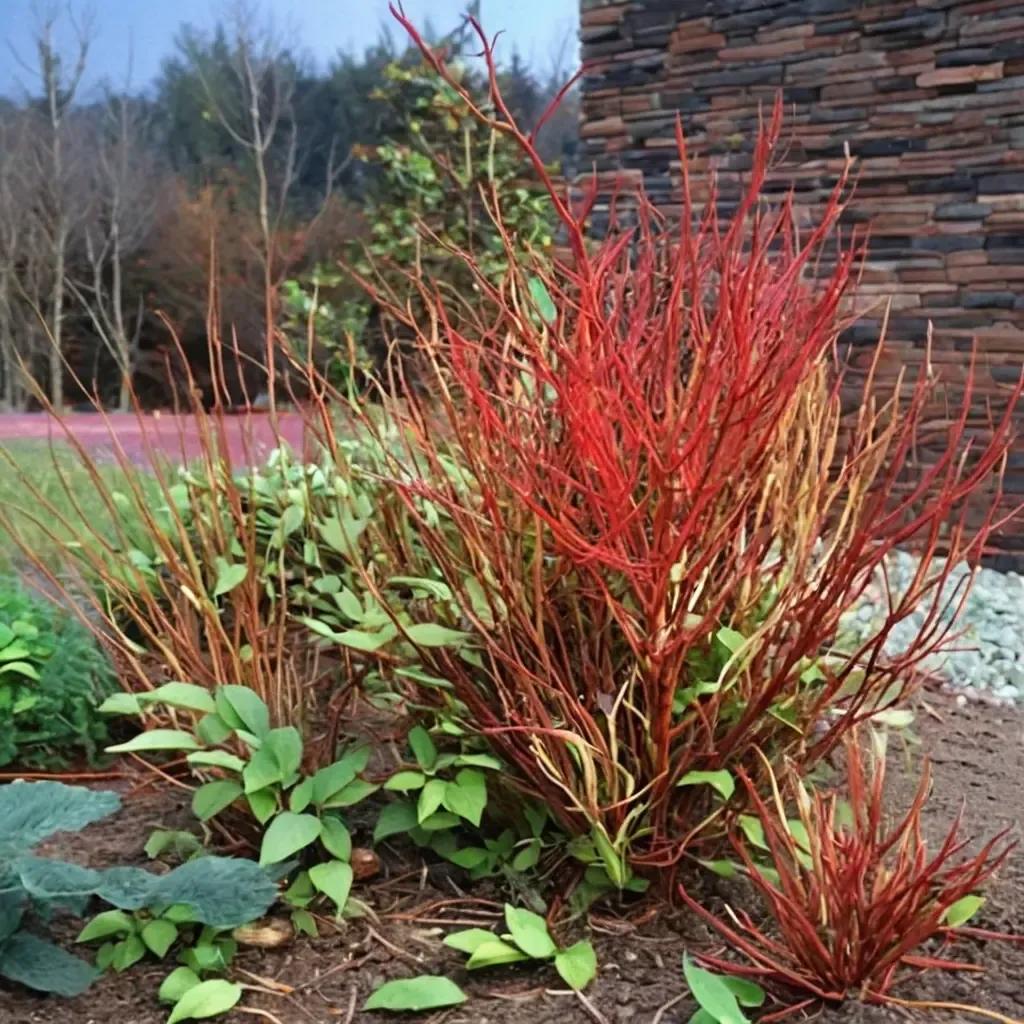 ‘Cardinal’Cardinal Red Osier Dogwood
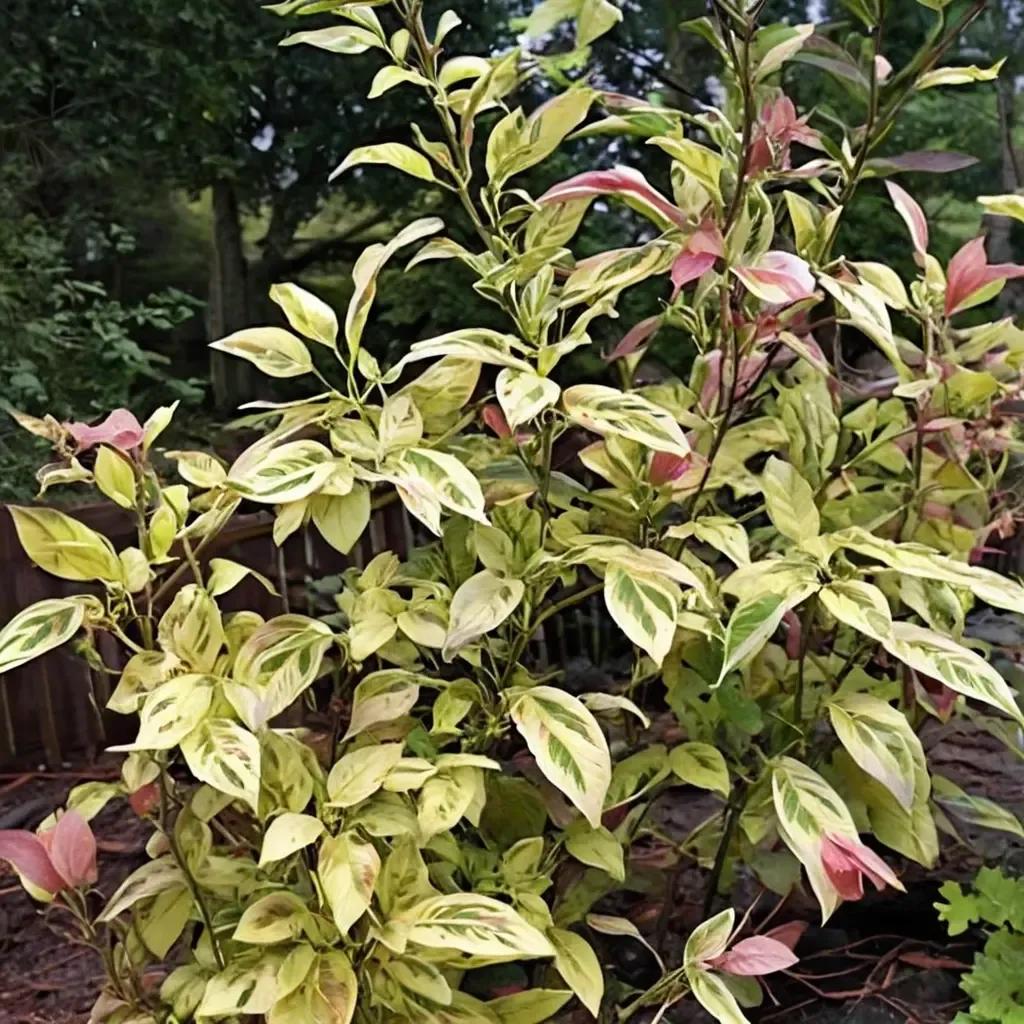 ‘Golden Dogwood’Golden Dogwood
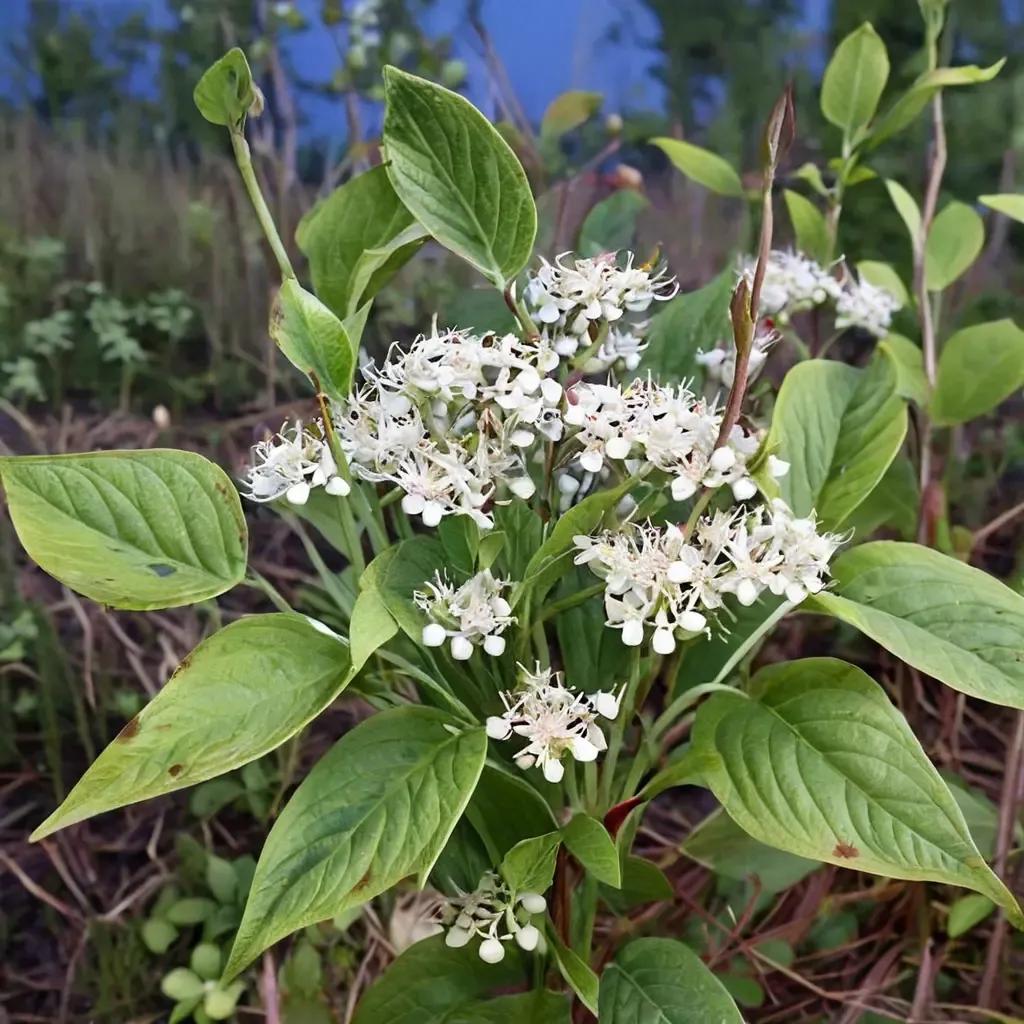 ‘For the Birds’For the Birds Red Osier Dogwood
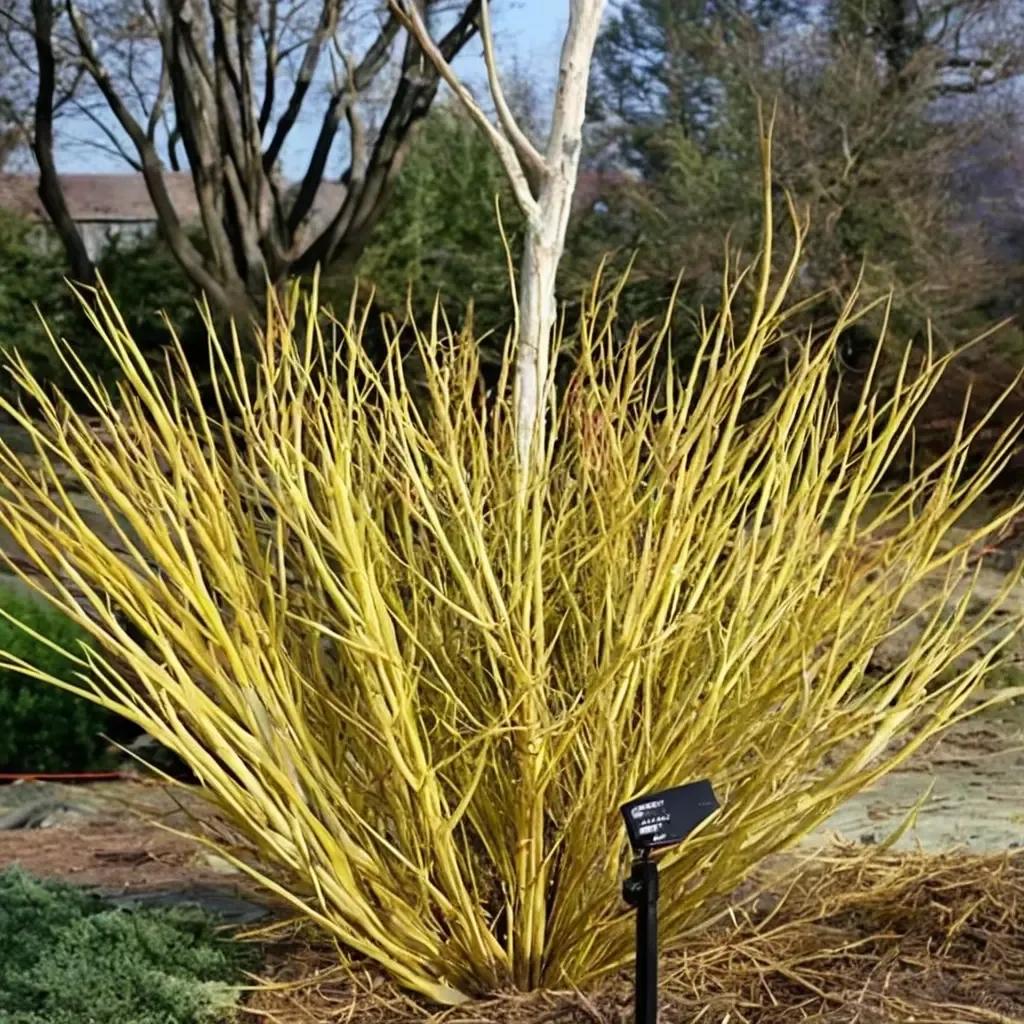 ‘Budd's Yellow Twig’Budd's Yellow Twig Dogwood
 ‘Bud’Bud's Yellow Twig Dogwood
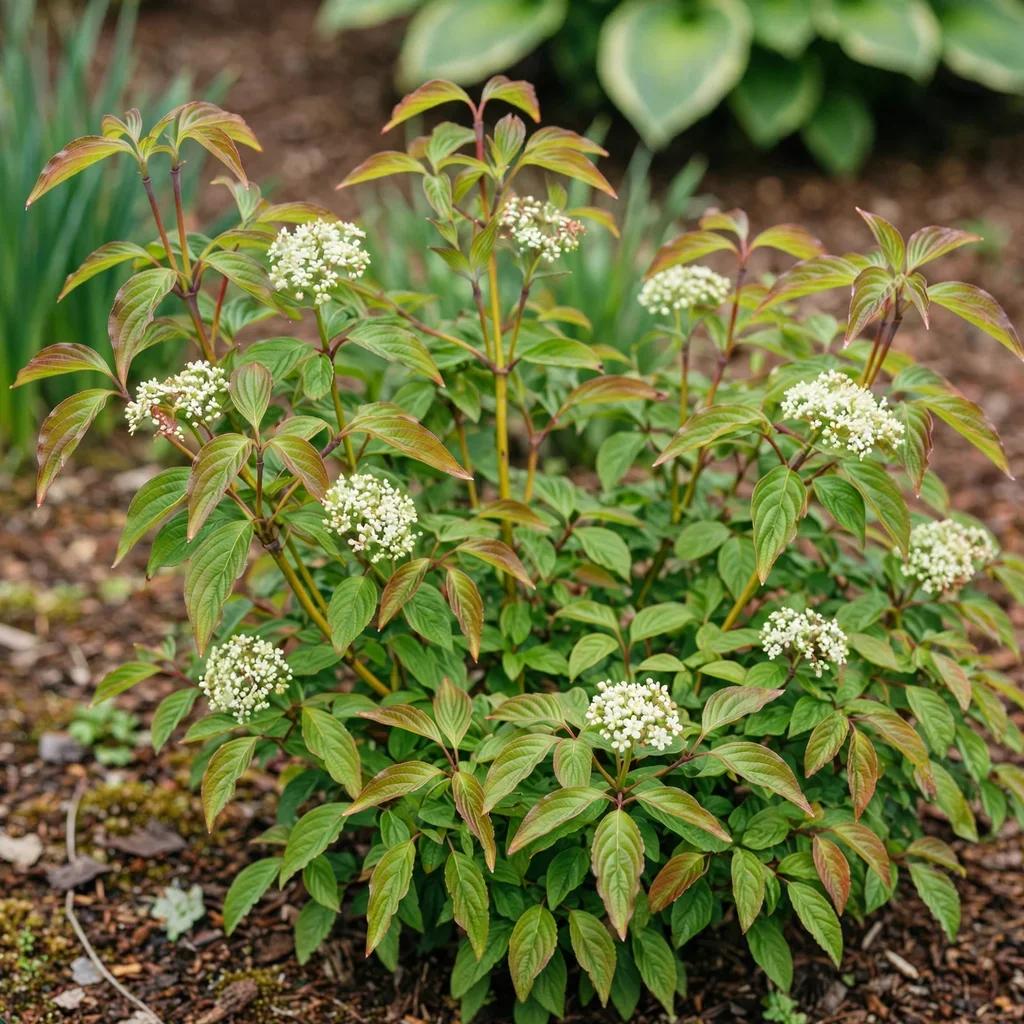 ‘Kelseyi’Kelsey Dogwood
 ‘Farrow’Arctic Fire Red Twig Dogwood
 ‘Isanti’Isanti Red-Osier Dogwood
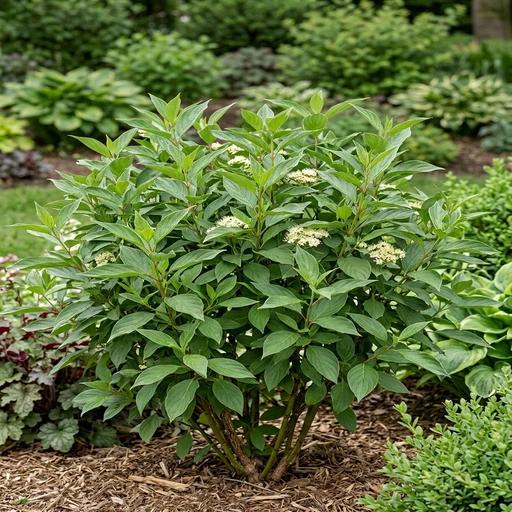 ‘Firedance’Firedance Dogwood
 ‘Bergeson Compact’Bergeson Compact Dogwood
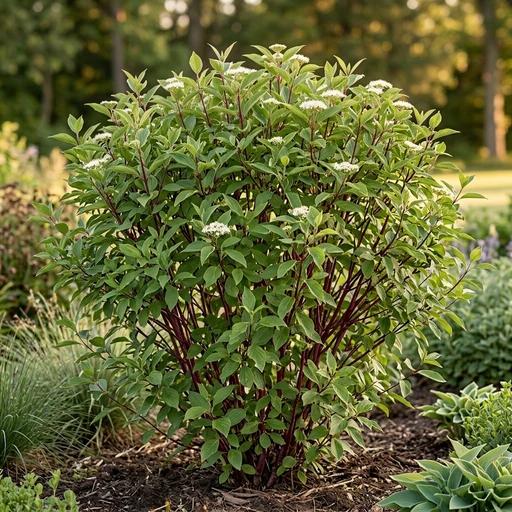 ‘Allemans Dwarf’Alleman's Dwarf Redosier Dogwood
 ‘Arctic Fire Yellow’Arctic Fire Yellow Dogwood
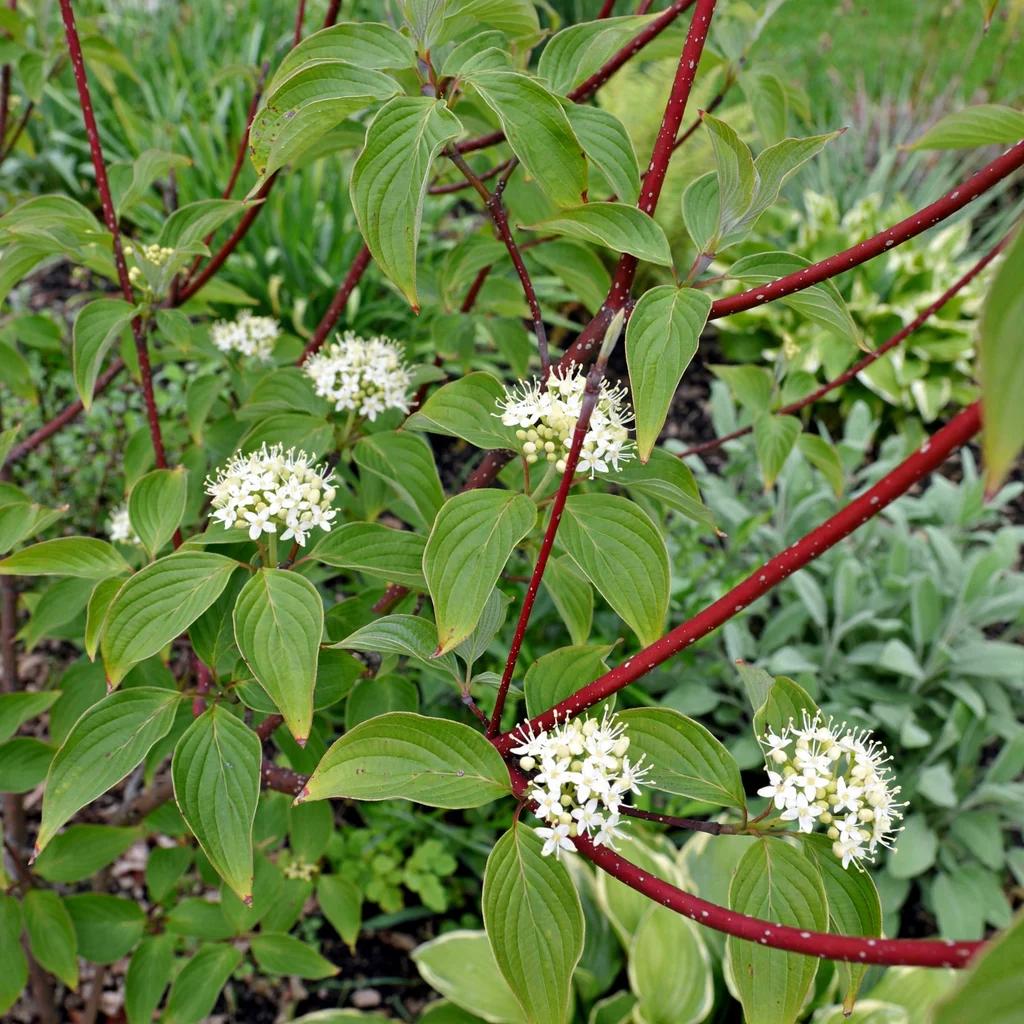 ‘Baileyi’Redosier Dogwood
The Story
Plant Bio
Redosier Dogwood is a multi-stemmed, suckering deciduous shrub native to much of North America, valued for its tolerance of wet soils and its colorful winter stems.
'Flaviramea' is a popular cultivar grown specifically for its brilliant, chartreuse-yellow winter stems. This striking color provides a vibrant contrast against snow, evergreens, or the red stems of other dogwoods.
Uses & Benefits:
Essentials
At a Glance
Plant Type
Shrub
Height
84"
Width
96"
Light
Full Sun, Partial Sun
Zones
4, 5, 6, 7, 8
Water
Medium to wet
Humidity
Adaptable
Lifespan
Medium-lived shrub
Native To
North America (Cultivar of native species)
Toxicity
Non-toxic
Bloom period
Late spring – Early summer
In flower about 2 months of the year
Planting
How to Grow
- Choose a site with full sun to part shade and moist soil.
- This shrub is very adaptable and tolerates poor drainage.
- Dig a hole twice as wide as the pot.
- Set the plant at the same level it was growing in the nursery pot.
- Backfill with soil and water in well.
- It will spread by suckers to form a thicket over time.
Pro Tip
For the most vibrant yellow stem color, prune out one-third of the oldest, thickest stems down to the ground each year in late winter.
Keep It Thriving
Care Guide
Do
- Provide plenty of moisture; it loves wet feet.
- Plant in full sun for the brightest winter stem color.
- Prune regularly to encourage colorful new growth.
- Use in mass plantings for the best winter effect.
Don't
- Don't plant in very dry, arid locations.
- Avoid letting it get overgrown with old, gray stems.
- Don't be afraid to prune it hard; it's very resilient.
- Don't worry about deer; they generally leave it alone.
Seasonal Care Calendar
| Task | Jan | Feb | Mar | Apr | May | Jun | Jul | Aug | Sep | Oct | Nov | Dec |
|---|---|---|---|---|---|---|---|---|---|---|---|---|
| Mulch | ||||||||||||
| Plant | ||||||||||||
| Propagate | ||||||||||||
| Prune |
Watch Out For
Pests & Diseases
Common Pests
Common Diseases
In the Garden
Landscape Uses & Companions
Landscape Uses
Companion Plants
Multiply
Propagation Methods
Good to Know
Common Questions
Yellow Twig Dogwood questions
What zones can Yellow Twig Dogwood grow in?
Yellow Twig Dogwood is hardy in USDA Zones 4–8. Inside that range it survives winter in the ground; outside it, grow it as an annual or a container plant you protect.
Is Yellow Twig Dogwood deer resistant?
Yes — Yellow Twig Dogwood is rated deer-resistant. Deer typically pass it over, though extreme hunger can override any plant's defenses.
When does Yellow Twig Dogwood bloom?
Yellow Twig Dogwood typically blooms in late spring through early summer. Exact timing shifts a week or two with your zone — Sow's bloom calendar maps it to your garden.
Does Yellow Twig Dogwood need full sun?
Yellow Twig Dogwood does best in full sun to part shade. In hot climates, afternoon shade keeps blooms fresher longer.
More Cornus to compare
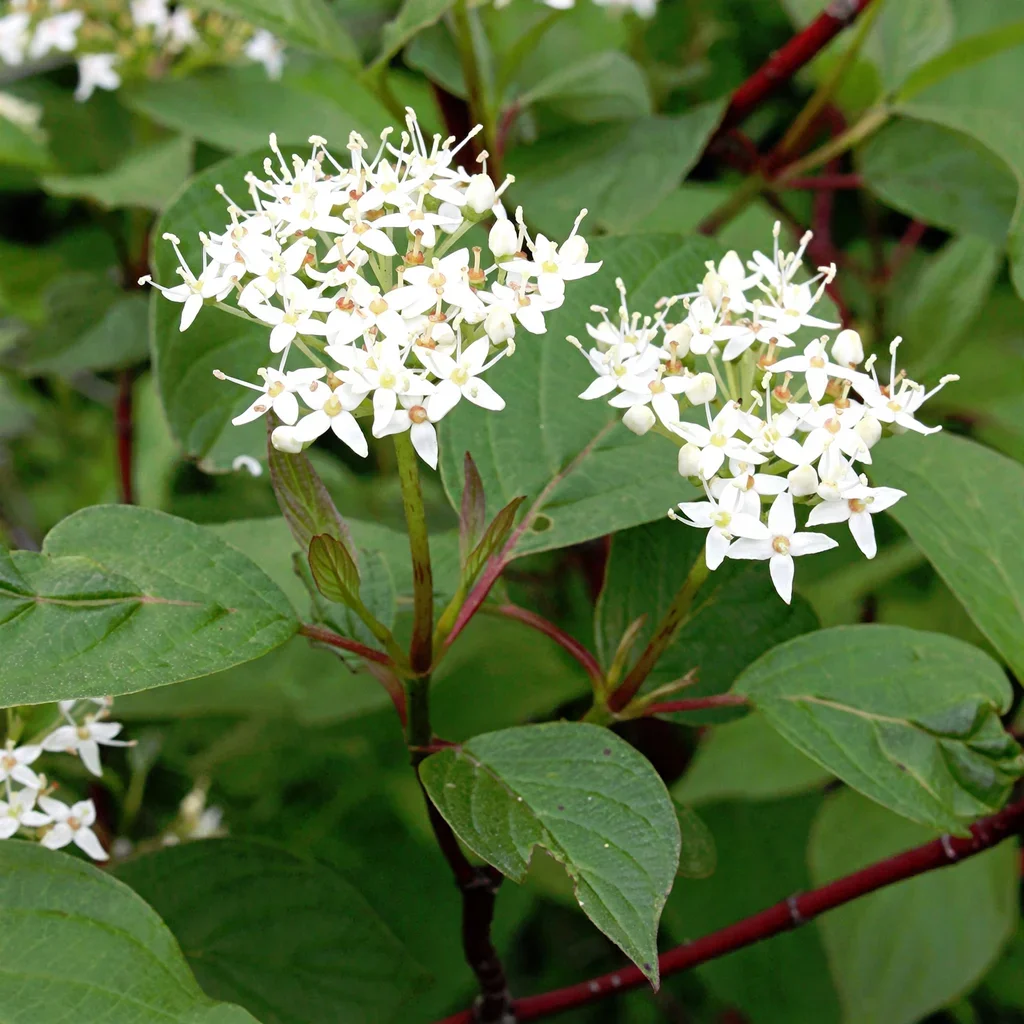
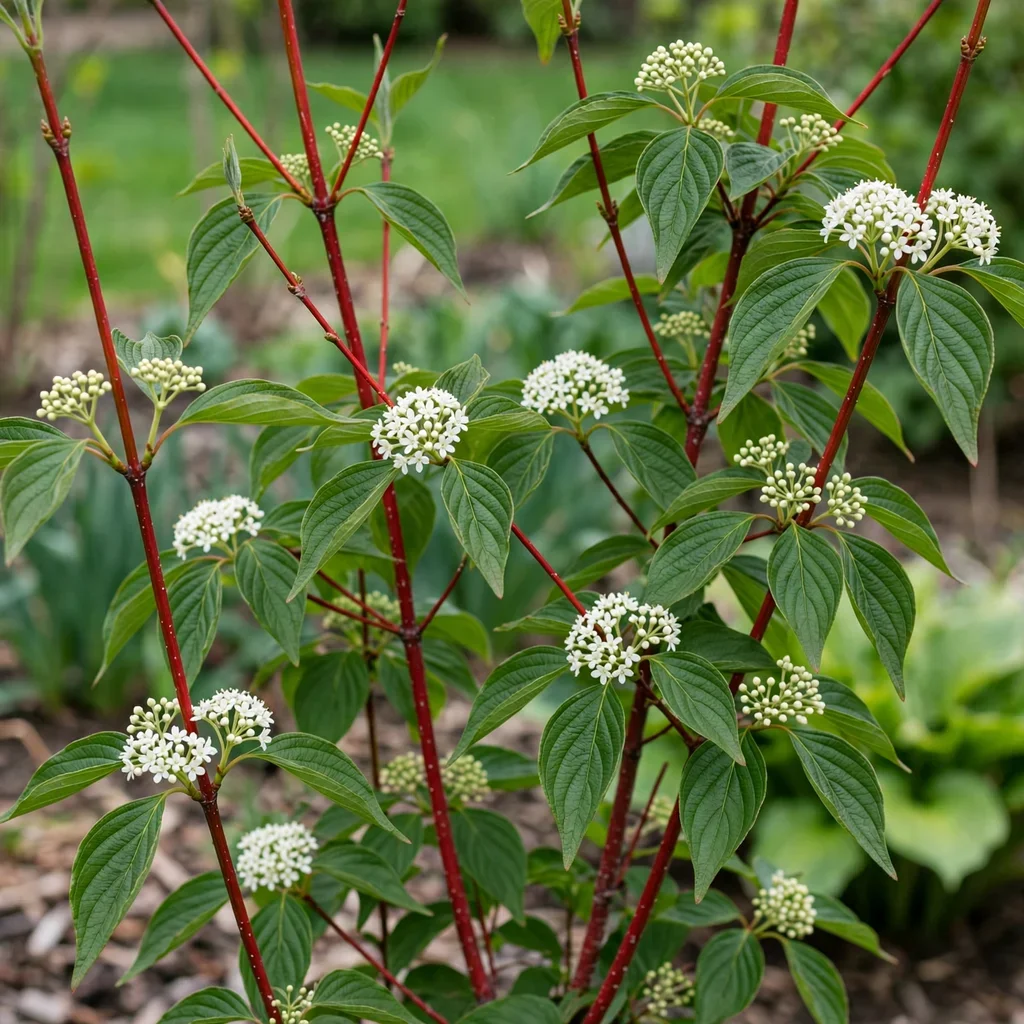
Red Twig Dogwood
Cornus sericea 'Red Twig'
Arctic Fire Red Osier Dogwood
Cornus sericea 'Arctic Fire'
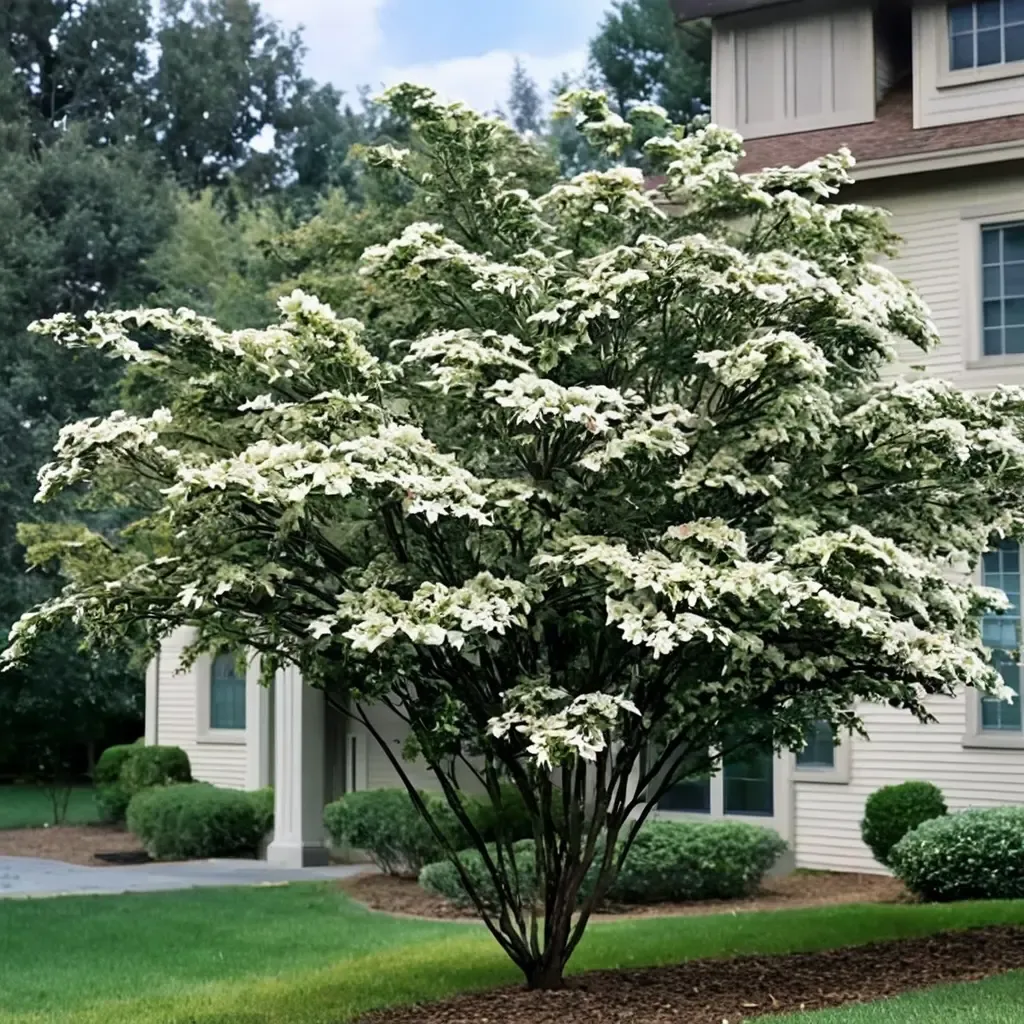
Kousa Dogwood
Cornus kousa
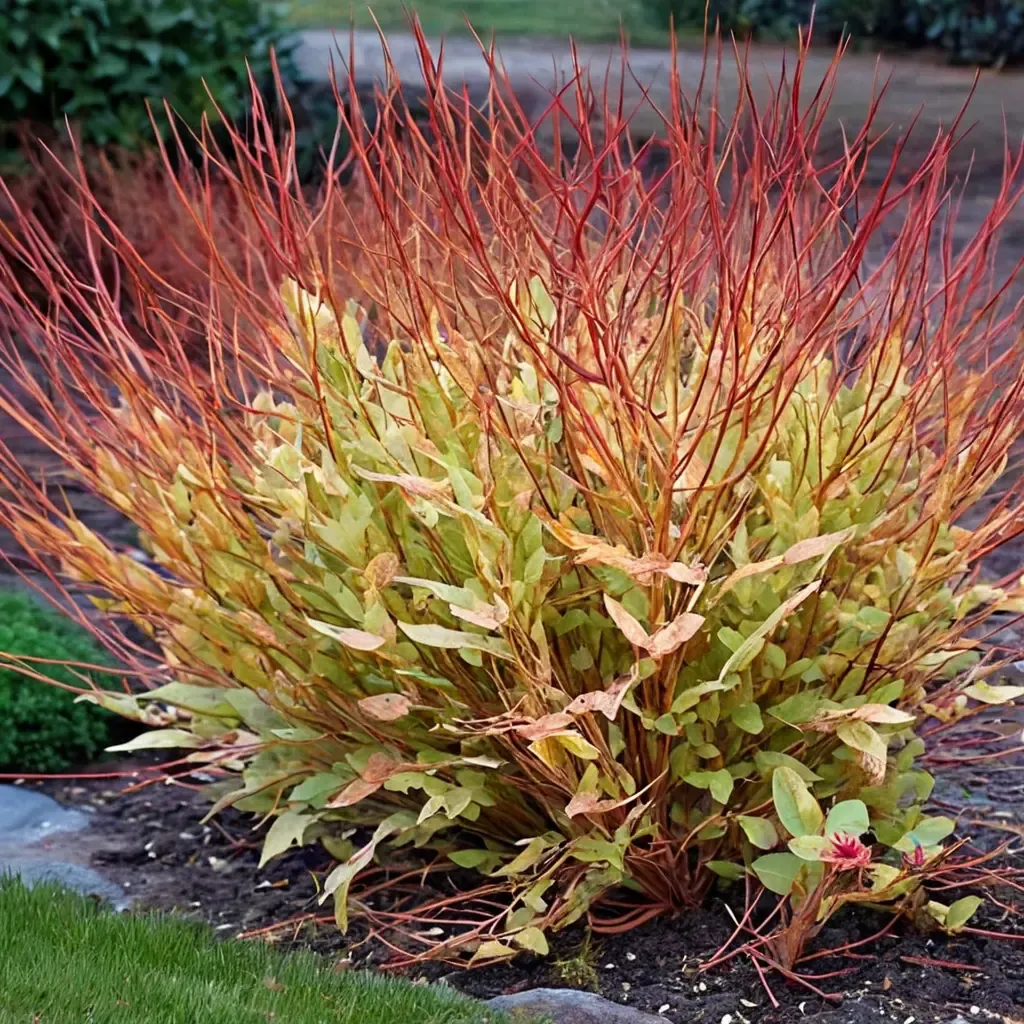
Midwinter Fire Dogwood
Cornus sanguinea 'Midwinter Fire'
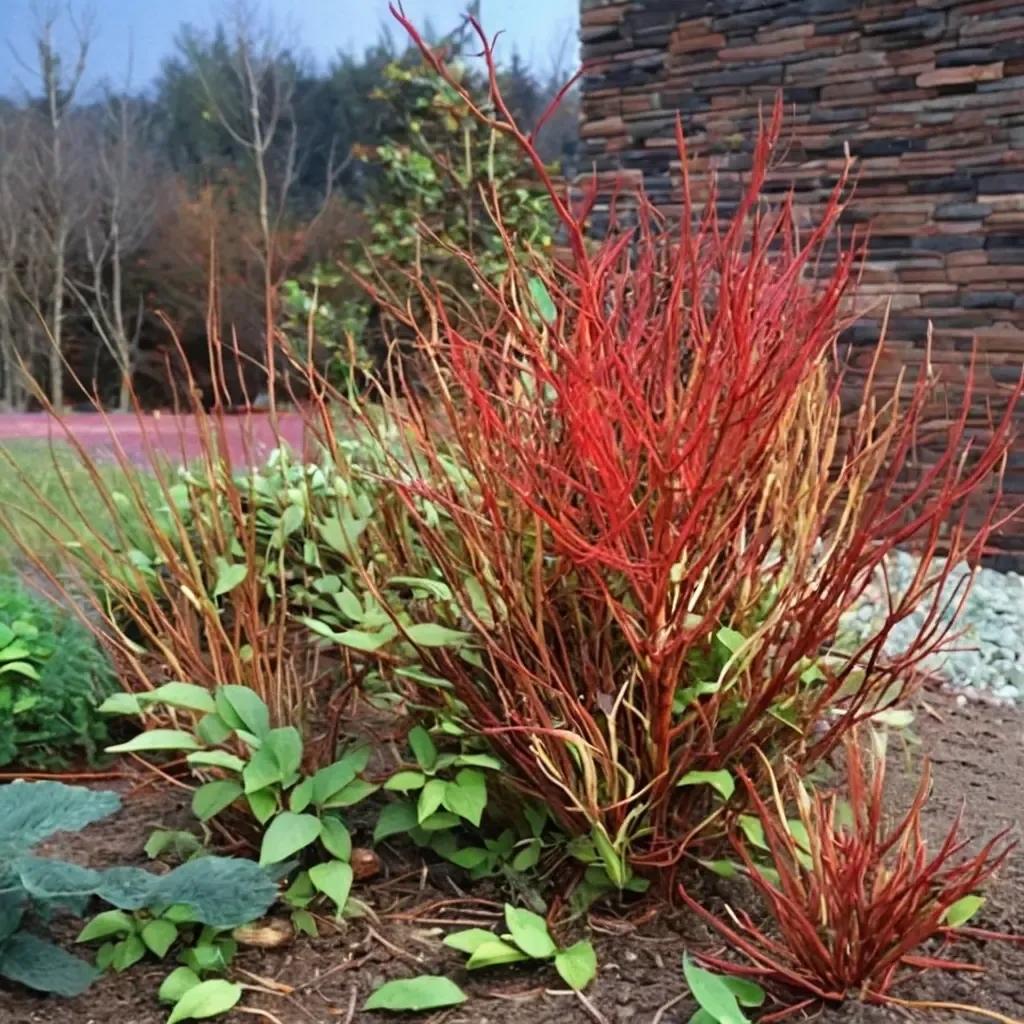
Cardinal Red Osier Dogwood
Cornus sericea 'Cardinal'
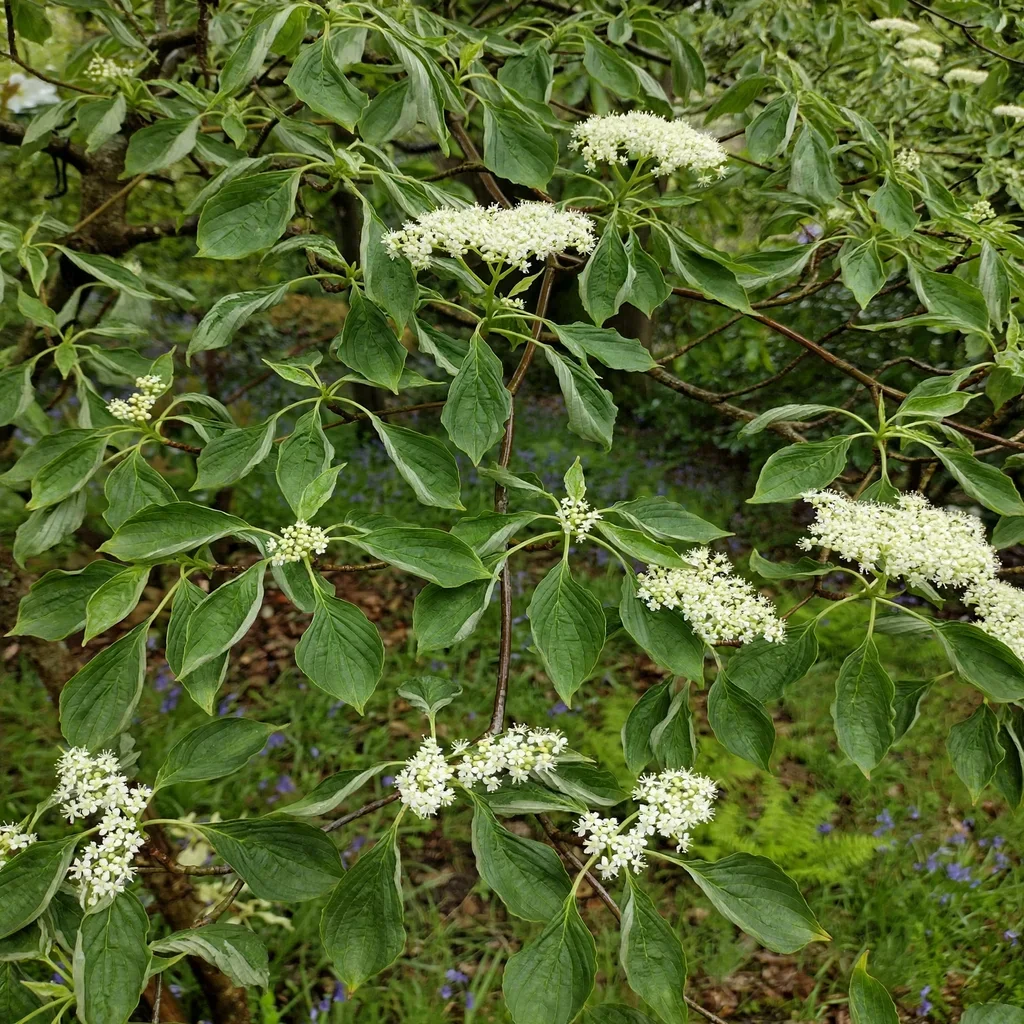
Giant Dogwood
Cornus controversa
Keep exploring
Explore the genus
Hardy in your zone?
Grow Yellow Twig Dogwood with confidence
See it in a design of your actual yard, get zone-matched care reminders, and track it season by season in your garden journal.