The Story
Plant Bio
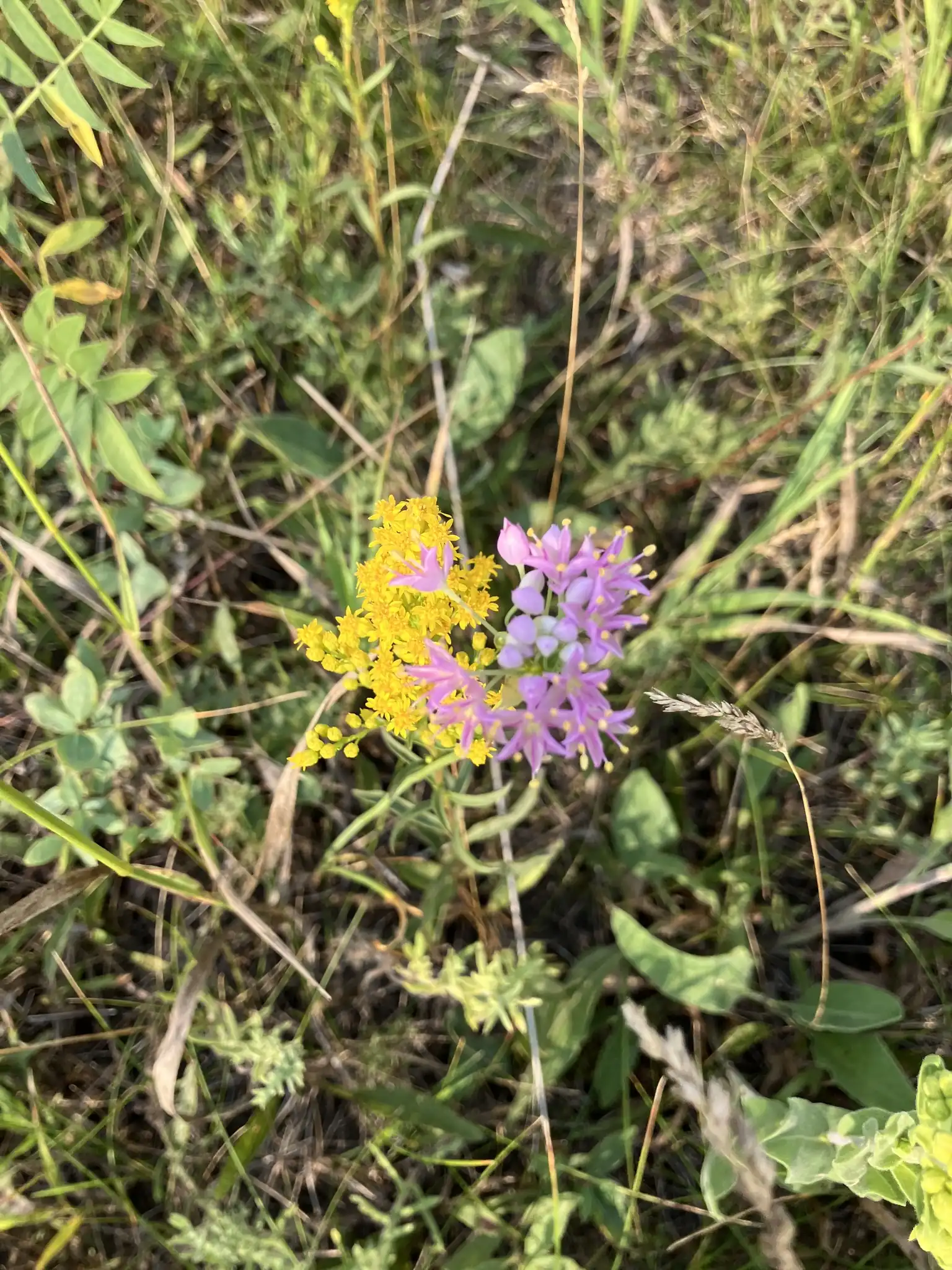
Allium stellatum is a bulbous perennial native to North American prairies and glades, producing narrow, glaucous basal leaves in spring. Tall, leafless scapes rise above the foliage in midsummer to support upright, rounded umbels of starry rose-pink to lavender flowers that bloom into early fall.
Unlike spring-blooming species whose foliage dies back prior to flowering, prairie onion retains its green basal leaves throughout its bloom cycle. Its flowers produce nectar that feeds native bees and hummingbirds, while sulfur compounds in the foliage repel browsing mammals.
Uses & Benefits:
Essentials
At a Glance
Plant Type
Perennial
Height
18"
Width
12"
Light
Full Sun, Partial Sun
Zones
4, 5, 6, 7, 8
Water
Low to medium
Humidity
Moderate
Lifespan
Perennial
Native To
North America
Toxicity
Toxic to dogs and cats
Bloom period
Summer – Fall
In flower about 6 months of the year
Planting
How to Grow
- Select a site in full sun or light shade with gritty, sharply draining soil.
- Plant bulbs in early autumn 2 to 3 inches deep with the root plate facing downward.
- Water thoroughly at planting to settle the soil, then rely on natural rainfall.
- Allow green leaves to persist through summer and autumn to recharge the underground bulb.
Pro Tip
Plant bulbs in gritty or sandy, sharply drained soil; waterlogged winter soil rots the bulbs before spring emergence.
Keep It Thriving
Care Guide
Do
- Ensure soil remains sharply drained throughout the winter months.
- Allow the green foliage to wither naturally before removing it in late fall.
- Divide dense bulb clumps every 3 to 4 years if floral display declines.
Don't
- Do not cut back green leaves before they turn yellow and dry naturally.
- Do not plant in heavy, water-retentive clay without amending for drainage.
- Do not apply heavy fertilizer, as native soils provide adequate nutrients.
Seasonal Care Calendar
| Task | Jan | Feb | Mar | Apr | May | Jun | Jul | Aug | Sep | Oct | Nov | Dec |
|---|---|---|---|---|---|---|---|---|---|---|---|---|
| Deadhead | ||||||||||||
| Plant | ||||||||||||
| Spring Cleanup | ||||||||||||
| Winter Prep |
Watch Out For
Pests & Diseases
Common Pests
Common Diseases
In the Garden
Landscape Uses & Companions
Landscape Uses
Multiply
Propagation Methods
Good to Know
Common Questions
Prairie Onion questions
What zones can Prairie Onion grow in?
Prairie Onion is hardy in USDA Zones 4–8: in that range it survives winter in the ground. Warmer than Zone 8, winter isn't the problem: it prefers colder winters, and summer heat can shorten its life.
Is Prairie Onion deer resistant?
Yes — Prairie Onion is rated deer-resistant. Deer typically pass it over, though extreme hunger can override any plant's defenses.
When does Prairie Onion bloom?
Prairie Onion typically blooms from summer to fall. Exact timing shifts a week or two with your zone — Sow's bloom calendar maps it to your garden.
Does Prairie Onion need full sun?
Prairie Onion does best in full sun to part shade. In hot climates, afternoon shade keeps blooms fresher longer.
Is Prairie Onion drought tolerant?
Yes — once established (usually after the first full season), Prairie Onion handles dry spells with minimal watering. Water deeply its first year to build the root system that makes that possible.
More Allium to compare
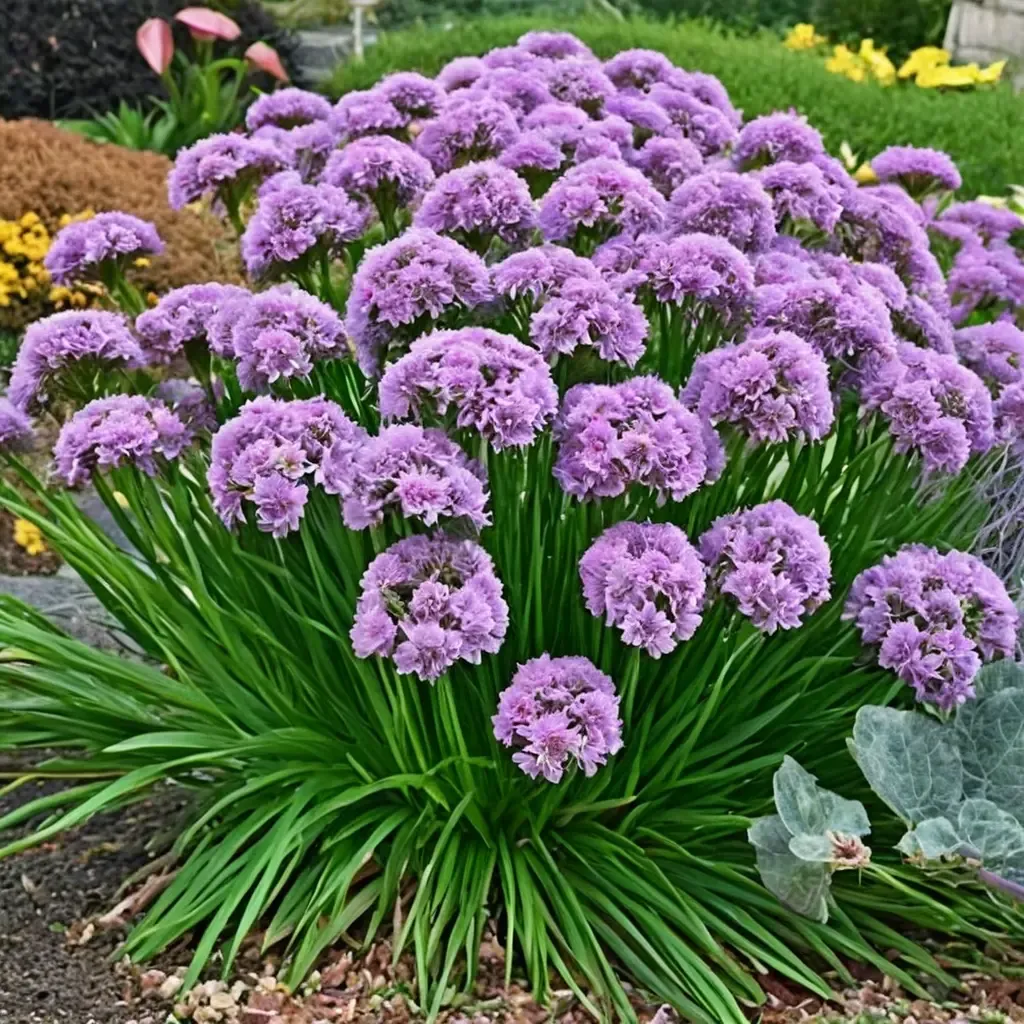
Millennium Gold Onion Moly Onion
Allium x moly 'Millenium'
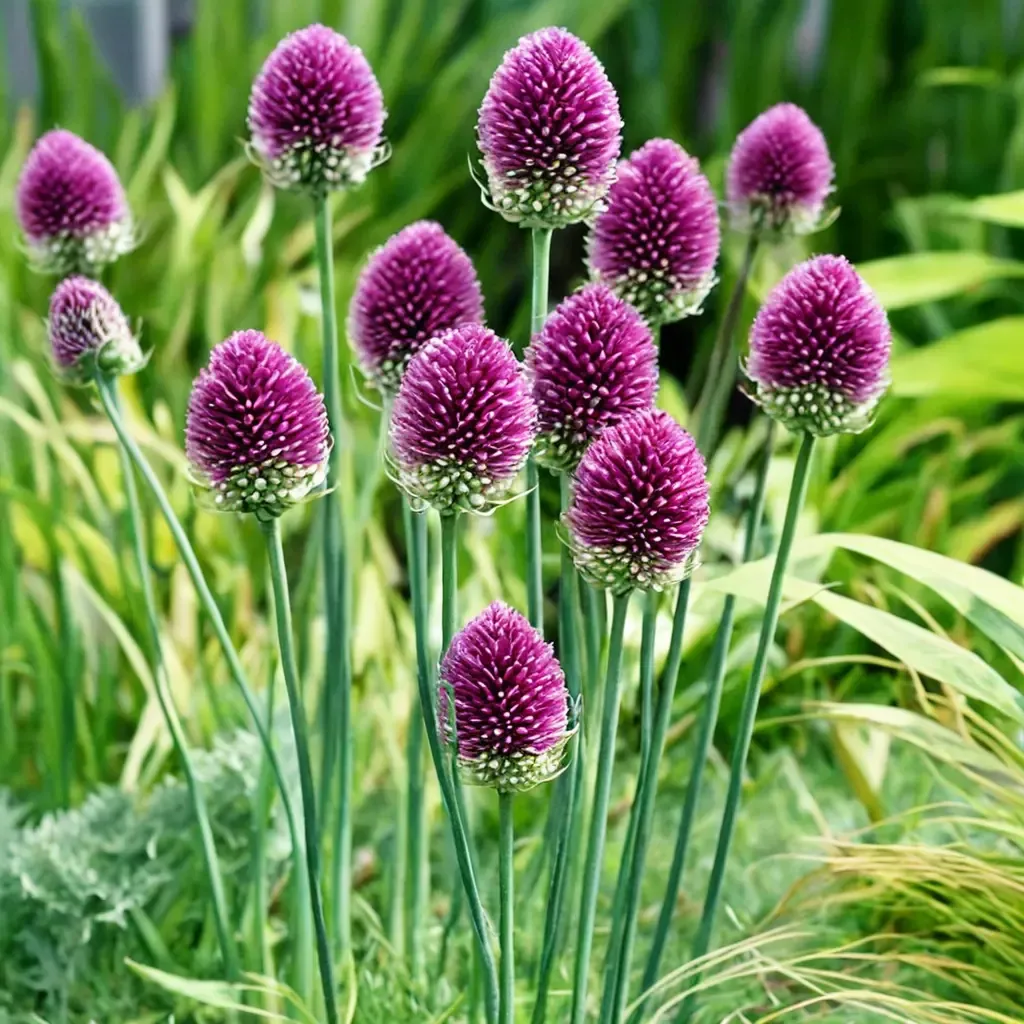
Drumstick Allium
Allium sphaerocephalon
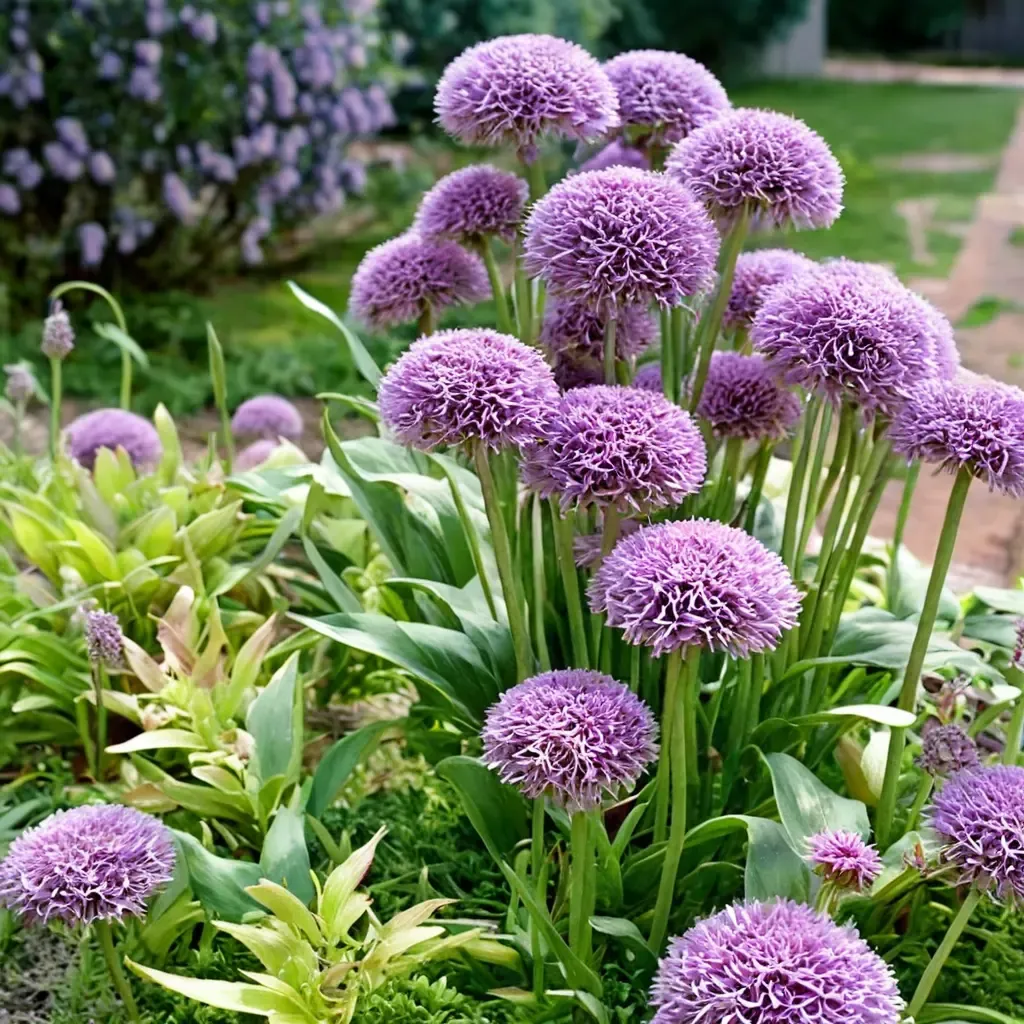
Globemaster Allium
Allium giganteum 'Globemaster'
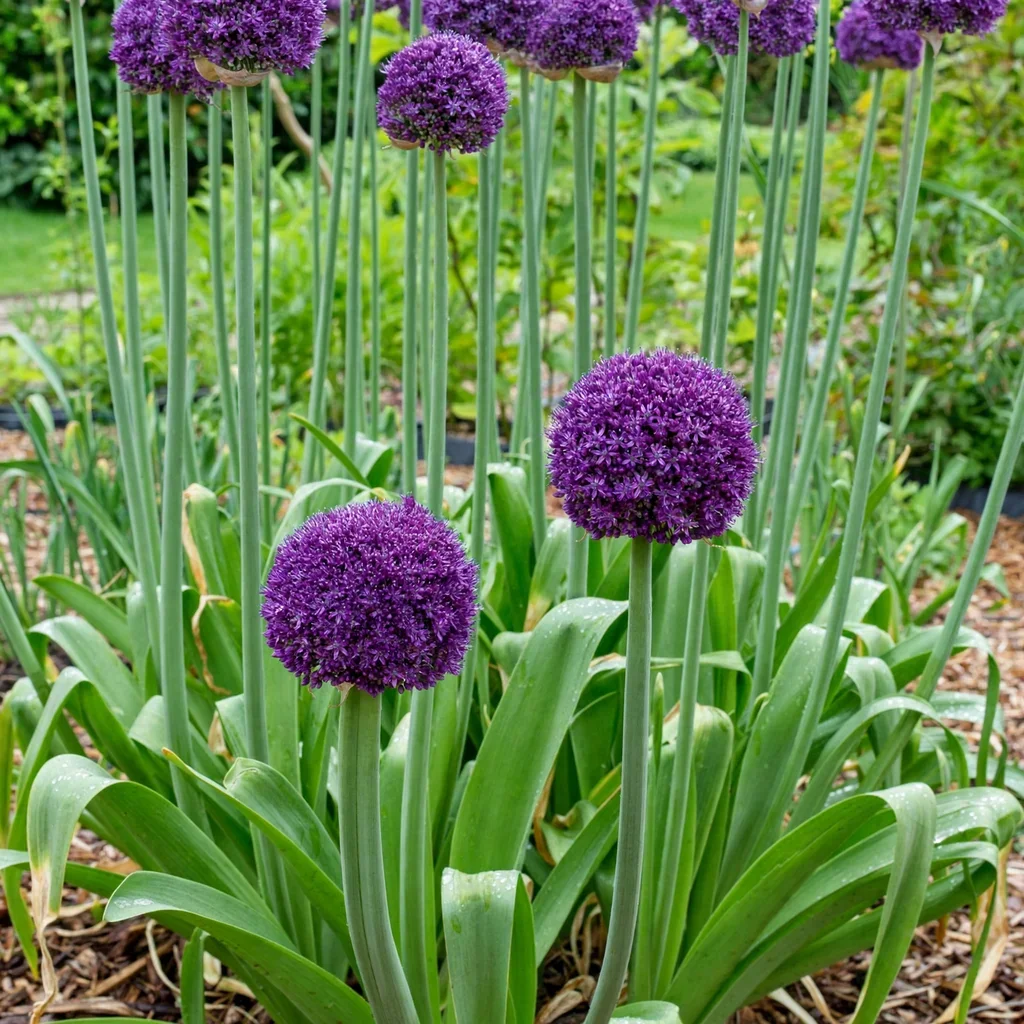
Ornamental Onion 'Ambassador'
Allium x hybrida 'Ambassador'
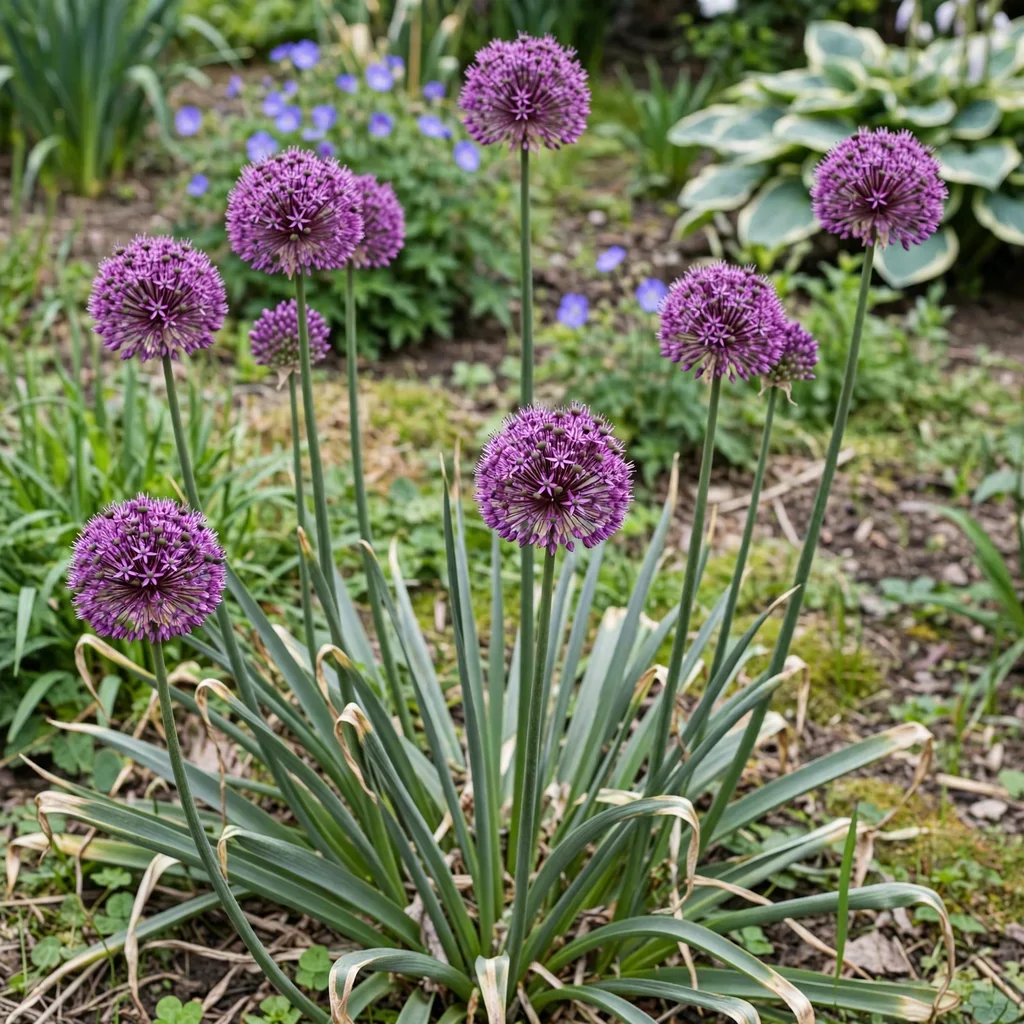
Purple Sensation Allium
Allium hollandicum 'Purple Sensation'
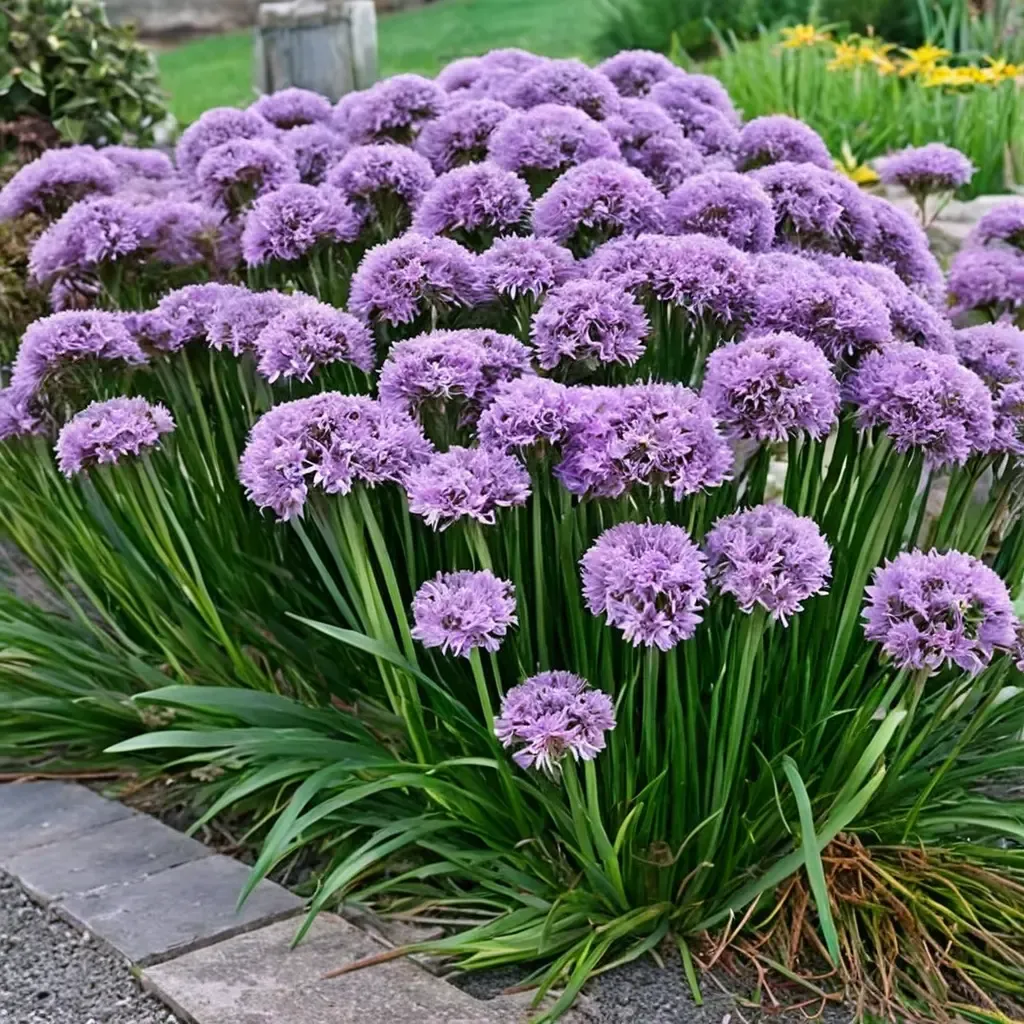
Millennium Ornamental Onion
Allium x hybrida 'Millenium'
Keep exploring
Explore the genus
Hardy in your zone?
Grow Prairie Onion with confidence
See it in a design of your actual yard, get zone-matched care reminders, and track it season by season in your garden journal.