The Story
Plant Bio
Lupinus x regalis is a short-lived herbaceous perennial from 1930s British breeding using western North American parents, forming an upright mound of bold palmate bright-green leaves. It fixes nitrogen in root nodules, so it thrives in lean well-drained soil and fails in waterlogged or manure-heavy ground.
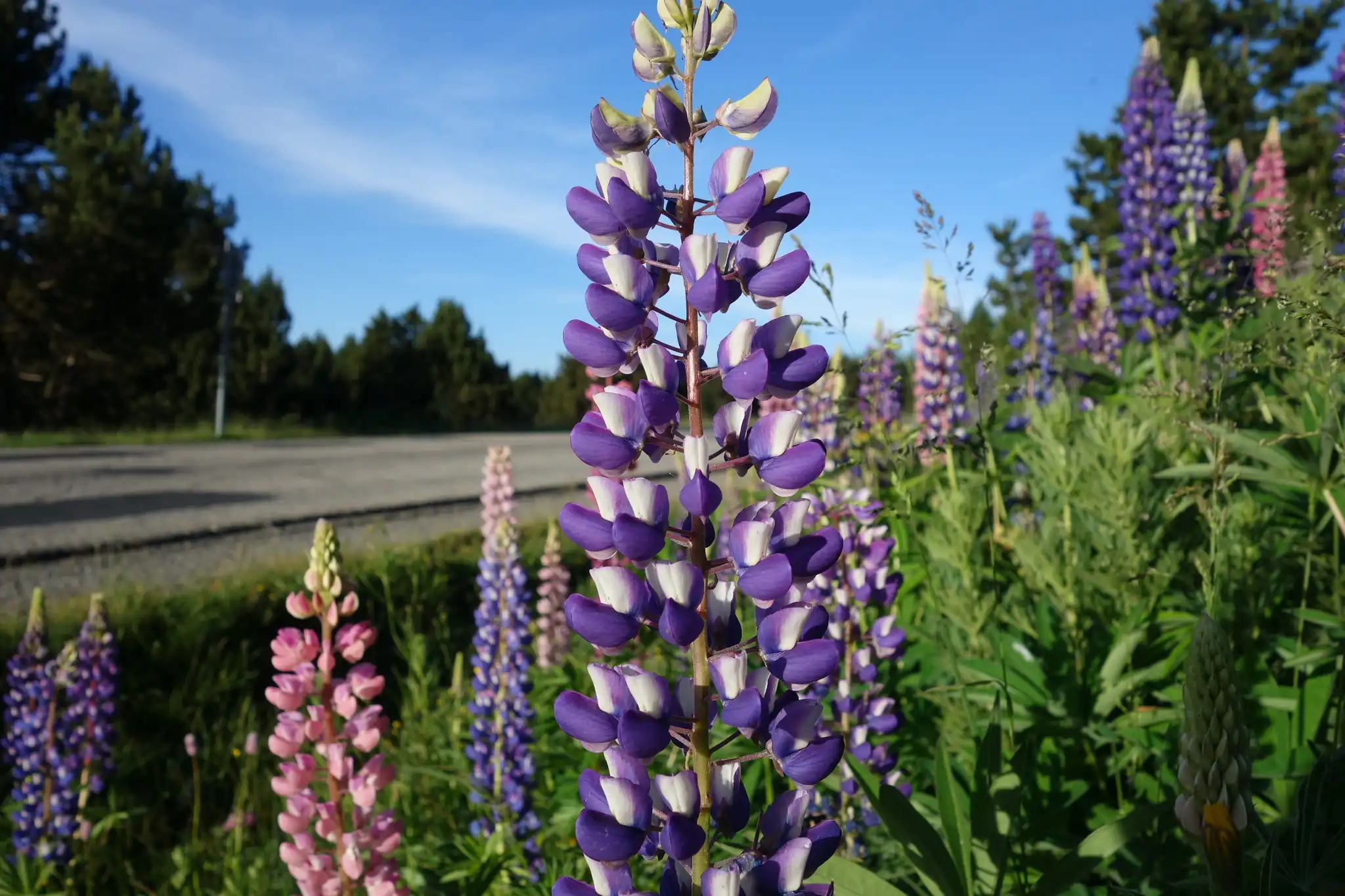
Russell hybrids produce dense terminal racemes of pea flowers in blue, purple, pink, red, yellow and white, many striped or bicoloured. Plants flower in late spring to early summer and live two to three years, persisting by self-sown seed rather than division.
Uses & Benefits:
Essentials
At a Glance
Plant Type
Perennial
Height
42"
Width
33"
Light
Full Sun, Partial Sun
Zones
4, 5, 6, 7, 8, 9
Water
Medium
Humidity
Low to moderate
Lifespan
Short-lived perennial, 2-3 years
Native To
Garden origin, no wild range
Toxicity
Toxic if ingested
Bloom period
Late spring – Early summer
In flower about 2 months of the year
Planting
How to Grow
- Plant in full sun in cool-summer regions, with afternoon shade where summers run hot.
- Set plugs or bare-root crowns in well-drained lean soil at the same depth they grew, spacing 30 inches apart for airflow.
- Water to establish, then water deeply only when the top soil dries; never keep crowns soggy.
- Deadhead each raceme back to foliage after bloom to limit self-seeding and encourage rebloom.
- Sow fresh seed in place every year or two to replace short-lived mother plants; do not divide.
Pro Tip
Sow seed where it is to grow and leave the taproot undisturbed; dividing kills the plant while extra water and fertilizer shorten its life.
Keep It Thriving
Care Guide
Do
- Deadhead spent racemes to foliage to stop sprawling self-seed.
- Give full sun and open spacing for airflow.
- Sow seed in place to renew short-lived clumps.
Don't
- Do not divide established plants; root disturbance kills them.
- Do not overwater, overfertilize or plant in manure-heavy soil.
- Do not replant lupines in the same spot year after year.
Seasonal Care Calendar
| Task | Jan | Feb | Mar | Apr | May | Jun | Jul | Aug | Sep | Oct | Nov | Dec |
|---|---|---|---|---|---|---|---|---|---|---|---|---|
| Deadhead | ||||||||||||
| Pest Check | ||||||||||||
| Plant | ||||||||||||
| Propagate | ||||||||||||
| Spring Cleanup |
Watch Out For
Pests & Diseases
Common Pests
Common Diseases
In the Garden
Landscape Uses & Companions
Landscape Uses
Multiply
Propagation Methods
Good to Know
Common Questions
Russell Lupin questions
What zones can Russell Lupin grow in?
Russell Lupin is hardy in USDA Zones 4–9: in that range it survives winter in the ground. Warmer than Zone 9, winter isn't the problem: it prefers colder winters, and summer heat can shorten its life.
Is Russell Lupin deer resistant?
Yes — Russell Lupin is rated deer-resistant. Deer typically pass it over, though extreme hunger can override any plant's defenses.
When does Russell Lupin bloom?
Russell Lupin typically blooms from late spring to early summer. Exact timing shifts a week or two with your zone — Sow's bloom calendar maps it to your garden.
Does Russell Lupin need full sun?
Russell Lupin does best in full sun to part shade. In hot climates, afternoon shade keeps blooms fresher longer.
Is Russell Lupin drought tolerant?
Yes — once established (usually after the first full season), Russell Lupin handles dry spells with minimal watering. Water deeply its first year to build the root system that makes that possible.
More Lupinus to compare
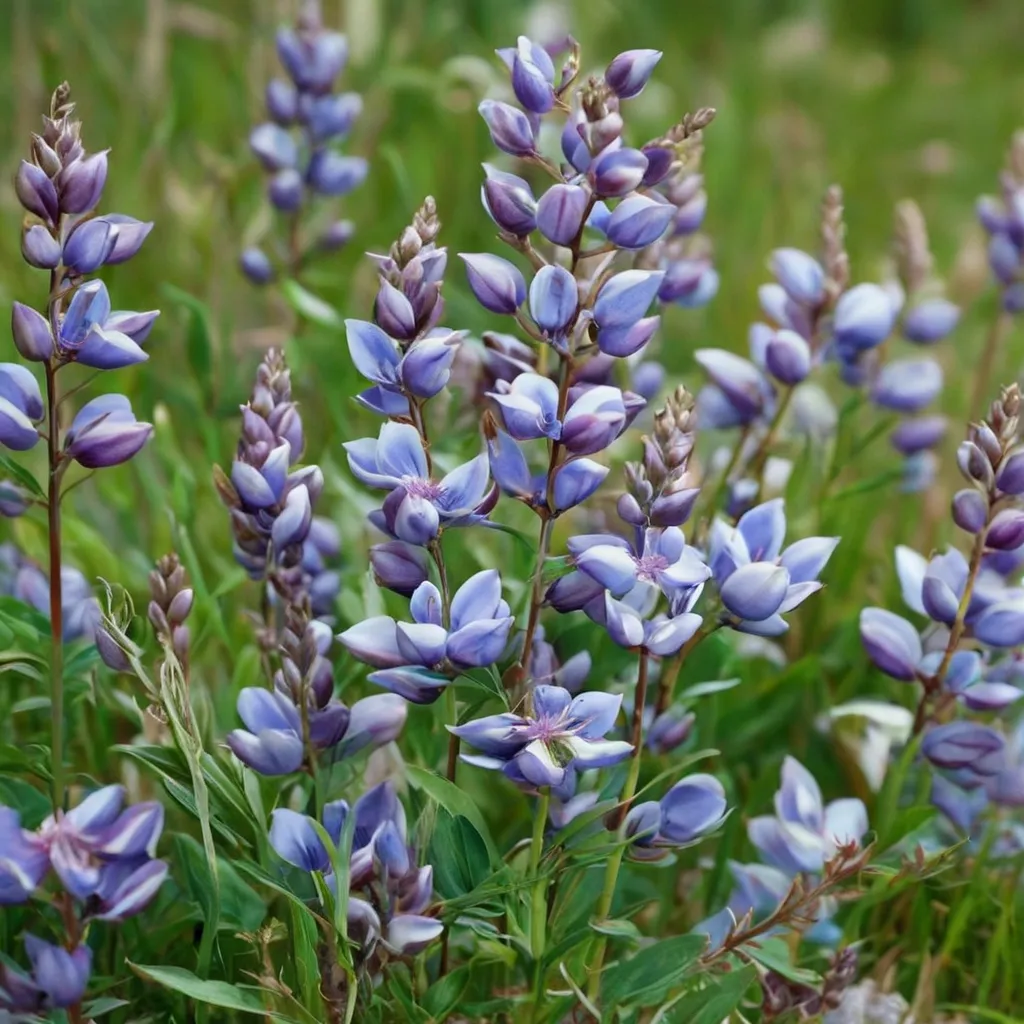
Wild Lupine
Lupinus perennis
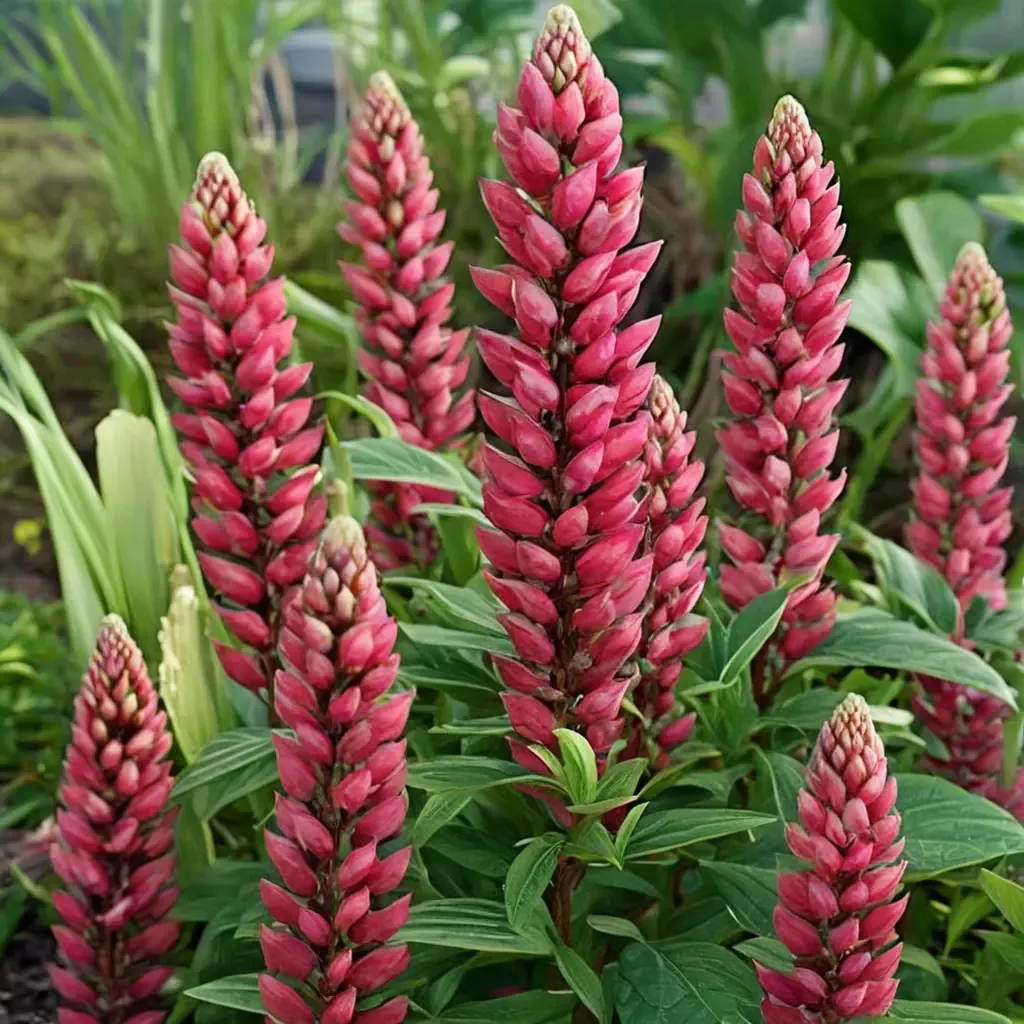
Red Popsicle Lupine
Lupinus polyphyllus 'Red Popsicle'
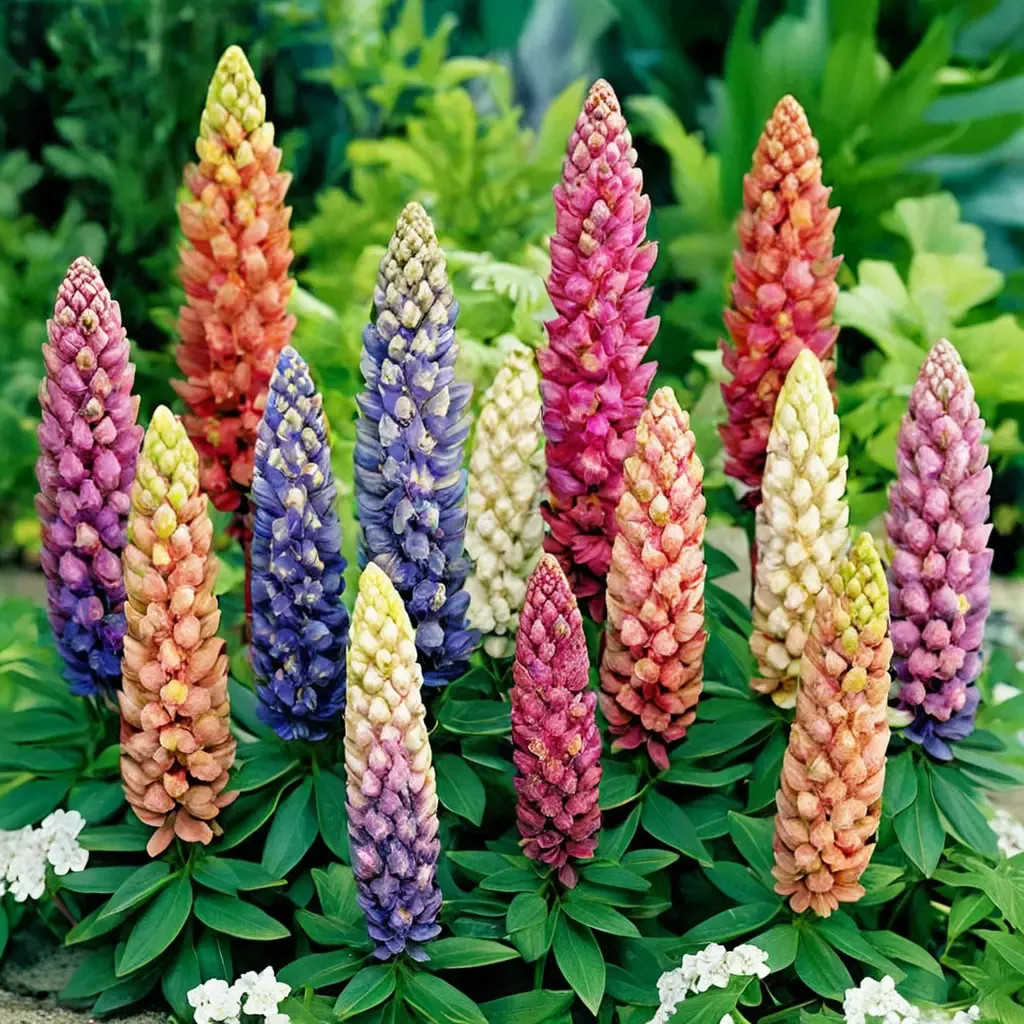
Dwarf Mix Lupine
Lupinus polyphyllus 'Dwarf Mix'
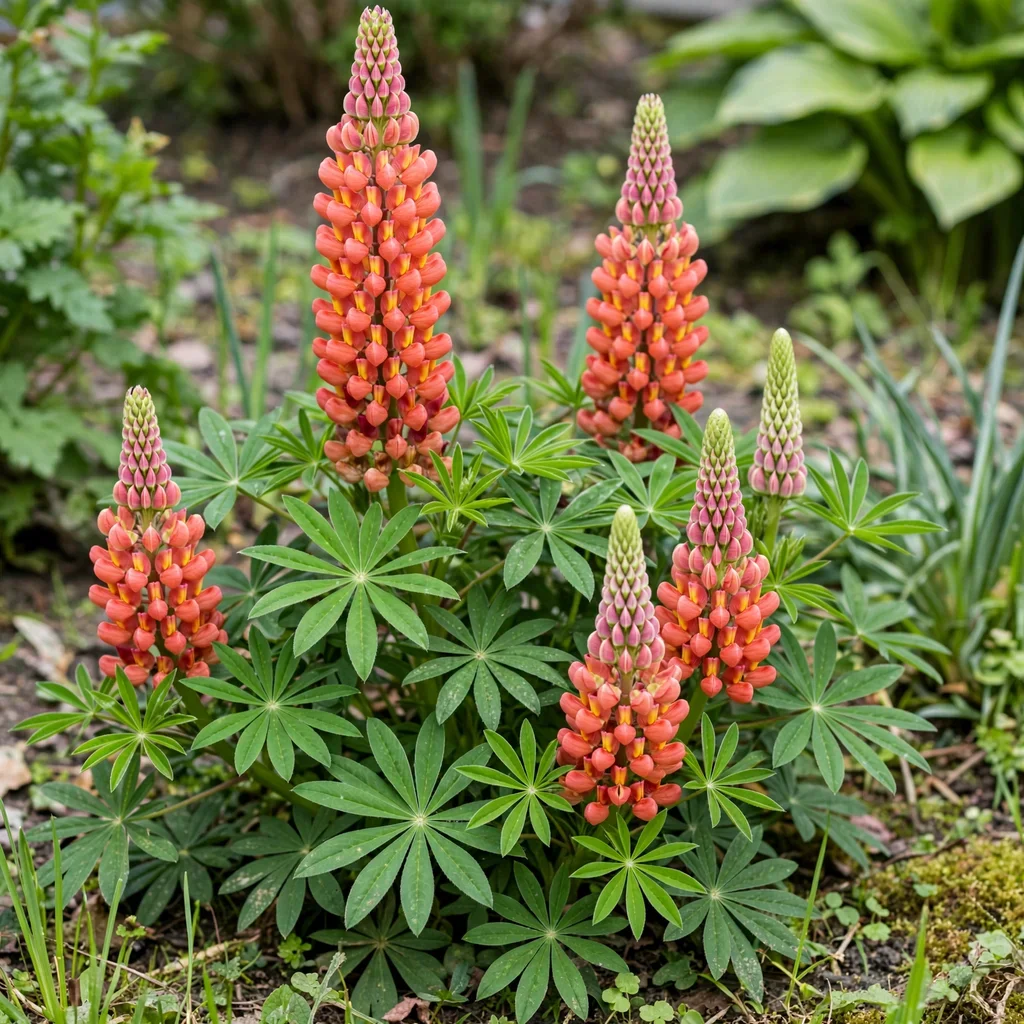
Garden Lupine
Lupinus polyphyllus 'Towering Inferno'
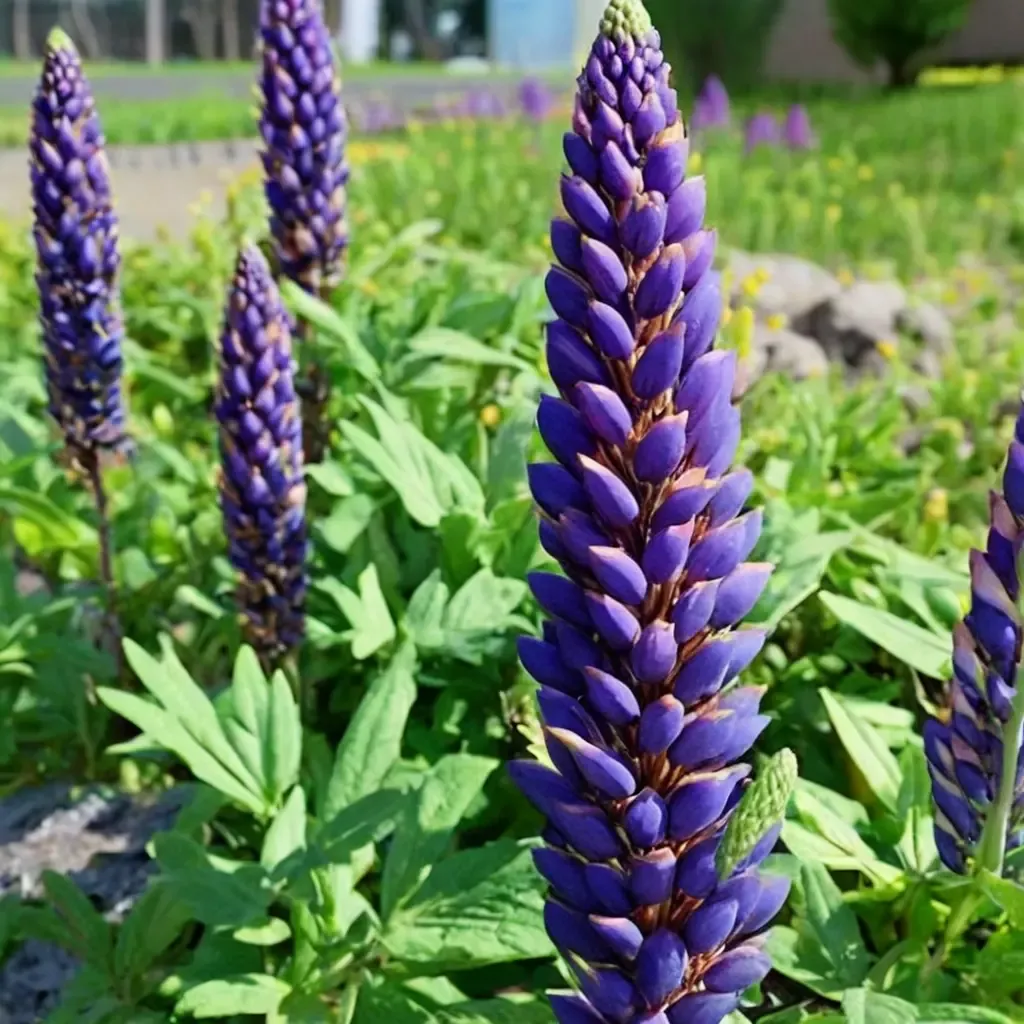
Magic Lantern lupine
Lupinus polyphyllus 'Magic Lantern'
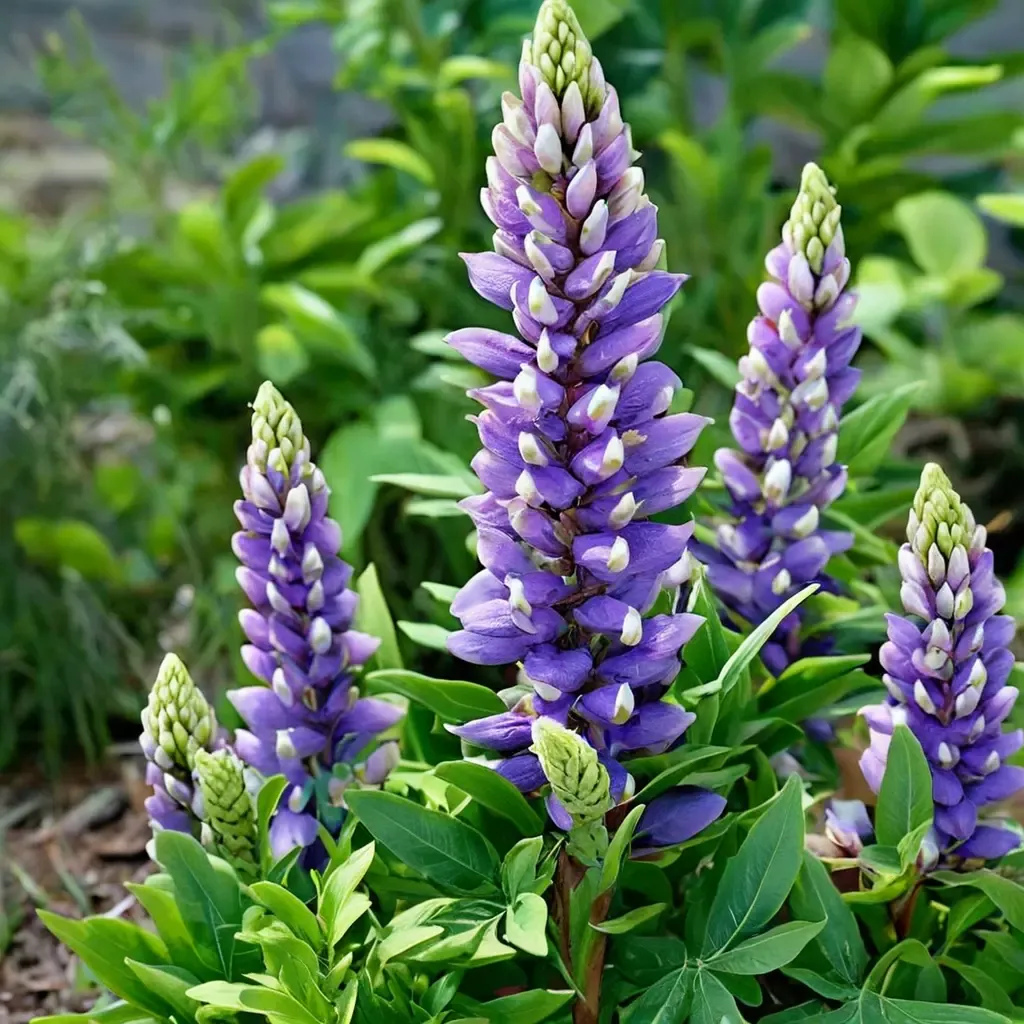
Gallery Blue Lupine
Lupinus polyphyllus 'Gallery Blue'
Keep exploring
Explore the genus
Grow Russell Lupin with confidence
See it in a design of your actual yard, get zone-matched care reminders, and track it season by season in your garden journal.