The Story
Plant Bio
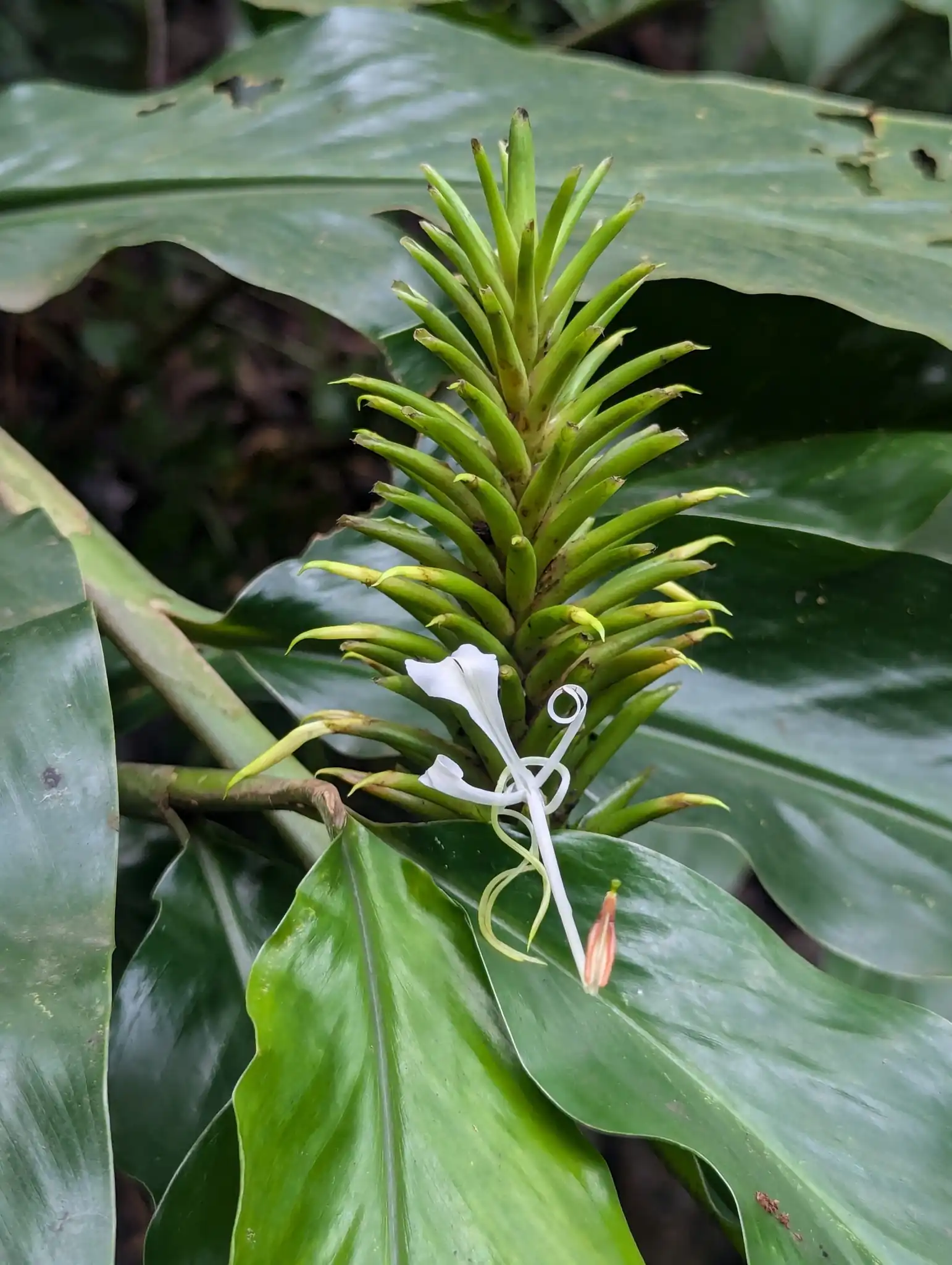
Hedychium thyrsiforme is a deciduous rhizomatous perennial from Himalayan forest clearings, sending up rigid unbranched stems to six feet clothed in two-ranked broad lance-shaped dark green leaves. Late in the season each stem ends in a dense terminal spike of creamy-white flowers with long protruding white filaments held over green pincushion bracts.
It grows narrowly columnar and compact where most gingers spread wide, holding its foliage in a tight upright tower. The flowers open from September into fall with little to no fragrance, which separates it at a glance from the sweetly scented coronarium and gardnerianum types it is often confused with.
Uses & Benefits:
Essentials
At a Glance
Plant Type
Perennial
Height
72"
Width
48"
Light
Full Sun, Partial Sun
Zones
7, 8, 9, 10
Water
Moist
Humidity
High
Lifespan
Perennial
Native To
E. Himalayas to Myanmar
Toxicity
Non-toxic
Bloom period
Late summer – Autumn
In flower about 4 months of the year
Planting
How to Grow
- Plant rhizomes 2 inches deep in humus-rich, moist but well-drained loam in a sheltered spot with full sun to light shade.
- Water in well and keep soil consistently moist through summer, never letting the root zone dry hard.
- Feed monthly through summer with balanced fertilizer to fuel the tall stems and late buds.
- Leave stems standing after bloom, then cut dead tops to the base in late fall or early spring before new shoots emerge.
- Mulch the crown 3 to 4 inches with compost or leaf mold after frost in Zone 7-8.
Pro Tip
Keep roots evenly moist through summer with regular feeding, then mulch the crown deep after the tops die back; winter wet rots the rhizome, summer drought stalls the buds.
Keep It Thriving
Care Guide
Do
- Give full sun to light shade with shelter from wind and hot afternoon sun.
- Keep soil moist through summer with deep watering in heat.
- Mulch crowns each winter where frosts occur.
Don't
- Do not let soil dry out while stems are growing or buds will fail.
- Do not overwater in winter or leave rhizomes in waterlogged soil.
- Do not cut back into the live rhizome when cleaning up old tops.
Seasonal Care Calendar
| Task | Jan | Feb | Mar | Apr | May | Jun | Jul | Aug | Sep | Oct | Nov | Dec |
|---|---|---|---|---|---|---|---|---|---|---|---|---|
| Fertilize | ||||||||||||
| Mulch | ||||||||||||
| Pest Check | ||||||||||||
| Plant | ||||||||||||
| Spring Cleanup |
Watch Out For
Pests & Diseases
Common Pests
Common Diseases
In the Garden
Landscape Uses & Companions
Landscape Uses
Companion Plants
Multiply
Propagation Methods
Good to Know
Common Questions
Pincushion Ginger Lily questions
What zones can Pincushion Ginger Lily grow in?
Pincushion Ginger Lily is hardy in USDA Zones 7–10: in that range it survives winter in the ground. Colder than Zone 7, grow it in a container you can move to shelter for the winter, or as an annual.
Is Pincushion Ginger Lily deer resistant?
Yes — Pincushion Ginger Lily is rated deer-resistant. Deer typically pass it over, though extreme hunger can override any plant's defenses.
When does Pincushion Ginger Lily bloom?
Pincushion Ginger Lily typically blooms from late summer to late fall. Exact timing shifts a week or two with your zone — Sow's bloom calendar maps it to your garden.
Does Pincushion Ginger Lily need full sun?
Pincushion Ginger Lily does best in full sun to part shade. In hot climates, afternoon shade keeps blooms fresher longer.
More Hedychium to compare
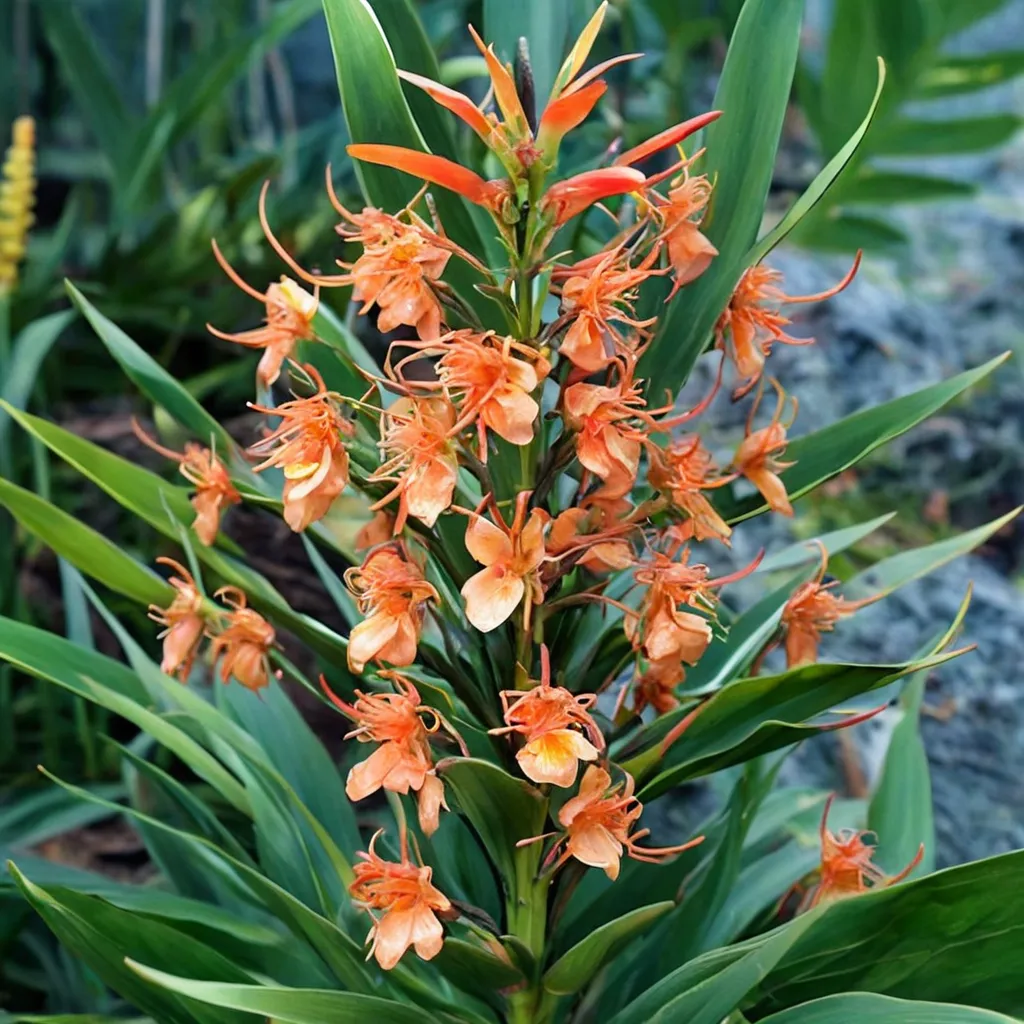
Scarlet Ginger Lily
Hedychium coccineum
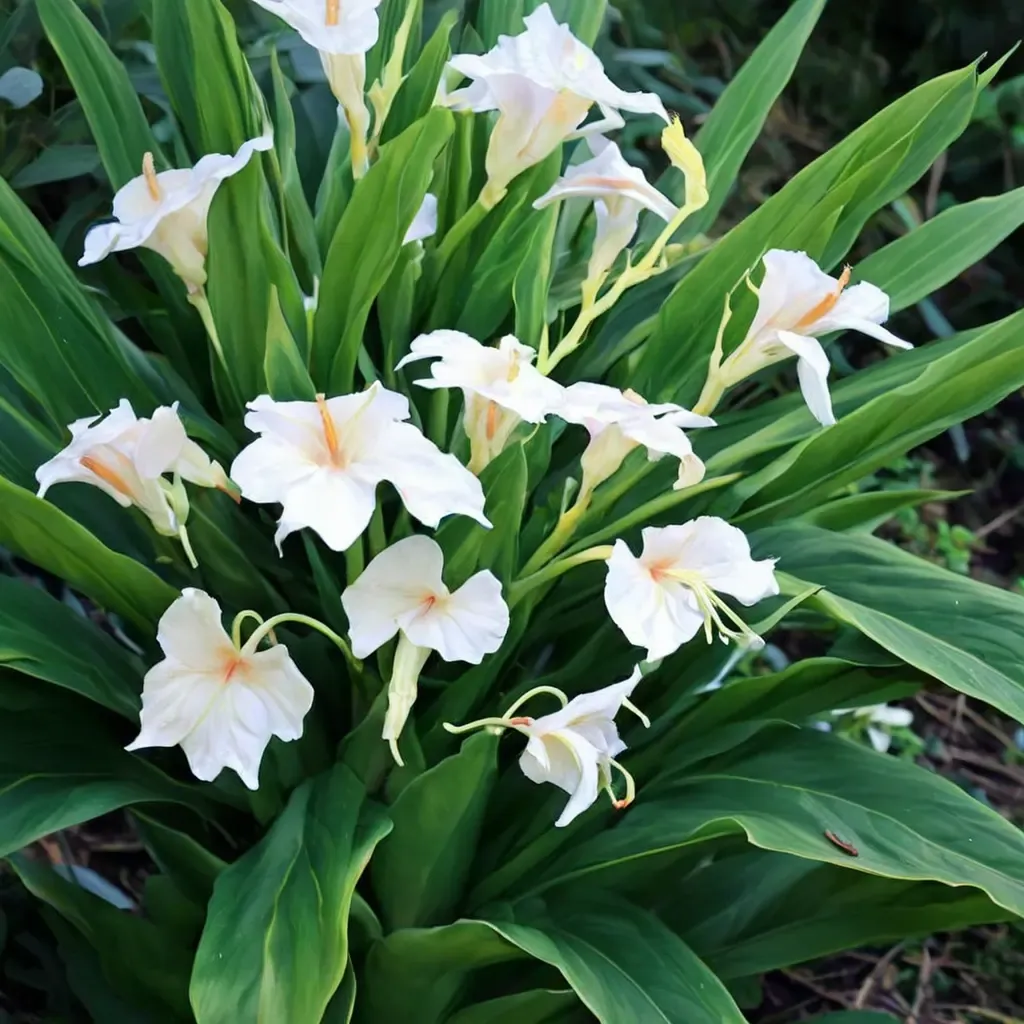
Ginger Lily Butterfly Ginger
Hedychium coronarium
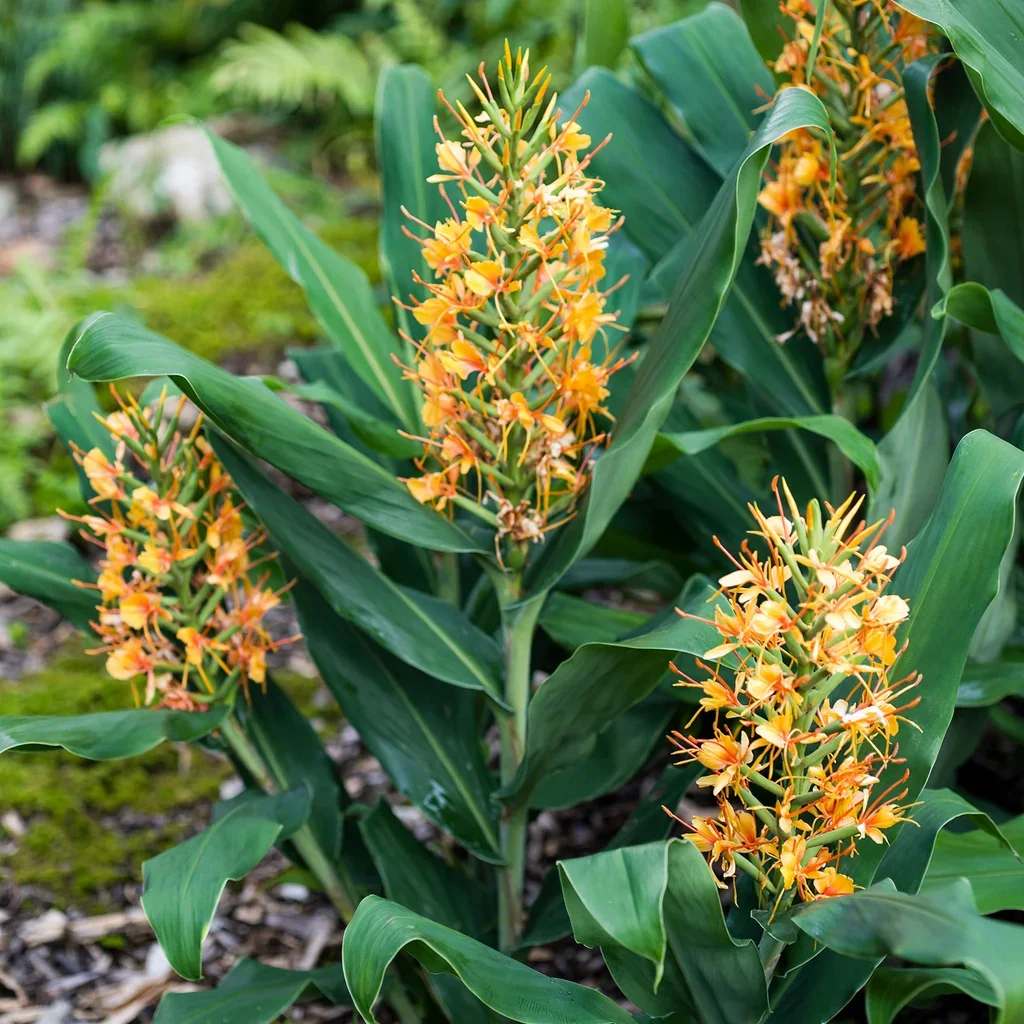
Raffill's Ginger
Hedychium x hybrida 'Raffillii'
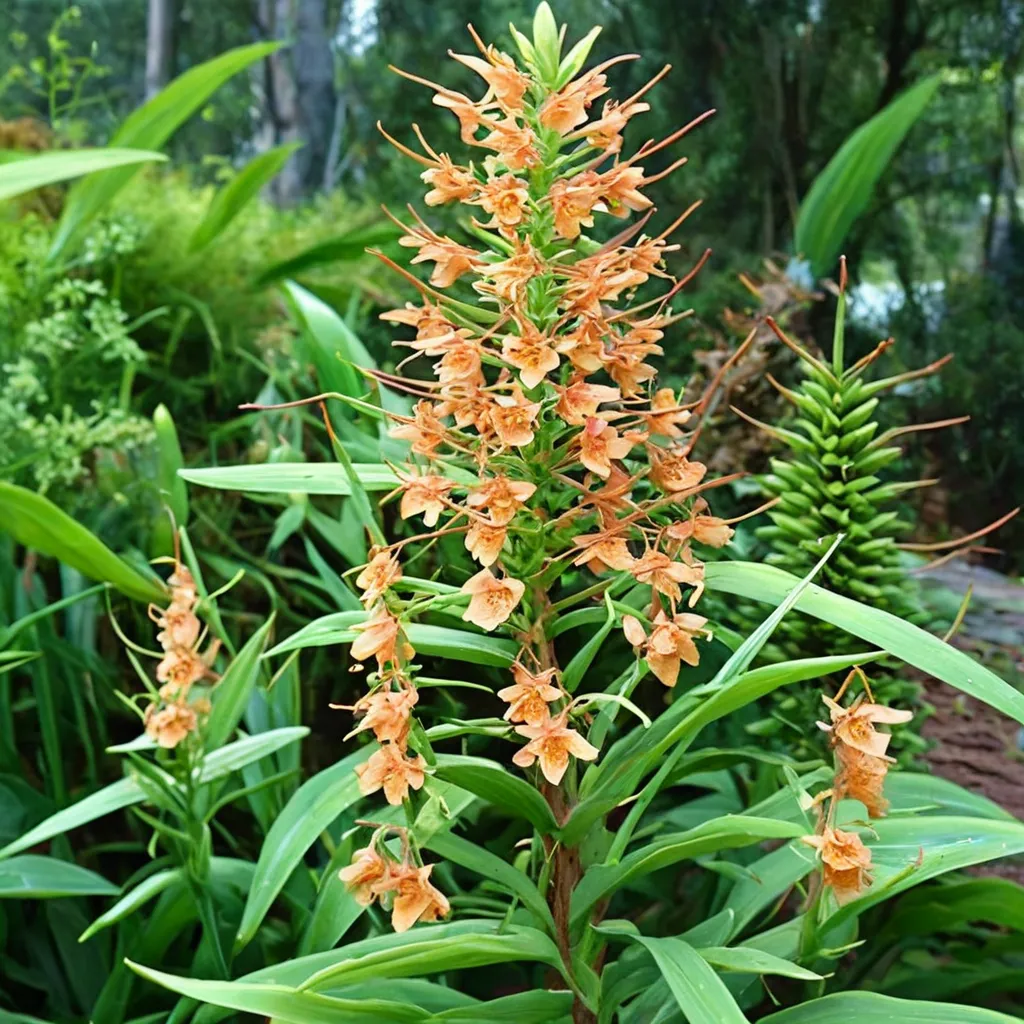
Disney Ginger Lily
Hedychium coccineum 'Disney'
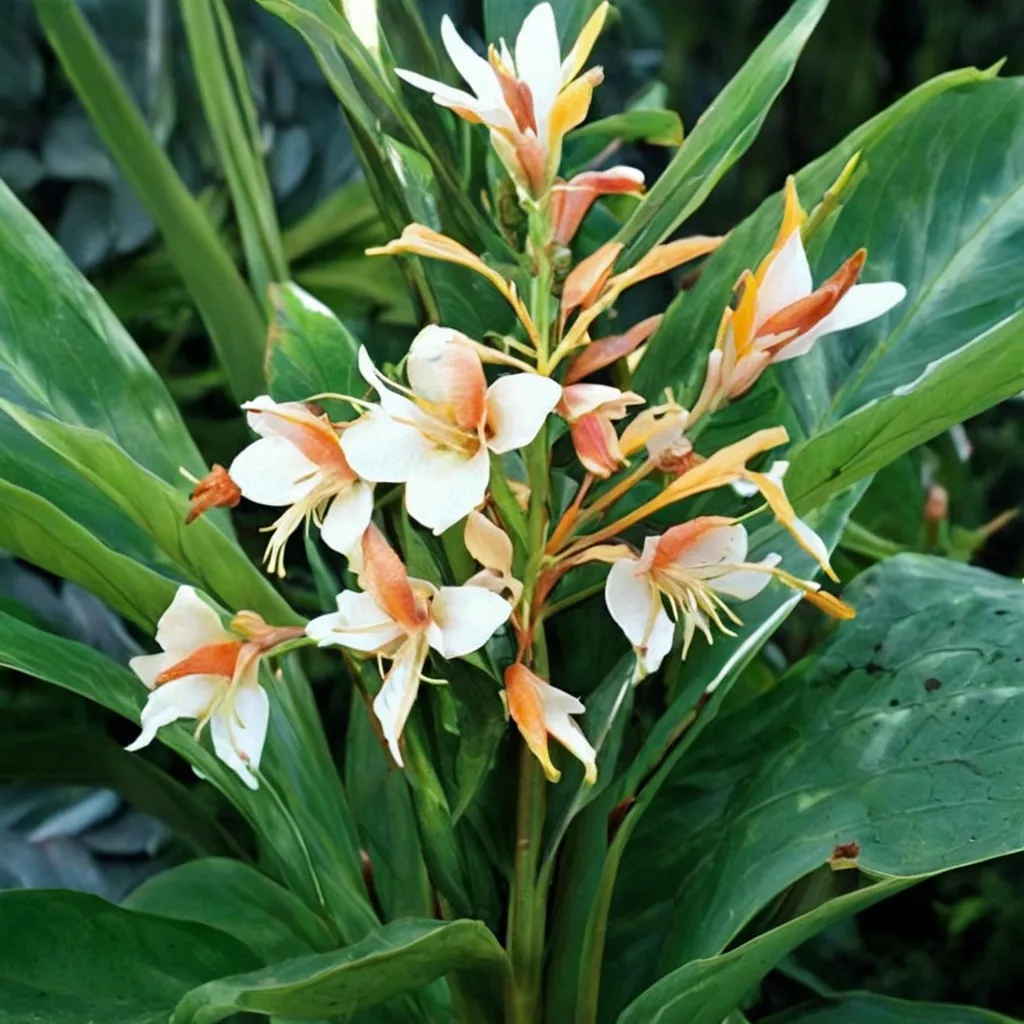
Mutant Ginger Lily
Hedychium x hybrida 'Mutant'
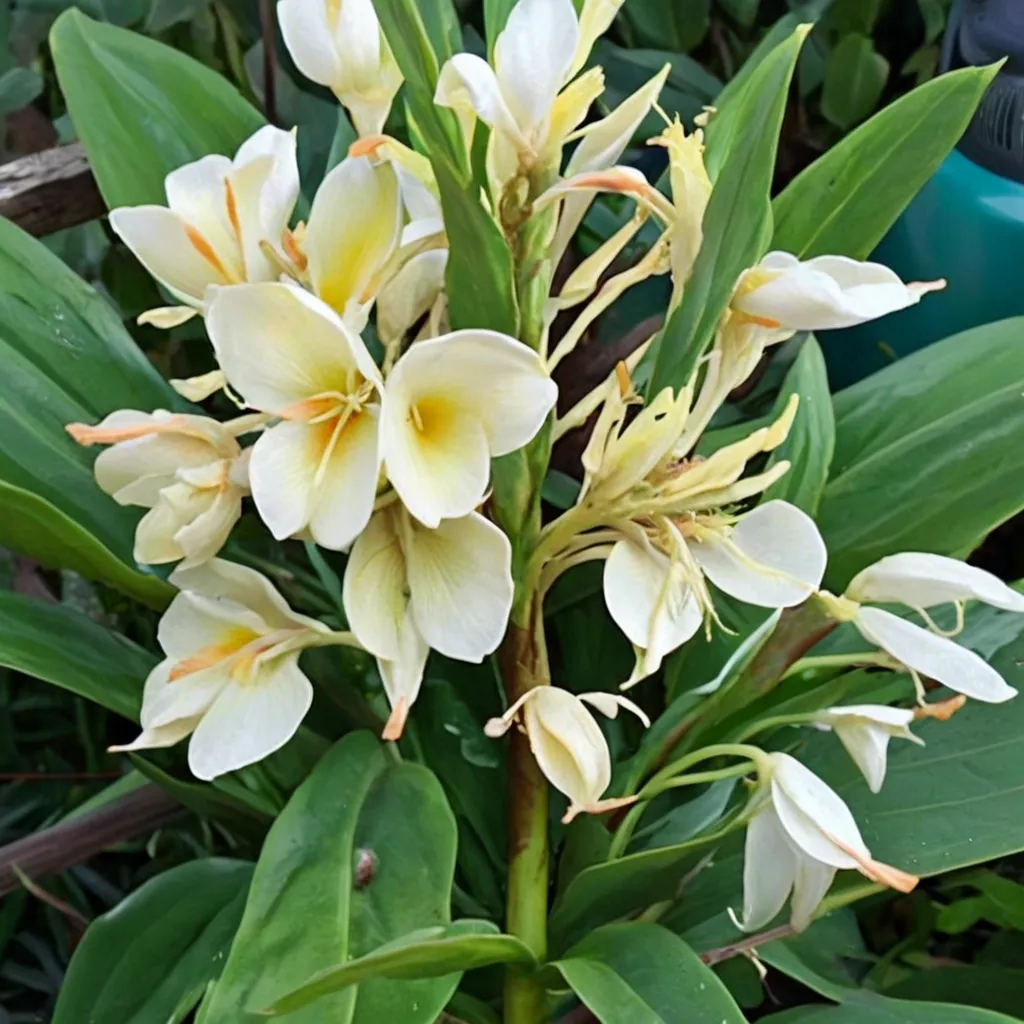
Yellow Ginger Lily
Hedychium flavescens
Keep exploring
Explore the genus
Hardy in your zone?
Grow Pincushion Ginger Lily with confidence
See it in a design of your actual yard, get zone-matched care reminders, and track it season by season in your garden journal.