The Story
Plant Bio
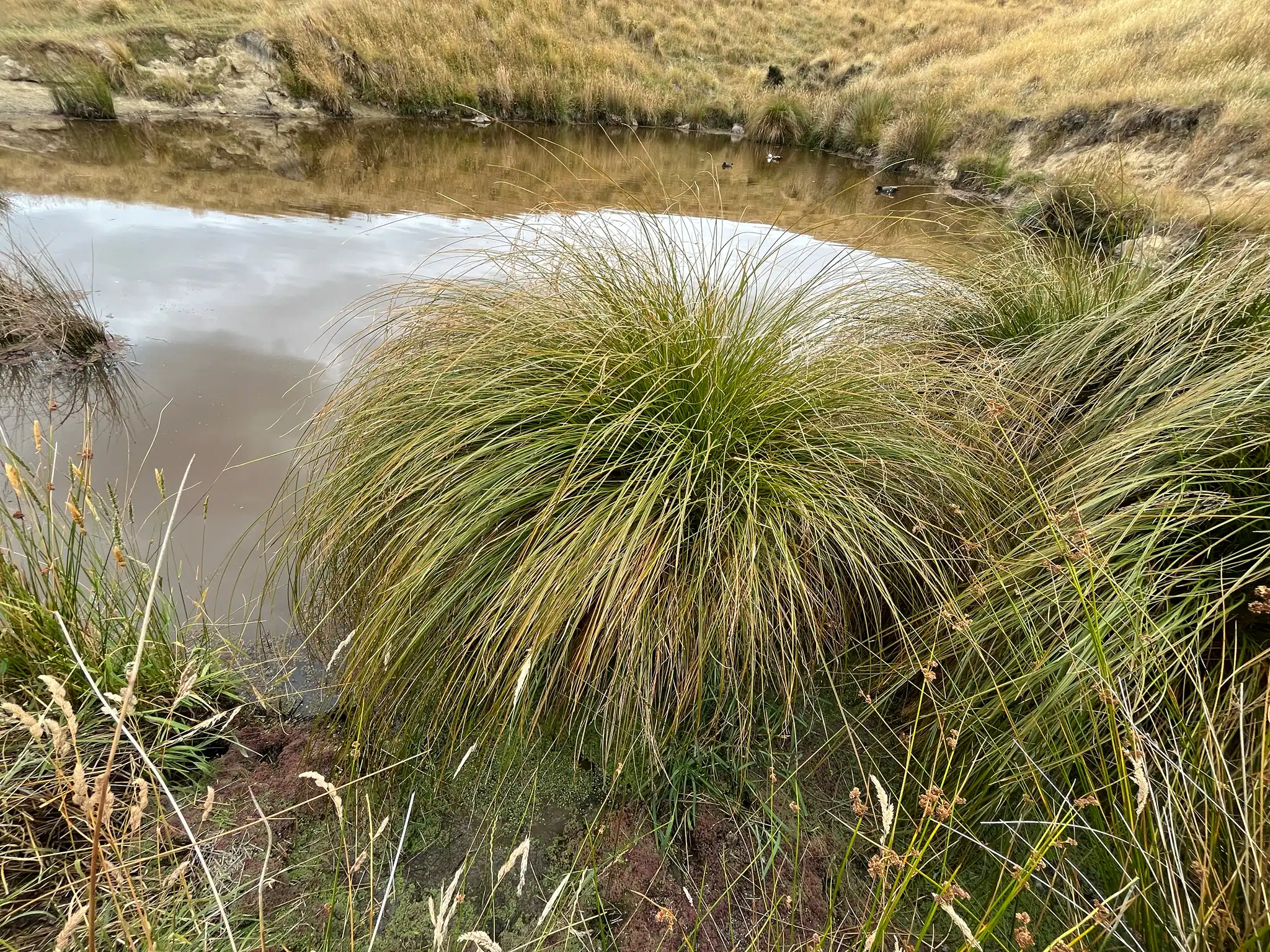
Carex secta, the swamp sedge, is a large, evergreen, tussock-forming sedge native to New Zealand that develops a distinctive, elevated trunk-like base over time. This structural pedestal is composed of matted roots, rhizomes, and old culm bases, from which bright green to yellow-green foliage arches gracefully.
The narrow, triangular leaves feature sharply abrasive margins and develop striking orange or bronze tones when exposed to full sun or dry conditions. In early to midsummer, the plant produces long, drooping panicles of pale brown to chocolate-colored flower spikes.
Uses & Benefits:
Essentials
At a Glance
Plant Type
Grass
Height
60"
Width
40"
Light
Full Sun, Partial Sun
Zones
7, 8, 9, 10
Water
High
Humidity
High
Lifespan
Perennial
Native To
New Zealand
Toxicity
Non-toxic
Bloom period
Early summer – Midsummer
In flower about 2 months of the year
Planting
How to Grow
- Select a planting site in full sun to partial shade with consistently moist, wet, or seasonally flooded soil.
- Dig a hole twice the width of the root ball and set the plant at the same depth it was growing in the container.
- Water thoroughly after planting and maintain consistent moisture, especially during the first growing season.
- Apply a light layer of organic mulch around the base to help retain soil moisture and suppress weeds.
Pro Tip
Never shear this sedge flat to the ground in winter like a typical ornamental grass; cutting into the woody, trunk-like root base destroys the upper crown tissue and will kill the plant.
Keep It Thriving
Care Guide
Do
- Wear thick gardening gloves when handling the plant to protect hands from the sharp, abrasive leaf margins.
- Keep the soil consistently moist or wet, particularly during hot summer dry spells to prevent foliage browning.
- Clean out dead skirt foliage and trim damaged leaves during active warm-weather growth in summer.
- Apply a light application of a balanced slow-release fertilizer in early spring.
Don't
- Do not cut the plant back to the ground or prune down into the old, leafless trunk wood.
- Do not plant in dry, sandy soils without providing supplementary summer irrigation.
- Avoid heavy pruning during winter when the plant is not actively growing and cannot easily regenerate.
Seasonal Care Calendar
| Task | Jan | Feb | Mar | Apr | May | Jun | Jul | Aug | Sep | Oct | Nov | Dec |
|---|---|---|---|---|---|---|---|---|---|---|---|---|
| Divide | ||||||||||||
| Fertilize | ||||||||||||
| Prune | ||||||||||||
| Spring Cleanup |
Watch Out For
Pests & Diseases
Common Pests
Common Diseases
In the Garden
Landscape Uses & Companions
Landscape Uses
Companion Plants
Multiply
Propagation Methods
Good to Know
Common Questions
Swamp Sedge questions
What zones can Swamp Sedge grow in?
Swamp Sedge is hardy in USDA Zones 7–10. Inside that range it survives winter in the ground; outside it, grow it as an annual or a container plant you protect.
Is Swamp Sedge deer resistant?
Yes — Swamp Sedge is rated deer-resistant. Deer typically pass it over, though extreme hunger can override any plant's defenses.
When does Swamp Sedge bloom?
Swamp Sedge typically blooms in early summer through midsummer. Exact timing shifts a week or two with your zone — Sow's bloom calendar maps it to your garden.
Does Swamp Sedge need full sun?
Swamp Sedge does best in full sun to part shade. In hot climates, afternoon shade keeps blooms fresher longer.
More Carex to compare
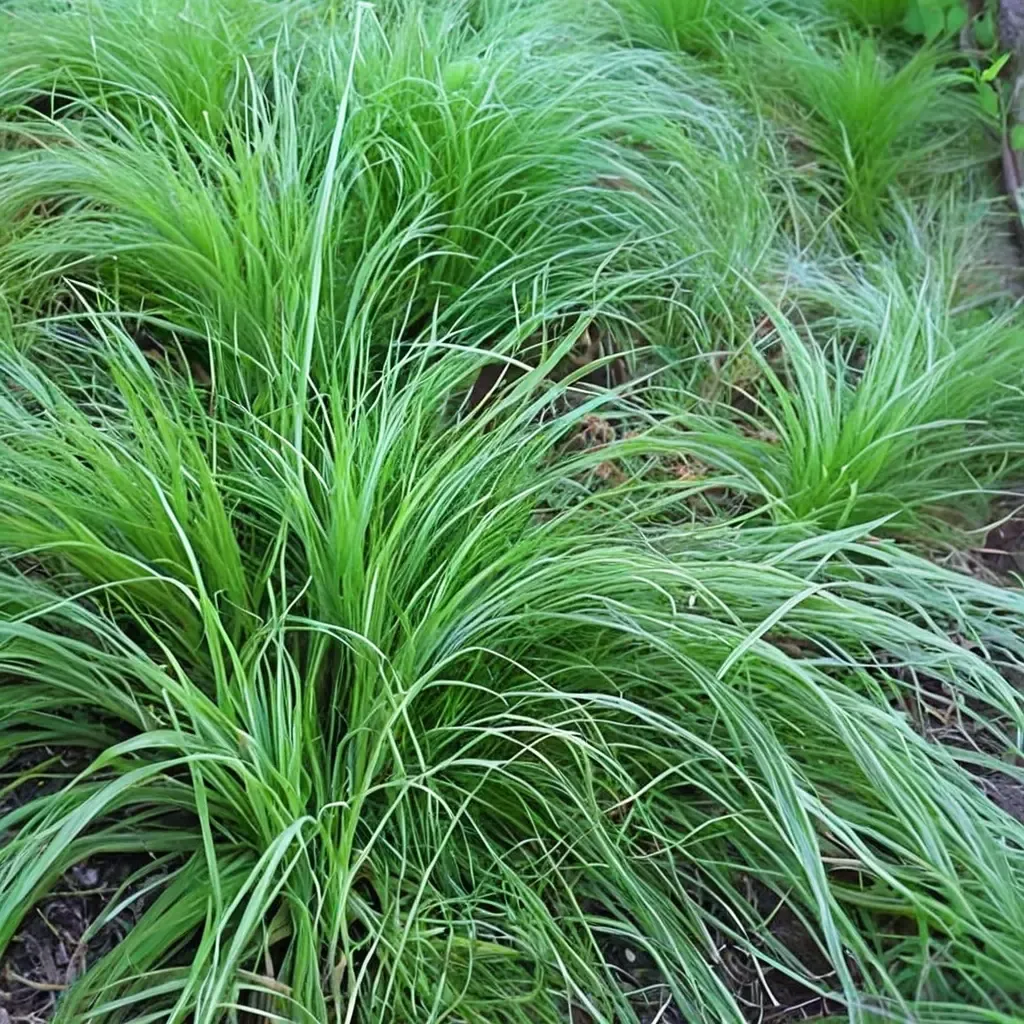
Pennsylvania Sedge
Carex pensylvanica
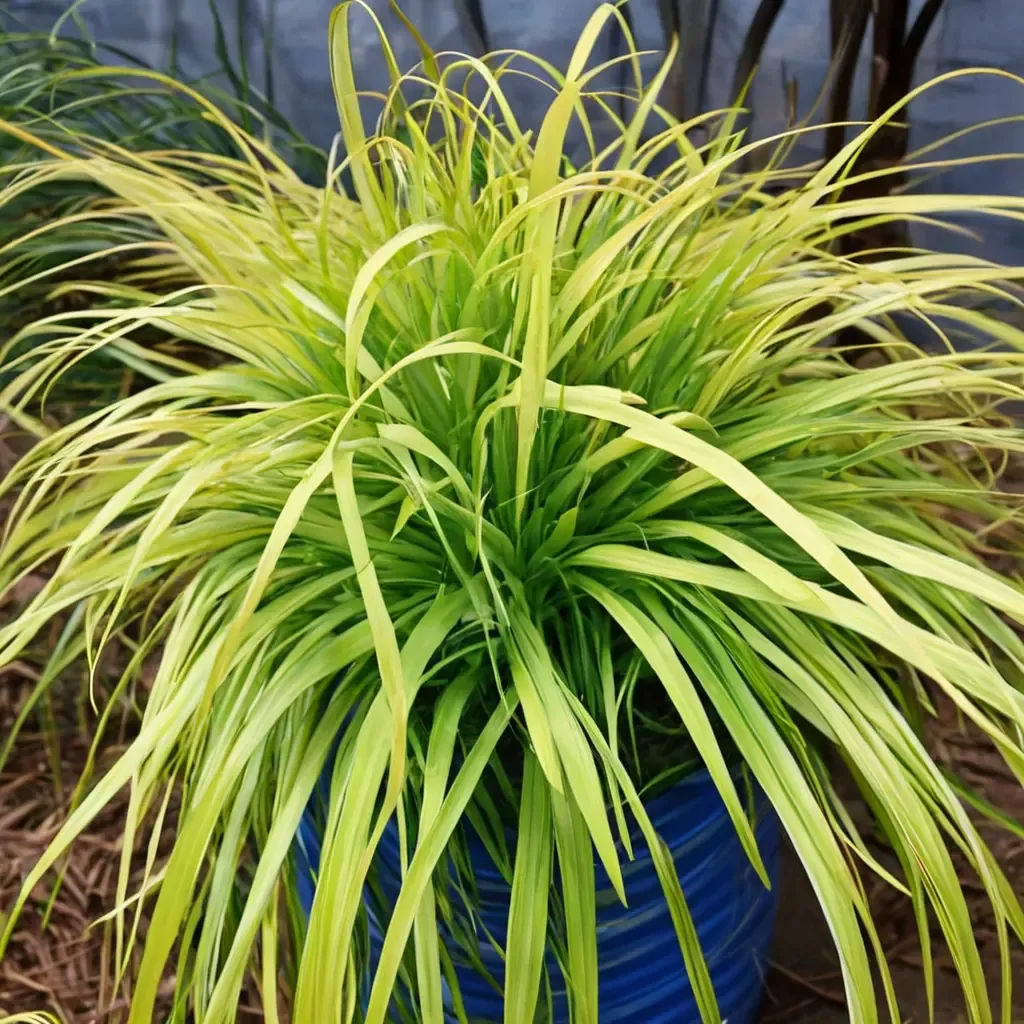
Everillo Sedge
Carex oshimensis 'Everillo'
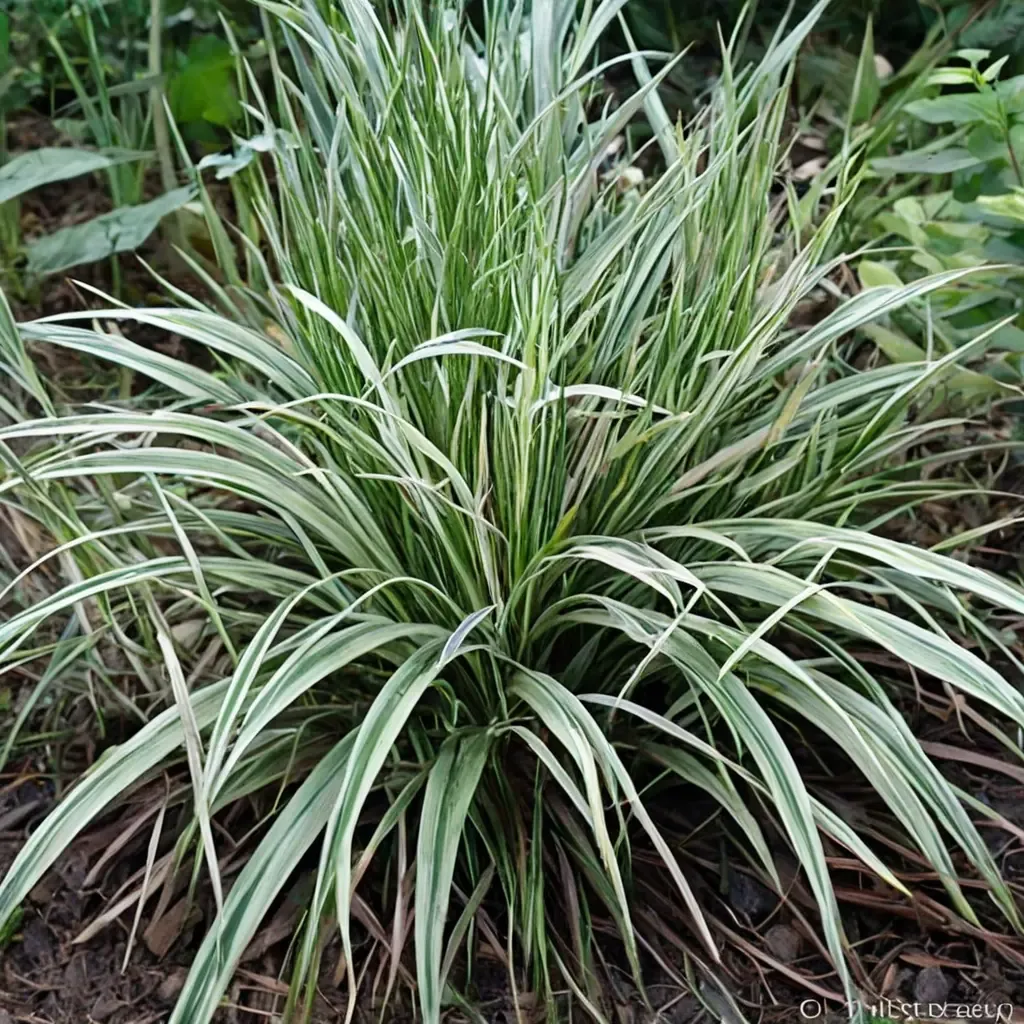
Japanese Sedge
Carex morrowii
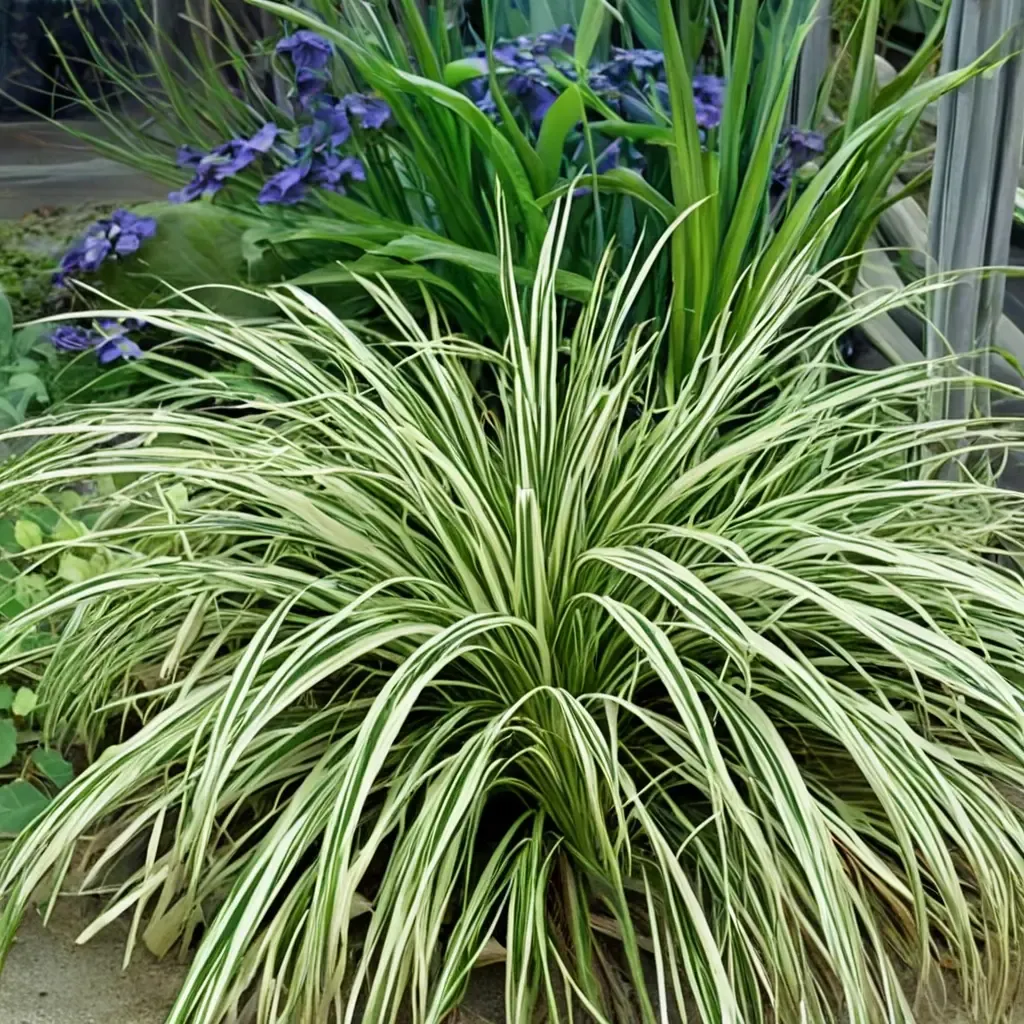
Evergold Japanese Sedge
Carex oshimensis 'Evergold'
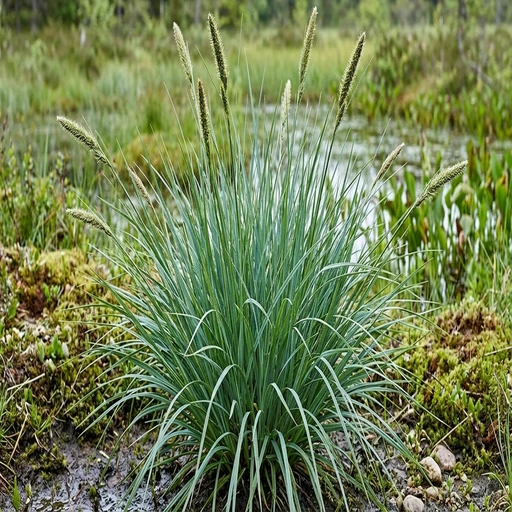
Comosa Sedge
Carex comosa
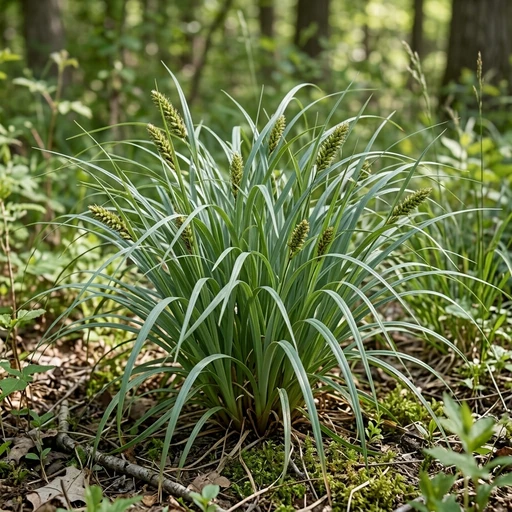
Shortbeak Sedge
Carex brevior
Keep exploring
Explore the genus
Hardy in your zone?
Grow Swamp Sedge with confidence
See it in a design of your actual yard, get zone-matched care reminders, and track it season by season in your garden journal.