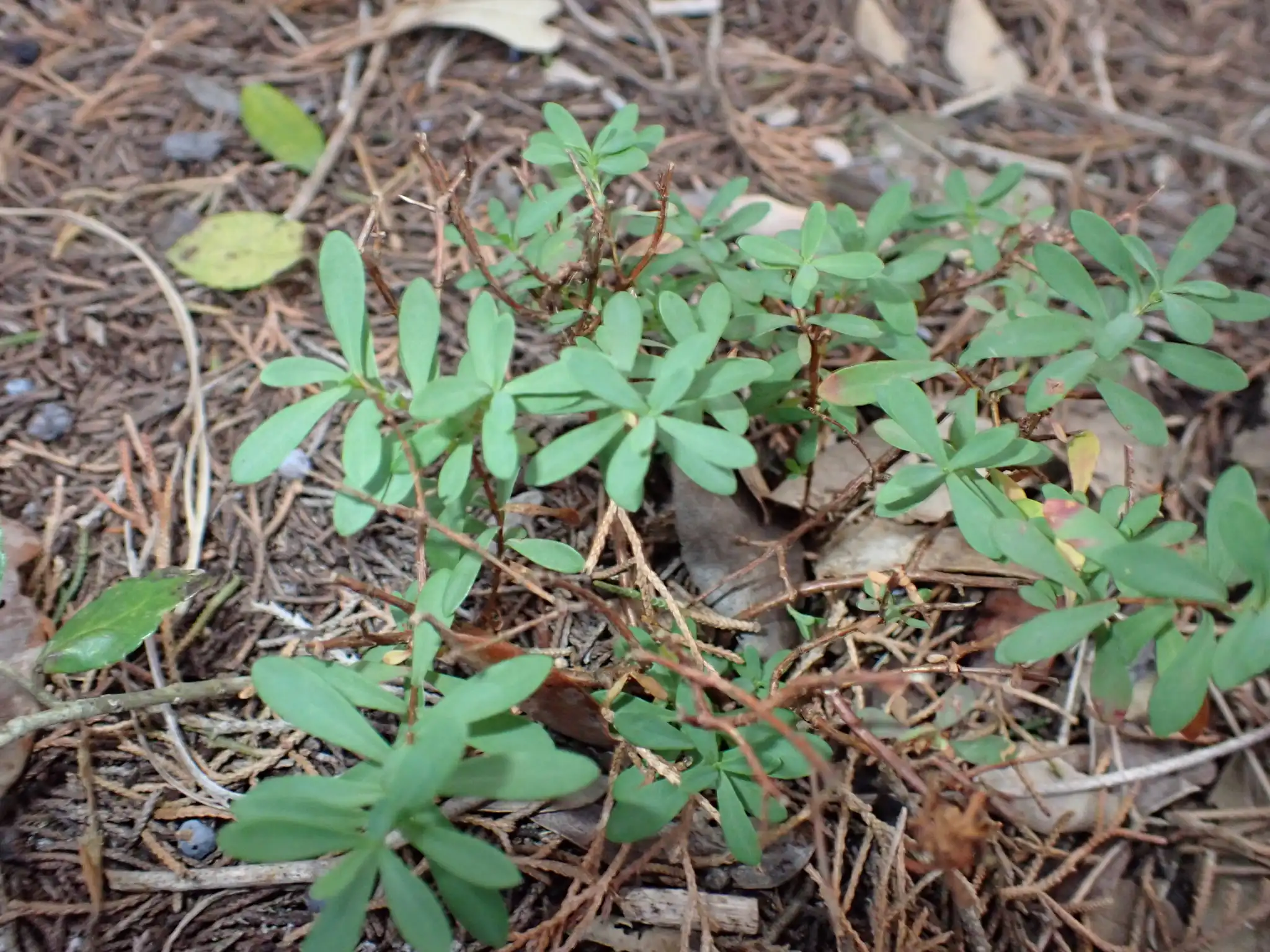
The Story
Plant Bio
Hypericum hypericoides is a small semi-evergreen shrub with loose erect stems and reddish flaky bark, reaching one to three feet tall with a slightly wider spread. It carries small opposite smooth leaves and bears bright lemon-yellow four-petaled flowers singly in the leaf axils from summer into fall.
The flowers form a distinct oblique cross with four narrow petals, which separates this species from the five-petaled Hypericum species with showy pompon stamens. Plants sold under this name are the straight species with no named cultivars, and material labeled as St Andrews cross is often confused online with Hypericum prolificum.
Uses & Benefits:
Essentials
At a Glance
Plant Type
Shrub
Height
36"
Width
24"
Light
Full Sun, Partial Sun
Zones
5, 6, 7, 8, 9
Water
Dry to moist
Humidity
Low to average
Lifespan
Perennial shrub
Native To
Southeastern USA to Texas, Mexico, Central America, Caribbean
Toxicity
Possibly toxic - uncertain
Bloom period
Summer – Fall
In flower about 6 months of the year
Planting
How to Grow
- Plant in full sun to part shade in average sandy to loamy soil that drains freely
- Space 18 to 24 inches apart and water in deeply to settle the roots
- Water until established, then allow soil to dry between waterings
- Mulch lightly to conserve moisture while keeping mulch off the stems
Pro Tip
Prune once a year in late winter to keep the loose branching compact; flowering follows on the new season's growth.
Keep It Thriving
Care Guide
Do
- Plant in dry to moist sandy loam
- Give full sun to part shade
- Prune annually to control loose spread
Don't
- Do not plant in wet ground
- Do not leave plants crowded and overhead-wet in humid weather
Seasonal Care Calendar
| Task | Jan | Feb | Mar | Apr | May | Jun | Jul | Aug | Sep | Oct | Nov | Dec |
|---|---|---|---|---|---|---|---|---|---|---|---|---|
| Mulch | ||||||||||||
| Pest Check | ||||||||||||
| Plant | ||||||||||||
| Prune |
Watch Out For
Pests & Diseases
Common Pests
Common Diseases
In the Garden
Landscape Uses & Companions
Landscape Uses
Multiply
Propagation Methods
Good to Know
Common Questions
St. Andrew's Cross questions
What zones can St. Andrew's Cross grow in?
St. Andrew's Cross is hardy in USDA Zones 5–9: in that range it survives winter in the ground. Colder than Zone 5, grow it in a container you can move to shelter for the winter. Warmer than Zone 9, winter isn't the problem: it prefers colder winters, and summer heat can shorten its life.
When does St. Andrew's Cross bloom?
St. Andrew's Cross typically blooms from summer to fall. Exact timing shifts a week or two with your zone — Sow's bloom calendar maps it to your garden.
Does St. Andrew's Cross need full sun?
St. Andrew's Cross does best in full sun to part shade. In hot climates, afternoon shade keeps blooms fresher longer.
Is St. Andrew's Cross drought tolerant?
Yes — once established (usually after the first full season), St. Andrew's Cross handles dry spells with minimal watering. Water deeply its first year to build the root system that makes that possible.
More Hypericum to compare
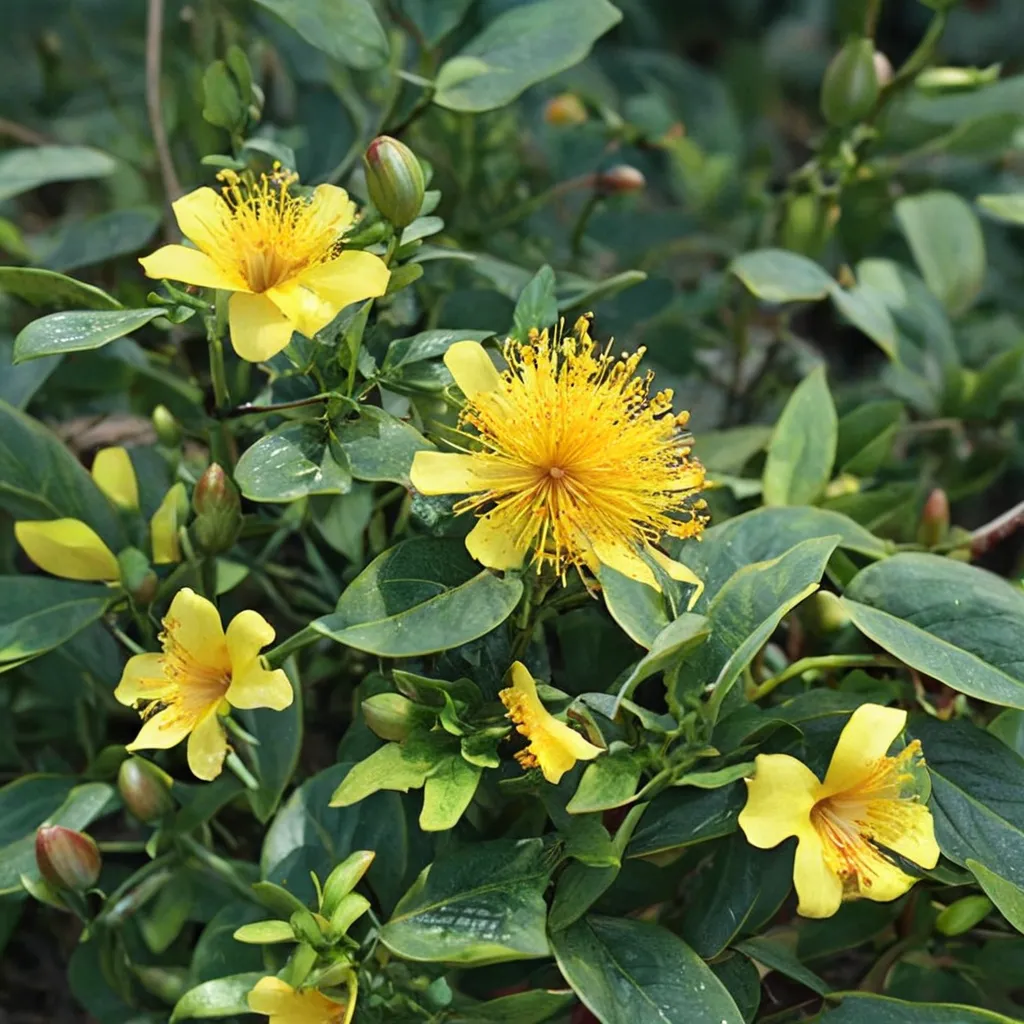
Hypericum frondosum Goldmound
Hypericum frondosum
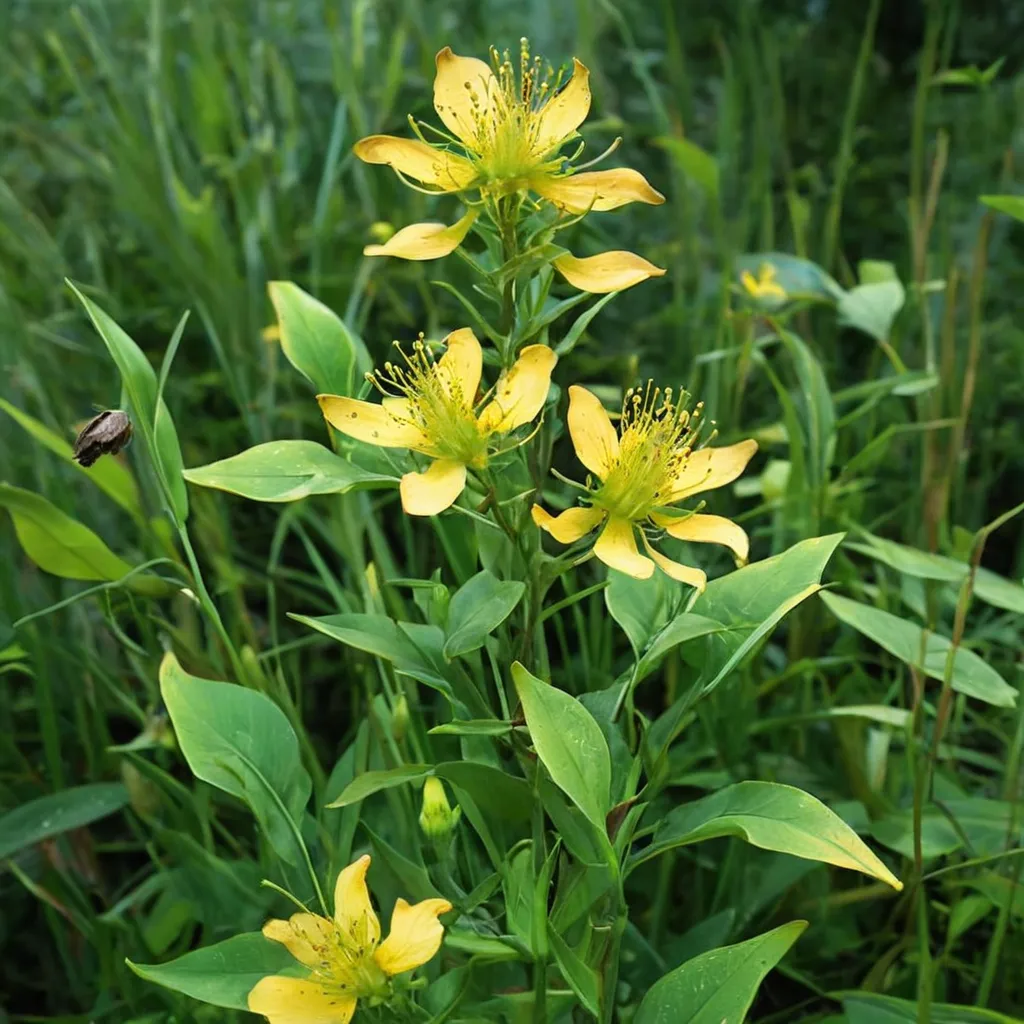
Great St. John's Wort
Hypericum ascyron
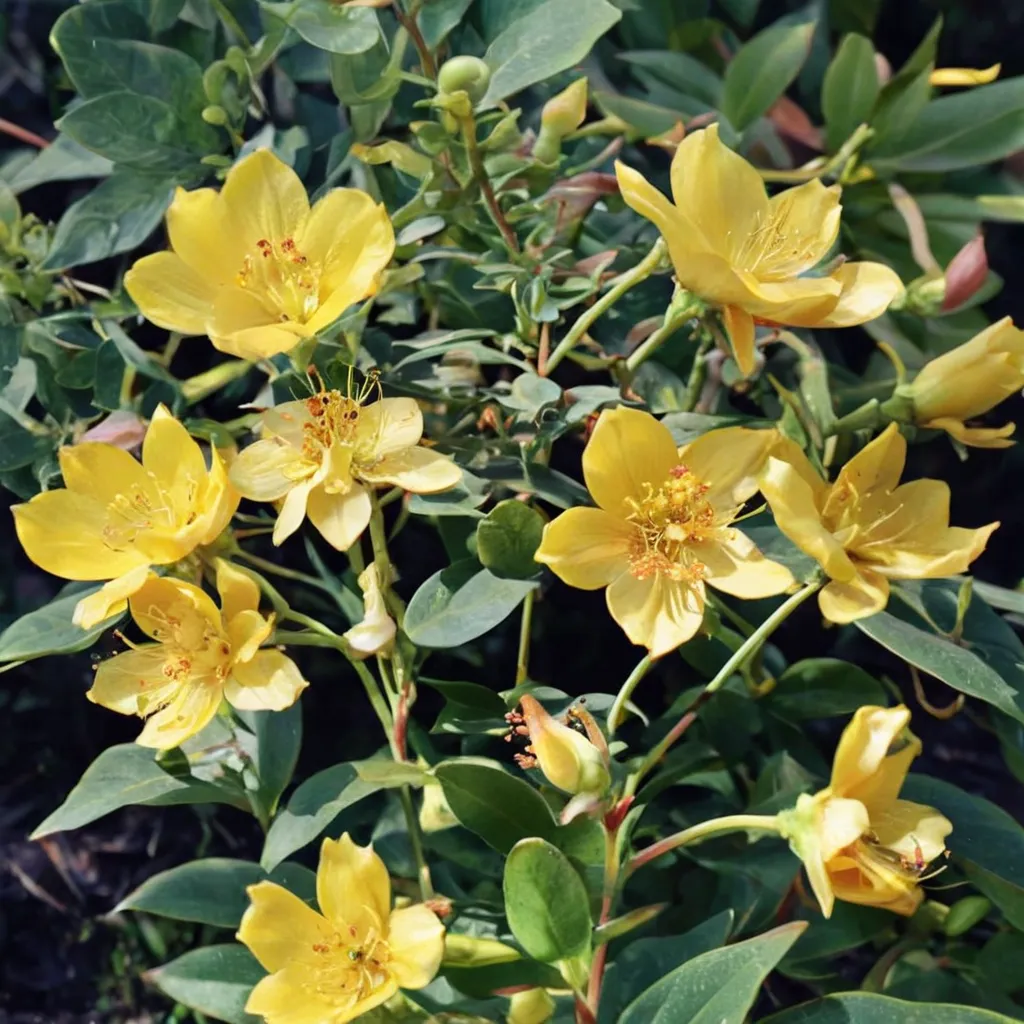
Variegated Hypericum
Hypericum patulum 'Hidcote Variegated'
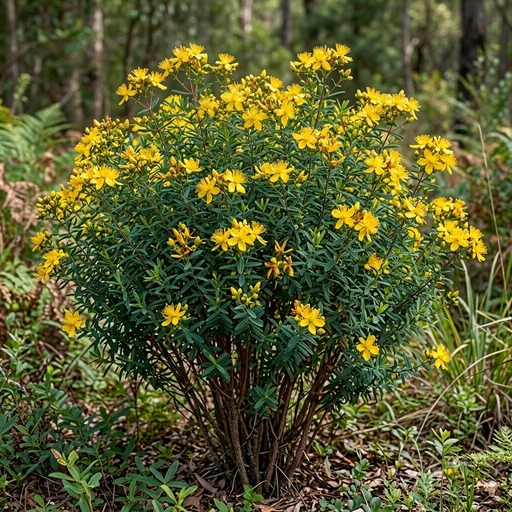
Shrubby St. Johnswort
Hypericum prolificum
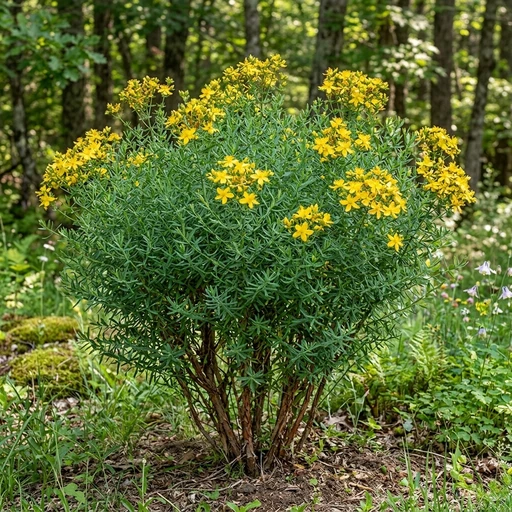
Gemo St. Johnswort
Hypericum kalmianum 'Gemo'
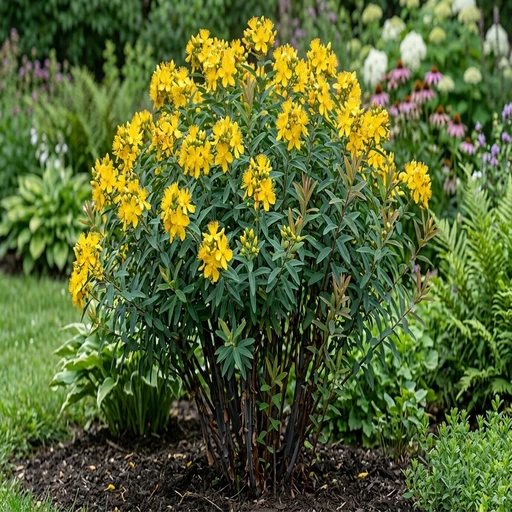
Kalm's St. John's Wort
Hypericum kalmianum
Keep exploring
Explore the genus
Hardy in your zone?
Grow St. Andrew's Cross with confidence
See it in a design of your actual yard, get zone-matched care reminders, and track it season by season in your garden journal.