The Story
Plant Bio
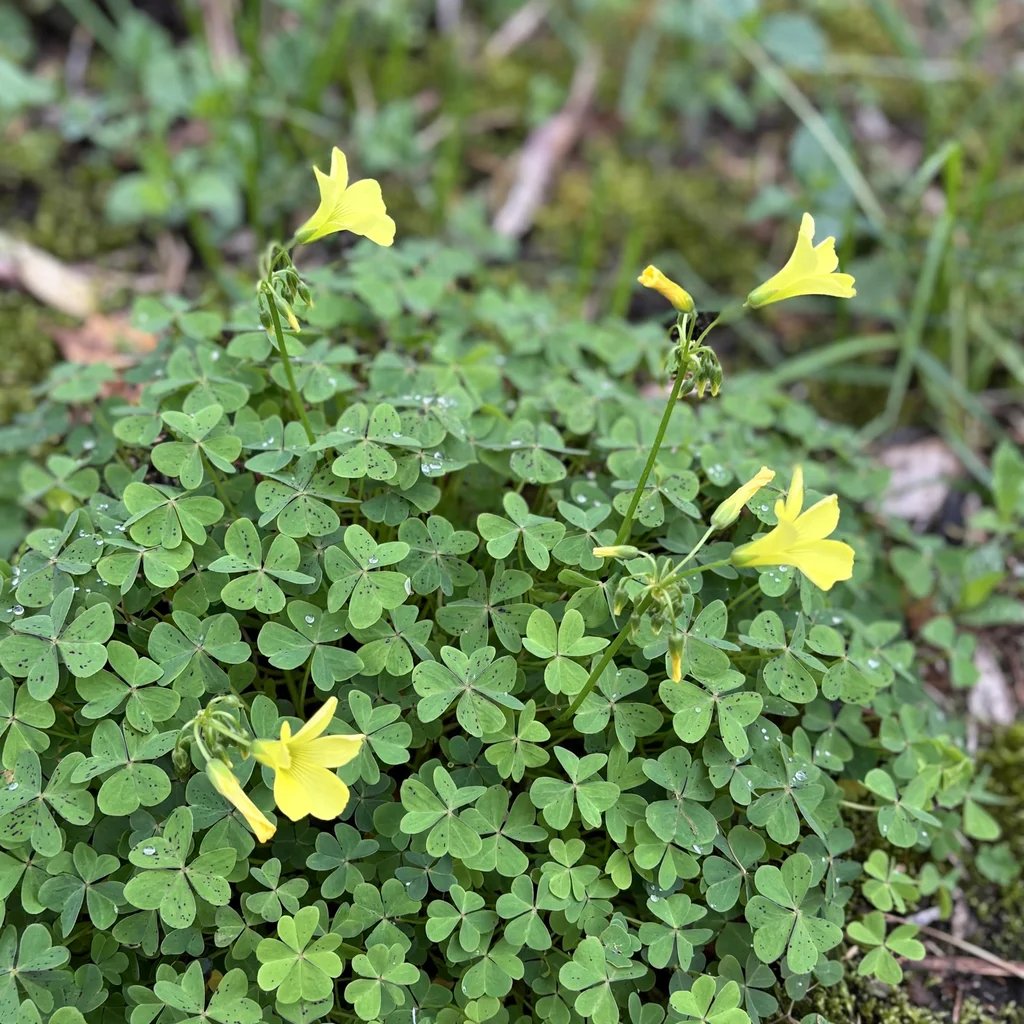
Oxalis articulata is a rhizomatous South American perennial that forms a low mound of trifoliate, clover-like leaves on fleshy stalks. Each leaflet is notched at the tip and folds downward at night, and the plant thickens from jointed woody rhizomes rather than from bulbs.
The form sold as Oxalis crassipes carries 2cm five-petalled trumpets in hot pink with a dark magenta eye held just above the foliage from spring into fall. It holds its leaves through mild winters, dies back and returns from the rhizomes after hard frost, and seeds around until established clumps resist pulling.
Uses & Benefits:
Essentials
At a Glance
Plant Type
Perennial
Height
10"
Width
15"
Light
Full Sun, Partial Sun
Zones
5, 6, 7, 8, 9
Water
Medium
Humidity
Tolerant
Lifespan
Perennial
Native To
NE and NW Argentina, S Brazil, Uruguay, Paraguay
Toxicity
Toxic to dogs, cats, horses; oxalates harmful in quantity
Bloom period
Spring – Fall
In flower about 9 months of the year
Planting
How to Grow
- Plant divisions 12 inches apart in well-drained loam in full sun to part shade after last frost.
- Water to settle, then keep evenly moist through spring and summer without leaving standing water.
- Deadhead spent trusses to extend bloom into fall where moisture holds.
- Cut back frost-killed tops in late winter and mulch the crown in Zone 5.
- Lift and divide congested rhizome clumps every 3 years in spring.
Pro Tip
Keep the root zone evenly moist through bloom; dry dormancy shrinks the rhizomes and shortens the next flush.
Keep It Thriving
Care Guide
Do
- Keep soil evenly moist during active growth and bloom
- Give morning sun with afternoon shade in hot climates
- Contain spread with edging where self-seeding is unwanted
Don't
- Do not plant in boggy soil or saucers that hold water
- Do not eat large quantities; leaves contain oxalic acid
- Do not toss rhizome pieces on the compost where you do not want new plants
Seasonal Care Calendar
| Task | Jan | Feb | Mar | Apr | May | Jun | Jul | Aug | Sep | Oct | Nov | Dec |
|---|---|---|---|---|---|---|---|---|---|---|---|---|
| Deadhead | ||||||||||||
| Divide | ||||||||||||
| Mulch | ||||||||||||
| Pest Check | ||||||||||||
| Plant |
Watch Out For
Pests & Diseases
Common Pests
Common Diseases
In the Garden
Landscape Uses & Companions
Landscape Uses
Companion Plants
Multiply
Propagation Methods
Good to Know
Common Questions
Pink Wood Sorrel questions
What zones can Pink Wood Sorrel grow in?
Pink Wood Sorrel is hardy in USDA Zones 5–9: in that range it survives winter in the ground. Colder than Zone 5, grow it in a container you can move to shelter for the winter, or as an annual. Warmer than Zone 9, winter isn't the problem: it prefers colder winters, and summer heat can shorten its life.
When does Pink Wood Sorrel bloom?
Pink Wood Sorrel typically blooms from spring to fall. Exact timing shifts a week or two with your zone — Sow's bloom calendar maps it to your garden.
Does Pink Wood Sorrel need full sun?
Pink Wood Sorrel does best in full sun to part shade. In hot climates, afternoon shade keeps blooms fresher longer.
More Oxalis to compare
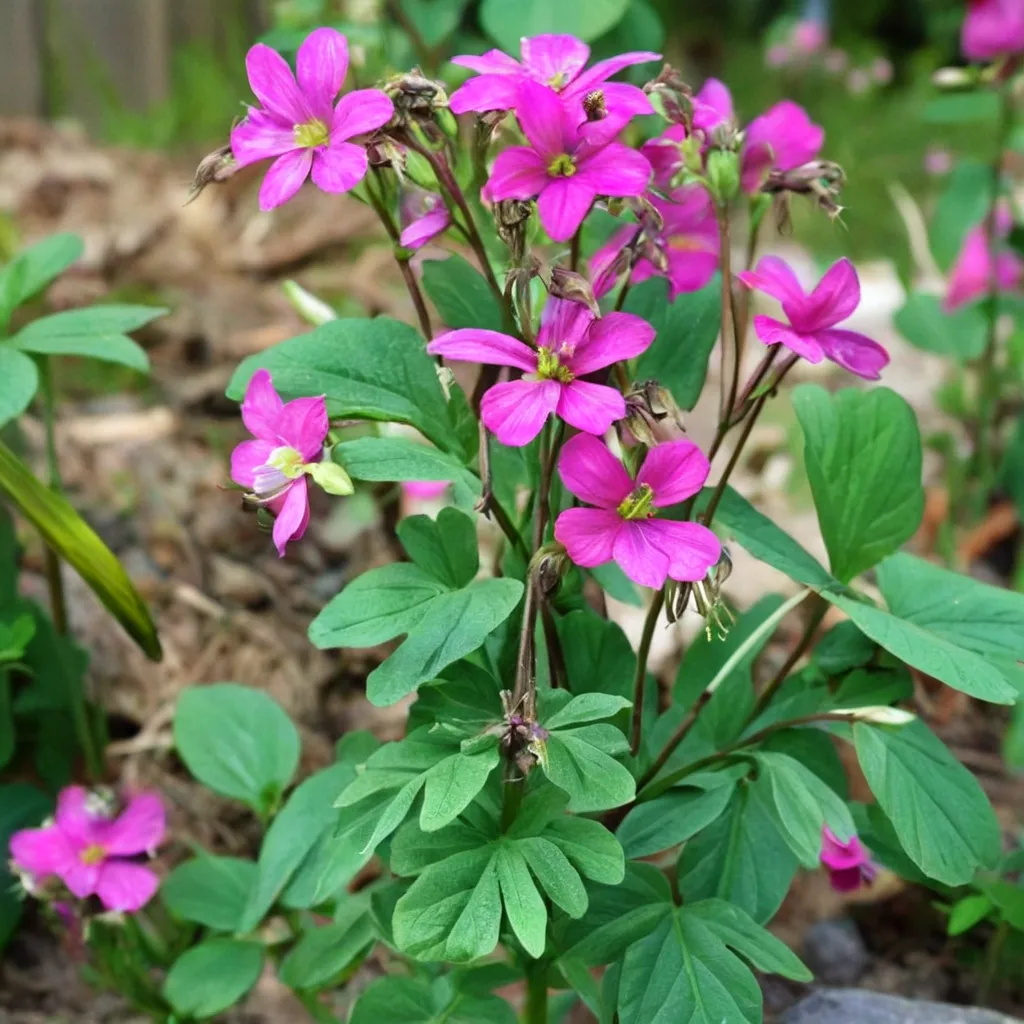
Oxalis Lasiandra
Oxalis lasiandra
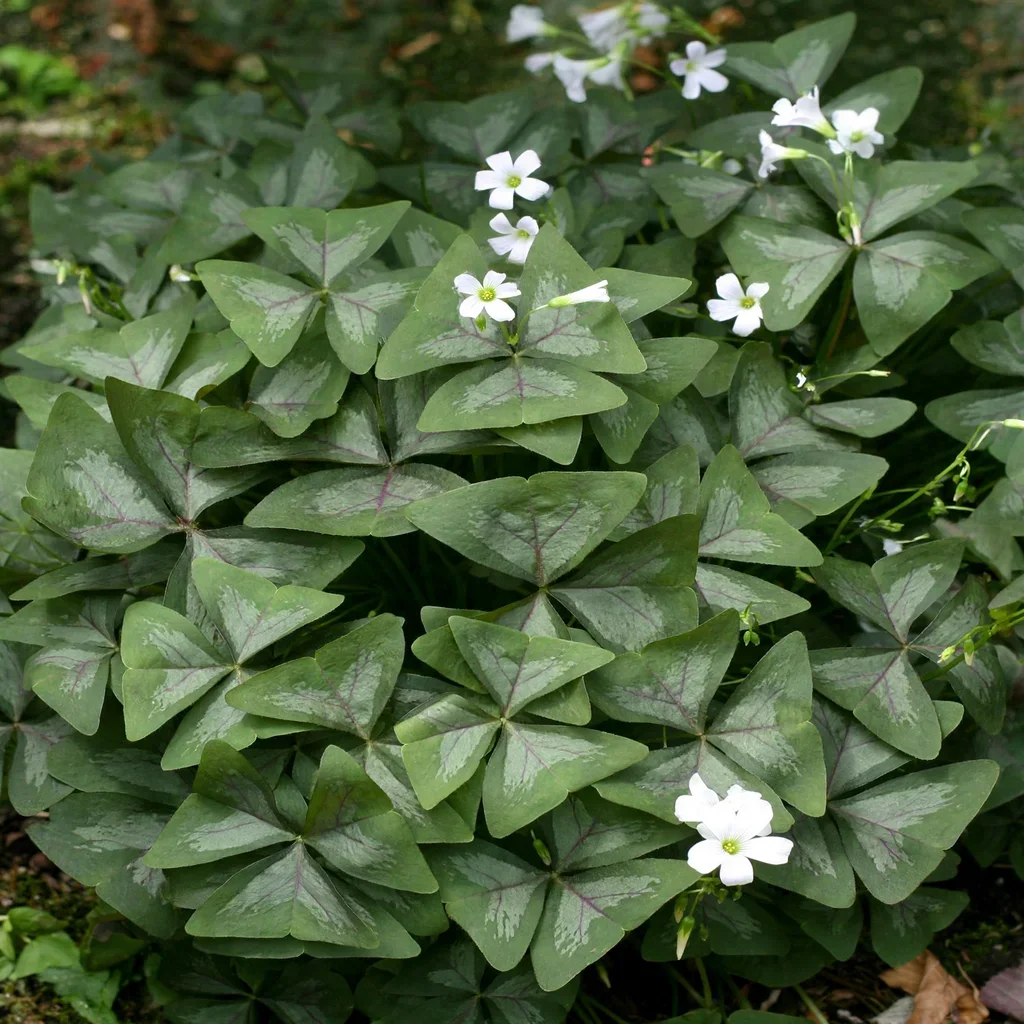
False Shamrock
Oxalis triangularis 'Fanny'
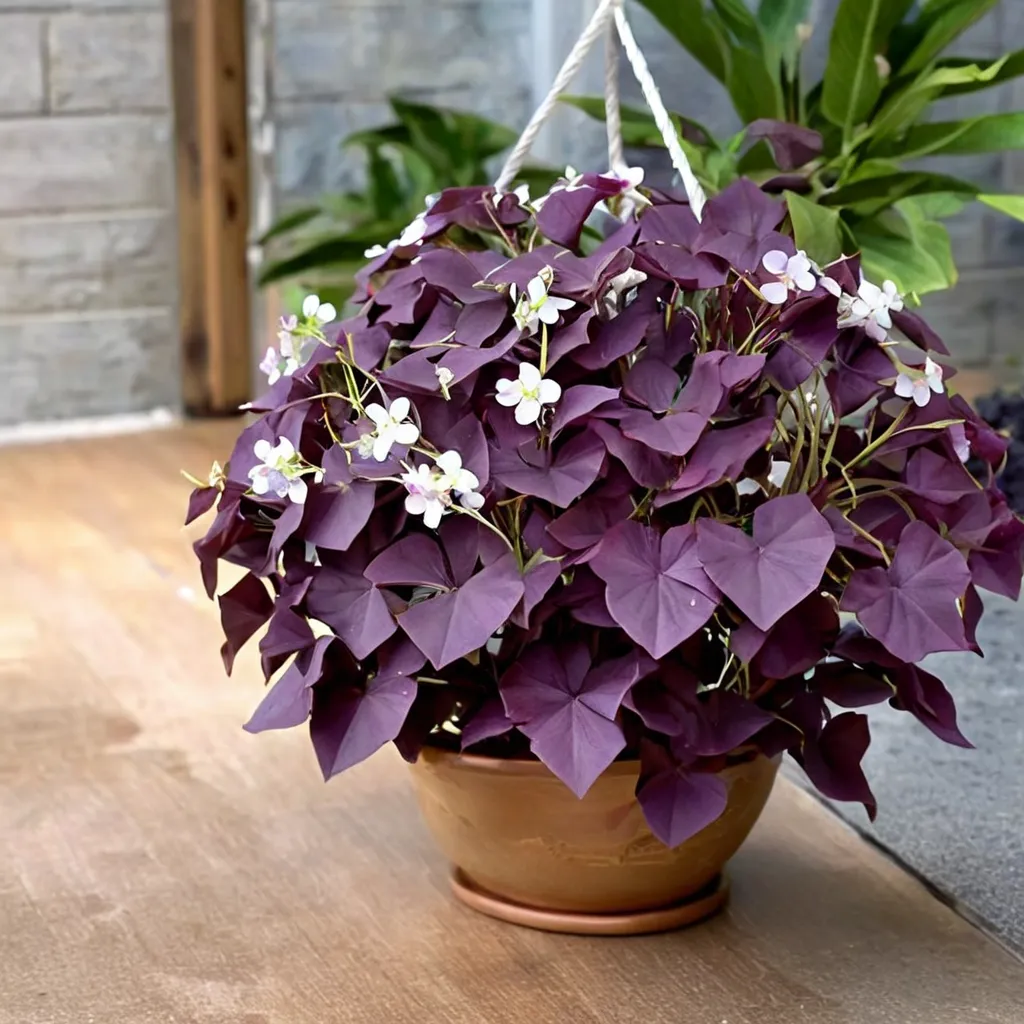
Purple Shamrock
Oxalis triangularis
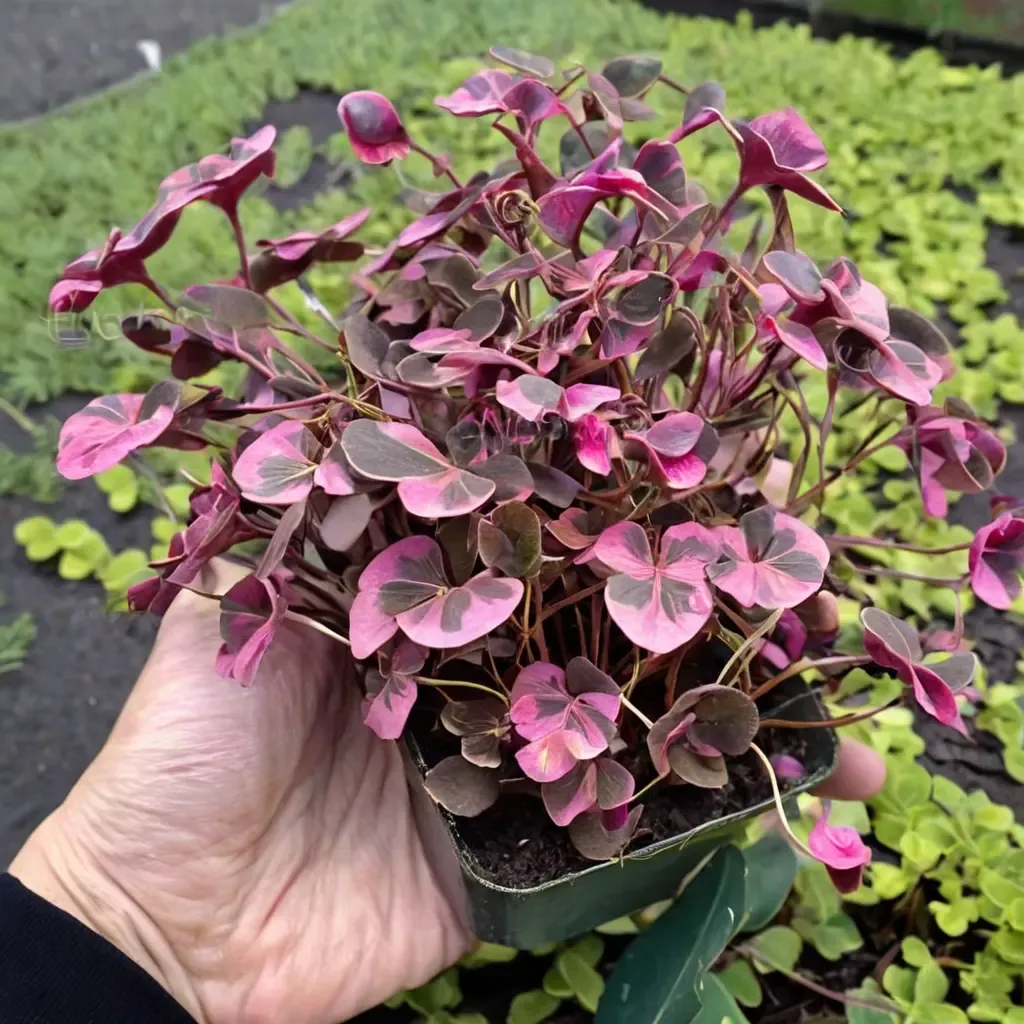
Plum Crazy Yellow Woodsorrel
Oxalis stricta 'Plum Crazy'
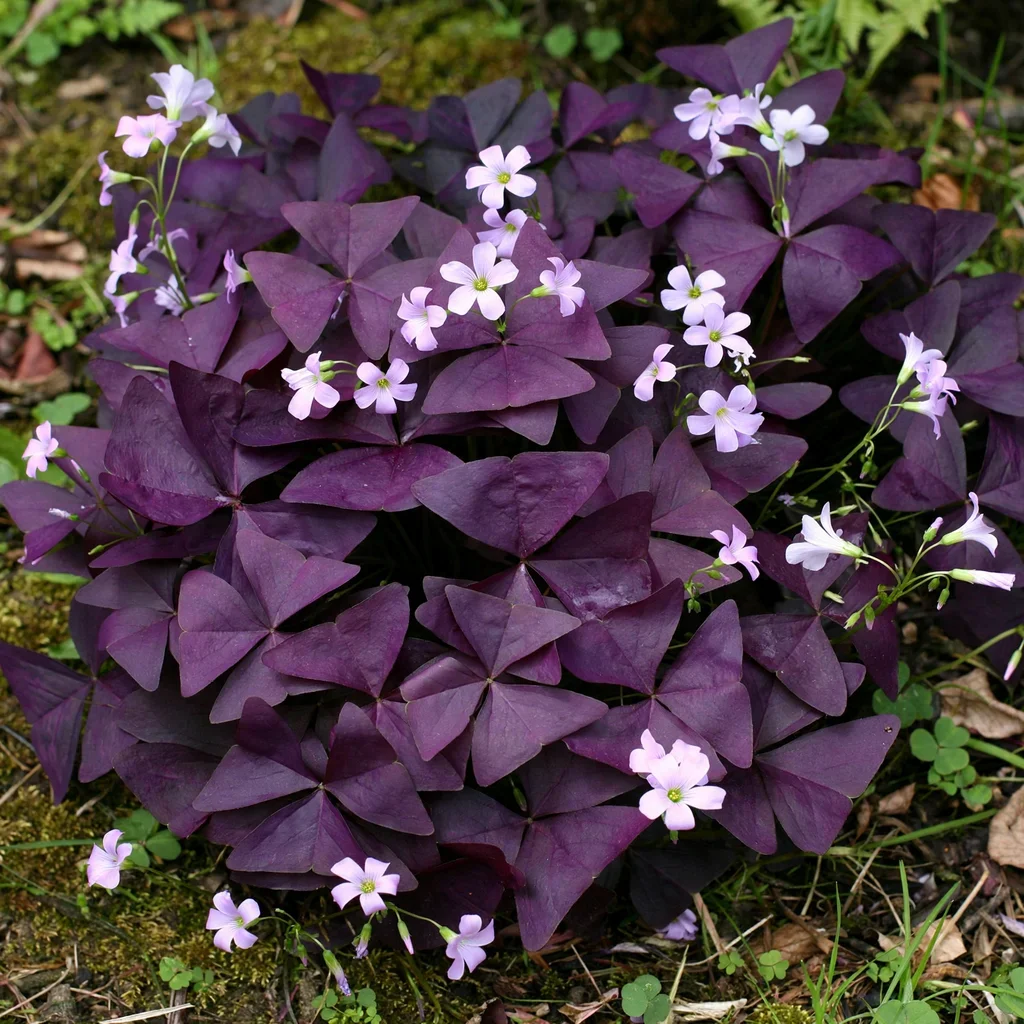
Atropurpurea Purple Shamrock
Oxalis triangularis 'Atropurpurea'
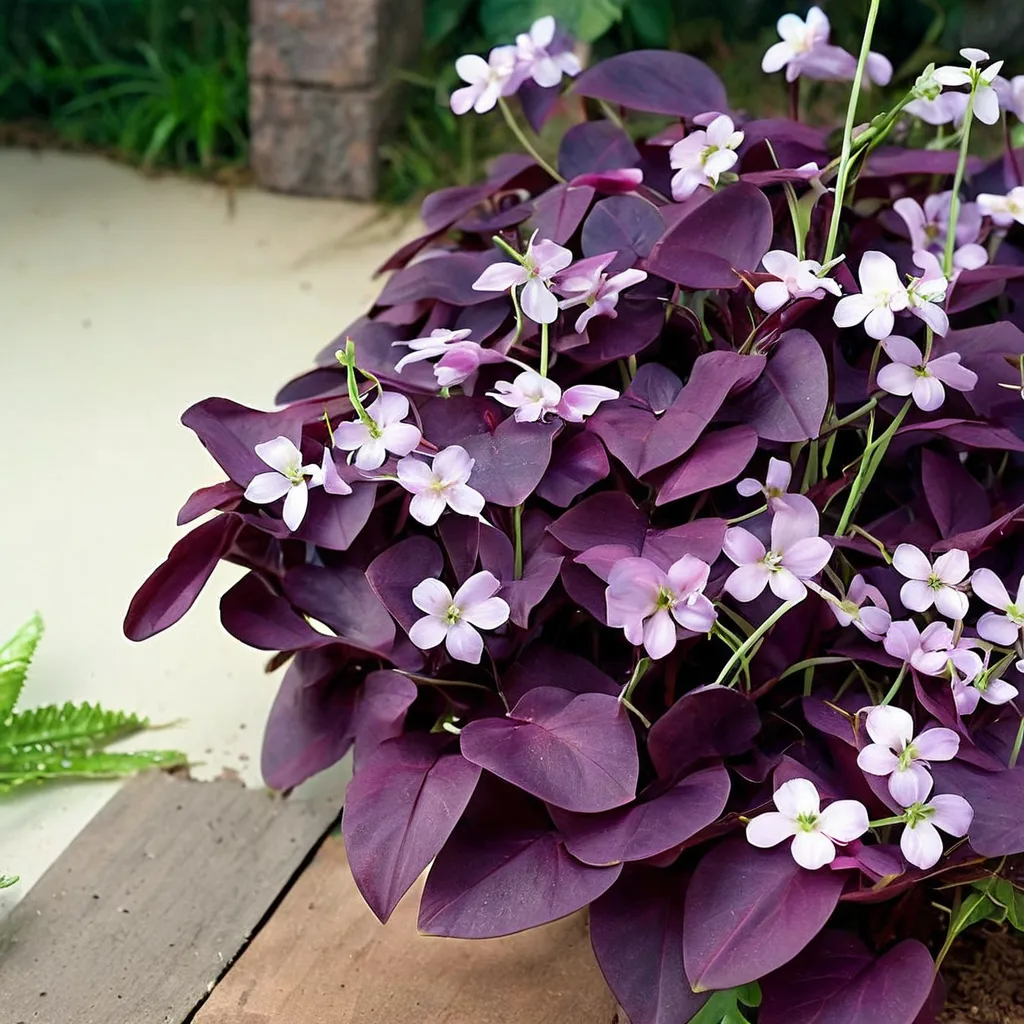
Mijke Oxalis
Oxalis triangularis 'Mijke'
Keep exploring
Explore the genus
Hardy in your zone?
Grow Pink Wood Sorrel with confidence
See it in a design of your actual yard, get zone-matched care reminders, and track it season by season in your garden journal.