The Story
Plant Bio
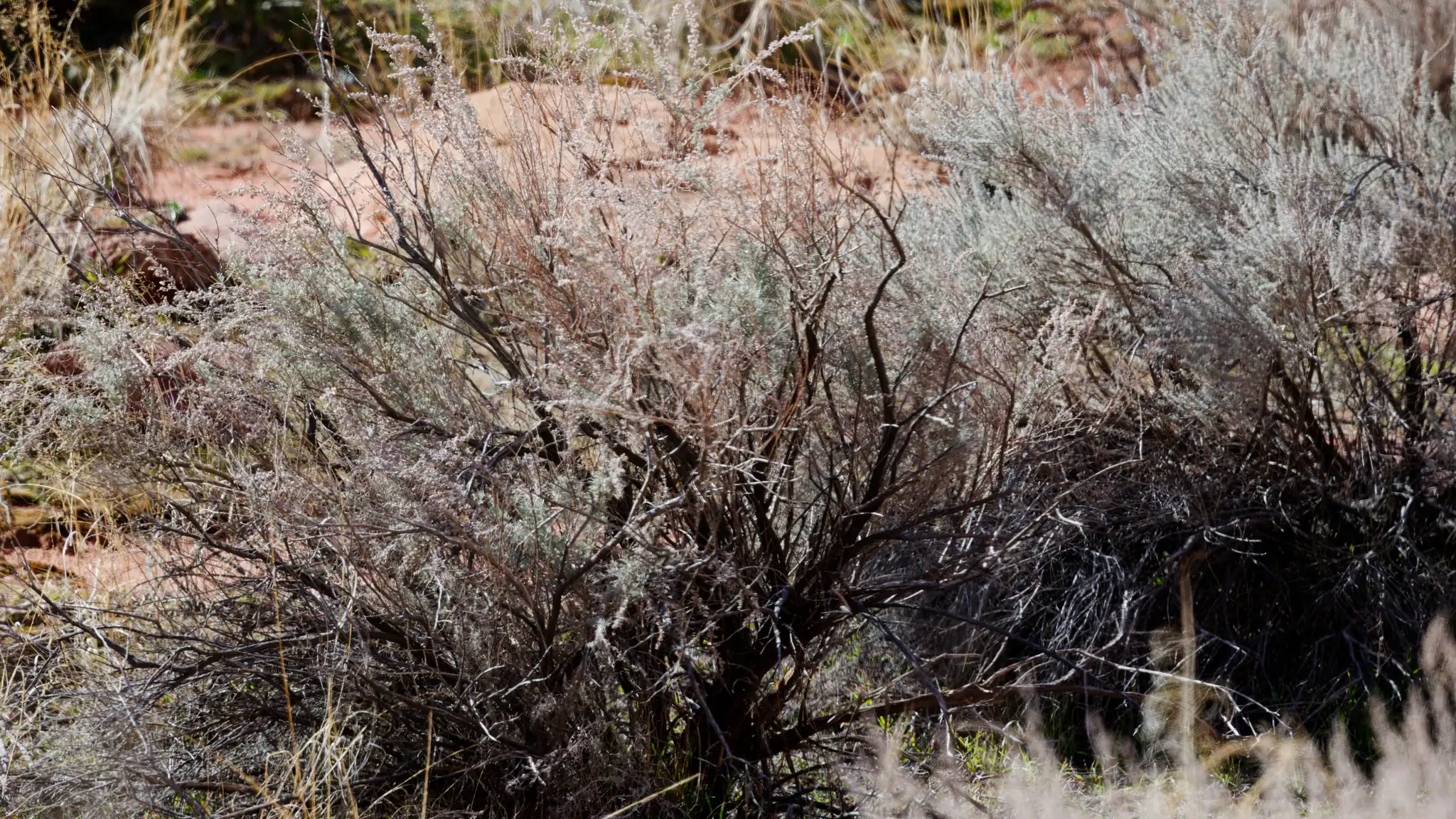
Artemisia filifolia, the sand sagebrush, is a round, freely branching woody shrub reaching five feet tall, with silver-gray thread-like leaves that release a sage aroma when crushed. The bloom is a leafy narrow panicle of numerous small nodding yellow heads with no showy petals, opening in fall and wind-pollinated.
What sets it apart is foliage only 3 to 8 cm long and less than 0.5 mm wide, entire or pinnately divided into filiform segments and often clustered in fascicles. It is a deep-sand specialist that stabilizes dunes and resprouts profusely after fire or top-kill, failing quickly in heavy clay or wet ground where its value is foliage, not flowers.
Uses & Benefits:
Essentials
At a Glance
Plant Type
Shrub
Height
48"
Width
60"
Light
Full Sun
Zones
4, 5, 6, 7, 8
Water
Very low
Humidity
Unknown
Lifespan
Long-lived woody shrub
Native To
West-Central U.S. to Northeast Mexico
Toxicity
Unknown
Bloom period
Late summer – Fall
In flower about 4 months of the year
Planting
How to Grow
- Plant in full sun in deep, excessively drained sand or sandy loam, neutral to alkaline.
- Set plants at the same depth as in the container with room to reach 4 to 5 feet wide.
- Water in once to settle, then water sparingly until established and keep winter-wet pockets away.
- Do not enrich, fertilize heavily, or mulch with moisture-holding bark; leave open sand or gravel around the crown.
Pro Tip
Give it deep sand and full sun and then leave it dry; heavy soil and summer watering kill it faster than cold.
Keep It Thriving
Care Guide
Do
- Grow in deep sand with full sun and sharp drainage.
- Allow space for a round 3- to 4-foot mound.
- Leave standing through fall for seed for quail and songbirds.
Don't
- Do not plant in clay, compacted loam, or low wet ground.
- Do not overwater or fertilize to push soft growth.
- Do not try to burn off old plants for removal on sand; it creates an erosion hazard.
Seasonal Care Calendar
| Task | Jan | Feb | Mar | Apr | May | Jun | Jul | Aug | Sep | Oct | Nov | Dec |
|---|---|---|---|---|---|---|---|---|---|---|---|---|
| Mulch | ||||||||||||
| Pest Check | ||||||||||||
| Plant | ||||||||||||
| Prune |
Watch Out For
Pests & Diseases
Common Pests
Common Diseases
In the Garden
Landscape Uses & Companions
Landscape Uses
Multiply
Propagation Methods
Good to Know
Common Questions
Sand Sagebrush questions
What zones can Sand Sagebrush grow in?
Sand Sagebrush is hardy in USDA Zones 4–8: in that range it survives winter in the ground. Warmer than Zone 8, winter isn't the problem: it prefers colder winters, and summer heat can shorten its life.
Is Sand Sagebrush deer resistant?
Not reliably. Deer may browse Sand Sagebrush, especially tender spring growth — plan on repellents or fencing where pressure is high.
When does Sand Sagebrush bloom?
Sand Sagebrush typically blooms from late summer to late fall. Exact timing shifts a week or two with your zone — Sow's bloom calendar maps it to your garden.
Does Sand Sagebrush need full sun?
Sand Sagebrush does best in full sun (6+ hours).
Is Sand Sagebrush drought tolerant?
Yes — once established (usually after the first full season), Sand Sagebrush handles dry spells with minimal watering. Water deeply its first year to build the root system that makes that possible.
More Artemisia to compare
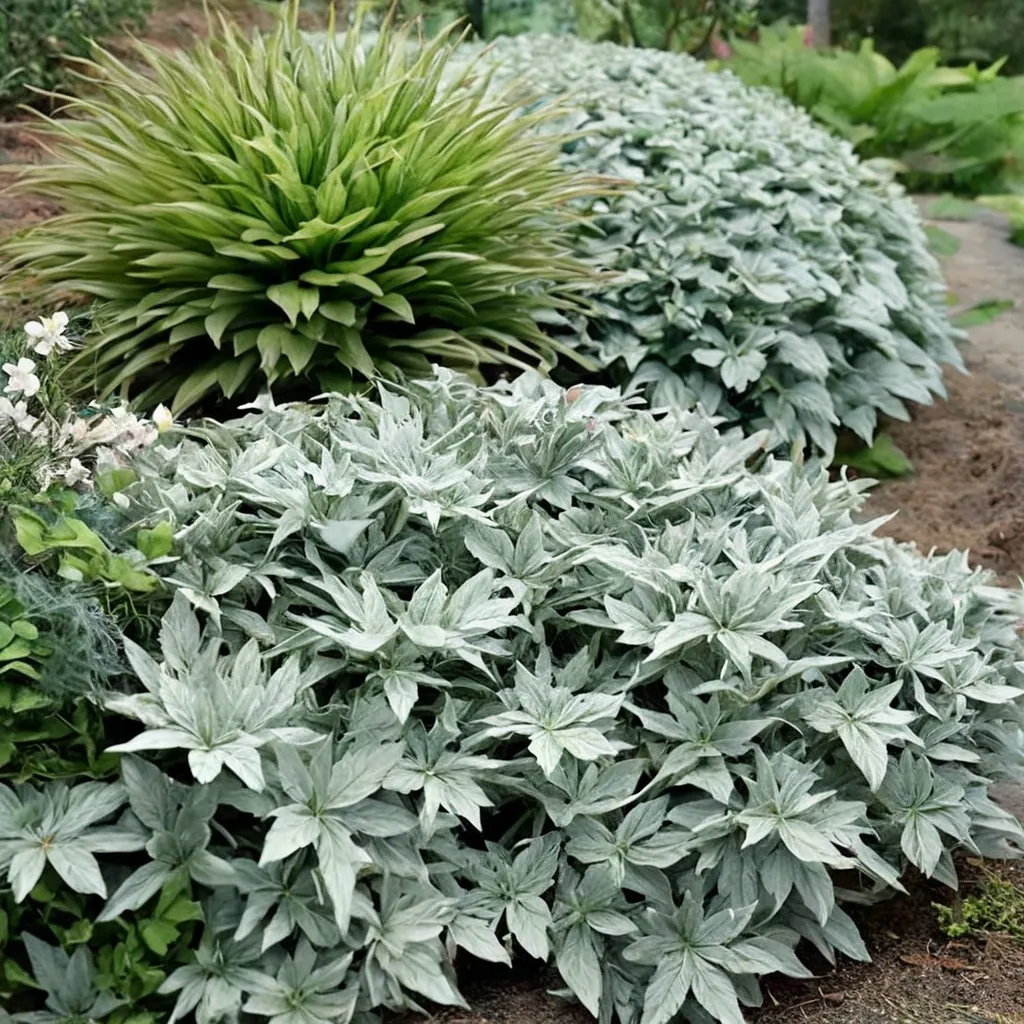
Artemisia Silver Lining
Artemisia x hybrida 'Silver Lining'
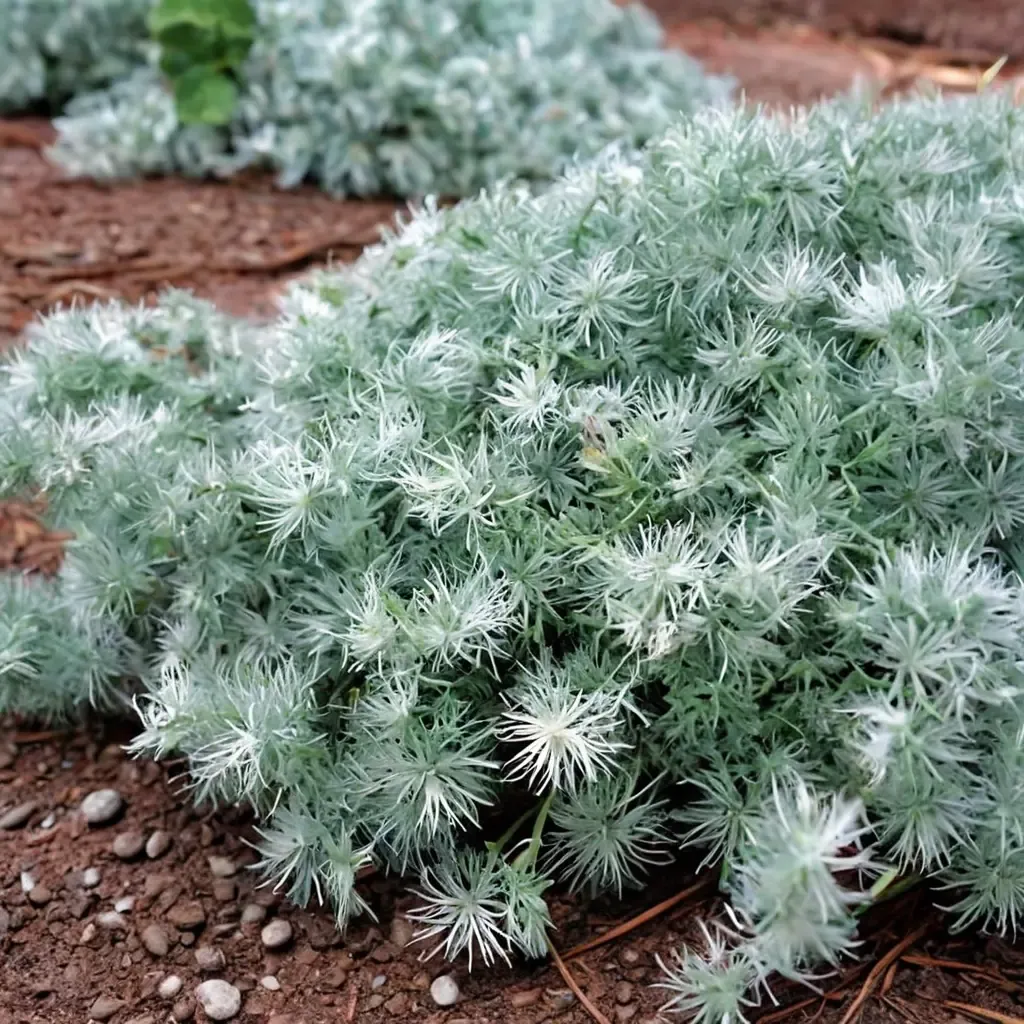
Silver Mound Wormwood
Artemisia schmidtiana 'Silver Mound'
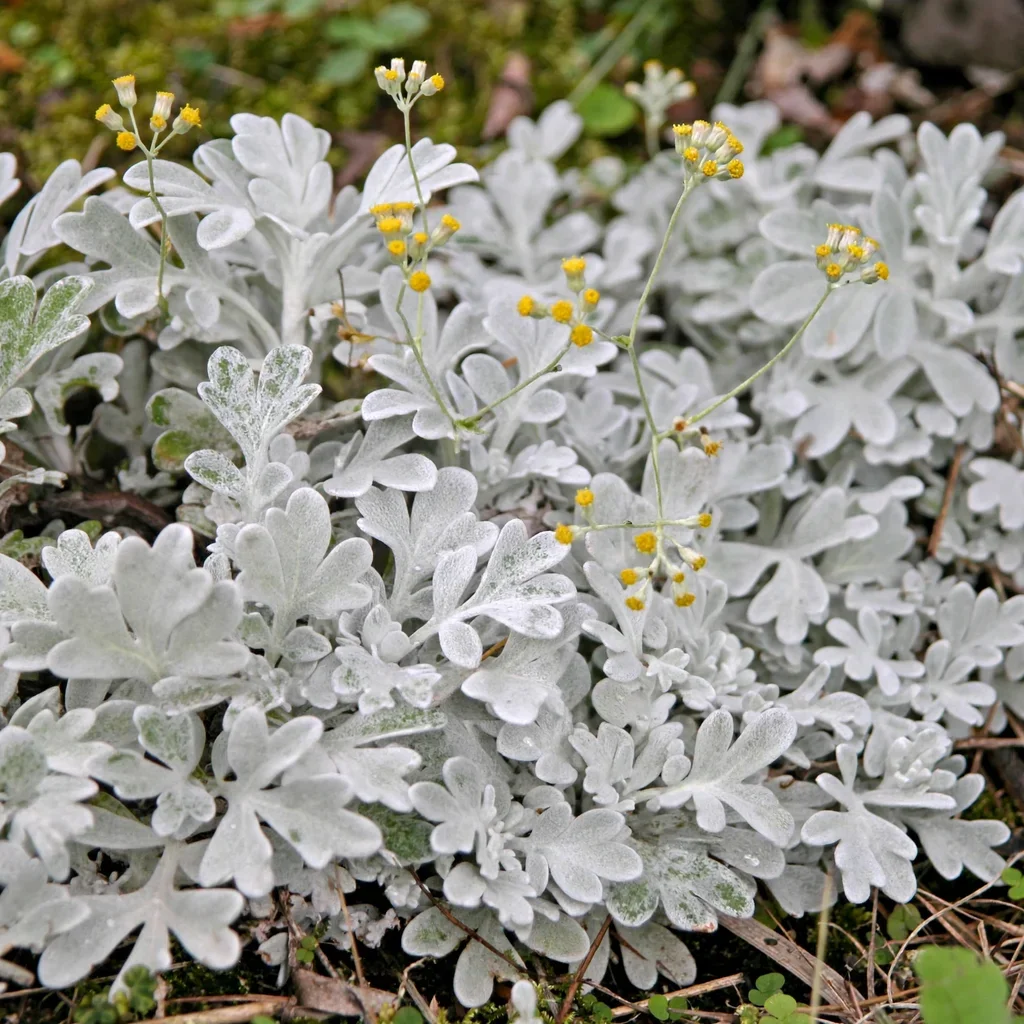
Silver Brocade Beach Wormwood
Artemisia stelleriana 'Silver Brocade'
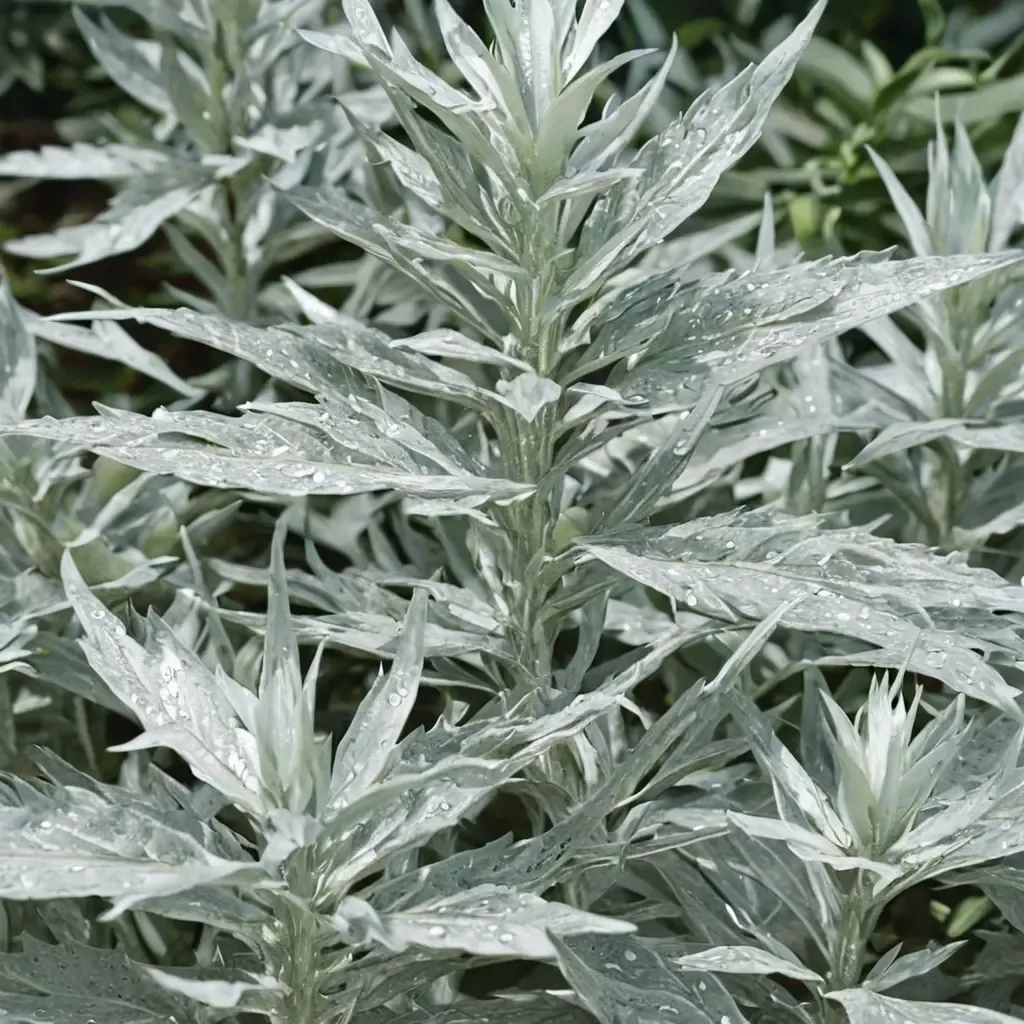
Silver King Artemisia
Artemisia ludoviciana 'Silver King'
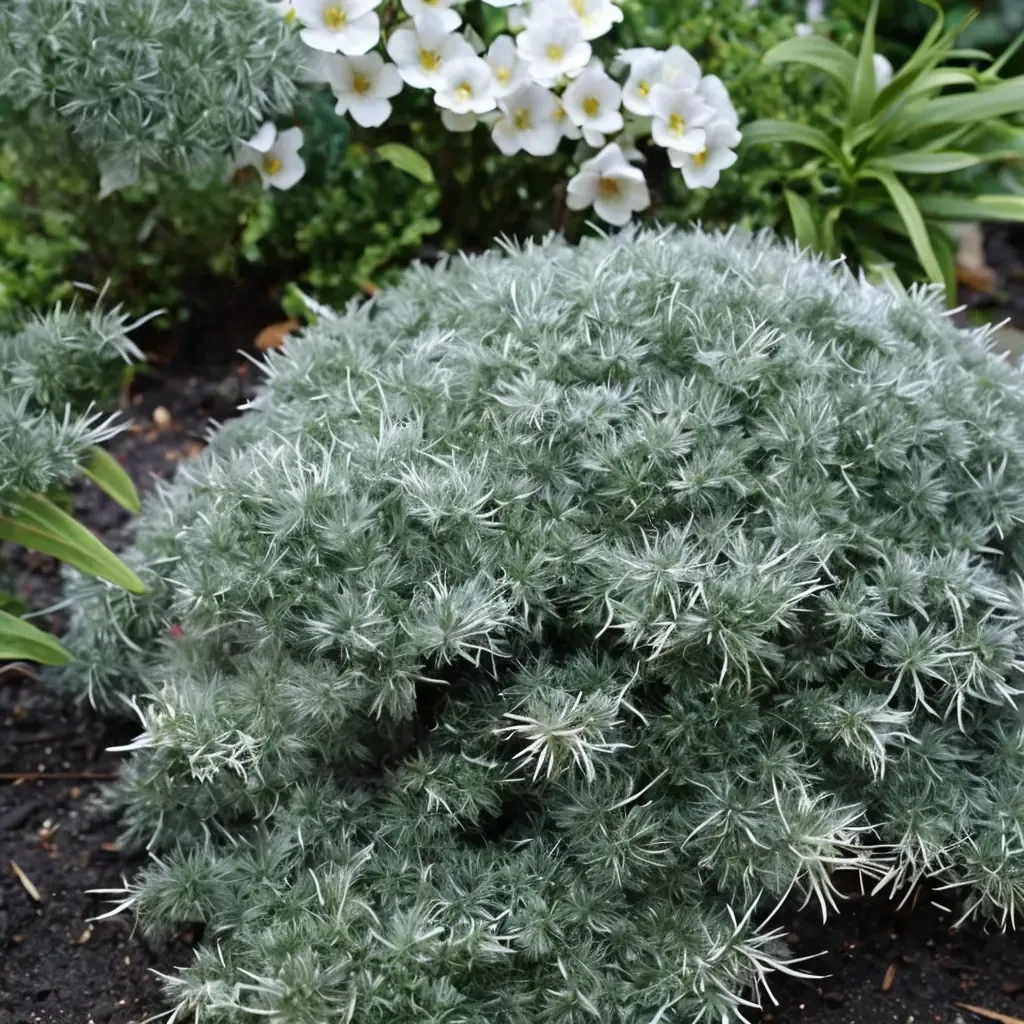
Silver Mound Artemisia
Artemisia schmidtiana 'Nana'
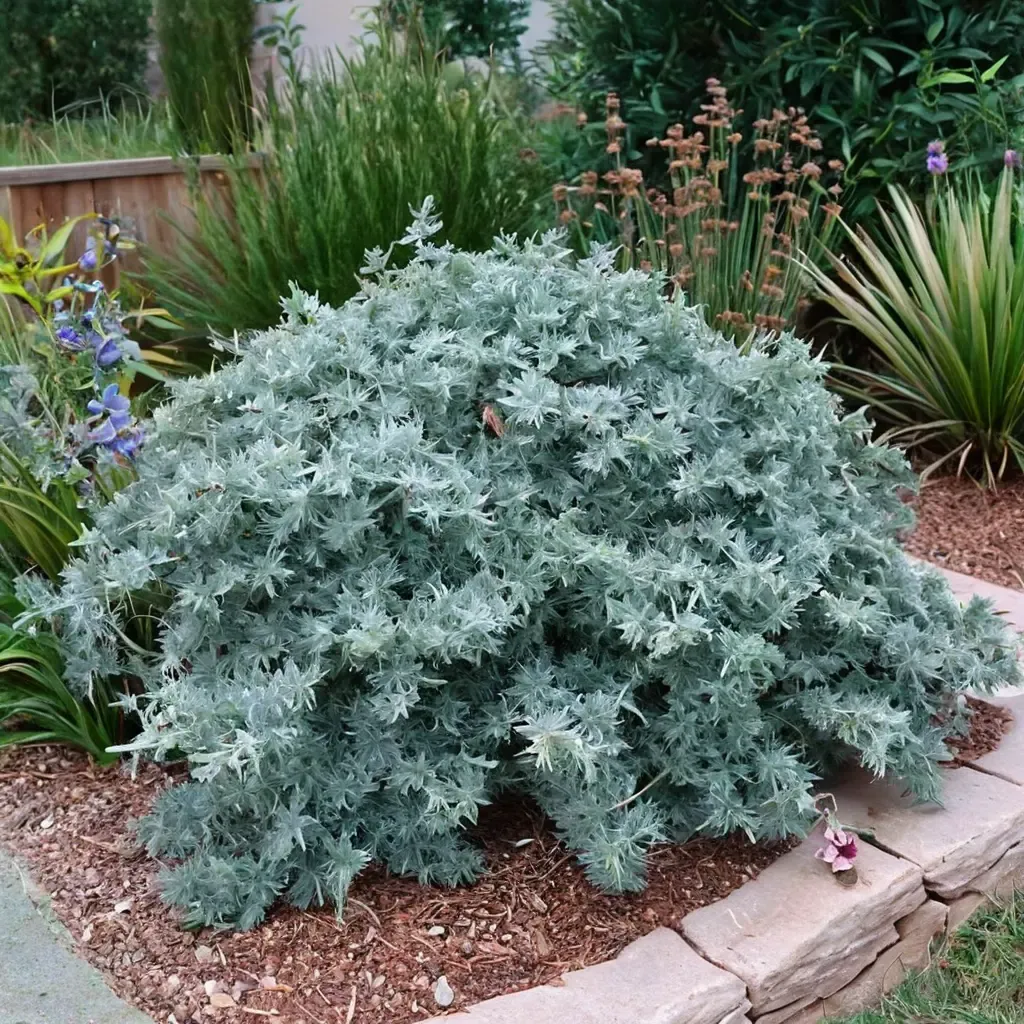
Powis Castle wormwood
Artemisia x hybrida 'Powis Castle'
Keep exploring
Explore the genus
Hardy in your zone?
Grow Sand Sagebrush with confidence
See it in a design of your actual yard, get zone-matched care reminders, and track it season by season in your garden journal.