
The Story
Plant Bio
Hibiscus acetosella is a tender perennial subshrub from tropical Africa that reaches 4 to 6 feet tall with an upright, multistemmed, spreading frame. The leaves are glossy, deep burgundy palmate lobes shaped like a Japanese maple, and the solitary axillary flowers are single 2-inch trumpets in deep crimson-purple.
It is grown for foliage rather than flowers, holding its darkest color in full sun and opening its short-day fall bloom so late that northern plants are often killed by frost before they flower. Unlike true roselle the calyx is thin and non-fleshy; the tart cranberry-flavored leaves are the edible part and are eaten raw or cooked.
Uses & Benefits:
Essentials
At a Glance
Plant Type
Shrub
Height
48"
Width
72"
Light
Full Sun, Partial Sun
Zones
8, 9, 10
Water
Medium
Humidity
Tolerates humidity and heat
Lifespan
Tender perennial grown as annual
Native To
Tropical Africa
Toxicity
Non-toxic, leaves edible
Bloom period
Late summer – Fall
In flower about 4 months of the year
Planting
How to Grow
- Plant out after frost in full sun with at least 6 hours of direct light for deepest leaf color.
- Set plants 2 to 3 feet apart in moist, well-drained loam; in pots use a peat-based mix that drains freely.
- Water to establish, then water when the top inch dries; established plants handle short dry spells but not soggy soil.
- Feed monthly through summer with a general-purpose fertilizer and pinch in early summer to keep plants branched.
Pro Tip
Pinch shoot tips once in early summer to force branching; unpinched plants go leggy and bloom late on bare stems.
Keep It Thriving
Care Guide
Do
- Give full sun for darkest burgundy foliage
- Feed monthly during the growing season
- Take stem cuttings in fall to overwinter indoors where hardy
Don't
- Do not set out before frost has passed
- Do not overwater or leave pots sitting in saucers
- Do not remove more than one-third of growth at one pruning
Seasonal Care Calendar
| Task | Jan | Feb | Mar | Apr | May | Jun | Jul | Aug | Sep | Oct | Nov | Dec |
|---|---|---|---|---|---|---|---|---|---|---|---|---|
| Fertilize | ||||||||||||
| Pest Check | ||||||||||||
| Pinch | ||||||||||||
| Plant | ||||||||||||
| Propagate |
Watch Out For
Pests & Diseases
Common Pests
Common Diseases
In the Garden
Landscape Uses & Companions
Landscape Uses
Companion Plants
Multiply
Propagation Methods
Good to Know
Common Questions
Cranberry Hibiscus questions
What zones can Cranberry Hibiscus grow in?
Cranberry Hibiscus is hardy in USDA Zones 8–10: in that range it survives winter in the ground. Colder than Zone 8, grow it in a container you can move to shelter for the winter.
When does Cranberry Hibiscus bloom?
Cranberry Hibiscus typically blooms from late summer to late fall. Exact timing shifts a week or two with your zone — Sow's bloom calendar maps it to your garden.
Does Cranberry Hibiscus need full sun?
Cranberry Hibiscus does best in full sun to part shade. In hot climates, afternoon shade keeps blooms fresher longer.
Is Cranberry Hibiscus drought tolerant?
Yes — once established (usually after the first full season), Cranberry Hibiscus handles dry spells with minimal watering. Water deeply its first year to build the root system that makes that possible.
More Hibiscus to compare
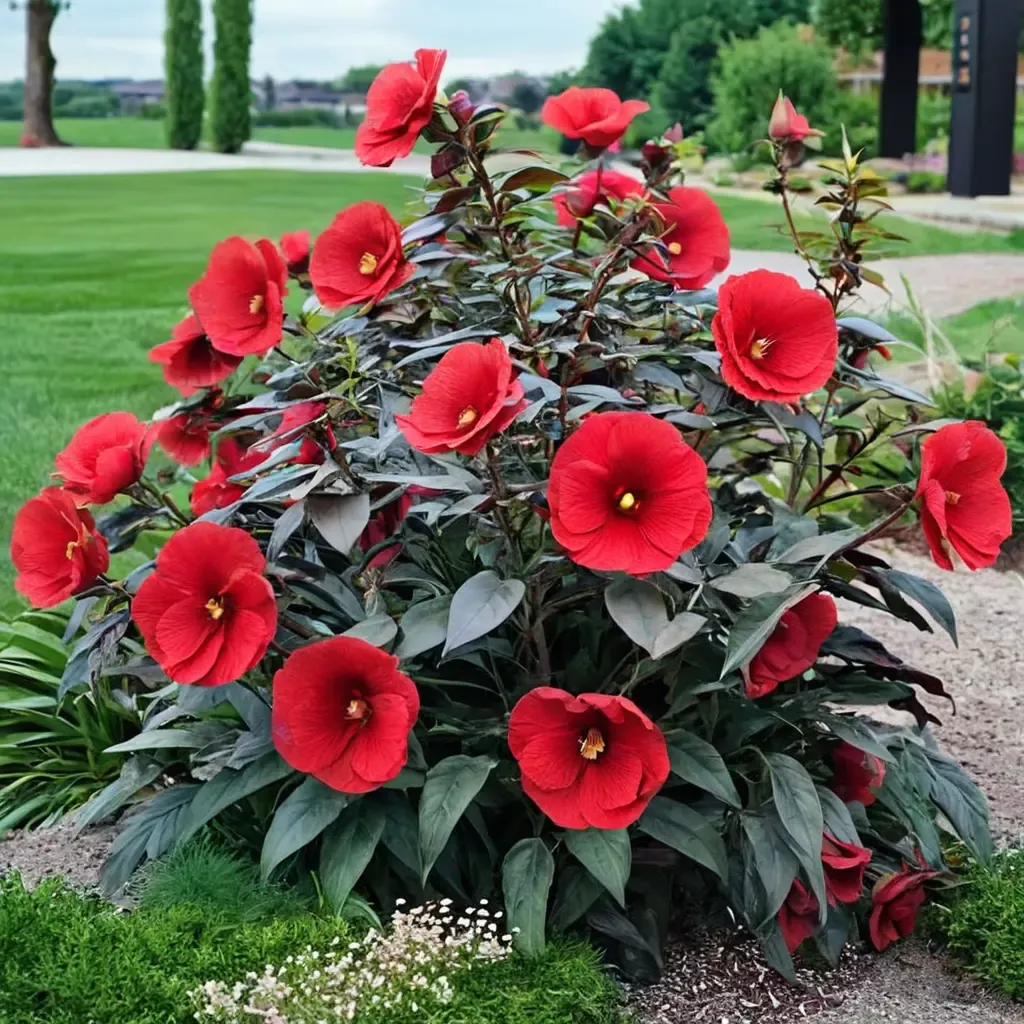
Midnight Marvel Swamp Hibiscus
Hibiscus moscheutos 'Midnight Marvel'
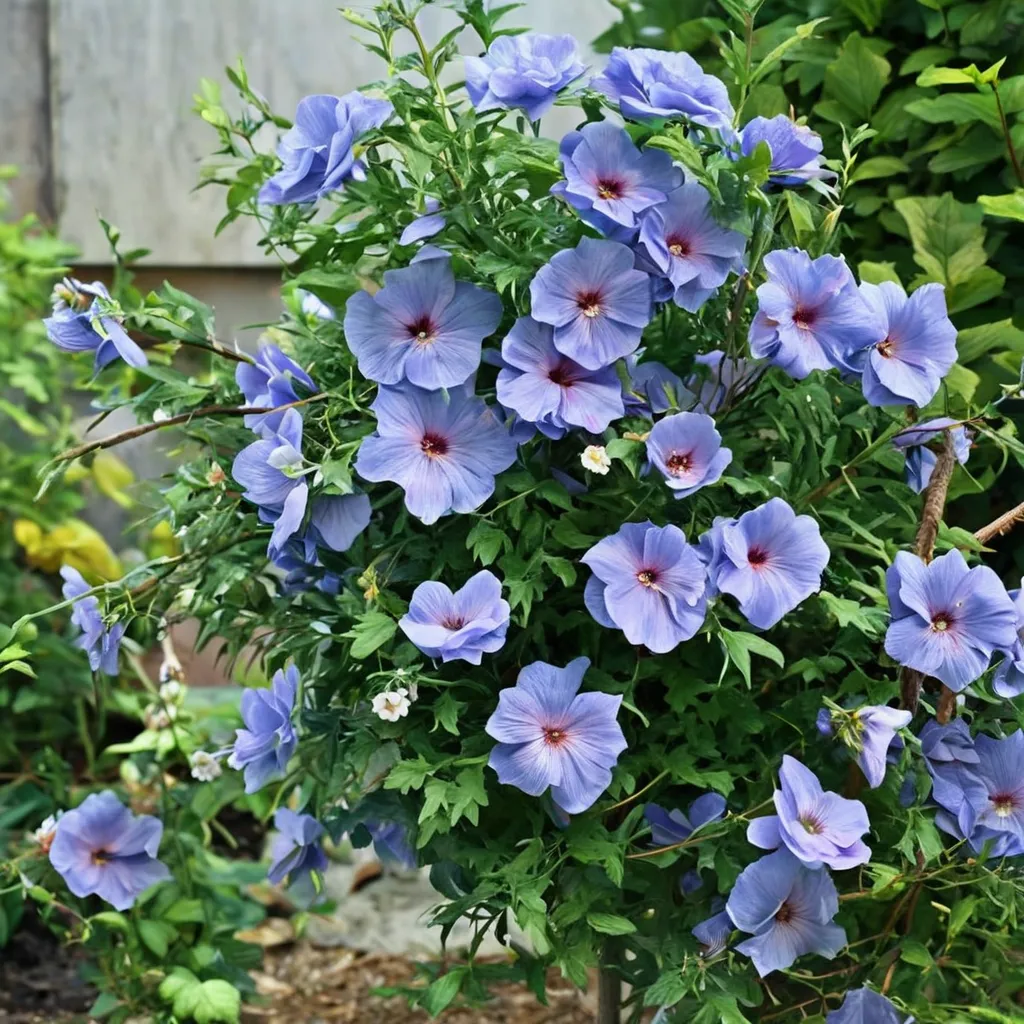
Rose of Sharon Hibiscus
Hibiscus syriacus 'Azurri Blue Satin'
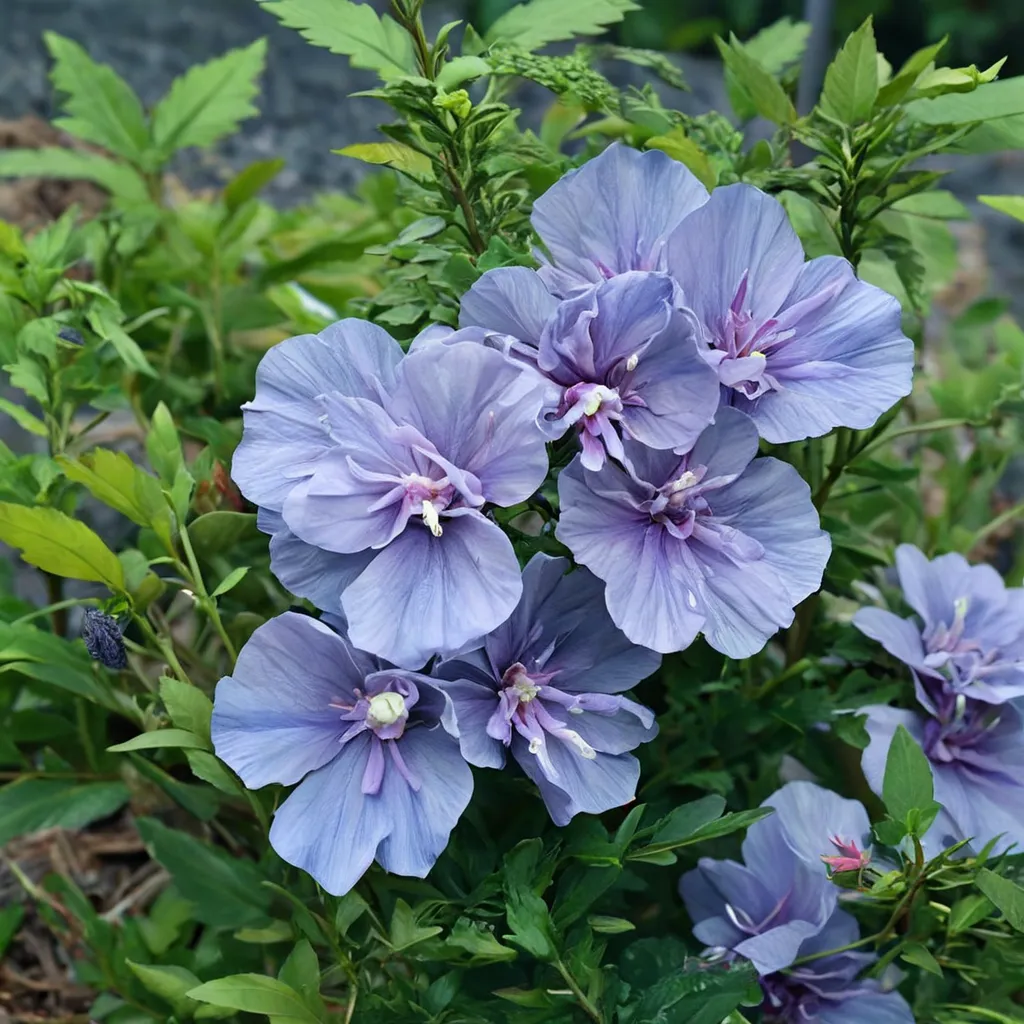
Blue Chiffon Rose of Sharon
Hibiscus syriacus 'Blue Chiffon'
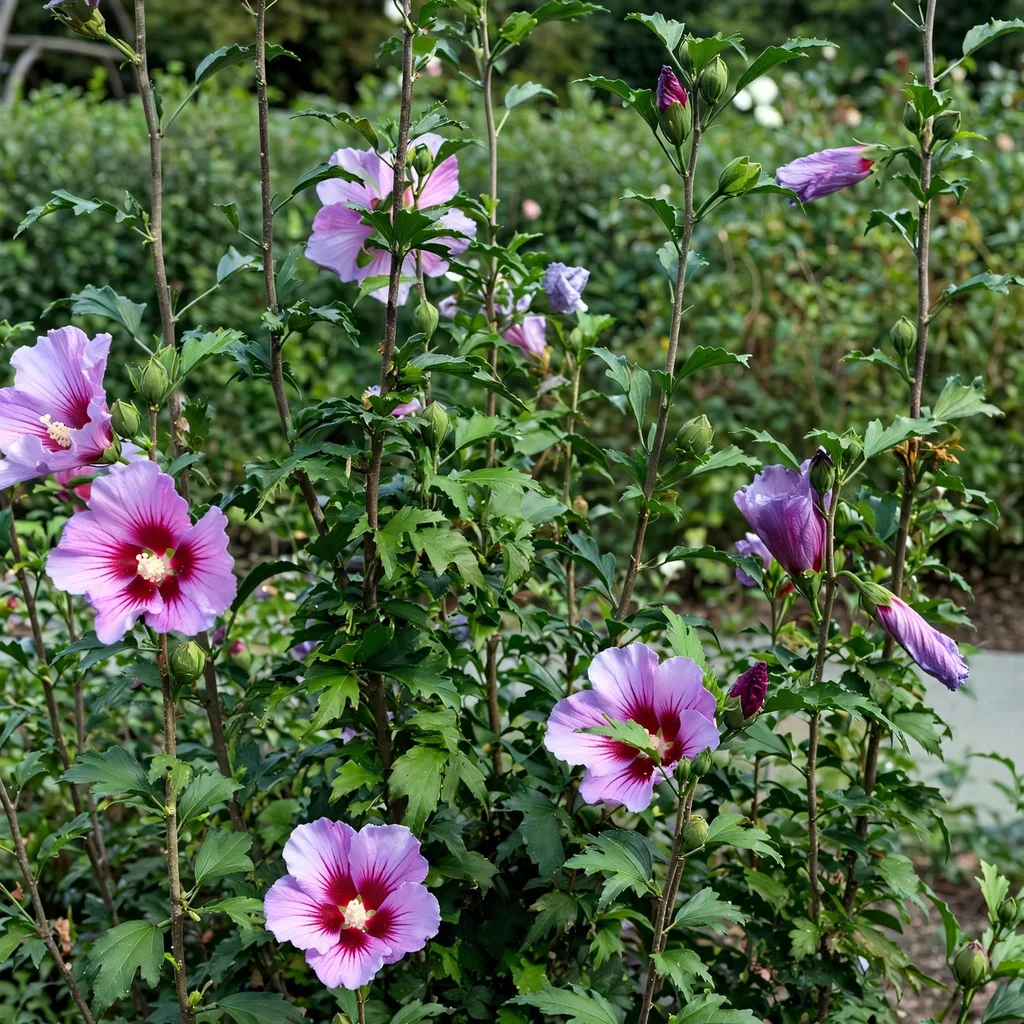
Purple Pillar Hibiscus
Hibiscus syriacus 'Purple Pillar'
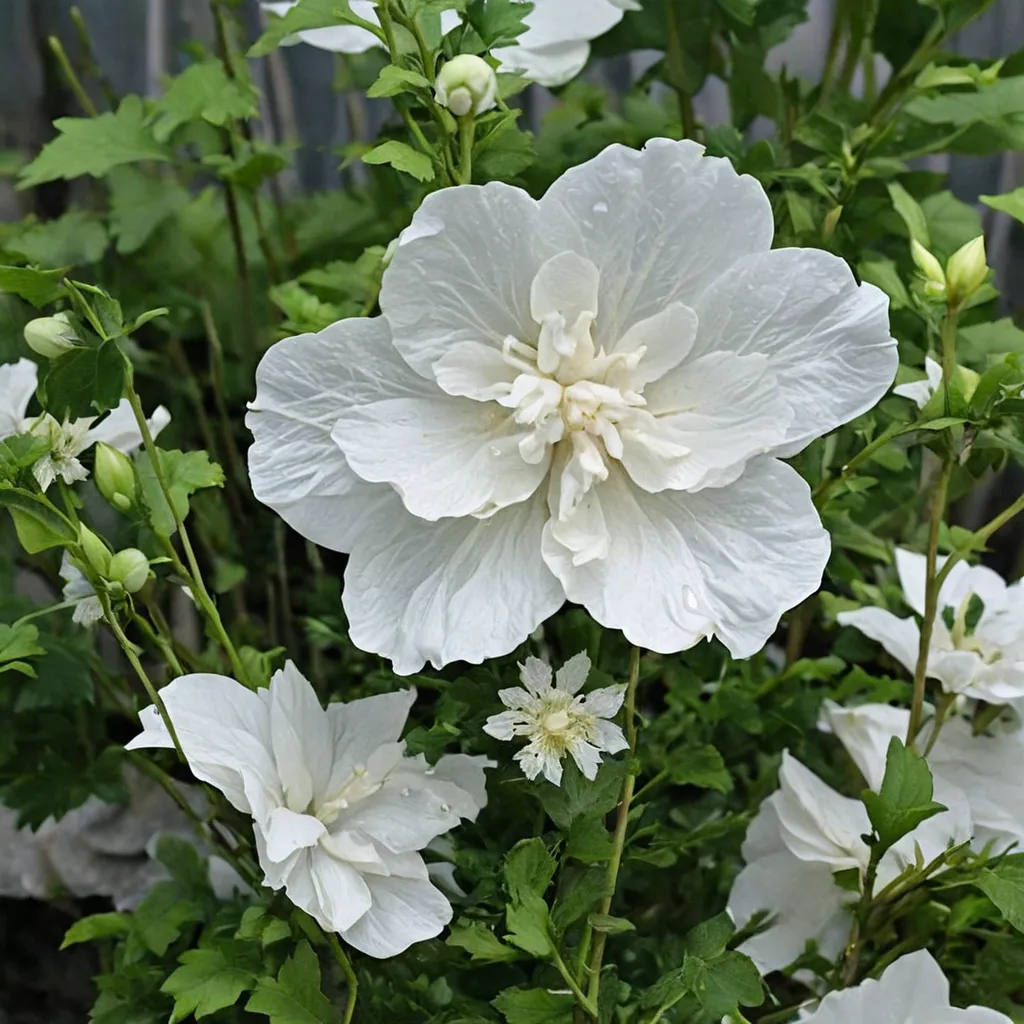
White Chiffon Hibiscus
Hibiscus syriacus 'White Chiffon'
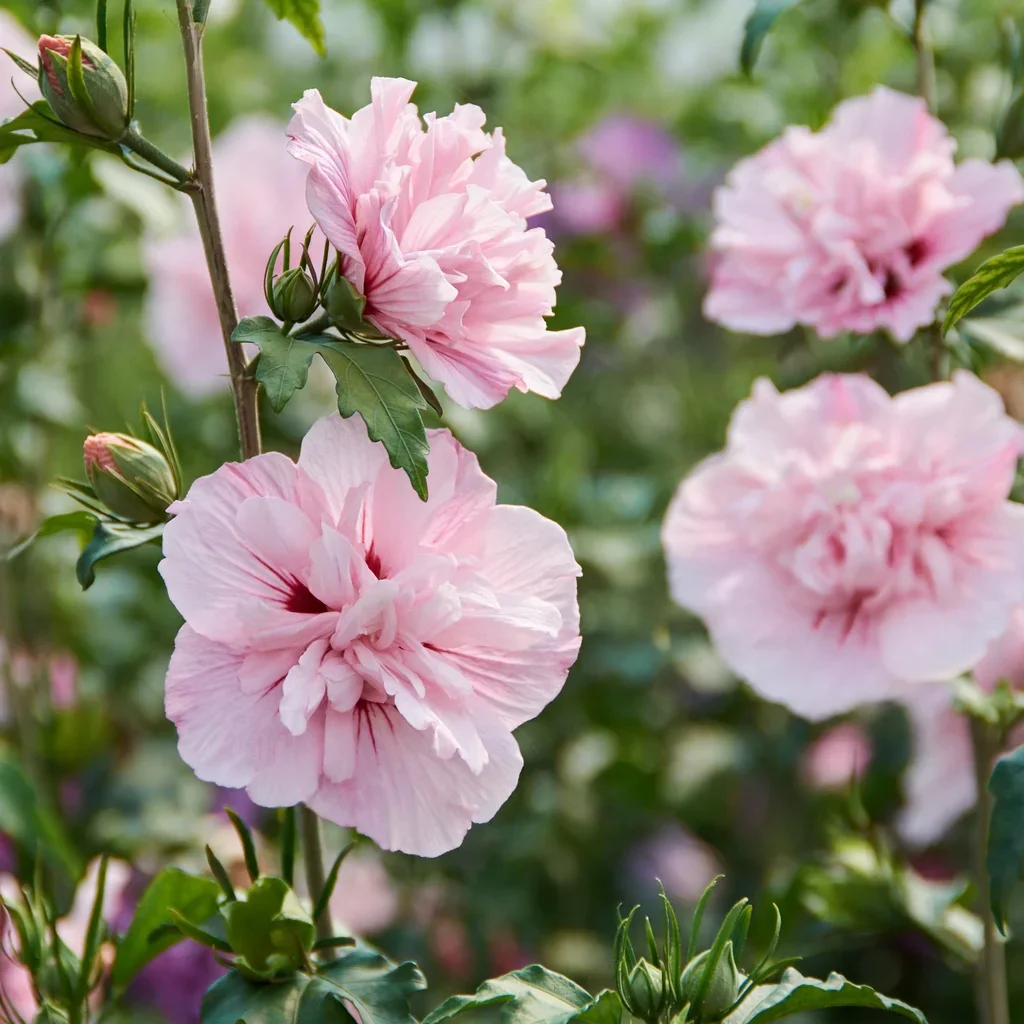
Pink Chiffon Rose of Sharon
Hibiscus syriacus 'Pink Chiffon'
Keep exploring
Hardy in your zone?
Grow Cranberry Hibiscus with confidence
See it in a design of your actual yard, get zone-matched care reminders, and track it season by season in your garden journal.