The Story
Plant Bio
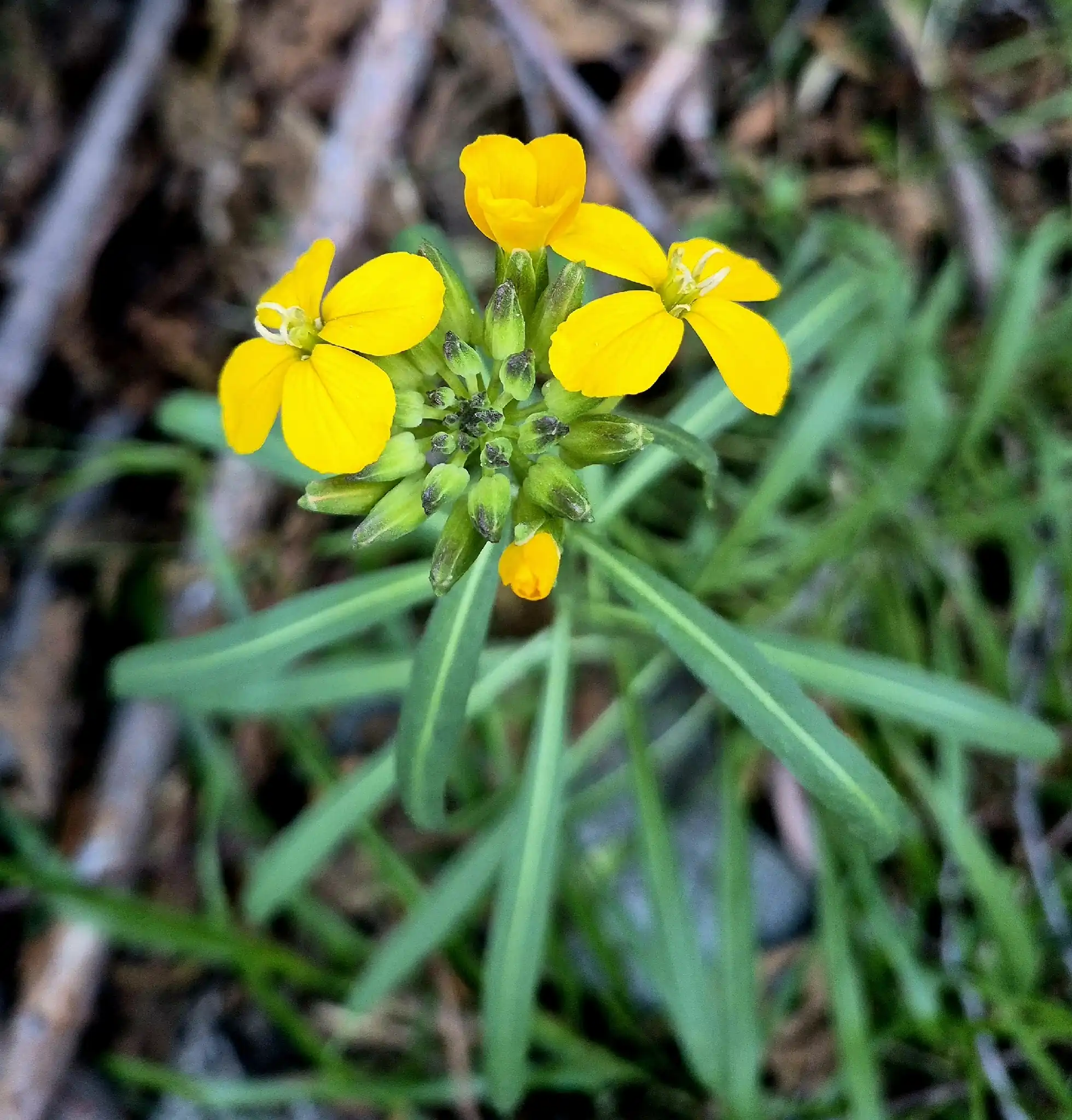
Erysimum capitatum is an upright biennial or short-lived perennial native to western North America, forming a basal rosette of narrow, grey-green leaves covered in fine hairs. Dense terminal clusters of four-petaled flowers bloom from spring into summer in shades of yellow, orange, and purple, followed by slender seed pods.
This species relies on a deep taproot to thrive in poor, gravelly, or sandy soils where excessive moisture and organic matter cause crown rot. Its nectar-rich flowers attract a wide array of native pollinators, including early-season butterflies and hummingbirds.
Uses & Benefits:
Essentials
At a Glance
Plant Type
Perennial
Height
36"
Width
18"
Light
Full Sun, Partial Sun
Zones
4, 5, 6, 7, 8
Water
Low
Humidity
Low to Moderate
Lifespan
Biennial or Short-lived Perennial
Native To
Western and Central North America
Toxicity
Toxic to Livestock / Horses if Ingested
Bloom period
Spring – Summer
In flower about 6 months of the year
Planting
How to Grow
- Select a site in full sun to light shade with sharply draining, sandy or gravelly soil.
- Plant young rosettes or sow seeds directly in early autumn to allow taproot establishment.
- Water lightly during the initial establishment phase, then cease supplemental watering.
- Allow the flowering stems to set seed and decline naturally at the end of their second year.
Pro Tip
Do not cut plants back into old, leafless woody stems, as dormant buds will fail to break; instead, let spent flower heads drop seed naturally to maintain an ongoing self-sowing colony.
Keep It Thriving
Care Guide
Do
- Provide full sun and sharply drained, lean soil.
- Allow seed pods to mature and scatter to perpetuate the stand.
Don't
- Do not amend planting sites with heavy compost or rich organic fertilizers.
- Do not plant in heavy clay or waterlogged soils.
- Do not prune back into old bare wood.
Seasonal Care Calendar
| Task | Jan | Feb | Mar | Apr | May | Jun | Jul | Aug | Sep | Oct | Nov | Dec |
|---|---|---|---|---|---|---|---|---|---|---|---|---|
| Pest Check | ||||||||||||
| Plant | ||||||||||||
| Propagate | ||||||||||||
| Prune |
Watch Out For
Pests & Diseases
Common Pests
Common Diseases
In the Garden
Landscape Uses & Companions
Landscape Uses
Multiply
Propagation Methods
Good to Know
Common Questions
Western Wallflower questions
What zones can Western Wallflower grow in?
Western Wallflower is hardy in USDA Zones 4–8: in that range it survives winter in the ground. Warmer than Zone 8, winter isn't the problem: it prefers colder winters, and summer heat can shorten its life.
Is Western Wallflower deer resistant?
Yes — Western Wallflower is rated deer-resistant. Deer typically pass it over, though extreme hunger can override any plant's defenses.
When does Western Wallflower bloom?
Western Wallflower typically blooms from spring to summer. Exact timing shifts a week or two with your zone — Sow's bloom calendar maps it to your garden.
Does Western Wallflower need full sun?
Western Wallflower does best in full sun to part shade. In hot climates, afternoon shade keeps blooms fresher longer.
Is Western Wallflower drought tolerant?
Yes — once established (usually after the first full season), Western Wallflower handles dry spells with minimal watering. Water deeply its first year to build the root system that makes that possible.
More Erysimum to compare
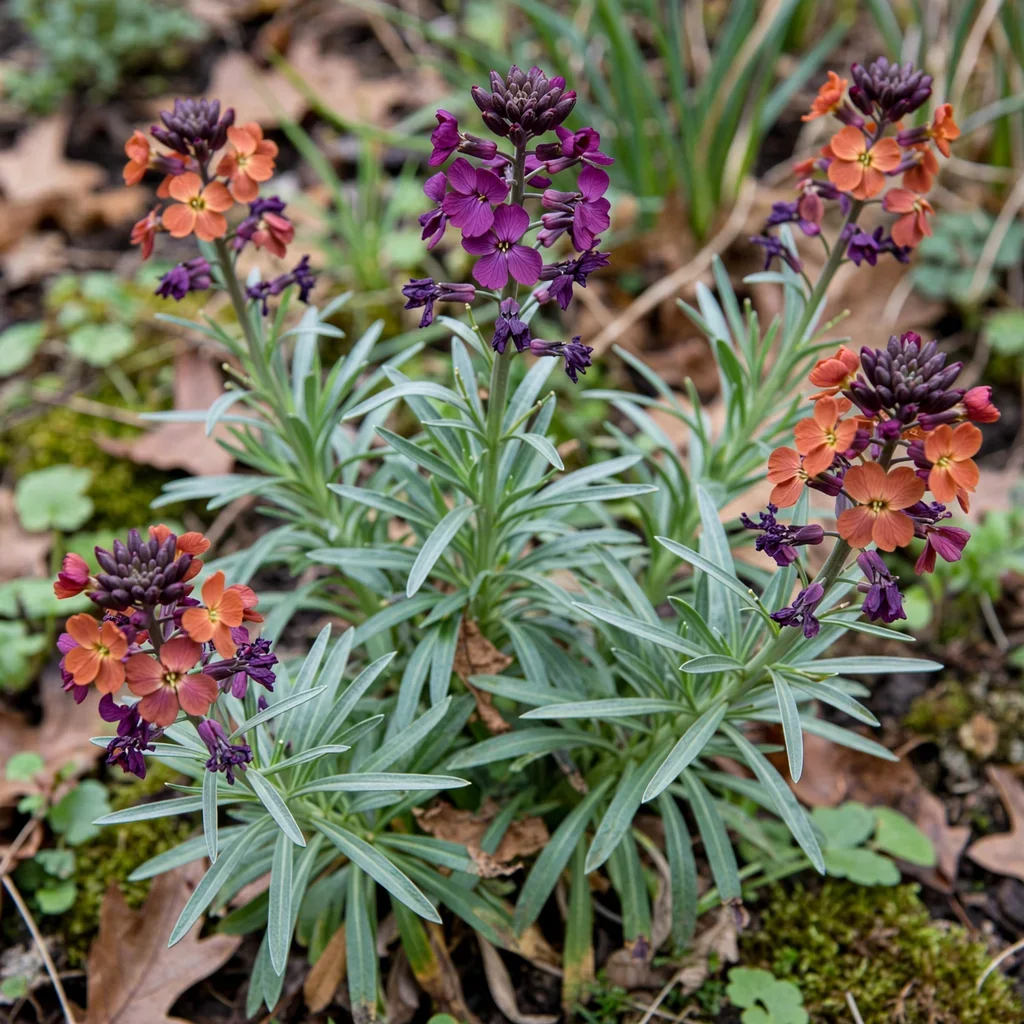
Winter Orchid Wallflower
Erysimum x hybrida 'Winter Orchid'
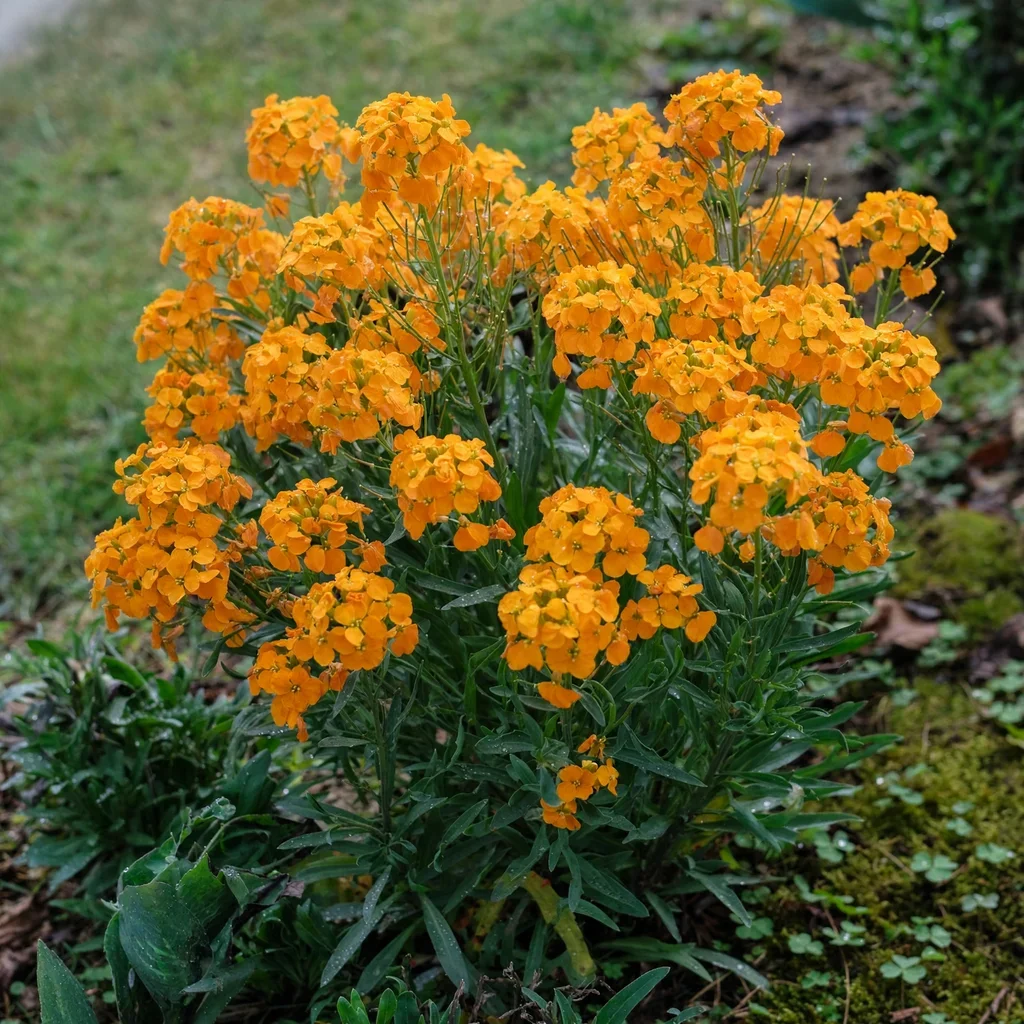
Siberian Wallflower
Erysimum x marshallii
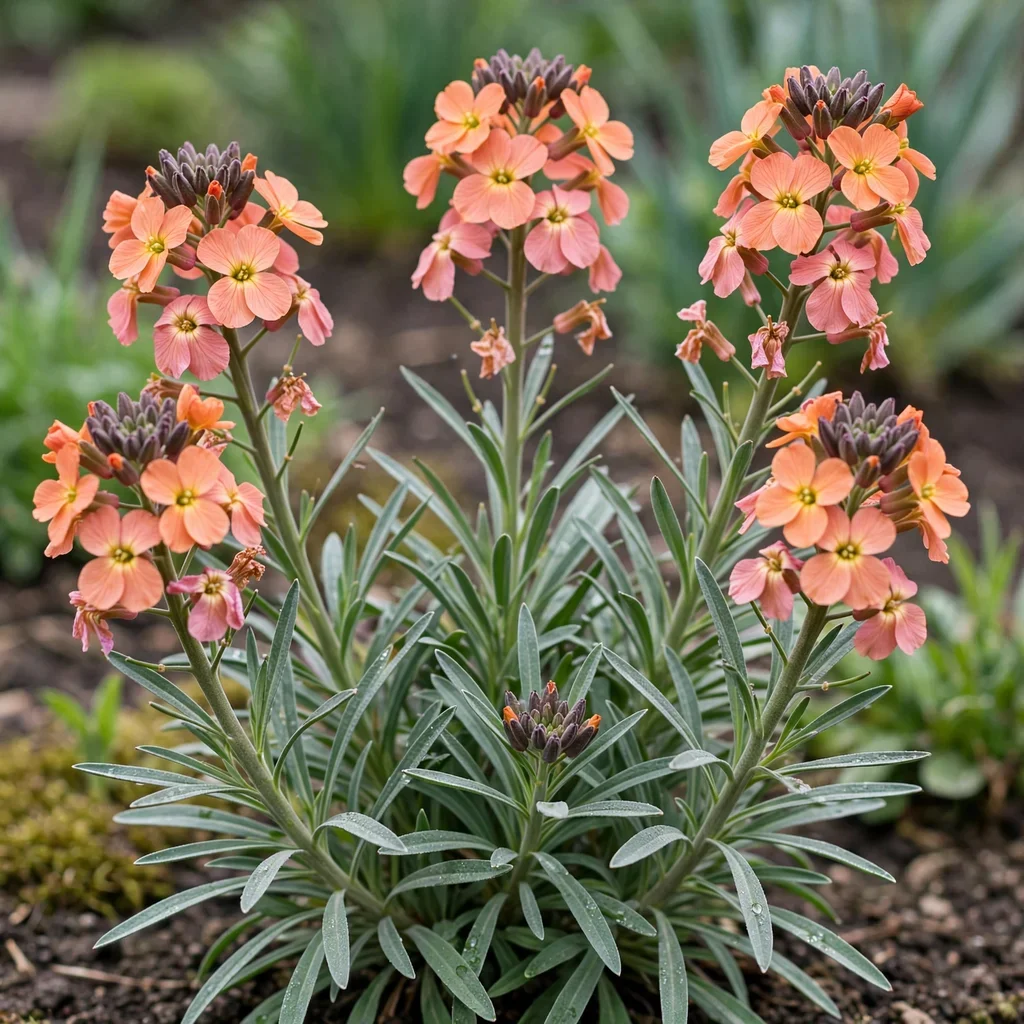
Apricot Twist Wallflower
Erysimum cheiri 'Apricot Twist'
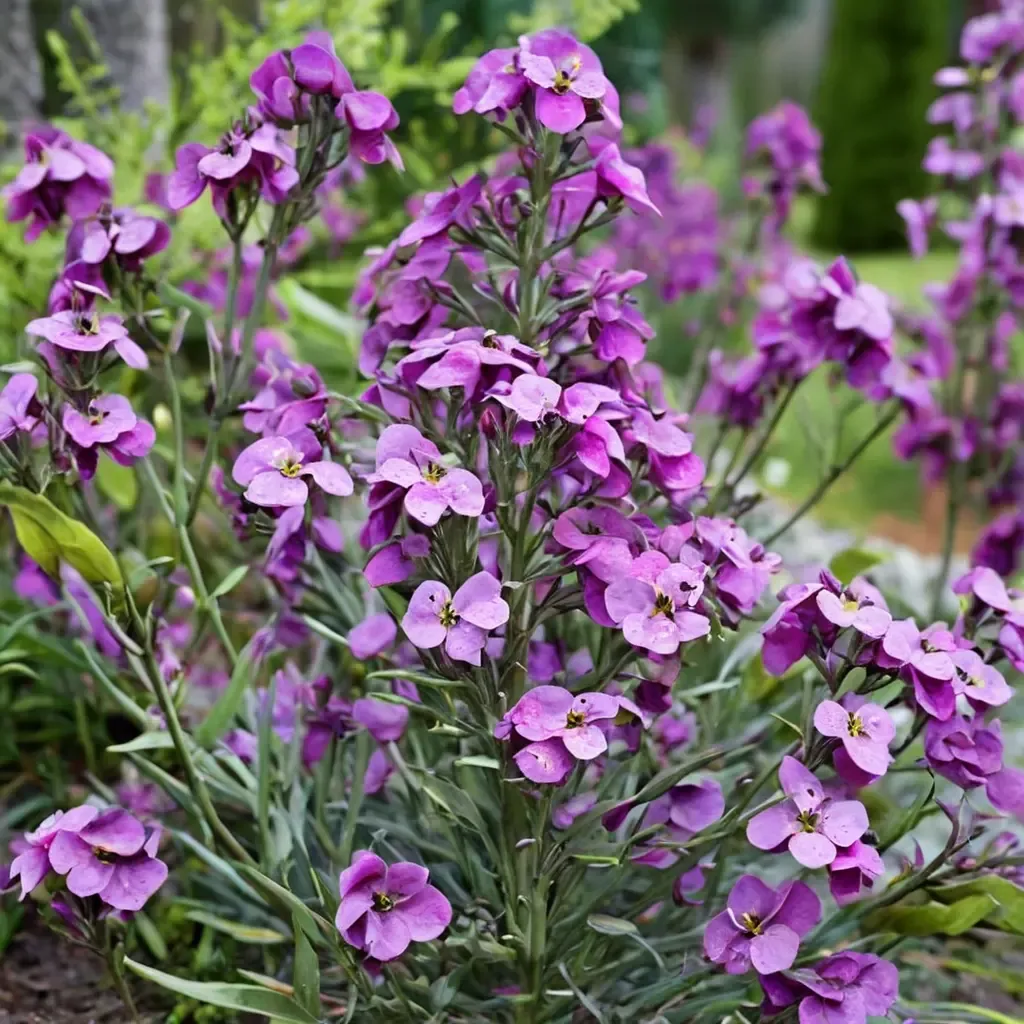
Bowles's Mauve Wallflower
Erysimum cheiri 'Bowles'
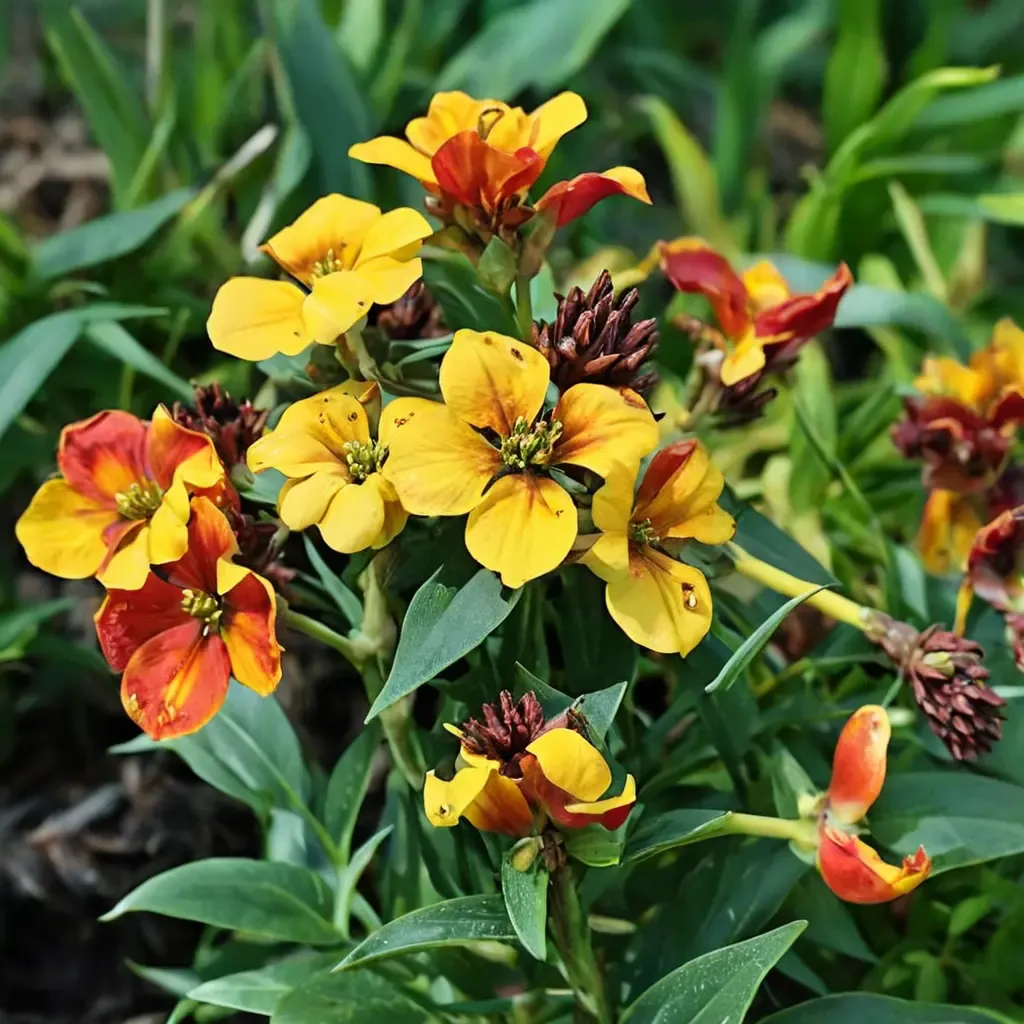
Wallflower
Erysimum cheiri
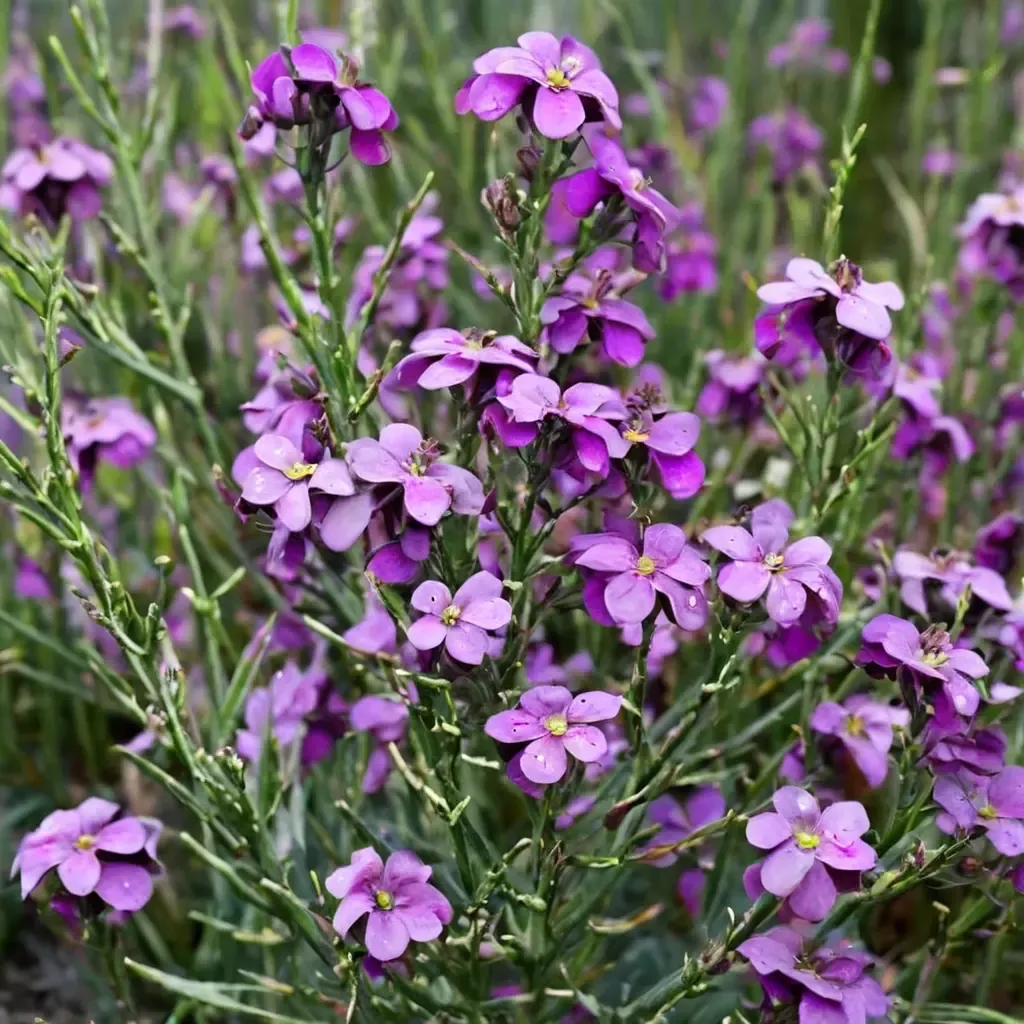
Bowles' Mauve Wallflower
Erysimum cheiri 'Bowles' Mauve'
Keep exploring
Explore the genus
Hardy in your zone?
Grow Western Wallflower with confidence
See it in a design of your actual yard, get zone-matched care reminders, and track it season by season in your garden journal.