


The Story
Plant Bio
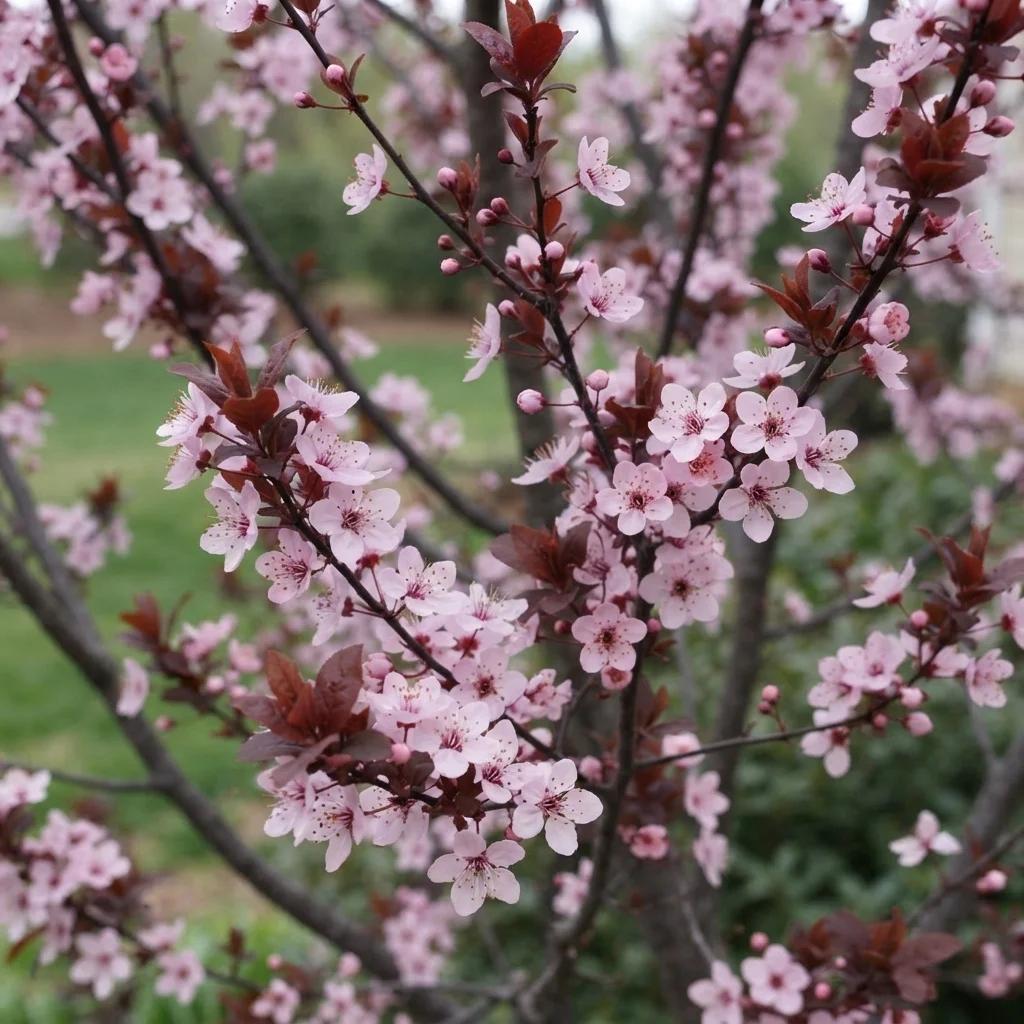
Prunus cerasifera, native to Southeast Europe and Western Asia, is a small deciduous tree or large shrub known for its early spring bloom and adaptability to various soil types. The species features simple, serrated leaves and produces small, solitary five-petaled flowers before the new foliage emerges.
'Krauter Vesuvius' is distinguished by its exceptionally dark, lustrous reddish-purple foliage that emerges deep red to near-black and retains its intense coloration throughout the growing season. It produces light pink flowers in early spring and exhibits a dense, upright-rounded to broadly vase-shaped growth habit.
Uses & Benefits:
Essentials
At a Glance
Plant Type
Tree
Height
240"
Width
300"
Light
Full Sun, Partial Sun
Zones
5, 6, 7, 8
Water
Moderate
Humidity
Moderate
Lifespan
20-30 years
Native To
Southeast Europe and Western Asia
Toxicity
Stones contain toxic cyanogenic glycosides
Bloom period
Early spring – Mid-spring
In flower about 2 months of the year
Planting
How to Grow
- Select a planting site in full sun with well-drained loam, clay, or sandy loam.
- Dig a hole twice as wide as the root ball and of equal depth, ensuring the graft union sits above the soil line.
- Backfill with native soil, tamp down gently to remove air pockets, and water deeply to settle.
- Apply a layer of organic mulch around the base to retain moisture, keeping it clear of the trunk.
Pro Tip
Plant in full sun to prevent the dark purple foliage from fading to a muddy green, and prune immediately after flowering to avoid cutting off next season's buds.
Keep It Thriving
Care Guide
Do
- Prune lightly immediately after flowering to shape the canopy and remove dead wood.
- Water regularly during the first growing season to establish a deep root system.
- Apply a balanced, slow-release organic fertilizer in early spring if growth appears sluggish.
Don't
- Do not shear into dense, old, leafless interior wood, which results in slow and patchy recovery.
- Do not plant in poorly drained heavy clay or areas prone to prolonged waterlogging.
- Avoid excessive nitrogen fertilization, which stimulates soft, disease-prone shoot growth.
Seasonal Care Calendar
| Task | Jan | Feb | Mar | Apr | May | Jun | Jul | Aug | Sep | Oct | Nov | Dec |
|---|---|---|---|---|---|---|---|---|---|---|---|---|
| Fertilize | ||||||||||||
| Pest Check | ||||||||||||
| Prune | ||||||||||||
| Spray |
Watch Out For
Pests & Diseases
Common Pests
Common Diseases
In the Garden
Landscape Uses & Companions
Landscape Uses
Companion Plants
Multiply
Propagation Methods
Good to Know
Common Questions
Purple-Leaf Plum questions
What zones can Purple-Leaf Plum grow in?
Purple-Leaf Plum is hardy in USDA Zones 5–8. Inside that range it survives winter in the ground; outside it, grow it as an annual or a container plant you protect.
When does Purple-Leaf Plum bloom?
Purple-Leaf Plum typically blooms in early spring through mid-spring. Exact timing shifts a week or two with your zone — Sow's bloom calendar maps it to your garden.
Does Purple-Leaf Plum need full sun?
Purple-Leaf Plum does best in full sun to part shade. In hot climates, afternoon shade keeps blooms fresher longer.
Is Purple-Leaf Plum drought tolerant?
Yes — once established (usually after the first full season), Purple-Leaf Plum handles dry spells with minimal watering. Water deeply its first year to build the root system that makes that possible.
More Prunus to compare
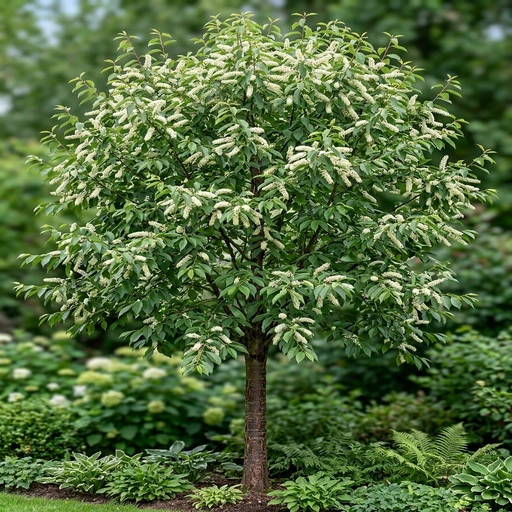
Black Cherry
Prunus serotina
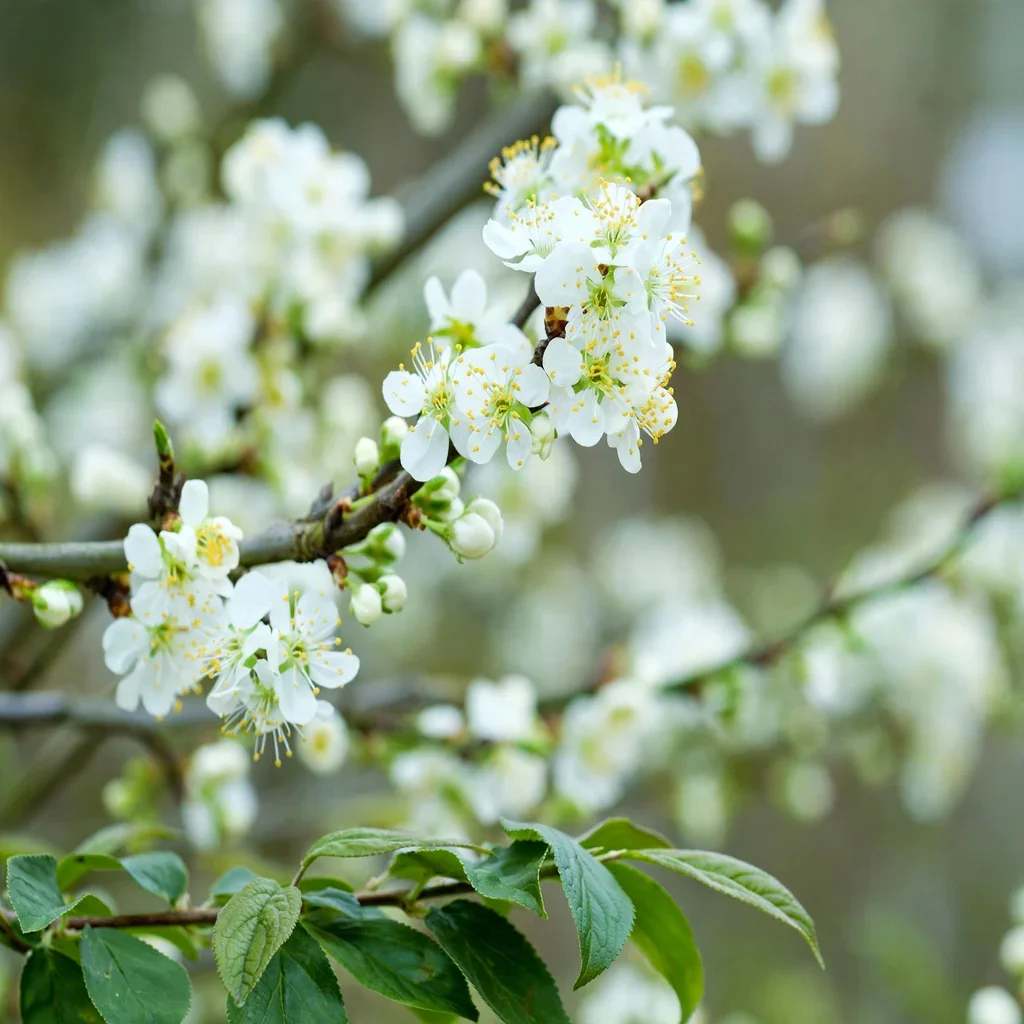
Sugar Plum
Prunus domestica 'Sugar Plum'
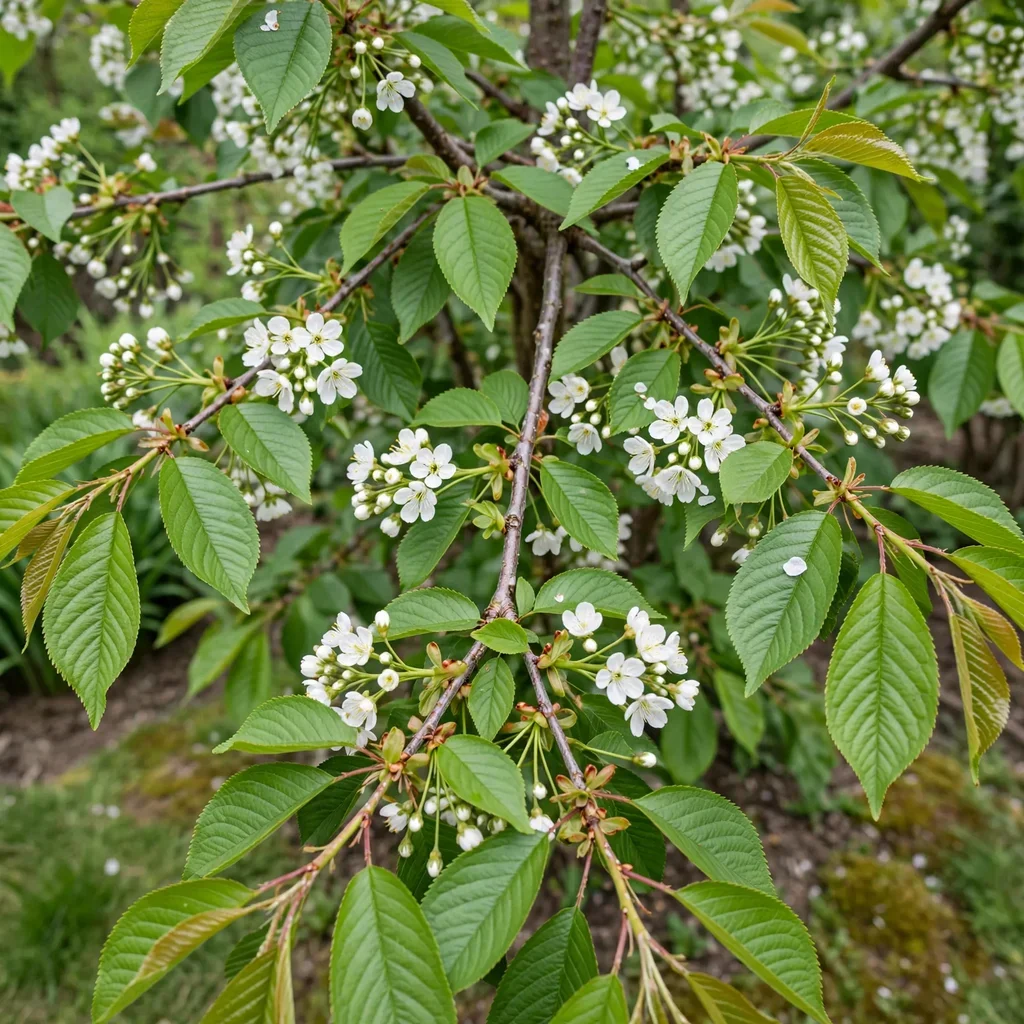
Sweet Cherry
Prunus avium 'Mix'
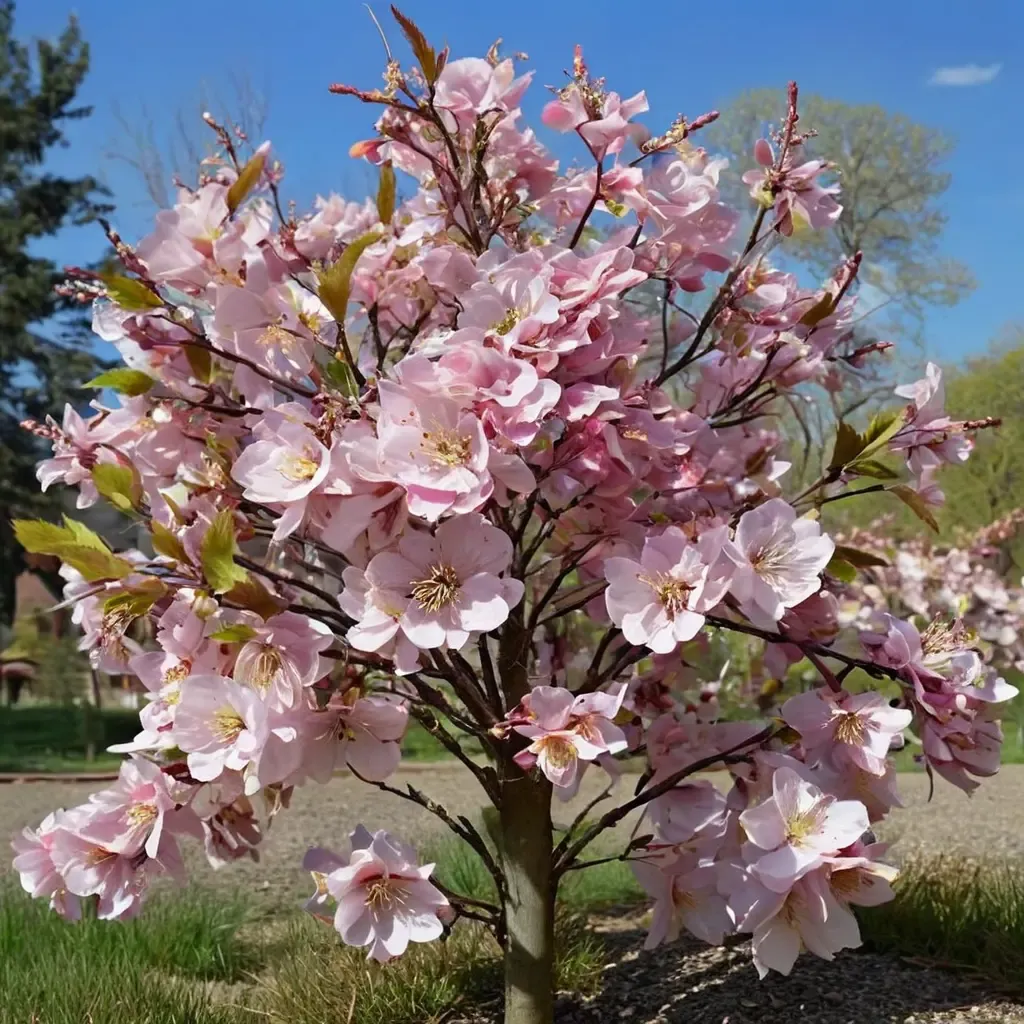
Japanese Flowering Cherry
Prunus serrulata
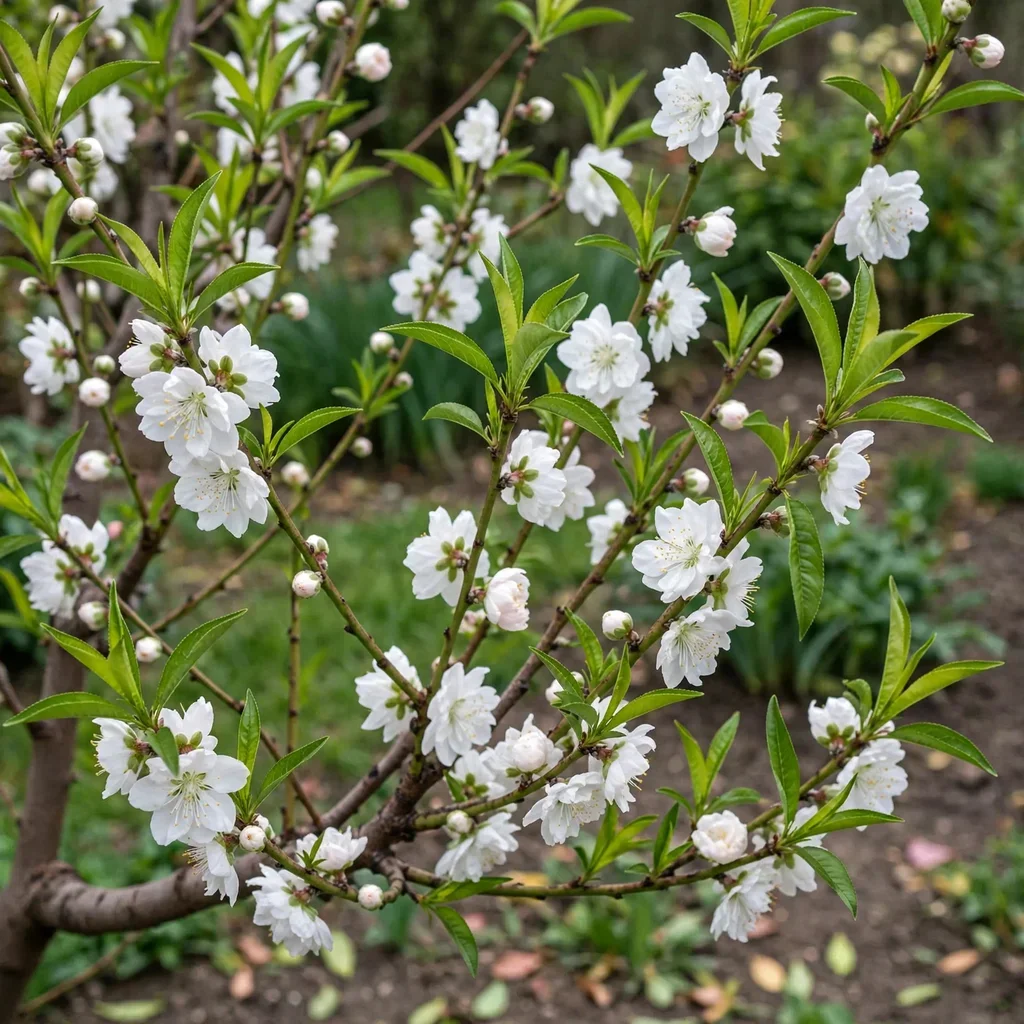
Feiching Tao White Peach
Prunus persica 'Feiching Tao White'
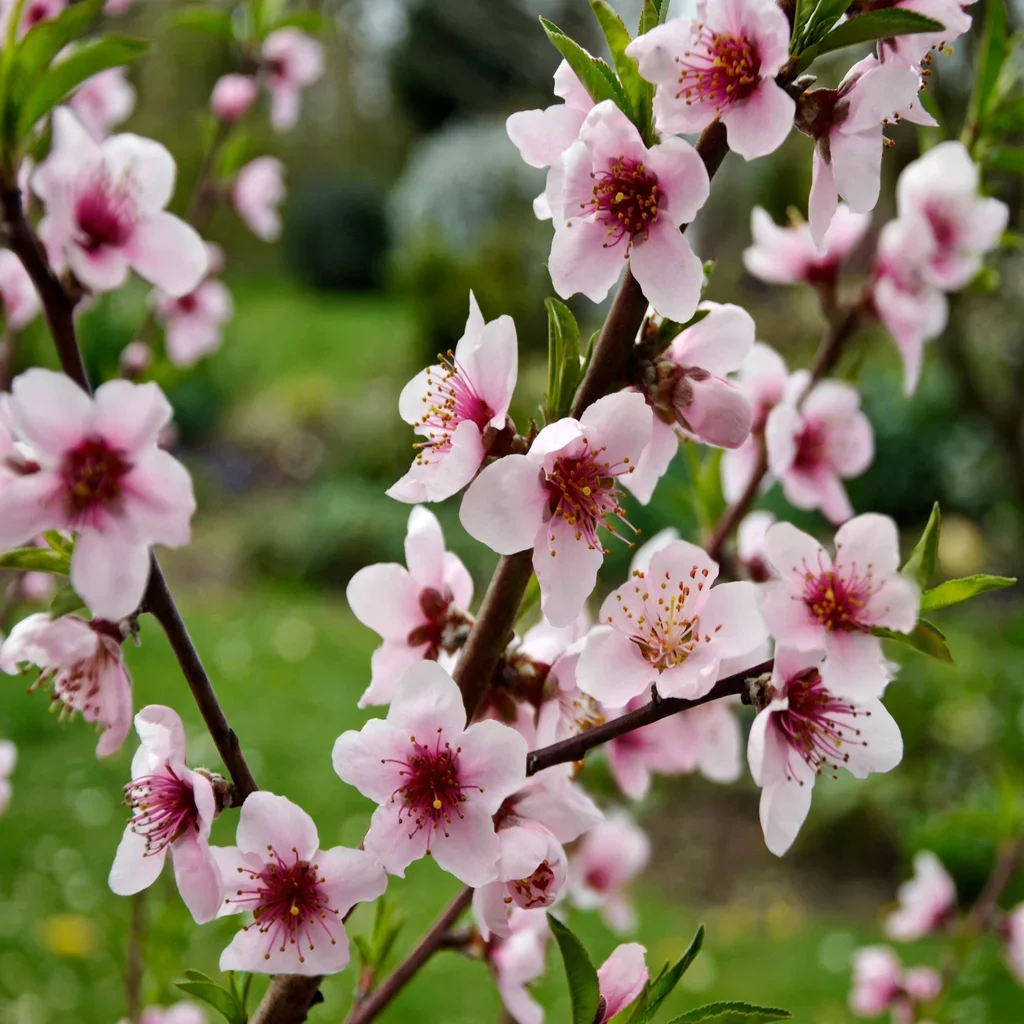
Hale Haven Peach
Prunus persica 'Hale Haven'
Keep exploring
Explore the genus
Hardy in your zone?
Grow Purple-Leaf Plum with confidence
See it in a design of your actual yard, get zone-matched care reminders, and track it season by season in your garden journal.