The Story
Plant Bio
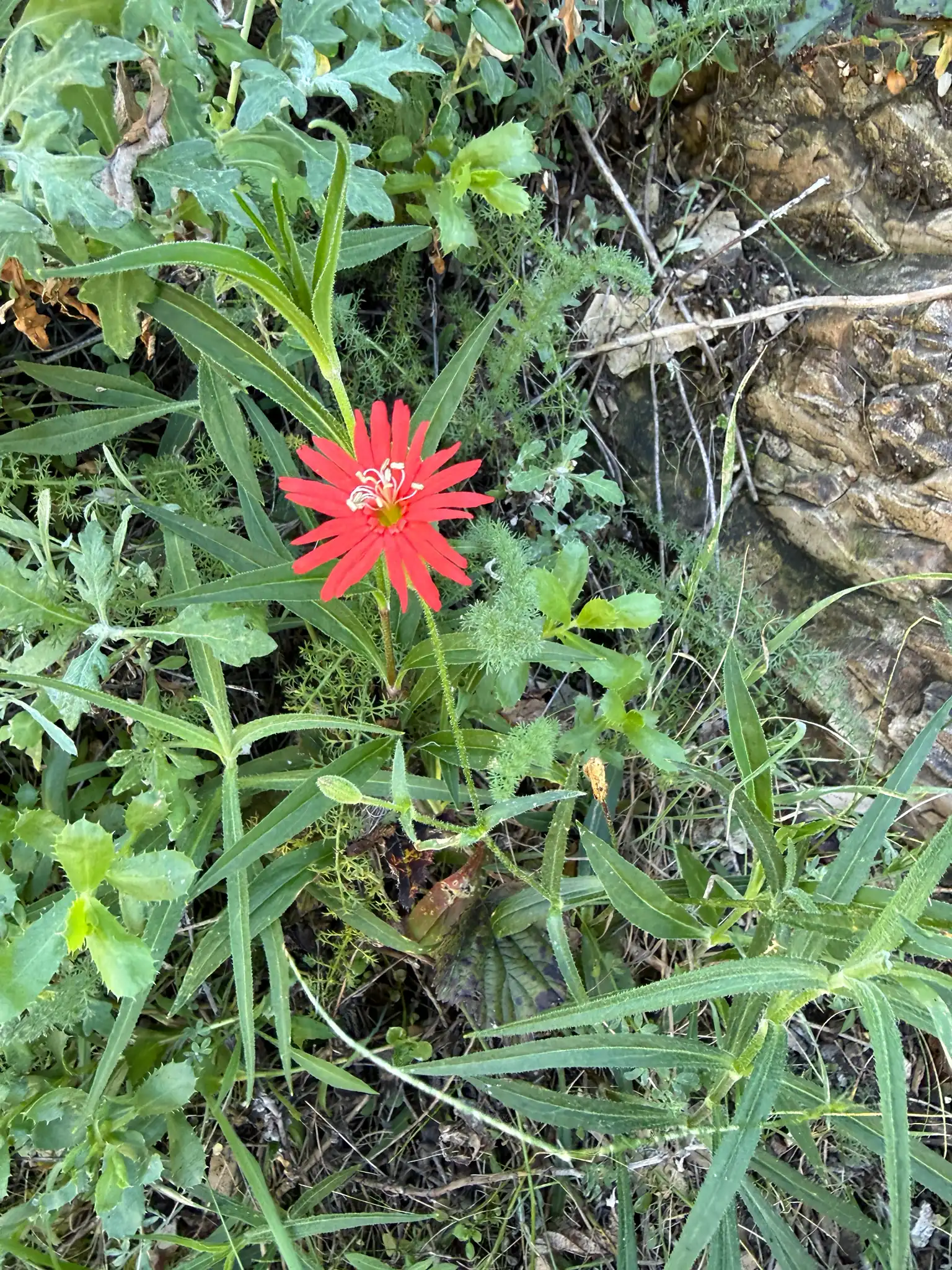
Silene laciniata, commonly known as cardinal catchfly, is a decumbent to erect herbaceous perennial native to dry chaparral, oak woodlands, and pine slopes across the southwestern United States and Mexico. It features slender, branching stems and lanceolate foliage densely covered in sticky, glandular hairs that allow it to scramble through adjacent shrubs.
The bright crimson, tubular flowers feature five petals that are deeply divided into 4 to 6 narrow, fringed lobes. Rich in nectar, these distinct starburst blooms rely on hummingbirds for primary pollination across their natural habitat.
Uses & Benefits:
Essentials
At a Glance
Plant Type
Perennial
Height
47"
Width
24"
Light
Full Sun, Partial Sun
Zones
5, 6, 7, 8, 9, 10
Water
Low to moderate
Humidity
Low to moderate
Lifespan
Perennial
Native To
North America (Southwestern US, Mexico)
Toxicity
Non-toxic (sap may irritate skin)
Bloom period
Spring – Summer
In flower about 6 months of the year
Planting
How to Grow
- Select a planting position in full sun or dappled shade with gritty, mineral-rich, sharp-draining soil.
- Dig a planting hole as deep as the root ball and twice as wide without adding heavy organic soil amendments.
- Place the crown level with the soil surface and gently backfill to eliminate air pockets.
- Water thoroughly upon planting, then space out subsequent waterings to let the topsoil dry completely.
Pro Tip
Provide gritty, sharp-draining soil and allow the root system to dry between irrigations, as stagnant water and heavy garden loam cause fatal root rot.
Keep It Thriving
Care Guide
Do
- Ensure sharp soil drainage to prevent crown and root fungal rots.
- Allow stems to scramble naturally over surrounding shrubs or rock features.
- Trim back stems lightly after the spring bloom flush to encourage fresh regrowth.
Don't
- Do not plant in heavy clay or waterlogged soils.
- Do not prune hard into old, leafless, dead woody stem bases.
- Do not over-fertilize, as excess nutrients cause weak, floppy growth.
Seasonal Care Calendar
| Task | Jan | Feb | Mar | Apr | May | Jun | Jul | Aug | Sep | Oct | Nov | Dec |
|---|---|---|---|---|---|---|---|---|---|---|---|---|
| Pest Check | ||||||||||||
| Propagate | ||||||||||||
| Prune | ||||||||||||
| Spring Cleanup |
Watch Out For
Pests & Diseases
Common Pests
Common Diseases
In the Garden
Landscape Uses & Companions
Landscape Uses
Multiply
Propagation Methods
Good to Know
Common Questions
Cardinal Catchfly questions
What zones can Cardinal Catchfly grow in?
Cardinal Catchfly is hardy in USDA Zones 5–10: in that range it survives winter in the ground. Colder than Zone 5, grow it in a container you can move to shelter for the winter, or as an annual.
Is Cardinal Catchfly deer resistant?
Not reliably. Deer may browse Cardinal Catchfly, especially tender spring growth — plan on repellents or fencing where pressure is high.
When does Cardinal Catchfly bloom?
Cardinal Catchfly typically blooms from spring to summer. Exact timing shifts a week or two with your zone — Sow's bloom calendar maps it to your garden.
Does Cardinal Catchfly need full sun?
Cardinal Catchfly does best in full sun to part shade. In hot climates, afternoon shade keeps blooms fresher longer.
Is Cardinal Catchfly drought tolerant?
Yes — once established (usually after the first full season), Cardinal Catchfly handles dry spells with minimal watering. Water deeply its first year to build the root system that makes that possible.
More Silene to compare
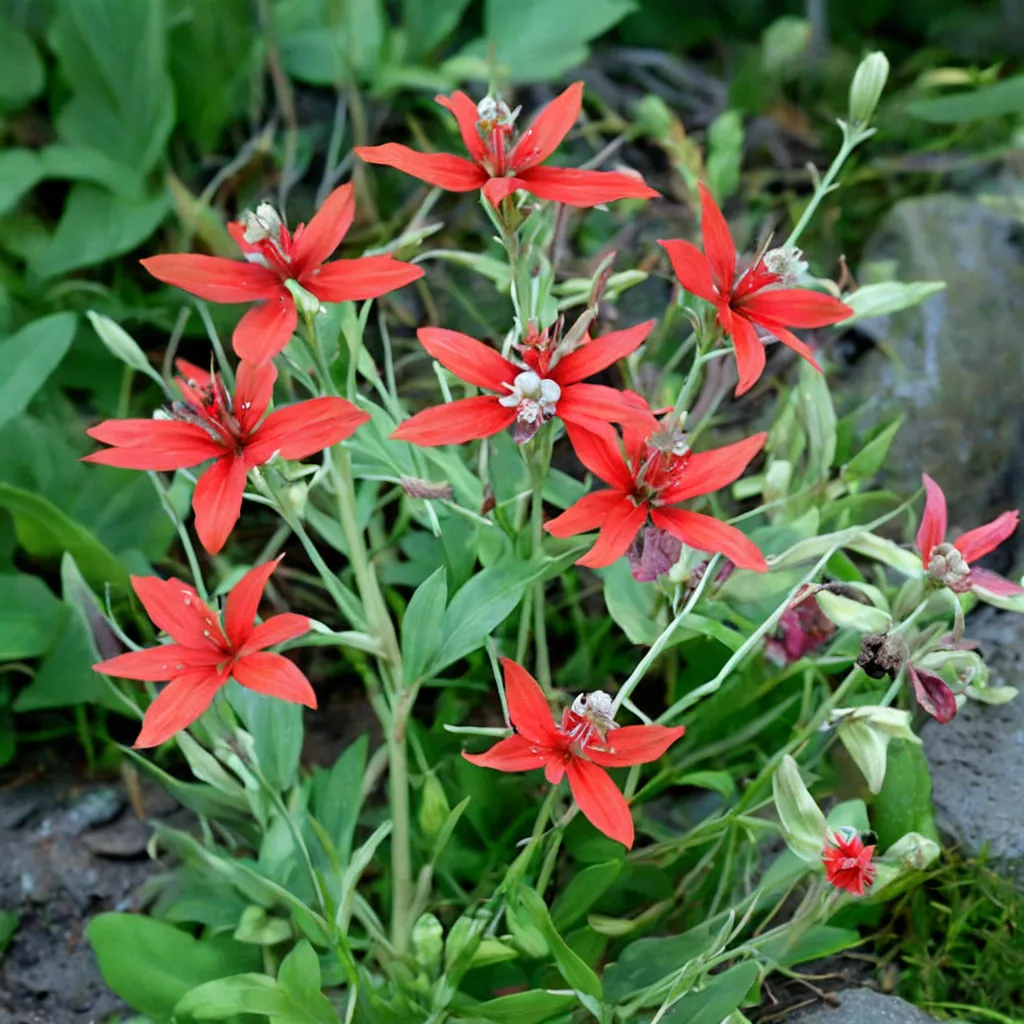
Fire Pink
Silene virginica
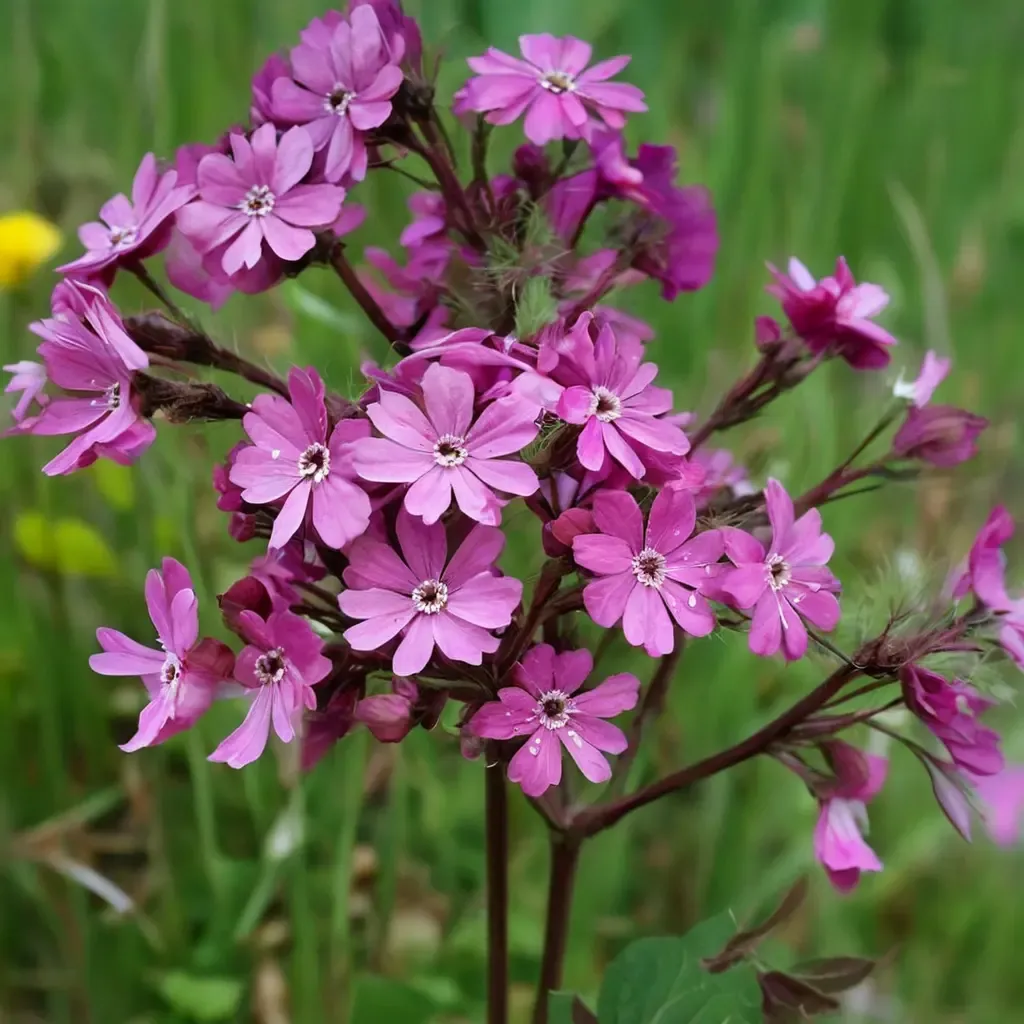
Red Campion
Silene dioica
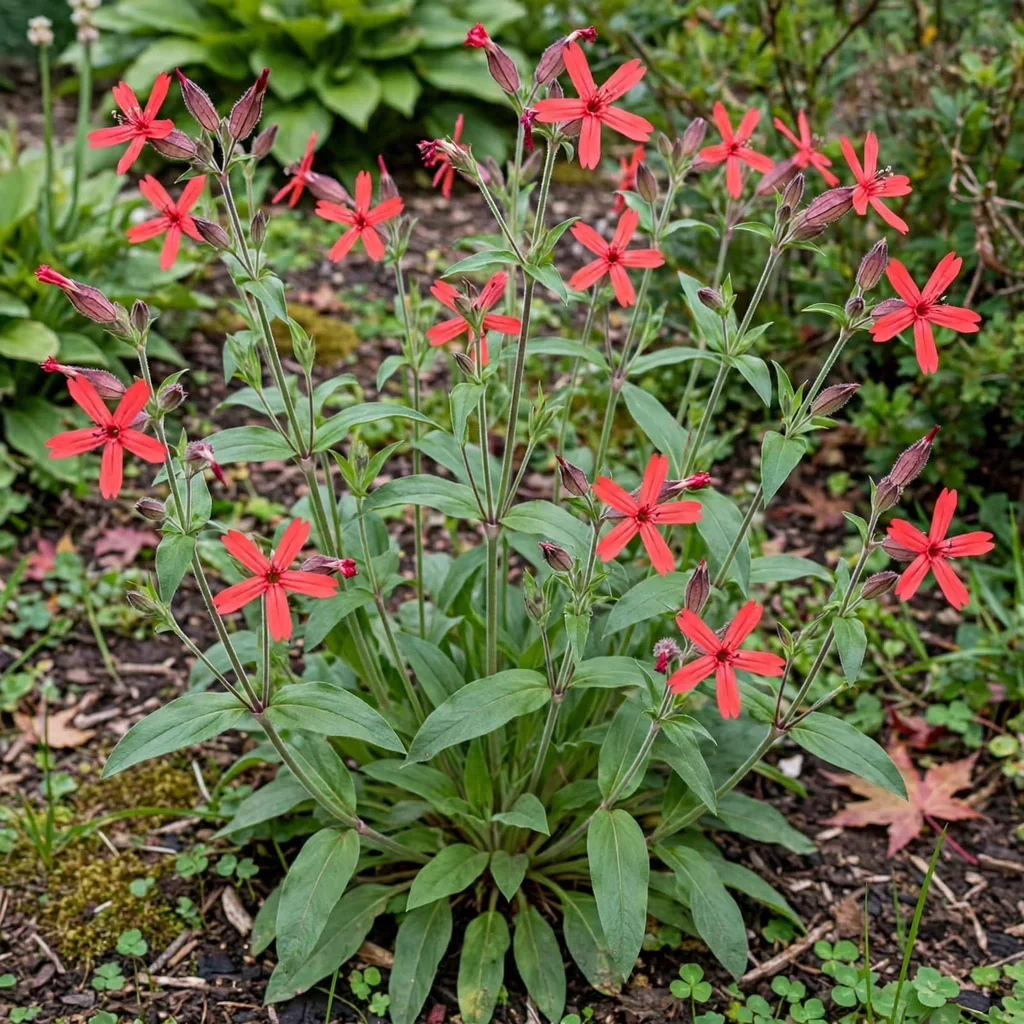
Jackson Valentine Fire Pink
Silene virginica 'Jackson Valentine'
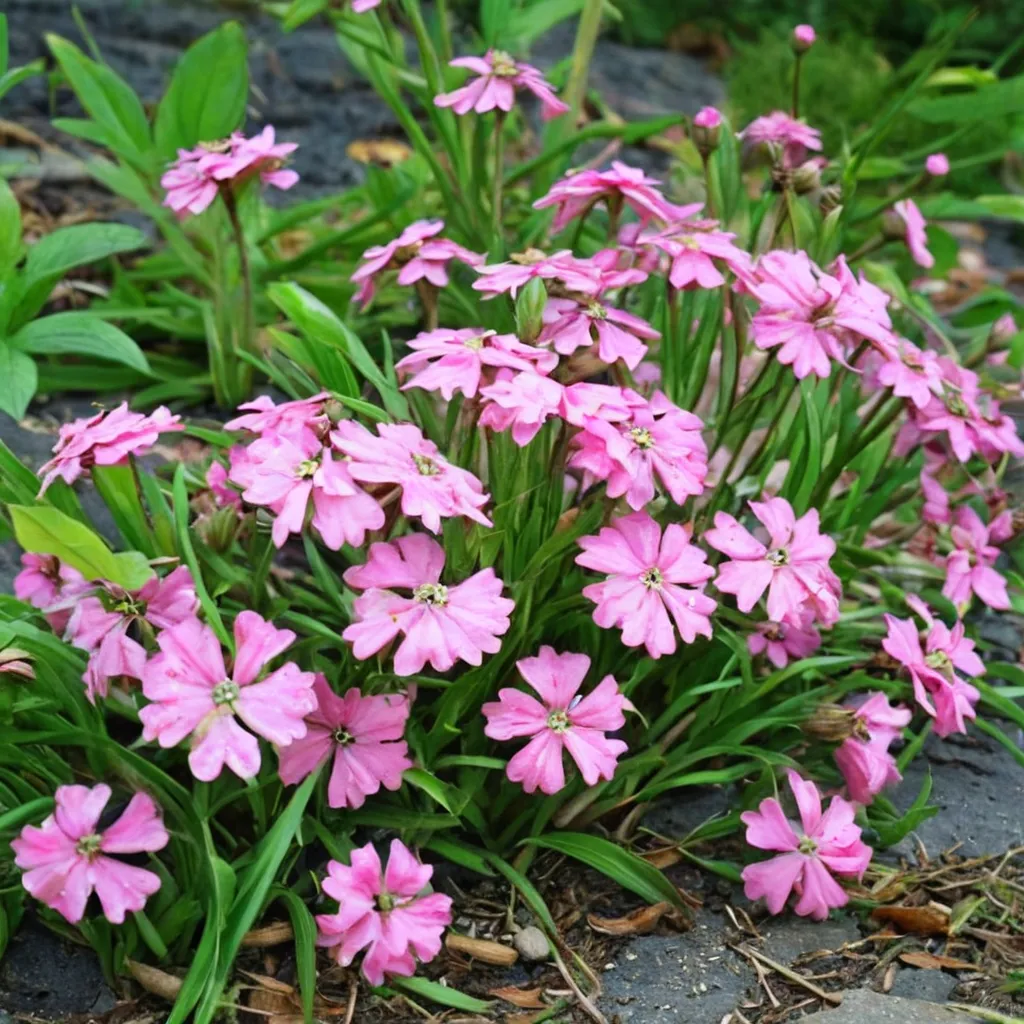
Short and Sweet Wild Pink
Silene caroliniana 'Short and Sweet'
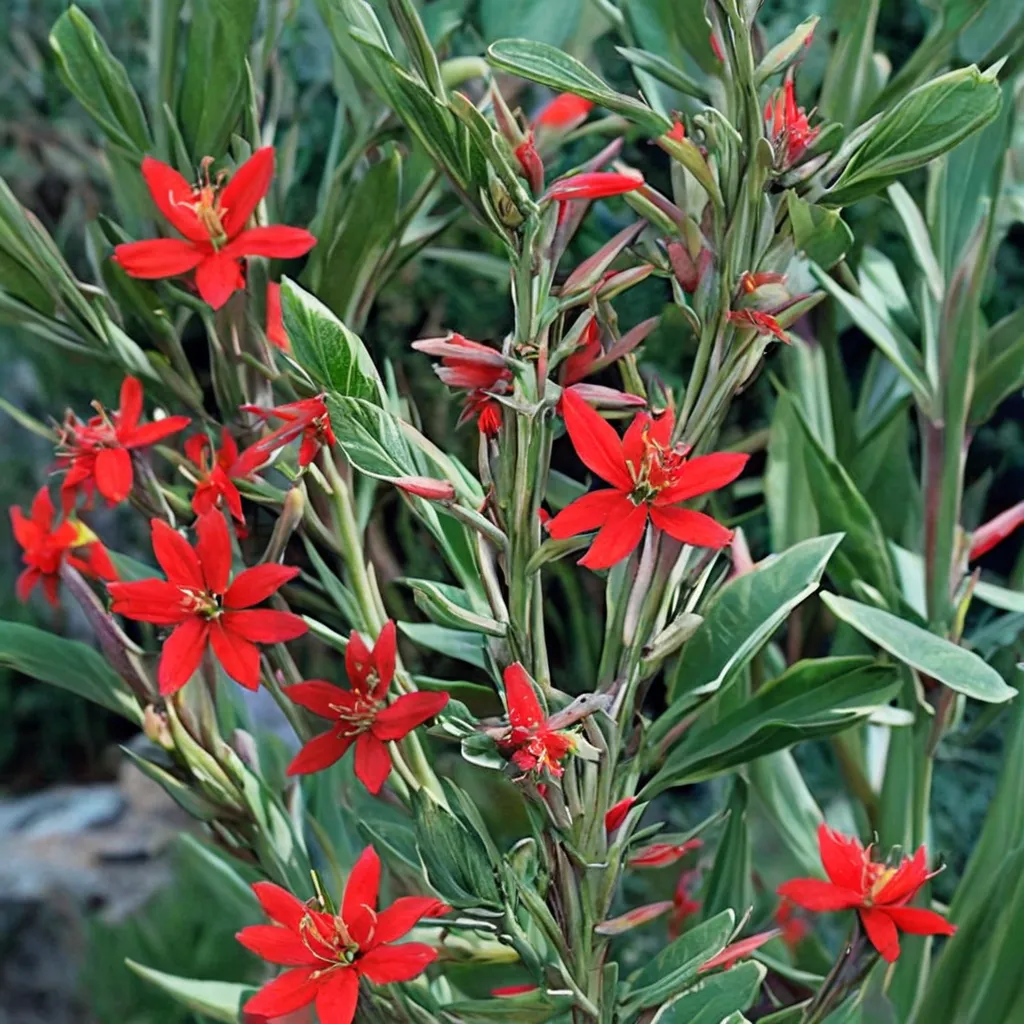
Prairie Fire Royal Catchfly
Silene regia 'Prairie Fire'
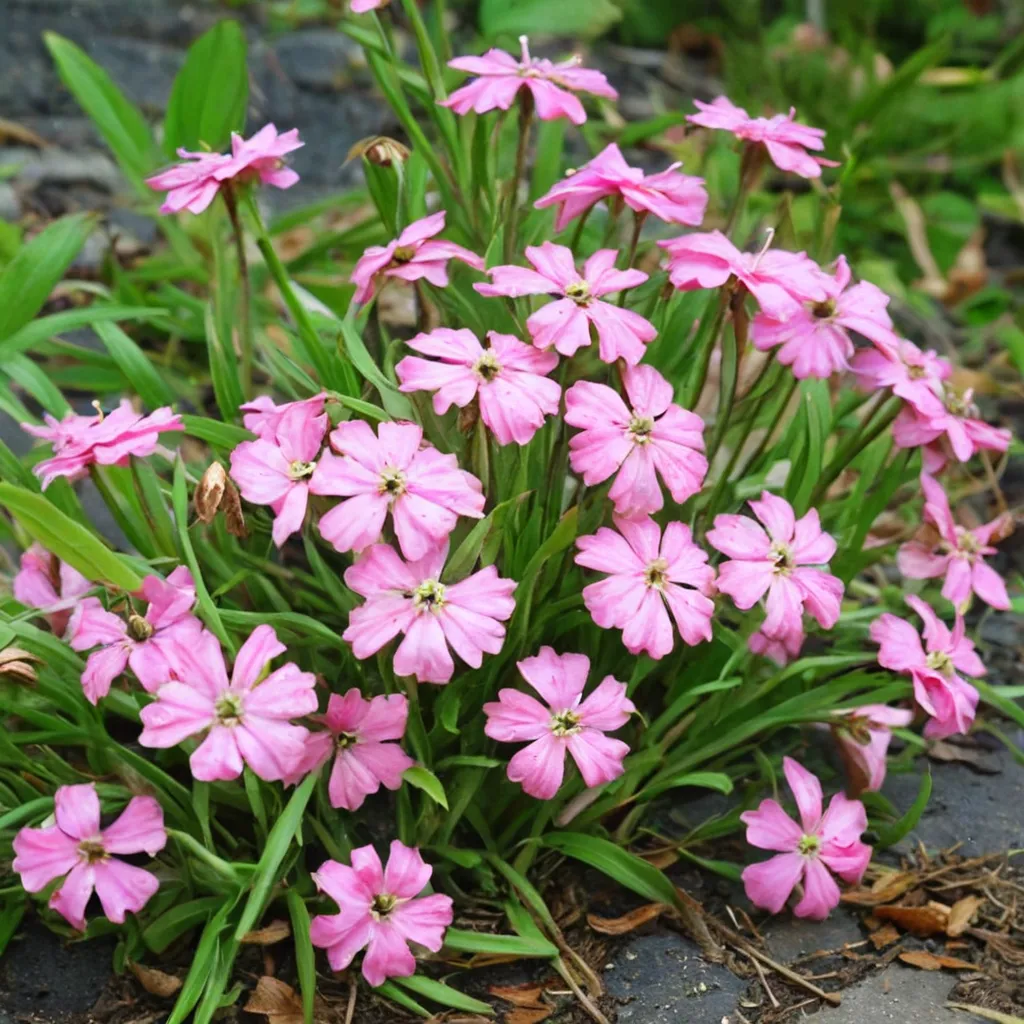
Short and Sweet Wild Pinks
Silene caroliniana 'Short Sweet'
Keep exploring
Explore the genus
Grow Cardinal Catchfly with confidence
See it in a design of your actual yard, get zone-matched care reminders, and track it season by season in your garden journal.