


The Story
Plant Bio
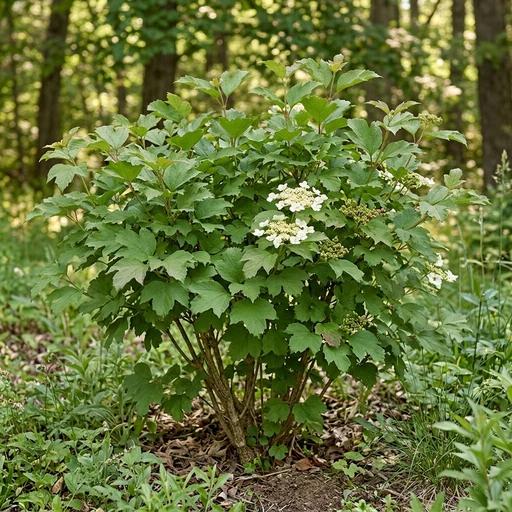
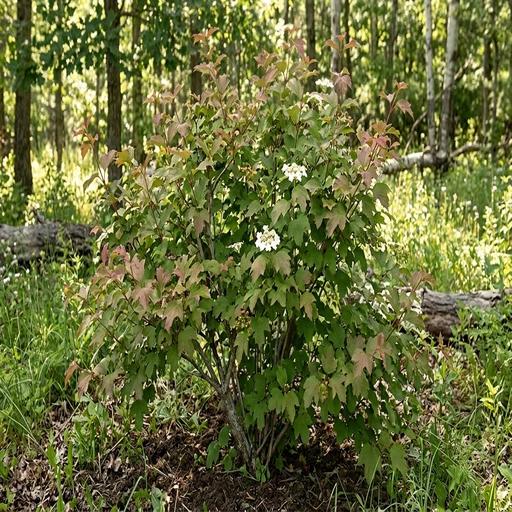
Viburnum trilobum, the American Cranberrybush, is a native deciduous shrub prized for its three-lobed, maple-like leaves, spring flowers, edible fruit, and excellent fall color.
'Bailey Compact' is a superior selection with a denser, more rounded, and compact habit than the species, making it better suited for residential landscapes. It reliably produces abundant flowers and fruit.
Uses & Benefits:
Essentials
At a Glance
Plant Type
Shrub
Height
66"
Width
66"
Light
Full Sun, Partial Sun
Zones
4, 5, 6, 7
Water
Medium to wet
Humidity
Average
Lifespan
30-50 years
Native To
Northern North America
Toxicity
Non-toxic; fruit is edible.
Bloom period
Late spring – Early summer
In flower about 2 months of the year
Planting
How to Grow
- Select a site with full sun to part shade and average to moist soil.
- Dig a hole twice as wide as the container.
- Set the plant in the hole with the root ball top level with the soil.
- Backfill with native soil and water well to settle.
- Water regularly during the first year to establish a strong root system.
- Mulch around the base to retain soil moisture.
Pro Tip
Plant more than one cultivar of Viburnum trilobum to ensure good cross-pollination, which leads to much heavier fruit set for you and the birds.
Keep It Thriving
Care Guide
Do
- Provide consistent moisture, as it does not like to dry out.
- Prune right after it finishes blooming.
- Allow some older stems to be removed to encourage new growth.
- Harvest berries after a frost for the best flavor.
Don't
- Do not plant in hot, dry, exposed sites.
- Avoid pruning in late summer or fall, as this will remove flower buds.
- Don't let it get stressed by drought, which makes it prone to pests.
- Avoid planting if viburnum leaf beetle is a major problem in your area.
Seasonal Care Calendar
| Task | Jan | Feb | Mar | Apr | May | Jun | Jul | Aug | Sep | Oct | Nov | Dec |
|---|---|---|---|---|---|---|---|---|---|---|---|---|
| Mulch | ||||||||||||
| Pest Check | ||||||||||||
| Plant | ||||||||||||
| Prune |
Watch Out For
Pests & Diseases
Common Pests
Common Diseases
In the Garden
Landscape Uses & Companions
Landscape Uses
Multiply
Propagation Methods
Good to Know
Common Questions
Bailey Compact American Cranberrybush questions
What zones can Bailey Compact American Cranberrybush grow in?
Bailey Compact American Cranberrybush is hardy in USDA Zones 4–7. Inside that range it survives winter in the ground; outside it, grow it as an annual or a container plant you protect.
Is Bailey Compact American Cranberrybush deer resistant?
Yes — Bailey Compact American Cranberrybush is rated deer-resistant. Deer typically pass it over, though extreme hunger can override any plant's defenses.
When does Bailey Compact American Cranberrybush bloom?
Bailey Compact American Cranberrybush typically blooms in late spring through early summer. Exact timing shifts a week or two with your zone — Sow's bloom calendar maps it to your garden.
Does Bailey Compact American Cranberrybush need full sun?
Bailey Compact American Cranberrybush does best in full sun to part shade. In hot climates, afternoon shade keeps blooms fresher longer.
More Viburnum to compare
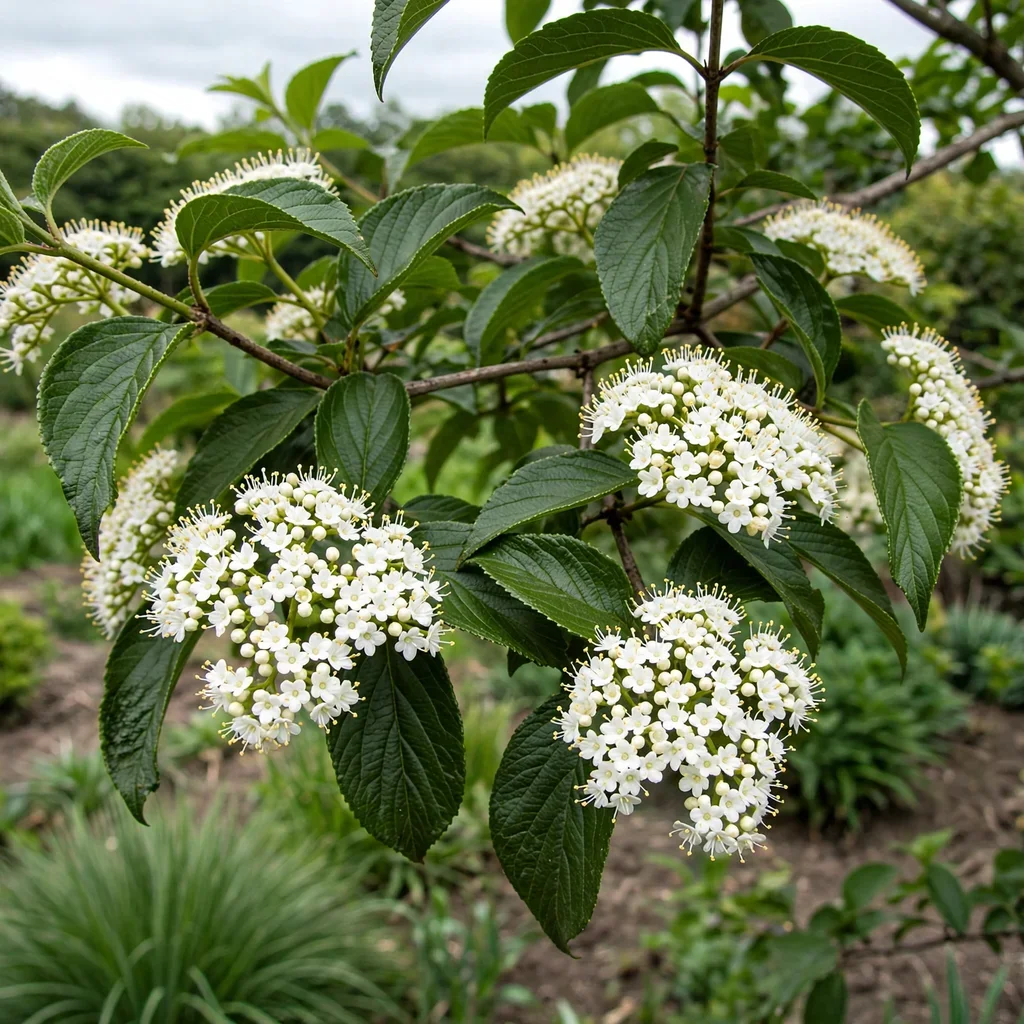
Nannyberry
Viburnum lentago
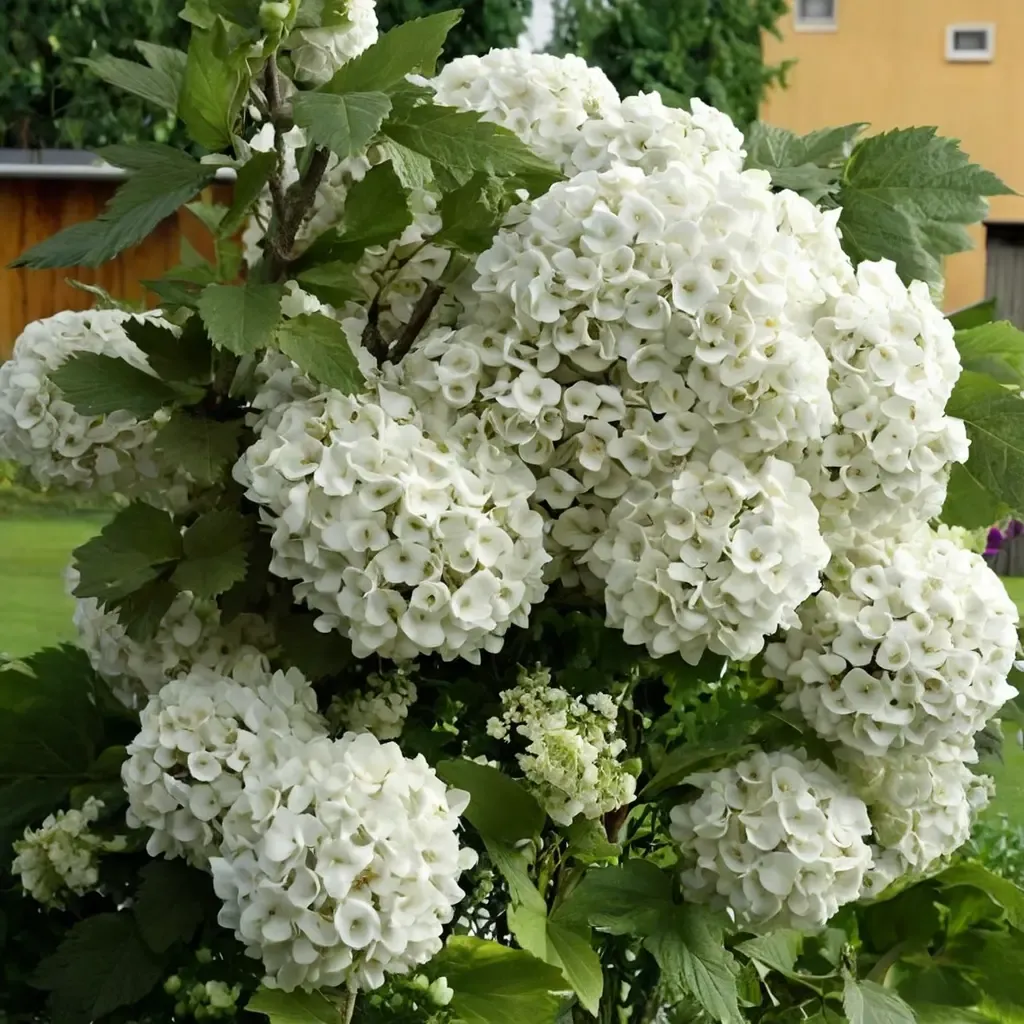
Snowball Viburnum
Viburnum opulus 'Sterile'
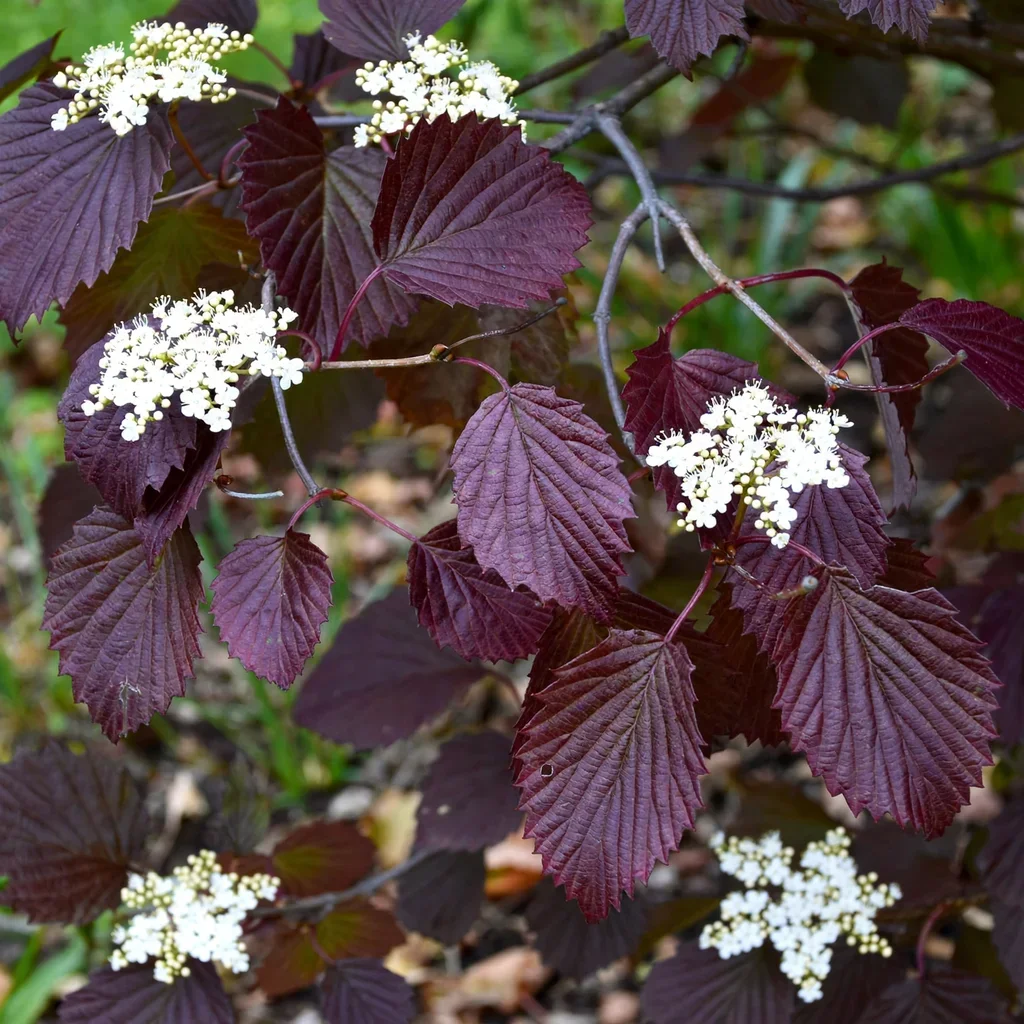
Autumn Jazz Arrowwood
Viburnum dentatum 'Autumn Jazz'
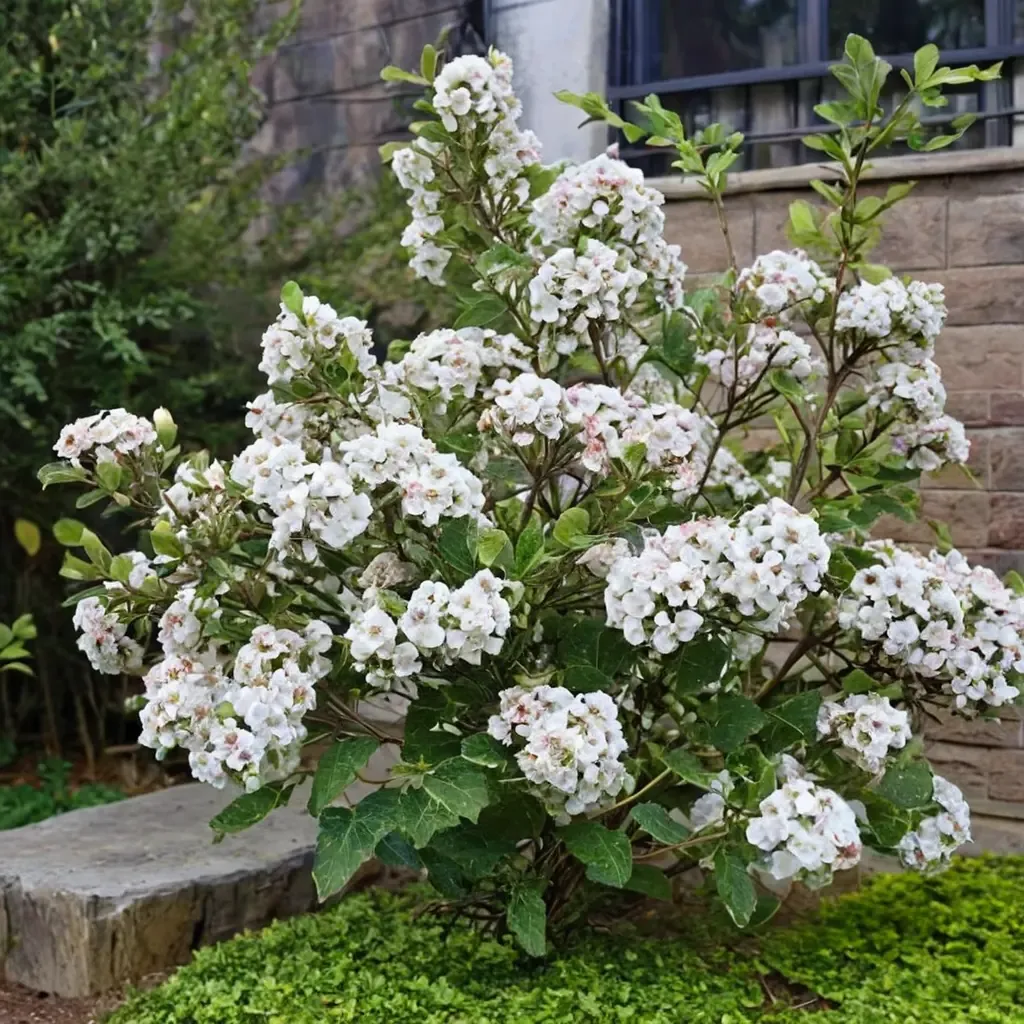
Korean spice viburnum
Viburnum carlesii
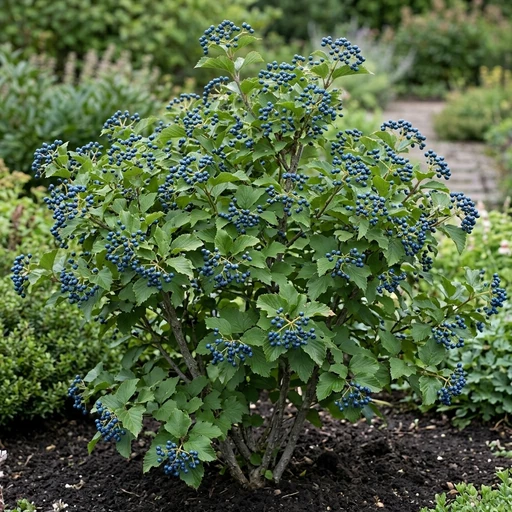
Blue Muffin Viburnum
Viburnum dentatum 'Christom'
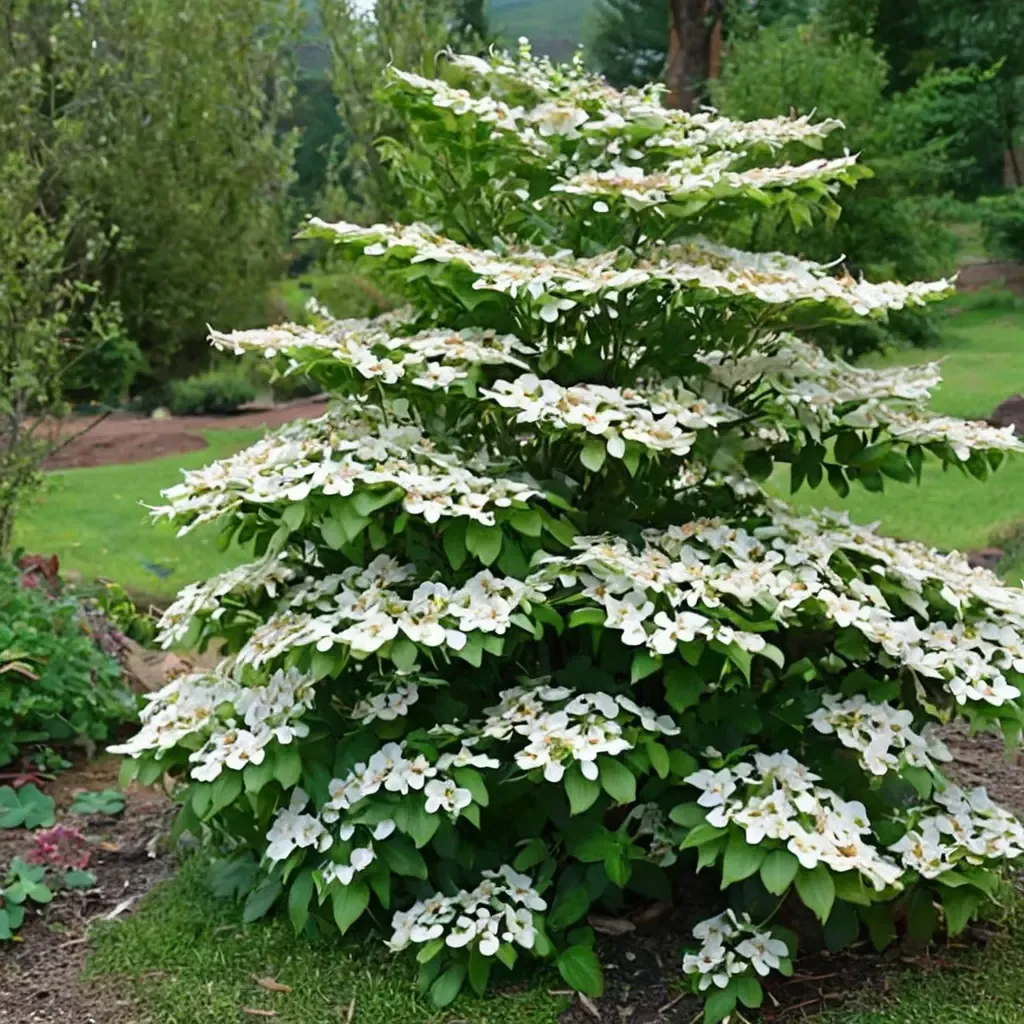
Mariesii Japanese Snowball
Viburnum plicatum 'Mariesii'
Keep exploring
Explore the genus
Hardy in your zone?
Grow Bailey Compact American Cranberrybush with confidence
See it in a design of your actual yard, get zone-matched care reminders, and track it season by season in your garden journal.