


The Story
Plant Bio
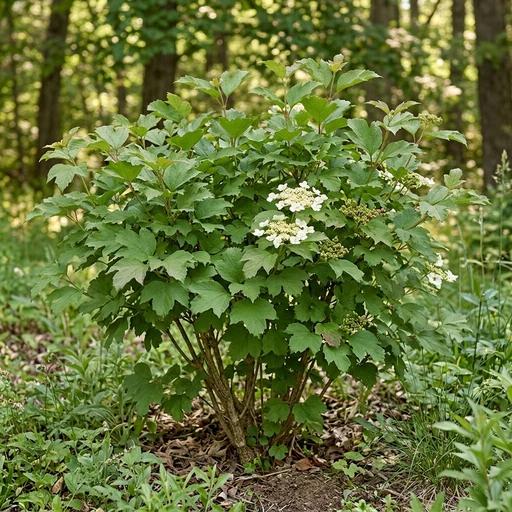
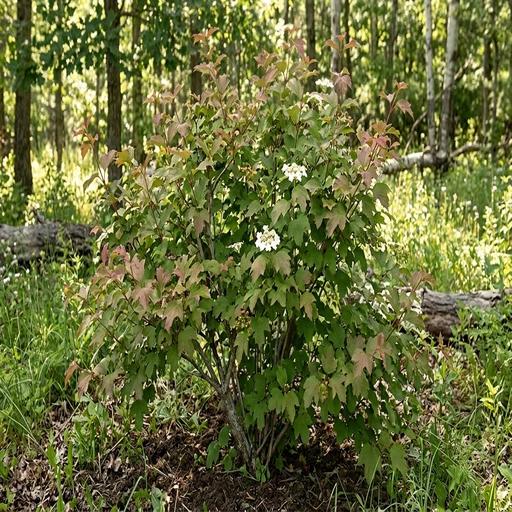
Viburnum opulus var. americanum is a large, hardy shrub native to North America, featuring three-lobed, maple-like leaves, flat-topped clusters of white flowers, and edible red fruit.
The 'Wentworth' cultivar is prized for its exceptionally large, bright red fruits that are more abundant than the species, making it a top choice for ornamental display and for making jams and jellies.
Uses & Benefits:
Essentials
At a Glance
Plant Type
Shrub
Height
144"
Width
144"
Light
Full Sun, Partial Sun
Zones
4, 5, 6, 7
Water
Moderate
Humidity
Average
Lifespan
Long-lived deciduous shrub
Native To
North America
Toxicity
Fruit is edible when cooked
Bloom period
Late spring – Early summer
In flower about 2 months of the year
Planting
How to Grow
- Choose a site with full sun to part shade and average to moist soil.
- Dig a hole twice as wide and just as deep as the root ball.
- Gently tease apart the roots before placing in the hole.
- Ensure the top of the root ball is level with the soil surface.
- Backfill with soil, firm gently, and water deeply.
- Apply a 2-3 inch layer of mulch to conserve moisture.
Pro Tip
For best fruit set, plant more than one American Cranberrybush cultivar to ensure good cross-pollination.
Keep It Thriving
Care Guide
Do
- Provide consistent moisture, especially during establishment.
- Prune right after flowering to avoid removing next year's flower buds.
- Monitor closely for viburnum leaf beetle and act quickly if found.
- Harvest fruit after a light frost to improve its flavor for culinary use.
Don't
- Don't confuse it with the European Cranberrybush (Viburnum opulus), which is invasive.
- Avoid planting in hot, dry sites.
- Don't prune in late summer, fall, or winter.
- Don't eat the berries raw in large quantities; they are best cooked.
Seasonal Care Calendar
| Task | Jan | Feb | Mar | Apr | May | Jun | Jul | Aug | Sep | Oct | Nov | Dec |
|---|---|---|---|---|---|---|---|---|---|---|---|---|
| Harvest | ||||||||||||
| Pest Check | ||||||||||||
| Plant | ||||||||||||
| Prune |
Watch Out For
Pests & Diseases
Common Pests
Common Diseases
In the Garden
Landscape Uses & Companions
Landscape Uses
Multiply
Propagation Methods
Good to Know
Common Questions
Wentworth American Cranberrybush questions
What zones can Wentworth American Cranberrybush grow in?
Wentworth American Cranberrybush is hardy in USDA Zones 4–7. Inside that range it survives winter in the ground; outside it, grow it as an annual or a container plant you protect.
Is Wentworth American Cranberrybush deer resistant?
Not reliably. Deer may browse Wentworth American Cranberrybush, especially tender spring growth — plan on repellents or fencing where pressure is high.
When does Wentworth American Cranberrybush bloom?
Wentworth American Cranberrybush typically blooms in late spring through early summer. Exact timing shifts a week or two with your zone — Sow's bloom calendar maps it to your garden.
Does Wentworth American Cranberrybush need full sun?
Wentworth American Cranberrybush does best in full sun to part shade. In hot climates, afternoon shade keeps blooms fresher longer.
More Viburnum to compare
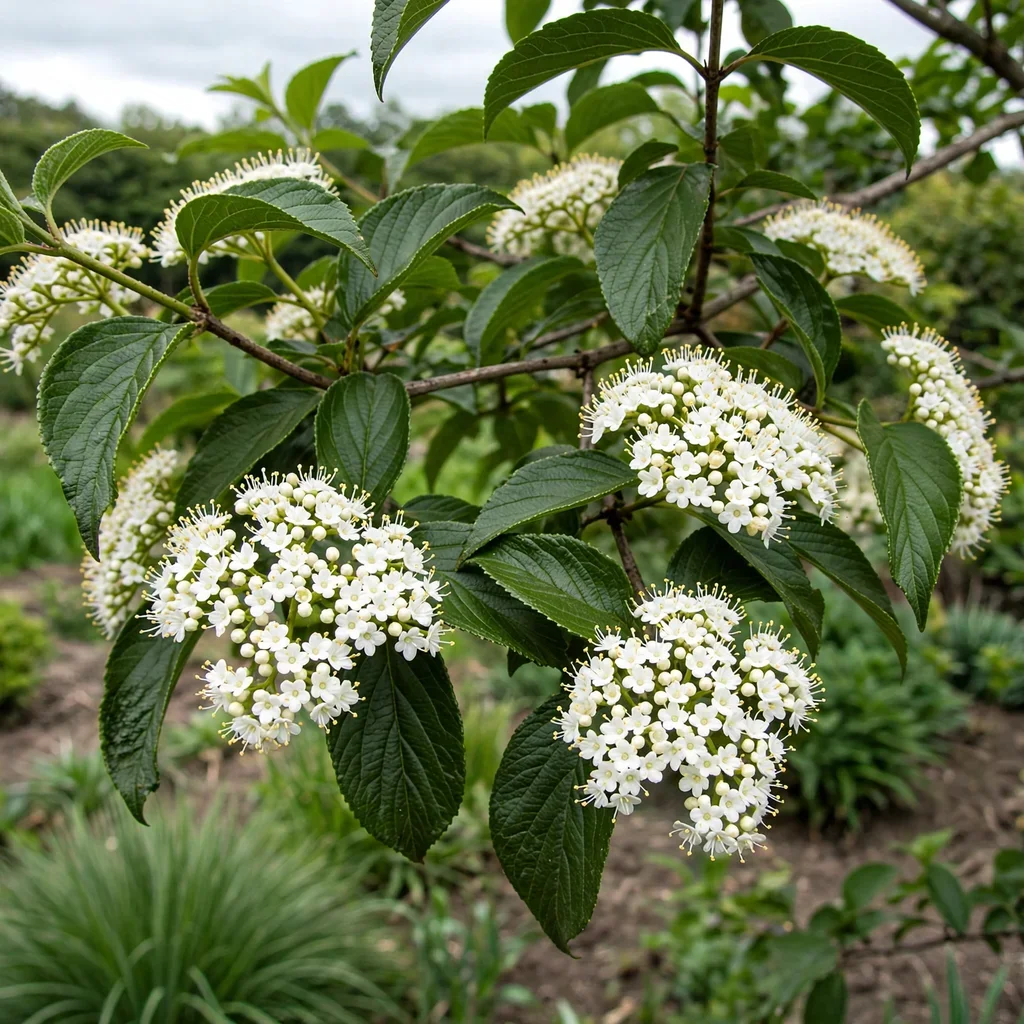
Nannyberry
Viburnum lentago
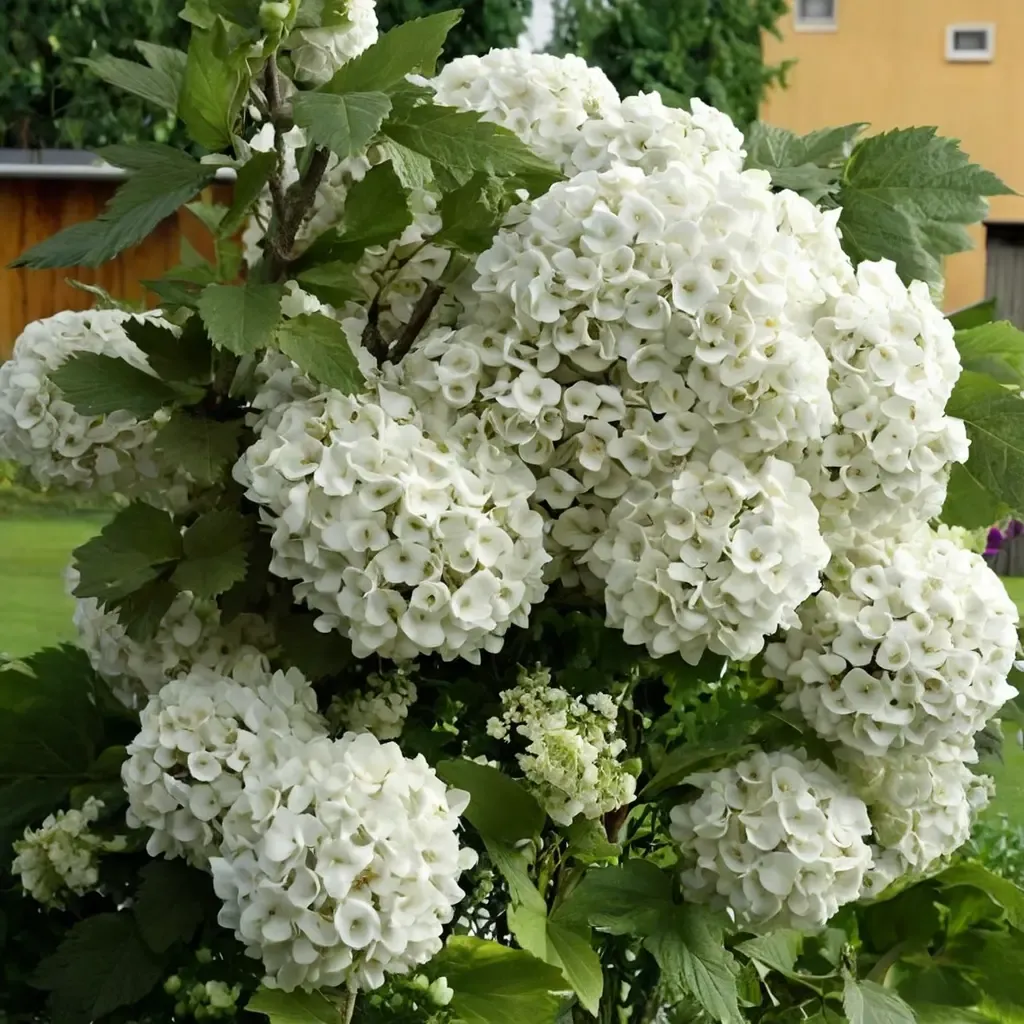
Snowball Viburnum
Viburnum opulus 'Sterile'
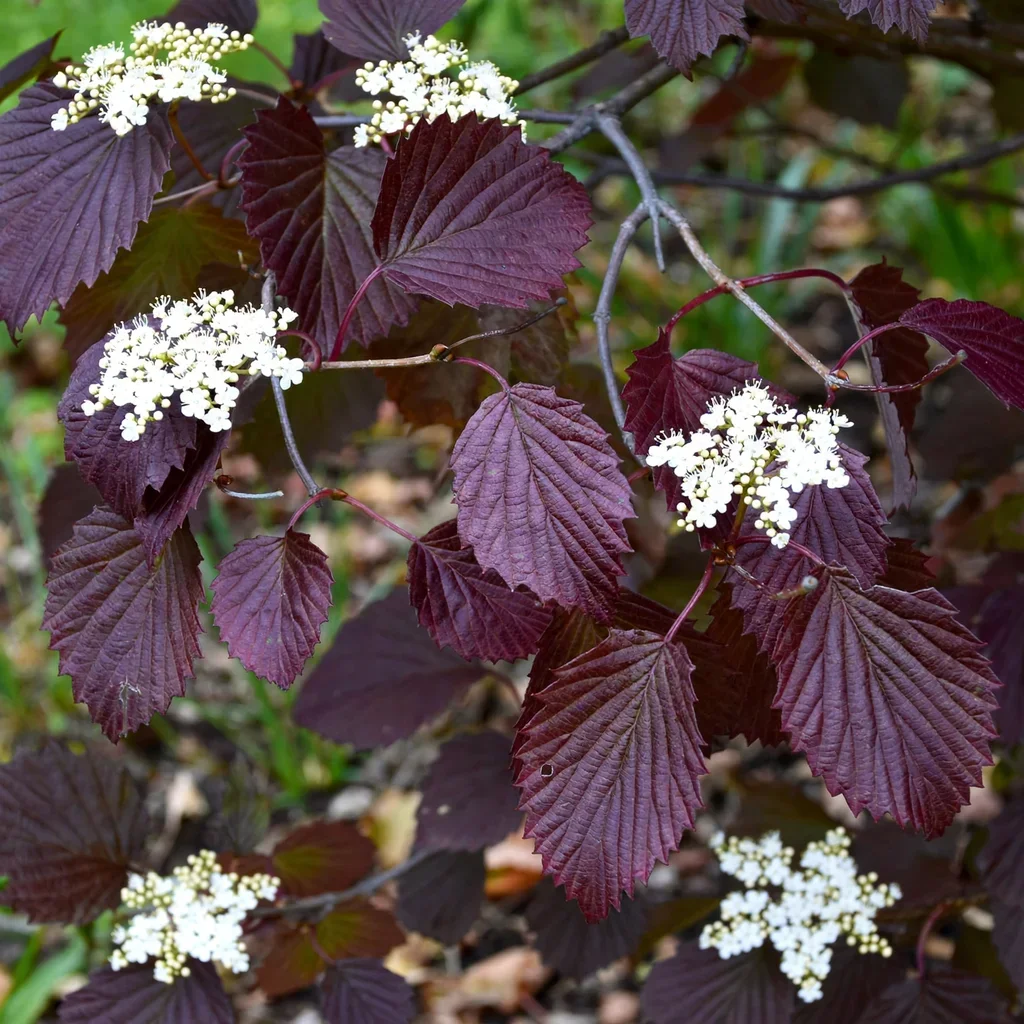
Autumn Jazz Arrowwood
Viburnum dentatum 'Autumn Jazz'
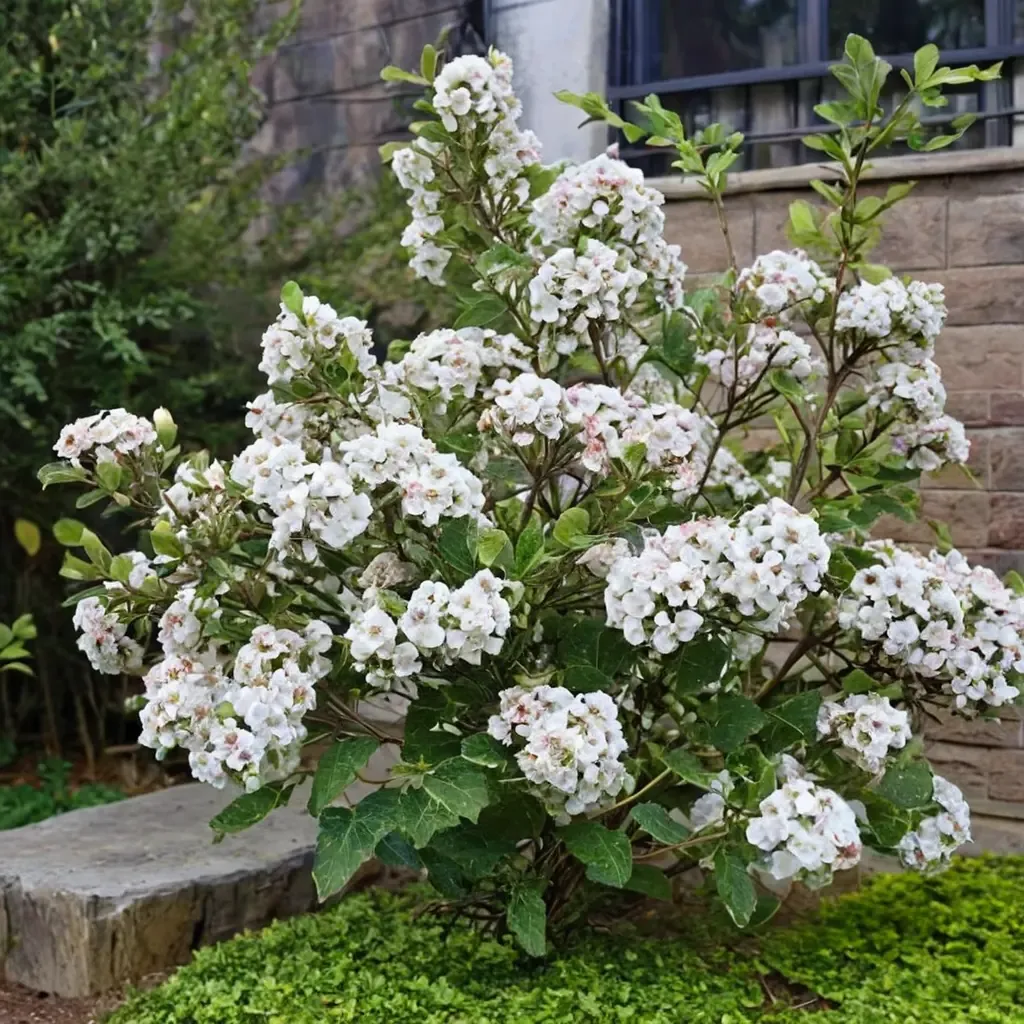
Korean spice viburnum
Viburnum carlesii
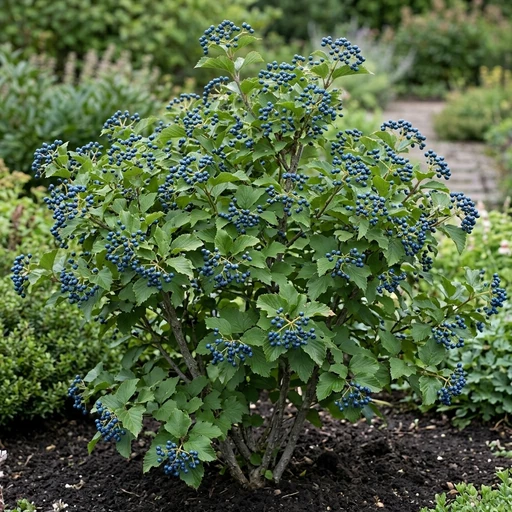
Blue Muffin Viburnum
Viburnum dentatum 'Christom'
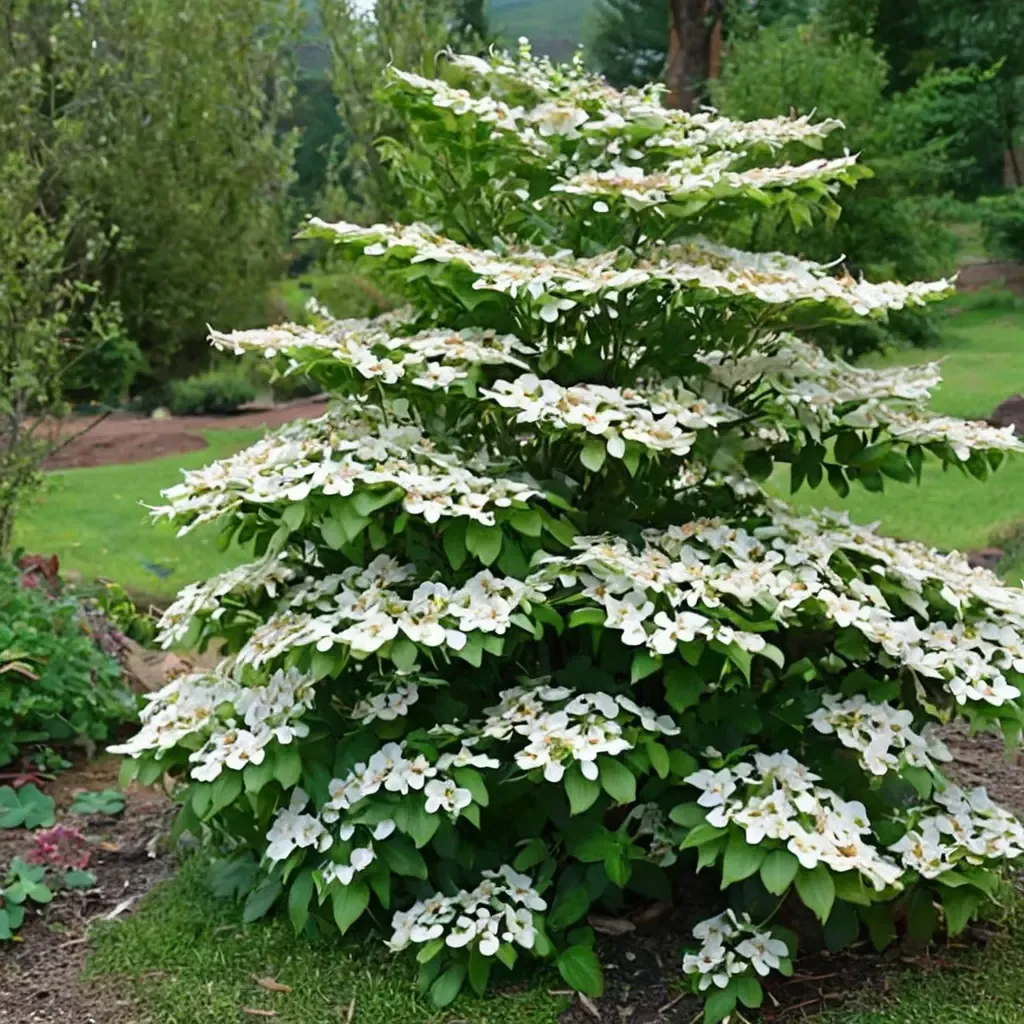
Mariesii Japanese Snowball
Viburnum plicatum 'Mariesii'
Keep exploring
Explore the genus
Hardy in your zone?
Grow Wentworth American Cranberrybush with confidence
See it in a design of your actual yard, get zone-matched care reminders, and track it season by season in your garden journal.