


The Story
Plant Bio
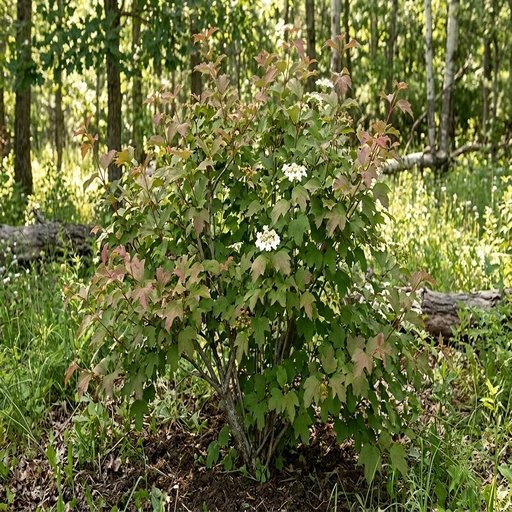
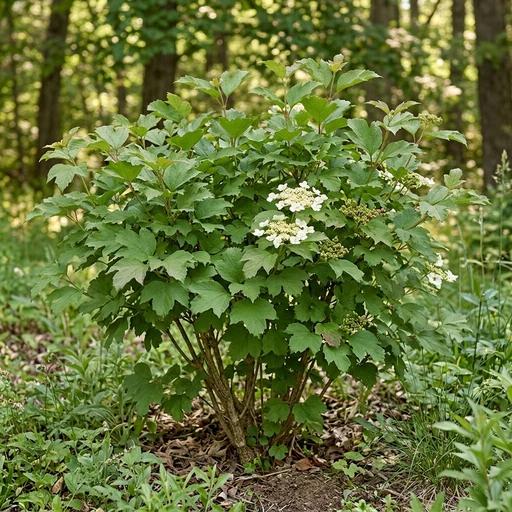
Viburnum trilobum, the American Cranberrybush, is a multi-stemmed deciduous shrub native to North America, prized for its three-lobed leaves, white lacecap flowers, and edible red fruit.
Redwing ('J.N. Select') is a distinctive cultivar selected for its new growth, which emerges with a reddish tint in spring. It also has excellent red fall color and reliable, heavy fruit production.
Uses & Benefits:
Essentials
At a Glance
Plant Type
Shrub
Height
108"
Width
108"
Light
Full Sun, Partial Sun
Zones
4, 5, 6, 7
Water
Medium
Humidity
Average
Lifespan
Long-lived shrub
Native To
North America
Toxicity
Fruit is edible and high in Vitamin C, but very tart.
Bloom period
Late spring – Early summer
In flower about 2 months of the year
Planting
How to Grow
- Plant in full sun for best color and fruiting.
- Prefers cool, moist, well-drained loamy soils.
- Dig a hole twice the width of the root ball.
- Set the plant at ground level and backfill.
- Water thoroughly and apply a layer of mulch.
- Keep consistently moist, especially in the first year.
Pro Tip
For best fruit production, plant more than one shrub to ensure good cross-pollination, even though it is partially self-fertile.
Keep It Thriving
Care Guide
Do
- Plant in groups for a stunning berry display.
- Use the fruit to make tart jellies and sauces.
- Enjoy the brilliant red to purple fall foliage.
Don't
- Don't let the soil dry out for extended periods.
- Avoid planting in hot, dry locations.
- Don't confuse it with the European V. opulus, which is prone to aphids.
Seasonal Care Calendar
| Task | Jan | Feb | Mar | Apr | May | Jun | Jul | Aug | Sep | Oct | Nov | Dec |
|---|---|---|---|---|---|---|---|---|---|---|---|---|
| Fertilize | ||||||||||||
| Harvest | ||||||||||||
| Prune |
Watch Out For
Pests & Diseases
Common Pests
Common Diseases
In the Garden
Landscape Uses & Companions
Landscape Uses
Multiply
Propagation Methods
Good to Know
Common Questions
Redwing American Cranberrybush questions
What zones can Redwing American Cranberrybush grow in?
Redwing American Cranberrybush is hardy in USDA Zones 4–7. Inside that range it survives winter in the ground; outside it, grow it as an annual or a container plant you protect.
Is Redwing American Cranberrybush deer resistant?
Yes — Redwing American Cranberrybush is rated deer-resistant. Deer typically pass it over, though extreme hunger can override any plant's defenses.
When does Redwing American Cranberrybush bloom?
Redwing American Cranberrybush typically blooms in late spring through early summer. Exact timing shifts a week or two with your zone — Sow's bloom calendar maps it to your garden.
Does Redwing American Cranberrybush need full sun?
Redwing American Cranberrybush does best in full sun to part shade. In hot climates, afternoon shade keeps blooms fresher longer.
More Viburnum to compare
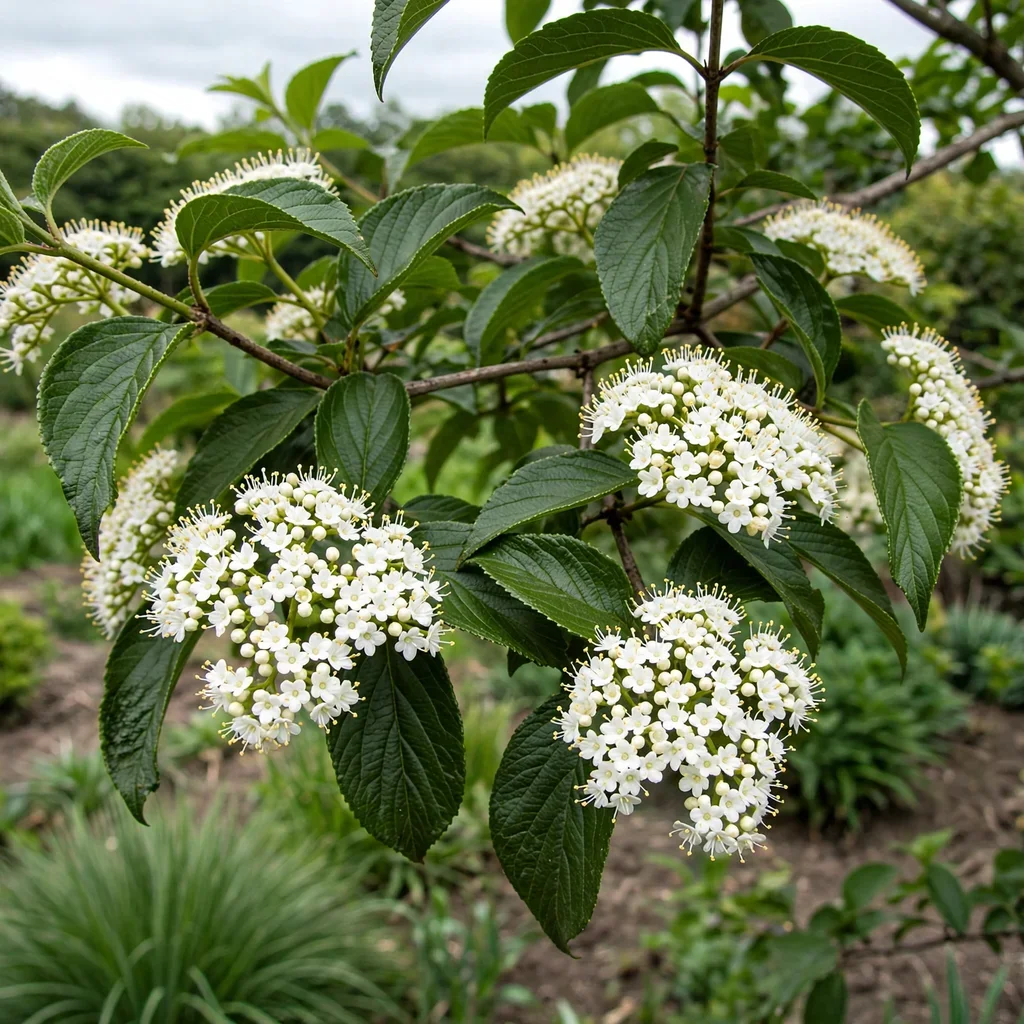
Nannyberry
Viburnum lentago
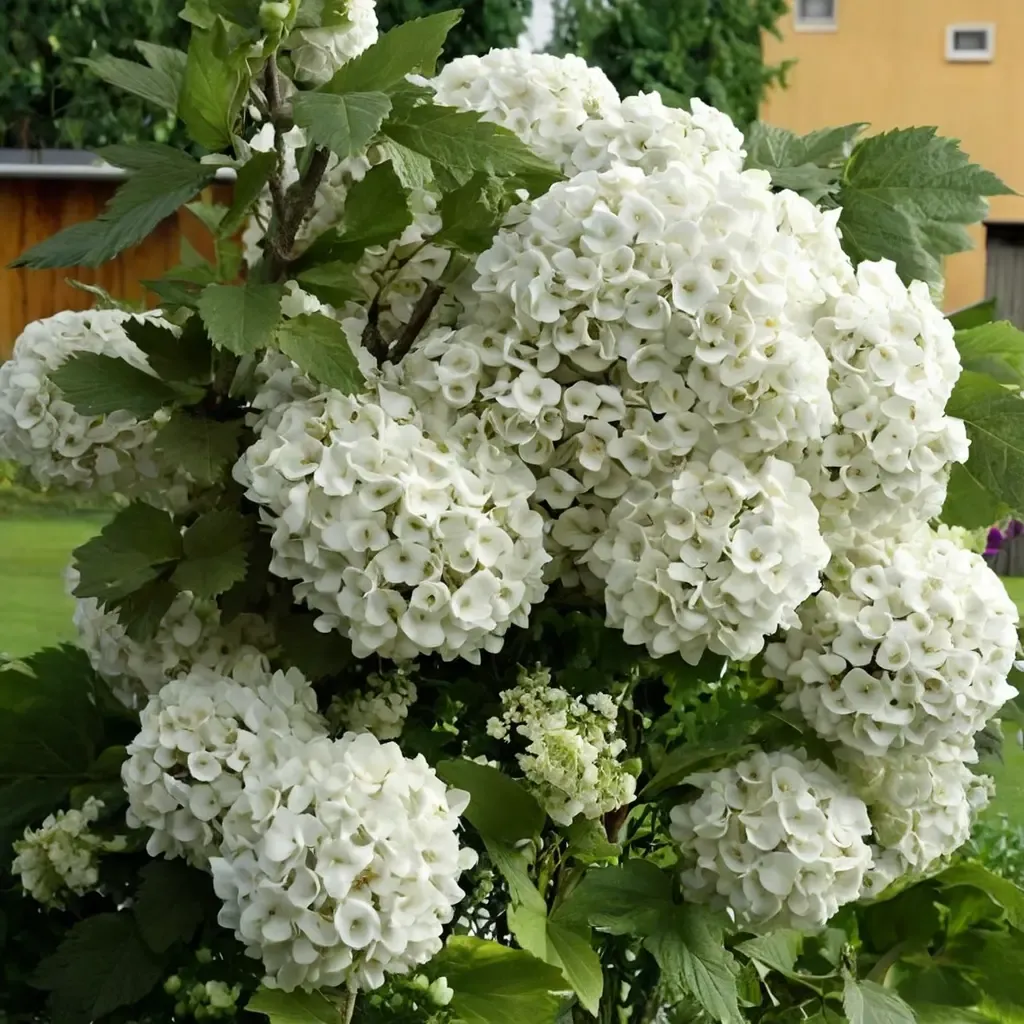
Snowball Viburnum
Viburnum opulus 'Sterile'
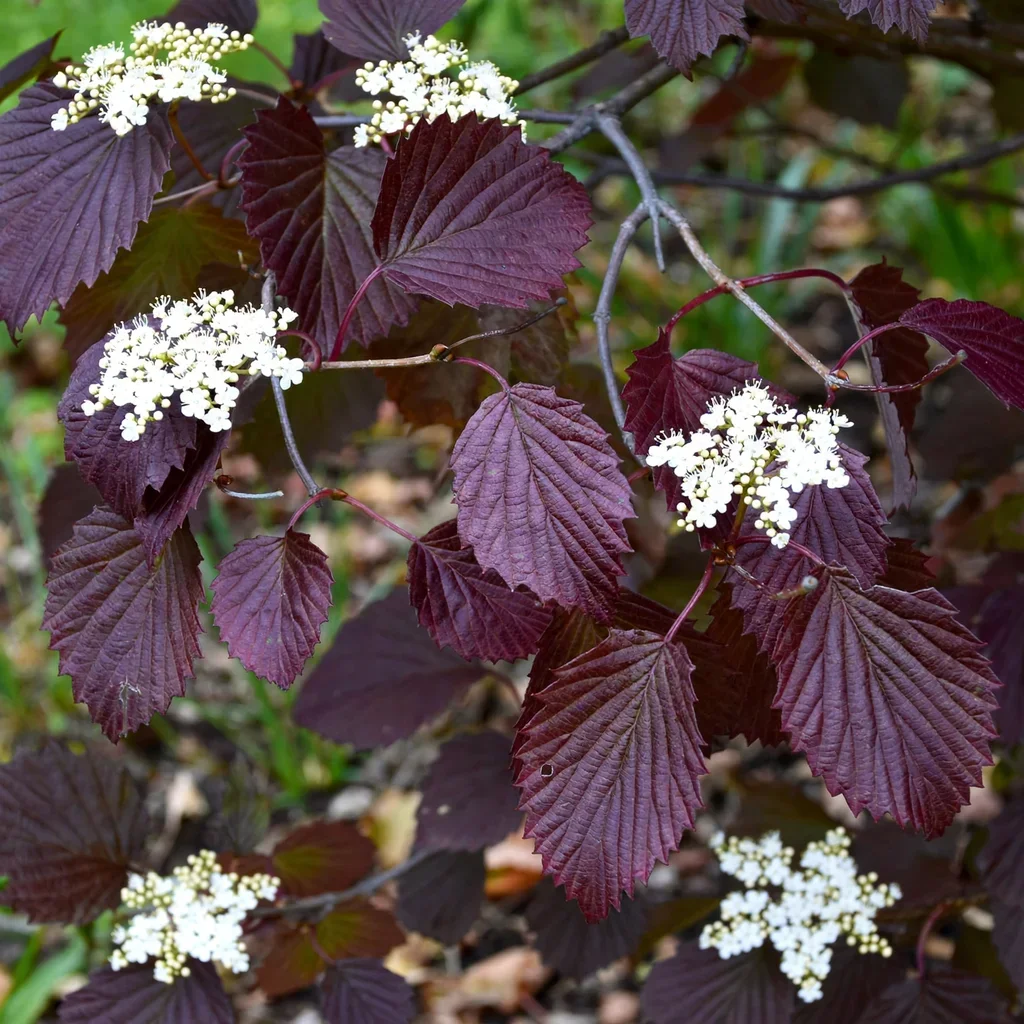
Autumn Jazz Arrowwood
Viburnum dentatum 'Autumn Jazz'
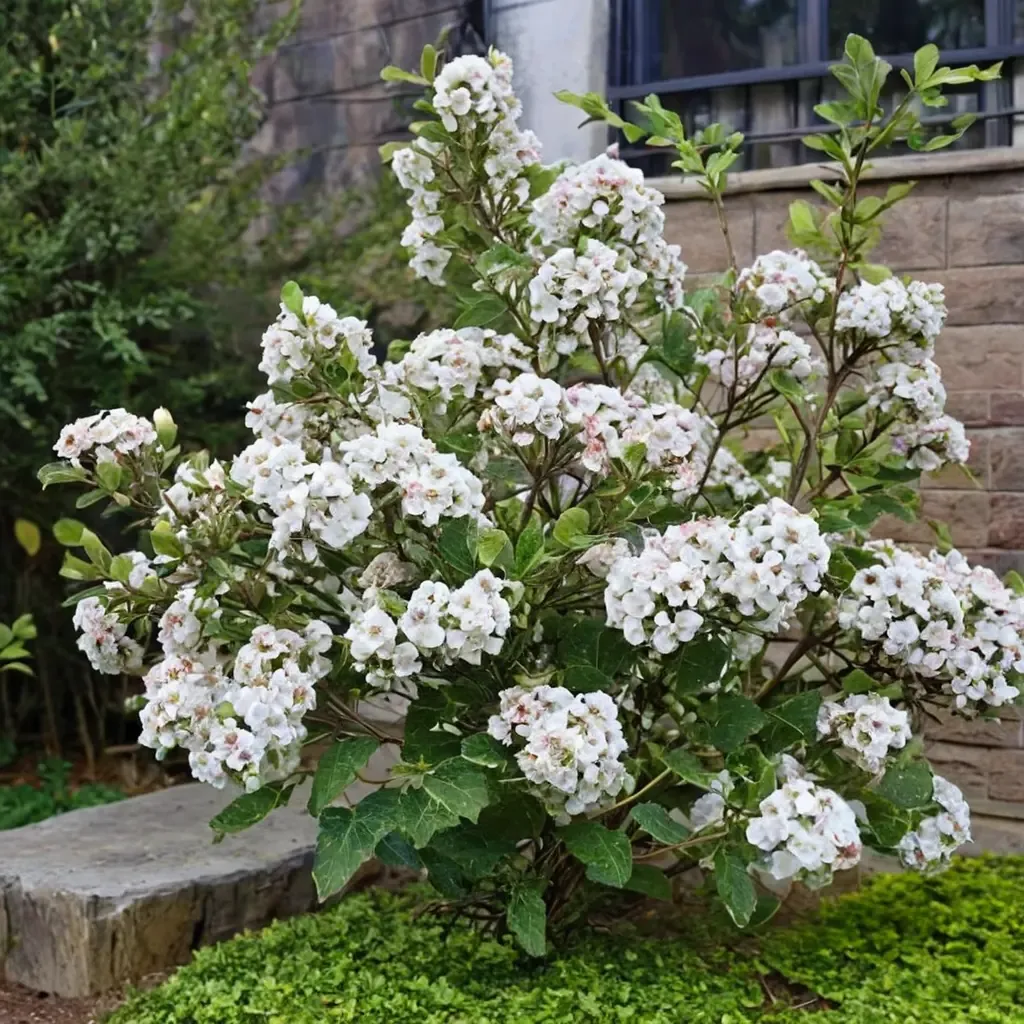
Korean spice viburnum
Viburnum carlesii
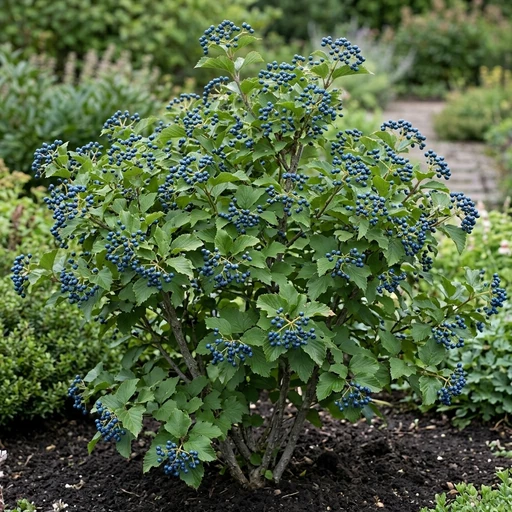
Blue Muffin Viburnum
Viburnum dentatum 'Christom'
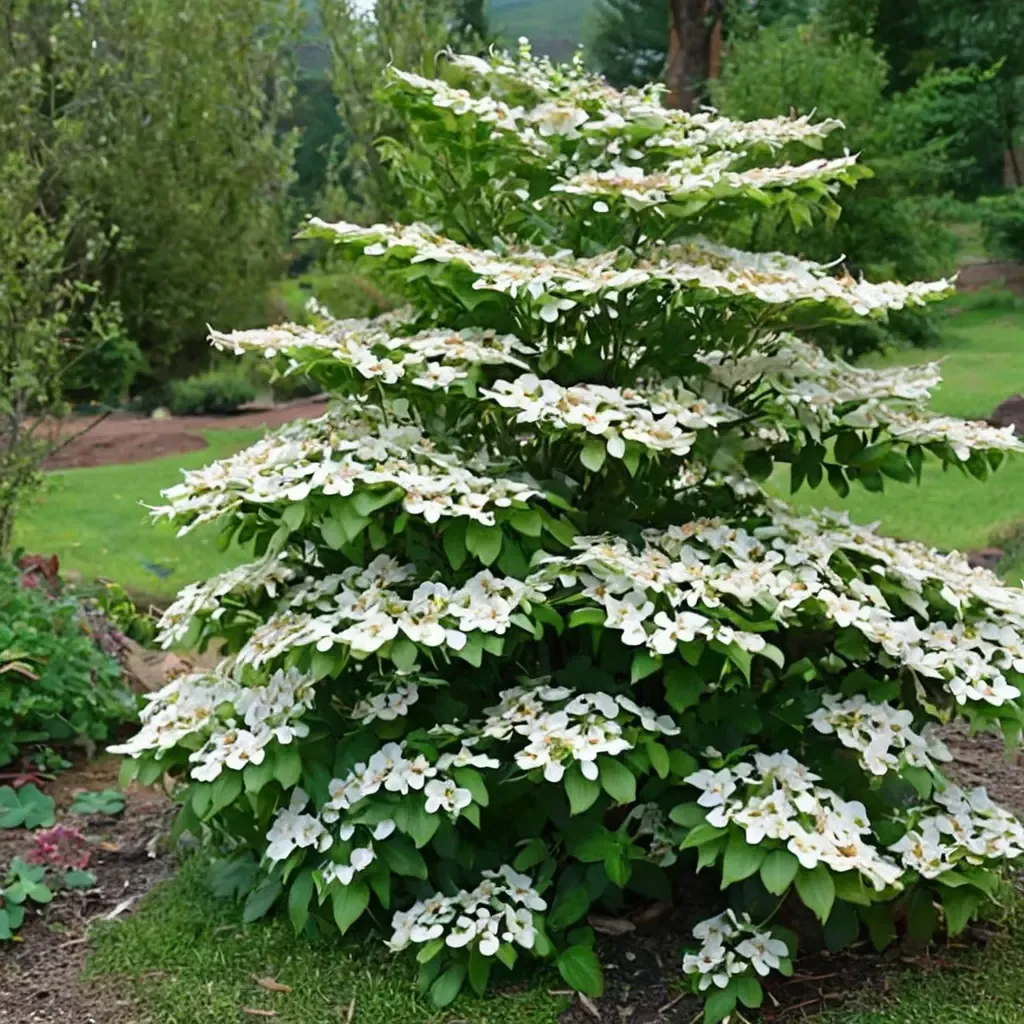
Mariesii Japanese Snowball
Viburnum plicatum 'Mariesii'
Keep exploring
Explore the genus
Hardy in your zone?
Grow Redwing American Cranberrybush with confidence
See it in a design of your actual yard, get zone-matched care reminders, and track it season by season in your garden journal.