The Story
Plant Bio
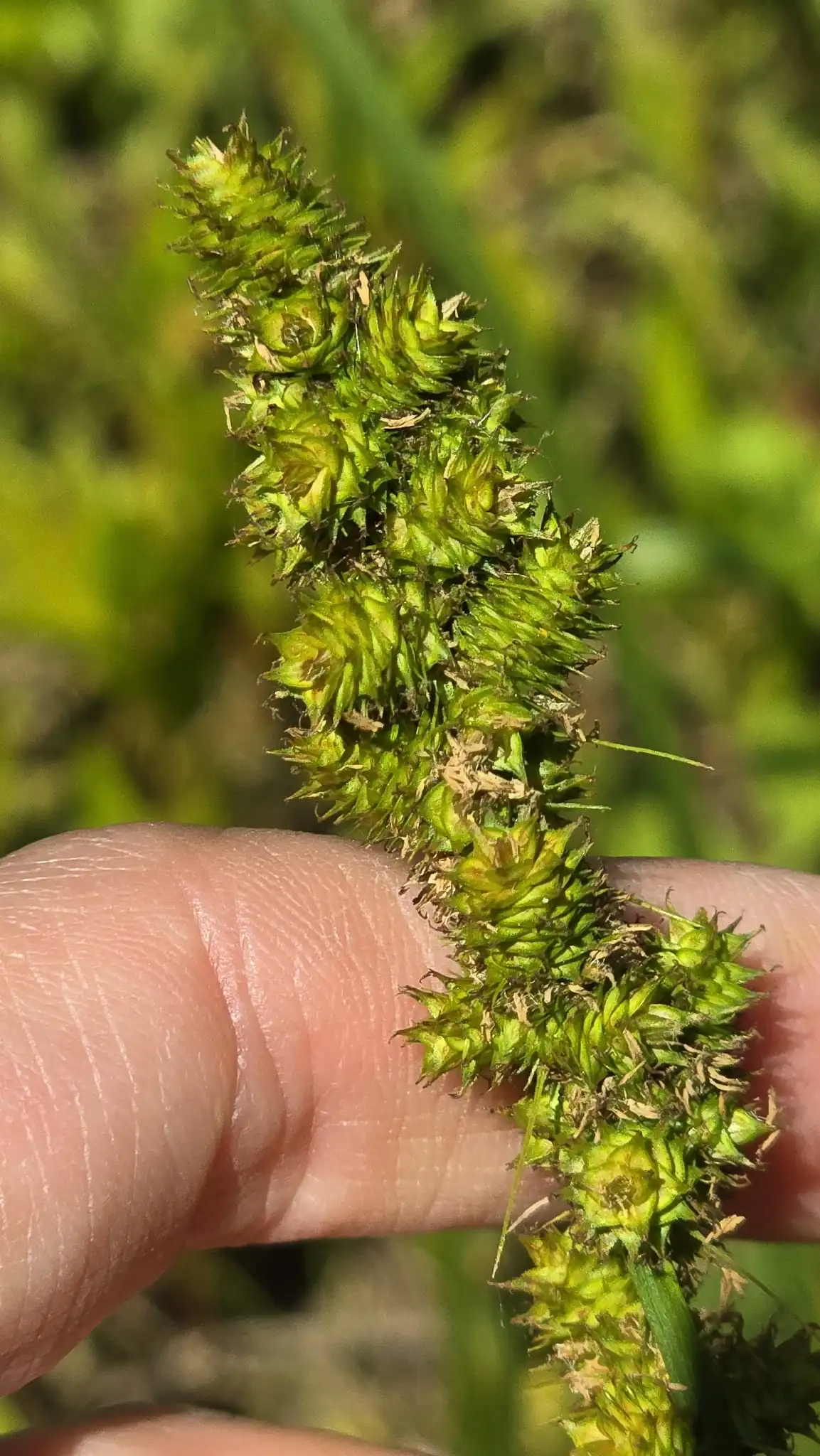
Carex annectens is a clump-forming perennial sedge native to moist meadows and prairie lowlands across eastern and central North America. It forms dense tussocks of narrow, glaucous green leaves up to three feet high, flowering in late spring with dense greenish-yellow seed spikes.
The species is distinguished by its golden-yellow mature seed capsules and transversely wrinkled leaf sheaths. Its fibrous root system anchors wet soils effectively while providing seed for native birds and cover for ground fauna.
Uses & Benefits:
Essentials
At a Glance
Plant Type
Grass
Height
36"
Width
24"
Light
Full Sun, Partial Sun
Zones
4, 5, 6, 7, 8
Water
Medium to wet
Humidity
High
Lifespan
Perennial
Native To
North America
Toxicity
Non-toxic
Bloom period
Late spring – Early summer
In flower about 2 months of the year
Planting
How to Grow
- Select a site in full sun or partial shade with moist to wet soil or periodic standing water.
- Space plants 18 to 24 inches apart to accommodate mature tussock width.
- Water thoroughly at planting and keep soil damp until root systems establish.
- Apply a light layer of organic leaf mold around clumps to retain soil moisture.
Pro Tip
Cut foliage back to two inches above the crown in late winter; cutting hard into the dense, old crown base can destroy emerging shoot buds.
Keep It Thriving
Care Guide
Do
- Keep soil consistently moist, particularly during hot summer months.
- Cut back ragged foliage in late winter before new green growth shoots up.
- Divide overgrown clumps in spring to propagate new plants.
Don't
- Do not trim down into old woody crown tissue, which damages growing points.
- Do not over-fertilize, as excess nitrogen causes soft, floppy stems.
- Do not allow soil to dry out completely during extended dry spells.
Seasonal Care Calendar
| Task | Jan | Feb | Mar | Apr | May | Jun | Jul | Aug | Sep | Oct | Nov | Dec |
|---|---|---|---|---|---|---|---|---|---|---|---|---|
| Divide | ||||||||||||
| Mulch | ||||||||||||
| Plant | ||||||||||||
| Spring Cleanup |
Watch Out For
Pests & Diseases
Common Pests
Common Diseases
In the Garden
Landscape Uses & Companions
Landscape Uses
Multiply
Propagation Methods
Good to Know
Common Questions
Yellowfruit Sedge questions
What zones can Yellowfruit Sedge grow in?
Yellowfruit Sedge is hardy in USDA Zones 4–8. Inside that range it survives winter in the ground; outside it, grow it as an annual or a container plant you protect.
Is Yellowfruit Sedge deer resistant?
Yes — Yellowfruit Sedge is rated deer-resistant. Deer typically pass it over, though extreme hunger can override any plant's defenses.
When does Yellowfruit Sedge bloom?
Yellowfruit Sedge typically blooms in late spring through early summer. Exact timing shifts a week or two with your zone — Sow's bloom calendar maps it to your garden.
Does Yellowfruit Sedge need full sun?
Yellowfruit Sedge does best in full sun to part shade. In hot climates, afternoon shade keeps blooms fresher longer.
More Carex to compare
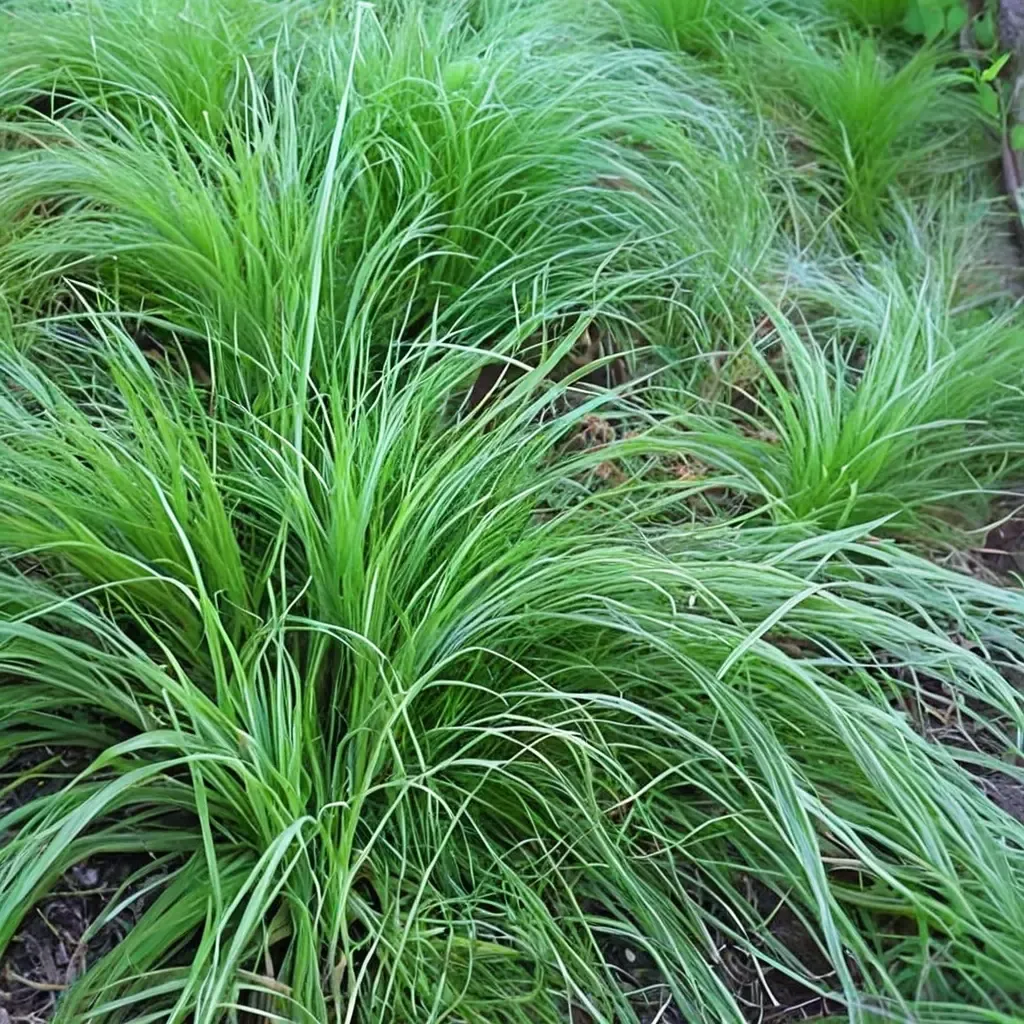
Pennsylvania Sedge
Carex pensylvanica
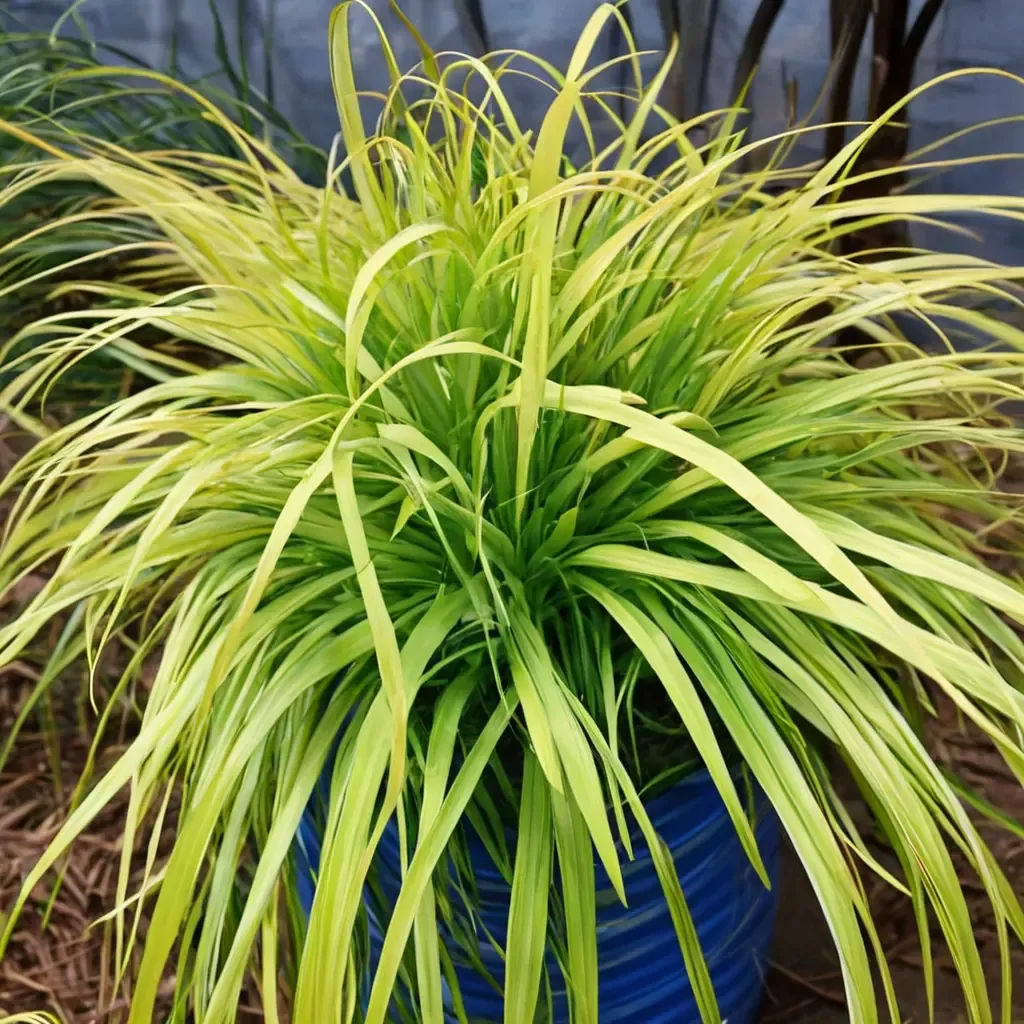
Everillo Sedge
Carex oshimensis 'Everillo'
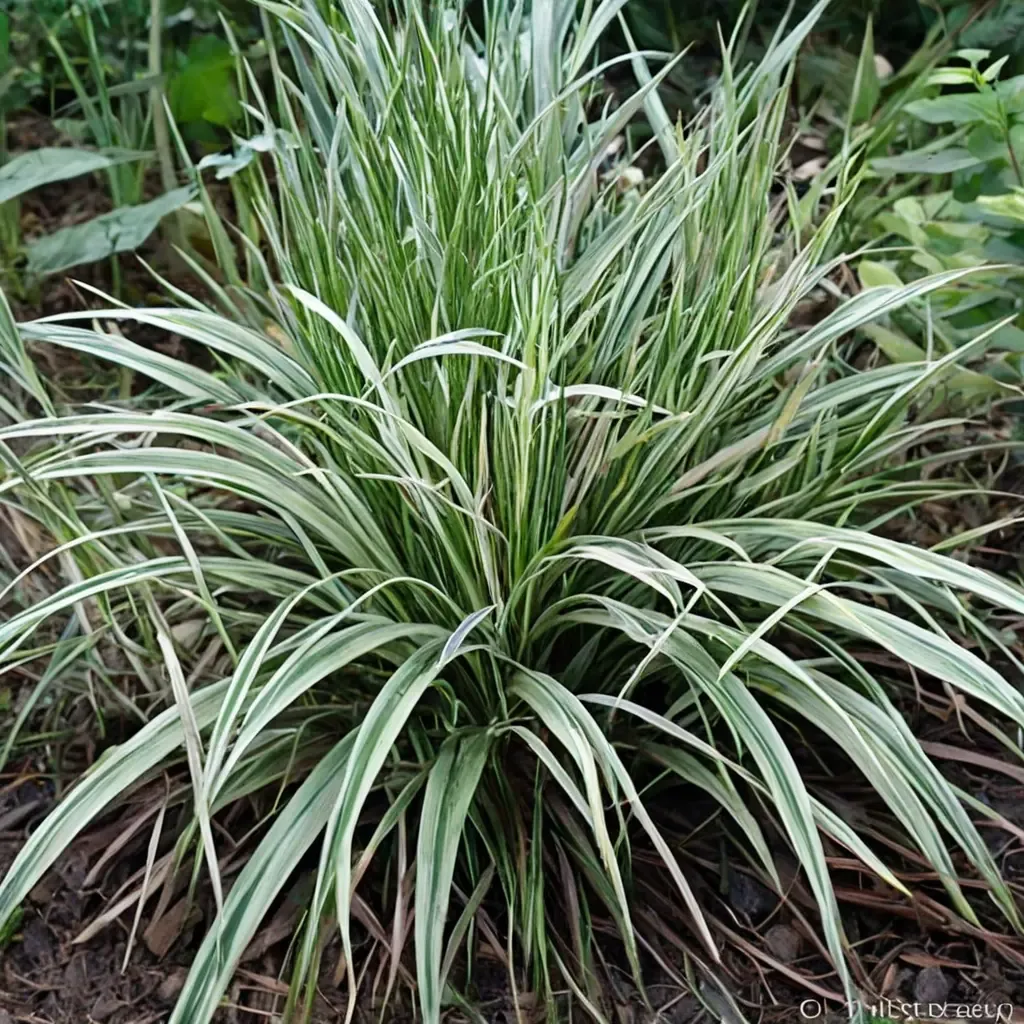
Japanese Sedge
Carex morrowii
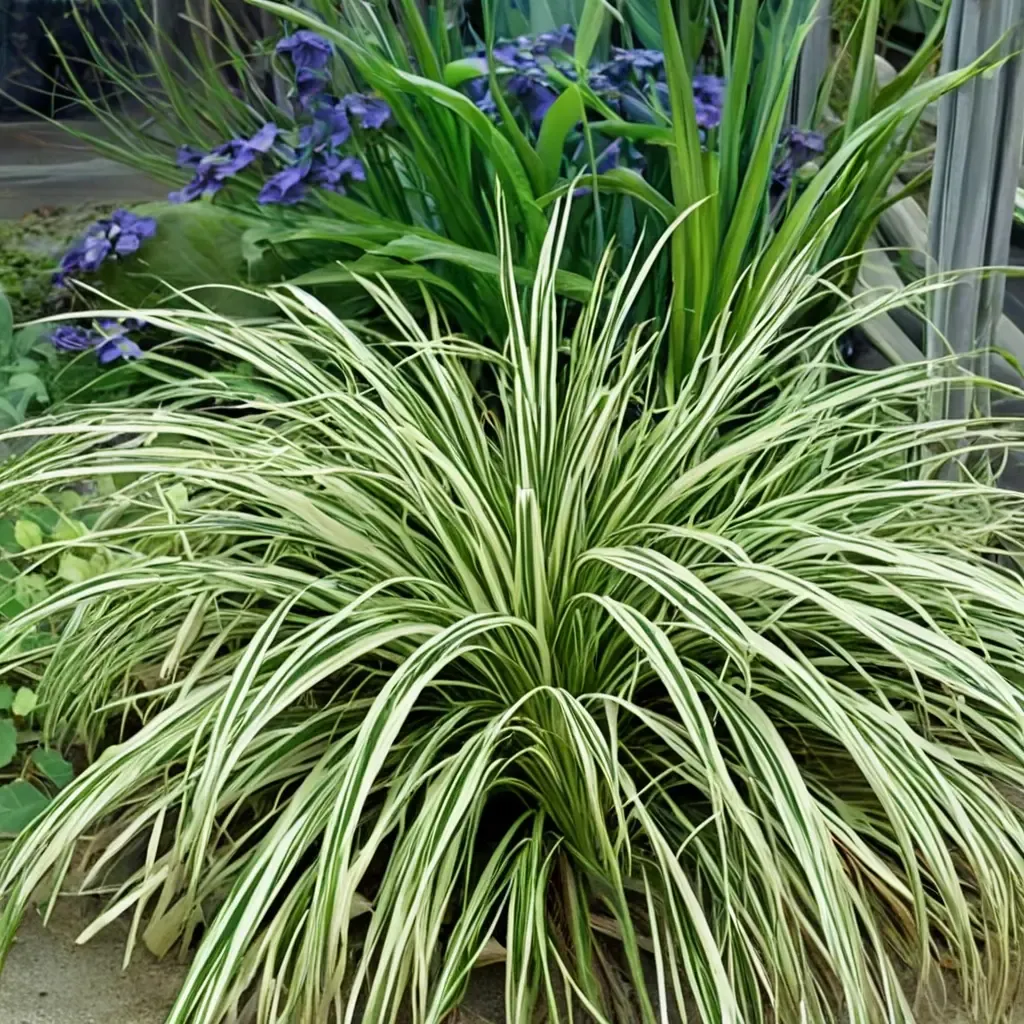
Evergold Japanese Sedge
Carex oshimensis 'Evergold'
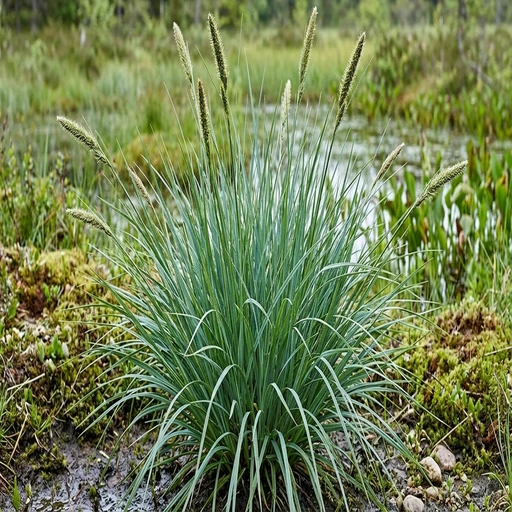
Comosa Sedge
Carex comosa
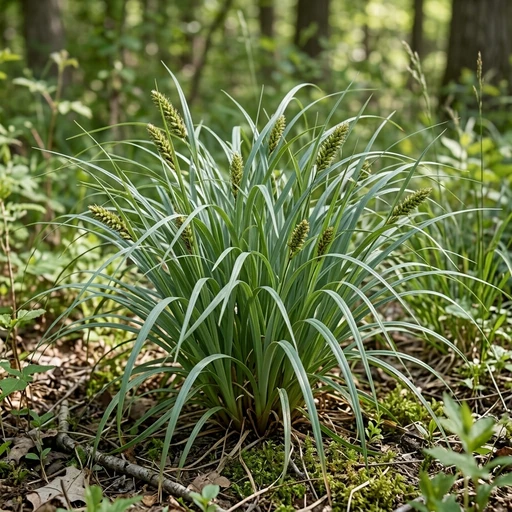
Shortbeak Sedge
Carex brevior
Keep exploring
Explore the genus
Hardy in your zone?
Grow Yellowfruit Sedge with confidence
See it in a design of your actual yard, get zone-matched care reminders, and track it season by season in your garden journal.