The Story
Plant Bio
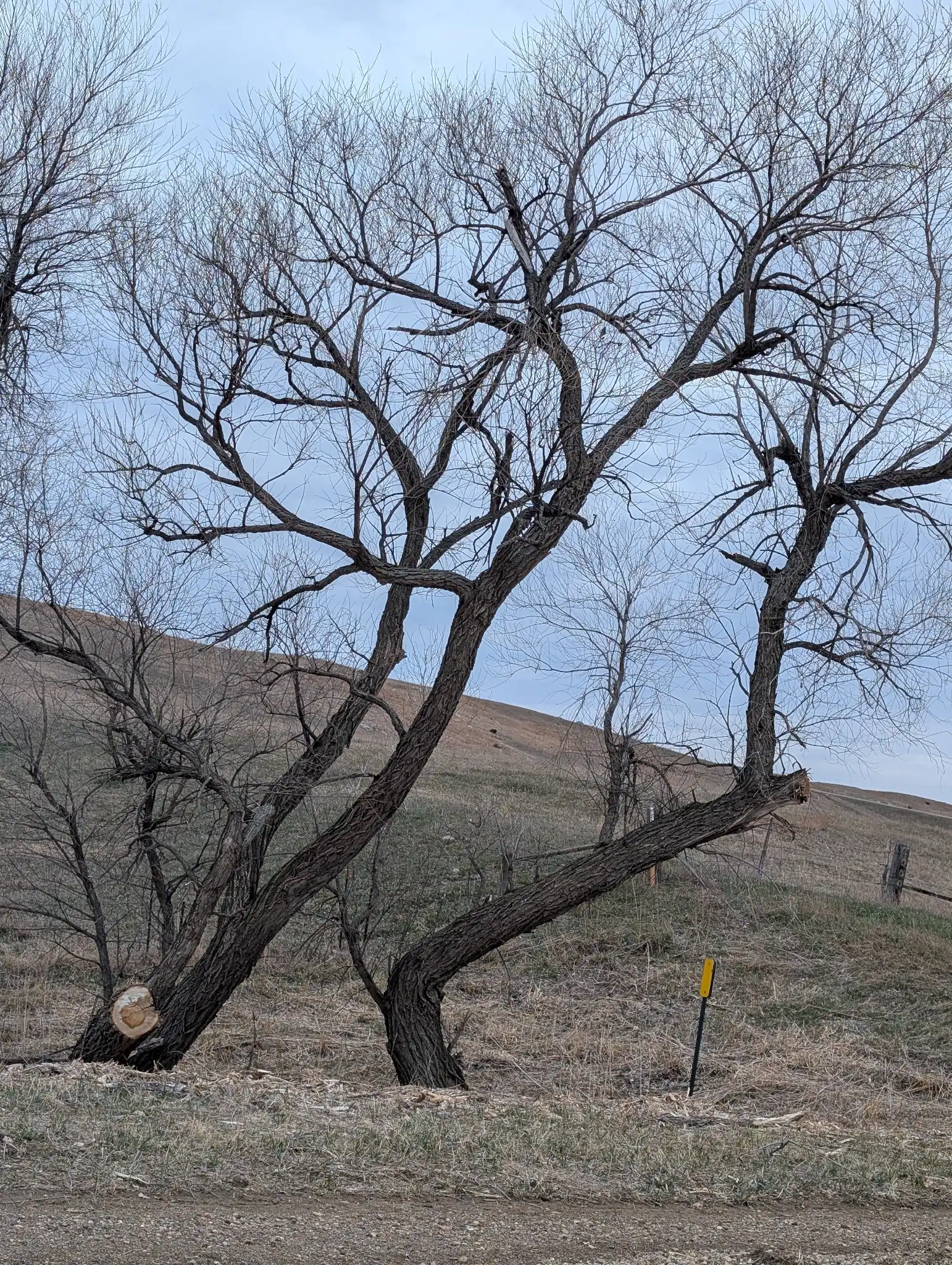
Salix amygdaloides, commonly known as the peachleaf willow, is a deciduous tree native to North America that forms an open, rounded crown of weeping branches and orange-yellow twigs. It thrives in wet, riparian zones, reaching mature heights of forty to seventy feet along waterways and floodplains.
This species is distinguished by its lanceolate, finely serrated leaves that feature a pale, whitish underside contrasting with the yellowish-green upper surface. In early spring, it produces yellow to greenish-yellow catkins alongside emerging foliage, providing a critical early food source for native bees.
Uses & Benefits:
Essentials
At a Glance
Plant Type
Tree
Height
826"
Width
417"
Light
Full Sun, Partial Sun
Zones
4, 5, 6, 7, 8
Water
High
Humidity
Moderate to high
Lifespan
Short to moderate
Native To
North America
Toxicity
Toxic if Ingested
Bloom period
Spring
In flower about 3 months of the year
Planting
How to Grow
- Select a planting site in full sun to partial shade with moist, wet, or poorly drained soil.
- Dig a hole twice as wide as the root ball and set the tree at the same depth it grew in the container.
- Backfill with native soil, firm gently, and water thoroughly to settle the roots.
- Apply a thick layer of organic mulch to retain soil moisture, keeping it clear of the trunk.
Pro Tip
Plant this willow far from sewer lines and foundations, as the aggressive, moisture-seeking root system will exploit pipe joints and cause structural blockages.
Keep It Thriving
Care Guide
Do
- Water young trees consistently to maintain saturated or highly moist soil conditions.
- Install physical tree guards around the trunk to protect young bark from deer and rabbit browsing.
- Prune out dead, weak, or crossing branches during the dormant winter season.
Don't
- Do not plant this tree near septic systems, water lines, or building foundations.
- Do not apply heavy fertilizers, as natural nutrient cycling in riparian soils is sufficient.
- Do not plant in dry, upland sites without access to a high water table.
Seasonal Care Calendar
| Task | Jan | Feb | Mar | Apr | May | Jun | Jul | Aug | Sep | Oct | Nov | Dec |
|---|---|---|---|---|---|---|---|---|---|---|---|---|
| Pest Check | ||||||||||||
| Propagate | ||||||||||||
| Prune | ||||||||||||
| Spring Cleanup |
Watch Out For
Pests & Diseases
Common Pests
Common Diseases
In the Garden
Landscape Uses & Companions
Landscape Uses
Companion Plants
Multiply
Propagation Methods
Good to Know
Common Questions
Peachleaf Willow questions
What zones can Peachleaf Willow grow in?
Peachleaf Willow is hardy in USDA Zones 4–8. Inside that range it survives winter in the ground; outside it, grow it as an annual or a container plant you protect.
Is Peachleaf Willow deer resistant?
Not reliably. Deer may browse Peachleaf Willow, especially tender spring growth — plan on repellents or fencing where pressure is high.
When does Peachleaf Willow bloom?
Peachleaf Willow typically blooms in spring through spring. Exact timing shifts a week or two with your zone — Sow's bloom calendar maps it to your garden.
Does Peachleaf Willow need full sun?
Peachleaf Willow does best in full sun to part shade. In hot climates, afternoon shade keeps blooms fresher longer.
More Salix to compare
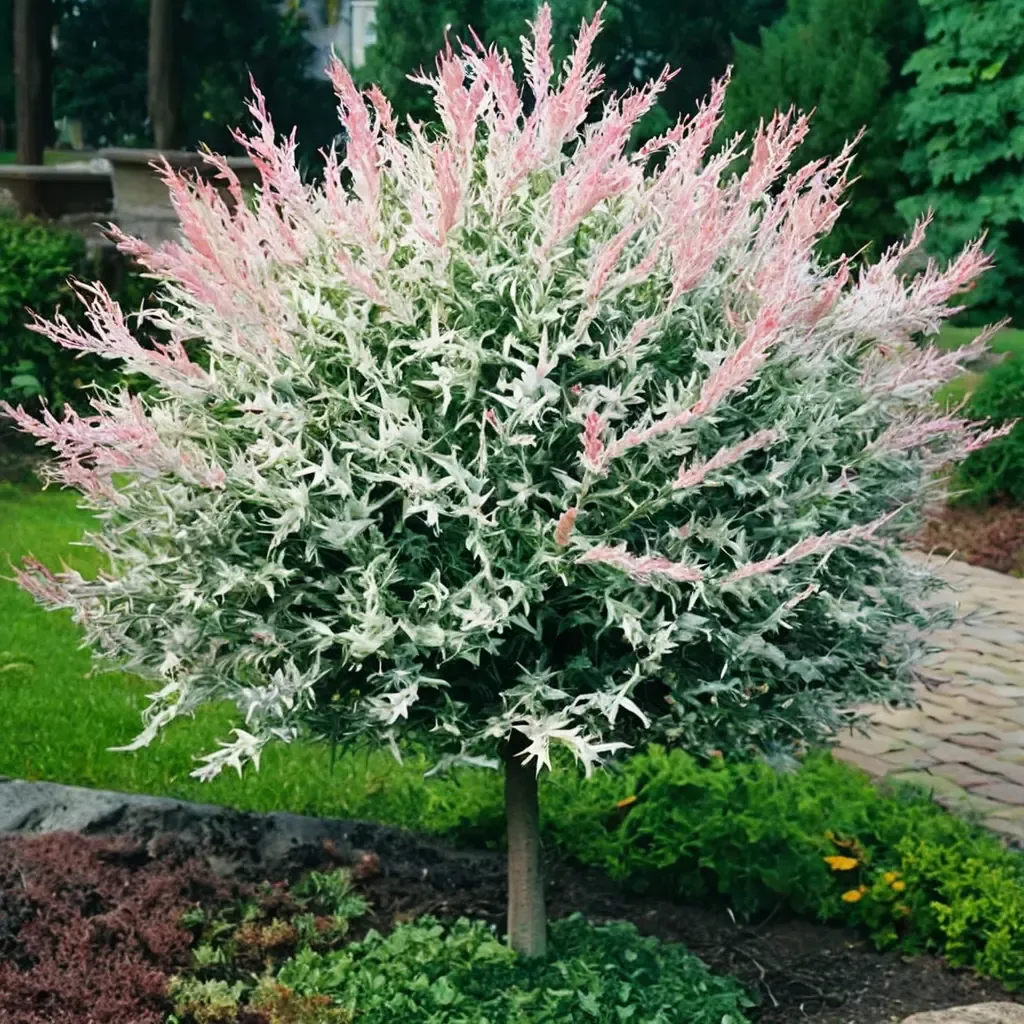
Dappled Willow
Salix integra 'Hakuro-nishiki'
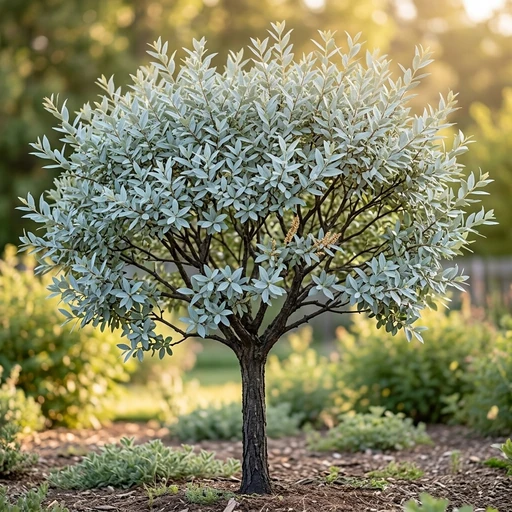
Black Willow
Salix nigra
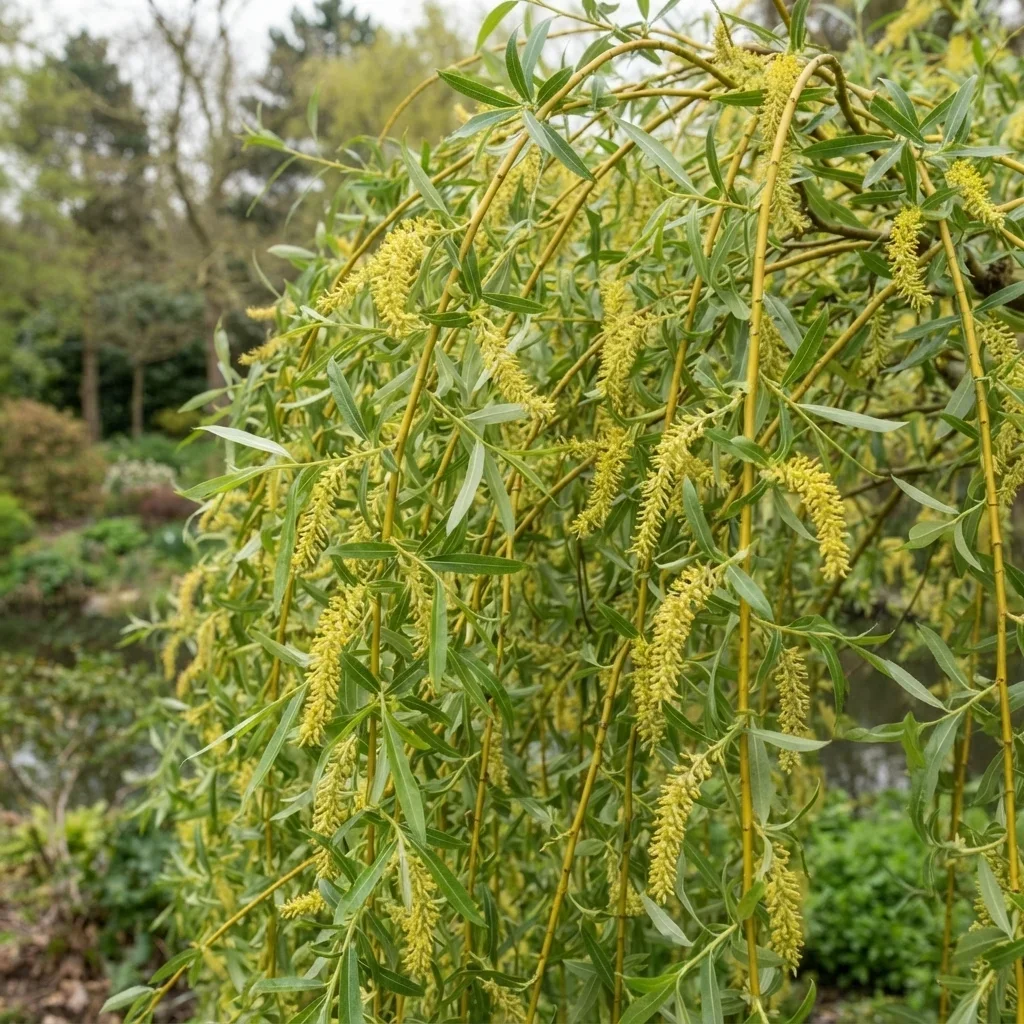
Weeping Willow
Salix x sepulcralis 'Mix'
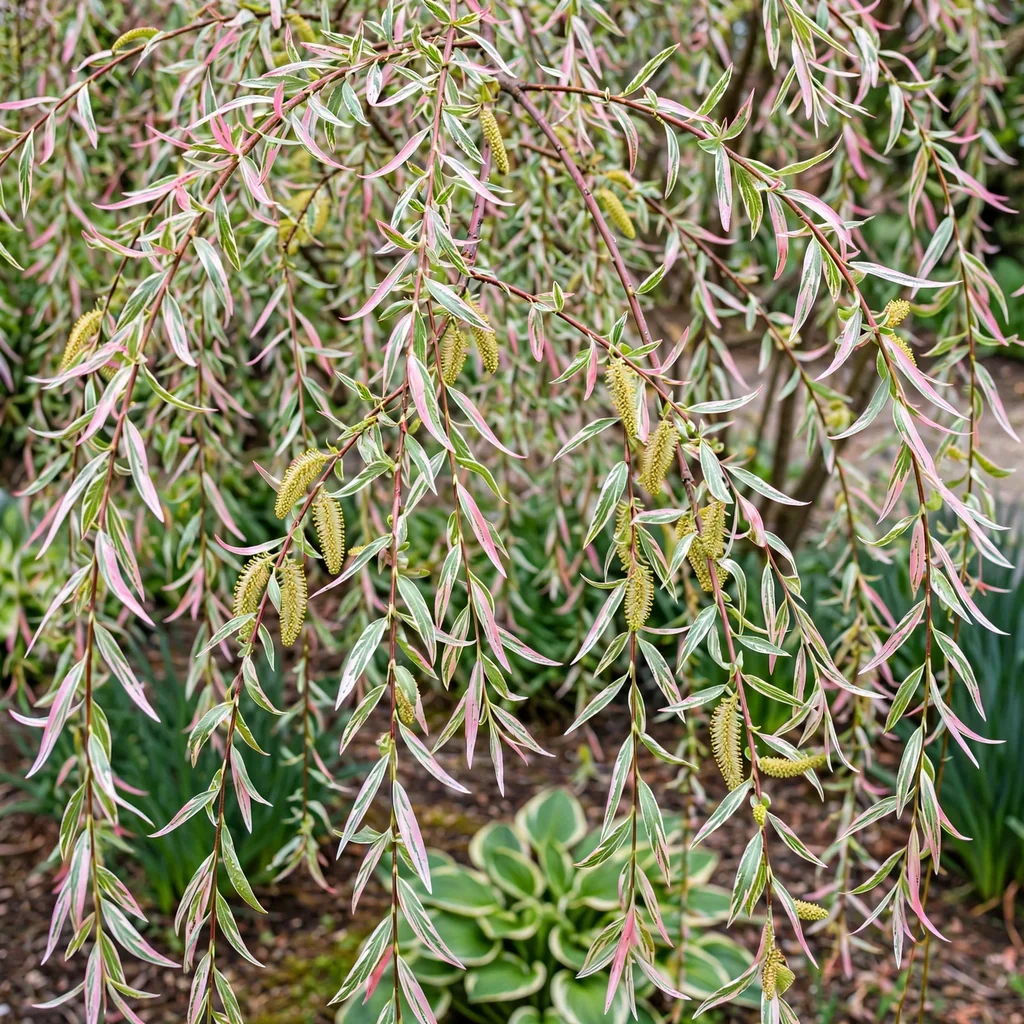
Flamingo Dappled Willow
Salix integra 'Flamingo'
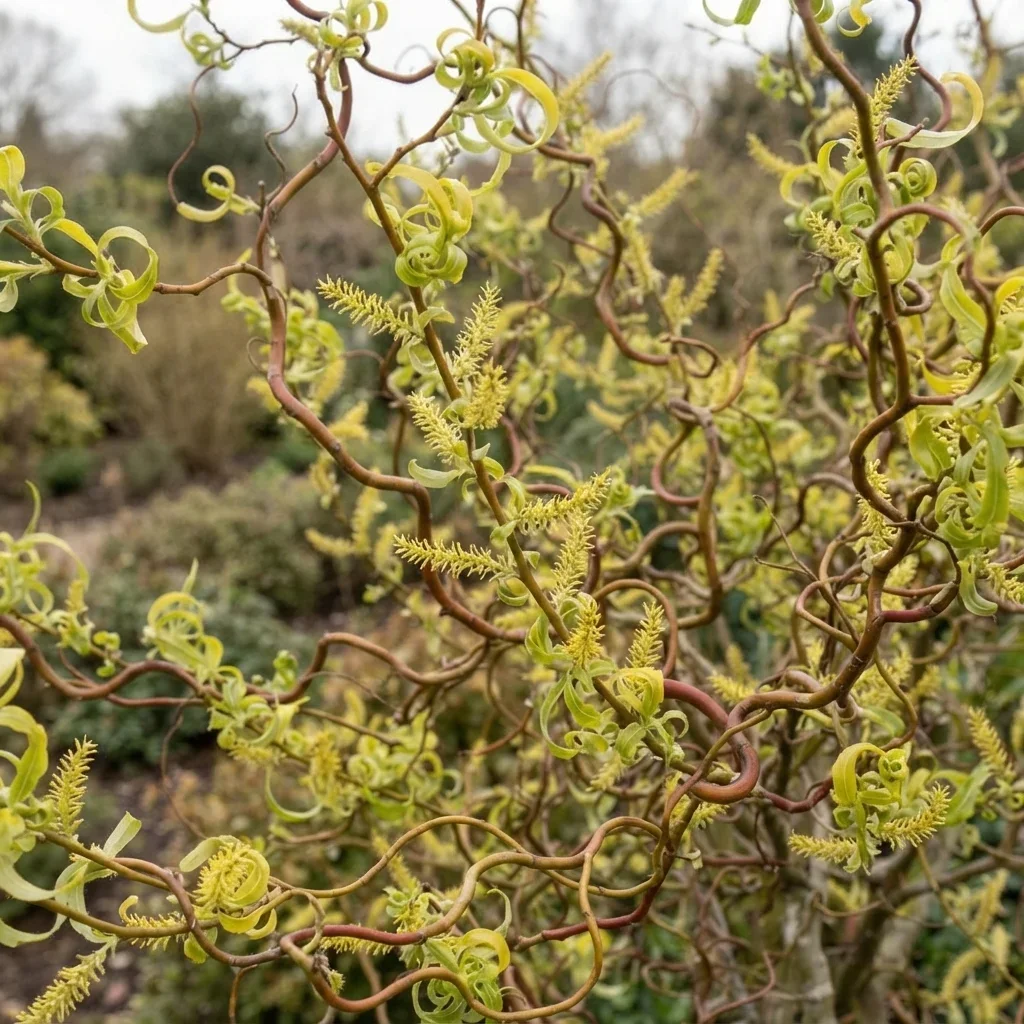
Corkscrew Willow
Salix babylonica 'Tortuosa'
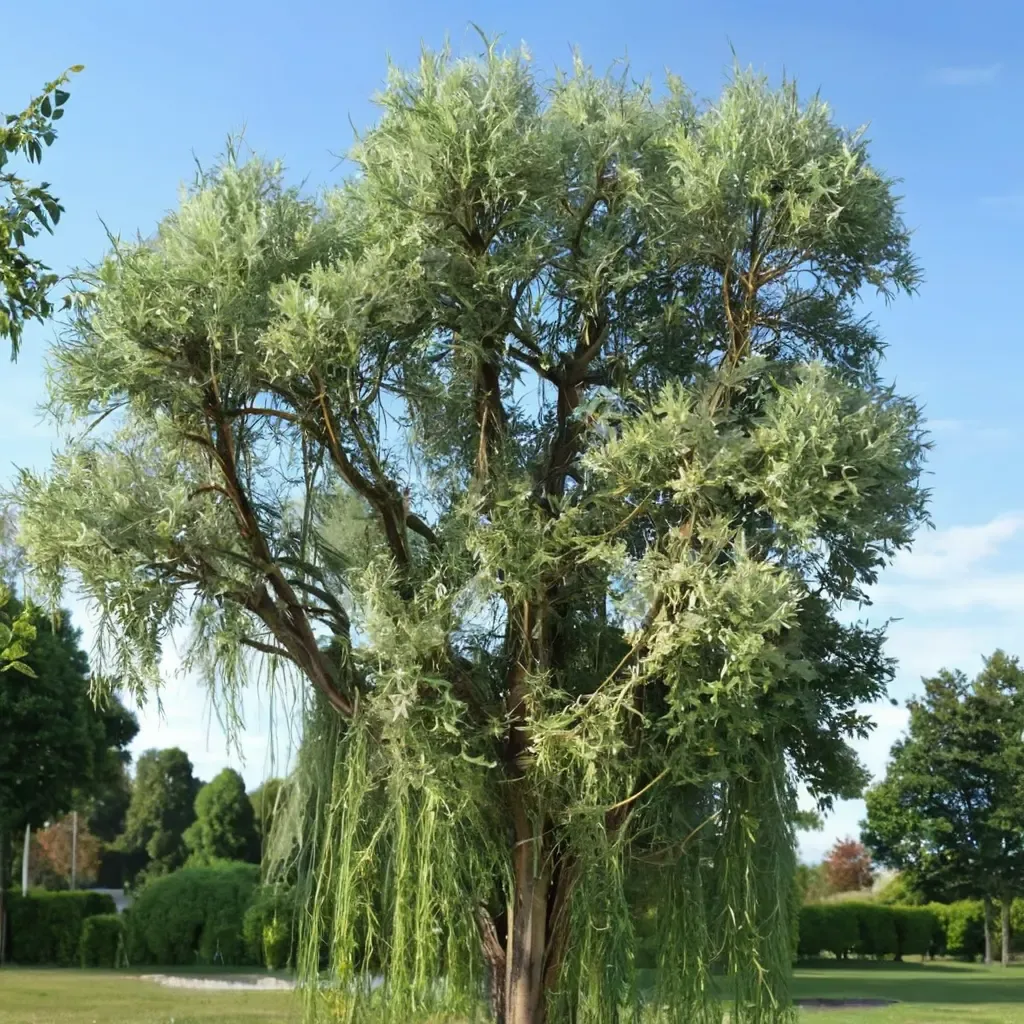
White Willow
Salix alba
Keep exploring
Explore the genus
Hardy in your zone?
Grow Peachleaf Willow with confidence
See it in a design of your actual yard, get zone-matched care reminders, and track it season by season in your garden journal.