The Story
Plant Bio
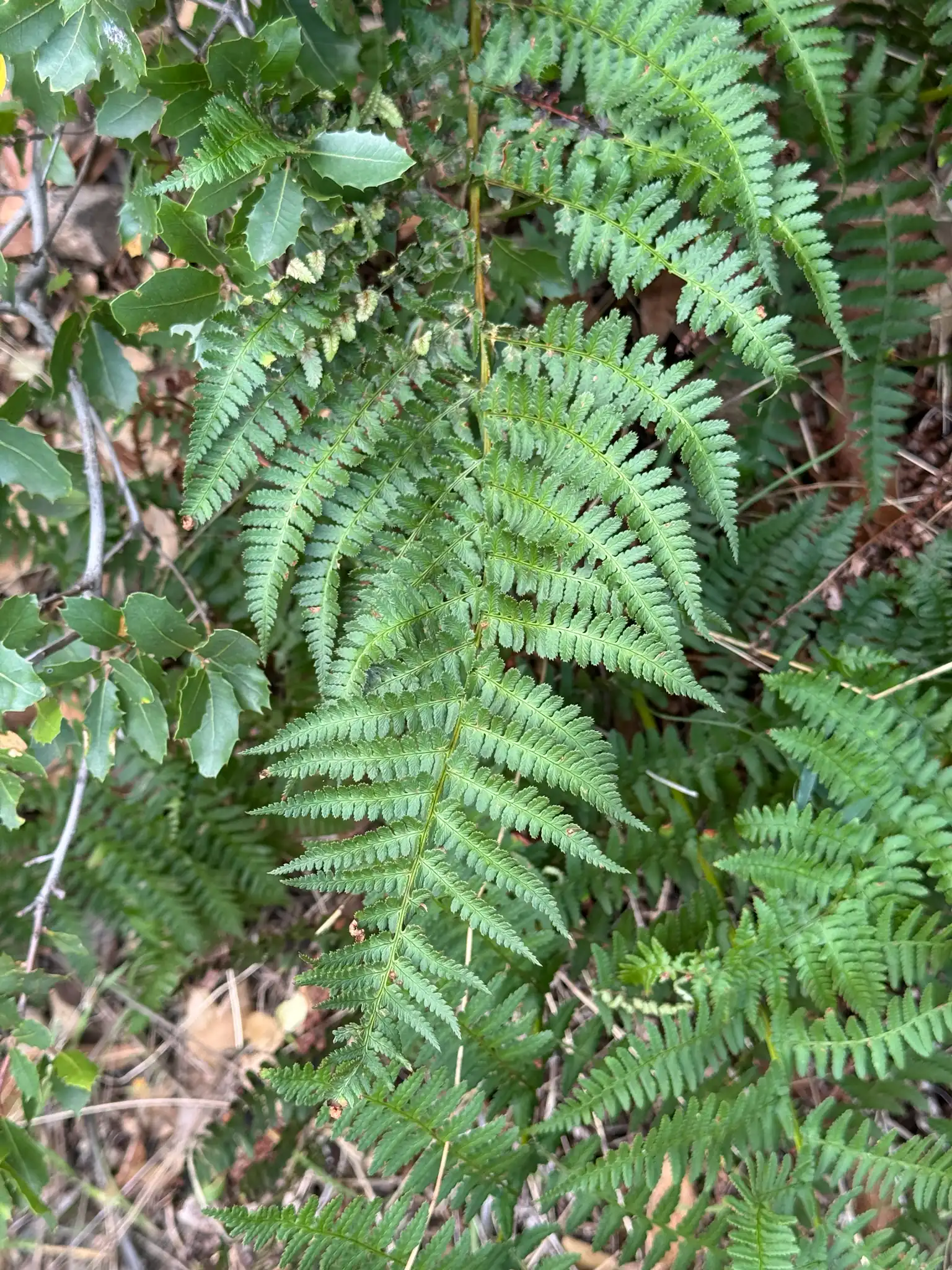
Dryopteris arguta is an evergreen to semi-evergreen woodland fern native to western North America from British Columbia south to Baja California. It forms upright, vase-shaped clumps of arching, twice- to thrice-divided fronds with sharply toothed leaflets.
The deep green foliage features subtle twisting along the pinnae that creates a ruffled texture, emerging bright green in spring from stout creeping rhizomes. Compared to other woodland ferns, it demonstrates notable summer drought tolerance once its root system is established.
Uses & Benefits:
Essentials
At a Glance
Plant Type
Fern
Height
36"
Width
48"
Light
Partial Sun, Shade
Zones
5, 6, 7, 8, 9
Water
Low to Moderate
Humidity
Moderate to High
Lifespan
Perennial
Native To
Western North America
Toxicity
Non-toxic
Planting
How to Grow
- Select a planting location in partial to full shade with well-draining soil rich in organic matter.
- Set the plant so the top of the rhizome crown sits level with or slightly above the surrounding soil surface.
- Water thoroughly after planting and maintain consistent moisture during the first growing season.
- Apply a light layer of organic leaf mold or compost around the base to preserve moisture without burying the crown.
Pro Tip
Plant the crown flush with or slightly above the soil line, as burying rhizomes too deeply causes rot.
Keep It Thriving
Care Guide
Do
- Mulch the root zone annually with leaf mold or compost to simulate forest floor conditions.
- Cut back tattered or winter-damaged fronds in late winter before new fiddleheads unfurl.
- Provide supplemental shade in hot interior microclimates to prevent frond scorch.
Don't
- Do not bury the growing crown beneath heavy soil or thick layers of mulch.
- Do not allow soil to remain waterlogged or boggy around the rhizomes.
- Do not plant in exposed locations subject to direct afternoon sun.
Seasonal Care Calendar
| Task | Jan | Feb | Mar | Apr | May | Jun | Jul | Aug | Sep | Oct | Nov | Dec |
|---|---|---|---|---|---|---|---|---|---|---|---|---|
| Divide | ||||||||||||
| Mulch | ||||||||||||
| Spring Cleanup | ||||||||||||
| Winter Prep |
Watch Out For
Pests & Diseases
Common Pests
Common Diseases
In the Garden
Landscape Uses & Companions
Landscape Uses
Multiply
Propagation Methods
Good to Know
Common Questions
Coastal Wood Fern questions
What zones can Coastal Wood Fern grow in?
Coastal Wood Fern is hardy in USDA Zones 5–9: in that range it survives winter in the ground. Colder than Zone 5, grow it in a container you can move to shelter for the winter, or as an annual. Warmer than Zone 9, winter isn't the problem: it prefers colder winters, and summer heat can shorten its life.
Is Coastal Wood Fern deer resistant?
Yes — Coastal Wood Fern is rated deer-resistant. Deer typically pass it over, though extreme hunger can override any plant's defenses.
Does Coastal Wood Fern need full sun?
Coastal Wood Fern does best in part shade.
Is Coastal Wood Fern drought tolerant?
Yes — once established (usually after the first full season), Coastal Wood Fern handles dry spells with minimal watering. Water deeply its first year to build the root system that makes that possible.
More Dryopteris to compare
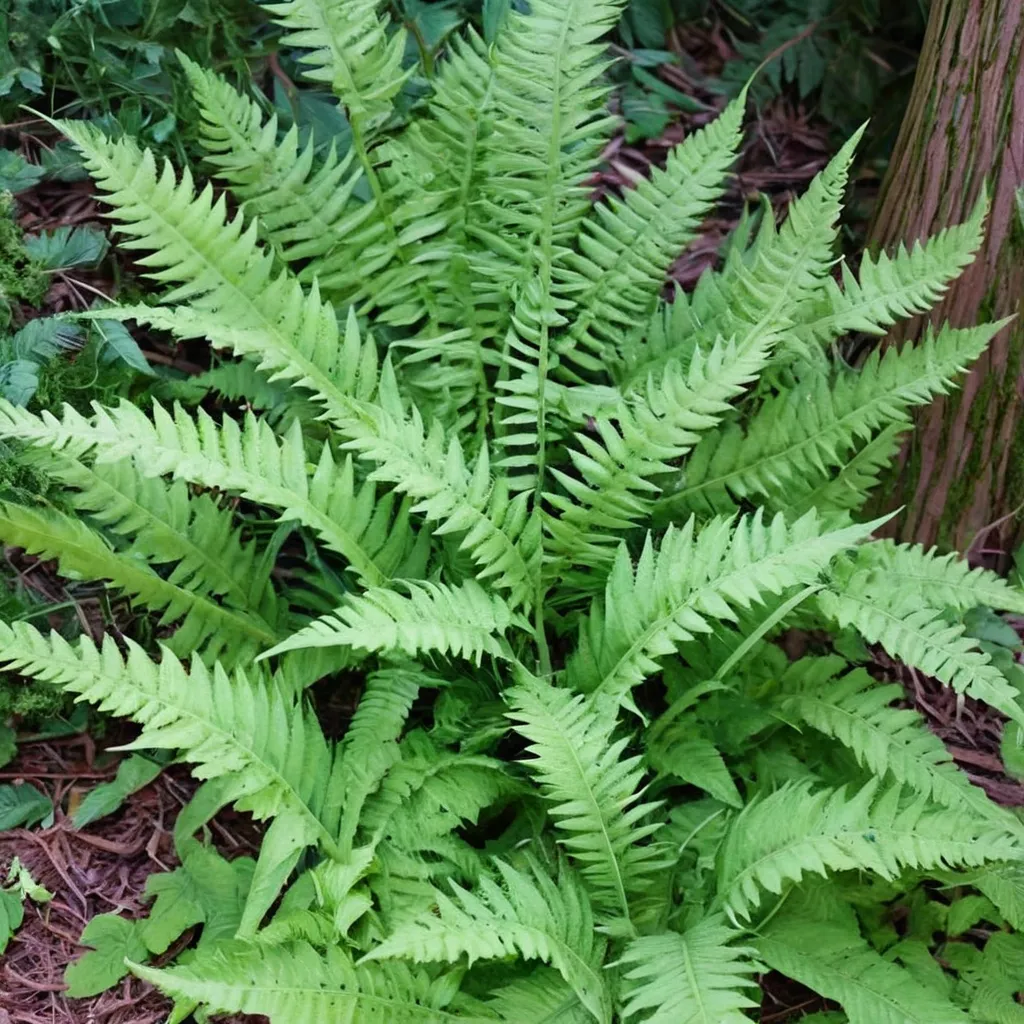
Log Fern
Dryopteris x separabilis
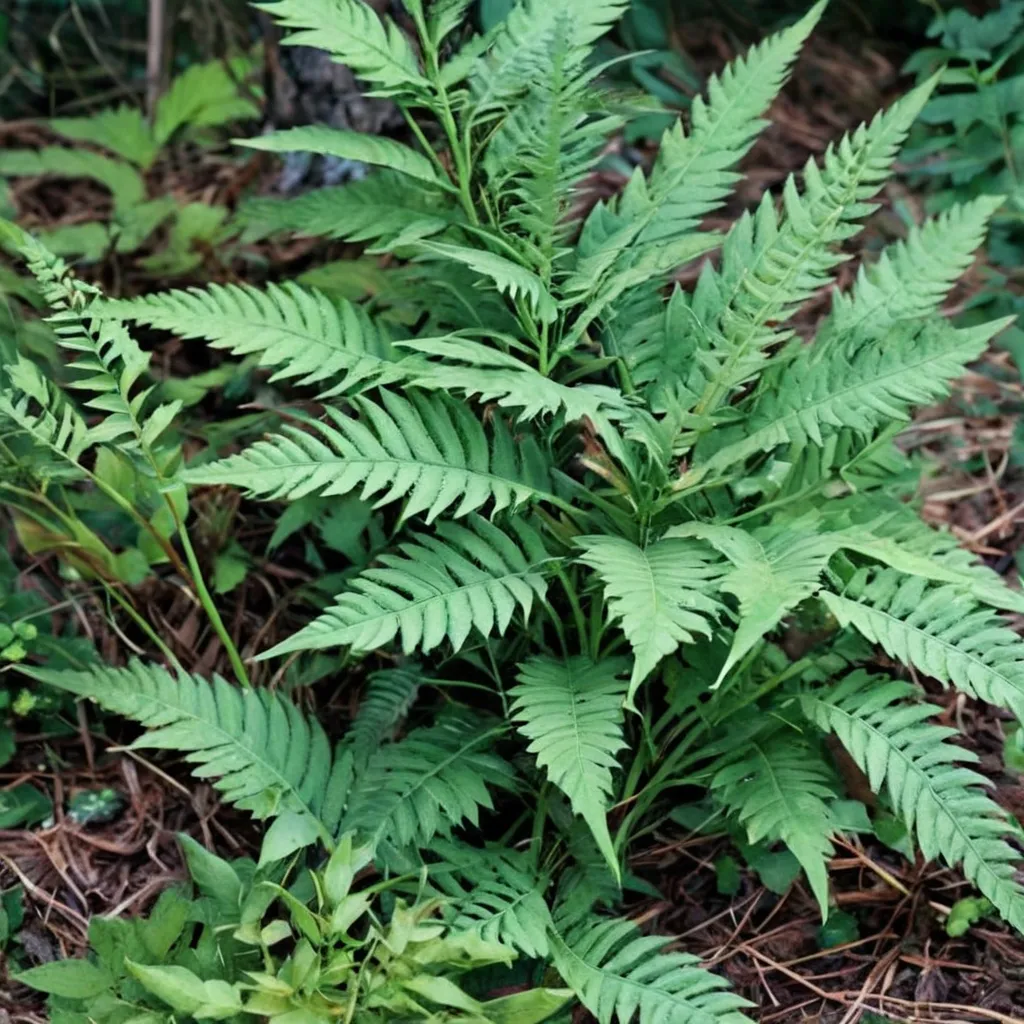
Shreveport Log Fern
Dryopteris x celsa 'Shreveport'
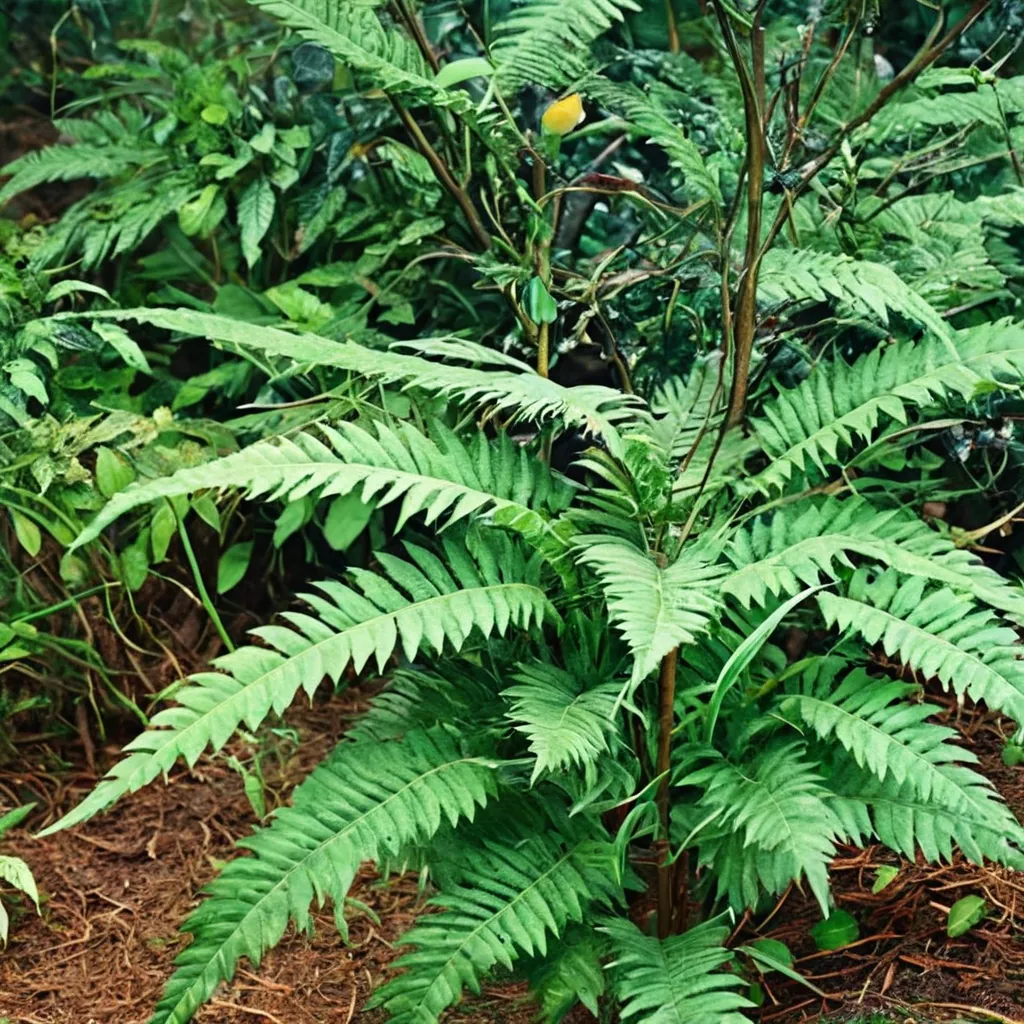
Wallich's Wood Fern
Dryopteris wallichiana 'Tucumanji'
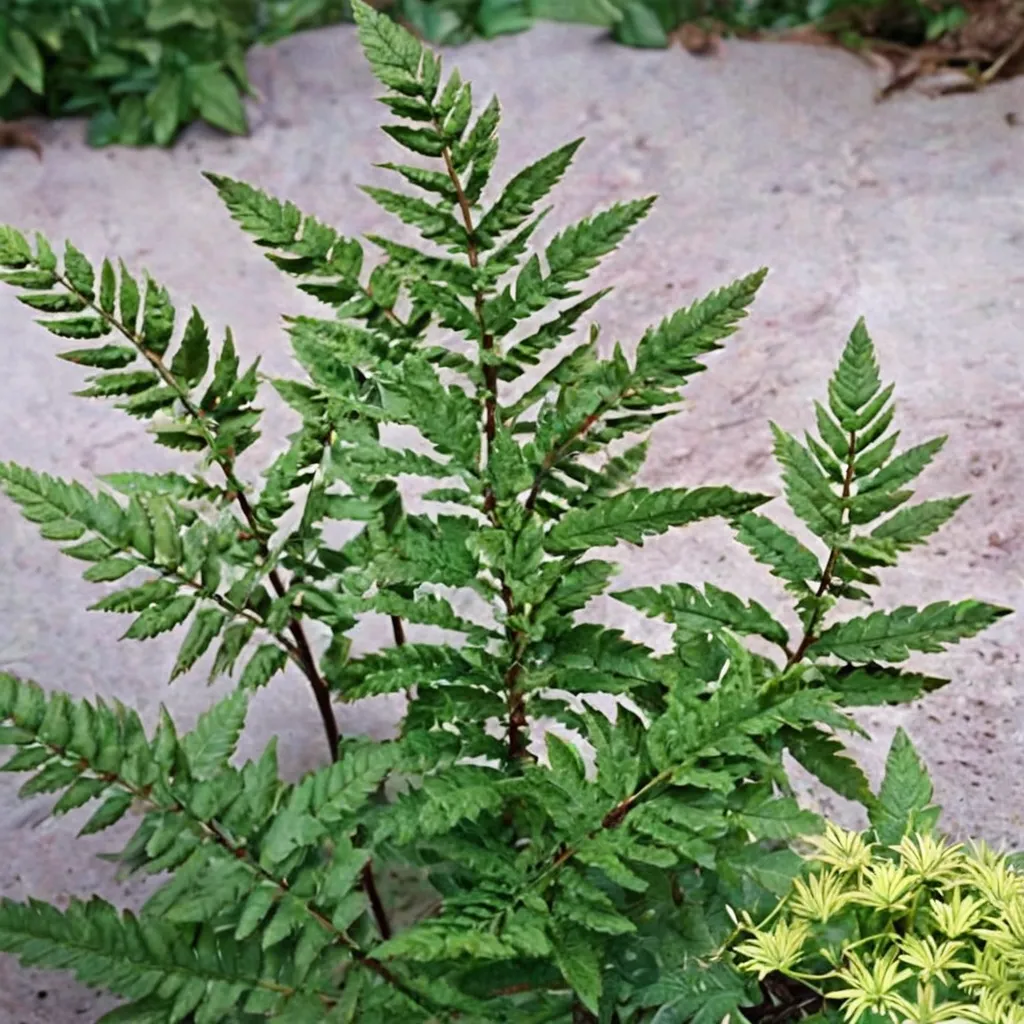
Jimmy Dyce Broad Buckler-fern
Dryopteris dilatata 'Jimmy Dyce'
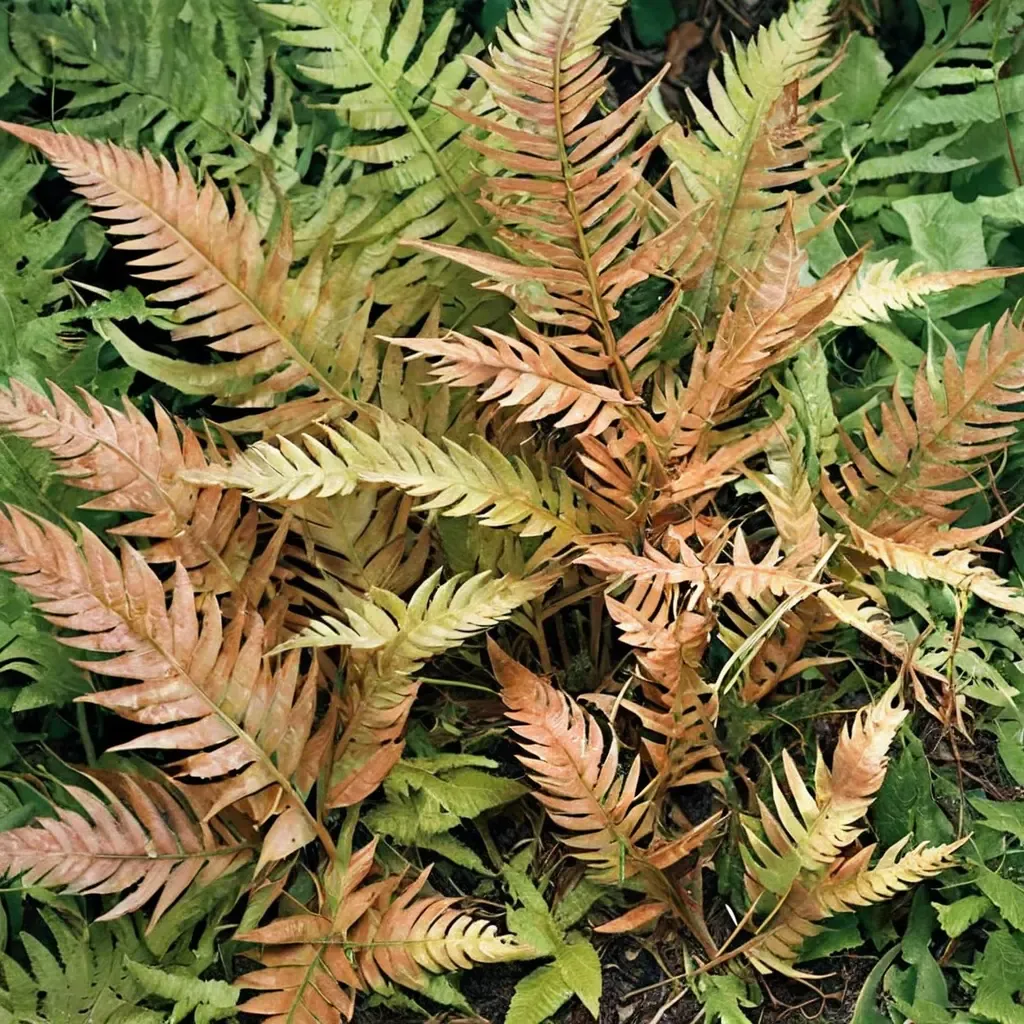
Brilliance Autumn Fern
Dryopteris erythrosora 'Brilliance'
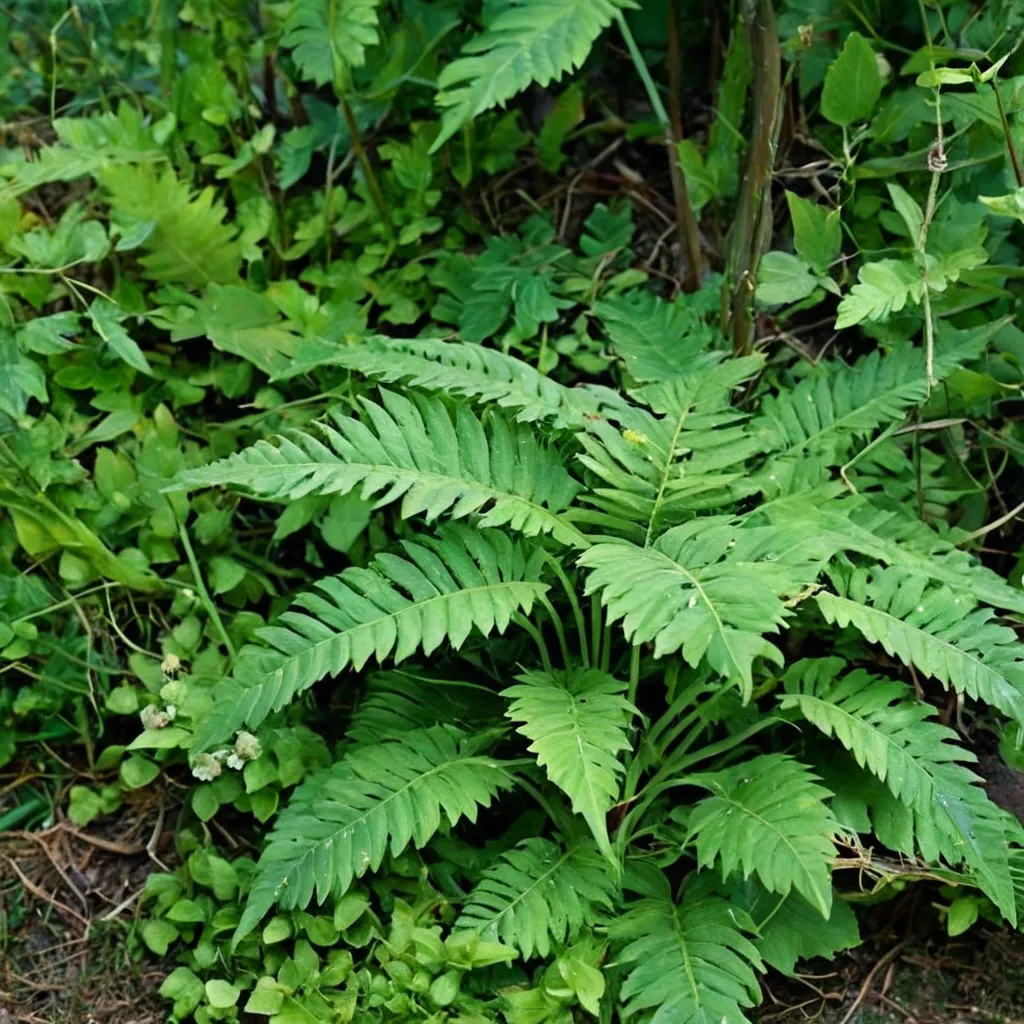
Goldie's Wood Fern
Dryopteris goldieana
Keep exploring
Explore the genus
Hardy in your zone?
Grow Coastal Wood Fern with confidence
See it in a design of your actual yard, get zone-matched care reminders, and track it season by season in your garden journal.