The Story
Plant Bio
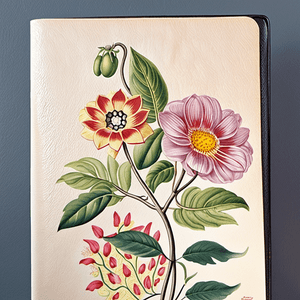
Dahlia huntingtonii is known for its striking orange flowers and lush foliage, making it a standout in garden beds.
This species of dahlia has a unique tolerance for different soil types and can thrive in varying conditions.
Uses & Benefits:
Dahlias provide stunning, vibrant flowers that enhance garden aesthetics and attract pollinators.
They can be cut for floral arrangements, adding beauty indoors.
Supports bees and butterflies, promoting pollinator health.
Essentials
At a Glance
Plant Type
Perennial
Height
96"
Width
48"
Light
Full Sun, Partial Sun
Zones
7, 8, 9, 10
Water
Moderate
Humidity
Average
Lifespan
Perennial in suitable zones
Native To
Mexico
Toxicity
Toxic to pets
Bloom period
Late summer to fall – Early fall
J
F
M
A
M
J
J
A
S
O
N
D
In flower about 2 months of the year
Planting
How to Grow
- Tuck tubers into well-draining soil in early spring, 6 weeks before last frost.
- Plant at a depth of 4-6 inches, spacing 12-18 inches apart for airflow.
- Water regularly to keep soil moist but not waterlogged during growing season.
- Fertilize monthly with a balanced fertilizer to promote vibrant blooms.
- Support tall varieties with stakes as they grow taller.
- Deadhead spent flowers to encourage continuous blooming.
Pro Tip
Plant in full sun and mulch to conserve moisture and suppress weeds.
Keep It Thriving
Care Guide
Do
- Water deeply once a week during dry spells 🌱
- Apply a balanced fertilizer monthly during the growing season
- Stake tall plants to prevent wind damage
- Remove dead or diseased foliage promptly
Don't
- Avoid overwatering to prevent tuber rot ❌
- Don’t plant in heavy, poorly-drained clay soil
- Refrain from fertilizing late in the season to prevent weak growth
- Don’t prune during flowering to avoid cutting off bloom sites
Seasonal Care Calendar
| Task | Jan | Feb | Mar | Apr | May | Jun | Jul | Aug | Sep | Oct | Nov | Dec |
|---|---|---|---|---|---|---|---|---|---|---|---|---|
| Deadhead | ||||||||||||
| Lift Store | ||||||||||||
| Pinch | ||||||||||||
| Plant | ||||||||||||
| Stake |
Watch Out For
Pests & Diseases
Common Pests
Common Diseases
In the Garden
Landscape Uses & Companions
Landscape Uses
Colorful border with vibrant bloomsTall accent in flower bedsContainer display for patios
Companion Plants
Multiply
Propagation Methods
Good to Know