The Story
Plant Bio
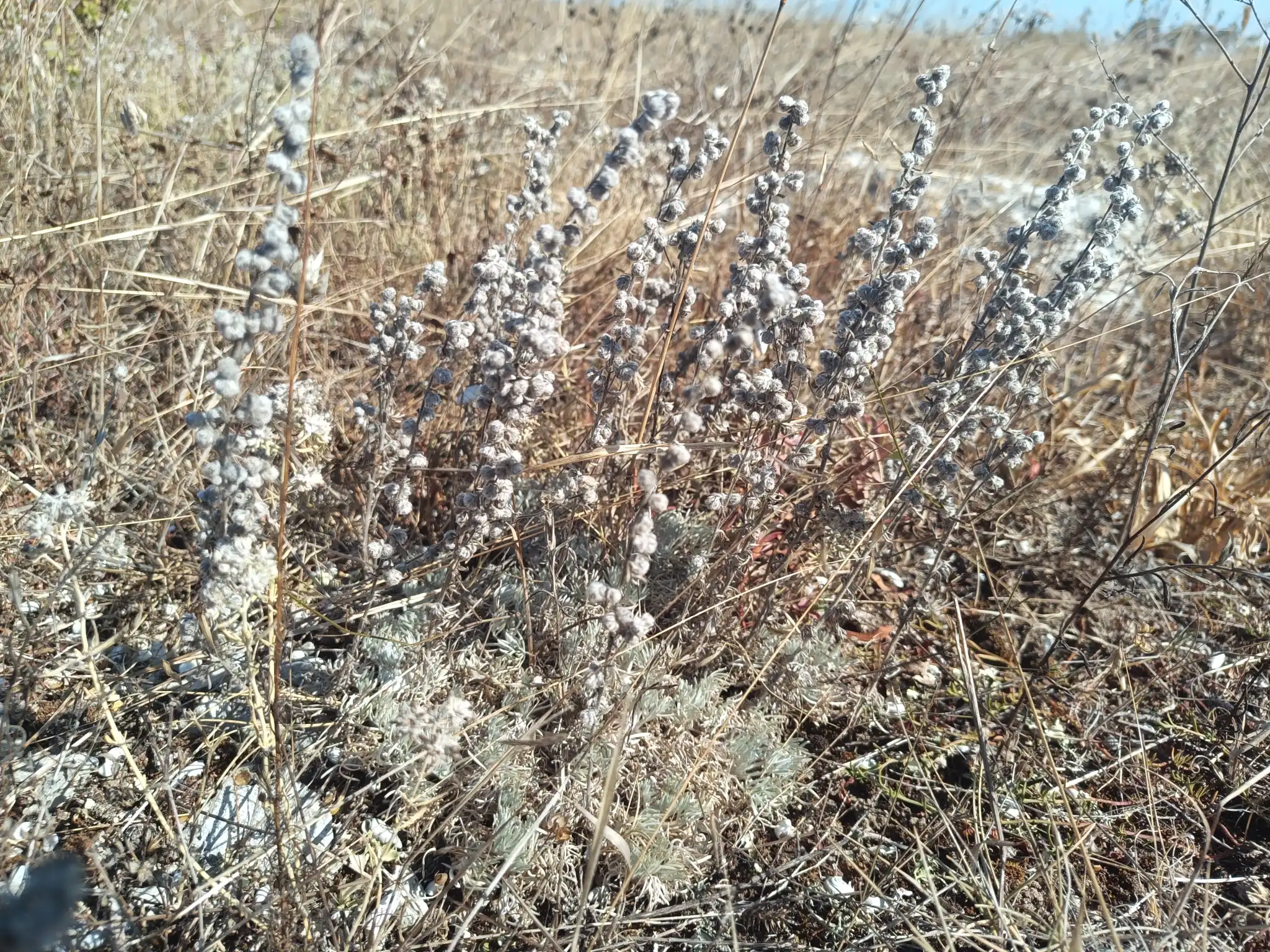
Artemisia pedemontana is a low mat-forming wormwood from dry stony ground in southern Europe, reaching six to nine inches high and spreading eight to twelve inches wide. The foliage is finely divided and covered in dense white hairs that reflect sun and slow water loss, with small yellowish daisy heads borne just above the leaves in summer.
This species is grown for its tight silvery cushion rather than its flowers; the heads are small and inconspicuous beside the woolly mat. It holds through Zone 4 cold only where drainage is sharp and the soil stays lean, failing in wet winter ground that keeps the crown damp.
Uses & Benefits:
Essentials
At a Glance
Plant Type
Groundcover
Height
9"
Width
12"
Light
Full Sun, Partial Sun
Zones
4, 5, 6, 7, 8, 9
Water
Low
Humidity
Low, dry air preferred
Lifespan
Perennial
Native To
Italy, Bulgaria, Spain
Toxicity
Allergenic pollen, skin irritant; do not ingest
Bloom period
Summer
In flower about 3 months of the year
Planting
How to Grow
- Plant in full sun in poor, gritty or stony soil with the crown set slightly high.
- Water in once, then water sparingly; soak only when the soil is fully dry.
- Give no fertilizer; lean soil keeps the mat dense and silvery.
- Clip off spent flower stems after bloom to keep the cushion tight.
Pro Tip
Plant it high in grit and withhold fertilizer and extra water; winter wet kills it faster than cold.
Keep It Thriving
Care Guide
Do
- Plant in sharp drainage with a gravel top-dressing to keep the crown dry
- Site in full sun with open air movement
- Water deeply but infrequently once established
Don't
- Do not plant in rich, moisture-holding soil
- Do not overwater or mulch the crown with bark
- Do not expect flowers to carry the display; grow it for foliage
Seasonal Care Calendar
| Task | Jan | Feb | Mar | Apr | May | Jun | Jul | Aug | Sep | Oct | Nov | Dec |
|---|---|---|---|---|---|---|---|---|---|---|---|---|
| Mulch | ||||||||||||
| Pest Check | ||||||||||||
| Plant | ||||||||||||
| Prune | ||||||||||||
| Winter Prep |
Watch Out For
Pests & Diseases
Common Pests
Common Diseases
In the Garden
Landscape Uses & Companions
Landscape Uses
Multiply
Propagation Methods
Good to Know
Common Questions
Silky Wormwood questions
What zones can Silky Wormwood grow in?
Silky Wormwood is hardy in USDA Zones 4–9: in that range it survives winter in the ground. Warmer than Zone 9, winter isn't the problem: it prefers colder winters, and summer heat can shorten its life.
When does Silky Wormwood bloom?
Silky Wormwood typically blooms in summer. Exact timing shifts a week or two with your zone — Sow's bloom calendar maps it to your garden.
Does Silky Wormwood need full sun?
Silky Wormwood does best in full sun to part shade. In hot climates, afternoon shade keeps blooms fresher longer.
Is Silky Wormwood drought tolerant?
Yes — once established (usually after the first full season), Silky Wormwood handles dry spells with minimal watering. Water deeply its first year to build the root system that makes that possible.
More Artemisia to compare
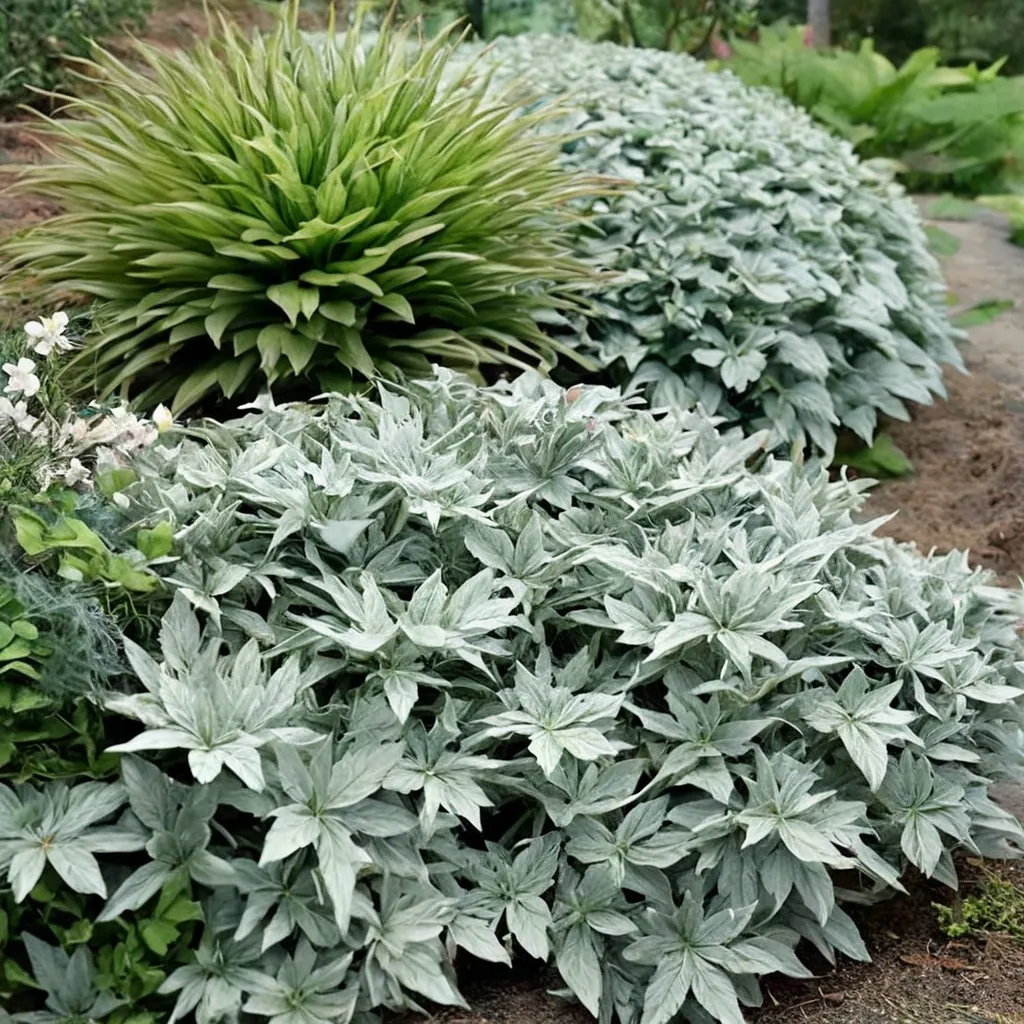
Artemisia Silver Lining
Artemisia x hybrida 'Silver Lining'
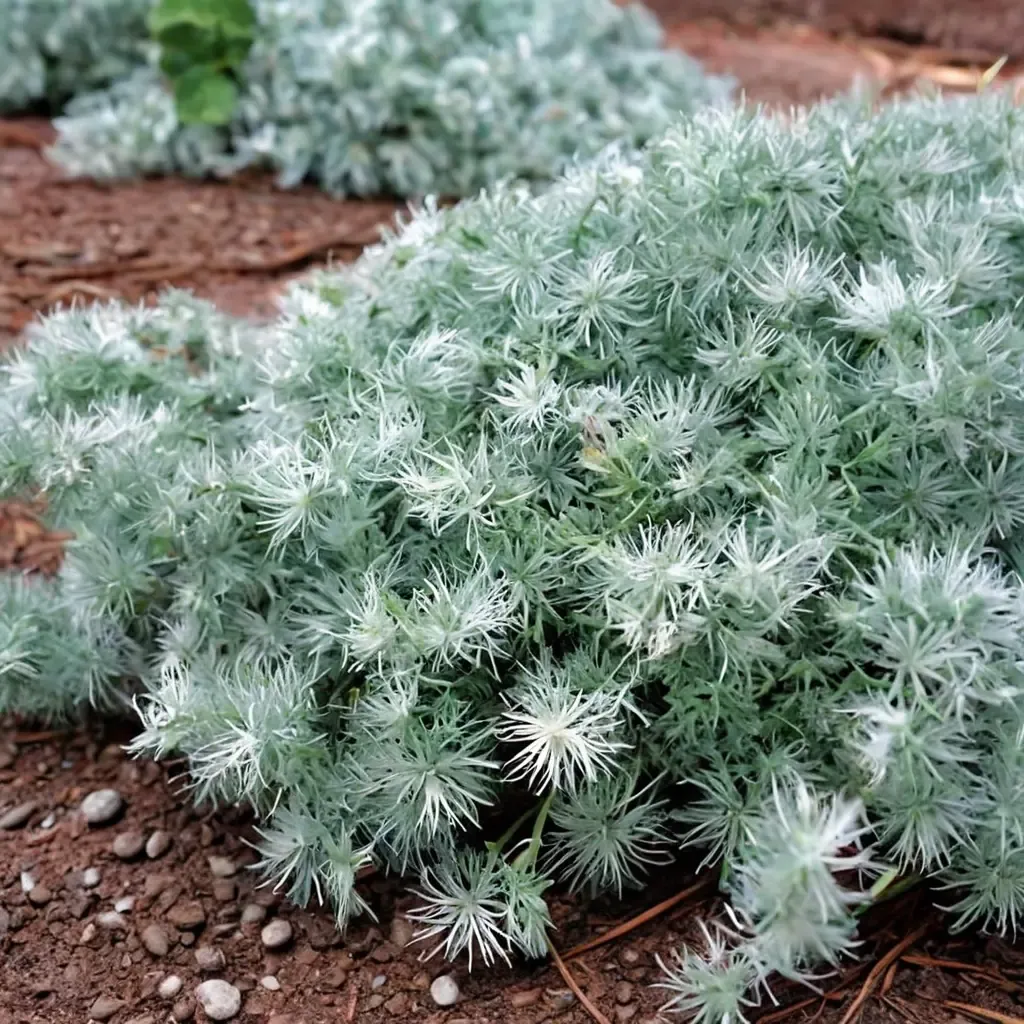
Silver Mound Wormwood
Artemisia schmidtiana 'Silver Mound'
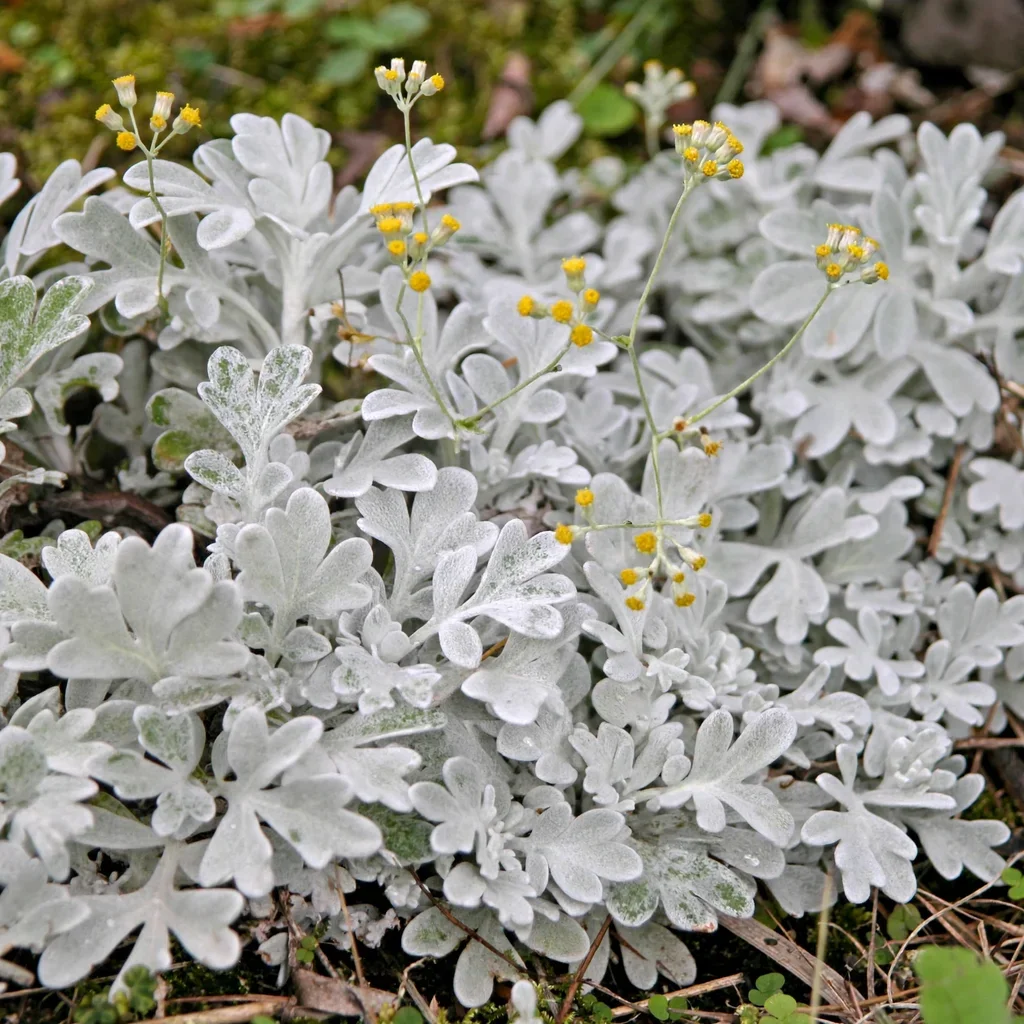
Silver Brocade Beach Wormwood
Artemisia stelleriana 'Silver Brocade'
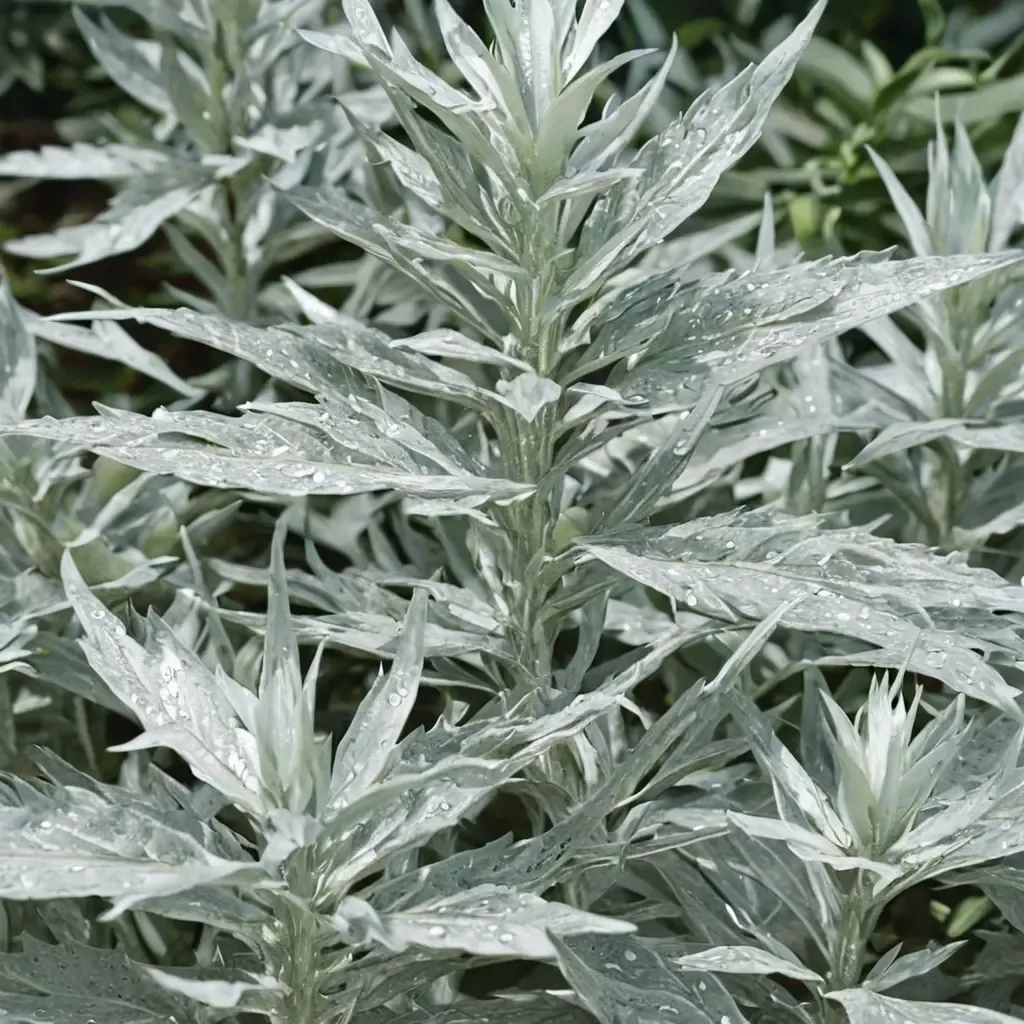
Silver King Artemisia
Artemisia ludoviciana 'Silver King'
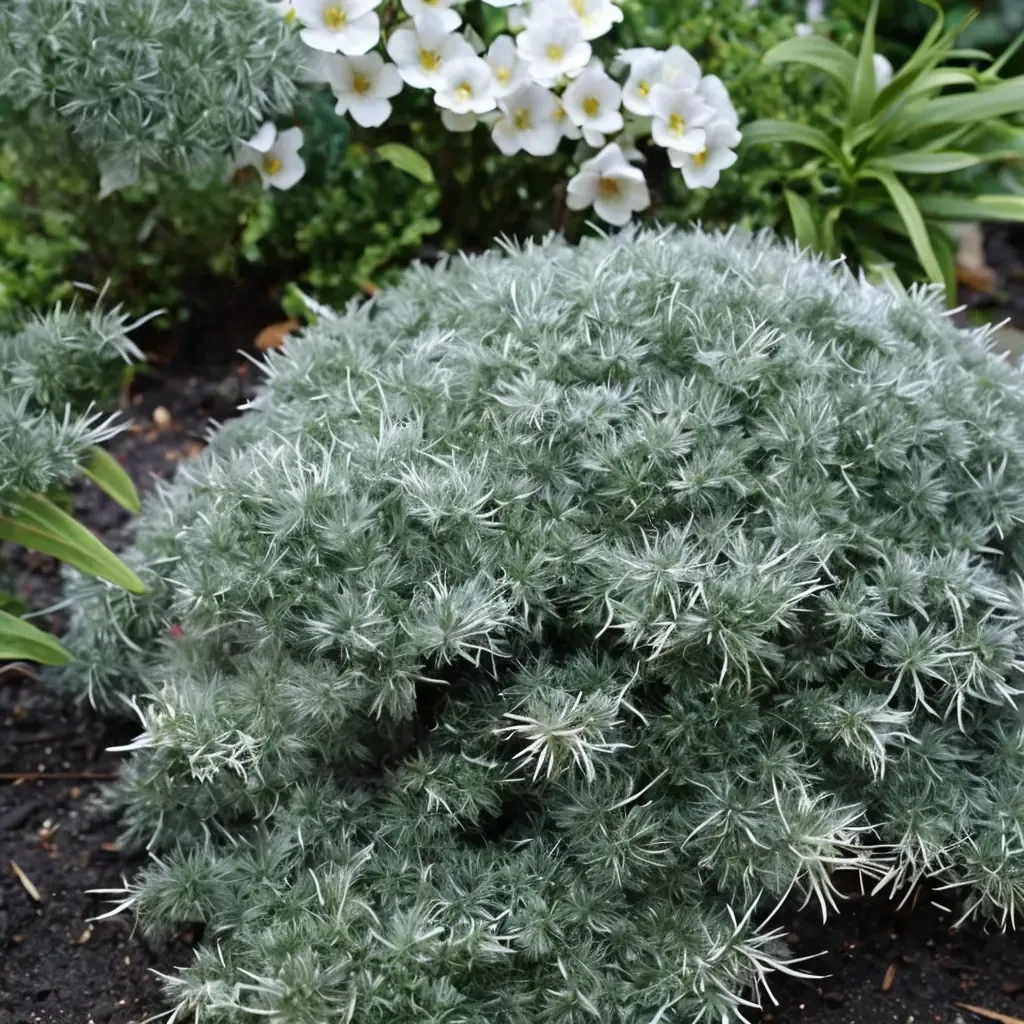
Silver Mound Artemisia
Artemisia schmidtiana 'Nana'
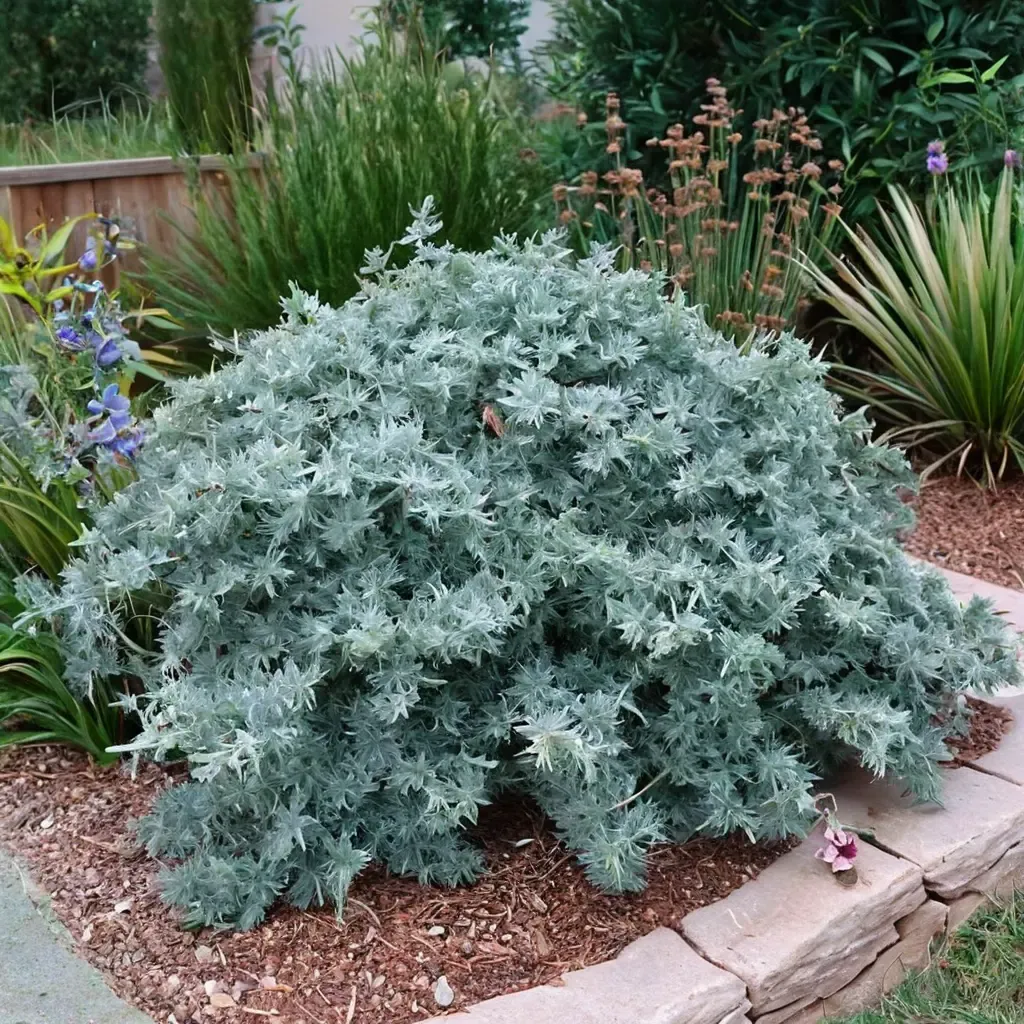
Powis Castle wormwood
Artemisia x hybrida 'Powis Castle'
Keep exploring
Explore the genus
Grow Silky Wormwood with confidence
See it in a design of your actual yard, get zone-matched care reminders, and track it season by season in your garden journal.