The Story
Plant Bio
Sarcococca are low-growing, shade-loving evergreen shrubs from Asia, highly valued for their winter fragrance and tidy habit.
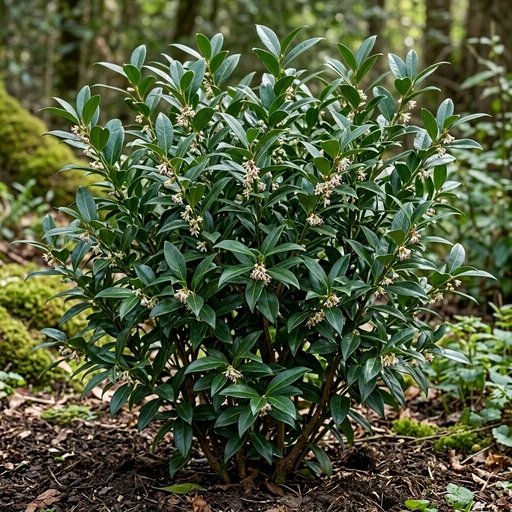
S. ruscifolia is treasured for its tiny, inconspicuous white flowers that produce an incredibly powerful, sweet vanilla or honey-like fragrance in late winter. It also has glossy dark green leaves and attractive red berries.
Uses & Benefits:
Essentials
At a Glance
Plant Type
Shrub
Height
42"
Width
42"
Light
Partial Sun, Shade
Zones
7, 8, 9
Water
Medium
Humidity
Moderate
Lifespan
Long-lived shrub
Native To
Western China
Toxicity
Berries are considered mildly toxic if ingested
Bloom period
Late winter – Early spring
In flower about 2 months of the year
Planting
How to Grow
- Choose a shady or partially shaded location.
- Ensure the soil is rich in organic matter and well-drained.
- Dig a hole as deep and twice as wide as the pot.
- Place the plant in the hole, backfill with amended soil, and water.
- Keep the soil consistently moist, especially in summer.
- Apply a layer of organic mulch annually to enrich the soil.
Pro Tip
Plant it near a doorway, path, or window where its intoxicating winter fragrance can be fully appreciated on mild days.
Keep It Thriving
Care Guide
Do
- Plant in a shady location; it thrives in low light.
- Provide consistent moisture for best performance.
- Amend soil with compost or other organic matter at planting.
- Site it where its winter fragrance can be enjoyed.
Don't
- Do not plant in full sun, which will scorch the leaves.
- Avoid letting the soil dry out completely.
- Do not plant in alkaline soil.
- Avoid heavy pruning, as it has a naturally tidy habit.
Seasonal Care Calendar
| Task | Jan | Feb | Mar | Apr | May | Jun | Jul | Aug | Sep | Oct | Nov | Dec |
|---|---|---|---|---|---|---|---|---|---|---|---|---|
| Fertilize | ||||||||||||
| Mulch | ||||||||||||
| Prune |
In the Garden
Landscape Uses & Companions
Landscape Uses
Companion Plants
Good to Know
Common Questions
Fragrant Sweetbox questions
What zones can Fragrant Sweetbox grow in?
Fragrant Sweetbox is hardy in USDA Zones 7–9. Inside that range it survives winter in the ground; outside it, grow it as an annual or a container plant you protect.
Is Fragrant Sweetbox deer resistant?
Yes — Fragrant Sweetbox is rated deer-resistant. Deer typically pass it over, though extreme hunger can override any plant's defenses.
When does Fragrant Sweetbox bloom?
Fragrant Sweetbox typically blooms in late winter through early spring. Exact timing shifts a week or two with your zone — Sow's bloom calendar maps it to your garden.
Does Fragrant Sweetbox need full sun?
Fragrant Sweetbox does best in part shade.
More Sarcococca to compare
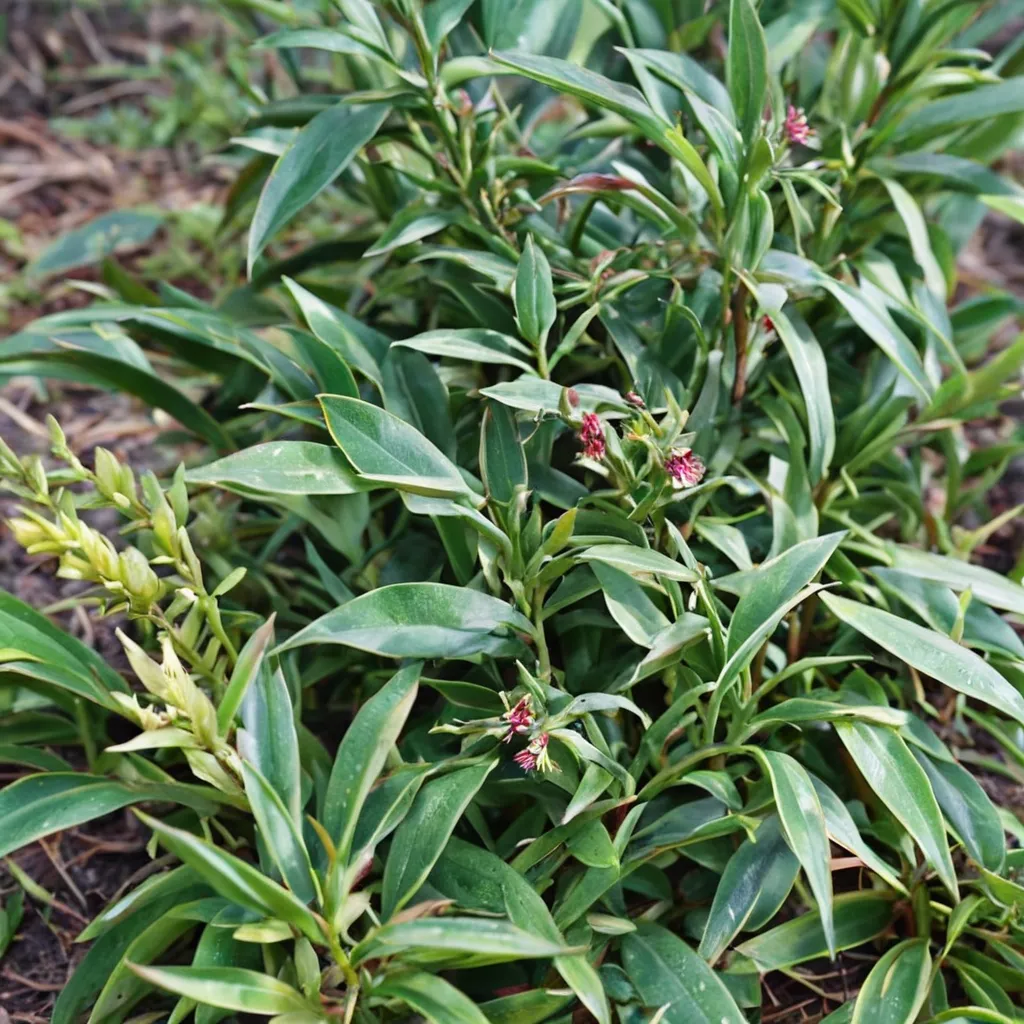
Nepal Sarcococca
Sarcococca hookeriana 'Nepal'
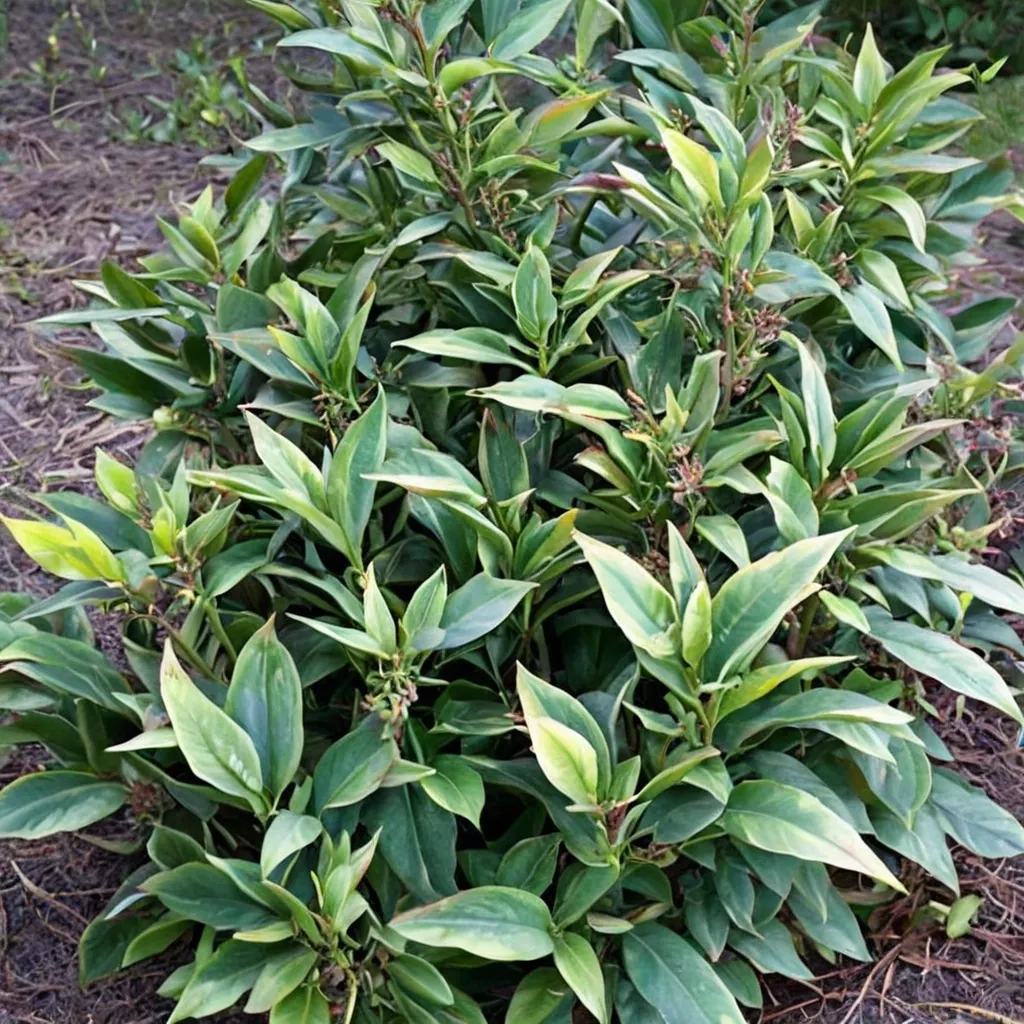
Sarcococca Oriental Sweetbox
Sarcococca orientalis
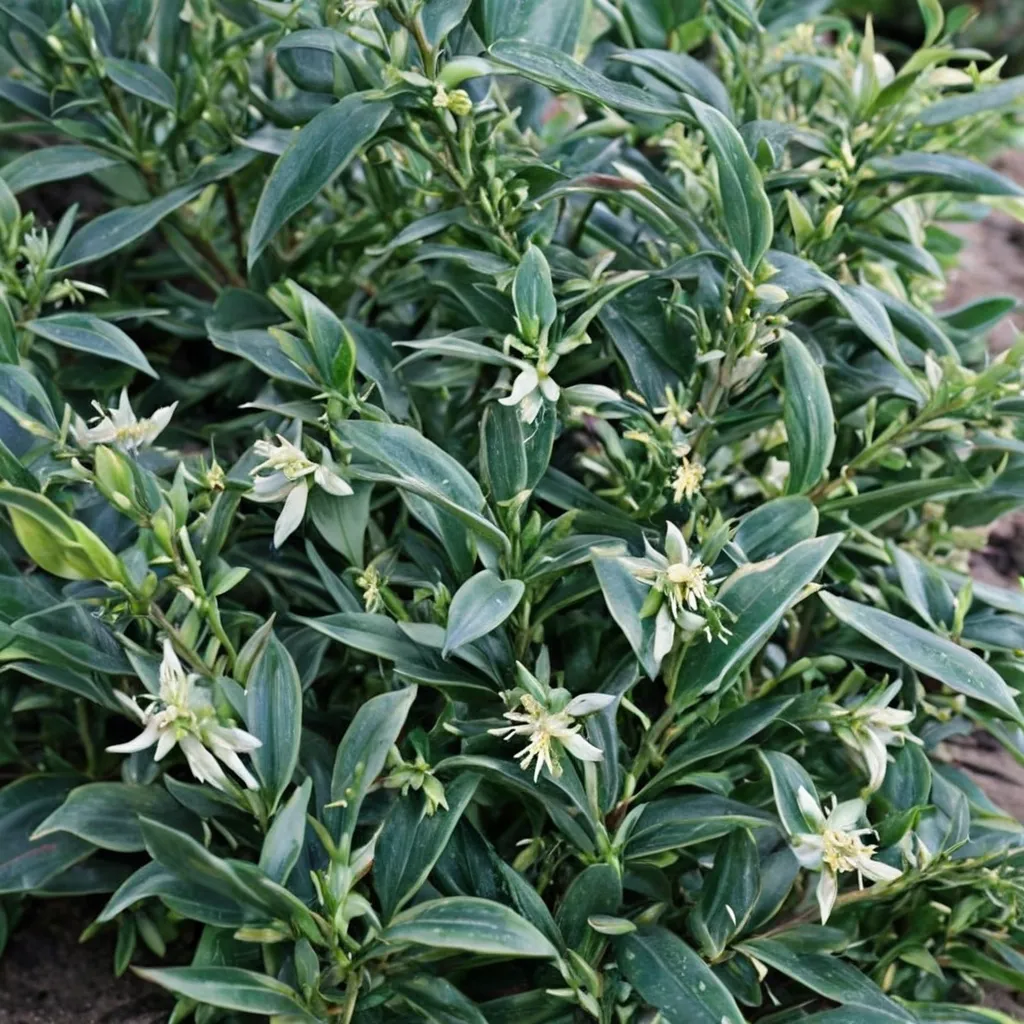
Sweet Box
Sarcococca confusa
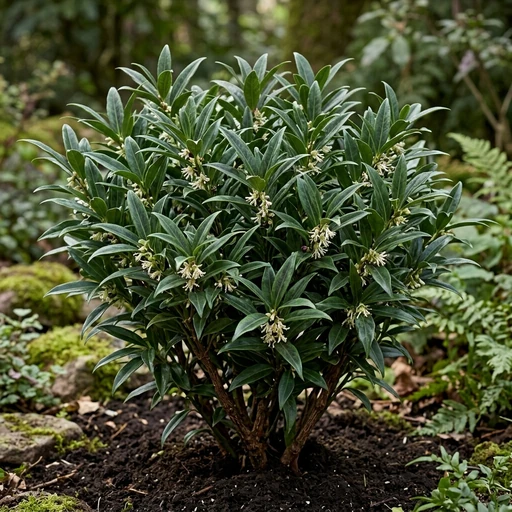
Sweet & Lo Sweet Box
Sarcococca hookeriana 'Sweet & Lo'
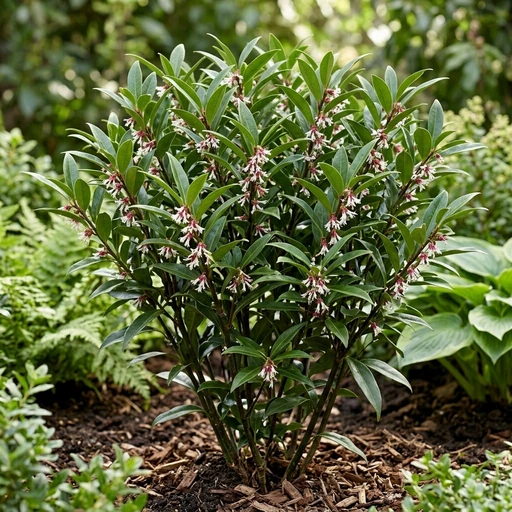
Fragrant Valley Sweetbox
Sarcococca hookeriana 'Fragrant Valley'
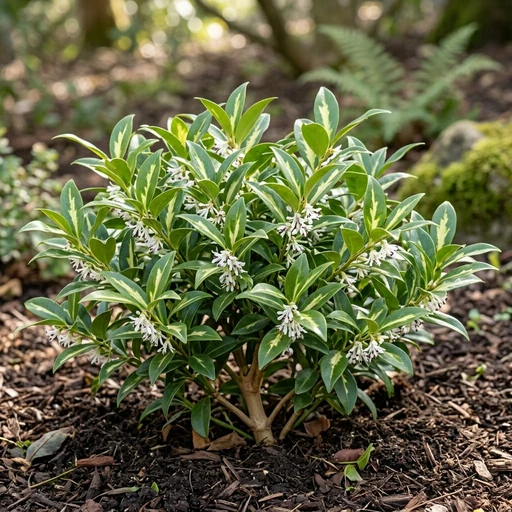
Sarsid 1 Fragrant Valley Sweetbox
Sarcococca hookeriana 'Sarsid 1'
Keep exploring
Explore the genus
Hardy in your zone?
Grow Fragrant Sweetbox with confidence
See it in a design of your actual yard, get zone-matched care reminders, and track it season by season in your garden journal.