The Story
Plant Bio
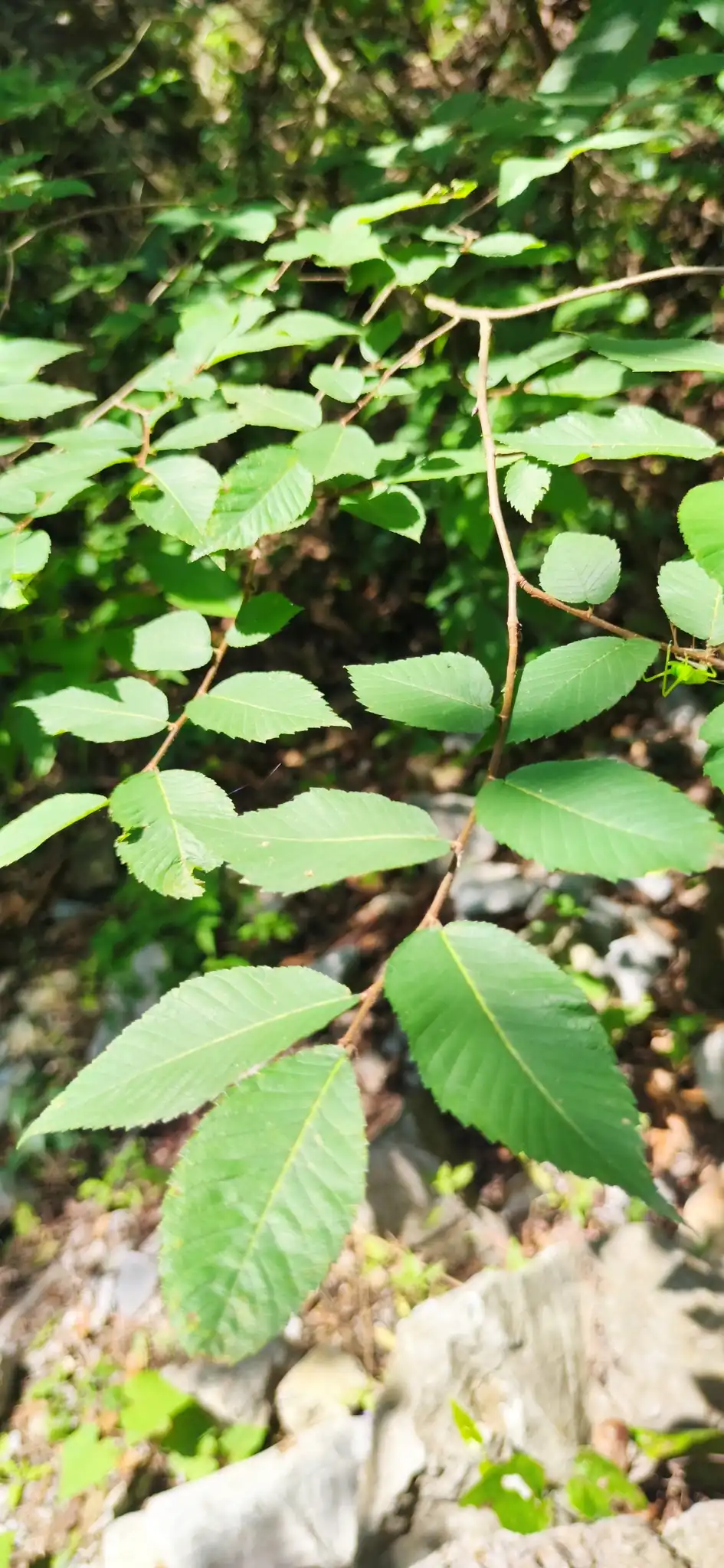
Ulmus serotina is a medium-sized deciduous tree native to the south-central and southeastern United States, reaching up to sixty-five feet tall with a broad, rounded canopy. Its alternate obovate leaves feature double-serrate margins and distinct oblique bases that turn yellow in fall.
Unlike most native North American elms that bloom in spring, this species produces apetalous green flowers in pendulous racemes during fall. Older branches develop prominent corky wings along the bark that persist through winter.
Uses & Benefits:
Essentials
At a Glance
Plant Type
Tree
Height
787"
Width
708"
Light
Full Sun, Partial Sun
Zones
5, 6, 7, 8, 9
Water
Moderate
Humidity
Moderate
Lifespan
Perennial
Native To
North America
Toxicity
Non-toxic
Bloom period
Fall
In flower about 3 months of the year
Planting
How to Grow
- Plant in a full sun to light shade location with well-drained clay, loam, or limestone-derived soil.
- Water deeply weekly during the first two growing seasons until the root system is fully established.
- Apply a three-inch layer of organic mulch around the root zone, keeping it clear of the trunk base.
- Prune dead, damaged, or crossing branches during winter dormancy to maintain structure and airflow.
Pro Tip
Differentiate September elm from cedar elm by observing its autumn flower clusters alongside developing seed samaras rather than early spring blooms.
Keep It Thriving
Care Guide
Do
- Plant in well-drained soil where water does not pool after heavy rains.
- Prune during winter dormancy to minimize exposure to vector insects.
- Monitor foliage and trunk bark regularly for signs of fungal wilting or borer damage.
Don't
- Do not prune live wood during spring and summer when bark beetles are actively foraging.
- Do not allow mulch to pile up directly against the trunk bark.
- Do not fertilize heavily unless soil tests show severe nutrient deficiencies.
Seasonal Care Calendar
| Task | Jan | Feb | Mar | Apr | May | Jun | Jul | Aug | Sep | Oct | Nov | Dec |
|---|---|---|---|---|---|---|---|---|---|---|---|---|
| Mulch | ||||||||||||
| Pest Check | ||||||||||||
| Prune | ||||||||||||
| Spring Cleanup |
Watch Out For
Pests & Diseases
Common Pests
Common Diseases
In the Garden
Landscape Uses & Companions
Landscape Uses
Companion Plants
Multiply
Propagation Methods
Good to Know
Common Questions
September Elm questions
What zones can September Elm grow in?
September Elm is hardy in USDA Zones 5–9. Inside that range it survives winter in the ground; outside it, grow it as an annual or a container plant you protect.
Is September Elm deer resistant?
Not reliably. Deer may browse September Elm, especially tender spring growth — plan on repellents or fencing where pressure is high.
When does September Elm bloom?
September Elm typically blooms in fall through fall. Exact timing shifts a week or two with your zone — Sow's bloom calendar maps it to your garden.
Does September Elm need full sun?
September Elm does best in full sun to part shade. In hot climates, afternoon shade keeps blooms fresher longer.
Is September Elm drought tolerant?
Yes — once established (usually after the first full season), September Elm handles dry spells with minimal watering. Water deeply its first year to build the root system that makes that possible.
More Ulmus to compare
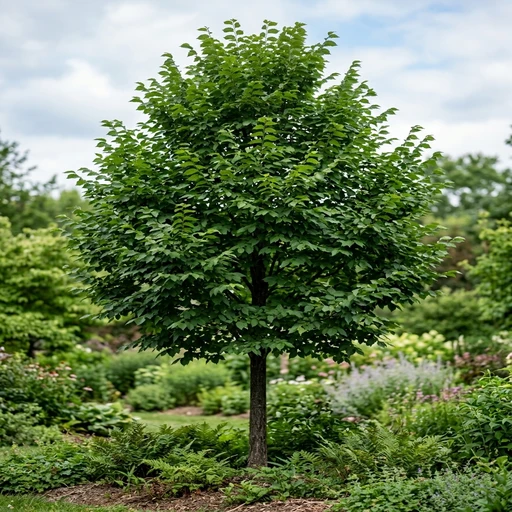
Princeton Elm
Ulmus americana 'Princeton'
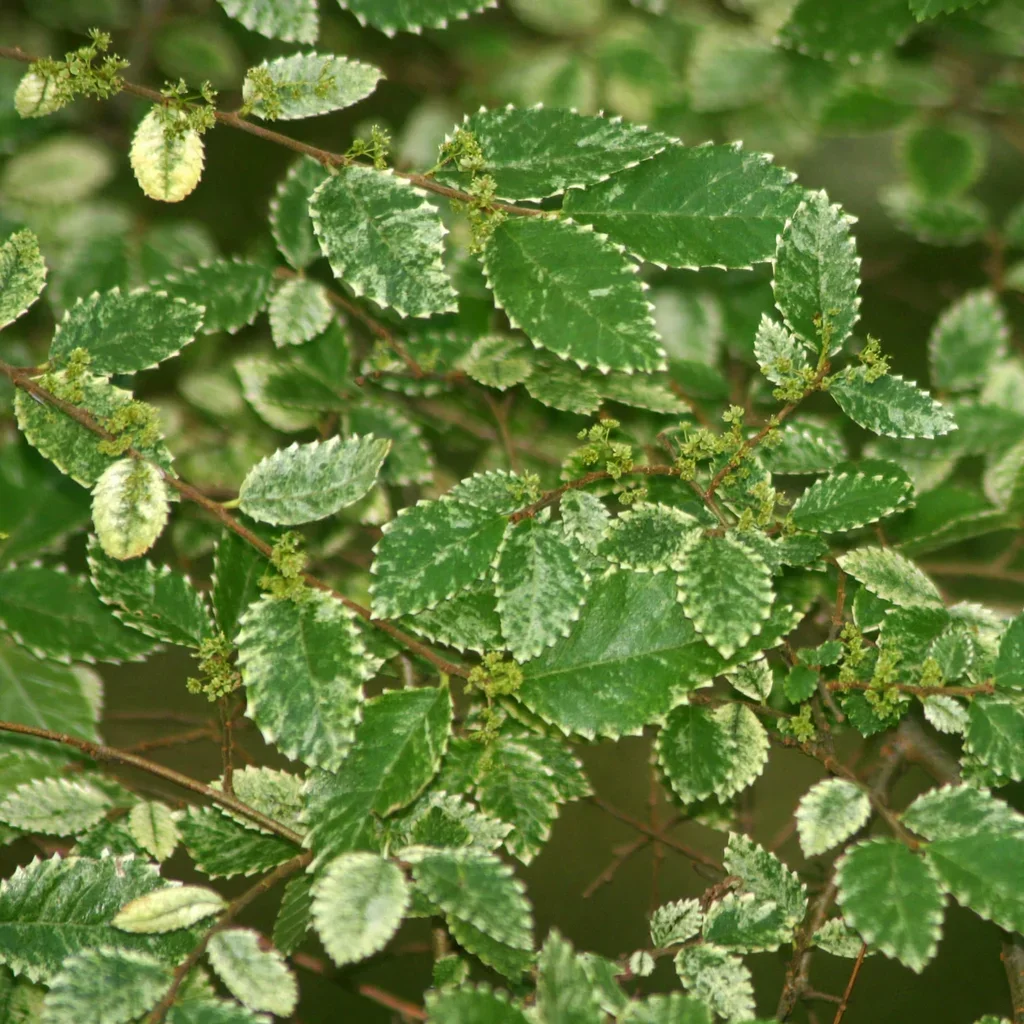
Variegated Chinese Elm
Ulmus parvifolia 'Variegata'
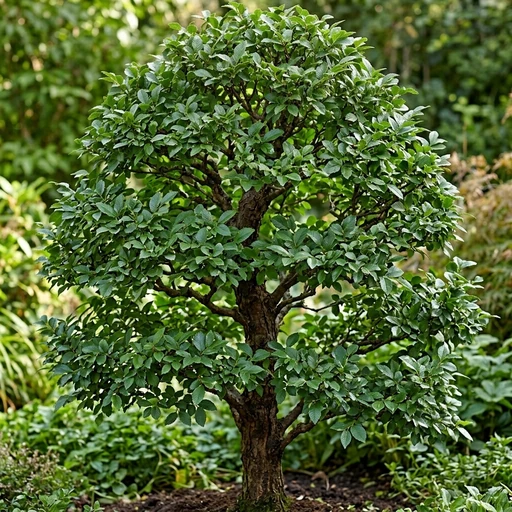
Cedar Elm
Ulmus crassifolia
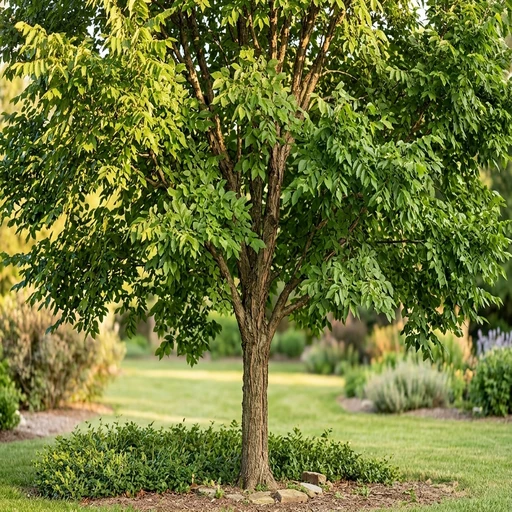
Winged Elm
Ulmus alata
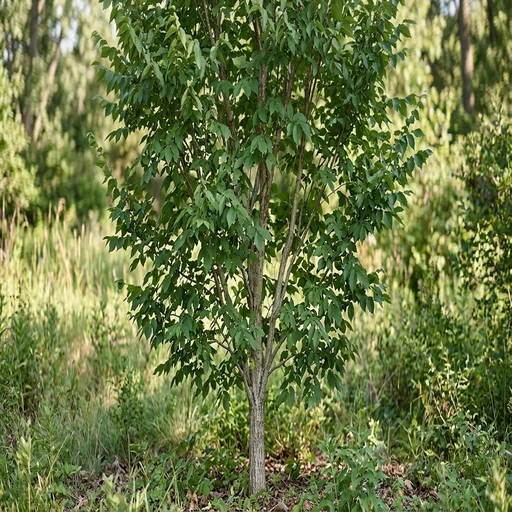
Colonial Spirit American Elm
Ulmus americana 'Colonial Spirit'
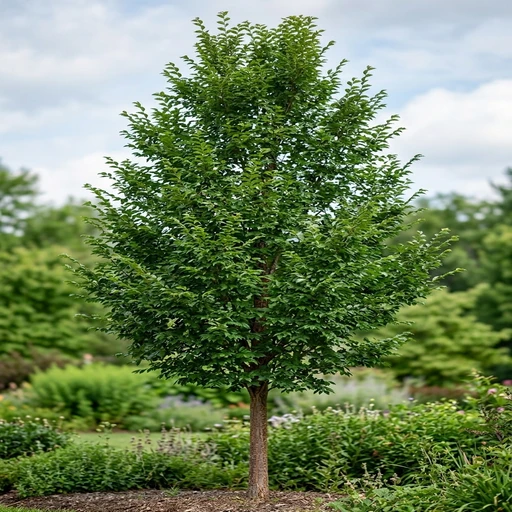
Everclear Lacebark Elm
Ulmus parvifolia 'Everclear'
Keep exploring
Explore the genus
Hardy in your zone?
Grow September Elm with confidence
See it in a design of your actual yard, get zone-matched care reminders, and track it season by season in your garden journal.