The Story
Plant Bio
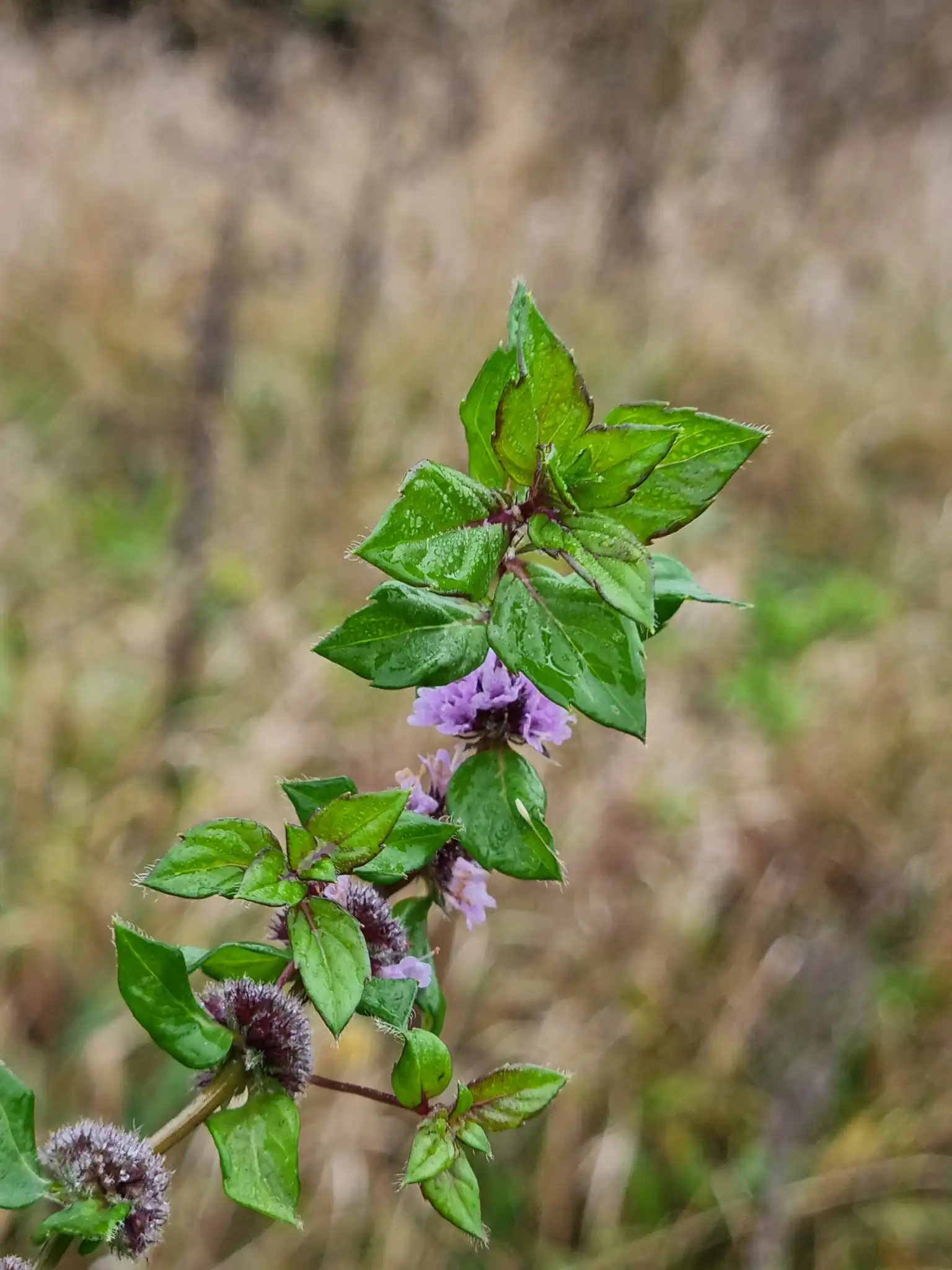
Mentha x gracilis, the ginger mint, is an upright perennial herb 12 to 18 inches tall that spreads vigorously by rhizomes and stolons to form dense patches. Red stems carry green spearmint-scented leaves, with whorled spikes of pale violet flowers at the shoot tips in summer.
This is the sterile field mint by spearmint cross, so it sets no seed and increases only from runners, divisions and cuttings. It is recognized by red stems, ginger-warmed spearmint flavor and a running habit that overruns an open bed unless confined.
Uses & Benefits:
Essentials
At a Glance
Plant Type
Perennial
Height
18"
Width
24"
Light
Full Sun, Partial Sun
Zones
5, 6, 7, 8, 9
Water
Medium
Humidity
Average
Lifespan
Perennial
Native To
Europe
Toxicity
Skin irritant; harmful if eaten in large amounts
Bloom period
Summer – Late summer
In flower about 3 months of the year
Planting
How to Grow
- Plant in full sun to partial sun in moist but well-drained soil, confined in a deep pot or bed with a root barrier.
- Water to keep soil evenly moist, letting the surface dry slightly between waterings and avoiding soggy crowns.
- Pinch shoot tips regularly through summer for kitchen use to prevent legginess.
- Divide congested clumps in spring and replant runners to renew vigor.
- Cut stems back after flowering and clear crowded growth to maintain airflow.
Pro Tip
Plant it in a deep bottomless pot plunged to the rim or behind a 24-inch barrier and pinch shoot tips for harvest to keep stems compact.
Keep It Thriving
Care Guide
Do
- Grow in a pot or edged bed to contain runners
- Keep soil evenly moist but drained
- Pinch and harvest through summer to keep stems dense
Don't
- Do not plant unconfined in a mixed perennial bed
- Do not let crowns sit wet and crowded
- Do not expect seed; propagate vegetatively
Seasonal Care Calendar
| Task | Jan | Feb | Mar | Apr | May | Jun | Jul | Aug | Sep | Oct | Nov | Dec |
|---|---|---|---|---|---|---|---|---|---|---|---|---|
| Divide | ||||||||||||
| Harvest | ||||||||||||
| Pest Check | ||||||||||||
| Pinch | ||||||||||||
| Plant |
Watch Out For
Pests & Diseases
Common Pests
Common Diseases
In the Garden
Landscape Uses & Companions
Landscape Uses
Companion Plants
Multiply
Propagation Methods
Good to Know
Common Questions
Ginger Mint questions
What zones can Ginger Mint grow in?
Ginger Mint is hardy in USDA Zones 5–9: in that range it survives winter in the ground. Colder than Zone 5, grow it in a container you can move to shelter for the winter, or as an annual. Warmer than Zone 9, winter isn't the problem: it prefers colder winters, and summer heat can shorten its life.
Is Ginger Mint deer resistant?
Yes — Ginger Mint is rated deer-resistant. Deer typically pass it over, though extreme hunger can override any plant's defenses.
When does Ginger Mint bloom?
Ginger Mint typically blooms in summer. Exact timing shifts a week or two with your zone — Sow's bloom calendar maps it to your garden.
Does Ginger Mint need full sun?
Ginger Mint does best in full sun to part shade. In hot climates, afternoon shade keeps blooms fresher longer.
More Mentha to compare
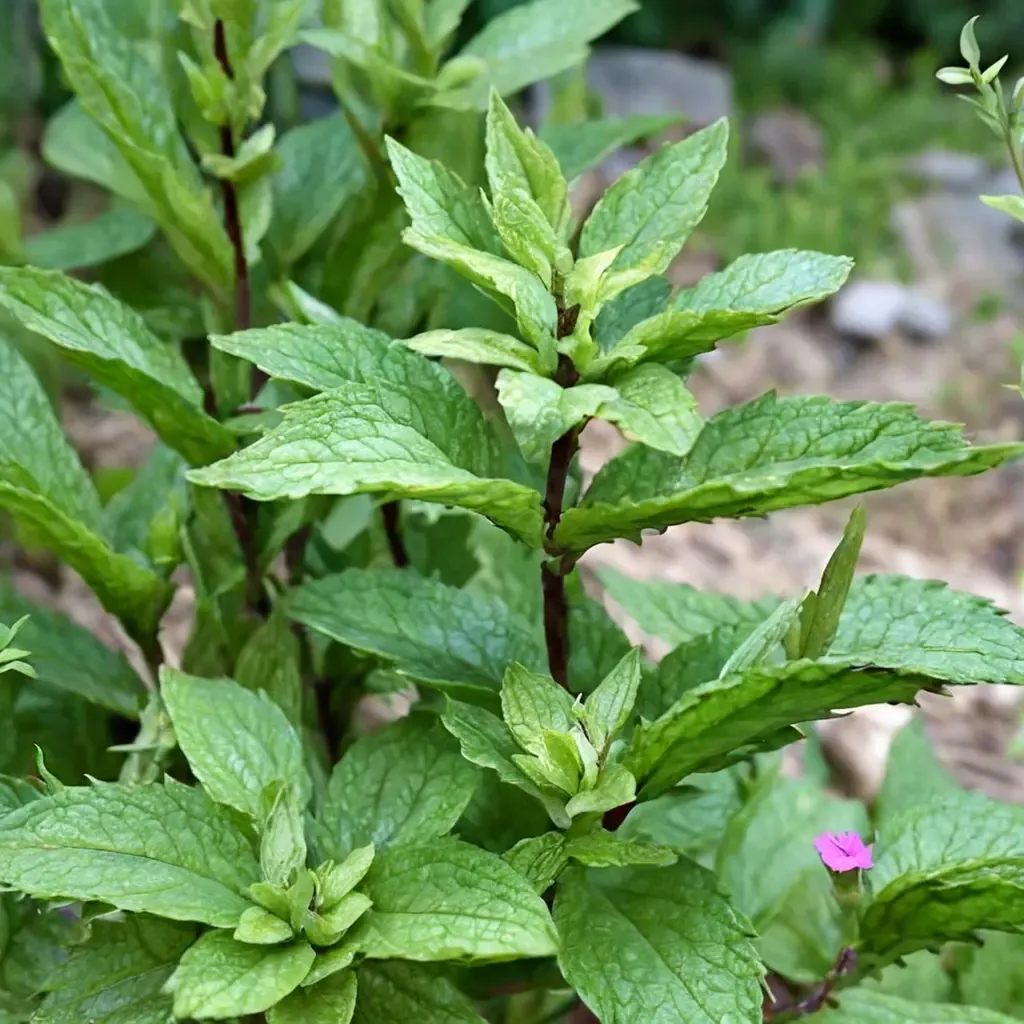
Spearmint
Mentha spicata
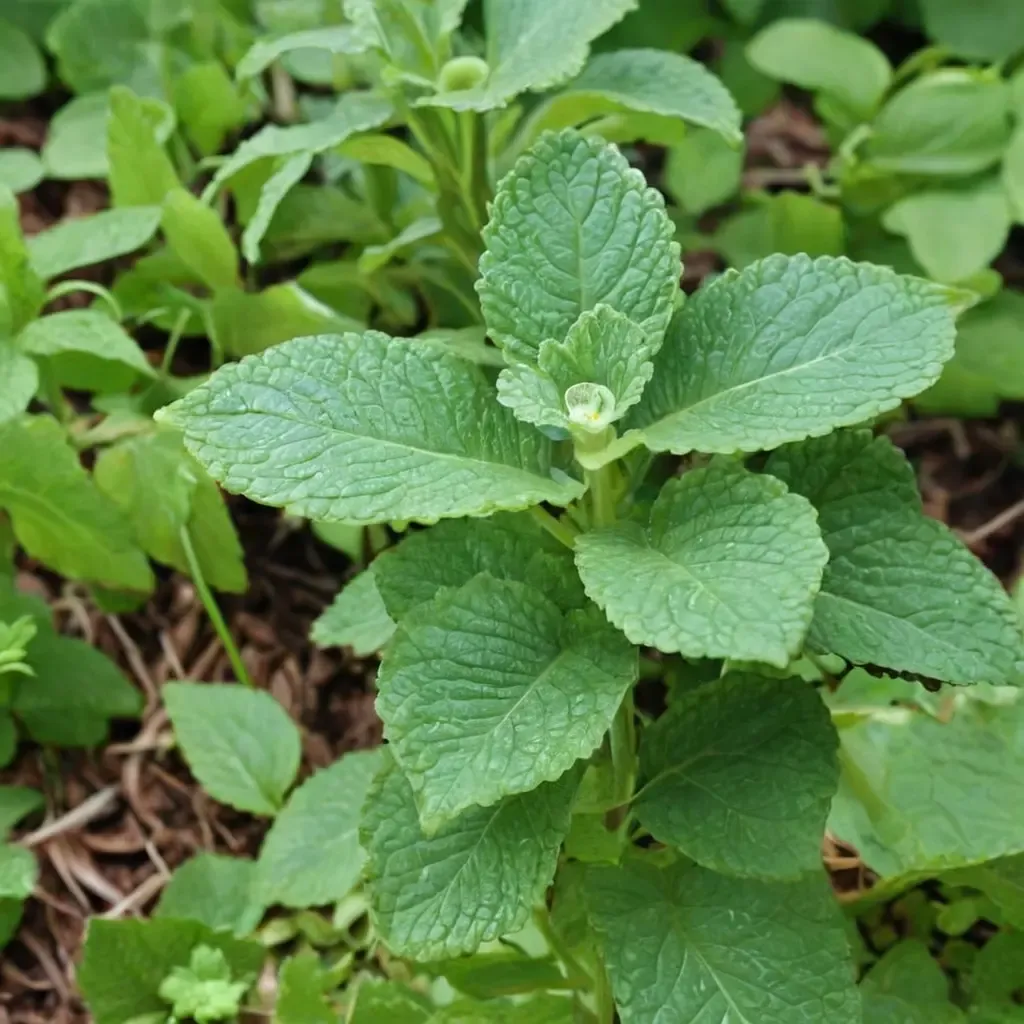
Apple Mint
Mentha suaveolens
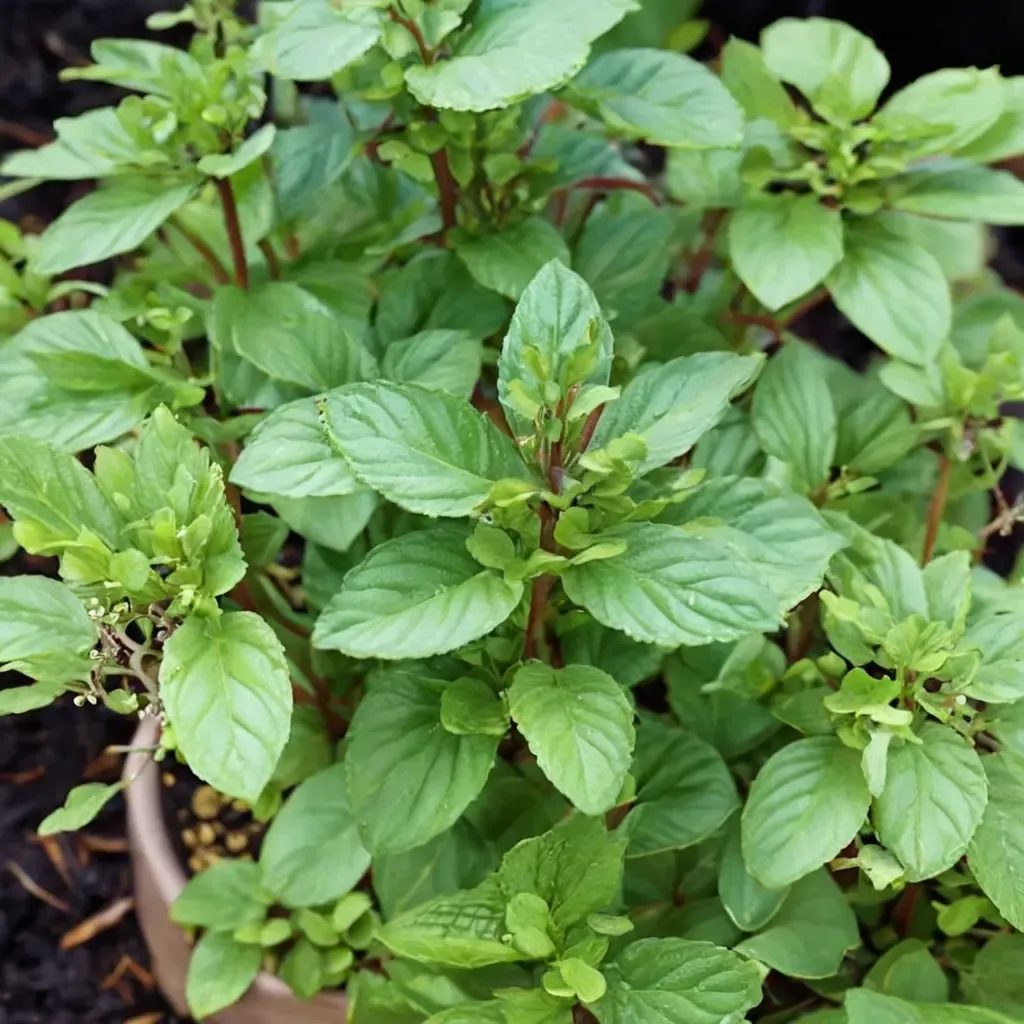
Fuhgeddaboudit Peppermint
Mentha x piperita 'Fuhgeddaboudit'
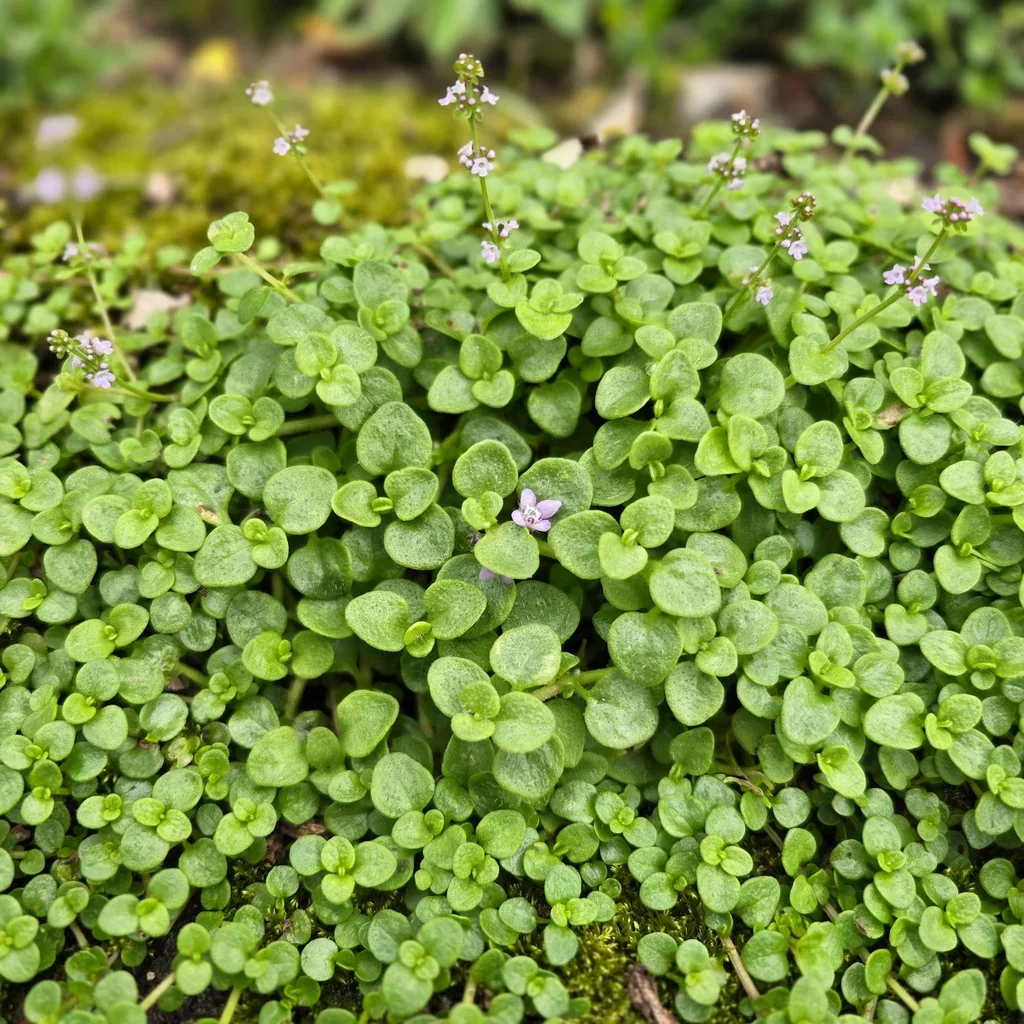
Corsican Mint
Mentha requienii
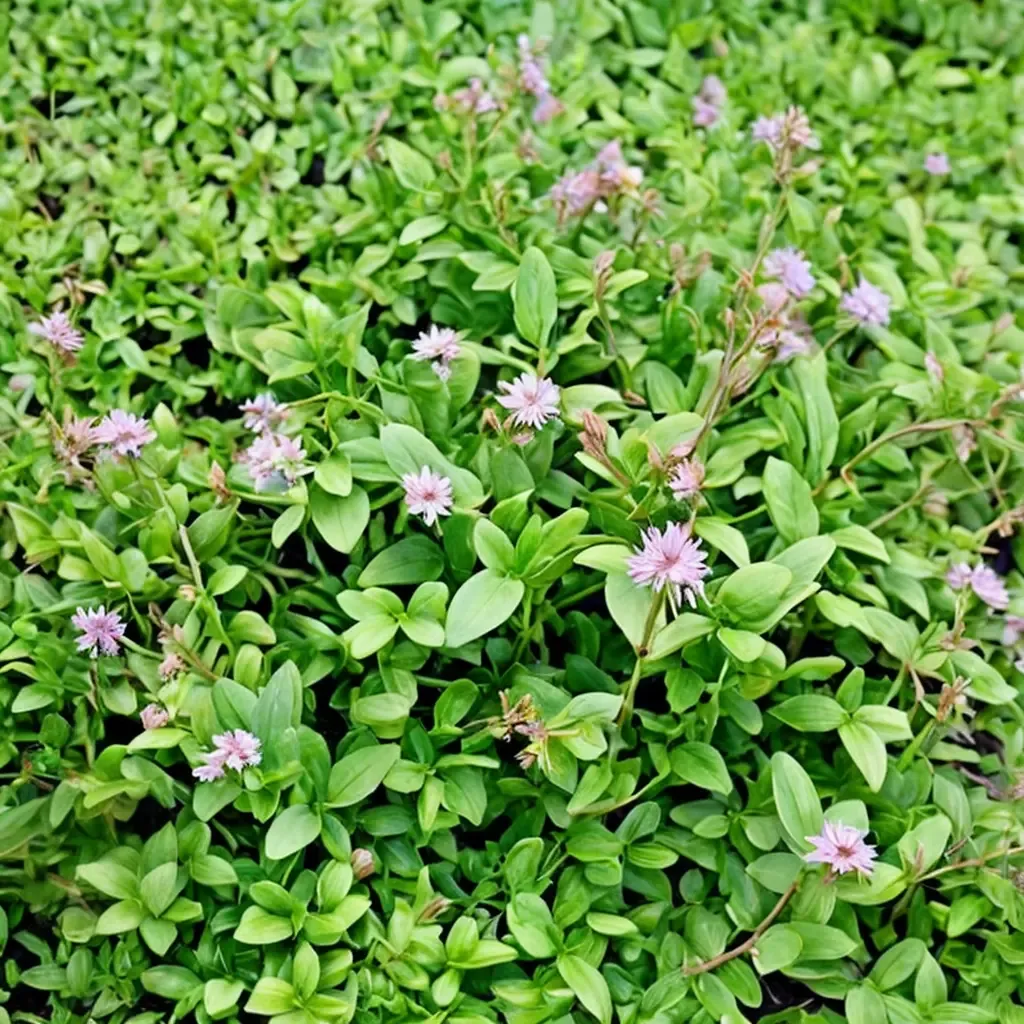
Pennyroyal
Mentha pulegium 'Nana'
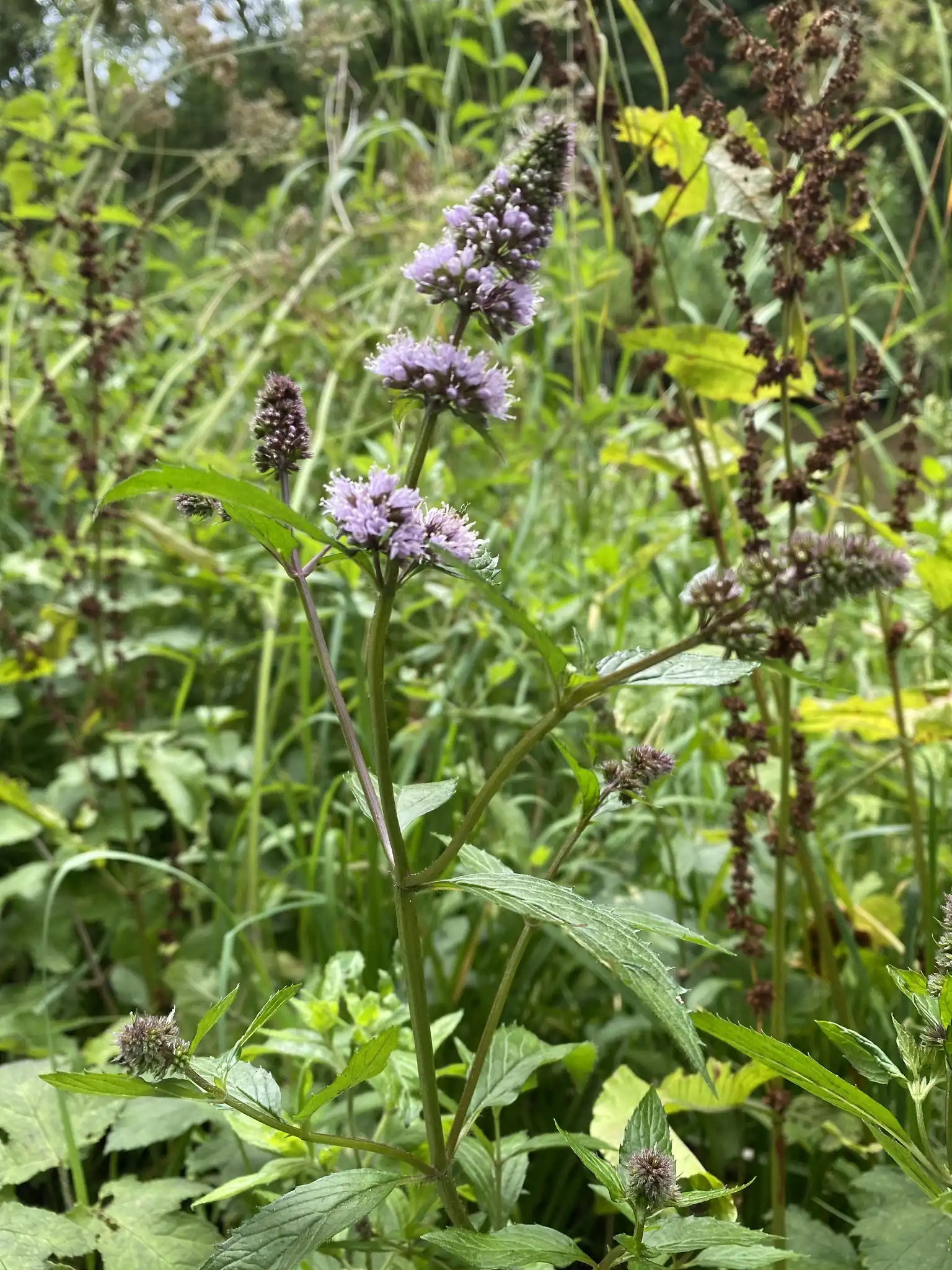
Peppermint
Mentha x piperita
Keep exploring
Explore the genus
Hardy in your zone?
Grow Ginger Mint with confidence
See it in a design of your actual yard, get zone-matched care reminders, and track it season by season in your garden journal.