The Story
Plant Bio
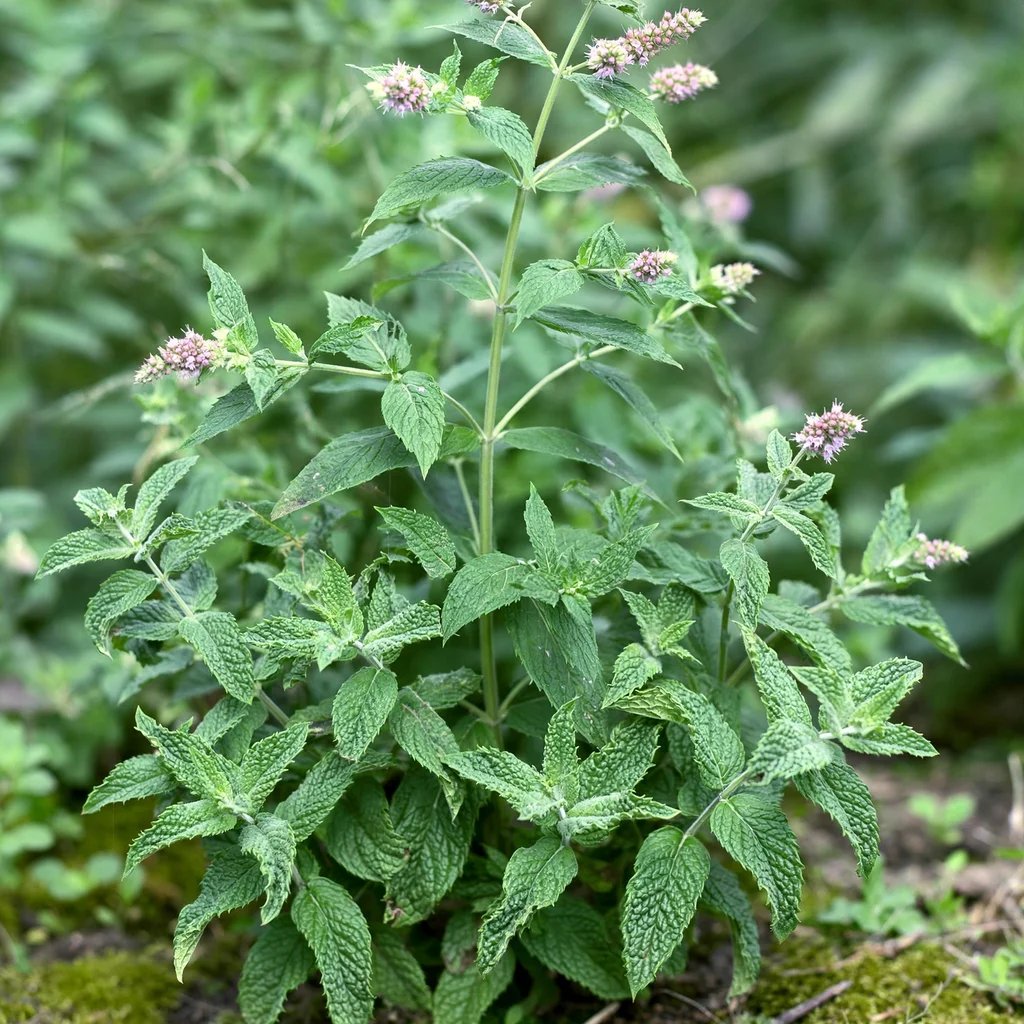
Mentha spicata, the garden spearmint, is a deciduous rhizomatous perennial that spreads by wide fleshy rhizomes to make a bushy patch 1 to 2 feet tall. The stems carry opposite toothed lance-shaped leaves rich in spearmint oil, topped in summer by slender terminal spikes of small tubular flowers.
'Crispa' is the curly-leaved form sold as Mentha crispa, distinguished by tightly wrinkled and crisped leaf blades with spearmint scent in a crinkled texture. It blooms lilac-pink to white in whorled clusters up the spike, but seed comes variable from its hybrid background so named stock is kept true by rhizome division.
Uses & Benefits:
Essentials
At a Glance
Plant Type
Perennial
Height
24"
Width
36"
Light
Full Sun, Partial Sun
Zones
4, 5, 6, 7, 8, 9
Water
Medium to wet
Humidity
Average
Lifespan
Perennial
Native To
Mediterranean region, garden origin; introduced and naturalized in North America
Toxicity
Essential oil toxic in high doses; reported toxic to cats, dogs and horses
Bloom period
Summer – Fall
In flower about 6 months of the year
Planting
How to Grow
- Plant in full sun to partial shade in moist well-drained soil, ideally confined in a large pot or a sunk bottomless barrier.
- Water to keep soil evenly moist through summer; do not let containers dry out.
- Pinch shoot tips regularly for kitchen use to keep stems branched and delay flowering.
- Cut back spent flower spikes and wandering stems in fall to contain rhizomes.
Pro Tip
Grow it in its own pot or inside a sunk barrier; pinch shoot tips through summer and cut back spent spikes to check seeding and spread.
Keep It Thriving
Care Guide
Do
- Grow in a pot or edged bed to contain fleshy rhizomes
- Keep soil consistently moist in summer heat
- Pinch and harvest often to keep growth dense
Don't
- Do not plant unconfined in a mixed border where it can overrun neighbors
- Do not let soil dry out completely in summer
- Do not rely on seed to reproduce the curly leaf form
Seasonal Care Calendar
| Task | Jan | Feb | Mar | Apr | May | Jun | Jul | Aug | Sep | Oct | Nov | Dec |
|---|---|---|---|---|---|---|---|---|---|---|---|---|
| Divide | ||||||||||||
| Harvest | ||||||||||||
| Pest Check | ||||||||||||
| Pinch | ||||||||||||
| Plant |
Watch Out For
Pests & Diseases
Common Pests
Common Diseases
In the Garden
Landscape Uses & Companions
Landscape Uses
Multiply
Propagation Methods
Good to Know
Common Questions
Curly Mint questions
What zones can Curly Mint grow in?
Curly Mint is hardy in USDA Zones 4–9: in that range it survives winter in the ground. Warmer than Zone 9, winter isn't the problem: it prefers colder winters, and summer heat can shorten its life.
When does Curly Mint bloom?
Curly Mint typically blooms from summer to fall. Exact timing shifts a week or two with your zone — Sow's bloom calendar maps it to your garden.
Does Curly Mint need full sun?
Curly Mint does best in full sun to part shade. In hot climates, afternoon shade keeps blooms fresher longer.
More Mentha to compare
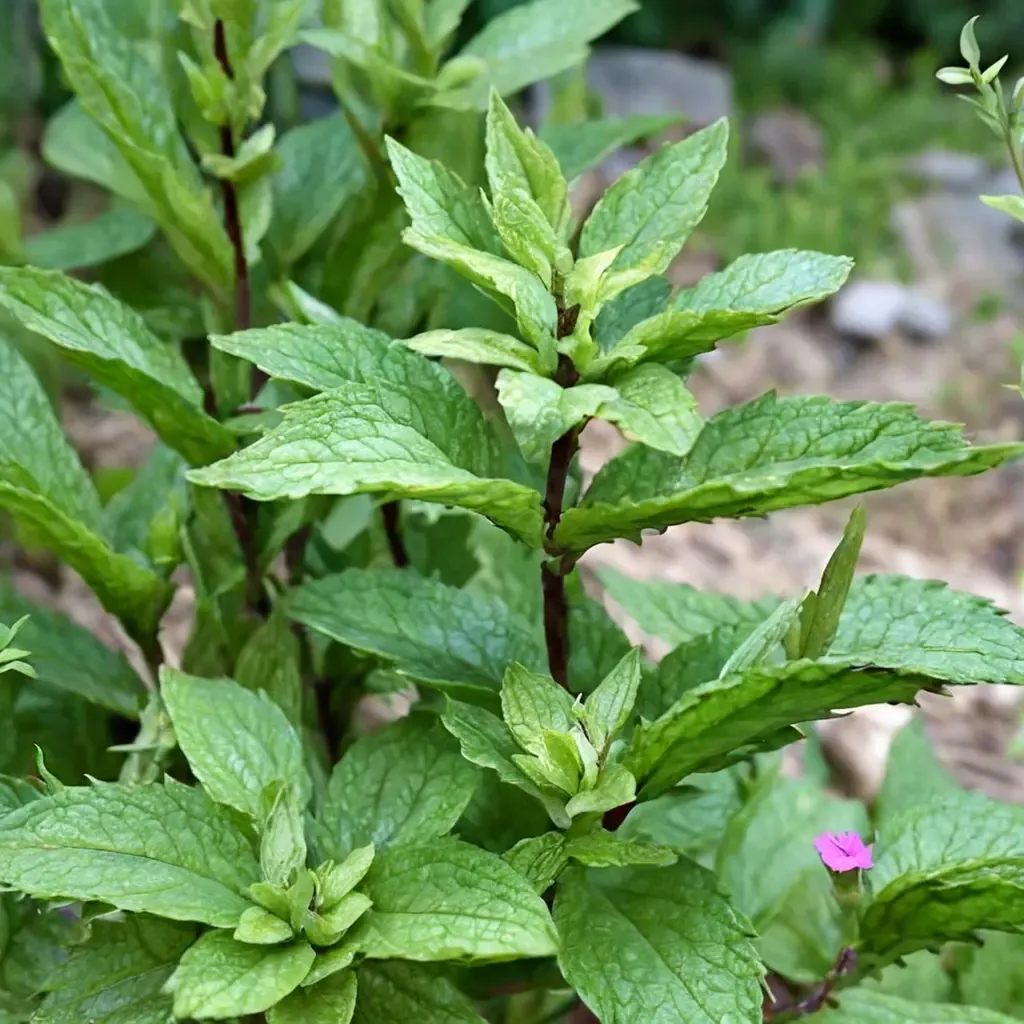
Spearmint
Mentha spicata
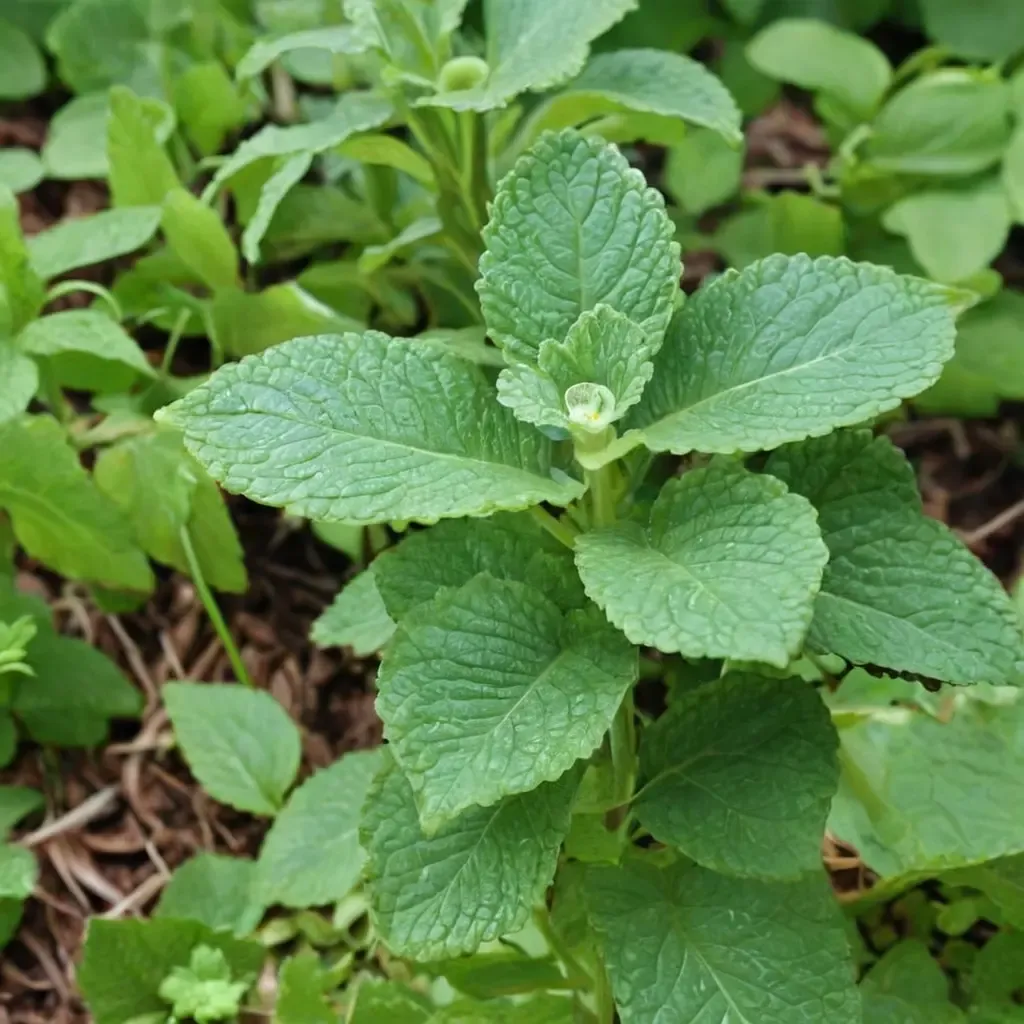
Apple Mint
Mentha suaveolens
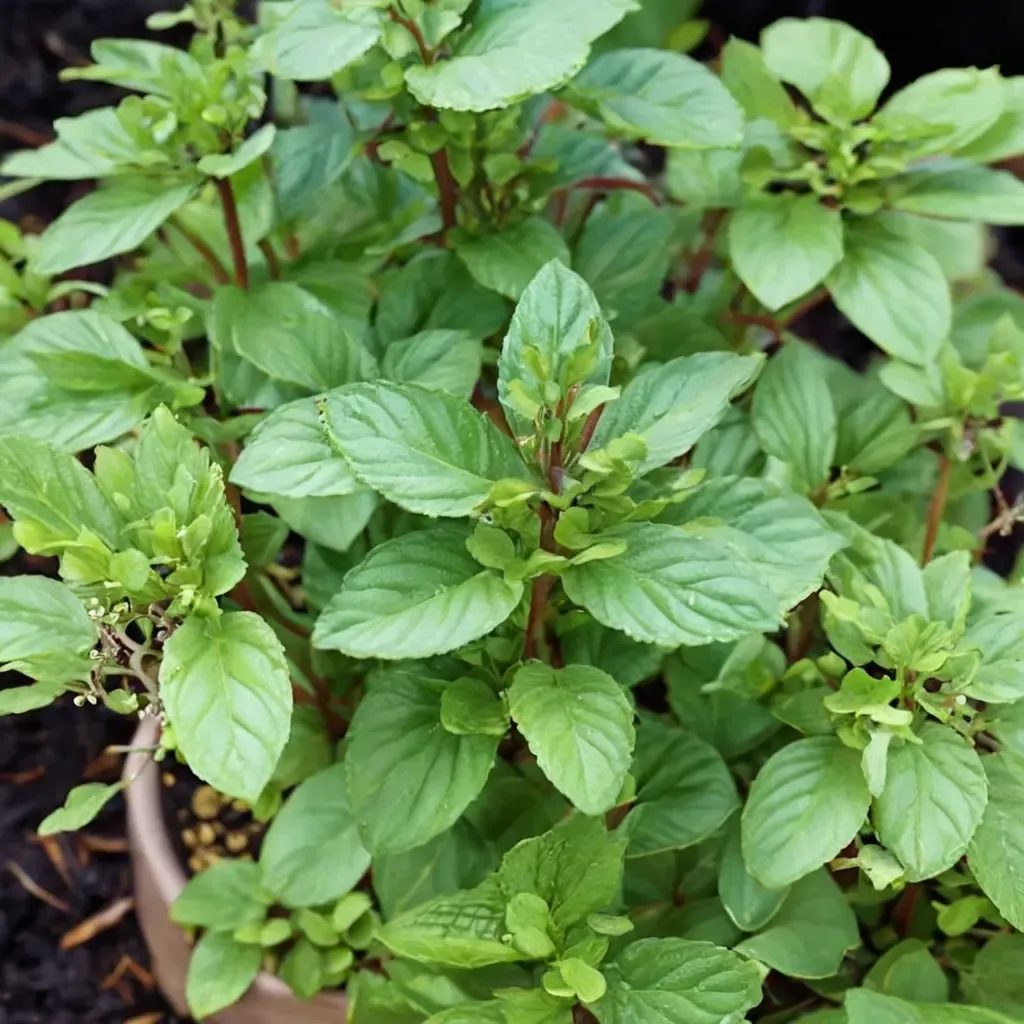
Fuhgeddaboudit Peppermint
Mentha x piperita 'Fuhgeddaboudit'
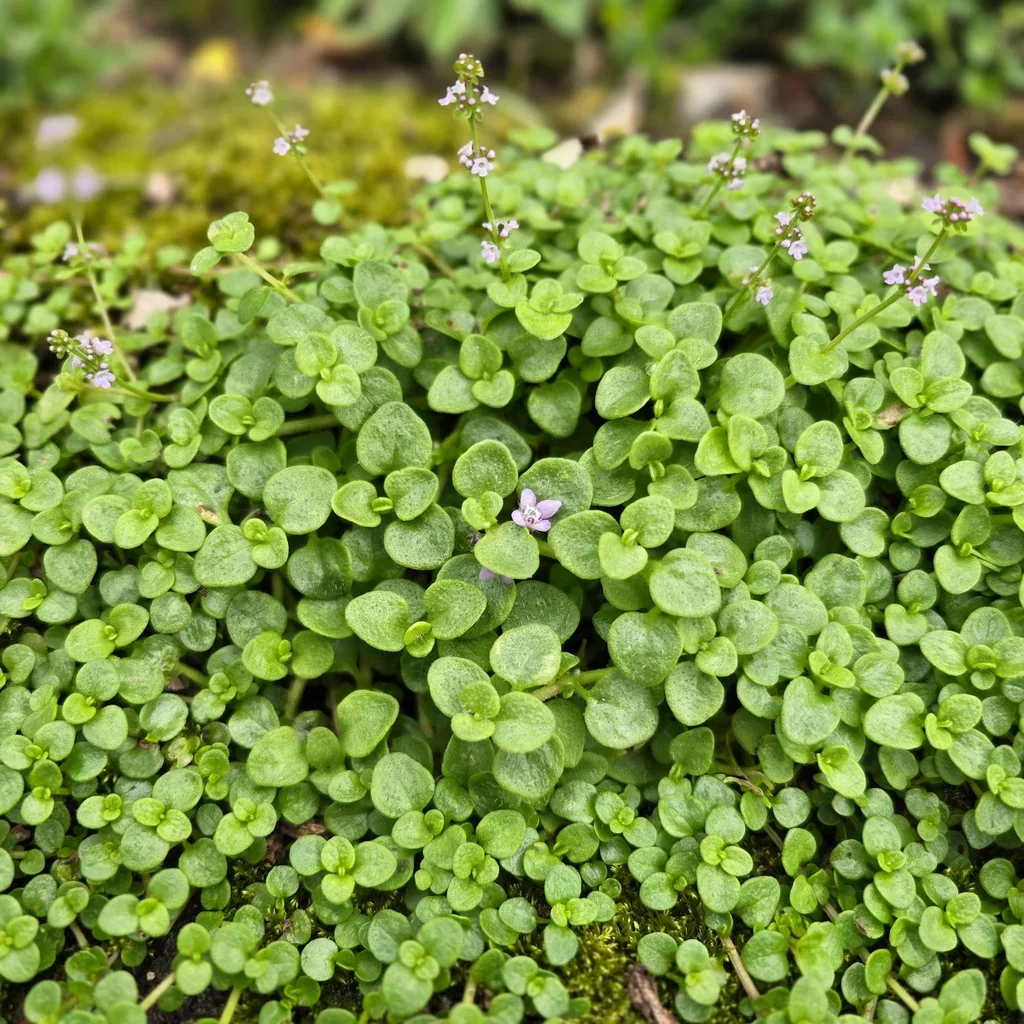
Corsican Mint
Mentha requienii
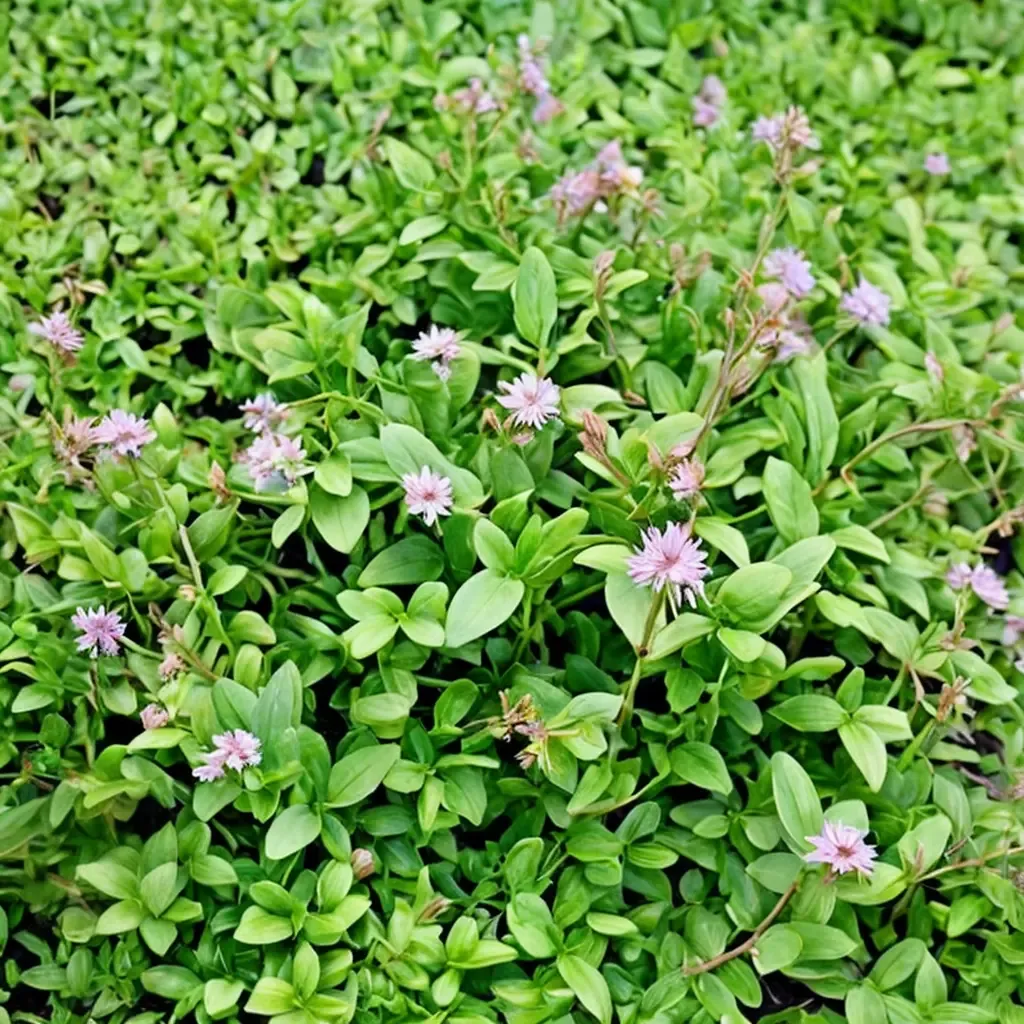
Pennyroyal
Mentha pulegium 'Nana'
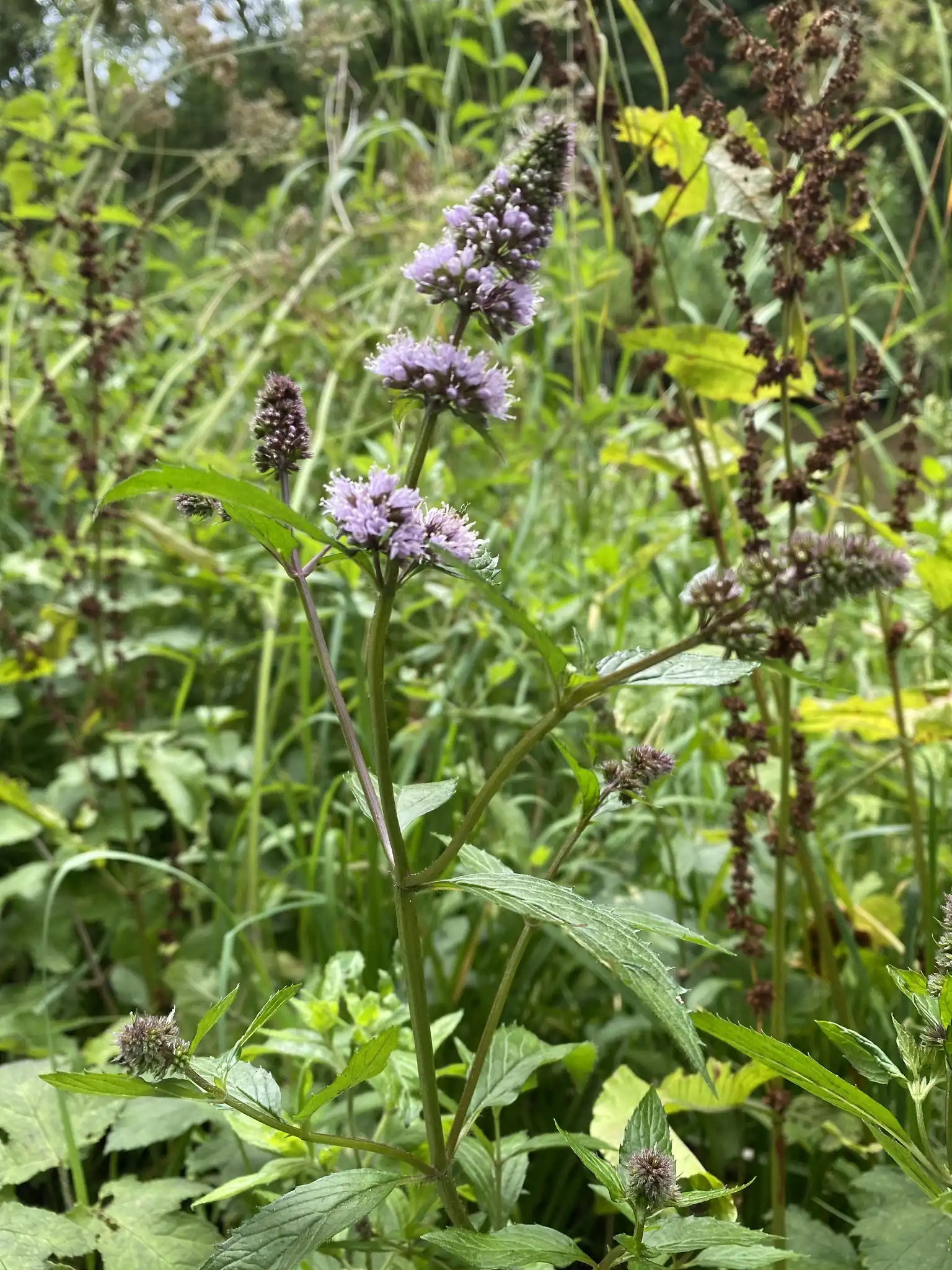
Peppermint
Mentha x piperita
Keep exploring
Explore the genus
Grow Curly Mint with confidence
See it in a design of your actual yard, get zone-matched care reminders, and track it season by season in your garden journal.