The Story
Plant Bio
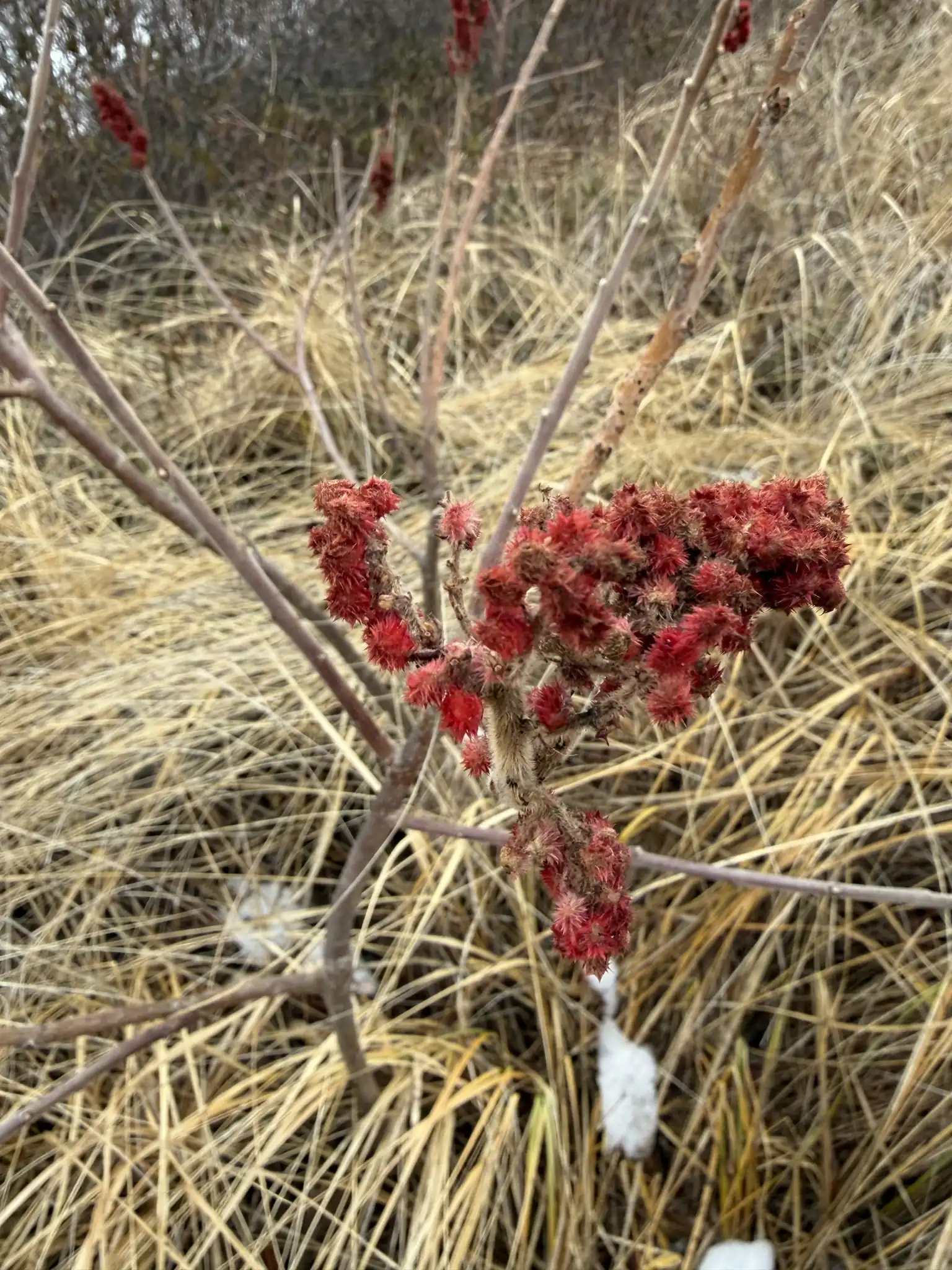
Rhus typhina is an open, spreading deciduous large shrub or small tree native to North America that forms dense thickets through aggressive root suckering. The large, alternate, odd-pinnate compound leaves carry 13 to 27 sharply toothed leaflets that emerge bright green before turning brilliant shades of orange, yellow, and scarlet in fall.
This species is distinguished by its young stems and branchlets, which are densely covered in velvety reddish-brown hairs resembling a stag's horns. In late spring, female plants produce dense, terminal, cone-shaped panicles of greenish-yellow flowers that mature into hairy, bright red drupe clusters.
Uses & Benefits:
Essentials
At a Glance
Plant Type
Shrub
Height
295"
Width
354"
Light
Full Sun, Partial Sun
Zones
4, 5, 6, 7, 8
Water
Low to moderate
Humidity
Moderate
Lifespan
Short to moderate
Native To
North America
Toxicity
Skin irritant
Bloom period
Late spring – Early summer
In flower about 2 months of the year
Planting
How to Grow
- Select a planting site in full sun to partial shade with well-drained soil, avoiding low-lying areas prone to standing water.
- Dig a hole twice as wide as the root ball and of equal depth, then place the plant so the soil flare is level with the ground.
- Backfill with native soil without adding fertilizer, as excess nutrients promote weak wood and aggressive suckering.
- Water thoroughly to settle the soil, and apply a layer of mulch to conserve moisture while the root system establishes.
Pro Tip
To prevent this species from colonizing lawns and garden beds, install physical root barriers at planting or regularly mow down emerging sucker shoots.
Keep It Thriving
Care Guide
Do
- Prune out cankered branches well below infection sites using sanitized tools.
- Install physical root barriers if planting near lawns, pathways, or garden borders.
- Ensure sharp soil drainage to prevent root rot and verticillium wilt.
Don't
- Do not apply high-nitrogen fertilizers, which stimulate excessive and weak suckering growth.
- Do not plant in heavy, wet clay or poorly drained soils.
- Do not perform superficial pruning or chopping, which triggers intense root suckering.
Seasonal Care Calendar
| Task | Jan | Feb | Mar | Apr | May | Jun | Jul | Aug | Sep | Oct | Nov | Dec |
|---|---|---|---|---|---|---|---|---|---|---|---|---|
| Pest Check | ||||||||||||
| Propagate | ||||||||||||
| Prune | ||||||||||||
| Spring Cleanup |
Watch Out For
Pests & Diseases
Common Pests
Common Diseases
In the Garden
Landscape Uses & Companions
Landscape Uses
Multiply
Propagation Methods
Good to Know
Common Questions
Staghorn Sumac questions
What zones can Staghorn Sumac grow in?
Staghorn Sumac is hardy in USDA Zones 4–8. Inside that range it survives winter in the ground; outside it, grow it as an annual or a container plant you protect.
Is Staghorn Sumac deer resistant?
Not reliably. Deer may browse Staghorn Sumac, especially tender spring growth — plan on repellents or fencing where pressure is high.
When does Staghorn Sumac bloom?
Staghorn Sumac typically blooms in late spring through early summer. Exact timing shifts a week or two with your zone — Sow's bloom calendar maps it to your garden.
Does Staghorn Sumac need full sun?
Staghorn Sumac does best in full sun to part shade. In hot climates, afternoon shade keeps blooms fresher longer.
Is Staghorn Sumac drought tolerant?
Yes — once established (usually after the first full season), Staghorn Sumac handles dry spells with minimal watering. Water deeply its first year to build the root system that makes that possible.
More Rhus to compare
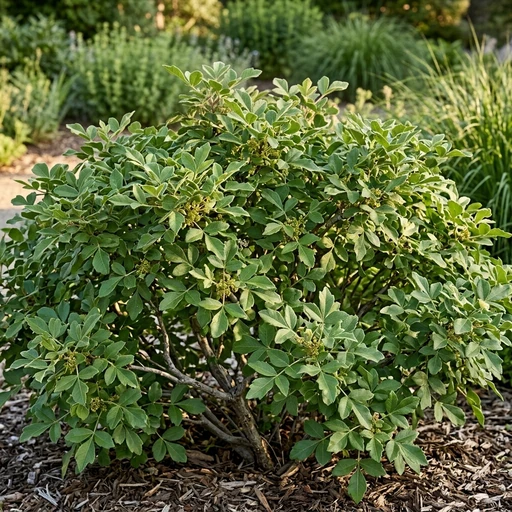
Gro-Low Fragrant Sumac
Rhus aromatica 'Gro-Low'
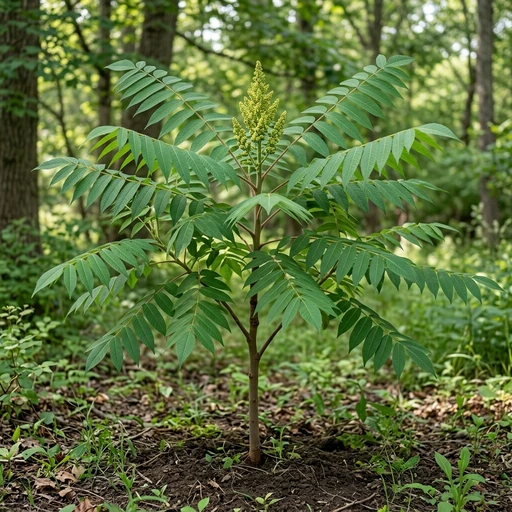
Smooth Sumac
Rhus glabra
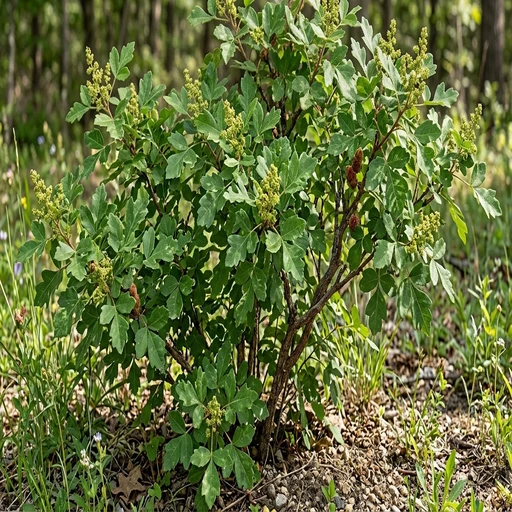
Fragrant Sumac
Rhus aromatica
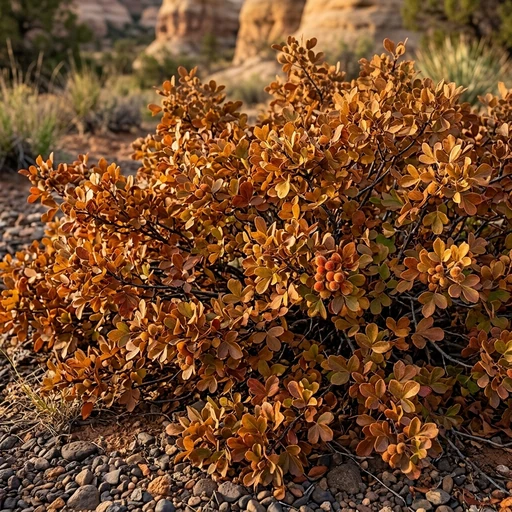
Autumn Amber Prostrate Three-leaf Sumac
Rhus trilobata 'Autumn Amber'
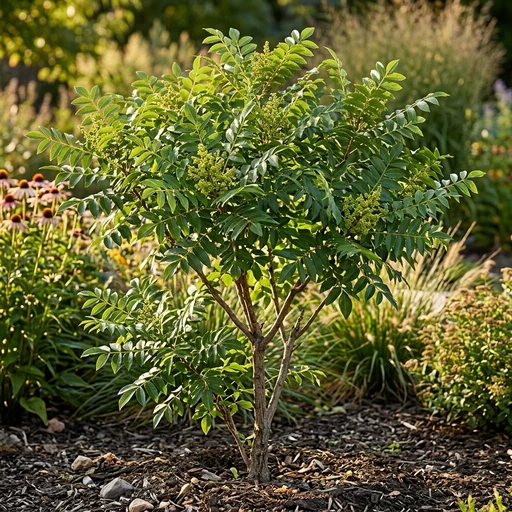
Shining Sumac
Rhus copallinum
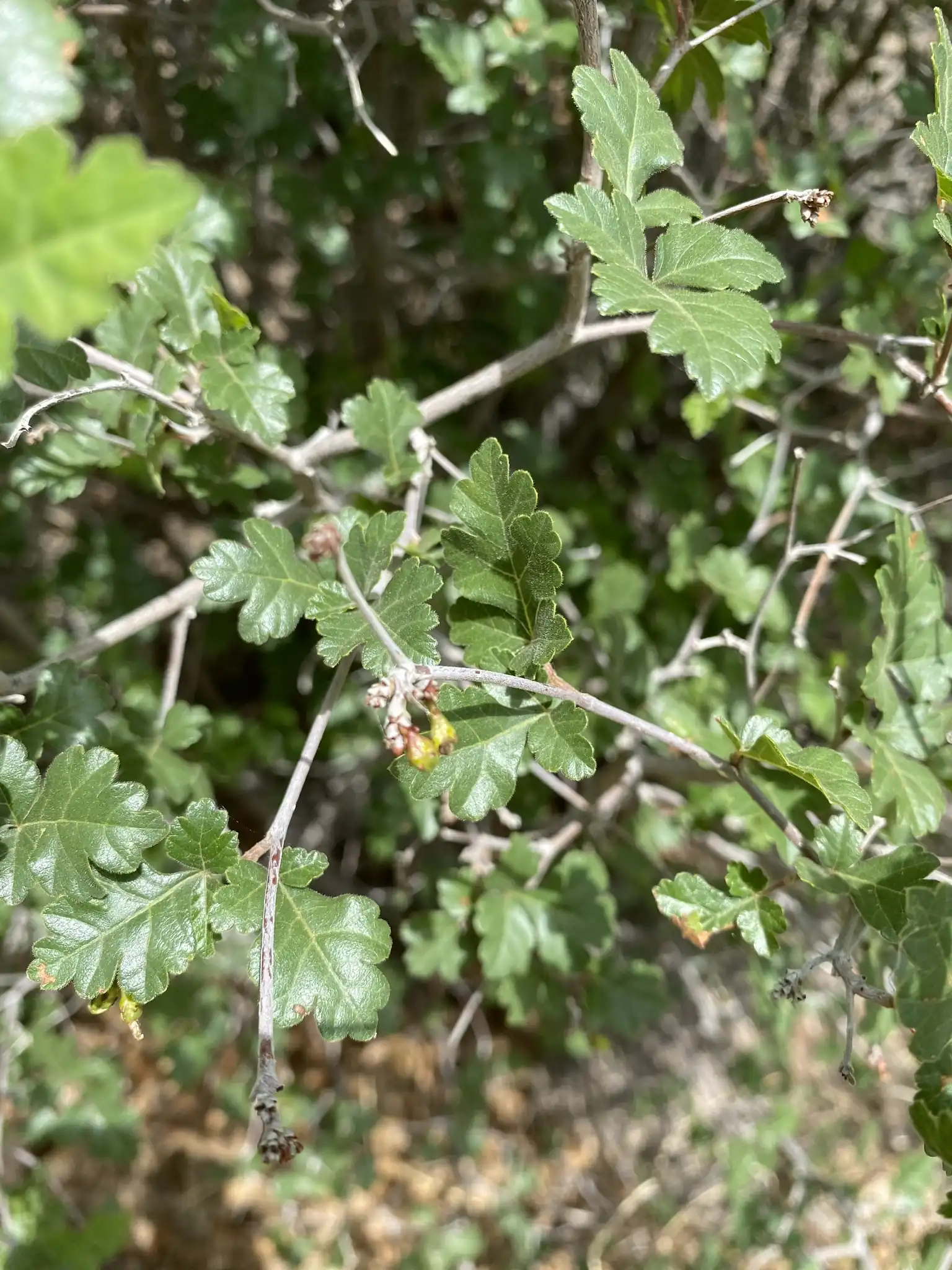
Skunkbush Sumac
Rhus trilobata
Keep exploring
Explore the genus
Hardy in your zone?
Grow Staghorn Sumac with confidence
See it in a design of your actual yard, get zone-matched care reminders, and track it season by season in your garden journal.