The Story
Plant Bio
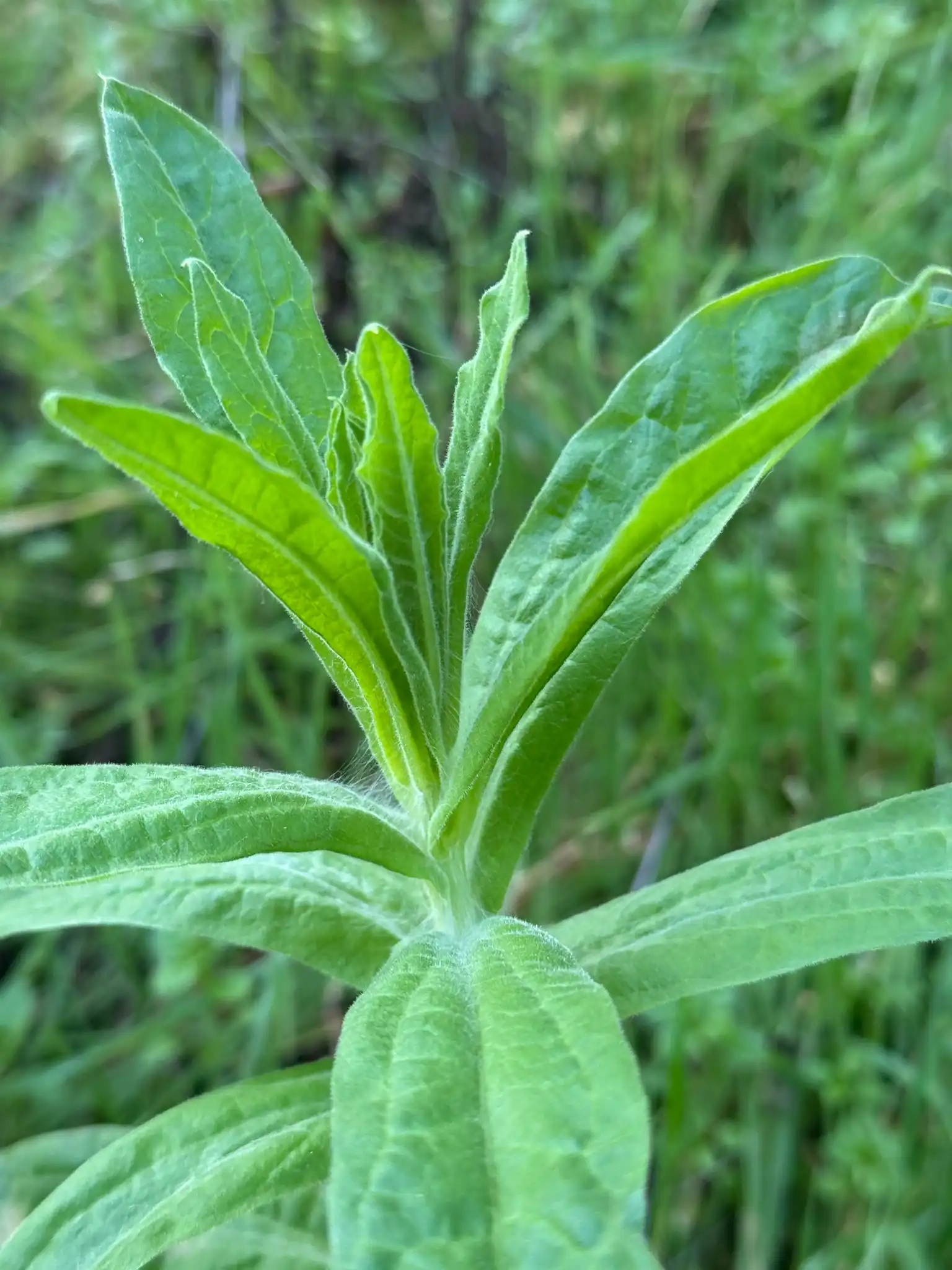
Pseudognaphalium californicum is an erect annual, biennial, or short-lived perennial herb native to coastal and chaparral regions of western North America. Its glandular-hairy, sticky foliage releases a distinct cumin or citrus fragrance and bears clusters of papery white flower heads from spring through fall.
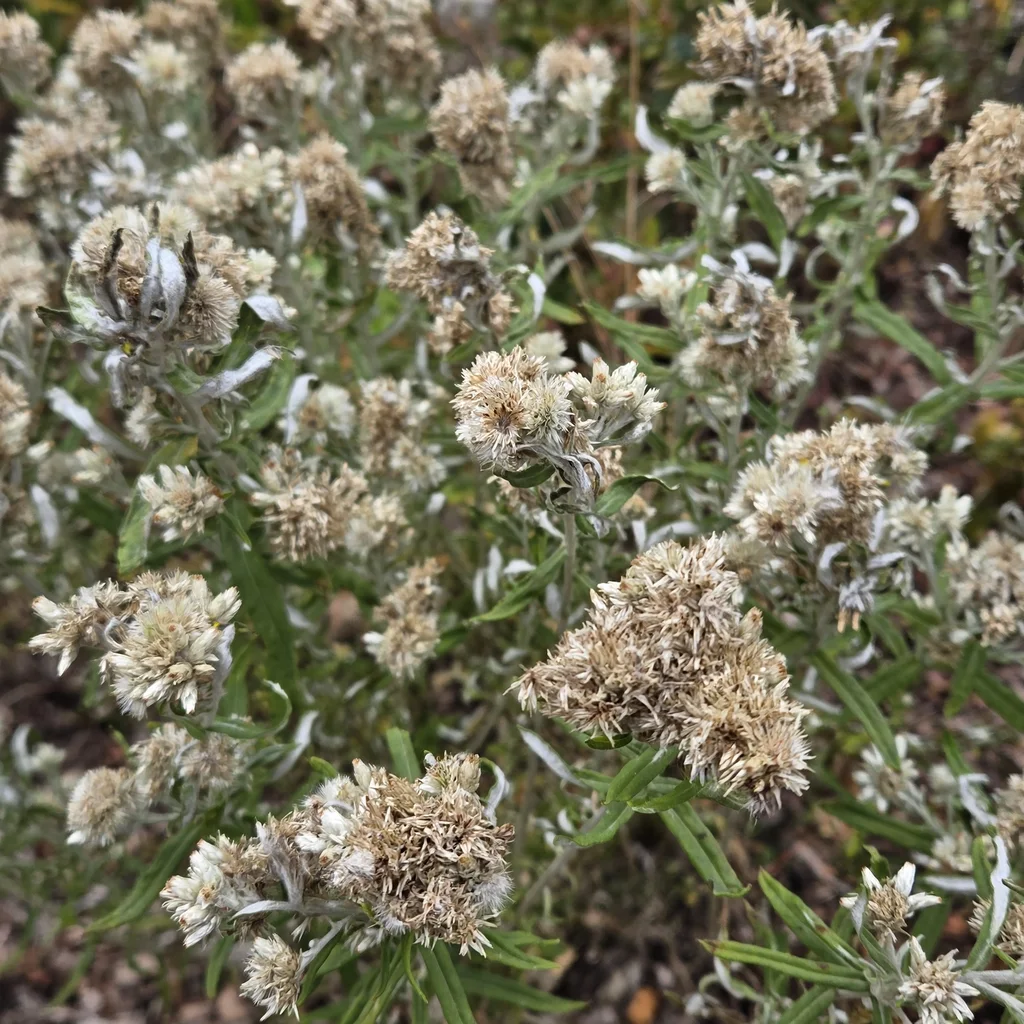
Functioning as a pioneer species in dry natural settings, it colonizes open ground and serves as a vital larval host plant for the American Painted Lady butterfly. The bright white papery phyllaries envelope the inflorescences and retain their clean color long after drying.
Uses & Benefits:
Essentials
At a Glance
Plant Type
Perennial
Height
32"
Width
24"
Light
Full Sun
Zones
5, 6, 7, 8, 9, 10
Water
Low
Humidity
Low
Lifespan
Short-lived perennial / Annual
Native To
North America
Toxicity
Non-toxic (can cause contact dermatitis)
Bloom period
Spring – Fall
In flower about 9 months of the year
Planting
How to Grow
- Select a planting site in full sun with gritty, sandy, or rocky soil that drains rapidly.
- Sow seeds on the soil surface or transplant nursery stock directly into unamended soil.
- Water young plants lightly until established, then stop supplemental irrigation through dry summer months.
- Allow flower heads to mature on the plant in fall to let seeds naturally distribute across open soil.
Pro Tip
Plant in unamended, lean soil with sharp drainage and restrict irrigation; excessive summer water and rich organic soils induce fatal root rot.
Keep It Thriving
Care Guide
Do
- Provide full sun and lean, sharply draining soil
- Allow spent flower heads to re-seed naturally for ongoing garden presence
- Wear gloves when handling stems if prone to resin-induced skin irritation
Don't
- Do not amend planting holes with rich compost or nitrogen-heavy fertilizers
- Do not overwater or allow roots to sit in waterlogged soil
- Do not cut heavily into old, leafless woody stem bases
Seasonal Care Calendar
| Task | Jan | Feb | Mar | Apr | May | Jun | Jul | Aug | Sep | Oct | Nov | Dec |
|---|---|---|---|---|---|---|---|---|---|---|---|---|
| Pest Check | ||||||||||||
| Plant | ||||||||||||
| Propagate | ||||||||||||
| Prune |
Watch Out For
Pests & Diseases
Common Pests
Common Diseases
In the Garden
Landscape Uses & Companions
Landscape Uses
Multiply
Propagation Methods
Good to Know
Common Questions
California Everlasting questions
What zones can California Everlasting grow in?
California Everlasting is hardy in USDA Zones 5–10: in that range it survives winter in the ground. Colder than Zone 5, grow it in a container you can move to shelter for the winter, or as an annual.
Is California Everlasting deer resistant?
Not reliably. Deer may browse California Everlasting, especially tender spring growth — plan on repellents or fencing where pressure is high.
When does California Everlasting bloom?
California Everlasting typically blooms from spring to fall. Exact timing shifts a week or two with your zone — Sow's bloom calendar maps it to your garden.
Does California Everlasting need full sun?
California Everlasting does best in full sun (6+ hours).
Is California Everlasting drought tolerant?
Yes — once established (usually after the first full season), California Everlasting handles dry spells with minimal watering. Water deeply its first year to build the root system that makes that possible.
More Pseudognaphalium to compare
Keep exploring
Explore the genus
Grow California Everlasting with confidence
See it in a design of your actual yard, get zone-matched care reminders, and track it season by season in your garden journal.