The Story
Plant Bio
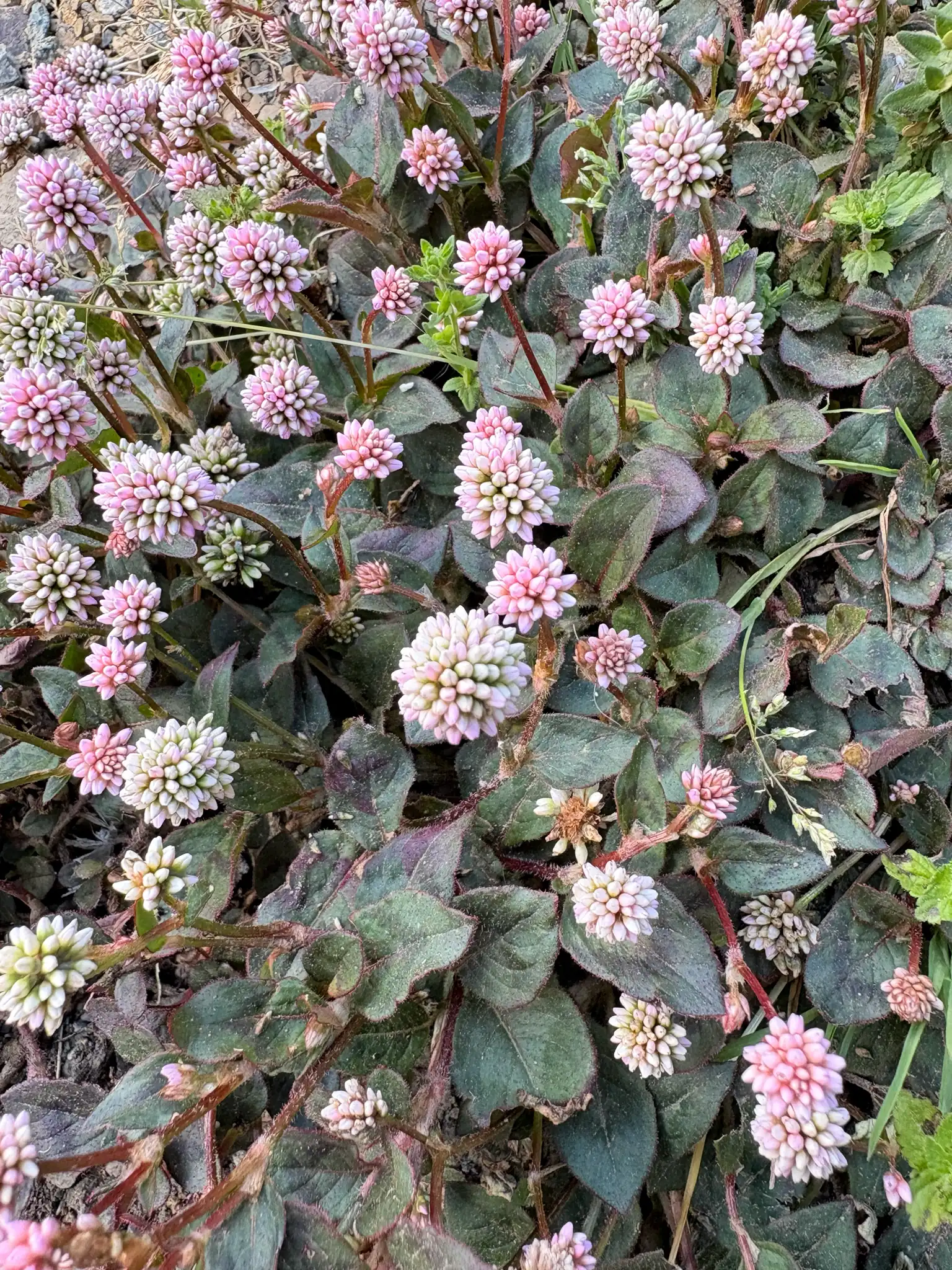
Persicaria capitata is a prostrate, mat-forming perennial herb from moist rocks in the Himalayas to western China, rooting where its trailing stems touch soil to make a mat four to six inches high and up to two feet wide. The ovate leaves run one-half to three-quarters of an inch long, green to bronze-green with a dark maroon V-band above and red-tinged undersides with scattered short hairs.
Unlike upright smartweeds that bloom in loose interrupted spikes, this species packs its pink to coral-pink flowers into dense globose heads about half an inch across held just above the leaves. New growth emerges bronze-tinged, and established mats bloom from summer into fall while continuing to spread outward rather than clumping.
Uses & Benefits:
Essentials
At a Glance
Plant Type
Groundcover
Height
6"
Width
24"
Light
Full Sun, Partial Sun
Zones
7, 8, 9, 10
Water
Medium
Humidity
Unknown
Lifespan
Perennial, annual below Zone 7
Native To
Himalayas to western China
Toxicity
Unknown - keep from ingestion
Bloom period
Summer – Fall
In flower about 6 months of the year
Planting
How to Grow
- Plant in full sun to partial shade after last frost in moist, well-drained loam or clay.
- Space 12 to 18 inches apart and water in; stems root where they touch soil.
- Water to keep soil evenly moist the first season, then water when the top inch dries.
- Trim trailing edges through summer to hold the mat inside its bed.
- Clip spent heads to limit self-seeding; below Zone 7 lift cuttings before hard frost if overwintering indoors.
Pro Tip
Set it where trailing stems cannot root into lawn or open soil, and keep soil moist but drained; waterlogged crowns rot while contained, sun-grown mats stay tight and floriferous.
Keep It Thriving
Care Guide
Do
- Grow in full sun in moist but drained soil for tightest growth and best bloom.
- Edge beds with a physical barrier to stop stems rooting outward.
- Check young transplants for cutworm and flea beetle feeding.
Don't
- Do not plant where stems can escape into lawns, paths, or natural areas.
- Do not keep soil waterlogged; crowns rot in standing water.
- Do not expect a clump; it spreads by trailing rooted stems.
Seasonal Care Calendar
| Task | Jan | Feb | Mar | Apr | May | Jun | Jul | Aug | Sep | Oct | Nov | Dec |
|---|---|---|---|---|---|---|---|---|---|---|---|---|
| Deadhead | ||||||||||||
| Pest Check | ||||||||||||
| Plant | ||||||||||||
| Prune | ||||||||||||
| Winter Prep |
Watch Out For
Pests & Diseases
Common Pests
Common Diseases
In the Garden
Landscape Uses & Companions
Landscape Uses
Companion Plants
Multiply
Propagation Methods
Good to Know
Common Questions
Pink-Headed Persicaria questions
What zones can Pink-Headed Persicaria grow in?
Pink-Headed Persicaria is hardy in USDA Zones 7–10: in that range it survives winter in the ground. Colder than Zone 7, grow it in a container you can move to shelter for the winter, or as an annual.
When does Pink-Headed Persicaria bloom?
Pink-Headed Persicaria typically blooms from summer to fall. Exact timing shifts a week or two with your zone — Sow's bloom calendar maps it to your garden.
Does Pink-Headed Persicaria need full sun?
Pink-Headed Persicaria does best in full sun to part shade. In hot climates, afternoon shade keeps blooms fresher longer.
More Persicaria to compare
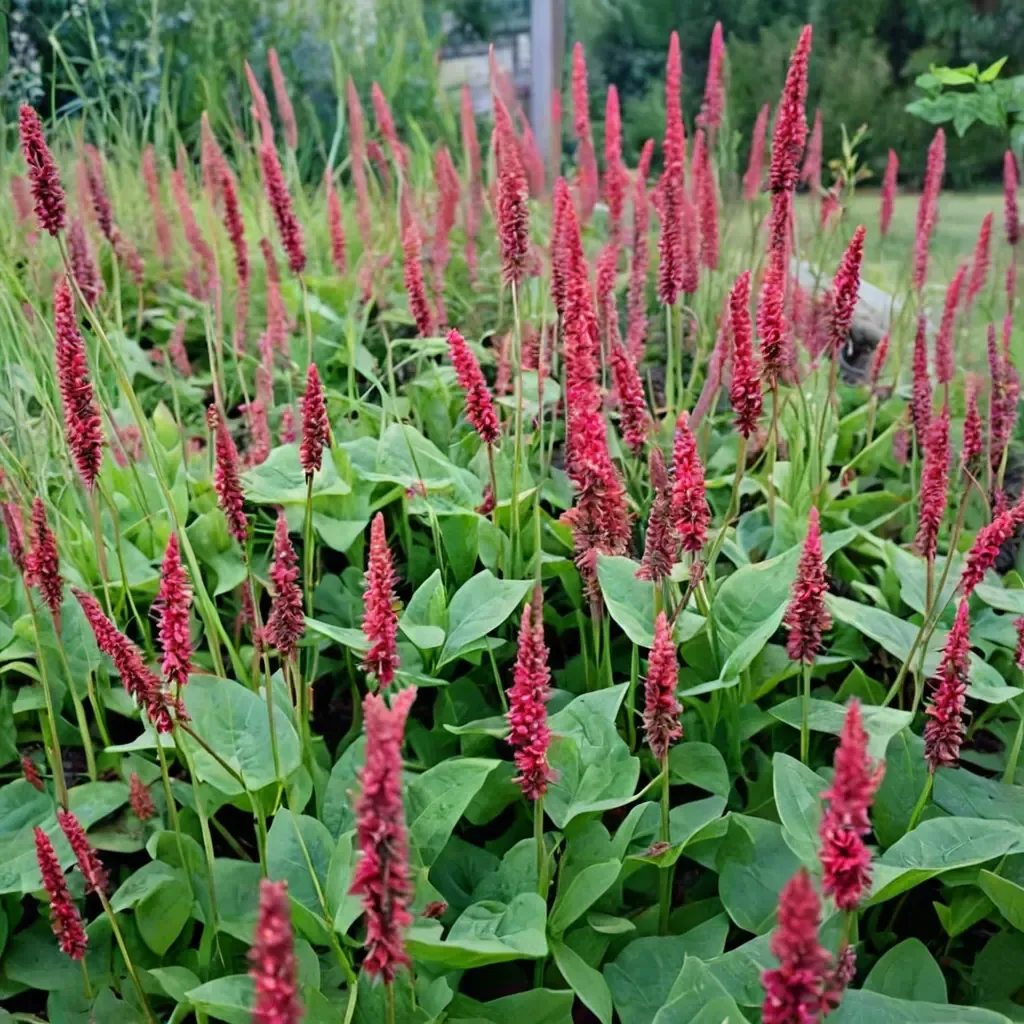
Mountain Fleece Chinese Fleeceflower
Persicaria amplexicaulis
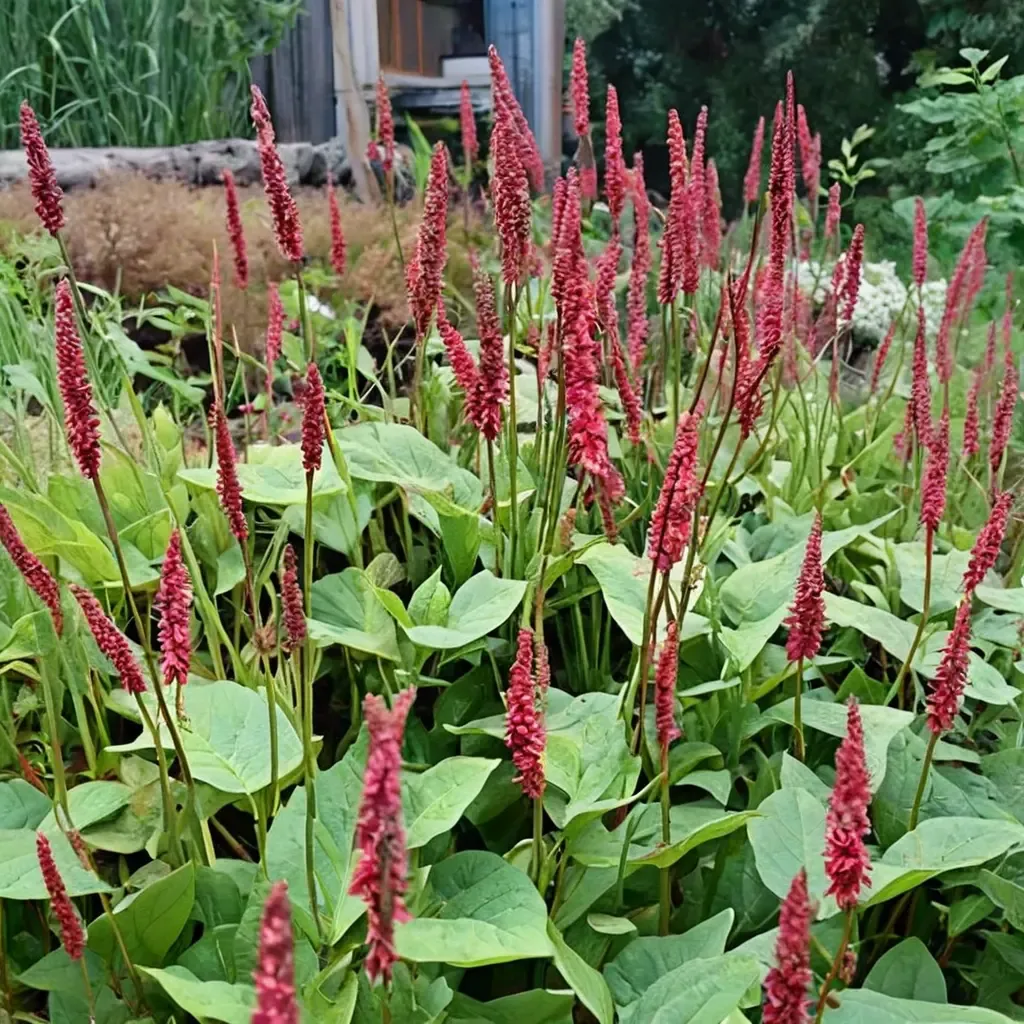
Mountain Fleece 'Firetail'
Persicaria amplexicaulis 'Firetail'
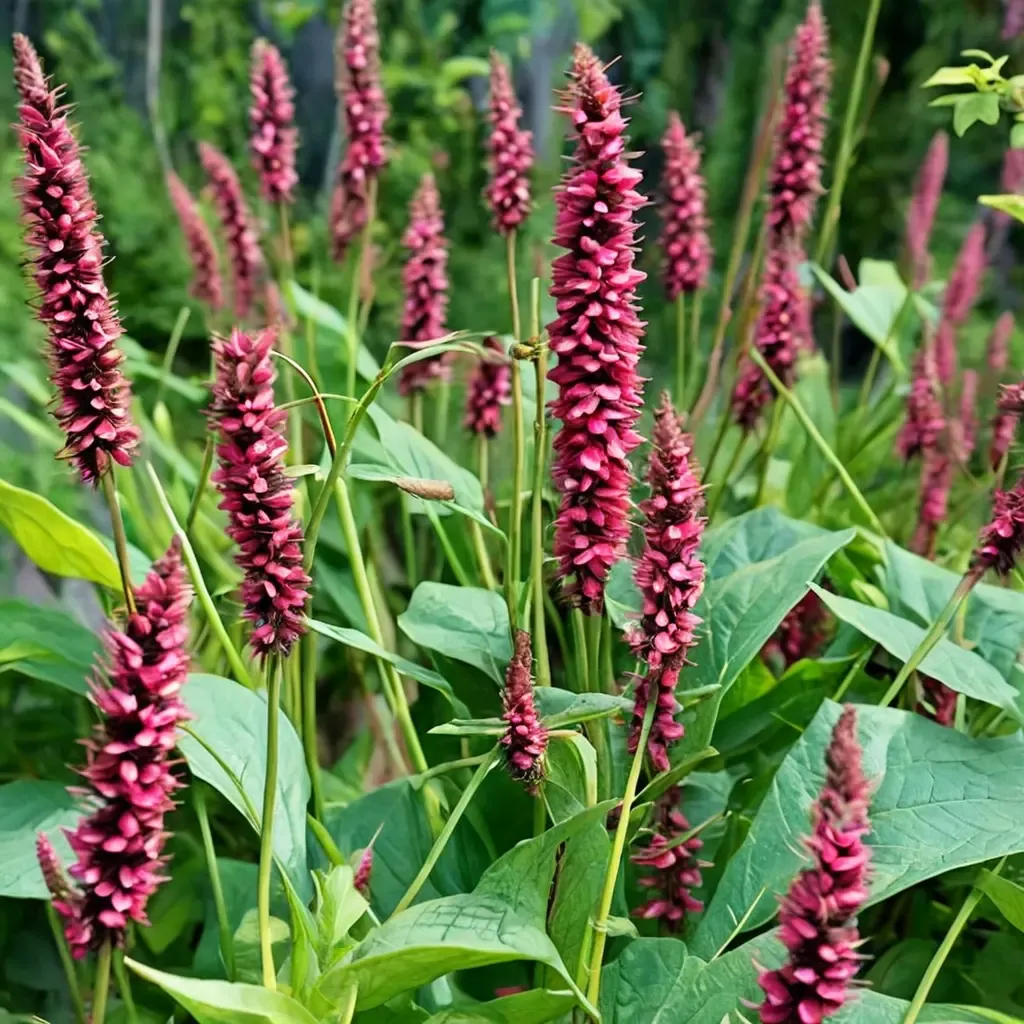
Taurus Mountain Fleece
Persicaria amplexicaulis 'Taurus'
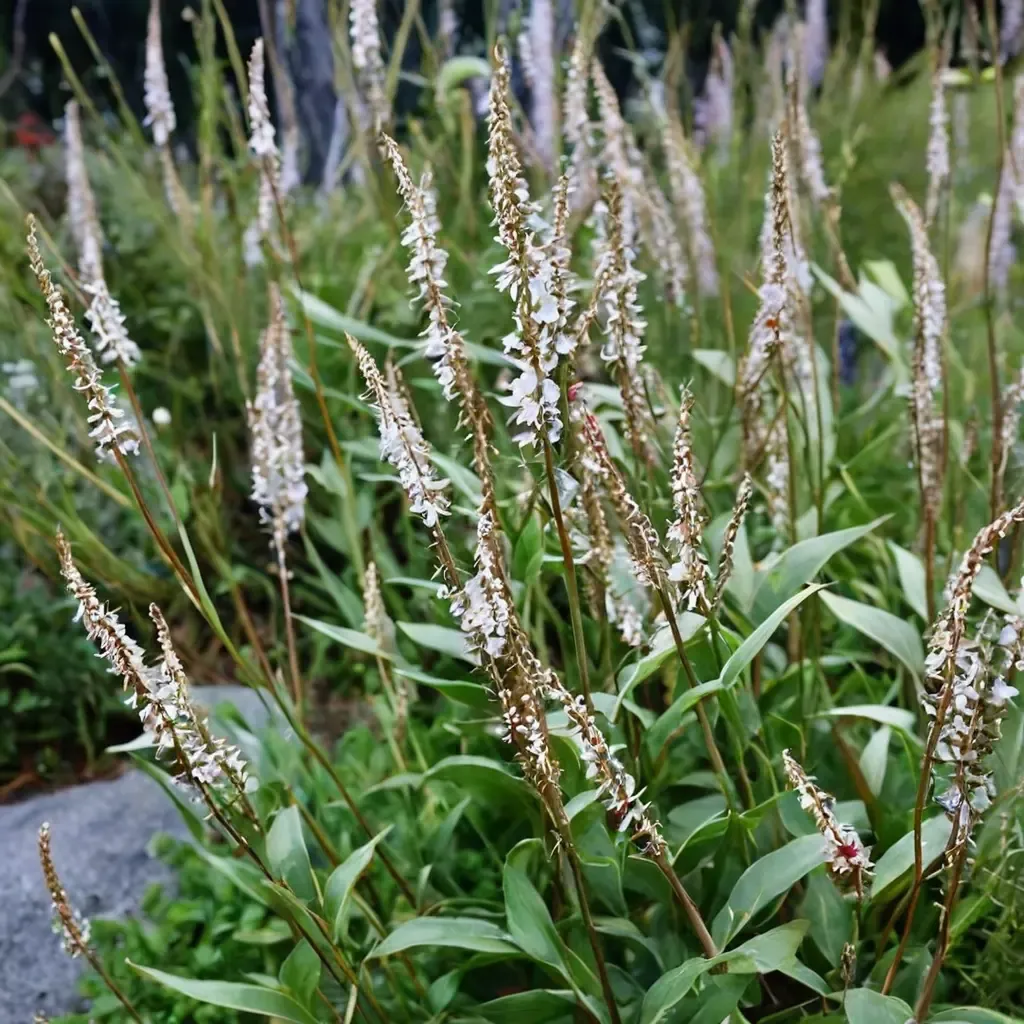
White Mountain Knotweed
Persicaria amplexicaulis 'Alba'
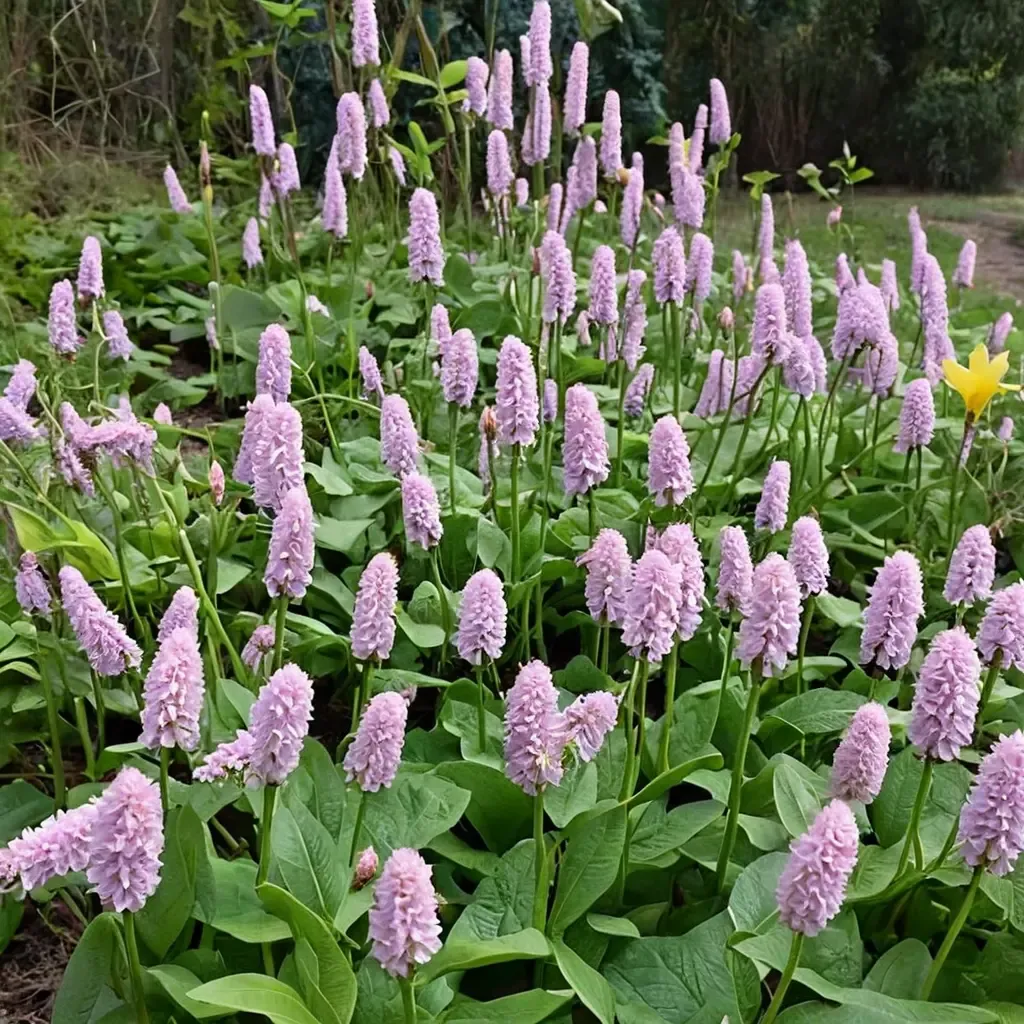
Superba bistort
Persicaria bistorta 'Superba'
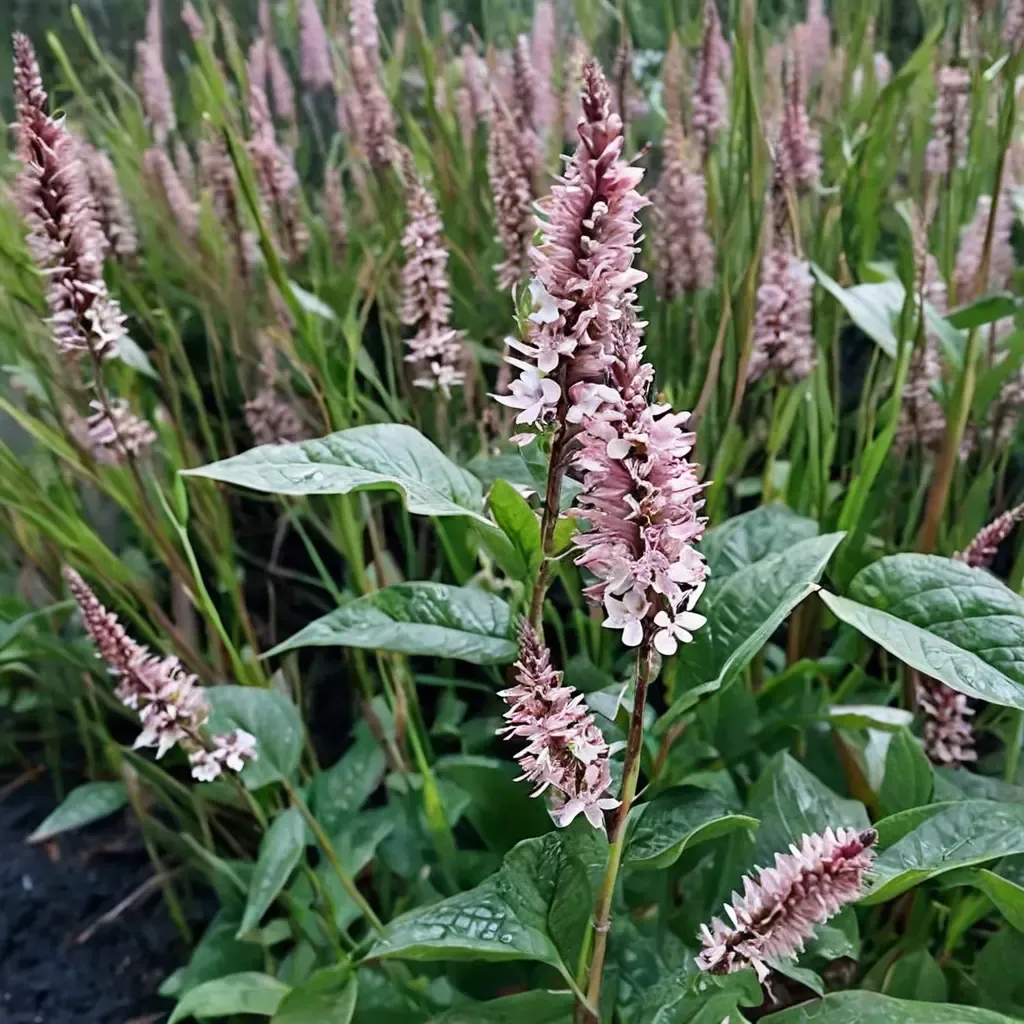
Rosea Mountain Fleece
Persicaria amplexicaulis 'Rosea'
Keep exploring
Explore the genus
Hardy in your zone?
Grow Pink-Headed Persicaria with confidence
See it in a design of your actual yard, get zone-matched care reminders, and track it season by season in your garden journal.